分类: business

  • PM: New airport to drive Cat Island trade, tourism

    PM: New airport to drive Cat Island trade, tourism

    In a landmark step toward spreading economic prosperity across The Bahamas’ outer Family Islands, officials have formally opened the renovated Arthur’s Town Airport on Cat Island, framing the infrastructure project as a cornerstone of the national government’s strategy to unlock new development outside major population centers.

    Speaking at the official commissioning ceremony, Prime Minister Philip Davis KC—who also serves as the Member of Parliament for Cat Island, Rum Cay and San Salvador—emphasized that the modernized facility will act as a catalyst for increased visitor arrivals, expanded cross-border trade, and new professional opportunities for local residents. He noted that while the government has laid the foundational infrastructure, the direction and benefits of future growth are ultimately in the hands of Cat Island’s community.

    “The opening of this airport will bring more people, more trade and more opportunity, but it is up to you, the people of Cat Island, to determine how you wish to expand that community, how you wish to share that tranquility, and how you wish to seize those opportunities,” Davis told attendees. Framing the project as an intergenerational investment, he added, “All that I’m looking forward to is that a good foundation is laid for the future. This is about the future, so my grandkids can be here to enjoy what I left behind.”

    Deputy Prime Minister Chester Cooper, who also holds portfolios for tourism, investments and aviation, described the upgraded airport as far more than a transportation hub, calling it a gateway to widespread economic renewal for Cat Island’s northern region.

    “This is the kind of investment that changes how people live, how they travel, how they do business and how they see the future of their own island. This airport is a major transformation,” Cooper said. He positioned the Arthur’s Town project as a key component of the most ambitious national airport expansion initiative in The Bahamas’ history, noting that the current administration has already delivered upgraded terminal facilities across multiple Family Islands.

    Infrastructure of this kind, Cooper explained, is the backbone of growing the country’s critical tourism sector and supporting small business expansion across outer islands. “These are not just airports. These are lifelines and engines for opportunity. They help our people move more easily. They help our visitors arrive more safely. They help our businesses grow. They help tourism to thrive,” he said.

    Cooper also confirmed that the project will deliver immediate connectivity gains, with the first scheduled international commercial air service set to launch on May 12. Makers Air will operate direct flights from Florida to Arthur’s Town twice weekly, on Tuesdays and Thursdays, opening direct international access to the island for the first time.

    Clay Sweeting, Bahamas’ Minister of Works and Family Island Affairs, added that the airport’s completion marks a fundamental shift in how the national government approaches infrastructure delivery for outer island communities. For decades, he noted, local residents had to adapt their daily lives and economic activity to inadequate, outdated infrastructure. Now, he said, the government has built infrastructure tailored to serve community needs.

    “Today is not just an opening of an airport. It’s about opening opportunities, because for far too long, Family Island communities like Arthur’s Town have had to work around infrastructure. Today, we are building infrastructure that works for you,” Sweeting said. He added that the improved facility will boost both connectivity and quality of life for local residents, bringing easier access to mainland services, safer travel, and stronger links to national and global markets.

    The opening of Arthur’s Town Airport caps years of planning and investment under the Davis administration’s flagship economic diversification strategy, which prioritizes spreading development beyond Nassau and Freeport to unlock the untapped economic potential of The Bahamas’ smaller outer islands.
  • Amazon to provide delivery for any business, not just its own merchants

    Amazon to provide delivery for any business, not just its own merchants

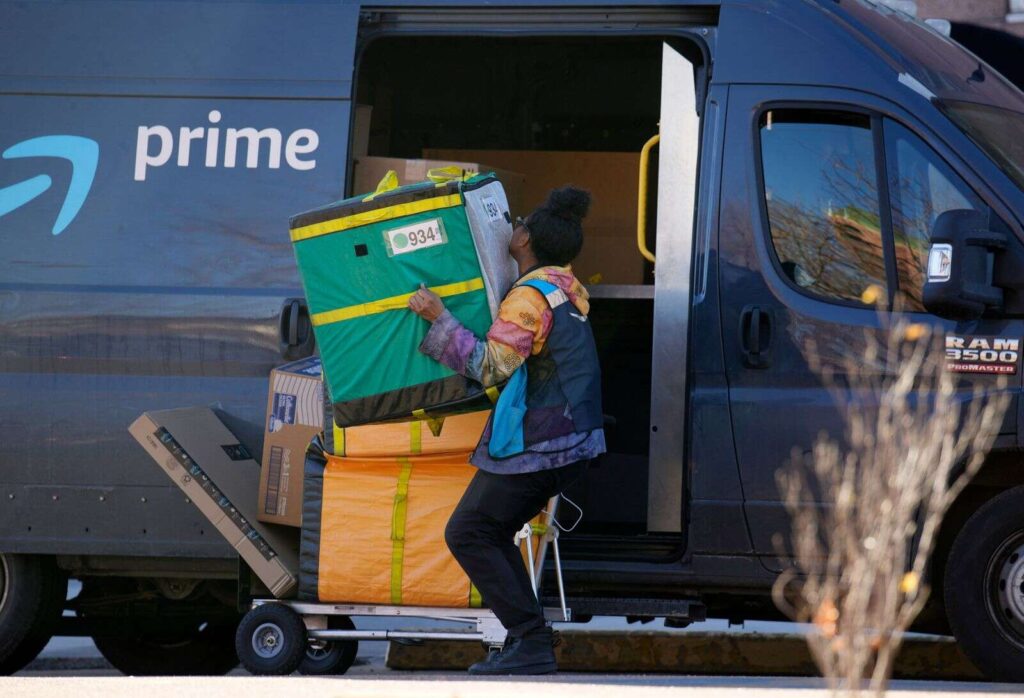
    In a transformative move that is reshaping the global logistics industry, e-commerce and technology giant Amazon announced on Monday that it is opening its decades-old, sprawling shipping and delivery infrastructure to third-party businesses of all sizes — not just merchants that operate on the company’s own e-commerce platform.

    The newly launched offering, branded as Amazon Supply Chain Services (ASCS), allows participating companies to outsource their entire end-to-end supply chain operations to Amazon, from transporting manufactured goods across international oceans to storing inventory in Amazon’s network of climate-controlled warehouses, and ultimately delivering finished products directly to consumers’ homes seven days a week. Major established consumer brands including Procter & Gamble, 3M, Lands’ End, and American Outfitters American Eagle have already finalized partnerships to integrate ASCS into their operations, signaling early industry confidence in the new service.

    Amazon framed this ambitious expansion as a parallel to the 2006 launch of Amazon Web Services (AWS), the company’s game-changing cloud computing division that revolutionized the global tech sector. AWS was originally developed as an internal tool to handle Amazon’s own massive data storage and computing needs, before the company recognized the broader market demand and turned it into one of its most profitable business units, generating more than $80 billion in annual revenue today. Leadership at Amazon believes the same playbook will work for logistics: the company has already spent billions building out its delivery network for its own retail and marketplace operations, and now it can monetize excess capacity by opening the system to outside businesses.

    Prior to this launch, Amazon’s robust logistics capabilities were largely limited to sellers participating in Fulfillment by Amazon (FBA), a program that lets third-party merchants selling on Amazon’s marketplace outsource packing, shipping, and customer service to the company. Since FBA launched in 2006, participants have shipped more than 80 billion items through the program, demonstrating the proven scale and reliability of Amazon’s operations. But until the launch of ASCS, businesses that sold through their own websites, brick-and-mortar stores, or other e-commerce platforms could not access Amazon’s logistics network.

    The entry of Amazon into the third-party logistics market sets up a new era of direct competition with established global shipping and delivery giants including UPS, FedEx, and DHL. The market reacted swiftly to the news on Wall Street: legacy logistics provider UPS saw its share price drop 10% by market close, while competitor FedEx fell 9% as investors priced in the increased competitive pressure. Amazon, by contrast, saw its own stock tick up around 1% on the announcement as investors reacted positively to the company’s new high-growth revenue stream.

  • Antigua and Barbuda Set for Global Spotlight as Caribbean Travel Marketplace 2026 Returns

    Antigua and Barbuda Set for Global Spotlight as Caribbean Travel Marketplace 2026 Returns

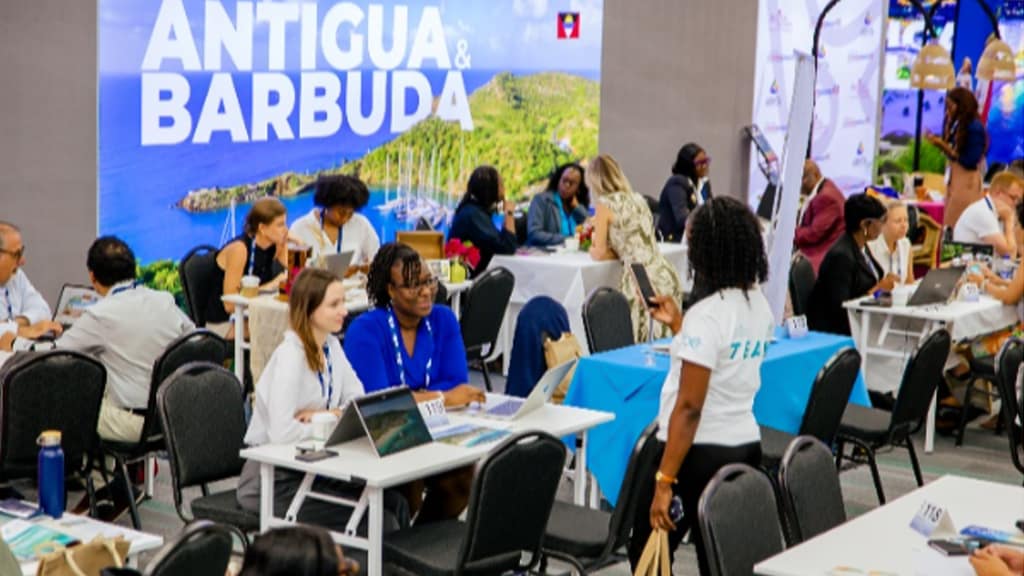
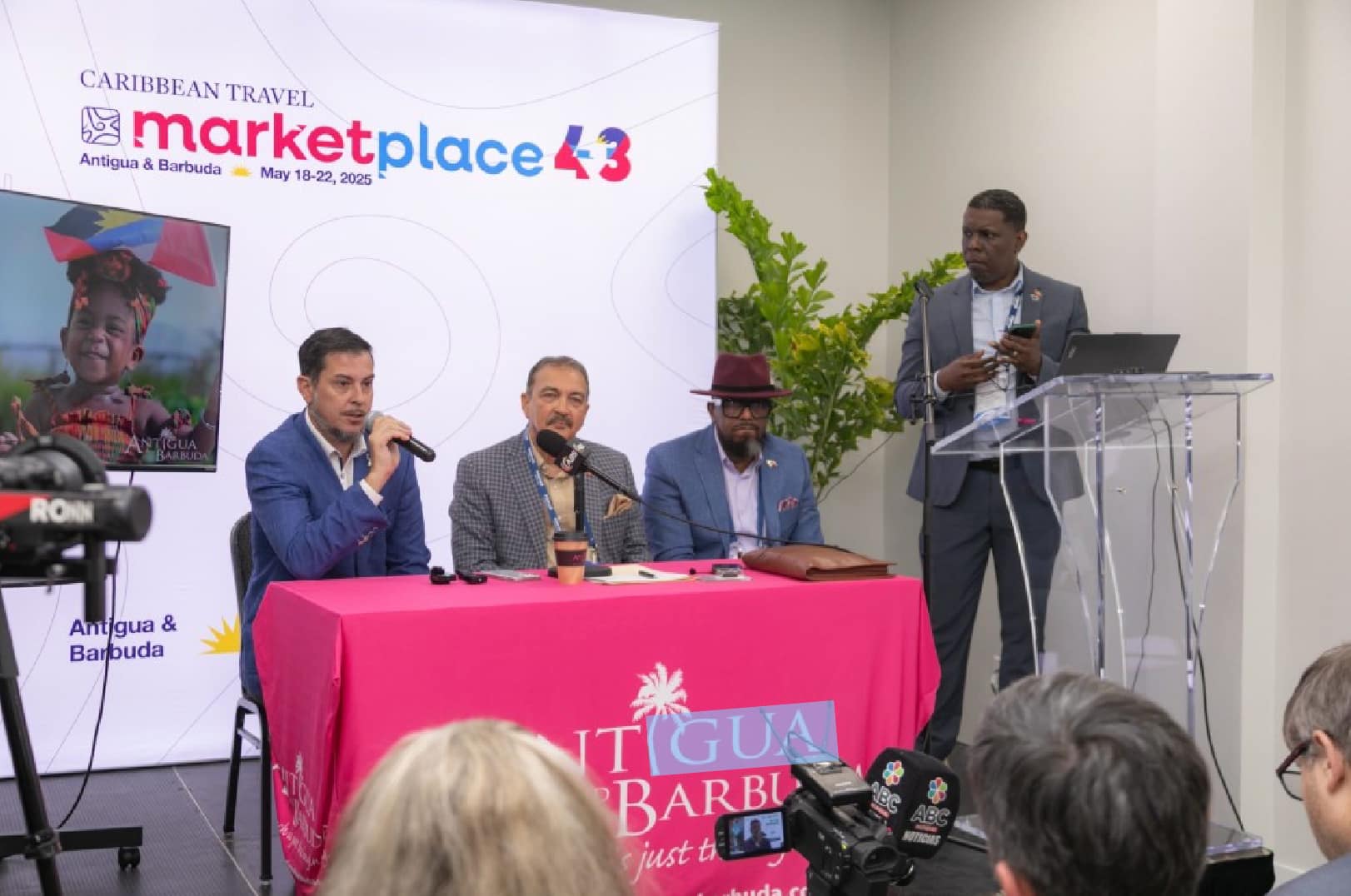
    The dual-island Caribbean nation of Antigua and Barbuda is gearing up to welcome thousands of global tourism industry stakeholders when it plays host to the highly anticipated 2026 Caribbean Travel Marketplace. Marking a major return of the region’s premier travel industry gathering to the destination, this event is set to cement Antigua and Barbuda’s position as a top-tier global travel hub.

    The Caribbean Travel Marketplace has long stood as the most influential business-to-business networking and trade event for the Caribbean tourism sector, bringing together hotel operators, airline executives, tour providers, travel agents, and international media from across the globe. For the 2026 edition, organizers and local tourism officials are projecting that more than 1,500 industry professionals will converge on Antigua to forge new business partnerships, explore emerging travel trends, and showcase the very best that the Caribbean has to offer.

    Local authorities say the selection of Antigua and Barbuda as the 2026 host is a testament to the destination’s continued resilience, world-class tourism infrastructure, and unwavering commitment to delivering exceptional visitor experiences. Charles Fernandez, the country’s Minister of Tourism, Civil Aviation and Transportation, emphasized that hosting the marketplace will deliver far-reaching economic benefits beyond the event itself. “This is more than just a conference for our nation—it is an opportunity to demonstrate to the world that Antigua and Barbuda is open for business, ready to welcome visitors, and committed to driving the growth of the entire Caribbean tourism ecosystem,” Fernandez noted in a statement outlining the country’s preparations.

    Preparations are already underway to upgrade event venues, enhance hospitality services, and develop a robust program that addresses the most pressing topics facing global travel today, including sustainable tourism development, digital transformation in travel marketing, and post-pandemic recovery strategies for small island destinations. The event is also expected to shine a global spotlight on Antigua and Barbuda’s unique natural attractions, from its 365 pristine white-sand beaches to its rich cultural heritage and world-renowned sailing culture.

    Industry analysts note that hosting the 2026 Caribbean Travel Marketplace will generate significant long-term economic impacts for Antigua and Barbuda, including increased international brand exposure, new inbound tourism bookings, and strengthened partnerships with major global travel companies. For the wider Caribbean region, the event serves as a critical platform to collectively market the area as a safe, desirable, and diverse travel destination for global travelers.

  • Caribbean Travel Marketplace Returns to Antigua and Barbuda

    Caribbean Travel Marketplace Returns to Antigua and Barbuda

    One of the most influential gatherings for the Caribbean tourism ecosystem is set to kick off for the second straight year in Antigua and Barbuda, with the Caribbean Travel Marketplace reaffirming its standing as the region’s premier travel industry event. Organized by the Caribbean Hotels and Tourism Association (CHTA) in partnership with the Antigua and Barbuda Tourism Authority, the 2026 gathering will welcome more than 500 tourism suppliers and international travel buyers at the American University of Antigua’s purpose-built conference center. Across the four-day event, attendees will engage with a multi-faceted program that merges targeted business matchmaking, professional networking opportunities, and industry-leading professional development training.

    As a key strategic hub for cross-sector collaboration, the marketplace is designed to strengthen existing business partnerships and foster new connections that drive sustainable tourism growth across the entire Caribbean region. Pre-scheduled one-on-one meetings between buyers and suppliers form the core of the event’s business agenda, while a series of complementary side sessions and special events dive into the most pressing shifts and trends reshaping global travel.

    Two flagship special events stand out in this year’s programming. On May 14, the event will host its annual Responsible Tourism Day, a dedicated space where industry professionals can explore cutting-edge initiatives in sustainable tourism development, marine and land environmental conservation, and community-centered travel. The following day, May 15, will see the return of the Direct Booking Summit, which brings together C-level industry leaders to dissect emerging innovations, data-driven digital marketing strategies, and evolving consumer trends that are redefining how travel brands connect directly with customers.

    A strong contingent of international travel media will also be on the ground at the 2026 marketplace, expanding the event’s global footprint and amplifying Caribbean tourism messaging to the world’s top source travel markets. Adding a unique cultural layer to the professional gathering, this year’s Caribbean Travel Marketplace coincides with Antigua and Barbuda’s annual Gastronomic Month. This alignment gives attendees the chance to complement their business schedules with immersive culinary experiences, sampling local cuisine and engaging with the destination’s rich cultural heritage outside of formal meeting sessions.

    By combining targeted business development, accessible industry education, and cross-border professional exchange under one banner, the Caribbean Travel Marketplace continues to solidify its role as an indispensable catalyst for advancing the Caribbean tourism sector, supporting small and large businesses across the region to tap into growing global travel demand.

  • Antigua and Barbuda strengthens its position in Brazil with a focus on year-round connectivity and experiences

    Antigua and Barbuda strengthens its position in Brazil with a focus on year-round connectivity and experiences

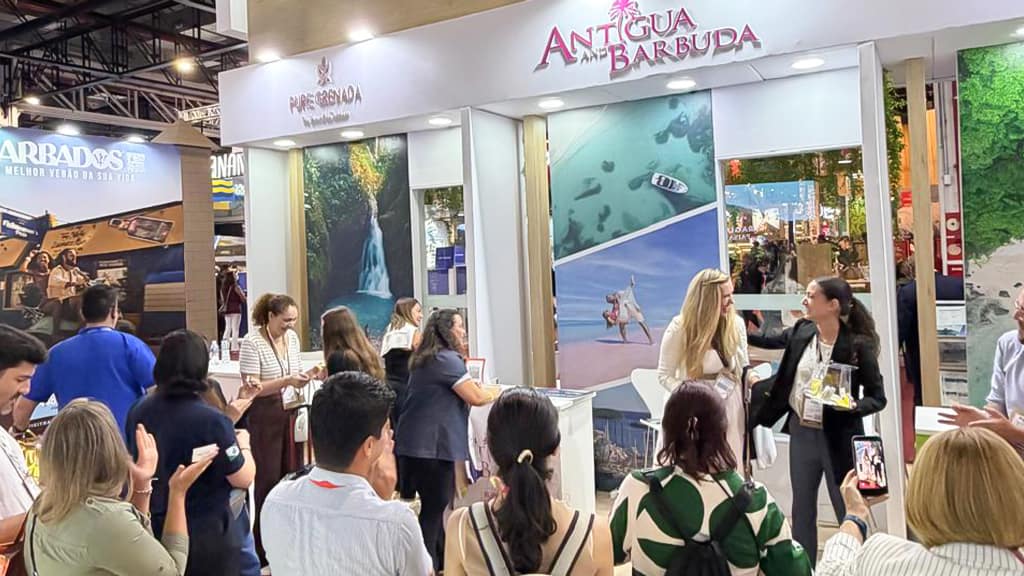
    The dual-island Caribbean nation of Antigua and Barbuda has launched a targeted strategic push to solidify its footprint in Brazil’s fast-growing outbound travel market, centering its expansion on two core pillars: establishing consistent year-round air connectivity and crafting immersive, authentic travel experiences for Brazilian visitors.

    In recent years, Brazil has emerged as one of the most promising source markets for Caribbean tourism, with a rising middle class increasingly seeking unique tropical getaways beyond traditional regional destinations. Antigua and Barbuda’s tourism authority has recognized this untapped potential, moving beyond seasonal marketing campaigns to build long-term infrastructure and partnership frameworks that support continuous visitor flow.

    Key to the strategy is negotiating new air service agreements with major Brazilian carriers, which will cut down on travel time and eliminate the common inconvenience of connecting flights through other Caribbean hubs that have historically limited Brazilian travel to the islands. Alongside connectivity improvements, local tourism stakeholders are rolling out customized experience packages tailored to Brazilian traveler preferences, including eco-adventure tours through the islands’ protected rainforest reserves, cultural exchange workshops with local craft communities, and premium luxury retreats focused on wellness and privacy.

    Industry analysts note that this focused expansion is expected to deliver mutual economic benefits: for Antigua and Barbuda, it will diversify its visitor base and reduce reliance on traditional North American and European markets, while for Brazilian travelers, it opens up a new, high-quality tropical destination with consistent access. Early indicators from the initiative already show a double-digit uptick in Brazilian visitor inquiries compared to the same period last year, signaling strong market reception for the new strategy.

  • Chutney en zuurgoed van vruchtenschillen zorgen voor extra inkomstenkansen

    Chutney en zuurgoed van vruchtenschillen zorgen voor extra inkomstenkansen

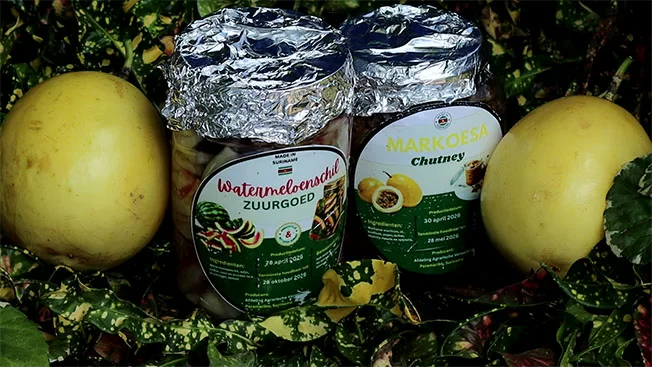
    At Suriname’s ongoing Agrarian Trade Fair hosted at the KKF building, the nation’s Ministry of Agriculture, Livestock and Fisheries (LVV) is showcasing a creative new approach to sustainable food production: turning commonly discarded fruit peels into marketable, delicious edible products. Two standout innovations drawing crowds of visitors are tangy passion fruit peel chutney and pickled watermelon rind, part of the ministry’s broader push to eliminate food waste and unlock added value across the local agricultural supply chain.

    Speaking at the event, LVV Minister Mike Noersalim emphasized that the project’s core mission is to cut unnecessary food waste by making use of every part of harvested crops. “No product goes to waste here, and we are working aggressively to build new revenue streams by adding value to locally grown produce,” Noersalim stated. To scale this model, the ministry has committed to supporting interested local entrepreneurs through a range of targeted programs, with two key policy goals: boosting domestic agricultural production and reducing Suriname’s long-standing reliance on imported food goods.

    The passion fruit chutney concept originated from the Agricultural Marketing and Processing division of the Directorate of Agricultural Research, Marketing and Processing. Junior researcher Romana Matdalim explained that commercial processors have traditionally thrown away passion fruit peels as a valueless byproduct. She and her team developed the idea to repurpose the discarded peels into a unique flavor product, a development she says the team is deeply proud of. The same innovative philosophy applies to the pickled watermelon rind on display, which has surprised fair attendees who sampled the item; many visitors reported mistaking the tangy pickled rind for papaya before learning its true origin.

    Wikash Ghisaidoobe, lead researcher for the Agricultural Processing division, noted that the initiative has already drawn overwhelmingly positive feedback from fair guests, with dozens asking for full recipes to replicate the products at home. Ghisaidoobe highlighted that the LVV’s zero-waste model opens new economic opportunities for both emerging young entrepreneurs and established local business owners, turning agricultural waste into an additional source of steady income.

    By integrating byproduct processing into the full food supply chain, the project adds tangible economic value while advancing more sustainable agricultural practices across the country, Ghisaidoobe explained. “This approach lets us use our harvested fruit more responsibly, and moves us one step closer to achieving our goal of becoming the regional food hub for the Caribbean,” he added.

    Beyond the zero-waste product showcase, Minister Noersalim announced a new capacity-building initiative for Suriname’s agricultural sector: two LVV officials will travel to Indonesia in the coming weeks to complete specialized training on full-supply-chain processing for breadfruit, known locally as bredebon. According to President Jennifer Simons’ prior policy guidance, breadfruit is one of the key local crops targeted for large-scale production expansion. Minister Noersalim noted that international demand for Suriname’s breadfruit already outpaces current supply, with major demand coming from regional markets including Barbados.

    The 2026 Agrarian Trade Fair opened earlier this month and will remain open to the public through Sunday, giving agricultural stakeholders and consumers more time to explore the new sustainable innovations on display.

  • SLTA touts benefits from IShowSpeed’s visit

    SLTA touts benefits from IShowSpeed’s visit

    In a groundbreaking move to boost its global tourism profile, the Saint Lucia Tourism Authority (SLTA) has partnered with one of the world’s biggest digital content creators, IShowSpeed, for a branded stop on the influencer’s ongoing Caribbean tour. The high-impact collaboration is already being hailed as one of the most successful destination marketing initiatives the island nation has launched in recent years.

    Known officially as Darren Jason Watkins Jr., IShowSpeed is a Cincinnati-born American YouTube giant and live streamer whose audience spans the globe. Boasting more than 53 million subscribers on YouTube alone, and millions of additional followers across Instagram, TikTok, X and other major social platforms, he ranks among the most influential digital creators working today. Famous for his high-octane, unpredictable on-stream energy, he draws massive, engaged viewership for every broadcast he publishes.

    IShowSpeed touched down in Saint Lucia late Monday, fresh off a promotional stop in neighboring Barbados. The SLTA hosted the creator in the coastal town of Soufrière for his first full day on the island, before he traveled to the island’s northern region the following day to go live for his global audience. What followed was a multi-hour broadcast that captured the attention of millions of viewers around the world.

    During the live stream, IShowSpeed connected with a wide range of local Saint Lucian personalities, from renowned steel pan musician Chaz and former international cricket captain Daren Sammy to content creator Ezra D Fun Machine and beloved local figure Umpa. He also stopped to interact with local artisans at the island’s arcade, interact with local schoolchildren, and meet members of the general public. Beyond highlighting Saint Lucia’s people and culture, the stream also showcased the island’s most iconic natural and cultural attractions, including the powdery shores of Reduit Beach, the historic Pigeon Island, the bustling Castries Market, the central Derek Walcott Square, and the world-famous Pitons, Saint Lucia’s signature volcanic twin peaks.

    SLTA CEO Louis Lewis explained in a post-event statement that the partnership with IShowSpeed was intentionally designed to advance the authority’s core strategic goal: dramatically expanding global awareness of Saint Lucia as a top Caribbean travel destination. Lewis emphasized that the collaboration delivered unprecedented access to audiences that traditional tourism marketing campaigns rarely reach, with a return on investment that outpaced nearly all recent initiatives the SLTA has run.

    Preliminary estimates put the campaign’s return on investment at an extraordinary 77-to-1 ratio, meaning the value of the global exposure Saint Lucia gained from the stream was 77 times greater than the total amount the authority invested in the partnership. That figure, Lewis noted, is one of the highest ROI marks the SLTA has recorded for any marketing campaign in recent memory.

    Lewis added that IShowSpeed’s on-island itinerary was carefully crafted to align with the SLTA’s modern, people-first approach to destination marketing. Instead of focusing solely on luxury resorts and postcard-perfect beaches, the stream highlighted every layer of Saint Lucian life: from the island’s rich local culture and deep history to its world-renowned culinary scene, one-of-a-kind heritage, and vibrant entertainment sector. Most importantly, Lewis said, the broadcast put the warmth and hospitality of the Saint Lucian people front and center, showcasing their adventurous spirit, genuine kindness, and strong sense of community to millions of global viewers.

    Early viewership data confirms the overwhelming success of the campaign: the SLTA recorded more than 4.4 million unique viewers for IShowSpeed’s live broadcast from the island. The content resonated particularly strongly with the country’s most valuable source markets, including the United States, Canada, the United Kingdom, and major European tourism markets such as France and Germany. The stream also sparked intense engagement among the large Saint Lucian diaspora spread across North America, Europe and other regions.

    Beyond raw viewership, the performance metrics for the campaign exceeded all internal expectations. Audience sentiment analysis of comments, shares and reactions to the stream found overwhelmingly positive responses from viewers. More than 4 million people interacted with content from the tour, clicking through to learn more about Saint Lucia or sharing the stream and related content with their own social networks, a level of organic engagement that Lewis described as phenomenal.

    Looking ahead, the SLTA leadership expects the collaboration with IShowSpeed to translate into sustained growth in visitor arrivals to Saint Lucia over the coming months and years. Lewis noted that the campaign delivered a massive boost to the island’s global visibility, and the SLTA’s next step will be to build on that momentum with additional targeted marketing campaigns to convert viewer interest into actual bookings.

    Lewis closed by thanking all the stakeholders who made the partnership a success, including the in-house SLTA team, local volunteers, partner organizations such as the Soufriere Regional Development Foundation, local creative professionals, and the Saint Lucian police force that supported the event.

  • Your Dollar Isn’t Stretching as Far as It Did Last March

    Your Dollar Isn’t Stretching as Far as It Did Last March

    Across Belize, households are feeling the squeeze of rising living costs, as official data confirms that everyday expenses have climbed noticeably over the 12-month period ending March 2026. The Statistical Institute of Belize (SIB) recently released its latest Consumer Price Index report, which pegs the nation’s annual inflation rate at 1.9% – a shift that puts added financial pressure on families across the country, since the increases are concentrated in three non-negotiable household expense categories: fuel, food, and electricity.

    The steepest jump has been felt at gas pumps across the nation. Comparing prices from March 2025 to March 2026, regular gasoline rose by almost one dollar per gallon, climbing from $12.11 to $13.10 per gallon. Diesel followed a similar upward trajectory, increasing from $11.81 to $12.26 per gallon. This surge in fuel costs pushed the overall transportation sector inflation to 3.5%, marking the first increase in transportation prices recorded in more than a year.

    Grocery store bills have also grown heavier for consumers, with widespread price increases across staple food items. Per SIB’s data, sugar prices have jumped 15.5% year-over-year. Whole fish now costs an average of $9.88 per pound, representing an 11.5% increase from last year. Limes, a common staple in Belizean cuisine, have seen a dramatic 20.9% price jump. Beef steak has risen 6.9%, while stew pork has increased by 6.4%, pushing up overall food costs for the average household.

    Utility costs are also adding to the financial burden. The combined category of housing, water, electricity and fuel recorded a 1.2% overall increase, a change that can be traced back to a tariff adjustment approved by the Public Utilities Commission for Belize Electricity Limited at the start of 2026. Even healthcare costs have not been immune to the upward trend: health-related expenses rose 3.3% year-over-year, driven by higher fees for outpatient doctor visits, prescription medications, and in-hospital surgical procedures.

    Amid these widespread price increases, the only major consumer expense category that recorded a decline was information and communications services, which dropped 0.8% overall. This dip is attributed to falling retail prices for mobile devices, which offset small increases in other communication services, bringing the overall category down slightly.

  • Spirit Airlines goes out of business after 34 years, ending operations immediately

    Spirit Airlines goes out of business after 34 years, ending operations immediately

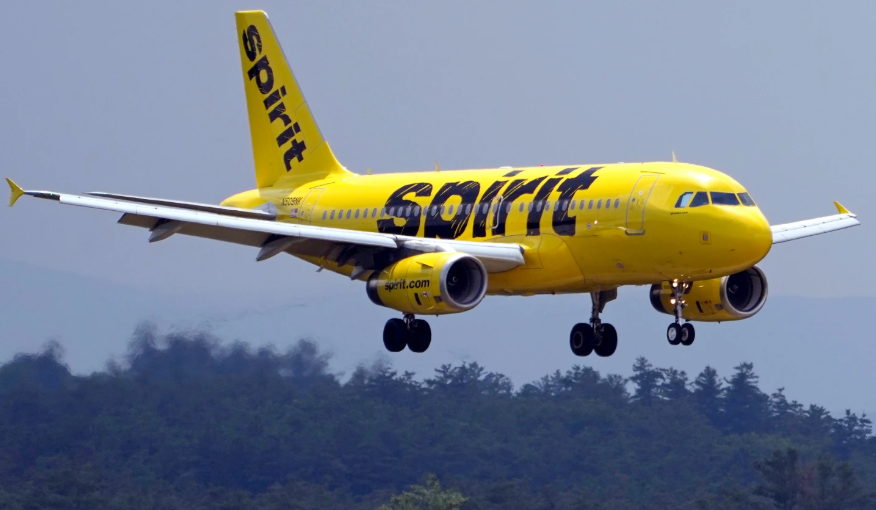
    West Palm Beach, Florida (AP) – After three decades of disrupting the U.S. aviation sector with cheeky, unconventional advertising and industry-shaking rock-bottom ticket prices, iconic ultralow-cost carrier Spirit Airlines has announced its immediate permanent closure. The 34-year-old airline, recognizable for its signature bright yellow fleet that once operated hundreds of daily domestic flights and employed roughly 17,000 workers, confirmed Saturday that it has commenced an orderly wind-down of all business operations, effective immediately.

    All scheduled Spirit flights have been canceled, and the airline has suspended all customer support services effective immediately, the company confirmed in an official post on its website. The sudden shutdown caught countless travelers and workers off guard: passengers arriving at airports across the country Saturday morning for planned trips were shocked to find their flights eliminated, while Spirit employees learned overnight that they had lost their jobs without warning.

    In its official closure announcement, Spirit leadership reflected on the carrier’s decades-long legacy: “We are proud of the impact of our ultra-low-cost model on the industry over the last 34 years and had hoped to serve our guests for many years to come.”

    U.S. Transportation Secretary Sean Duffy released a public statement Saturday addressing the aftermath of the shutdown. He confirmed that Spirit had maintained a dedicated reserve fund to issue refunds to customers who purchased tickets directly through the airline, while passengers who booked via third-party sellers such as travel agencies will need to pursue reimbursement from those vendors. Duffy also issued a clear warning to Spirit ticket holders to avoid unnecessary travel to airports.

    “If you have a flight scheduled with Spirit Airlines, don’t show up at the airport. There will be no one here to assist you,” Duffy emphasized.

    To accommodate displaced passengers, Duffy announced that four major U.S. carriers – United Airlines, Delta Air Lines, JetBlue and Southwest Airlines – are offering limited-time $200 one-way tickets to travelers with valid Spirit confirmation numbers and proof of purchase. The major airlines have also pledged support for out-of-work Spirit employees, including opening expedited, preferential hiring pathways for affected workers and assisting crew members who are stranded far from their home bases.

    Spirit added in its statement that it is currently coordinating to repatriate more than 1,300 crew members to their home locations. The carrier’s final operational flight touched down at Dallas Fort Worth International Airport Saturday, arriving from Detroit Metropolitan Airport, marking the end of more than three decades of service. The company also clarified that while eligible customers can expect to receive refunds, Spirit will not provide assistance rebooking travel on other competing carriers.

    The shutdown comes after failed efforts to secure a federal government bailout to keep the cash-strapped airline afloat. The Trump administration had explored the possibility of a rescue package, but no agreement was ever finalized. Addressing the collapsed bailout talks, Duffy noted that federal resources did not allow for the rescue: “We often times don’t have half a billion dollars laying around.”

    President Donald Trump first publicly floated the possibility of a government bailout last week, after Spirit entered its second bankruptcy restructuring in less than two years. The carrier’s final financial crisis was exacerbated by skyrocketing jet fuel prices, which were driven upward by the ongoing Iran war.

  • Bury Boring: Mystique director says safe marketing costing some Jamaican brands

    Bury Boring: Mystique director says safe marketing costing some Jamaican brands

    On a Thursday morning at Kingston’s AC Hotel, attendees of the IMPACT x Mystique marketing conference fell silent as a full-sized casket was rolled to the front of the stage before the opening of Matthew Mitchell’s presentation. The creative director of Mystique Integrated Services used this shocking, unconventional opening to frame a stark message: the greatest death a brand can face is being erased from consumers’ collective memory.

    What followed over 40 minutes was a sharp, data-backed critique of the Jamaican marketing ecosystem and a forceful argument for disruptive, convention-challenging branding that cuts through digital noise. Mitchell drove home his core thesis by the end of his talk: playing it safe with generic marketing is the costliest mistake a brand can make. He posed a provocative question to the silent room: “What’s more expensive, a bold campaign or a forgotten brand?”

    Mitchell argued that the Jamaican marketing landscape is suffering from what he terms a “distinctiveness crisis” and a “memory crisis”, rather than a shortage of creative talent. Industry-wide, brands are churning out more content, launching more campaigns and producing more marketing assets than ever before, yet the lasting impact of that work is steadily declining. Too many brands rely on recycled, generic concepts—he called out overused stock imagery of families on underperforming billboards as a prime example of this uncreative cycle.

    This crisis of memorability is unfolding against an increasingly challenging backdrop: shrinking consumer attention spans. Mitchell cited independent research from multiple leading institutions to back his claim. A study from the University of California found that average screen attention has plummeted to just 40 to 47 seconds, down from 2.5 minutes a little over two decades ago. Microsoft research places average attention on digital content even lower, at just six to 10 seconds. Meanwhile, research from Amplified Intelligence confirms that consumers need a minimum of 2.5 seconds of active attention for content to leave any lasting memory.

    Beyond generic creative, Mitchell pointed to a widespread misallocation of marketing budgets across Jamaican brands. Industry best practice for effective marketing leans toward a 60:40 split between long-term brand building and short-term brand activation, which prioritizes immediate customer engagement and quick sales. But in Jamaica, Mitchell noted, most brands pour far too much investment into short-term activation at the expense of building the emotional connections that drive long-term growth.

    He held up Jamaican Campari as a standout example of how bold, purpose-driven brand building can deliver tangible results. The global premium spirit brand faced a unique local challenge: its on-the-ground consumer base in Jamaica centered on community bar patrons, while its global identity leaned into high-end sophistication. To bridge this gap, Campari conducted deep local research that identified “desire” as the core emotional driver for its Jamaican consumers.

    The brand rebuilt its entire local storytelling around this core emotion, launching the viral “Red Passion” advertising campaign headlined by popular dancehall artist Valiant. The campaign also included a consumer promotion called “Win Your Passion”, which gives customers who purchase Campari a chance to win desire-aligned prizes, including a couples’ vacation and carnival costumes. Mitchell reported that the strategy has delivered overwhelming success: Campari has recorded a significant jump in sales following the brand refresh, proving that aligning bold creative with local emotional resonance delivers results.

    Mitchell also highlighted U.S. canned water brand Liquid Death, famous for its edgy “Murder Your Thirst” tagline, as a second example of how unapologetically bold branding drives sales growth.

    Beyond being forgotten, Mitchell outlined multiple hidden costs of sticking to safe, generic marketing: increased price sensitivity among consumers, internal institutional mediocrity, failure to connect with local cultural contexts, and persistent unnecessary marketing spend. He closed by reinforcing the core chain that drives brand growth: “The data is clear, emotion drives growth, distinctiveness drives memory, and memory, once I remember you, we’re going to grow together. So, when we choose safe work, we’re not just reducing risk, we’re reducing impact.”