分类: business

  • Tourism Industry Moves Fast as Sargassum Washes In

    Tourism Industry Moves Fast as Sargassum Washes In

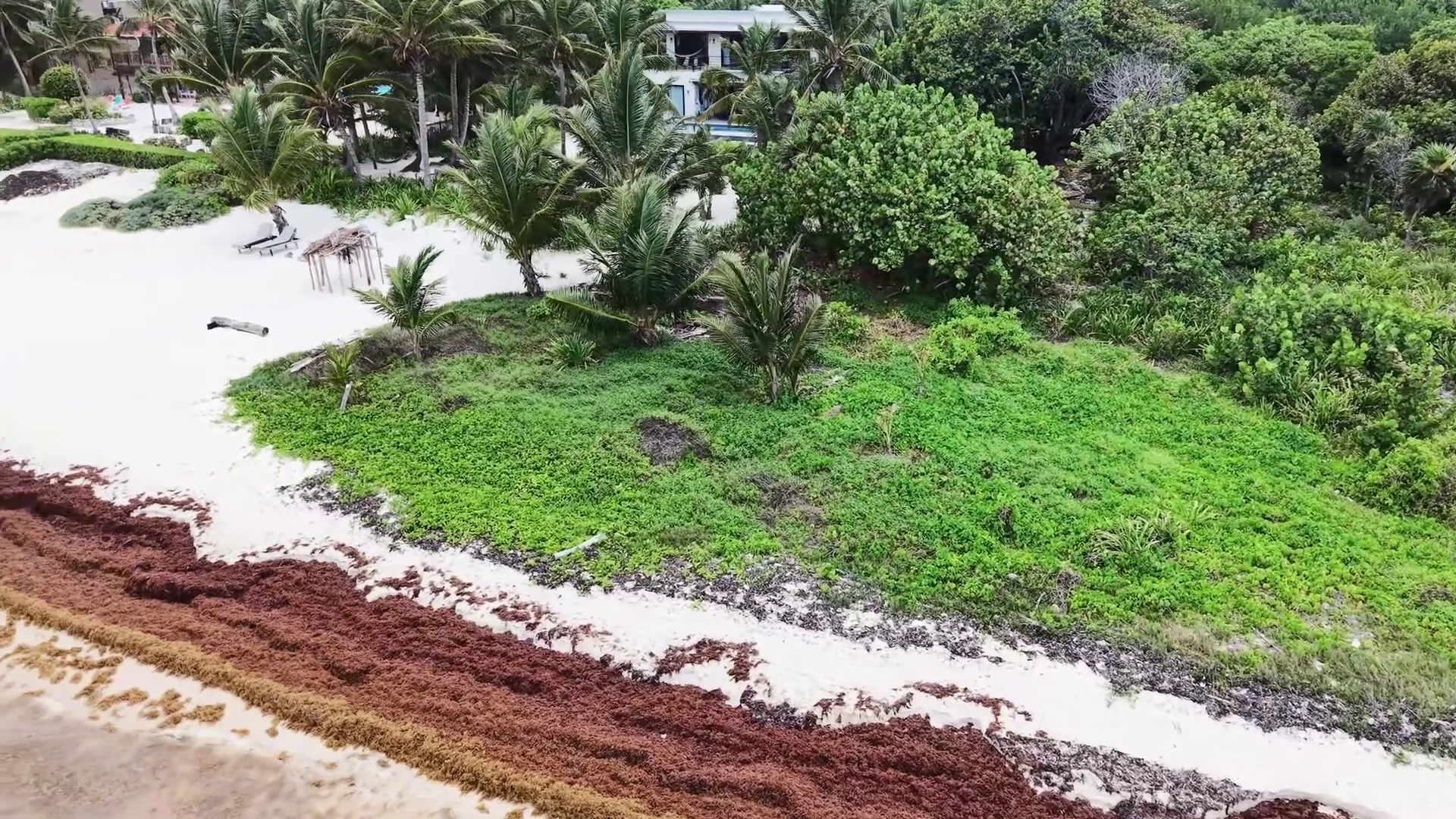
    As seasonal sargassum blooms once again wash onto Belize’s Caribbean coastlines, the nation’s tourism industry has rejected reactive panic in favor of urgent, collaborative action to protect its core economic driver. The Belize Tourism Industry Association (BTIA) announced this week that industry leaders and national government agencies have already begun coordinated talks to scale up cleanup operations and build a more robust long-term response to the recurring environmental challenge.

    Efren Perez, president of BTIA, emphasized that stakeholders are prioritizing speed and collaboration to mitigate damage to Belize’s global reputation as a top beach and eco-tourism destination. Unlike past years where disjointed responses allowed public perception of widespread beach fouling to hurt bookings, this year industry operators are collecting on-the-ground feedback from coastal hotels and tour companies to share directly with government partners, ensuring response efforts target the hardest-hit areas first.

    Perez clarified that sargassum influxes are not an isolated problem for Belize, but a growing regional environmental crisis impacting multiple Caribbean nations. Many neighboring countries continue to struggle with ongoing maintenance and long-term impact mitigation, leaving their tourism sectors vulnerable to booking drops and customer dissatisfaction.

    For Belize, the most immediate risk is not just the environmental impact of accumulated seaweed on beaches and marine ecosystems, but the reputational damage that comes from widespread public assumption that coastlines are completely overtaken by sargassum. Perez noted that local hoteliers have already reported canceled reservations and a slowdown in new bookings driven by this misperception, making a fast, visible response critical to reversing the trend.

    BTIA has already initiated formal discussions with three key government bodies: the Ministry of Tourism, the Ministry of Blue Economy, and the Ministry of Environment. The working group’s immediate priorities are expanding daily cleanup operations along high-traffic tourist beaches, developing clear public communication to update visitors on current conditions, and exploring long-term strategies to reduce the impact of future annual sargassum blooms. The collective goal remains unchanged: preserve Belize’s appeal as a world-class tourist destination and protect the thousands of livelihoods that depend on the sector through the peak travel season.

  • Spirit’s Exit Leaves Belizeans Paying More to Fly to the US

    Spirit’s Exit Leaves Belizeans Paying More to Fly to the US

    When low-cost carrier Spirit Airlines exits the global aviation market, small tourism-dependent economies like Belize are already feeling the ripple effects. Industry leaders and tourism stakeholders warn that the departure of the budget airline will leave a significant gap in affordable air access between Belize and the United States, driving up ticket prices and threatening the country’s position in the competitive international tourism landscape.

    Spirit only launched its first service to Belize from South Florida in November 2025, but in its short time operating the route, it quickly became a game-changer for price-conscious travelers. Before Spirit entered the market, many budget-conscious visitors from the U.S. saw Belize as an out-of-reach tropical destination, priced out by higher airfares on larger legacy carriers. Spirit’s low-cost model opened the door for a whole new segment of travelers, making a Belize vacation a realistic goal for people traveling on tight budgets.

    Efren Perez, president of the Belize Tourism Industry Association (BTIA), explained that Spirit’s presence did more than just add another route to the country’s air network. It democratized travel to Belize, expanding access to the destination for a far broader range of visitors, primarily from key U.S. origin markets connected through Spirit’s Florida hubs. “It is quite unfortunate that Spirit Airline has exited the market. It places a huge strain on travelers globally from all the markets they have been servicing,” Perez said in a statement. “From Belize specifically, air connectivity has been one of our critical drivers. The entry of a low-cost carrier like Spirit Airlines has played a very important role in the democratizing of travel in Belize, making the destination more affordable to a wider segment of travelers, particularly to the U.S. market and particularly from their hubs in Florida.”

    Now, with Spirit gone, the immediate concern is upward pressure on airfare. With fewer low-cost carriers competing for passengers on routes between the U.S. and Belize, remaining airlines have little incentive to keep prices low for budget travelers. Stakeholders warn that price-sensitive travelers, the same demographic Spirit attracted, will now feel the financial squeeze – and many will likely choose cheaper alternative tropical destinations over Belize.

    The longer-term worry is even more pressing: the loss of affordable air access could erode Belize’s overall competitiveness in the global tourism market. Air connectivity and affordable travel have been core pillars of Belize’s tourism growth strategy in recent years, and the sudden loss of a major low-cost option throws that progress into question. Industry leaders are now watching closely to see if other low-cost carriers will step in to fill the gap Spirit left behind, but for now, Belizean travelers and the country’s tourism industry are bracing for higher costs and slower visitor growth in the months ahead.

  • CDB unveils “Impact Room” to showcase transformational investments at 56th annual meeting

    CDB unveils “Impact Room” to showcase transformational investments at 56th annual meeting

    The 56th Annual Meeting of the Caribbean Development Bank (CDB) Board of Governors, set to take place June 1–5, 2026 at Nassau, The Bahamas’ Baha Mar Convention Centre, will introduce a groundbreaking new addition to its agenda: the immersive “Impact Room”, an interactive feature designed to demystify the real-world impact of the multilateral bank’s development investments across the Caribbean region.

    Conceived and developed by CDB’s Private Sector Development Division, the Impact Room will run as a core component of the event’s private sector showcase across June 3 and 4. Aligned with the showcase’s overarching theme “Strategic Investment. Enduring Transformation,” the dedicated space will bring to life the outcomes of five of CDB’s flagship development programs: the institution’s core Lending and Investment programme, the Cultural and Creative Industries Innovation Fund, SheTrades Caribbean, the EU Standby Facility, and Caribbean Technological Consultancy Services.

    Unlike traditional annual meeting sessions, which typically center on high-level strategy discussions, performance reviews and policy debates, the Impact Room is built to fill a longstanding gap in stakeholder engagement: making the bank’s financing work tangible for attendees. It will welcome governors, institutional investors, development partners and regional stakeholders to explore firsthand how CDB-backed initiatives have reshaped local livelihoods and grown enterprises across member states. The interactive space will highlight projects spanning a broad range of priority sectors, from climate resilience and renewable energy to infrastructure, technology, affordable housing, agriculture, education, and the fast-growing creative economy. It will also place specific focus on CDB’s work to expand private sector participation, empower marginalized groups including women and youth, and advance regional economic integration—all core to the bank’s mission of building a more stable, prosperous Caribbean.

    Lisa Harding, CDB’s Division Chief for Private Sector, emphasized the critical context driving the new initiative. “The Caribbean stands at a pivotal juncture,” Harding noted in an official press release announcing the feature. “We must harness our collective strengths to build resilient economies and societies that can withstand climate volatility, geopolitical shifts, and technological disruption. At CDB, we are committed to delivering transformative solutions that improve lives, expand opportunities for all and unlock private capital for sustainable development.”

    Harding framed the Impact Room as a major evolution in how CDB connects with its shareholders and partner stakeholders. “We are creating a meaningful, interactive space where stakeholders and investors can directly see the impact of our work, understand our priorities, and identify clear pathways for collaboration,” she explained. Attendees will be able to dive into granular, data-backed impact stories, exploring total investment volumes, business growth trajectories, rates of technology adoption, and program reach across every CDB member state. Published metrics will detail the number of supported enterprises, including women-led and youth-owned businesses, alongside sector-specific results and total capital mobilized for sustainable development projects.

    In addition to featuring CDB’s in-house programs, the Impact Room will include participation from five regional partner organizations: Compete Caribbean, the Small Business Development Centre Bahamas, the Bahamas Development Bank, the Bahamas Chamber of Commerce and Employers’ Confederation, and the Bahamas Trade Commission. Each of these partners contributes to advancing private sector growth, strengthening regional business ecosystems, and mobilizing development capital across the Caribbean.

    To foster new collaboration, the Impact Room will also host a dedicated business-to-business networking zone, where attendees can connect with peers, project leaders and institutional partners to explore co-investment and development opportunities. Across the two-day showcase, a roster of expert industry and policy speakers will lead targeted discussions on pressing development priorities, including innovative financing mechanisms, expanded regional trade, improved market access for small and medium enterprises, climate resilience building, and unlocking economic value in the Caribbean’s creative economy.

  • IMF team in Barbados meeting with government officials

    IMF team in Barbados meeting with government officials

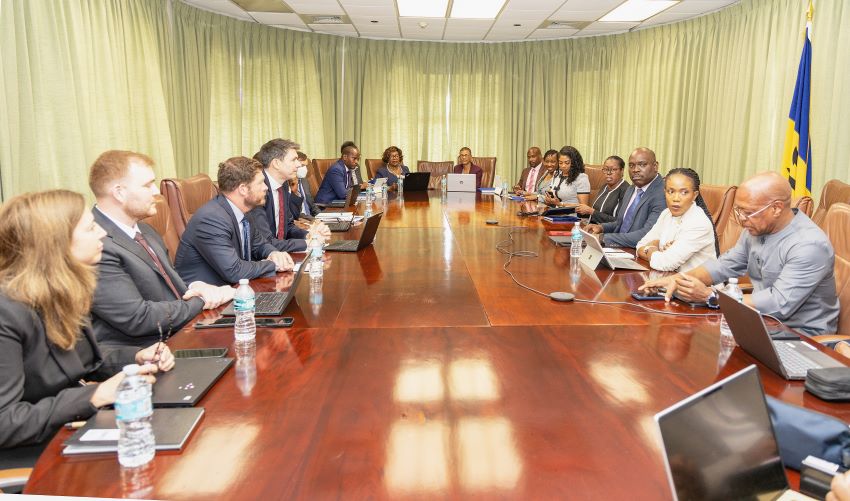
    A high-level team from the International Monetary Fund (IMF) has landed in Bridgetown this week for a working visit that combines the institution’s routine Article IV economic consultations and exploratory discussions on a new bilateral framework with Barbados, one year after the Caribbean nation wrapped up its formal IMF-backed economic program.

    Led by senior IMF official Michael Perks, the delegation is scheduled to hold a series of high-stakes meetings with top Barbadian leadership, including Prime Minister Mia Mottley, Finance Minister Ryan Straughn, and Minister of Economic Affairs and Planning Marsha Caddle. Additional talks are also planned with technical officials from the Ministry of Finance, Economic Affairs and Investment, as well as leaders from the Central Bank of Barbados. The entire mission kicked off with an opening working session on Monday morning, where Caddle joined the Barbadian delegation to align expectations for future collaboration between the country and the global lender.

    Barbados officially exited its twin lending arrangements – the Extended Fund Facility (EFF) and the Resilience and Sustainability Facility (RSF) – in June 2024, after successfully delivering on the commitments laid out in its home-grown economic strategy: the Barbados Economic Recovery and Transformation (BERT) Plan. At the time of the program’s conclusion, both Barbadian authorities and the IMF confirmed that all core objectives of the arrangements had been met. The IMF highlighted that Barbados had successfully reestablished macroeconomic stability, implemented landmark reforms to strengthen long-term fiscal sustainability, accelerate inclusive growth, and build systemic economic resilience. The institution also noted that Barbados’ economic performance remained strong post-reform, with robust output expansion, moderating inflation, improved fiscal and external balances, and a steady decline in the public debt-to-GDP ratio.

    Speaking after Monday’s opening session, Caddle reflected on Barbados’ economic journey since 2018, which has progressed from urgent macroeconomic stabilization to sustained growth and now deep structural transformation. As a small island developing state, proactive risk management has to remain a core pillar of the country’s economic governance framework, she emphasized.

    “Preparing for scenarios where we may need rapid access to emergency liquidity will always be a critical priority for us,” Caddle explained. “We already have several risk-mitigation tools in place, including a Contingent Credit Facility with the Inter-American Development Bank, natural debt clause disaster provisions, and other similar risk instruments. But climate and environmental shocks are not the only threats we face. The COVID-19 pandemic showed us that global health crises can upend our economy, and ongoing geopolitical conflicts around the world continue to disrupt our access to essential commodities. This is why our institutional partnerships with global financial institutions remain so vital.”

    Caddle went on to outline the unfinished agenda for Barbados’ economic transformation under the updated BERT 3.0 strategy, which is being led by her ministry. Key priorities include scaling up infrastructure investment to match the economy’s growth trajectory and the aspirations of the Barbadian people, restructuring state-owned enterprises to put them on a financially sustainable footing, addressing persistent skills gaps across both the public and private sectors, and securing long-term sustainability for public investments in health, education, and water access. “As we push forward with this transformation, our top priority is making sure that no future crisis can erode the hard-won gains we have already achieved,” she added.

    Beyond official government meetings, the IMF mission is also scheduled to hold discussions with a broad range of non-governmental stakeholders during its visit, including representatives from the private sector, civil society organizations, and labor groups, to gather diverse perspectives on the country’s economic outlook.

  • GTA expands UK footprint with targeted sales mission

    GTA expands UK footprint with targeted sales mission

    The Grenada Tourism Authority (GTA) has recently concluded a multi-faceted sales and outreach mission to the United Kingdom, a core international market for the island nation’s tourism sector, aimed at deepening existing connections and unlocking new growth opportunities for future visitor arrivals. Led by GTA Chief Executive Officer Stacey Liburd, the delegation centered its work on two key priorities: high-impact trade engagement with UK travel industry leaders and collaborative community building with Grenada’s UK-based diaspora, with the ultimate goal of driving sustained visitor demand and strengthening long-term market performance.

    The mission kicked off with a two-day diaspora outreach initiative organized by Melinda Telesford, a Marketing Executive at the GTA. Blending in-person discussions and virtual participation to maximize accessibility, the sessions moved far beyond routine destination updates to frame the UK Grenadian community as a strategic driving force for the island’s tourism development. Attendees joined collaborative conversations focused on how community members can leverage their personal networks, professional expertise, and grassroots influence to boost advocacy for Grenada as a travel destination and encourage more travelers to visit the self-styled Spice Isle.

    A highlight of the mission was GTA’s invitation to participate in the exclusive Virtuoso On Tour UK & Ireland event. During the industry gathering, the delegation held direct one-on-one and small-group discussions with 30 elite travel advisors, successfully reinforcing Grenada’s position as a top competitive option in the global premium travel segment. The luxury travel market is a critical pillar of Grenada’s strategy for sustainable, long-term tourism growth, making this engagement particularly impactful.

    In comments following the conclusion of the mission, CEO Liburd emphasized the United Kingdom’s enduring strategic importance to Grenada’s tourism sector. “This mission gave us an invaluable chance to strengthen and deepen our relationships across all our key market segments,” Liburd noted. “Our conversations with both the diaspora community and trade partners reaffirmed that interest in Grenada’s unique tourism offering is strong and growing. We leave the UK energized by the level of enthusiasm we encountered, and confident in the momentum we have built heading into the upcoming travel seasons.”

    Beyond diaspora outreach, Liburd led a full schedule of media and trade partnership meetings designed to align in-market UK stakeholders with the GTA’s 2026 strategic growth roadmap. These targeted engagements were crafted to turn existing global interest in Grenada as a travel destination into consistent, sustained visitor arrivals, keeping the island’s UK market performance on a steady high-growth trajectory.

    Telesford, who led the diaspora portion of the mission, shared her own takeaways from the community sessions: “The conversations we had with our UK diaspora community were both encouraging and eye-opening. There is such a vast pool of existing networks and professional expertise within this community that we can collaborate with, and the willingness of members to contribute to Grenada’s continued growth was unmistakable. This outreach is just the starting point for what we fully expect to be a powerful, long-term partnership between the GTA and the UK diaspora.”

    Overall, the UK mission exemplifies the GTA’s holistic, multi-pronged approach to global tourism market development, which integrates trade relationship building, strategic destination positioning, and community-led advocacy into cohesive targeted initiatives. The authority continues to roll out these focused activations to diversify and scale Grenada’s profile as a leading global travel destination.

  • FAO support enables Grenada GLOBALG.A.P. Certification for Soursop

    FAO support enables Grenada GLOBALG.A.P. Certification for Soursop

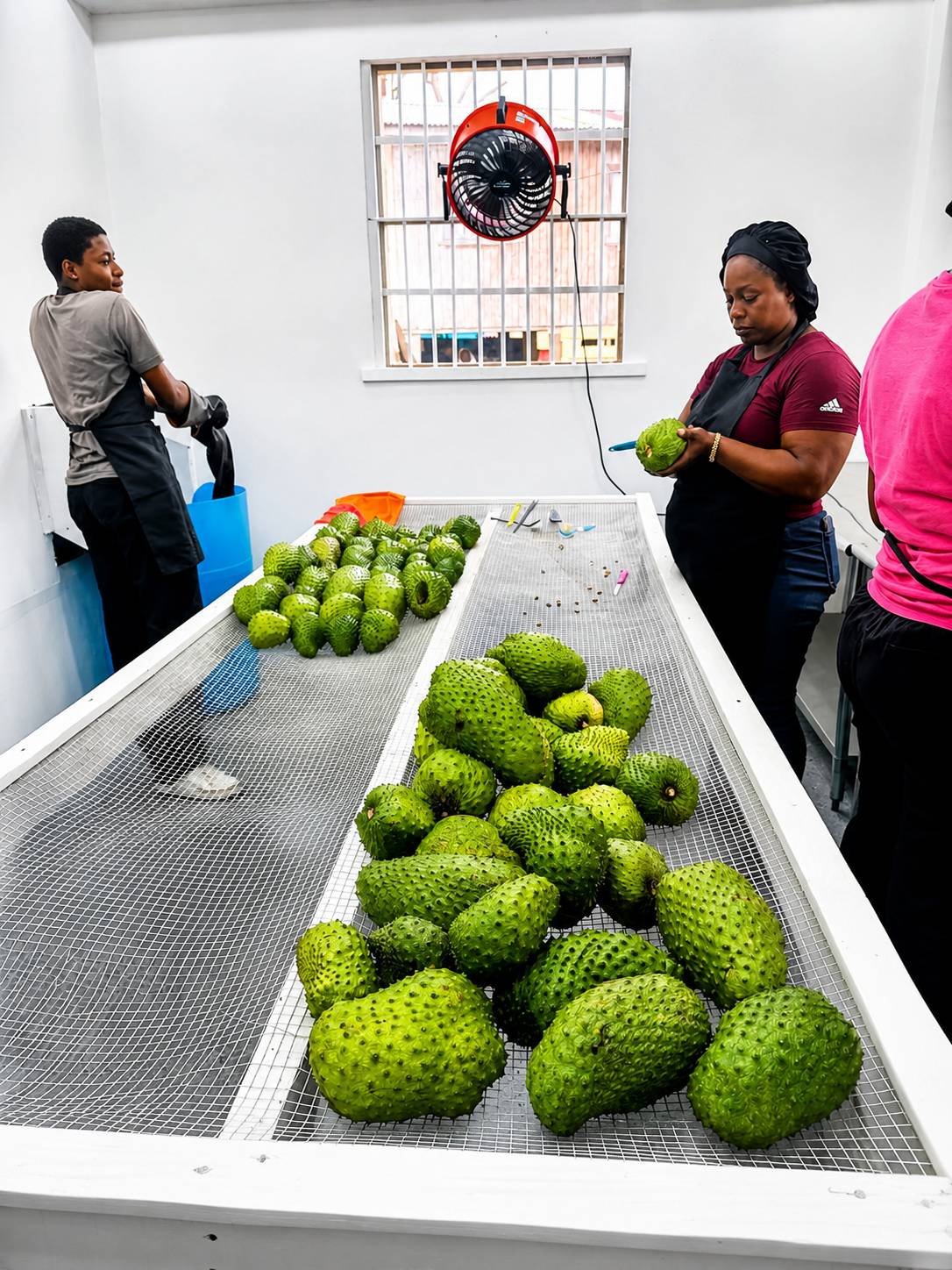
    Against a backdrop of ongoing efforts to strengthen the complete soursop value chain in the Caribbean island nation of Grenada, a new targeted certification initiative has been launched to bring local producers in line with global food safety benchmarks and prepare them for entry into high-demand international markets. The pilot project is led by the United Nations Food and Agriculture Organisation (FAO), in close partnership with Grenada’s Ministry of Agriculture, Lands and Forestry, and the Geneva-based Standards and Trade Development Facility (STDF).

    This certification pilot forms the next phase of the broader project *Enhancing Sanitary and Phytosanitary (SPS) Capacity and Market Access for Grenadian Soursop Exports*, marking a key strategic transition from earlier foundational infrastructure and capacity building work to a market-focused approach centered on formal compliance and third-party certification. Under the pilot, two carefully selected local packhouses and 10 connected smallholder and commercial soursop farmers will receive targeted support to work toward full GLOBALG.A.P. certification, with additional alignment to U.S. Food and Drug Administration (FDA) rules.

    GLOBALG.A.P. is a globally trusted voluntary farm assurance standard that verifies agricultural production meets strict criteria for safety, sustainability, and ethical practice. The framework covers core priorities including end-to-end food safety, protection of local ecosystems, fair treatment and welfare of farm workers, and full product traceability from the field to retail shelves. Widely described as a “market access passport” for small-scale producers in developing economies, the certification strengthens systemic risk management through structured food safety controls, and builds greater buyer confidence in the consistency and safety of exported produce. When paired with requirements from the U.S. Food Safety Modernisation Act (FSMA), the certification ensures producers align with the latest U.S. import regulations, helping them keep pace with evolving global food safety standards.

    The pilot was formally launched at a national stakeholder training workshop hosted at the Grenada National Stadium on April 21, 2026. The opening session centered on implementation guidance for GLOBALG.A.P.’s Integrated Farm Assurance Fruit and Vegetables GFS v6 standard, alongside the required FSMA add-on modules. These audit-based voluntary modules are designed to verify that farms and processing facilities meet FDA rules for preventive controls, produce safety, and import protocols.

    The workshop drew 31 participants representing a broad cross-section of public and private sector stakeholders, including officials from Grenada’s Ministry of Agriculture, the Grenada Bureau of Standards, the Caribbean Agricultural Research and Development Institute (CARDI), the Inter-American Institute for Cooperation on Agriculture (IICA), participating farmers, export firms, and other private sector representatives. Organizers noted that turnout far exceeded initial projections, reflecting widespread industry recognition of the pilot’s potential to unlock new export opportunities for Grenada’s soursop sector.

    In the first week following the official launch, participating packhouses and farms completed on-site preliminary assessments to map their current level of compliance with GLOBALG.A.P. and FSMA requirements. Drawing on these assessment findings, development teams will draft customized corrective action plans for each operation, outlining specific, practical improvements needed to reach full certification on target. All training and technical assistance for the pilot is being led by the FAO in collaboration with Grenada’s Ministry of Agriculture, Lands and Forestry, with specialized technical support from Inversiones Riel S. de R.L., a Honduras-based consulting firm with deep expertise in SPS system development and international agricultural certification processes.

    Acting Chief Agriculture Officer Thaddeus Peters emphasized the strategic importance of the initiative for Grenada’s agricultural export sector. “We are pleased to support the launch of this pilot initiative to advance GLOBALG.A.P. certification within Grenada’s soursop value chain. This effort represents an important step in strengthening food safety, improving production standards, and expanding market access for our stakeholders. By aligning with internationally recognised certification systems, we are positioning our exports to compete more effectively,” Peters said.

    Ricardo Pineda, Lead Consultant at Inversiones Riel S. de R.L., noted that the successful completion of the first phase of the project – which included the selection of the two participating packhouses – has laid a solid foundation for the certification process. “This milestone lays a strong foundation for certification under GLOBALG.A.P. IFA v6 with the FSMA add-on by November 2026, opening new opportunities for Grenada’s soursop in high-value international markets,” Pineda said.

    Marlon St Louis, General Manager of Simply Pure Agroprocessing, one of the participating packhouses, said the process is already driving positive operational change for his team. “This process is pushing us to tighten our operations and be more consistent across the board; it will be challenging, but it’s exactly what we need to grow and compete in more demanding markets,” St Louis said.

    Anne Desrochers, FAO Plant Production and Protection Specialist, cautioned that successful certification requires sustained commitment from participating producers. “While this pilot presents a valuable opportunity to advance GLOBALG.A.P. certification, it is not a passive process. Selected farmers and packhouses must commit time, resources, and consistent effort to implement the required improvements, an essential step toward achieving certification and accessing higher-value export markets,” Desrochers said.

    Looking ahead, the next phase of the pilot will focus on delivering intensive, hands-on training and targeted technical support across core certification priority areas, including good agricultural practices, standardized record-keeping, full product traceability, improved post-harvest handling, and preparation for third-party certification audits.

  • Caribbean agriculture forum sparks innovation and entrepreneurship through 2026 webinar series

    Caribbean agriculture forum sparks innovation and entrepreneurship through 2026 webinar series

    A wave of new innovation and entrepreneurial energy has swept across global agricultural communities following the successful completion of the 2026 Caribbean Climate-Resilient Agriculture Forum (CCRAF) three-part Beginner-to-Business (B2B) Webinar Series. Designed to guide aspiring agri-entrepreneurs from foundational knowledge to operational business management, the multi-session initiative drew a diverse international audience that included working farmers, emerging business founders, young innovators, and international development practitioners from regions spanning the Caribbean, Latin America, Asia and Africa.

    Official press statements confirm that the program consistently maintained high engagement throughout its three segments, with more than 430 participants from over 30 countries joining each individual session. By the end of the series, hundreds of attendees had gained actionable, practical tools to launch and scale climate-focused, sustainable agricultural ventures.

    CCRAF functions as a regional collaborative network backed by the Inter-American Institute for Cooperation on Agriculture (IICA), with a core mission centered on expanding knowledge sharing of climate-resilient farming methods across small island and tropical agricultural contexts. Beyond education, the network also works to strengthen cross-stakeholder collaboration, build a connected regional agricultural community, and turn academic and practical knowledge into tangible, on-the-ground action that strengthens regional food security.

    For CCRAF Coordinator Nekelia Gregoire Carai, the annual webinar series extends far beyond traditional skills training. “The CCRAF Yearly 3-Part Webinar Series is about more than training—it’s about empowering people to take action. Our goal is to continue connecting knowledge with real opportunities and immediate actions that can transform livelihoods and strengthen food systems across the region,” Gregoire Carai explained in her remarks following the conclusion of the series.

    IICA representatives note that the 2026 series centered content on insights from experienced, locally based Caribbean agricultural practitioners, who shared on-the-ground perspectives and flexible business models tailored to the unique economic and environmental realities of the Caribbean region.

    One of the most popular sessions focused on launching small-scale hydroponic enterprises, led by Sherrie-Ann Brazier, founder of SHAADE Hydroponics based in Antigua and Barbuda. Brazier walked attendees through her journey of building a profitable, growing hydroponics business entirely from the ground up. “You don’t need to know everything to start—just begin, learn as you go, and stay committed. Agriculture can truly transform not just your income, but your family and your purpose,” Brazier told participants.

    Her presentation highlighted the extraordinary efficiency of small-scale hydroponics: her operation produces up to 2,500 heads of lettuce per week on a plot smaller than one-eighth of an acre, while using a fraction of the water and land required for conventional open-field farming. She also emphasized that incremental learning and adaptive innovation are the most critical factors for growing a successful family-owned agricultural enterprise.

    A second breakout session focused on vermicomposting, led by Micah Martin, co-founder and general manager of Trinidad and Tobago-based Compost-Inn. Martin demonstrated how a scalable local business can repurpose common organic waste into high-value soil amendment products, with a model specifically adapted to the warm, humid tropical conditions of the Caribbean. “What many people see as waste is actually a resource. With the right approach, you can convert it into a product that improves soil, supports food production, and creates income,” Martin said. Attendees left the session with actionable knowledge to transform organic waste into nutrient-dense “black gold” compost, select worm species suited for tropical climates, manage growing conditions, and build multiple revenue streams through value-added compost products.

    The series also highlighted commercial mushroom cultivation as an underutilized, highly profitable climate-resilient enterprise opportunity ideal for small producers. Pauline Smith, CEO and co-founder of Jamaica Exotic Mushrooms, broke down the advantages of the sector for new entrepreneurs. “Mushroom farming is one of the fastest ways to generate income in agriculture. In just a few weeks, you can go from production to profit—while building a business that is resilient and sustainable,” Smith explained. Her session outlined that oyster mushrooms, one of the most popular commercial varieties, can go from spawn to market-ready harvest in roughly four weeks, using low-cost, locally available growing materials including bamboo and lemongrass as growing substrates. She also noted consistent, high demand from the Caribbean’s large tourism and hospitality sector, and highlighted that the low-barrier to entry creates unique economic opportunities for women, young entrepreneurs, and small-scale producers with limited starting capital.

    Across all three program segments, a unifying core theme emerged: aspiring agri-entrepreneurs do not need large amounts of starting capital or vast tracts of land to launch successful sustainable ventures. Participants are encouraged to start small with the resources they already have, then scale their operations gradually to build consistent, long-term sustainable income streams. For many first-time attendees, the 2026 webinar series served as a critical first step to entering the agricultural sector, equipping them with innovative, climate-resilient business concepts tailored to local market conditions.

    Looking forward, CCRAF plans to expand its role as the Caribbean’s leading regional platform for climate-resilient agricultural knowledge exchange and practical implementation. Building on the strong engagement and positive outcomes of the 2026 B2B series, the network will launch a lineup of Special Edition Webinars alongside in-person training workshops through its new “CCRAF On the Road” Knowledge-to-Action Initiative. The program will continue working to close the gap between agricultural research and knowledge, and on-the-ground implementation across Caribbean communities.

  • Exclusive: COB offers 95% financing as lots demand grows

    Exclusive: COB offers 95% financing as lots demand grows

    In an exclusive revelation to Barbados TODAY, Barbados’ second-largest cooperative credit union is gearing up to launch construction on a long-awaited multi-million-dollar affordable housing development, addressing the island’s growing demand for accessible residential property.

    Led by City of Bridgetown Financial Services and Insurance Agency (COBFSIA), the fully owned subsidiary of City of Bridgetown Cooperative Credit Union Limited (COB), the project named Deanstown Heights is strategically positioned in the St Silas neighborhood of St James, just steps away from two of the island’s most exclusive upscale communities: the Apes Hill polo estate and Royal Westmoreland. Positioned as the subsidiary’s flagship residential development, Deanstown Heights will bring 34 fully serviced residential lots to the market, paired with six distinct modern home designs tailored to a range of household sizes and budgets.

    Shonelle Smith, Senior Operations Officer at COBFSIA, shared that buyer interest has already outpaced early projections, with more than a dozen prospective purchasers already submitting formal documentation to secure their preferred plot and home model. The development caters to diverse needs, with lot sizes stretching from 5,500 square feet up to just over 10,000 square feet, priced at $12 per square foot. For example, a standard 5,000-plus-square-foot lot carries a price tag of just over $66,000.

    The home options are equally flexible, starting with an 873-square-foot single-story layout featuring three bedrooms and two bathrooms. A second 1,000-plus-square-foot model offers two bedrooms and two bathrooms, ideal for smaller households or retirees. At the top of the range, a spacious 1,492-square-foot two-story design includes three bedrooms, two bathrooms, separate living, dining and entertainment zones, a full kitchen, laundry facilities, a covered porch, a walk-in primary closet, and a private roof terrace perfect for enjoying Barbados’ tropical climate.

    Combined house-and-land packages start at just over $362,000, with projected monthly mortgage payments starting as low as $1,850. The largest two-story model with a premium lot totals $516,236. To make homeownership more accessible for its members, COB is offering flexible financing terms: eligible buyers can secure up to 95% financing of the total purchase price, with credit union members locking in a preferential 4.25% interest rate for the first three years of their mortgage. Repayment terms can extend up to 30 years, and COBFSIA is also offering additional perks including up to a 15% discount on the first year of property insurance for participating members.

    Smith emphasized that the development aligns with the credit union’s long-standing strategic goal of expanding affordable housing solutions and quality investment opportunities for its membership base. “This is an excellent chance to partner with successful local builders and developers to deliver this value to our members,” she noted, describing Deanstown Heights as “a slice of heaven in Barbados in a prime location.”

    Official groundbreaking is scheduled to begin following the completion of buyer selection, the exchange of legal documents, and final approval from funding partners. According to Smith, the administrative process is already well underway: legal teams are processing submitted documentation from interested buyers to begin land transfers to qualified applicants. Once funding institutions finalize their approvals, construction capital will be disbursed to the building contractor to kick off site work.

    Deanstown Heights marks the first of two large-scale residential developments COB plans to deliver in the coming period, signaling the credit union’s growing commitment to addressing Barbados’ ongoing affordable housing gap.

  • New Invest SVG head urges BVI diaspora to ‘build with us’

    New Invest SVG head urges BVI diaspora to ‘build with us’

    Fresh off her appointment and 36 years living outside St. Vincent and the Grenadines (SVG), Anna Young, the newly sworn-in Executive Director of Invest SVG, has delivered a landmark call to unity and collective action to the large Vincentian diaspora community in the British Virgin Islands (BVI), urging an end to outdated divisions between domestic and overseas nationals and positioning diaspora contribution as a core strategic pillar of the country’s economic transformation.

    Young, who officially began her role just one day after returning to SVG, used her first major public address as agency head to frame her own homecoming as living proof that diaspora members can successfully reintegrate and contribute meaningfully to national development — a need the country says is increasingly urgent amid shifting global economic conditions. The speech capped off the latest stop of a national investment outreach forum that has already stopped in London, bringing the conversation to the BVI, where an estimated 20% of the population traces its roots to SVG.

    At the core of Young’s message was a rejection of the long-held distinction between Vincentians who reside at home and those who have built lives overseas. “Whether you left our home by choice or by necessity to pursue a better future, you never stopped being Vincentian,” she emphasized, arguing that identity, not current geographic location, defines national belonging. “Vincy by birth, Vincy by descent, Vincy by identity, first generation, second generation, third generation, Vincy by choice. Home is where the heart is, and we are one people,” she told the gathered audience on May 2, 2026.

    Young stressed that this outreach is far more than a sentimental call to return home; it is a deliberate invitation for the global Vincentian community to become structural partners in building the country’s economy. “We are not just asking you to come back — we are asking you to build with us,” she said, noting that contribution extends far beyond high-net-worth investment. “Whatever your profession, from caregivers to nurses, tradespeople to C-suite professionals, your skills, experience and connections matter. Investment is not just about capital. It is human, it is intellectual, it is relational — and we need all of it to move SVG forward.”

    She highlighted early progress from the BVI leg of the forum, noting that local BVI merchants have already expressed interest in stocking products made by Vincentian producers. “That is not just trade. That is increased visibility, growing confidence, and new market opportunities for our entrepreneurs back home. It is a perfect example of what we can achieve when we connect our people across borders,” Young explained.

    Outlining the government’s clear economic roadmap, Young identified four interconnected priority pillars that will drive SVG’s transformation over the coming years: tourism, the green economy, the blue economy, and creative industries. She framed each sector as accessible, growing opportunity areas for diaspora engagement. Tourism, the long-standing cornerstone of the SVG economy, is expanding beyond traditional offerings into high-value niche segments including eco-tourism, boutique experiences, and heritage tourism. The green economy spans renewable energy development, climate-smart agriculture, sustainable construction, and environmental innovation, while the blue economy leverages SVG’s abundant marine assets, covering fisheries, coastal development, marine transport, and emerging ocean-based initiatives. Finally, the creative industries position SVG’s unique cultural identity as an exportable asset, encompassing music, film, digital content, fashion, and visual arts.

    To remove barriers for diaspora investors, Young detailed a comprehensive restructuring of Invest SVG itself, reorienting the agency around four core mandates: export and trade development, foreign direct investment attraction, financial services growth, and intentional diaspora investment mobilization. She positioned the reworked agency as an active, hands-on facilitator rather than a passive bureaucratic body, promising end-to-end support for every investor.

    “We are not asking you to navigate the system alone. We walk with you every step of the way,” Young said, outlining the full scope of support Invest SVG will provide, from initial business registration and project structuring to accessing government incentives, coordinating permits, liaising across ministries, and providing ongoing aftercare once a project launches. Acknowledging that past investment processes have not always been seamless, Young also announced ongoing legislative reforms to the nation’s Investment Act and Tourism Aid Act, designed to turn Invest SVG into a true one-stop shop for investors, with improved transparency, stronger investor protections, and more streamlined coordination across government agencies. The ultimate goal, she said, is to deliver “clarity, predictability and confidence” for all investors.

    SVG already offers a robust package of incentives for qualifying projects, including duty-free concessions on approved imports, corporate tax holidays, targeted sector-based tax deductions and exemptions, facilitated work permits and entry for key personnel, access to land for strategic projects, and ongoing post-launch support. These incentives are structured to make viable local projects more competitive and sustainable, Young noted, adding “You can succeed in St. Vincent.”

    To further support incoming investors, Invest SVG is also building a vetted national ecosystem of pre-qualified service providers, covering construction and project management, sustainable design, architecture, engineering, legal and investment advisory, real estate acquisition, and hospitality operations. “Investment doesn’t succeed in isolation — it succeeds in a strong ecosystem. When you come to SVG, you won’t have to build that ecosystem from scratch; we already have the expert partners you need to hit the ground running,” Young explained.

    Closing her address, Young emphasized that diaspora investment is not a secondary supplementary source of capital for SVG — it is a core strategic priority, particularly amid today’s shifting global economic landscape. “Capital is more selective than ever, competition for investment is fierce, and resilience is the defining requirement for small open economies like ours,” she said. “In this context, diaspora investment is strategic, because you bring more than capital — you bring confidence, credibility, and existing global connections that no outside investor can match.”

    Young rejected the idea that overseas Vincentians must choose between their current adopted homes and their connection to SVG, extending an open invitation for dual belonging: “St. Vincent and the Grenadines is not divided between home and abroad. It is one nation, one people, one identity, working together. Welcome home, come home, invest, build, and let us rise together.”

  • SUMMIT PROPERTY HEADS TO AUCTION

    SUMMIT PROPERTY HEADS TO AUCTION

    Nearly four years after Jamaica-based Novamed Properties Limited purchased the iconic former Knutsford Court Hotel in New Kingston with ambitious plans to redevelop it into an integrated health, business and innovation campus, the high-value central commercial property has been listed for public auction under mortgage default powers.

    The upcoming auction, scheduled for 11:00 a.m. on Wednesday, June 3, 2026, covers the dual-parcel property located at 11 Ruthven Road and 16 Chelsea Avenue, Kingston 10, a prime spot in New Kingston’s corporate and commercial core, according to public auction notice reviewed by Jamaica Observer.

    The listing marks a dramatic reversal of fortune for one of the district’s most recognizable commercial properties. When Novamed first acquired the site from prominent Jamaican hotelier Kevin Hendrickson, the total transaction, including acquisition costs, closing fees and projected renovation works, was valued at more than US$40 million. Official transfer documents filed with Jamaica’s National Land Agency, reviewed by Business Observer, show the property was formally transferred to Novamed in January 2023 for a base purchase price of US$23.5 million. Public title records also reflect a US$14.99 million vendor mortgage held by Knutsford Court Hotel Limited, the selling entity controlled by Hendrickson.

    Industry insiders close to the transaction confirmed the entire purchase was structured as a vendor mortgage, a non-traditional financing arrangement where the seller acts as the lender rather than a commercial bank. Under this agreement, the seller allows the buyer to repay a portion of the purchase price over an agreed timeline, with the underlying property held as collateral for the loan. This structure leaves the seller, in this case Hendrickson through his selling entity, with a secured financial stake in the property even after full ownership is transferred to the buyer.

    As of press time, neither party has issued a public statement on the upcoming auction. Novamed told Business Observer it requires additional time to prepare a comment and has not followed through on a commitment to speak with the outlet, while Hendrickson declined to comment, noting he would need to first consult with his legal team before making any statement.

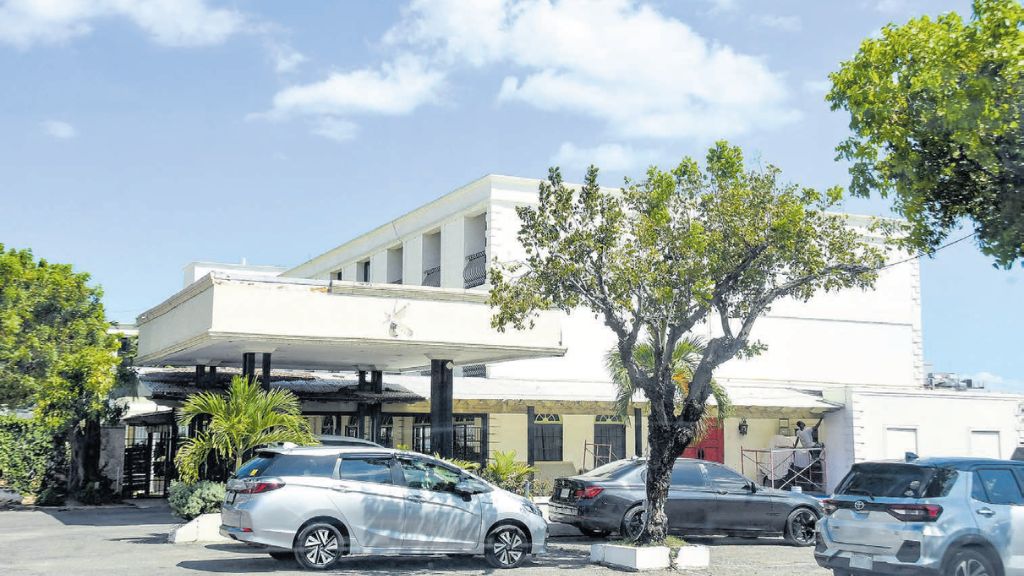
    The property itself is a substantial commercial asset that has already been partially converted from its original hotel use to a multi-block business centre. According to the auction listing, the site spans a total 3.84 acres (15,539.80 square metres) of prime land, with 102,225 square feet (9,496.93 square metres) of total built space across three main three-storey office blocks and a separate two-storey restaurant and lounge building. Currently, the 175 original air-conditioned hotel rooms have been repurposed for office use, alongside an existing restaurant and bar, 10,000 square feet of flexible meeting and banquet space, a courtyard, swimming pool, and 110 dedicated parking spots.

    Located in the heart of New Kingston, the property offers prime frontage on Ruthven Road with rear access from Chelsea Avenue, placing it within walking distance of major arterial roads Holborn Road and Dominica Drive. It is also a short distance from key local amenities including foreign embassies, diplomatic high commissions, major financial institutions, shopping centres and government public institutions.

    Novamed first announced its acquisition of the Knutsford Court Hotel in 2022 through Novamed Properties, a special-purpose vehicle created specifically to acquire and operate real estate assets focused on healthcare, wellness, lifestyle and commercial use. At the time, the firm laid out bold plans to rebrand the property as the Summit Campus, converting the four-acre site into a cutting-edge smart business and lifestyle village focused on innovation, technology, health and wellness. The new development was designed to complement Novamed’s recently acquired Medical Associates Hospital, forming a fully integrated health and commercial hub in central Kingston. For Hendrickson, the sale allowed him to redirect capital and focus to his ongoing redevelopment of the former Wyndham Hotel on Knutsford Boulevard, where he already owns two other prominent New Kingston hotels: the Courtleigh Hotel and Suites and the Jamaica Pegasus hotel.

    Plans for the ambitious redevelopment hit a major regulatory snag earlier this year, however. Regulatory filings reviewed by Business Observer show that in April 2026, Jamaica’s National Environment and Planning Agency rejected two key applications from Novamed: one for an environmental permit and one for planning permission for the proposed construction of new office and commercial complexes, including a shopping centre larger than 5,000 square metres, as well as a formal change of use for the property from a resort designation to commercial office.

    The agency cited two core reasons for the refusal: the proposed development failed to adequately plan for sufficient parking capacity to accommodate the new commercial use, and Novamed failed to meet minimum application requirements, including the submission of a required community survey and updated land use map for the environmental permit application. It remains unclear whether the rejected applications were part of a revised master plan for the site, or if the regulatory setback contributed to the circumstances that led to the property being listed for auction.

    Photographs of the property taken in 2026 show the partially converted Summit campus, including the marked Chelsea Avenue entrance to the site.