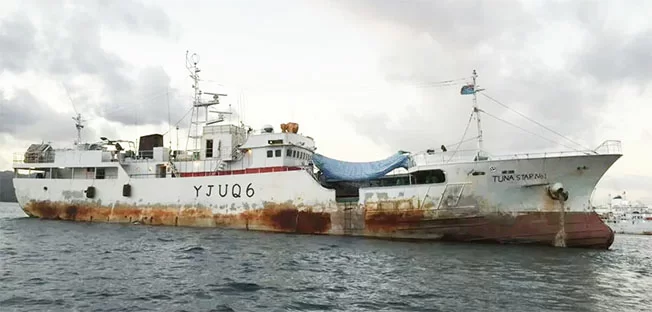
A looming permit application from a Sino-Guyanese seafood enterprise is sparking urgent warnings across the South American fishing industry, with top Surinamese fisheries officials calling for immediate coordinated action to protect dwindling regional fish stocks. Udo Karg, who leads both the Suriname Seafood Association as chairman and SUVVEB N.V. as chief executive officer, has sounded the alarm that approving Grandeast Seafood Inc.’s request to operate six additional commercial fishing vessels in Guyana’s waters would deliver severe, lasting harm to fishing communities in both Guyana and neighboring Suriname.
Grandeast Seafood, a joint venture subsidiary of China’s Hong Dong Fisheries Co. Ltd., has been active in Guyana since 2018, when it poured roughly $20 million into constructing a modern seafood processing facility in the country. According to local Guyanese outlet Kaieteur News, the company argues that inconsistent supplies of finfish and shrimp have capped its processing facility’s output, so adding six company-owned fishing vessels is necessary to stabilize raw material inputs for its operations. The permit application is currently under review by Guyana’s relevant regulatory authorities.
But Karg pushes back against this justification, pointing to long-standing overexploitation of fish populations across Guyana’s exclusive economic zone that already puts regional stocks at risk of collapse. He cites the Spawning Potential Ratio (SPR), an internationally recognized scientific metric that measures a fish population’s ability to replenish itself under current fishing pressure. A 40% SPR is widely accepted as the minimum threshold for a sustainable, healthy fishery, Karg explains.
Per Karg’s analysis, the cumulative pressure of overfishing and unregulated cross-border illegal fishing has already pushed regional stocks to dangerous levels. Suriname’s current SPR sits only 15 percentage points above the 40% minimum threshold, while Guyana’s own SPR has languished between 20 and 30 percentage points below that critical sustainability mark for years. That gap, Karg argues, makes clear that Guyana’s waters cannot even support its existing domestic fishing fleet at a commercially and environmentally responsible level. Granting six new commercial fishing permits would only compound the crisis.
“This means simply that there is not enough fish to let their additional vessels operate in a commercially responsible way,” Karg told local Surinamese outlet Starnieuws. He added that approving the application would deal a heavy blow to Guyana’s local fishing community, while also generating immediate negative spillover effects for Suriname. Unregulated fishing from overcapacity fleets in Guyana routinely pushes across the shared maritime border into Surinamese waters, he noted, so additional vessels in Guyana would only worsen illegal poaching of Suriname’s already strained fish stocks.
Karg draws a parallel to a previous episode during the administration of former Surinamese President Desi Bouterse, when the Surinamese fishing sector successfully blocked a similar proposal to allow foreign-owned fishing vessels to operate in its waters. “Now they are trying again, but this time through Guyana,” he said. As a member state of the Caribbean Regional Fisheries Mechanism, Karg says Suriname has a formal responsibility to lodge an official objection to any proposal that would further deplete already overstressed regional fish stocks, and should take that step immediately as the permit application moves forward.