分类: business

  • New $3M Food Court Planned for VC Bird Airport in 2026, Minister Announces Further Upgrades

    New $3M Food Court Planned for VC Bird Airport in 2026, Minister Announces Further Upgrades

    Antigua and Barbuda’s Tourism Minister Charles ‘Max’ Fernandez has unveiled a comprehensive modernization strategy for VC Bird International Airport, announcing over $8 million in immediate infrastructure investments set to commence in 2026. The ambitious upgrade program aims to elevate passenger experience and position the nation as the Caribbean’s premier aviation hub.

    During the recent Budget Debate, Minister Fernandez detailed specific projects including construction of a new EC$3 million food court on the terminal’s lower level, significant parking facility enhancements to international standards, and a complete US$5 million reconstruction of the Signature Fixed-Base Operation (FBO) for private aviation users.

    In a notable development for luxury travel, Fernandez announced a partnership between JetEx and Diplomatic Solutions to establish a new premium FBO facility, signaling intensified investment in Antigua’s high-end aviation market. These immediate projects form part of a broader master plan that includes future expansion capabilities for three additional jet bridges to accommodate larger aircraft and increased passenger volumes.

    Minister Fernandez emphasized the strategic importance of these investments: ‘These enhancements are crucial for maintaining our competitive edge and achieving our aspiration to become number one in the Caribbean tourism market.’ The modernization effort extends beyond terminal improvements to include concurrent runway rehabilitation, digital infrastructure upgrades, and staffing reinforcement to support anticipated growth in air traffic and passenger numbers.

    The comprehensive approach addresses both current operational needs and future capacity requirements, representing a significant commitment to infrastructure development that aligns with the nation’s expanding tourism profile and economic ambitions.

  • Public investment window coming for Renugen’s $45M family island energy projects

    Public investment window coming for Renugen’s $45M family island energy projects

    NASSAU, BAHAMAS – Bahamian citizens are poised to participate directly in the nation’s clean energy transformation as Renugen Pro Limited prepares to offer public investment opportunities in its $40-45 million micro-grid initiative starting early next year. This strategic development aligns with the Davis administration’s accelerated efforts to modernize the country’s historically challenged power infrastructure through innovative public-private collaborations.

    During a comprehensive briefing at the Office of the Prime Minister, Renugen executives outlined substantial progress on hybrid energy systems combining solar power, battery storage, and natural-gas generation currently under development for Cat Island, Long Island, and San Salvador. These projects, governed by a 25-year power purchase agreement with the government, promise to revolutionize grid reliability, cost efficiency, and environmental sustainability across all three islands.

    Lamore Bingham, Operations Manager for Renugen Pro, emphasized the company’s national character: “We are a Bahamian-led organization established in partnership with Wilkem Tech and Roswall Development. These micro-grids perfectly support the government’s vision for delivering stable, modern, and sustainable power throughout The Bahamas. Upon completion, island residents and businesses will benefit from reduced outages, decreased reliance on imported fuels, and a cleaner energy infrastructure capable of supporting future economic expansion.”

    Bingham confirmed that preliminary phases including land clearing, geotechnical surveys, and initial engineering have been finalized, with equipment specifications now being locked in. The hybrid systems are designed as comprehensive replacements for aging diesel plants that have powered the islands for decades.

    Canadian technical partner Roswall Development, through CEO Dan Roscoe, highlighted the systems’ engineering resilience against intensifying hurricane seasons while ensuring uninterrupted power supply. “Battery technology is fundamentally transforming electricity production,” Roscoe stated. “When integrated with solar generation, they create an exceptionally reliable and clean power source. Natural gas serves as our contingency safeguard to guarantee full operational resilience during storms and peak demand periods.”

    Each island’s system has been custom-designed according to its unique energy requirements: one megawatt solar capacity for Cat Island and San Salvador, and three megawatts for Long Island. System modeling incorporated seasonal consumption variations, including energy spikes during cultural events like regattas and homecoming celebrations.

    With front-end engineering approaching completion, project financing through Leno Bahamas has reached advanced stages. Roscoe confirmed: “Early next year, we will publicly announce investment opportunities allowing Bahamians direct participation in these transformative projects. The combined value across all three islands approximates $40-45 million.”

    Equipment acquisition will commence following financial close, with on-island construction scheduled for late 2026. Renugen anticipates full commissioning of all micro-grids by 2027, with the company retaining operational and maintenance responsibilities throughout the project’s 25-year lifespan. Roscoe concluded: “We take pride in supporting governmental efforts to modernize energy infrastructure while enhancing reliability and affordability across our Family Islands. This represents a pivotal moment that will deliver tangible benefits to residents, businesses, and the broader national economy.”

  • Minister Bharrat: Maak local content sterk, maar sluit de deur niet voor investeerders

    Minister Bharrat: Maak local content sterk, maar sluit de deur niet voor investeerders

    Guyana’s Minister of Natural Resources Vikram Bharrat has offered strategic counsel to neighboring Suriname regarding local content policy formulation for emerging oil economies. Speaking with Starnieuws during a Production Sharing Agreement signing with Ghana’s Cybele Energy, Minister Bharrat emphasized the critical balance between national development and investor attraction.

    “The best advice I can give Suriname in its pursuit of local content policy is to create well-considered legislation applicable to national development while keeping doors open for investors,” stated Minister Bharrat. Guyana has transitioned from basic local content policies to comprehensive legislation mandating foreign companies to hire Guyanese citizens and contractors while implementing skills transfer programs.

    Senior Petroleum Advisor Bobby Gossai, present at the PSA signing ceremony at Pegasus Hotel, highlighted that attracting foreign investors remains a priority in multinational negotiations. “Corporate capabilities must align with our national conditions,” Gossai explained. “During negotiations, we ensure companies understand our established timelines and investment focus areas for coming years.”

    The negotiation process for agreements like PSA requires companies to recognize the Guyanese government’s dual responsibility to both corporate partners and society. Extensive development has gone into Guyana’s fiscal policy for oil and gas, including 10% royalty fees, 10% taxes, cost recovery mechanisms, and profit sharing arrangements.

    Guyana has secured seven Foreign Direct Investment contracts since beginning its transformation into one of the world’s fastest-growing economies. Following over 30 oil discoveries since 2015, four sites are currently operational with two additional sites expected within two years. The seven FDIs include Liza Phase 1 (2017), Liza Phase 2 (2019), Payara (2020), Yellowtail (2022), Uaru (April 2023), Whiptail (April 2024), and Hammerhead (September 2025).

    Minister Bharrat confirmed the ongoing strategy: “The intention is naturally to attract as many investors as possible” while maintaining responsible resource management and national benefit structures.

  • Foreign currency transactions: a necessary step to strengthen the national economy

    Foreign currency transactions: a necessary step to strengthen the national economy

    Cuba has enacted sweeping financial reforms through Decree Law 113, establishing a comprehensive framework for foreign currency management and allocation. This landmark legislation, published in the Official Gazette, represents a fundamental shift in Cuba’s economic policy aimed at macroeconomic stabilization and growth stimulation.

    The new mechanism allows multiple currencies to function as legal tender alongside the Cuban peso, marking a departure from previous restrictions that limited transactions to domestic currency. The reform applies to Cuban, foreign, and mixed legal entities, as well as individuals engaged in productive activities or economic transactions involving foreign currency instruments.

    Under the leadership of the Ministry of Economy and Planning (MEP) and the Central Bank of Cuba (BCC), the system will prioritize export activities, production linked to export sectors, import substitution initiatives, and other ventures that contribute to increasing foreign currency revenues. The regulations establish procedures for entities to retain significant portions of their foreign currency earnings, ensuring liquidity and operational flexibility.

    Central Bank President Juana Lilia Delgado Portal emphasized that this represents a higher-level legal regulation updating previous provisions. The framework introduces Foreign Currency Access Capacity Allocation (ACAD), authorizing economic actors who don’t generate foreign currency to purchase it from the Central Bank at official exchange rates for priority activities.

    Economy Minister Joaquín Alonso Vázquez outlined four fundamental objectives: organizing the foreign currency management system, regulating transactions based on existing accounts or ACAD allocations, defining legal access to foreign currency, and specifying which economic transactions will be conducted in foreign currency.

    The reforms are designed to stimulate export revenues rather than recirculate existing currency within the national economy. The measures also encourage import substitution, development of legal currency access mechanisms, and expansion of foreign currency-generating activities including e-commerce with international payments.

    Authorities indicate these changes represent an interim step toward establishing necessary macroeconomic conditions for eventual restoration of the Cuban peso’s convertibility in a transformed foreign exchange market.

  • Fuel Prices Remain Frozen as Inflation Heats Up

    Fuel Prices Remain Frozen as Inflation Heats Up

    In a striking economic contradiction, Belize maintains frozen fuel prices despite global oil market declines, creating a policy dilemma where the very mechanism funding social welfare programs simultaneously drives inflationary pressures. With West Texas Intermediate crude trading at $57.79 per barrel amid global supply concerns and geopolitical tensions, Belizean drivers continue paying premium prices due to government-mandated price controls.

    The Briceño administration defends this approach as fiscally necessary, arguing that fuel taxes generate $50-60 million annually critical for funding education initiatives, nutritional programs, scholarships, and National Health Insurance. Prime Minister John Briceño explicitly stated that reducing fuel taxes would create a massive budget shortfall, asking critics to identify alternative revenue sources before considering reductions.

    Statistical Institute of Belize data reveals the policy’s inflationary impact: gasoline and other fuels rank among the top inflation drivers, with household goods and services costing 1.2% more from January to October 2025 compared to the same period last year.

    The situation contains significant political irony. As Opposition Leader in 2017-2018, Briceño vehemently criticized the previous administration’s fuel taxation approach, accusing them of creating uncompetitive economic conditions and exacerbating living costs. He specifically promised during his opposition years to maintain fuel prices below $7 per gallon and reduce taxes if global prices increased.

    Now governing since November 2020, Briceño’s administration has not only maintained the price fixation policy but ceased publishing price change notifications. The Prime Minister now emphasizes achieving balance between social program funding and economic pressures, suggesting future tax adjustments might occur only after improved tax collection and economic growth provide alternative revenue streams.

  • Prime Minister Briceno Hopes to Avoid Sugar Impasse

    Prime Minister Briceno Hopes to Avoid Sugar Impasse

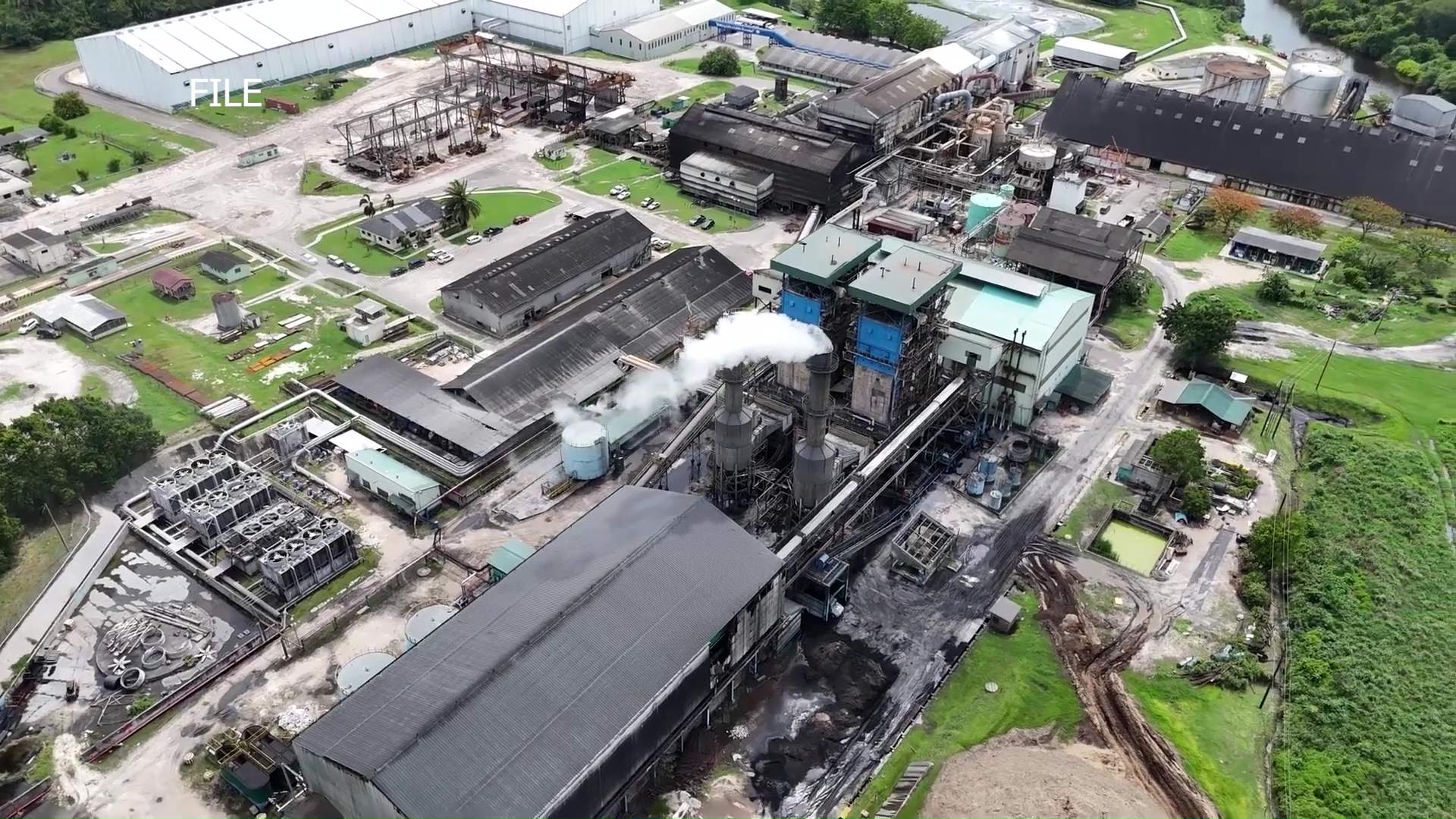
    Prime Minister John Briceño has personally intervened to prevent a potentially devastating stalemate in Belize’s sugar industry as the critical harvesting season approaches. With no agreement yet reached between cane farmers and mill operators ahead of the December 16th deadline, the Prime Minister has assumed direct oversight of governmental operations within the sector.

    This strategic shift removes responsibility from former Agriculture Minister José Abelardo Mai, whom Briceño described as becoming ‘too emotionally entangled’ in the protracted disputes. The Prime Minister explained that Minister of State Osmond Martinez will now handle daily stakeholder engagements while he provides overall leadership.

    “I was consistently reminding him that he serves as minister for the entire industry, not just the Belize Sugar Cane Farmers Association (BSCFA),” Briceño stated regarding his former agriculture minister. “He must represent farmers, millers, and government interests equally.”

    Briceño characterized his own approach as bringing necessary temperament and neutrality to the negotiations. His administration recently convened a marathon multi-hour meeting involving all major stakeholders—BSCFA, SIRDI (another cane farmers association), the Ministries of Agriculture and Sugar, and mill representatives—to address pressing challenges.

    “Presently, tensions have eased as we actively advance the industry forward,” Briceño reported, emphasizing his hands-on involvement in stabilizing one of Belize’s most crucial economic sectors during this precarious period.

  • Labor Shortage Threatens Belize’s Sugar Industry

    Labor Shortage Threatens Belize’s Sugar Industry

    Belize’s vital sugar industry is confronting an existential labor crisis that threatens both economic stability and agricultural output. During the most recent harvest season, an alarming surplus exceeding one hundred thousand tons of sugarcane was abandoned to decompose in fields due to severe shortages of manual harvesters.

    While the sector is gradually adopting mechanical farming techniques, the persistent demand for human labor remains substantial. For decades, Belizean farmers have depended heavily on immigrant workers from neighboring Central American nations to fill this void. However, escalating operational expenses—particularly surging transportation costs and exorbitant work permit fees—are severely eroding already narrow profit margins.

    Marcos Osorio, Chairman of the Sugar Industry Control Board, emphasizes the necessity for structured collaboration with governmental authorities. “We require government assistance, but such support necessitates prior organization from our industry,” Osorio stated. He outlined a proposed systematic approach where the industry would identify specific labor deficits and present vetted candidate lists from countries like Guatemala and Honduras to streamline bureaucratic processes.

    The financial burden on farmers has intensified dramatically. Current border stamp fees have quadrupled from fifty to two hundred dollars monthly per worker, while work permit costs have risen from two hundred to three hundred dollars. Combined with transport expenses, importing a single cane cutter now costs approximately six hundred dollars solely in administrative fees.

    The reluctance of Belizean workers to engage in harvesting is attributed to two primary factors: inadequate compensation and extremely challenging working conditions. Laborers endure prolonged exposure to intense heat and airborne ash from burnt cane fields, with wages failing to provide sufficient incentive for such arduous work.

    This multifaceted crisis poses significant threats to one of Belize’s cornerstone economic sectors, demanding urgent intervention through policy reform and industry-wide coordination.

  • Abinader announces historic job growth in free trade zones

    Abinader announces historic job growth in free trade zones

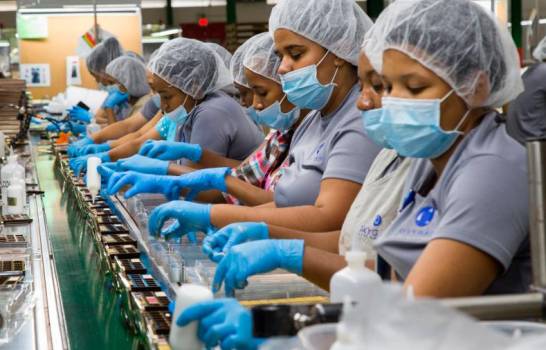
    SANTO DOMINGO – The Dominican Republic has achieved a landmark economic milestone as its free trade zone sector now employs over 200,000 workers directly, President Luis Abinader revealed. This record-breaking employment figure underscores a powerful economic resurgence and robust investor confidence in the Caribbean nation.

    President Abinader attributed this achievement to the collective efforts of thousands of dedicated employees and the country’s strengthened reputation as a stable and trustworthy destination for international investment. Since taking office, his administration has prioritized economic revitalization, enhanced productivity, and the construction of a more resilient development framework.

    The dramatic recovery is put into sharp relief by data from Industry Minister Ito Bisonó. He confirmed that the sector hit a devastating low in April 2020, with employment plummeting to just 119,974 jobs amid the global pandemic. In a remarkable turnaround over the subsequent five years, the industry has not only recovered but surged, generating more than 80,000 new positions. This represents a striking 67% growth rate, propelling the sector to its highest employment level in history.

  • FLASH : New ! Fully refundable tickets, fast and hassle-free with Sunrise Airways

    FLASH : New ! Fully refundable tickets, fast and hassle-free with Sunrise Airways

    In a groundbreaking move for Caribbean aviation, Haiti-based Sunrise Airways has partnered with global travel services leader Protect Group to eliminate one of the region’s most persistent travel frustrations: inaccessible flight refunds. The collaboration introduces Refund Protect, an innovative service that guarantees immediate, hassle-free reimbursements for canceled flights under unforeseen circumstances.

    The service addresses long-standing challenges faced by Caribbean travelers who traditionally encountered complex paperwork and prolonged waiting periods when seeking compensation for disrupted travel plans. Through this partnership, passengers booking with Sunrise Airways can now opt for Refund Protect during the reservation process on the airline’s website.

    Refund Protect covers a comprehensive range of scenarios including personal emergencies, sudden illness, travel restrictions, and other unexpected disruptions. The system operates with remarkable efficiency: travelers receive direct, full ticket reimbursements minus a nominal service fee, completely bypassing traditional claims procedures that often involve extensive documentation and processing delays.

    The service availability extends to both domestic passengers within Haiti and international travelers visiting Caribbean destinations. Whether flying to Cuba, the Bahamas, or other regional hotspots, passengers can now book with unprecedented confidence, knowing their investment remains protected against unpredictable events.

    This strategic initiative positions Sunrise Airways as a forward-thinking leader in Caribbean aviation, potentially setting new industry standards for customer protection and service innovation. The move comes at a critical time when travel uncertainty remains a significant concern for both regional and international travelers exploring Caribbean destinations.

    The implementation reflects growing awareness within the aviation industry that flexible booking options and financial protection have become essential components of modern travel services, particularly in regions prone to unexpected disruptions and changing travel conditions.

  • Belize Still Buying More Than It Sells, Trade Deficit Rises

    Belize Still Buying More Than It Sells, Trade Deficit Rises

    New economic data reveals Belize’s persistent trade imbalance has intensified through October 2025, with the nation’s import dependency significantly overshadowing its export capabilities. The Statistical Institute of Belize reports the trade deficit expanded by $58 million compared to the previous year, highlighting structural challenges in the country’s economic framework.

    Despite a marginal reduction in import expenditure, which decreased by $17.1 million to $2.4 billion, the figure remains substantially higher than export earnings. The import portfolio continues to be dominated by essential machinery, mineral fuels, and manufactured goods—categories reflecting Belize’s industrial and consumer demands.

    On the export front, revenues experienced a more pronounced contraction, declining by $24 million to approximately $340 million. The agricultural sector maintained its dominant position, with sugar retaining its status as the primary export commodity despite facing market pressures. Banana exports followed closely, while marine products and cattle contributed notably to the overall export composition.

    Regionally, CARICOM member states remained the principal destination for Belizean goods, accounting for the largest share of export distribution. The United States and European Union markets followed respectively, demonstrating Belize’s diversified yet limited international trade partnerships.

    The widening trade gap underscores Belize’s structural economic challenges, particularly its heavy reliance on imported energy resources, industrial equipment, and consumer products. This imbalance persists despite efforts to strengthen export sectors, indicating deeper systemic issues that may require policy interventions to enhance domestic production capabilities and reduce foreign dependency.