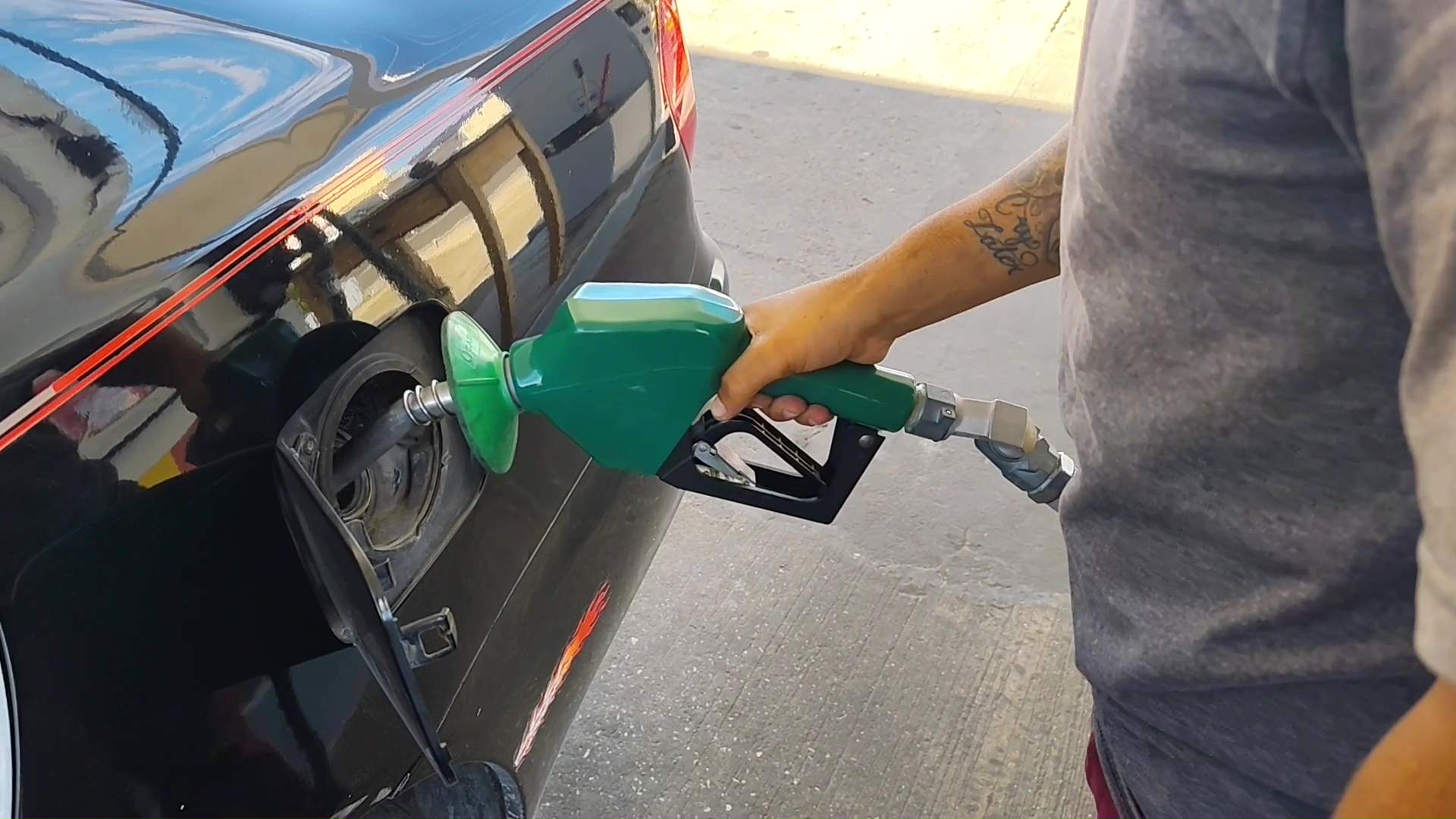
In a striking economic contradiction, Belize maintains frozen fuel prices despite global oil market declines, creating a policy dilemma where the very mechanism funding social welfare programs simultaneously drives inflationary pressures. With West Texas Intermediate crude trading at $57.79 per barrel amid global supply concerns and geopolitical tensions, Belizean drivers continue paying premium prices due to government-mandated price controls.
The Briceño administration defends this approach as fiscally necessary, arguing that fuel taxes generate $50-60 million annually critical for funding education initiatives, nutritional programs, scholarships, and National Health Insurance. Prime Minister John Briceño explicitly stated that reducing fuel taxes would create a massive budget shortfall, asking critics to identify alternative revenue sources before considering reductions.
Statistical Institute of Belize data reveals the policy’s inflationary impact: gasoline and other fuels rank among the top inflation drivers, with household goods and services costing 1.2% more from January to October 2025 compared to the same period last year.
The situation contains significant political irony. As Opposition Leader in 2017-2018, Briceño vehemently criticized the previous administration’s fuel taxation approach, accusing them of creating uncompetitive economic conditions and exacerbating living costs. He specifically promised during his opposition years to maintain fuel prices below $7 per gallon and reduce taxes if global prices increased.
Now governing since November 2020, Briceño’s administration has not only maintained the price fixation policy but ceased publishing price change notifications. The Prime Minister now emphasizes achieving balance between social program funding and economic pressures, suggesting future tax adjustments might occur only after improved tax collection and economic growth provide alternative revenue streams.