分类: business

  • ‘9 to 5 no longer enough’: Seiveright urges UWI students to embrace AI

    ‘9 to 5 no longer enough’: Seiveright urges UWI students to embrace AI

    KINGSTON, Jamaica — A senior Jamaican government official has issued a compelling call for the nation’s youth to transcend conventional employment paradigms and aggressively pursue technological proficiency in response to evolving global economic realities. Delano Seiveright, Minister of State in the Ministry of Industry, Investment and Commerce, addressed student entrepreneurs at the Pelican Pitch Series: Entrepreneurship Forum at The University of the West Indies, Mona campus, challenging entrenched notions about career development.

    Seiveright delivered a stark assessment of traditional employment models, asserting that the familiar 9-to-5 framework is increasingly inadequate amid rising living expenses, intensified global competition, and transformative shifts in work structures. He revealed that major corporations are progressively deemphasizing rigid academic qualifications in favor of demonstrable capabilities, emotional intelligence, operational efficiency, and proven learning agility.

    The minister presented artificial intelligence as a fundamental disruptive force across professional landscapes, detailing how AI tools now execute sophisticated text analysis, generate complex documentation, facilitate programming tasks, and automate customer service operations. He observed that established sectors including legal services and marketing are undergoing profound transformation, with routine functions becoming automated while strategic judgment and creative direction gain premium value.

    Global technology investments provide compelling evidence of AI’s escalating significance, with annual capital expenditures reaching hundreds of billions of US dollars and multi-year projections approaching trillions—clear indicators that AI is evolving into essential economic infrastructure.

    Seiveright positioned Jamaica advantageously within this technological revolution, citing the nation’s macroeconomic stability, financial system reforms, robust digital connectivity, and favorable trade agreements as foundational elements for international business expansion. He specifically advocated leveraging diaspora networks and regional market strategies for growth beyond domestic boundaries.

    The minister emphasized linguistic skills as critical competitive advantages, urging students to acquire Spanish for accessing Latin America’s 650-million consumer market while recommending Mandarin and other globally significant languages. He further encouraged breaking social and professional isolation by participating in unfamiliar events and building diverse networks, citing historically successful business communities that thrive through strong relational ecosystems.

    Practical resources were directed to the Ministry’s official portal (MIIC.gov.jm) offering guidance on business formation, export preparation, intellectual property safeguards, and connections to support institutions including the Jamaica Business Development Corporation. Additionally, Seiveright promoted engagement with international freelance platforms like Fiverr and Upwork to develop global income streams, build professional portfolios, and create financial resilience alongside entrepreneurial ventures or primary employment.

    The Pelican Pitch Series, collaboratively presented by the Mona Guild and the Office of Entrepreneurship and Opportunities at UWI Mona, represents institutional efforts to equip student innovators with practical methodologies for transforming concepts into globally competitive enterprises.

  • Tourism director open to Uber

    Tourism director open to Uber

    The Bahamas’ tourism leadership has expressed openness to exploring ride-hailing technology integration while facing significant resistance from the nation’s taxi industry. Latia Duncombe, Director General of Tourism, indicated ministerial support for stakeholder engagement regarding modern transportation solutions, though she clarified that final regulatory decisions rest with other government agencies.

    This development follows claims by local entrepreneur Mac Macklin that his company is in advanced negotiations with Uber’s U.S. headquarters to establish a local operating presence. Macklin’s proposal outlines a structured system where licensed taxi drivers would utilize Uber’s technology platform while adhering to existing government fare structures. The model promises direct bank payments, app-based bookings, GPS tracking, and flight-monitoring technology to optimize operations and eliminate cash transactions.

    Eligibility would be restricted to drivers holding valid taxi plates, insurance, and Transport Ministry licenses, with an initial pilot program involving 30-40 drivers. However, the Bahamas Taxi Cab Union has already rejected the proposal after presenting it to membership. Union president Tyrone Butler reported the concept was ‘soundly rejected’ by members, despite Uber’s willingness to work exclusively with licensed taxi drivers rather than private vehicle operators.

    The situation presents a complex landscape where technological modernization efforts clash with traditional industry protections, creating tension between innovation proponents and established transportation providers.

  • Commonwealth and UK provide investment support to Grenadian businesses

    Commonwealth and UK provide investment support to Grenadian businesses

    A groundbreaking initiative to drive sustainable investment in vulnerable island nations has been launched during the 2024 Commonwealth Heads of Government Meeting. The Commonwealth Investment Network (CIN) represents a strategic partnership framework designed to identify and fund climate-positive projects across Small Island Developing States (SIDS) within the Commonwealth.

    The Cambridge Centre for Alternative Finance (CCAF) has been appointed by the Commonwealth Secretariat and the UK Government to lead the implementation of this ambitious program. From February 2-6, 2024, a joint delegation comprising representatives from CCAF, the Commonwealth Secretariat, and the UK Commonwealth Unit conducted a working visit to Grenada to launch a three-month accelerator program for selected local enterprises.

    Three Grenadian companies emerged victorious from a highly competitive selection process to join the inaugural cohort: Belmont Estate (agribusiness), SarGas (renewable energy), and Green Feeds (sustainable agriculture). Each enterprise is receiving comprehensive support including customized advisory services, growth-focused mentorship, strategic stakeholder connections, and direct investor pitch opportunities.

    The program specifically aims to enhance project bankability while strengthening the broader investment ecosystem through knowledge transfer, capacity building, and targeted technical assistance. Beyond individual company support, the CIN initiative seeks to develop systemic solutions that address critical financing bottlenecks and unlock large-scale climate finance.

    During their Grenada visit, the delegation engaged extensively with government officials, private sector representatives, development agencies, and participating companies to identify key investment barriers and opportunities. British Commissioner to Grenada Victor Clark emphasized the nation’s innovative potential, stating: ‘Grenada is not short of innovation. I hope this technical support will help these companies realize their ambitious plans through accelerated investment and growth.’

    The initiative represents a significant step toward building climate resilience and sustainable economic development in vulnerable island nations facing disproportionate climate change impacts.

  • Hon. Dennis Cornwall to attend 112th ECCB Monetary Council Meeting

    Hon. Dennis Cornwall to attend 112th ECCB Monetary Council Meeting

    Grenada’s Finance Minister, Honourable Dennis Cornwall, is set to participate in the 112th Monetary Council gathering of the Eastern Caribbean Central Bank (ECCB) on February 13, 2026. The high-level meeting will be hosted at the ECCB headquarters in Basseterre, St. Kitts and Nevis, bringing together finance ministers from across the currency union.

    The council session represents a fundamental component of the ECCB’s governance framework, tasked with conducting comprehensive assessments of monetary and credit conditions throughout the Eastern Caribbean Currency Union (ECCU). Minister Cornwall will be accompanied by Mike Sylvester, Permanent Secretary within Grenada’s Ministry of Finance, forming the island’s official delegation.

    These biannual meetings serve as critical policy-making platforms where council members examine the ECCB Governor’s detailed report on regional economic performance. The agenda typically encompasses deliberations on financial stability mechanisms, credit market evolution, and strategic policy initiatives designed to foster sustainable economic development across member nations.

    The Grenadian government has reaffirmed its dedication to active engagement in regional financial governance structures, emphasizing its commitment to policies that enhance economic resilience and promote developmental objectives within the Eastern Caribbean framework.

    The ECCB Monetary Council operates as the supreme decision-making body for the currency union, maintaining oversight of monetary policy and financial sector stability across its eight member territories.

  • CAF’s 2026 International Economic Forum centers Caribbean concerns and solutions

    CAF’s 2026 International Economic Forum centers Caribbean concerns and solutions

    PANAMA CITY – Caribbean development priorities dominated the agenda at CAF’s International Economic Forum 2026, where regional leaders convened to address critical challenges facing small island economies. The Development Bank of Latin America and the Caribbean hosted its second annual forum, creating a strategic platform for high-level dialogue on sustainable growth frameworks.

    The gathering featured significant participation from Caribbean nations, with over fifty delegates engaging in comprehensive discussions on climate resilience, infrastructure development, and innovative financing mechanisms. Jamaican Prime Minister Andrew Holness delivered a pivotal keynote address, emphasizing the necessity for Latin America and the Caribbean to actively shape their positions within the global economic architecture. Drawing from Jamaica’s recent experience with Hurricane Melissa, Holness underscored the critical importance of robust institutional frameworks and coordinated regional strategies to navigate international uncertainties.

    A landmark bilateral meeting occurred between Prime Minister Holness, senior Jamaican cabinet members, and CAF Executive President Sergio Díaz-Granados. This unprecedented dialogue focused on post-hurricane reconstruction coordination and the vital role of development finance in building sustainable economic recovery. The discussions marked the first such high-level engagement between Jamaican leadership and CAF administration.

    The forum hosted a private Caribbean Ministerial Dialogue, bringing together finance and economic development ministers from across the region. This closed-door session facilitated alignment between CAF’s adaptable financing solutions and national development priorities, with particular emphasis on innovative funding mechanisms for Small Island Developing States (SIDS).

    Parallel technical sessions addressed pressing regional issues including economic outlook analyses, blue economy potential, Africa-Caribbean relations, and tourism investment strategies. These discussions were complemented by confidential technical exchanges aimed at developing practical, actionable solutions for Caribbean development challenges.

    A dedicated investment forum focused specifically on Jamaica’s recovery efforts, aiming to mobilize private sector capital for reconstruction projects. The session explored Public-Private Partnership models as catalysts for investment in priority sectors, with CAF committing USD 1 billion alongside international partners to support Jamaica’s long-term recovery.

    Dr. Stacy Richards-Kennedy, CAF’s Regional Manager for the Caribbean, emphasized the organization’s commitment to amplifying Caribbean voices in global discussions. ‘The Caribbean faces unique challenges that must not be overshadowed by broader geopolitical concerns,’ she stated. ‘This forum provides essential space for meaningful dialogue addressing the multidimensional challenges confronting vulnerable small states.’

    The 2026 edition attracted over 6,500 participants from 70 countries, including government officials, private sector leaders, academics, and development experts, making it one of the most significant gatherings for Latin American and Caribbean economic development discourse.

  • Liberty Business launches in Grenada

    Liberty Business launches in Grenada

    GRENADA – Liberty Business, the rebranded entity formerly known as Cable & Wireless Business, officially unveiled its new regional identity on February 5th at the Grenada Trade Centre. The launch event marked a significant expansion of digital solutions tailored for Caribbean businesses, positioning the company as a catalyst for technological advancement across the region.

    The summit gathered business executives, government officials, and technology partners to demonstrate Liberty’s next-generation connectivity solutions and world-class support infrastructure. Under its renewed mission of ‘Connecting Communities and Changing Lives,’ the company reaffirmed its commitment to driving progress through technological innovation and operational excellence.

    Lincoln Baptiste, Country Manager for Flow Grenada, emphasized the strategic importance of this transformation: “Liberty Business represents a bold step forward in how we serve and support enterprises. We’re investing substantially in technologies, partnerships, and human capital to build a robust digital ecosystem that empowers innovation.”

    Executive presentations by Daniel Neiva, VP Chief Commercial Officer of B2B, detailed Liberty’s substantial investments in infrastructure modernization and customer experience enhancement across Caribbean markets. The event featured immersive demonstrations of cutting-edge solutions including:

    – Next-Generation Connectivity and Digital Health solutions enabling operational agility
    – Smart Room technologies for hybrid meeting environments
    – Advanced Mobile Solutions for remote workforce management
    – Data Resiliency Services ensuring business continuity and secure architecture
    – Comprehensive Cybersecurity protections against evolving digital threats

    The company showcased its strategic partnerships with industry leaders including Fortinet, Cisco, Microsoft, Oracle, and IBM. A panel discussion moderated by Bradley Ramcharan, Director of Multinational Accounts & Government Sales, examined digital transformation trends specific to the Caribbean business landscape.

    Elena Dyer, Director of B2B Sales South Caribbean, concluded the event by emphasizing Liberty’s readiness to guide organizations through their digital evolution: “We stand beside our customers with both technological expertise and genuine passion for their success. Our team is committed to accelerating Grenada’s transition toward a digital-first economy.”

    Local management, including B2B Manager Thomas John, highlighted the deployment of specialized account managers and support teams dedicated to serving Grenadian businesses. The Liberty Business initiative represents a comprehensive commitment to powering the Caribbean’s digital future through innovation-driven partnerships.

  • Aanplant 6.000 zuurzakbomen moet productie en verwerking versterken

    Aanplant 6.000 zuurzakbomen moet productie en verwerking versterken

    In a significant development for the agricultural sector, Zudo Tropical Fruits and its network of affiliated farmers have embarked on a major expansion initiative by jointly planting approximately 6,000 soursop trees. This strategic move aims to substantially increase local fruit production while simultaneously advancing the processing industry’s capabilities.

    The project received high-level governmental attention during a working visit by Minister Andrew Baasaron of Economic Affairs, Entrepreneurship, and Technological Innovation (EZOTI). The minister toured the facilities of Zudo Tropical Fruits, which currently benefits from support through the innovative SURGE program.

    The company has developed an integrated business model that combines cultivation with fruit processing into pulp, creating additional value within the agricultural production chain. This expansion is being implemented in collaboration with outgrowers, ensuring direct involvement of multiple farmers throughout the production process.

    Through the SURGE program, Zudo Tropical Fruits secured a substantial grant of USD 250,000 specifically allocated for investments in production enhancement, processing infrastructure, and operational efficiency improvements. These funds have been strategically deployed to acquire agricultural machinery, state-of-the-art processing equipment, and essential support facilities.

    According to EZOTI officials, the project delivers multifaceted benefits that extend beyond corporate development. By integrating local farmers into both production and processing operations, the initiative strengthens the entire agricultural value chain. This approach contributes significantly to value addition, entrepreneurship development, and sustainable economic growth within the agricultural sector.

    During the working visit, ministry representatives expressed strong appreciation for the collaborative efforts within the sector and extended their best wishes for the company’s continued expansion success.

  • Antigua Represented as ECCB Examines Management of Foreign Currency Reserves

    Antigua Represented as ECCB Examines Management of Foreign Currency Reserves

    The Eastern Caribbean Central Bank’s Board of Directors has conducted a special meeting to evaluate foreign currency reserve management strategies as the region prepares to commemorate five decades of its stable exchange rate mechanism. The session featured comprehensive briefings on the policies and protective measures safeguarding the Eastern Caribbean Currency Union’s reserves, which form the foundation of the fixed EC$2.70 to US$1.00 exchange rate established in July 1976.

    During the high-level discussions, directors examined the governance frameworks directing reserve management decisions, risk mitigation systems protecting the currency peg, and asset distribution approaches designed to enhance financial stability across member nations. The Board emphasized its commitment to maintaining prudent, sustainable reserve management practices capable of adapting to dynamic global financial environments.

    The meeting saw participation from all eight ECCU member states, including representation from Antigua and Barbuda alongside the seven other territories. Central Bank Governor Timothy N.J. Antoine presided over the proceedings, with Deputy Governor Dr. Valda F. Henry serving as the other executive member alongside representatives from each participating jurisdiction.

  • Tourism Ministry reports progress on Santo Domingo Convention Center Project

    Tourism Ministry reports progress on Santo Domingo Convention Center Project

    The Dominican government has initiated significant progress on its ambitious Santo Domingo Convention Center project, marking a strategic move to position the capital as a premier destination for meetings and conventions tourism. This development follows the 2025 acquisition of prime real estate spanning approximately 34,000 square meters from the former Hotel Santo Domingo site, which ceased operations in 2013.

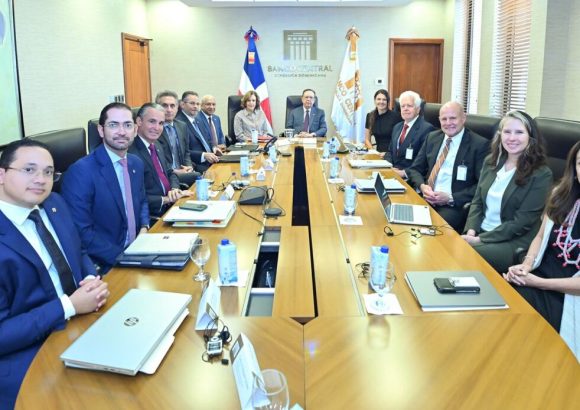
    Tourism Minister David Collado has confirmed substantial advancements in the technical and administrative processes required for the project’s development. The government has secured a crucial advisory agreement with Banco de Reservas, complemented by technical expertise from IFEMA Madrid, an internationally recognized leader in exhibition and convention management renowned for organizing the prestigious FITUR tourism fair.

    The architectural team, already approved by the financial institution, is currently finalizing structural designs and engineering specifications. This collaboration brings together international best practices and local expertise to create a world-class facility that will substantially enhance the city’s infrastructure for hosting major international events, conferences, and exhibitions.

    Authorities anticipate the convention center will dramatically strengthen the country’s MICE (Meetings, Incentives, Conferences, and Exhibitions) tourism sector, generating significant economic benefits through increased visitor spending, job creation, and enhanced international visibility. The strategic location adjacent to the former Hotel Santo Domingo property provides optimal accessibility while contributing to urban revitalization efforts in the capital city.

  • NOB lanceert krediet tot SRD 400.000 voor jonge ondernemers

    NOB lanceert krediet tot SRD 400.000 voor jonge ondernemers

    Suriname’s National Development Bank (NOB) has inaugurated a specialized credit facility designed to empower young entrepreneurs across the nation. Dubbed the ‘Level-Up Credit’ initiative, the program targets individuals aged 18 to 27, offering access to business loans of up to SRD 400,000 for commercial investments and venture development.

    The financing mechanism operates under the Production Credit Fund (PKF), with designated allocations for diverse sectors including manufacturing, processing industries, creative arts, information technology, and innovative project undertakings. The program was officially unveiled on January 30, 2026, under the local slogan ‘Wan Okasi gi den Yongu Basi’ (An Opportunity for Young People).

    NOB President-Director Sandy Cameron emphasized the deliberately low-threshold application process, noting that youth applicants can submit projects through a streamlined documentation system. The bank has committed to processing complete applications within a 31-day review timeframe, according to Suriname’s Communication Service.

    Beyond financial support, the NOB provides comprehensive entrepreneurial guidance including assistance with Chamber of Commerce and Industry registration, permit acquisition, and administrative procedures. Post-approval monitoring remains integral to the program’s implementation framework.

    The credit facility features a maximum five-year maturity period with flexible repayment structures, including potential grace periods for principal payments in specific circumstances. Funding derives from the Production Credit Fund, which is resourced through national budgetary allocations and international financing mechanisms.

    The NOB actively encourages young Surinamese citizens with viable business concepts to leverage this financial opportunity for enterprise development and economic participation.