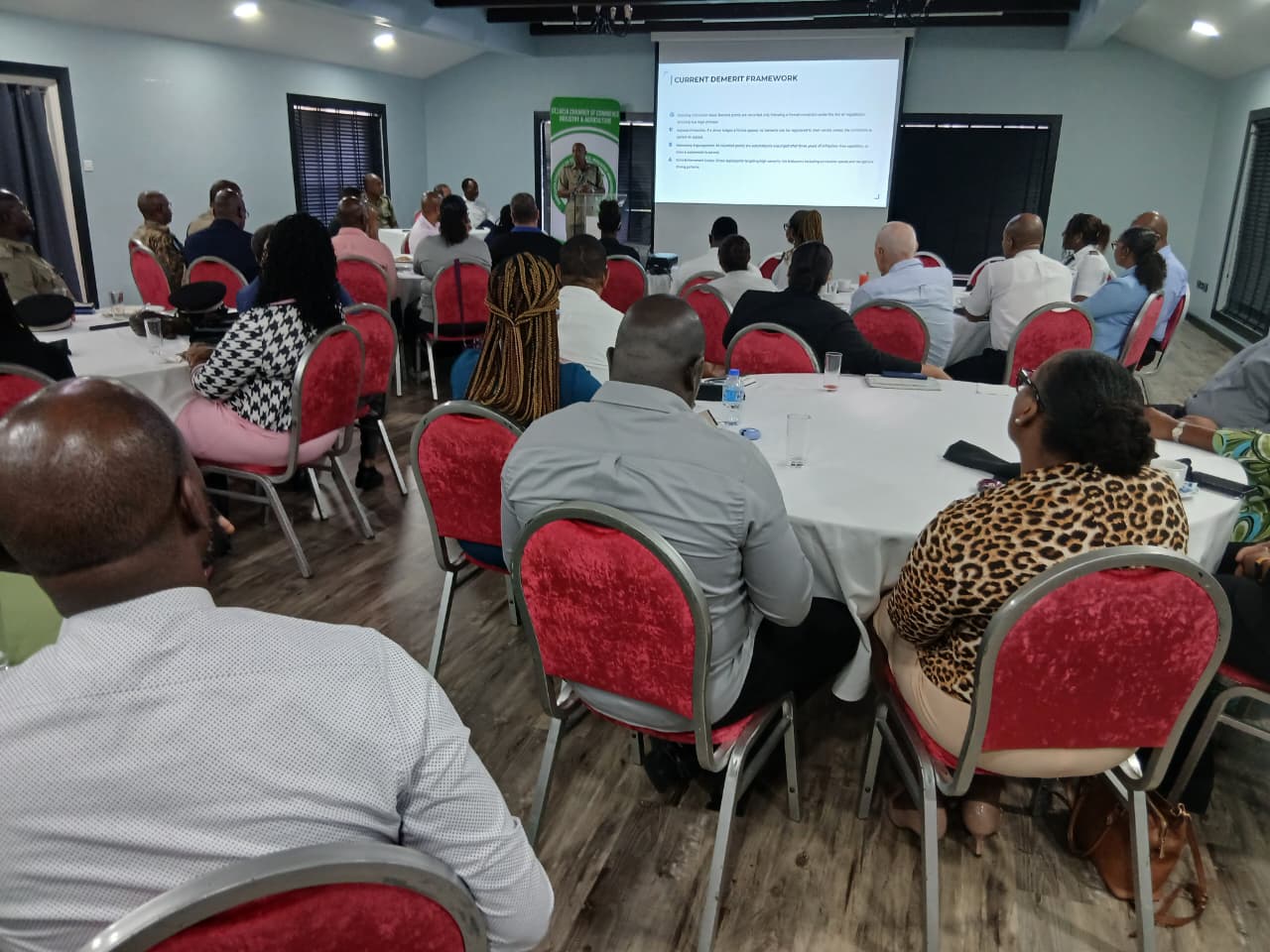
A high-stakes gathering between top Saint Lucian law enforcement officials and the island nation’s Chamber of Commerce has been hailed as a landmark step forward in the fight against criminal activity, with both parties confirming a shared commitment to deeper cross-sector cooperation to address public safety challenges. The Tuesday meeting, held to align stakeholders on public safety priorities, brought together Police Commissioner Verne Garde and Chamber of Commerce President Nicholas Barnard, who spoke publicly with local outlet St Lucia Times on the outcomes of the session. During the talks, law enforcement leadership formally presented the service’s new 2026-2030 comprehensive anti-crime roadmap, titled 127 Steps to Order, to assembled members of the island’s business community. Commissioner Garde explained that the core goal of the collaborative session was to create clarity around the new strategic plan, give private sector stakeholders space to raise their pressing safety and operational concerns, and lay the foundation for more robust, sustained partnerships between police and local businesses. “We are really trying to bring everybody together,” Garde emphasized, framing the coordinated approach as critical to tackling Saint Lucia’s ongoing crime challenges. Beyond the unveiling of the new 5-year strategy, the meeting provided an open forum for business attendees to raise a range of day-to-day and systemic issues impacting the local private sector. Key concerns put forward during discussions included persistent traffic management difficulties in Castries, the island’s capital, and the northern coastal region, the rollout and implementation of the national driver demerit point system, widespread parking shortages and access issues in high-traffic commercial areas, operational transparency around how routine police checkpoints are managed, and questions around the use of intelligence gathering to investigate and apprehend suspects in serious felony cases. Following the presentations and open forum, Chamber President Barnard shared that business leaders left the meeting feeling optimistic and encouraged by the police force’s clear, actionable plan. He noted that the gathering successfully opened a productive dialogue around concrete ways the private sector can contribute to and support ongoing law enforcement public safety efforts. Barnard confirmed that attendees have already moved forward with preliminary plans to expand cooperation, including widespread support for reviving a joint public-private committee that will include permanent police representation to address ongoing safety and operational challenges. “There will be far more collaboration,” Barnard said of the agreed-upon next steps.
分类: business
-

Travel Forum in Antigua Identifies Key Priorities Shaping Future of Regional Tourism
Against the backdrop of a global tourism landscape still reshaping itself in the wake of pandemic-era disruptions and shifting traveler expectations, stakeholders from across the Caribbean gathered in Antigua for a landmark regional travel forum designed to map out a sustainable, inclusive path forward for the sector.
Attendees at the invitation-only event brought a diverse range of perspectives to the table, including national tourism boards, independent hospitality operators, climate action advocates, transportation infrastructure specialists, and local community tourism organizers. Over two days of panel discussions, breakout working sessions, and cross-stakeholder negotiations, the group coalesced around a set of core priorities that will guide regional collaboration in the coming years.
Top of the agenda was climate resilience, a non-negotiable priority for small island developing states across the Caribbean that face growing threats from sea-level rise, more intense hurricane seasons, and coral reef degradation that erodes the natural draw for millions of international visitors each year. Forum participants agreed that coordinated investment in nature-based infrastructure—including mangrove restoration, sustainable coastal development, and renewable energy transition for hotels and resorts—must be a core funding focus moving forward.
A second key priority centered on expanding inclusive economic growth that benefits local communities, rather than only large international hospitality chains. Participants highlighted the need to streamline access to microgrants and training for small, locally owned tourism businesses, including homestay operators, cultural tour guides, and craft artisans, to help them compete in a global market increasingly dominated by large online booking platforms.
Third, the forum identified digital transformation as a critical pillar for the region’s future. Delegates called for coordinated investment in upgrading digital connectivity across remote island destinations, as well as collective marketing campaigns targeted at niche traveler segments, including eco-tourists, remote work nomads, and cultural heritage travelers, to reduce the region’s historical reliance on mass package tourism.
Regional tourism leaders emphasized that the consensus reached at the Antigua forum marks a clear break from past approaches, where individual island nations often competed against one another for visitor market share. Instead, the new framework prioritizes collective action to address shared challenges, from climate risk to global economic volatility that can disrupt travel demand. Closing the forum, Antigua’s Minister of Tourism outlined plans to create a working group that will turn these priority statements into actionable regional projects, with the first funding proposals set to be presented to international development banks by the end of the calendar year.
Many attendees noted that the forum’s timing could not be more critical. As international travel volumes have now returned to pre-pandemic levels across most of the Caribbean, leaders have a narrow window to reshape the sector before the next wave of growth locks in older, less sustainable models. The priorities identified in Antigua are expected to shape not only regional policy but also how billions in global climate and development funding are allocated to Caribbean tourism over the next decade.
-

Antigua and Barbuda records strong growth in Q1 arrivals
Against a backdrop of widespread industry concerns over looming travel headwinds across the tourism-reliant Caribbean, Antigua and Barbuda has emerged with strong positive momentum, posting solid double-digit growth in key tourism segments and recording a nearly 7% year-over-year jump in stay-over visitor arrivals for the first quarter of 2026.
The latest performance data was unveiled by senior tourism officials during the recently concluded 44th Caribbean Travel Marketplace, hosted by the Caribbean Hotel and Tourism Association (CHTA). Addressing reporters at a press conference on the sidelines of the event, recently re-elected Tourism, Civil Aviation, Transportation and Investment Minister Charles H. Fernández and Antigua and Barbuda Tourism Authority (ABTA) CEO Colin C. James walked through the country’s resilient tourism results, highlighting the consistent upward trajectory across the quarter.
Official statistics confirm that 110,832 international stay-over visitors entered the dual-island nation between January and March 2026, up from 103,843 recorded in the same three-month period in 2025, marking a 6.7% annual increase. Growth held steady across every month of the quarter: January arrivals rose 5% to 36,052, February saw a 6% gain to 36,133, and March delivered the strongest expansion of the quarter with an 8% increase that pushed total arrivals for the month to 38,097.
Among the country’s core source markets, the United Kingdom posted the most rapid growth, with a 14% jump in arrivals compared to Q1 2025. The United States retains its position as Antigua and Barbuda’s largest single source market, accounting for 46% of all stay-over visitors. Europe follows as the second-largest regional market at 34%, with Canada contributing 12%, other Caribbean nations 5%, Latin America 1%, and all remaining markets making up the final 2% of arrivals.
To sustain long-term growth, tourism officials confirmed the destination is actively pursuing strategic market diversification, with targeted outreach to growing travel sectors in Latin America and Africa. This push aligns with rising global consumer demand for authentic, immersive Caribbean travel experiences that the islands are well-positioned to deliver.
The positive momentum seen in stay-over travel is mirrored in the country’s fast-growing cruise sector. Antigua and Barbuda is projecting a 21.9% increase in total cruise passenger arrivals for the full year 2026, with projected volumes set to hit 894,469 — a figure that already outpaces the 733,526 cruise passengers recorded in 2019, the last full year before the global travel downturn. Total annual cruise ship calls are also forecast to rise from 388 pre-pandemic levels to 483 in 2026, a jump driven in large part by expanded home-porting operations that allow vessels to start and end itineraries in Antigua and Barbuda.
Underpinning this cruise sector growth is the new $30 million cruise terminal that opened to the public on January 24, 2026. The facility is part of the broader Upland Development Project, a government-led initiative designed to modernize the entire visitor arrival process and expand the country’s annual cruise capacity to accommodate rising demand.
Beyond maritime connectivity, the destination is also seeing significant expansion in air access, with new commercial routes boosting both regional and international connectivity. Sunrise Airways launched twice-weekly service between Antigua and the Dominican Republic on May 1, followed by LIAT Air’s introduction of twice-weekly flights to Guadeloupe on May 8. Nigeria-based Air Peace is on schedule to launch a new twice-monthly service connecting Antigua to Lagos via Barbados starting May 25.
Infrastructure upgrades extend beyond new terminals, with rehabilitation and expansion work currently progressing on the runway at V.C. Bird International Airport, the country’s main gateway for international air travel. On the sister island of Barbuda, the newly opened Burton-Nibbs International Airport has been purpose-built to support the island’s fast-growing eco-luxury tourism segment, opening the door for increased visitor numbers to Barbuda’s less developed, pristine coastal areas.
Private sector investment in the country’s accommodation sector is also accelerating, with a pipeline of new luxury properties set to come online over the next three years. Moon Gate Hotel & Spa is scheduled to open before the end of 2026, offering 71 suites spread across nine buildings and seven private two-bedroom villas. On Barbuda, the highly anticipated Nobu Beach Inn is currently under construction and on track for completion in late 2026. Further out, the Nikki Beach Resort and Spa, which will feature 84 hotel rooms and 127 luxury private residences, is targeting a 2029 opening, while Rosewood Hotel Barbuda — boasting 50 resort suites and 35 private residences — is expected to launch in 2028. A 114-room Marriott Leisure World Hotel with eight overwater villas is also in the early stages of development.
-

New Fuel Hike Hits Unevenly Across the Country
As of May 20, 2026, Belizean motorists are facing the fourth consecutive fuel price increase of the year, with the burden of higher costs falling unevenly across different regions of the country. The sharp upward trend at the pump has added new strain to households already grappling with soaring cost-of-living pressures, sparking public debate over the sustainability of the government’s current relief strategy.
Regional data on fuel prices after the latest overnight hike highlights stark geographic gaps. In Belize City, the nation’s largest urban center, both diesel and regular-grade gasoline now retail at $14.83 per gallon, while premium fuel sells for $14.53. Slight increments are seen in the capital city of Belmopan, where diesel hits $14.86, regular gasoline reaches $14.85, and premium comes in at $14.55. The steepest increases, however, are concentrated in the southern town of Punta Gorda, where diesel climbs to $15.80, regular gasoline to $15.10, and premium to $14.79, putting far greater financial pressure on local drivers and transport businesses.
Prime Minister John Briceño attributes the nationwide price surge to overwhelming global market pressures that are impacting fuel costs across the world, noting that in the U.S. alone, fuel prices have nearly doubled over the past eight to ten weeks. As a small net fuel importer, Briceño explained Belize lacks the bulk purchasing power that allows larger economies like the United States to negotiate lower per-gallon costs. To offset runaway price gains, his administration has repeatedly cut fuel taxes, a policy that has already cost the national budget an estimated $80 million in foregone revenue that was previously allocated to public programs. In the most recent hike alone, Briceño confirmed tax cuts reduced final retail prices by approximately one dollar per gallon.
A breakdown of pump price components reveals that the largest contributor to this year’s surge is the landed cost of imported fuel – a figure that covers freight, insurance, and port processing fees. As of mid-April 2026, landed cost had jumped from $4.85 per gallon at the start of the year to $8.12, driving a $2.33 per gallon increase in premium fuel prices, which rose from $12.28 to $14.61 over the same period. Taxes, by contrast, have actually declined as part of the government’s relief effort, while commercial margins for transporters, wholesalers, and retail dealers have seen only a modest uptick.
Historical comparisons have intensified criticism of the government’s approach: in August 2012, when premium fuel hit a previous peak of $12.97 under the prior Barrow administration, the landed cost of $7.68 was near current levels. But total taxes at that time stood at just $3.67 per gallon, far lower than current tax levels even after recent cuts, leading critics to argue the government has room to implement deeper tax reductions.
Briceño pushed back against those calls, noting the government is already working to identify cuts to other non-essential spending to protect its core policy priorities. The administration will not compromise on funding for key social programs that form the central pillars of the PUP government’s Plan Belize 2.0, Briceño confirmed, including food assistance for low-income households, affordable housing initiatives, land access programs, public education, and the National Health Insurance scheme. Any necessary budget adjustments will be made to other line items to preserve these commitments.
As fuel prices continue to climb faster than household income growth across Belize, the core unresolved question remains: how long can the government’s sustained tax cuts remain fiscally sustainable? For News Five, reporter Paul Lopez filed this report from Belize.
-
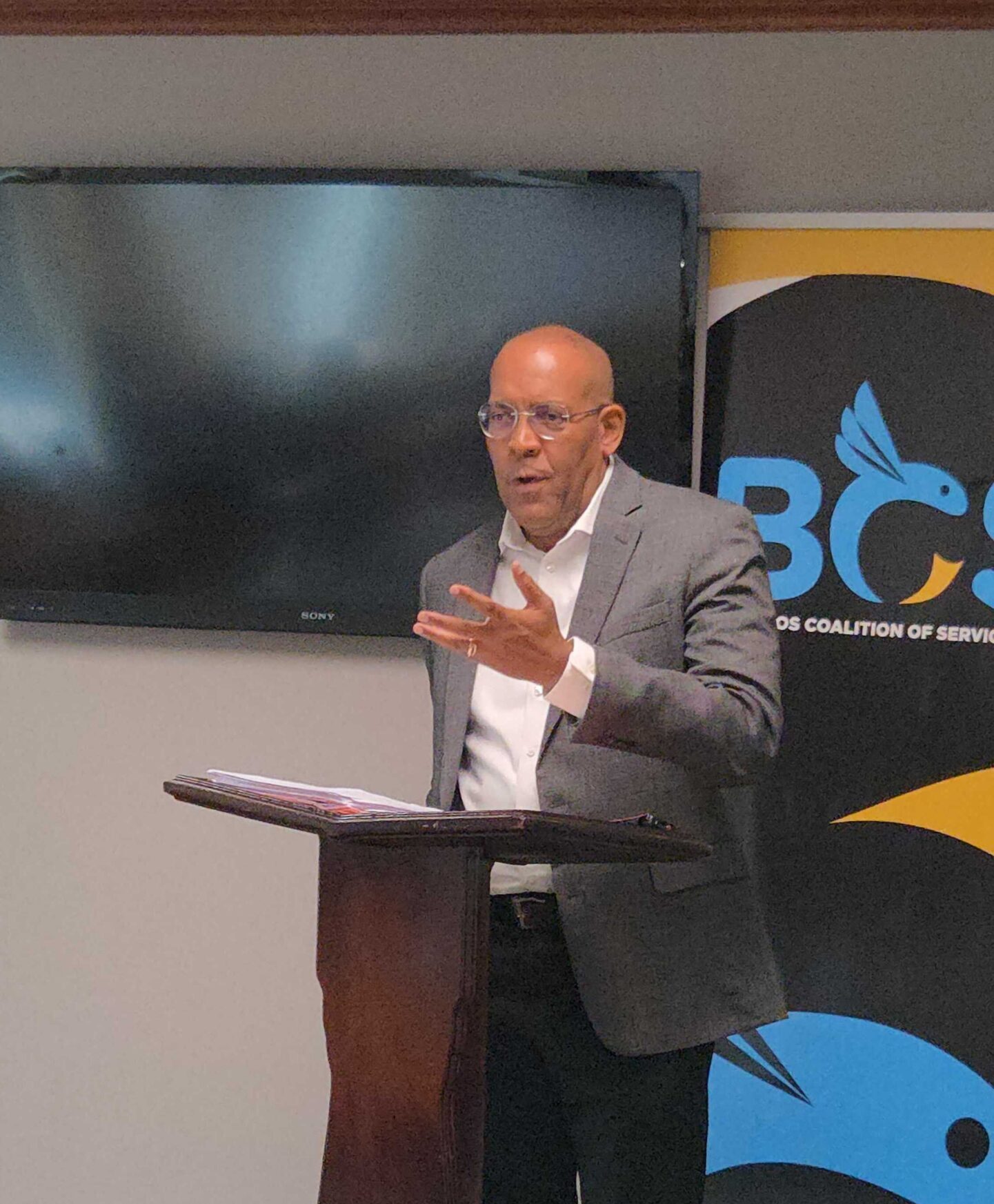
150MW battery storage ‘to stabilise grid, boost solar expansion’
Barbados is taking a decisive step to address chronic strains on its national electricity network and pave the way for expanded solar energy development, with plans to acquire approximately 150 megawatts of grid-scale battery storage, Energy Minister Kerrie Symmonds has publicly announced.
Speaking at an event hosted by the Barbados Coalition of Service Industries (BCSI), Symmonds outlined that the island nation will soon launch an international competitive procurement process for the large-scale energy storage infrastructure. The project, he explained, is a critical strategic intervention to resolve long-standing grid capacity bottlenecks that have held back the fast-growing local photovoltaic (PV) sector.
“We are launching a targeted international effort to procure roughly 150 megawatts of battery storage to resolve the challenges we face integrating renewable energy into Barbados’ grid,” Symmonds stated in his address.
As the leading market for solar adoption among English-speaking Caribbean nations, Barbados has built up a significant installed base of PV capacity. However, the country’s existing grid infrastructure lacks the flexibility to accommodate additional variable renewable energy generation without robust storage solutions, Symmonds warned. Without upgrading storage and distribution capabilities, adding more intermittent solar power risks triggering systemic instability and equipment failures.
“We already have abundant PV capacity, but we cannot simply overload transmission lines with solar energy,” he noted. “Adequate storage capacity is essential to regulate the flow of electricity onto the grid, making power available when and where it is needed across the island throughout the day.”
Symmonds emphasized that over-reliance on unmanaged direct PV generation, without modernizing distribution networks first, carries tangible technical risks. “The national utility must be able to dispatch and route power across the country. If the grid carries more volume than it is engineered to handle, that is when breakdowns and outages occur,” he said.
Once the 150MW battery storage system is deployed, the Barbadian government projects that existing grid constraints will be eliminated, clearing the way for a massive new wave of private and commercial renewable energy projects across the island. Symmonds predicted that after the storage infrastructure is operational, the country will see a resurgence in rooftop and commercial building solar installations as developers regain access to the grid.
The minister also highlighted Barbados’ strong regional standing in renewable energy deployment, noting that the country currently ranks third across the entire Caribbean for renewable energy penetration, outperformed only by Suriname and Belize—two nations that benefit from extensive, low-cost natural hydroelectric resources.
As neighboring Eastern Caribbean countries now pursue their own renewable energy transitions, Symmonds called on local industry stakeholders to expand technical training programs to position Barbados as a regional hub for green energy installation services, turning the sector into a new export opportunity.
“We know Grenada, Dominica, St Kitts, Antigua and many other neighbors are all moving down this same path,” he said. “Isn’t it time we scale up our technician training programs to build the capacity to offer these services beyond Barbados’ borders and into all these growing regional markets?”
Symmonds concluded that investing in workforce development for the energy storage and renewables sector would not only support Barbados’ own domestic energy transition, but also create a new high-growth economic driver and productive sector for the island’s economy.
-

Belize Bets on Tech with Talent Up Launch
On May 20, 2026, the government of Belize joined forces with international development partners to officially launch Talent Up Belize, an ambitious workforce development program designed to equip the nation’s young population with high-demand digital skills and unlock access to high-wage employment. Positioned as a cornerstone of Belize’s long-term economic strategy, the initiative seeks to reshape the country’s workforce, foster homegrown technological innovation, and strengthen Belize’s competitive standing in the global digital economy.
Addressing attendees at the launch event, Prime Minister John Briceño emphasized that the program centers on strategic investment in Belize’s human capital to prepare the nation for the digital future. “We are positioning Belize for tomorrow by investing in our people, strengthening our workforce, and expanding opportunity to ensure we can hold our own in an increasingly digital, technology-driven global economy,” Briceño said. He noted that rapid technological shifts, from automation and artificial intelligence to cloud computing and cybersecurity, are reshaping economies worldwide. Acknowledging public discussion around his own familiarity with emerging AI technologies, Briceño highlighted that the nation’s young people will lead the transition, bringing fresh expertise to drive growth. Citing global industry projections, he added that nearly 60% of the global workforce will need reskilling by 2027 to keep pace with technological change, while tech and digital roles remain among the fastest-growing professions worldwide.
The Inter-American Development Bank (IDB), a key international partner backing the initiative, has aligned its four-year country strategy for Belize around two core priorities: improving Belizeans’ readiness for and access to digital markets, and supporting the government’s broader digital transformation. Karla Gonzalez, IDB representative for Belize, explained that the organization’s existing support already targets Belize’s fast-growing business process outsourcing (BPO) sector, which currently provides employment for roughly 20,000 Belizeans. Last week, the country’s Cabinet approved the launch of the national Global Digital Service initiative, and Gonzalez noted that Talent Up adds a critical complementary layer to this work, building the skilled workforce needed to support the BPO sector’s next phase of expansion.
Prime Minister Briceño reaffirmed that sustained investment in people and emerging technology is the most critical step to secure Belize’s competitive position in the fast-evolving global economy, framing Talent Up as a pivotal investment in the nation’s future prosperity.
-

Plan to transform services into export-driven agency
Against a backdrop of shrinking traditional international development assistance and shifting global geopolitical dynamics, Barbados has launched an ambitious strategic overhaul to position its service sector as the primary driver of national export growth. Business Development Minister Kerrie Symmonds laid out the four-pillar plan during an address to industry leaders at the Barbados Coalition of Service Industries (BCSI) Council of Leaders meeting held in Warrens, outlining a fundamental reorientation of the organization’s core mandate.
Facing mounting external economic pressures from declining foreign aid, the government’s strategy reframes the BCSI’s role from a traditional business advocacy and support body to an active commercial execution agency. Symmonds argued that this institutional shift is critical to building long-term structural economic resilience for Barbados’ $5 billion-plus service-driven economy, which accounts for more than 80 percent of the island’s national output.
“The rapidly changing global landscape makes long-term prediction and planning incredibly challenging, so we need an institutional model that can adapt to daily volatility,” Symmonds told attendees. “Right now, BCSI excels at administrative business support, but it has untapped potential to become a direct executing agency for export growth. We need to move from passive support to aggressive market-focused execution, which requires a complete reconception of the organization’s core mission.”
To facilitate this transition, the minister confirmed the government will introduce formal legislative changes and allocate dedicated financial backing, with a draft cabinet paper already in the works to codify the new operational framework for the coalition.
The plan’s third pillar targets a long-standing gap in Barbados’ trade policy: turning the theoretical market access guaranteed by existing international trade treaties into tangible foreign exchange earnings. The island currently enjoys full duty-free and quota-free access to dozens of global markets under multiple bilateral and regional agreements, but Symmonds noted these advantages remain drastically underutilized by local service providers.
Under the new roadmap, the BCSI will take ownership of mapping the full productive capacity of Barbados’ fragmented service sector, then work with individual firms to bring them up to international export readiness standards. “Export readiness means meeting the strict technical standards, industrial specifications and regulatory requirements that foreign markets demand,” Symmonds explained. “First we have to identify exactly what capacity we have at home, then we have to prepare every segment of our sector to compete cross-border.”
Symmonds set a clear two-year timeline to measure tangible progress, with a full stock take scheduled for 2026 to assess how many local professionals have successfully entered foreign markets – whether through physical relocation or cross-border digital service delivery. The minister set a target of getting 90 percent of mapped Barbadian service professionals to export-ready status, compliant with all four modes of international service supply recognized by the World Trade Organization.
The fourth and final pillar focuses on shifting national cultural attitudes toward entrepreneurship, encouraging local businesses to abandon their historical overreliance on the island’s small domestic market of just 280,000 people. With existing access to the entire Caribbean Single Market and Economy and the European Union, Symmonds argued that local firms already have the market access to scale; they just need support to turn that potential into profit.
A top immediate operational priority outlined in the plan is for the BCSI to serve as the national coordinating body to harmonize local professional standards, licensing rules and ethical benchmarks with global regulators, particularly under the terms of the EU’s Economic Partnership Agreement (EPA). Symmonds emphasized that finalizing mutual recognition agreements for professional credentials is critical to eliminating the costly and time-consuming process of recertification that currently blocks Barbadian accountants, engineers, lawyers and other skilled professionals from entering foreign markets.
Closing his address, Symmonds called for urgent collaborative input from private sector stakeholders to refine the strategy, framing the transition as a collective effort to build a more diversified, resilient Barbadian economy. “We have to build this plan together, because if we get it right, our service sector will become the engine that drives a new, more prosperous and diversified future for this country,” he said.
-

Tourism boosted by increased airlift, demand – BHTA
Barbados’ tourism sector has closed out 2025 with robust visitor numbers, carrying positive momentum into the first quarter of 2026 as the Caribbean island cements its position as a top regional travel destination, the Barbados Hotel and Tourism Association (BHTA) announced Wednesday.
Per data released by BHTA Chairman Javon Griffith during a quarterly press briefing, the island welcomed more than 727,300 long-stay visitors and over 817,950 cruise passengers across 2025. That growth has held steady through the first three months of 2026, with 214,944 stay-over arrivals and 473,960 cruise passengers recorded by the end of March. Griffith confirmed that pre-booked and confirmed travel from the island’s core source markets – the United Kingdom, United States, Canada, and continental Europe – continues to reflect consistent, reliable demand.
“The UK market continues to perform strongly, supported by long-standing brand loyalty, expanded airlift capacity, and continued demand for high-quality Caribbean experiences,” Griffith noted. He added that the U.S. remains a major revenue driver, particularly for the island’s luxury villa and experiential travel segments, while Canada posts stable demand driven by improved air links and strong seasonal winter travel interest.
While overall occupancy rates for the first quarter of 2026 came in slightly lower than the same period in 2025, key hospitality performance metrics remain solid, with significant gains in pricing and revenue. The island’s average daily rate (ADR) rose 16.4% year-over-year, and revenue per available room (RevPAR) increased 12.5% over the same period. Griffith emphasized that these results highlight Barbados’ ongoing ability to preserve strong pricing integrity across its luxury and upscale travel offerings, a core competitive advantage in the Caribbean market.
Looking ahead to the 2026/2027 winter travel season, pre-confirmed bookings already show encouraging signs. Confirmed reservations from the UK remain strong, demand for luxury accommodation continues to climb, group and incentive travel business is improving, and interest from South and Latin American markets is on the rise. A major expansion of international air connectivity set to launch in July will further boost the sector, starting with British Airways’ rollout of its new Airbus A350-1000 aircraft on its London to Barbados route.
Griffith explained that the cutting-edge jet, which features British Airways’ latest premium cabin products and adds extra capacity, will operate on the Barbados route for the rest of the 2026 summer season, bringing an additional 97 seats per day to the destination. Further expansion is planned for the 2026/2027 winter: starting October 25, 2026, British Airways will upgrade to three daily services from London, with the relaunch of the London Gatwick-Barbados route that will continue onward to Grenada, Tobago, and Guyana.
Additional connectivity gains are coming from Canadian carriers as well. Air Canada will launch a new direct Halifax-Barbados route, making Halifax the airline’s third Canadian departure point for the island, while Air Transat will introduce a Montreal-Barbados service for the coming winter, expanding capacity in one of Barbados’ most important source markets. Other carriers are also boosting service: JetBlue will resume its popular double-daily JFK-Barbados service next month for the full summer season, and Copa Airlines will upgrade its Panama-Barbados route to daily summer service, improving access to Barbados for travelers from across Latin America and beyond.
Beyond air access, the BHTA highlighted ongoing major reinvestment across Barbados’ tourism infrastructure, with multiple new and renovated properties set to open to guests in 2026. Royalton Vessence Barbados and Turtle Beach Resort will welcome their first guests on June 1, 2026, while Tamarind Resort is scheduled to reopen August 1, 2026. Blue Monkey Beach Club is already operating, and work continues on large-scale developments including Pendry Barbados, Hyatt Ziva Barbados, and Beaches Barbados. By the end of summer 2026, Marriott’s full portfolio of Barbados properties will be fully reopened, adding 605 newly renovated rooms and suites to the island’s accommodation supply.
Sustainability has become a non-negotiable core priority for the industry, Griffith added, with many local tourism operators investing in renewable energy, water conservation, waste reduction, local supplier partnerships, and the phase-out of single-use plastics. “Sustainability is no longer viewed as optional. It is now a core expectation among travellers, international partners and global tourism brands,” he said.
Workforce development also remains a top strategic focus for the BHTA, which partners with local stakeholders through programs including the Barbados Hospitality Gateway Training Initiative, industry internship schemes, and broader hospitality career development programs to build a skilled, resilient workforce for the sector’s future.
While the island’s restaurant sector still faces ongoing pressures related to operating costs, staffing shortages, and regulatory burdens, Griffith noted that there is significant untapped potential to grow Barbados’ culinary tourism offering through extended opening hours, upgraded service standards, stronger destination marketing, and deeper integration of authentic local Barbadian cuisine into visitor experiences.
The BHTA also announced that Chairman-elect Kelly-Anne Payne will take over the role of chairman following the organization’s upcoming Annual General Meeting in June 2026.
-
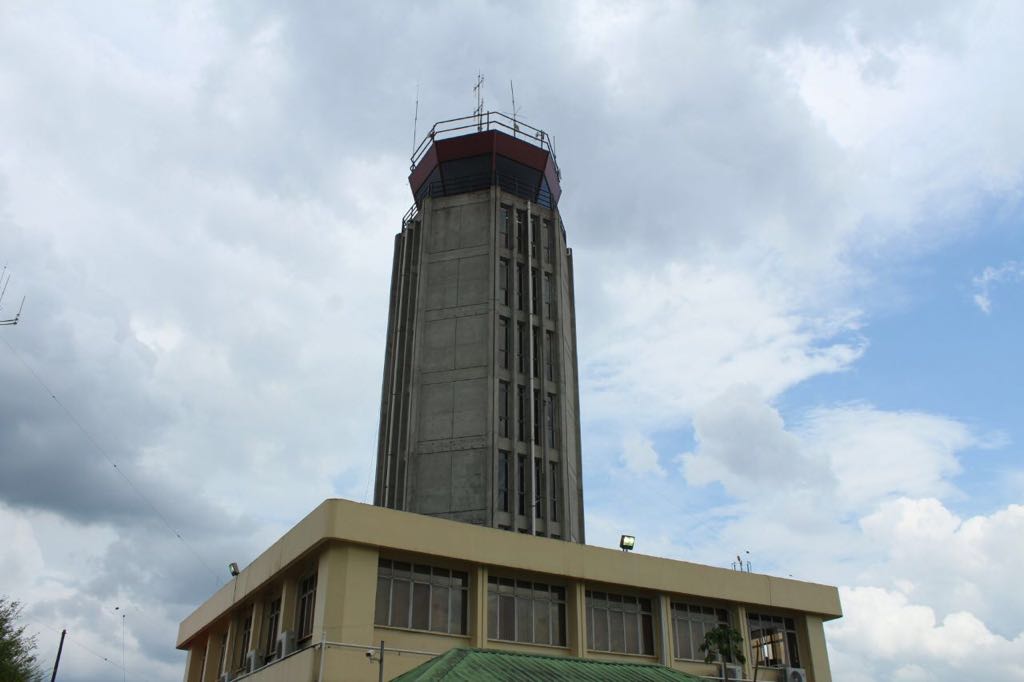
New Cheddi Jagan Airport air traffic control tower to create more space for expansion
On Wednesday, May 20, 2026, Guyana’s Minister of Aviation Deodat Indar announced a critical infrastructure development plan that will reshape the country’s aviation sector: the construction of a brand-new Air Traffic Control Tower at the Cheddi Jagan International Airport (CJIA), located in Timehri along the East Bank Demerara. The announcement came during a press briefing previewing the third International Civil Aviation Organization/European Union Aviation Safety Agency Global Regional Safety Oversight Organization (RSOO) and Regional Accident and Incident Investigation Organization (RAIO) Forum on Aviation Safety, which is scheduled to take place in Guyana September 29–30.
According to Indar, relocating and rebuilding the control tower is a necessary first step to unlock large-scale expansion of the already strained CJIA, which has seen explosive growth in air traffic over the past five years. The new tower will be constructed on the opposite side of the airport’s existing footprint, creating space to add additional aircraft parking aprons to accommodate more concurrent arrivals and departures.
Indar emphasized that growing congestion has already created operational challenges at the hub. In 2020, just four airlines operated out of CJIA; today, that number has jumped to 16. During peak periods, when multiple flights arrive within a narrow window, the airport runs out of available parking space, forcing incoming aircraft to hold on taxiways waiting for available spots. This bottleneck slows operations and limits the airport’s ability to support further growth in Guyana’s aviation sector.
The new ATC tower is just one component of a nationwide aviation modernization push taking place across the country. Indar noted that the overhaul extends beyond infrastructure to include updates to national aviation laws and regulatory frameworks, as well as upgrades at all of Guyana’s aerodromes. Planned upgrades include new security scanners, expanded closed-circuit camera coverage, automated inline baggage handling systems, and modernized digital check-in systems to improve passenger experience and security.
Official data shared by the minister underscores the rapid expansion driving these changes: total aircraft movements across Guyana rose from 63,863 in 2020 to 99,508 by the end of 2025, a more than 55% increase in just five years. For Indar, this surge in air traffic is more than an operational challenge—it is a clear indicator of broader economic growth across the country. “It tells you movement is a sign of economic activity. It tells you what’s happening in the sector,” he said, framing the modernization efforts as a direct investment in Guyana’s ongoing economic expansion.
-

BHTA pushes national tourism safety strategy
Barbados’ leading tourism industry body is pressing for sweeping, coordinated national action to combat a surge in violent crime that increasingly threatens the Caribbean island’s economic backbone and global reputation as a safe vacation destination. The Barbados Hotel and Tourism Association (BHTA) has tabled a comprehensive national public safety strategy crafted specifically to shield the country’s tourism sector, responding to growing public and industry anxiety after a string of violent incidents — including a high-profile attack on a tourist near popular Carlisle Bay this past Sunday.
In outlining the proposal, BHTA Chairman Javon Griffith laid out a multi-pronged, cross-sector set of priorities that the organization says must form the foundation of any effective strategy to reverse the recent escalation of violence. At the core of the plan is the creation of a specialized police force trained explicitly in hospitality sector engagement and visitor protection, paired with sweeping judicial reforms to accelerate case processing for violent and gun-related offenses.
Griffith emphasized that visible, expanded police presence is non-negotiable across high-traffic areas that draw both tourists and local residents. “There must be a significantly increased and more visible police presence across tourism districts, nightlife zones, beaches, major events, and high traffic commercial areas. Visitors and residents alike must feel safe and protected throughout the island, particularly during evenings and weekends when incidents are more likely to occur,” he said.
Beyond expanded patrols, the BHTA is calling for major targeted investment in modern security and surveillance infrastructure. This includes expanding CCTV coverage across high-risk areas, upgrading inadequate street lighting, implementing integrated real-time monitoring systems, and improving coordination between law enforcement agencies and private tourism operators during emergency responses.
Griffith also stressed that long-term safety requires deeper collaboration across public, private, and community stakeholders. The proposal calls for formal, structured security partnerships between law enforcement and tourism leaders, plus regular intelligence sharing mechanisms to boost preventive action and speed up emergency responses. “We strongly support greater investment in intelligence-led policing, border security enhancements, and stronger action against illegal firearms and organized criminal activity. Crime prevention must become increasingly proactive rather than reactive,” Griffith noted.
The BHTA chairman warned that the recent wave of violence poses a dual threat: not only does it undermine domestic public safety, but it also erodes Barbados’ carefully cultivated global brand as a stable, secure tourist getaway. “These incidents strike at the very heart of Barbados’ international reputation and threaten the sense of safety and stability that visitors and residents alike have long associated with this country,” he said. “Tourism remains one of the primary engines of the Barbadian economy, supporting thousands of livelihoods directly and indirectly.”
Griffith also shared the association’s growing alarm over the geographic spread of violent crime across the island. Once concentrated primarily in the heavily populated west and south coasts, violent incidents including shootings and stabbings are now spreading to the previously quiet east coast, and increasingly pushing closer to core tourism zones. “It’s almost a weekly occurrence for there to be some shooting or stabbing somewhere in Barbados, and not just somewhere in Barbados, they’re happening increasingly closer to tourist zones… It is getting worse,” he said.
Compounding the risk of violence itself is the rapid spread of negative coverage and discussion of these incidents on social media, which can damage the island’s reputation far faster than local authorities can respond. Griffith pointed to a popular Facebook group for Barbados travelers with more than 5,000 members, where Sunday’s attack has dominated discussion, drawing widespread negative commentary from both past visitors and local residents. He warned that the country cannot afford to be complacent about protecting public trust in the destination.
To address the root causes of rising crime, as well as its immediate impacts, the BHTA’s strategy also includes a series of long-term social and community-focused measures. Griffith highlighted the critical need for expanded youth development initiatives, targeted at vulnerable young people who face limited economic opportunity and social disconnection that can drive involvement in crime. The proposal also calls for wider adoption of data analytics and digital tools to map crime trends and identify high-risk hotspots before violence occurs.
Additional recommendations include expanded rehabilitation and mentorship programs to cut recidivism rates and help former offenders reintegrate into communities; public education campaigns to promote conflict resolution, civic responsibility, and national pride; improved transportation safety in nightlife and entertainment corridors; increased investment in community sports and recreation infrastructure; and more consistent maintenance of public spaces, beaches, and tourism corridors to reinforce a widespread sense of order and security.
Griffith confirmed that the BHTA has already held preliminary discussions on the proposal with the Barbados Police Service and the former Attorney General, and the organization is pushing for continued negotiations through the country’s existing Social Partnership framework to turn the proposed strategy into actionable policy quickly.
The association’s overarching message is that urgent, decisive, visible national action is required right now to rebuild public and visitor confidence, strengthen community safety, and reaffirm Barbados’ long-standing commitment to upholding law, order, and social stability for all who live on and visit the island.