分类: business

  • From Deed to Key Investment and Housing Conference set for June 5 in South Florida

    From Deed to Key Investment and Housing Conference set for June 5 in South Florida

    A landmark conference focused on unlocking the untapped economic potential of Jamaican real estate is set to bring hundreds of industry leaders, investors and community stakeholders together in South Florida next year. Scheduled for June 5, 2026, at the DoubleTree by Hilton Hotel Sunrise – Sawgrass Mills, the From Deed to Key Investment and Housing Conference has been designed to tackle longstanding barriers to formal land ownership, generational wealth building and targeted investment across Jamaica’s property sector.

    Organizers framed the event as a targeted solution to three of the sector’s most persistent challenges: untitled family land passed down through generations, undeveloped idle properties held by landowners without access to development capital, and outside investors seeking vetted, high-growth opportunities in Jamaica’s expanding real estate market. The initiative targets both Jamaican citizens living locally and the large Jamaican diaspora based across North America, many of whom hold inherited land interests but lack clear guidance to formalize and leverage those assets.

    The conference draws direct endorsement from Jamaica’s senior diplomatic leadership in the United States. Oliver Mair, Jamaica’s Consul General to Miami, has backed the gathering as a critical venue to deepen engagement between the Caribbean nation and its overseas community, creating new pathways for cross-border investment that drive inclusive economic growth across Jamaica. A full roster of top sector specialists from Jamaica will travel to South Florida specifically to share on-the-ground expertise and actionable insights with attendees.

    A diverse lineup of expert speakers will cover legal, technical, financial and strategic topics tailored to the needs of first-time asset holders and experienced investors alike. Leading real estate and estate attorney Makeda Bramwell, owner of Cedars Estate, will open the technical programming with a session focused on title securing and common fraud risks, delivering critical legal guidance for families seeking to formalize and protect inherited property assets. Commissioned land surveyor Al Taylor will follow with a step-by-step breakdown of the formalization process, outlining practical actions for communities and families with untitled land to gain full legal ownership of their properties.

    Cordell Williams, a leading entrepreneurship and wealth strategist and CEO of Transformational, will expand the conversation beyond property ownership, sharing actionable strategies for attendees to build diversified long-term wealth and intergenerational legacy outside of land and housing alone. Jhanine Jackson of VM Group Property Services Limited will lead the core real estate investment track, breaking down the evolving dynamics of Jamaica’s property market and highlighting emerging opportunities for both new homebuyers and institutional investors.

    Developer and seasoned real estate investor Kevin Frith will shine a spotlight on one of Jamaica’s most promising emerging growth regions, detailing the ongoing transformation of St Thomas as the nation’s next major frontier for large-scale development and high-yield investment. Technology and infrastructure will also feature prominently on the agenda: Richard May, CEO of ECHOS Consulting and Powersource Jamaica, will explore how modern digital and sustainable technology must be embedded into the design and construction of new Jamaican communities to meet 21st century needs.

    To address growing concerns about climate risk, Dr. Leighton A Ellis, president-elect of the Jamaica Institution of Engineers (JIE), will deliver a keynote session on future-proof construction and climate-resilient infrastructure, equipping developers and landowners with knowledge to build assets that stand the test of a changing climate. Closing the full day of programming, David Cummings, vice president and head of real estate and project finance at Sygnus Capital, will unpack collaborative financing solutions for landowners stuck with undeveloped property due to capital constraints. His talk, titled “From Capital to Concrete,” will focus on structuring public-private partnerships to turn dormant, unused land assets into active wealth-generating ventures that create lasting family legacies.

    Organizers recently announced an adjustment to the speaker lineup: entrepreneurs David Mullings and Gabrielle Gilpin-Hudson have withdrawn from the 2026 conference due to unresolvable prior professional commitments, a change organizers called regrettable but necessary.

    Beyond expert-led sessions, the conference will host a dedicated exhibition hall featuring industry stakeholders from across Jamaica’s property ecosystem. As of the latest update, 15 exhibitors including major developers, licensed realtors and leading industry service providers have already confirmed their participation, with conference leadership projecting that number could double over the coming week as interest continues to surge. The exhibition will give attendees direct access to vetted investment opportunities, pre-vetted development projects and available property listings across every segment of Jamaica’s growing real estate market.

    Maxine Miller, the conceptualizer behind the From Deed to Key initiative, noted that momentum around the event has grown far faster than initial projections. “There is tremendous unmet demand for trusted connections between the Jamaican diaspora and the professionals, partnerships and opportunities that turn land ownership into sustainable, long-term wealth creation,” Miller explained. “Our goal is to turn that interest into actionable progress that benefits both landholding families and the broader Jamaican economy.”

    Ultimately, the conference is positioned as more than an industry gathering: organizers frame it as a catalyst for systemic change, working to expand education, foster new investment partnerships, and empower stakeholders to navigate the complexities of Jamaican land ownership, housing development and real estate investment with confidence.


  • Use Labour Day as pre-hurricane season prep

    Use Labour Day as pre-hurricane season prep

    As Jamaicans gear up for their annual Labour Day tradition of community improvement and local beautification projects, a top executive from one of the island’s leading financial groups is calling on residents to add one critical task to their to-do list: reviewing their property insurance coverage to protect the assets they have spent years building.

    Tammara Glaves-Hucey, managing director of GK General Insurance and Key Insurance under the GraceKennedy Financial Group (GKFG), is sounding the alarm over a widespread gap in property protection across Jamaica. New data compiled by the Insurance Association of Jamaica (IAJ) paints a stark picture: only 1 in 5 residential properties in the country currently hold active insurance coverage, leaving a full 80% of Jamaican homes exposed to devastating financial loss in the event of damage, natural disaster, or accident.

    Glaves-Hucey notes that many property owners – both residential homeowners and commercial operators – often do not realize they are underinsured until it is too late. The issue typically develops gradually over time: a policy purchased years ago remains in place, with annual premiums paid on time, leading owners to assume their coverage is still sufficient. But circumstances shift, market values change, properties are upgraded, and business operations expand. As construction and replacement costs continue to climb year over year, old policy limits quickly fall out of step with actual current needs.

    To help Jamaican property owners address this gap, Glaves-Hucey has outlined five actionable steps people can complete this Labour Day to shore up their coverage and protect their long-term assets:

    First, take time to review your current insured sums. While pulling together important documents during your annual holiday cleaning, pull out your insurance policy and double-check the listed coverage amount. Ask yourself a critical question: if my property suffered major damage today, would this payout be enough to fully rebuild at current construction prices? If the answer is no, or if you are uncertain at all, reach out to your insurance agent or advisor to request an updated property valuation.

    Second, account for any upgrades or improvements made to your property since you first took out your policy. Many Jamaicans invest in home upgrades over the years – everything from kitchen remodels and new bathrooms to added bedrooms, solar water heaters, upgraded roofing, new windows, security systems, tiled patios, and higher-value furniture. All of these changes raise your property’s value and require updated coverage. For commercial property owners, this step also applies to new machinery, office equipment, expanded inventory, updated technology, and signage added since the last policy review.

    Third, conduct a full review of your personal property and content coverage. Building insurance only covers the physical structure of your home or business; coverage for the items inside is a separate policy line. Walk through every room of your property and catalog all high-value items, including electronics, appliances, furniture, jewelry, tools, and core business assets. Document your inventory with photos and video, and store digital copies of receipts, valuation documents, serial numbers, and warranties in a secure cloud storage account or email to avoid losing them if physical documents are destroyed in an incident.

    Fourth, identify and fill gaps in your coverage. Underinsurance is not an issue that only affects large estates or major corporations – it impacts everyday families and small business owners across Jamaica just as often. A small shop owner may insure their building but overlook coverage for their inventory and in-store equipment. A homeowner may cover their house structure but leave personal property unprotected. A landlord who completes a major renovation may forget to update their policy limits, and a small manufacturer that adds new production equipment may fail to expand their coverage to match the new asset value. Glaves-Hucey emphasizes this step is especially urgent today, as rising fuel, energy, transportation, and raw material costs continue to push construction and replacement prices higher. If rebuilding costs have gone up but your coverage has stayed the same, you will be stuck covering the gap out of pocket after a major loss from a fire, hurricane, flood, or other disaster.

    The fifth and final step is to use Labour Day as a head start on hurricane season preparedness. Jamaica’s annual Labour Day falls just weeks before the official June 1 start of the Atlantic hurricane season, when insurance adjustments often become impossible once a storm is already bearing down on the island. As residents complete their usual Labour Day prep – clearing storm drains, trimming overgrown trees, repairing fences, inspecting roofing, and securing loose outdoor items – Glaves-Hucey says setting aside just one extra hour to review insurance coverage can save homeowners and business owners from catastrophic financial loss later.

    “Use Labour Day as a practical annual reminder,” she shared. “The home you repaired, the business you built, the contents you bought, and the dreams you continue to work for are all fruits of your labour. Progress, though built by effort, must be protected.”

  • This is how the Dominican Republic is dealing with the closure of Spirit and the cuts at JetBlue.

    This is how the Dominican Republic is dealing with the closure of Spirit and the cuts at JetBlue.

    Escalating geopolitical tensions between the United States and Iran have sent jet fuel prices soaring, triggering a wave of disruption across the global aviation industry that was initially expected to skip the Dominican Republic’s key tourism sector. That optimistic projection has proven incorrect, as the aftershocks of the fuel crisis have now reached the Caribbean island’s $10 billion tourism economy, one of the largest drivers of national GDP.

    Two major U.S. carriers have already pulled routes from the popular destination. Low-cost pioneer Spirit Airlines was the first to suspend service, followed just recently by JetBlue, which cut its direct flights between Newark Liberty International Airport in New Jersey and two of the Dominican Republic’s top tourism hubs: the capital city of Santo Domingo and the beach resort hot spot Punta Cana.

    The route cancellations have sparked growing uncertainty about whether additional international carriers will follow suit amid ongoing pressure from fuel cost inflation. In response to the emerging crisis, Dominican Republic Tourism Minister David Collado has outlined a proactive strategy from the Ministry of Tourism (Mitur) to offset lost airline capacity and preserve the country’s tourism access.

    Collado explained that Mitur has implemented a real-time tracking system to map seat losses from canceled routes, and is actively working to fill those gaps by securing additional capacity from existing carriers in the same markets and recruiting new service from other international source markets. “We have a map where we monitor seat losses to compensate,” he said in a press briefing. “For example… we just arrived from Canada, and in that market we increased seats with Air Transat, WestJet, Sunwing Airlines and Air Canada. So what we do is fill in that board so as not to lose the number of seats.”

    Despite the challenges posed by canceled routes and rising fuel costs, Collado emphasized that the Dominican Republic’s tourism sector is still reporting strong overall performance figures. He added that the ministry is maintaining daily monitoring of the situation to respond quickly to any further changes in aviation capacity.

    To further cushion the impact of U.S. carrier route cuts, Collado noted that Mitur is also partnering closely with Arajet, the Dominican Republic’s homegrown low-cost airline, to incentivize the launch of new routes that will replace lost capacity from international carriers.

  • JIBA hails Lalor as visionary, transformational leader

    JIBA hails Lalor as visionary, transformational leader

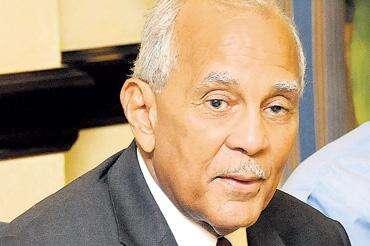
    The passing of legendary Jamaican business leader Dennis Lalor, founder of the regional insurance giant ICWI Group Limited, has drawn widespread tributes from the nation’s business community, with the Jamaica Insurance Brokers Association (JIBA) hailing him as a transformative figure whose influence reached far beyond the boundaries of corporate Jamaica. Lalor died on May 14 at the age of 91, leaving behind a decades-long legacy of innovation, institution-building, and mentorship that reshaped Jamaica’s insurance landscape and strengthened the country’s homegrown private sector.

    In an official press statement released Friday, JIBA President Levar Smith reflected on Lalor’s extraordinary contributions to Jamaica’s financial ecosystem, noting that the late titan was far more than a decorated leader in the insurance space—he was a visionary who laid the foundational framework for the modern, professional industry that exists today. “Through his unwavering commitment to operational excellence, ongoing professional development, and intentional mentorship, Lalor nurtured a culture of continuous learning that has empowered generations of insurance practitioners and elevated the entire field,” Smith explained. “His legacy endures not only in the robust institutions and industry he helped build, but also in the thousands of professionals whose careers and personal lives were shaped by his guidance and moral example.”

    JIBA’s statement emphasized Lalor’s unique role in Jamaica’s post-independence economic development, at a time when nearly the entire Caribbean insurance sector was controlled by foreign-owned firms. Lalor emerged as part of a groundbreaking cohort of local business leaders who proved that Jamaican-led financial institutions could not only compete with international players, but also grow to command widespread respect across the region. His founding and steady expansion of ICWI Group is now widely regarded as one of the most landmark achievements of indigenous Caribbean enterprise, growing from a local startup into one of the most recognized and respected insurance and financial services groups across the Caribbean.

    Over his decades-long career, Lalor cemented his status as one of the most trusted and respected voices in Jamaican business, building a reputation for rigorous, disciplined leadership, unwavering professional standards, and a long-term commitment to building enduring institutions that served the Jamaican people. Beyond his transformative work in insurance, Lalor played a key role in shaping an entire generation of Jamaican business leaders and strengthening core national private sector institutions.

    Smith closed the tribute by reaffirming JIBA’s respect for Lalor’s decades of service, saying: “On behalf of the entire Jamaica Insurance Brokers Association, we pay tribute to a true pioneer, dedicated mentor, and business statesman whose impact on the insurance industry will be felt for many generations to come.”

  • EDITORIAL: Hope, hard choices for sugar

    EDITORIAL: Hope, hard choices for sugar

    For Barbados, the sugar cane sector is far more than just an agricultural commodity — it is woven into the very fabric of the nation’s identity, economy, history and natural landscape. Tied inextricably to the island’s painful legacy of slavery and plantocracy, while also shaping its financial systems, cultural traditions and ecological health, the industry cannot be sidelined even as the country develops new alternative revenue streams. Though sugar contributes far less to national GDP today than it did at its historic peak, it remains a critical source of livelihood for thousands of farmers, workers and small businesses across the island. It is for this reason that the recent announcement of a new round of industry restructuring has drawn close public and policy attention.

    This week, Minister of Agriculture Dr. Shantal Munro-Knight outlined the core priorities of the latest restructuring push: boosting crop yields, elevating sugar quality, and securing the long-term viability of the sector. She framed the effort as a strategic “right-sizing” of Barbados’ sugar cane production that aligns with modern economic realities. Notably, this marks the second major restructuring attempt in just two years, a fact that underscores the deep, persistent challenges facing the industry and the difficulty of forging a lasting, sustainable solution.

    The current 2024 crop season has already been thrown off course by repeated shutdowns at the Portvale sugar factory, triggered by unresolved mechanical failures and ongoing labour disputes. Cane farmers have voiced loud frustration over extended delays in the factory accepting harvested crops, while factory workers have raised urgent concerns around union recognition and unsafe, inadequate working conditions. These ongoing disruptions have eroded stakeholder confidence in the industry and laid bare long-standing weaknesses in operational and management practices.

    Beyond Barbados’ borders, global shifts have fundamentally reshaped the international sugar market, creating significant headwinds for small island producers. World sugar prices are plagued by constant volatility, driven largely by production and policy changes in major exporting nations including Brazil, India and Thailand, which enjoy massive economies of scale and far lower labour and production costs. International trade policy has also dramatically altered the playing field for Barbados: for decades, local sugar producers benefited from protected preferential access to European Union markets, which delivered stable prices and guaranteed demand. But sweeping reforms to the EU sugar regime and updates to global trade rules have eroded nearly all of those historic advantages, leaving most Caribbean sugar industries grappling with declining competitiveness over the past two decades.

    Domestic challenges compound these global pressures. Barbados faces inherently high production costs for sugar, and climate change has introduced new layers of uncertainty, with erratic rainfall and more frequent extreme weather events disrupting planting and harvesting cycles. Combined, these factors make it impossible for Barbados to compete globally in bulk sugar production on cost alone. Against this backdrop, the government’s decision to revisit restructuring is widely viewed as a necessary step. Dr. Munro-Knight’s focus on boosting productivity and product quality is strategically sound: for the industry to survive, it must become far more efficient and deliver higher-value output to stand out in crowded global markets.

    Even so, policy makers and stakeholders must confront hard realities. Beyond productivity gains, there needs to be an open, honest conversation about the realistic scale of sugar production moving forward. Fewer young farmers are interested in entering the cane sector, and growing demand for residential housing has steadily encroached on prime agricultural land, reducing the total area available for cane cultivation. It is also critical to acknowledge that restructuring alone will not fix the industry’s problems. Barbados has overhauled the sugar sector multiple times in recent decades, yet many of the same operational, labour and financial challenges have reemerged repeatedly. Unsurprisingly, stakeholders are questioning whether this latest effort will deliver different outcomes. Key open questions remain: how will the restructured industry be financed, what is the long-term role of government in supporting the sector, and how will changes impact the livelihoods of the workers and small farmers who form the backbone of the industry. For many dependent on sugar, the term “right-sizing” carries deep fears of job losses, reduced growing acreage, and disruptive changes to ownership and management structures that threaten their livelihoods.

    Looking ahead, Barbados must expand its vision for what the sugar cane industry can contribute to the national economy. The sector’s future likely does not rest primarily on bulk sugar exports. Instead, stakeholders must integrate opportunities from sugar cane by-products, bio-renewable energy production, high-value specialty sugars, and value-added rum production into a new, diversified industry model.

    None of these changes will be easy to implement, but abandoning the sugar cane industry entirely is not a viable option for the nation. Beyond its economic contributions, sugar cane continues to play a central role in maintaining Barbados’ iconic landscape and preserving a critical (if complicated) part of the country’s history and cultural heritage. The core challenge facing policy makers and stakeholders today is striking a sustainable balance between the nation’s historic ties to sugar cane and the unforgiving economic realities of the 21st century global market.

    To build buy-in and deliver tangible results, the latest restructuring process must be fully transparent and inclusive, centering the voices of all farmers, workers, businesses and community stakeholders who have a stake in the industry’s future.

  • MMC Development says reported legal dispute with Dominica gov’t false, determined to see airport complete

    MMC Development says reported legal dispute with Dominica gov’t false, determined to see airport complete

    A recent public clarification from Montreal Management Consultants Development Ltd. (MMCD) has pushed back against earlier media reports claiming the Canadian development firm had launched formal arbitration proceedings against the Government of Dominica. In an official statement released after the Caribbean media outlet Caribbean News Global (CNG) published its March 30, 2026 report, MMCD made a clear, unambiguous denial that any court or arbitration cases are currently active between the company and the island nation’s government.

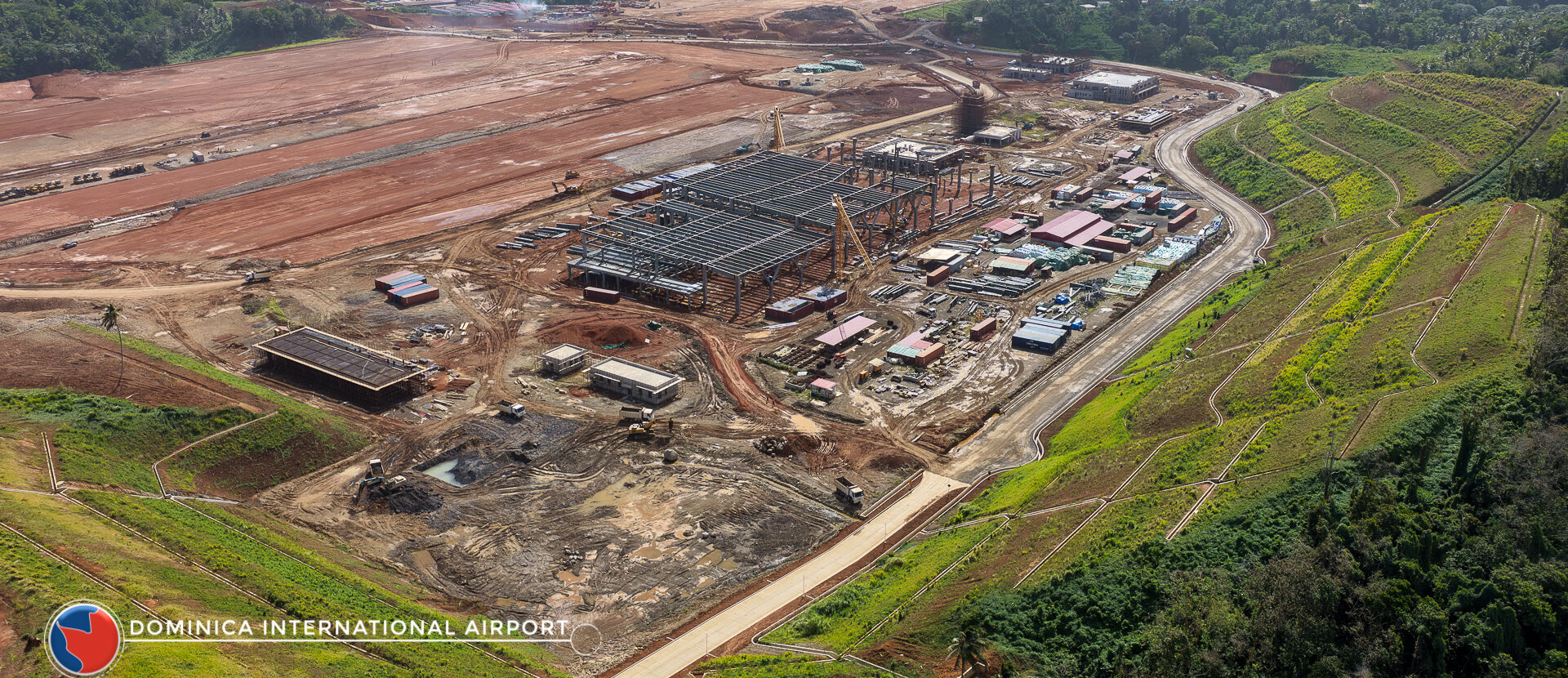
    The original CNG article, citing the firm’s project director Cal Murad, claimed that the company had turned to arbitration as a last resort to address long-unresolved disagreements over unmet contractual commitments tied to their development agreements. Per the CNG report, Murad framed the dispute as a response to unfulfilled obligations that had already cost MMCD significant capital, personnel resources, and forgone alternative opportunities from its investments in Dominica. The article also noted MMCD’s track record of delivering key public infrastructure projects across the country, ranging from the Marigot Hospital, Dominica Grammar School and Mahaut School to multiple community sports facilities, with the under-construction Dominica International Airport standing as the firm’s highest-profile project on the island. As of mid-March 2026, construction work on the airport terminal area is already underway, marking a major milestone for the long-awaited infrastructure initiative.

    In its formal response to the CNG reporting, MMCD not only rejected the claim of ongoing legal action but also moved to reinforce its partnership with the Dominican government. The firm emphasized that its working relationship with the state remains rooted in three core principles: mutual respect, full transparency, and aligned goals for national progress. MMCD went so far as to publicly praise the Dominican government for its ongoing cooperative approach to the project.

    Central to the company’s statement is a firm reaffirmation of its commitment to delivering the Dominica International Airport, a project the firm describes as a cornerstone of the country’s long-term national development strategy. “The realization of this long-sought national aspiration remains a shared priority, and MMCD is fully committed to seeing it through to completion,” the statement read. The clarification has resolved recent speculation surrounding the future of the $X infrastructure project, which has been framed as a transformative initiative for Dominica’s tourism and trade sectors once completed.

  • Bouwprijzen stijgen gemiddeld met 7,2 procent op jaarbasis

    Bouwprijzen stijgen gemiddeld met 7,2 procent op jaarbasis

    Preliminary data released by the Algemeen Bureau voor de Statistiek (ABS), Suriname’s central statistics agency, shows that average construction prices in the country increased by 7.2% year-on-year in the first quarter of 2026, following a multi-year period of extreme price volatility in the sector. Compared to the final quarter of 2025, the quarterly price increase was far more muted, hitting just 0.1%, a sign of slowing momentum in construction inflation.

    The ABS constructs the national Bouwprijsindex (Construction Price Index, BPI), a key metric that tracks average price changes for all goods and services used across the domestic construction industry. In Q1 2026, the index reached 1236.9 points, up slightly from 1235.6 points recorded in the fourth quarter of 2025, and a notable climb from 1154.2 points in the same quarter a year earlier.

    To compile this index, ABS analysts collect price data from approximately 50 fixed measurement points across the urban districts of Paramaribo and Wanica. The index’s basket of monitored goods and services includes 107 separate items, grouped into 16 core categories ranging from structural steel and concrete works, carpentry, masonry, and paving to labor costs.

    Breakdowns of the latest quarterly data reveal broad-based price increases across multiple sub-sectors of construction. Compared to Q1 2025, the sharpest upward moves in index readings were recorded in carpentry, masonry and concrete pouring, plumbing installations, electrical work, and drainage construction. Structural steel and concrete works also remained at historically high price levels, the data confirmed.

    Beyond the current quarter readings, the new ABS figures highlight a clear trend of gradual stabilization in construction prices after the extreme swings the sector experienced over the past three years. In 2023, annual construction inflation hit more than 50%, driven by widespread supply chain disruptions and input cost shocks. That dramatic surge was followed by an 8.3% year-on-year drop in construction prices in 2024, before a 10.7% annual increase was registered across 2025. The smaller 7.2% rise in Q1 2026 marks a further cooling from the 2025 full-year pace.

    ABS also noted a key methodological note for the index: labor cost components do not rely on separate separate price surveys, and the share of labor in overall construction costs is held constant for all calculations to maintain consistency in trend tracking. The next public release of the Construction Price Index is scheduled for July 31, 2026.

  • Finabank ziet sterke groei in kredietverlening en winst over 2025

    Finabank ziet sterke groei in kredietverlening en winst over 2025

    Against a backdrop of persistent global and regional macroeconomic headwinds, Suriname’s leading financial institution Finabank has closed out the 2025 fiscal year with stronger-than-expected financial performance, solidifying its position as one of the country’s fastest-growing domestic banks. The landmark results were officially announced during the bank’s annual General Meeting of Shareholders, where leadership confirmed double-digit growth across all core business metrics, including loan portfolio size, total profit, and aggregate assets.

    Finabank’s total loan portfolio expanded to 12.4 billion Surinamese dollars (SRD), translating to an inflation-adjusted real growth rate of 43% year-over-year. This substantial expansion allowed the bank to grow its market share in domestic lending from 27.9% to 29.5%, extending its lead over competing institutions. Total assets of the bank surged to SRD 28.5 billion, while total customer deposits and entrusted funds climbed to SRD 21.4 billion. Most notably, net profit for the full 2025 fiscal year reached SRD 482 million, marking an 84% increase compared to the prior year’s results.

    Bank leadership attributes the outstanding performance to sustained stakeholder and customer confidence, paired with the institution’s long-term strategic focus on customer-centric service offerings, widespread digital transformation, and rigorous risk management. Despite broad credit market volatility, Finabank’s non-performing loan ratio held steady at just 0.82%, far below the maximum threshold set by the Central Bank of Suriname. The bank’s solvency ratio also hit a strong 18.2%, underscoring its robust financial stability.

    Operational efficiency also saw marked improvement over the fiscal year. Finabank’s cost-income ratio fell from 53% to 43.6%, a reduction driven by strong revenue growth, disciplined cost control measures, and ongoing optimization of internal business processes.

    On the digital innovation front, 2025 brought major milestones for Finabank. The bank rolled out a phased launch of an upgraded mobile banking platform for retail customers, and made significant capital investments in modern digital payment infrastructure. It also completed system integrations to support streamlined BNets, VISA, and Mastercard payments through point-of-sale terminals, as well as connectivity to the SWIFT for Corporates platform to better serve business clients.

    Beyond operational and financial gains, Finabank secured two major industry certifications in 2025: ISO/IEC 27001 information security certification and Top Employer accreditation, recognizing its strong workplace standards. Regional credit rating agency CariCRIS also reaffirmed the bank’s strong A+/A credit rating, and the institution finalized a $15 million lending facility in partnership with IDB Invest to support future growth.

    Looking ahead to the 2026–2028 period, Finabank has unveiled a new corporate strategy centered on accelerating digital transformation, driving sustainable inclusive growth, and strengthening organizational capacity. The bank is positioning itself to meet the expected rise in financing demand across the Surinamese economy, particularly driven by rapid development in the country’s offshore oil and gas sector. At the same time, leadership emphasized that Finabank remains fully prepared to navigate ongoing macroeconomic risks and elevated market volatility that will likely persist through the current period of economic transition.

  • Zakour: CAL to cut  unprofitable routes

    Zakour: CAL to cut unprofitable routes

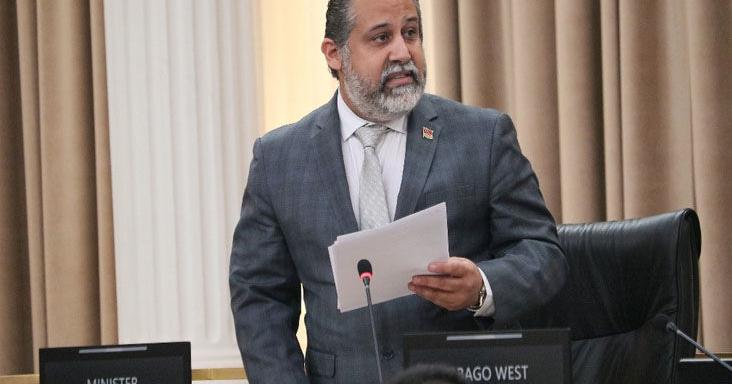
    State-owned Caribbean Airlines (CAL) is set to implement a series of significant network adjustments starting June 1, 2026, aimed at curbing sustained financial losses stemming from an overambitious 2023 regional expansion initiative, Trinidad and Tobago’s Minister of Transport and Civil Aviation Eli Zakour has confirmed in an official address to parliament.

    The 2023 expansion, which pushed the carrier into new markets across the Eastern Caribbean, was launched under the direction of the airline’s previous board of directors with backing from the then-sitting government. At the time, the initiative was framed as a strategic move to boost cross-regional transport links, lift the Caribbean’s vital tourism sector, and streamline intra-regional trade. But according to Zakour, the rosy projections that guided the expansion never matched actual market conditions.

    “While the core goals of strengthening connectivity, supporting tourism and facilitating trade were logically sound in theory, the projections that underpinned route selection, market sizing and financial forecasting have turned out to be vastly disconnected from on-the-ground realities,” Zakour told lawmakers.

    By early 2025, the airline’s newly installed board of directors moved to address the mounting losses by creating a specialized Route Oversight Committee, tasking the body with conducting a full top-to-bottom review of all route performance, profitability, and alignment with the airline’s long-term strategic goals. The review’s findings were clear: multiple routes launched as part of the 2023 push were greenlit without sufficient commercial due diligence, and had posted consistent losses from their first day of operation.

    Two underperforming routes have already been taken offline ahead of the June 2026 round of cuts. The direct Jamaica-Fort Lauderdale route was discontinued in November 2025 after racking up $7.2 million in losses, while the Trinidad-Puerto Rico service ended operations in January 2026 following $4.92 million in red ink.

    The upcoming round of adjustments, effective June 1, will see CAL exit three additional markets entirely: service to Dominica, which has lost $0.73 million through April 2026, will end, along with service to St Kitts, which has recorded $1.65 million in losses. The carrier’s non-stop route connecting Guyana Ogle to Suriname will also be discontinued, a route that has generated $1.24 million in losses to date. For two remaining Eastern Caribbean routes, CAL will cut flight frequency in half: weekly service to Martinique and Guadeloupe will drop from four flights to two, after the routes posted $1.23 million and $1.86 million in losses respectively.

    In total, the cumulative losses from all these underperforming routes amount to roughly $18.84 million USD, equal to more than 128 million Trinidad and Tobago dollars, Zakour confirmed.

    Zakour emphasized that the route exits and frequency cuts are not just cost-cutting measures, but a core part of the airline’s broader push to reset its financial health. The adjustments are expected to turn ongoing losses into operational savings that will strengthen CAL’s balance sheet and position the carrier for long-term stability.

    For passengers who have already booked travel on affected routes beyond the discontinuation dates, Zakour assured that both CAL and partnered travel agents will reach out directly to impacted customers to resolve their bookings. Passengers will have multiple options: re-accommodation on alternative CAL regional services where available, rebooking via connected itineraries with CAL and its partner airlines, a full refund for the unused portion of their ticket, or the option to retain the full value of their ticket as a credit for future travel, subject to standard fare conditions.

    Looking ahead, Zakour noted that CAL is in the final stages of negotiating a new codeshare agreement with a fellow regional airline. Once the deal is finalized, it will open up access to a far broader network of destinations for CAL customers, with coordinated flight schedules, seamless connecting itineraries, and integrated ticketing that simplifies cross-regional travel.

    “With the problematic prior network decisions now undergoing structured review, Caribbean Airlines is well positioned to rebuild its operations on a far stronger commercial foundation,” Zakour said. He added that the carrier continues to invest in upgrading operational reliability, enhancing customer service, modernizing its fleet, and implementing disciplined route planning that is rooted in clear, realistic financial criteria.

    In a separate official statement released shortly after Zakour’s parliamentary address, Caribbean Airlines confirmed the upcoming changes, aligning with the minister’s announcement. The carrier reaffirmed its commitment to supporting affected passengers through the transition, noting that it would follow all standard aviation and regulatory requirements to ensure a smooth process for both customers and industry stakeholders.

    “Caribbean Airlines remains dedicated to maintaining robust regional connectivity through a sustainable, commercially responsible network,” the carrier said in its release. “We will continue to prioritize operational reliability, elevated customer experiences, and long-term financial stability that serves the needs of the region.”

  • A Costly Ride: Will Electric Buses Save NBC’s Bottom Line?

    A Costly Ride: Will Electric Buses Save NBC’s Bottom Line?

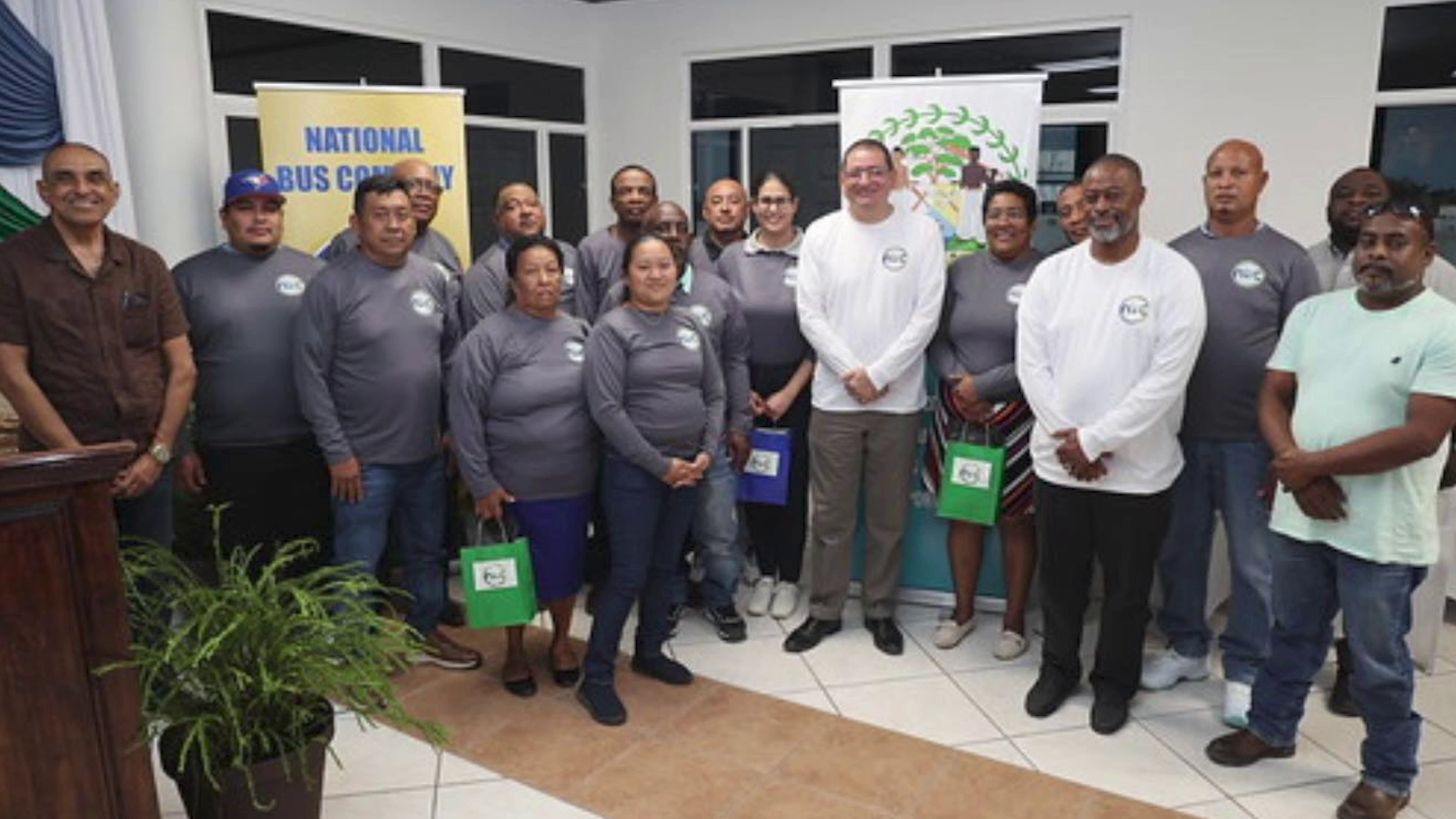
    Belize’s National Bus Company (NBC), a relatively new public-private transit venture, is on track to meet its early financial projections – and that means operating firmly in the red, company leadership confirms. Months after launching the partnership, which brought private operator Sergio Chuc and his Westline Bus Company into the venture, leadership says early losses were always part of the long-term growth strategy, with profitability targeted by the close of 2026.

    When the partnership was first structured, Chuc and other stakeholders knew the initial operating period would bring financial headwinds. Chuc, a key shareholder in NBC, emphasized that the current negative cash flow is no surprise to the project’s leadership team. “It has been going, just as the plan showed it would be going. In the first six months, it is going to be rough. The company will continue losing money initially, however as the phase of introducing the electric buses starts coming in, we will be leveling in,” Chuc explained in an interview.

    The core linchpin of NBC’s path to profitability is a planned transition to an all-electric bus fleet, a shift that Chuc says will slash operating costs by cutting expensive fuel expenses and ultimately widen profit margins. Unlike traditional diesel fleets that carry ongoing high fuel and maintenance costs, electric buses are expected to deliver long-term cost savings that will stabilize the company’s finances.

    “Our projections show that by the end of the year we should be afloat. Actually, we were prepared for this. We knew it was going to start bumpy and all in all it was no surprise. We know what we are doing. I think the board of directors has some very good people that are extremely knowledgeable in the industry and so they are steering the company in the right direction,” Chuc added.

    For Chuc and other investors, NBC is explicitly structured as a long-term play, prioritizing sustained growth and future returns over quick short-term profits. “I am ok with it. I think my investment is fairly safe. It is a long-term investment. I definitely did not think I was going to make money immediately, but when all the chips fall in place, I think it is going to be very welcoming for myself and extremely welcoming for the commuters,” Chuc said.

    Beyond financial gains, Chuc noted that the electric bus transition will also deliver tangible improvements to Belize’s public transit network, upgrading service quality and bringing world-class equipment to local riders. “The service is getting better. The equipment will be world class but for that we need a few months for those buses to start rolling in,” he explained.

    Belize’s Minister of Transport Dr. Louis Zabaneh has confirmed the timeline for the new fleet, stating that the first electric buses are on track to arrive in the country by the end of 2026, matching the company’s internal projections for financial stabilization.