分类: business

  • IICA: Bioeconomy in Latin America and the Caribbean – a generation seeking to transform science into rural profitability

    IICA: Bioeconomy in Latin America and the Caribbean – a generation seeking to transform science into rural profitability

    Across Latin America and the Caribbean, a paradigm shift is underway in rural agriculture: a new cohort of young entrepreneurs is moving beyond the traditional focus of maximizing food output to build a thriving, innovation-led agro-bioeconomy centered on sustainability, circularity and value addition. This transformation is not a hypothetical future—it is already taking root in business models across the region, as highlighted by the results of the 2025 LATAM Impact Agro-bioentrepreneurship Competition, co-hosted by the Inter-American Institute for Cooperation on Agriculture (IICA) and FONTAGRO.

    When organizers opened the competition to submissions, they received more than 1,100 projects from 20 countries across the region, far exceeding initial expectations. The entries spanned the full breadth of the modern bioeconomy: from climate-focused carbon capture systems and crop-boosting bioinputs to biomaterials, bioenergy, and novel bioproducts for food, health, and cosmetic applications. This diverse response offered a clear snapshot of a fast-growing ecosystem that has outpaced all early projections.

    The global bioeconomy is already valued at close to $4 trillion, according to World Economic Forum estimates, with more than 50 nations rolling out dedicated national development strategies. This growth has been fueled by breakthroughs in synthetic biology, advanced engineering, and decentralized production models—and Latin America is emerging as a key hub for this global transition.

    The new face of 21st-century rural entrepreneurship
    Young producers across the Americas are embedding this new thinking into daily operations, as profiled in IICA’s *Leaders of Rurality* interview series. Canadian young farmer Mackenzie Fingerhut framed a key gap driving innovation: a persistent “enormous disconnect” between urban consumers and rural production, where most city dwellers have never witnessed how their food is grown, shaping consumer choices in unproductive ways. To bridge this gap, Fingerhut has prioritized full transparency and traceability, rolling out QR code systems that let consumers scan product packaging to access the full journey of their food: from where ingredients were planted, how they were processed, and who grew them. This tool, he explained, is more than a marketing add-on—it builds critical trust between producers and consumers.

    For another young entrepreneurial couple based in Saint Kitts and Nevis, Akiesha Fergus and Ryan Khadou, limited infrastructure and growing climate threats have not slowed their adoption of innovative practices. Their core motto is “work smart, not hard,” Fergus explained: modern agriculture no longer relies on the brute-force methods of past decades. Instead, it leverages science and technology to understand local environments and land, delivering better crop yields while reducing unnecessary strain.

    A shift from incipient trend to mature ecosystem
    Just six years ago, a 2019 IDB Lab report mapping AgTech innovation in Latin America and the Caribbean identified the agro-bioeconomy as an incipient, highly concentrated emerging sector. Today, that gap between 2019 projections and on-the-ground reality is striking: what was once a niche trend has exploded into a mature, widespread movement. The core difference, leaders note, is that sustainability is no longer framed as a separate “green agenda” or symbolic declaration—it is a core financial and competitive asset. Agricultural biomass that was once treated as valueless waste is now a high-value raw material for circular business models that add value directly at the production source.

    At the competition’s results presentation in April, IICA Director General Muhammad Ibrahim validated this paradigm shift. Promoting agro-bioentrepreneurship, he said, is key to “building a world of innovation in rural areas that increasingly integrates young people and women into the sustainable use of biodiversity.” The competition’s core goal, he added, was to help scale initiatives that connect agriculture, energy, health, and environmental stewardship, proving that the bioeconomy is far more than a theoretical concept: it delivers tangible, beneficial products for communities across the region.

    Standout innovations turning challenges into opportunities
    Several winning projects from the competition exemplify how this new model works in practice. Dominican Republic-based startup SOS Biotech, for example, turned a major regional environmental crisis into an opportunity for inclusive economic growth. The Caribbean has struggled with massive invasive blooms of sargassum macroalgae that disrupt coastlines and local ecosystems. SOS Biotech co-founder and CTO Elena Martínez explained that the company developed a low-cost collection system mounted on artisanal fishing boats, training more than 130 local fishers to harvest the algae. To date, the firm has recovered more than 16,000 tons of sargassum, which it processes through a zero-waste closed system to extract bioactive compounds and produce biostimulants and growing substrates for local Dominican farmers. The startup has already earned certifications to enter the U.S. and Spanish markets, proving that sargassum can replace synthetic, petroleum-derived compounds while mitigating environmental damage. “What generated a crisis became a great opportunity for industrial diversification in the region,” Martínez noted.

    Another winning project, Carbonlytics, was developed by a team of Colombian engineers to unlock new income streams for smallholder farmers through carbon credit markets. The system uses drone technology and advanced data analytics to measure crop biomass with more than 95% accuracy, generating the precise data required for carbon capture credit certification. This lets farmers earn additional revenue from sustainable land management practices, delivering what creators call a “double impact” that benefits both local communities and the global climate.

    From Argentina, award-winning startup Prix Biotech recently notched a major scientific milestone: using genetic editing to enhance commercial biofertilizers that boost productivity of major crops including soybeans and alfalfa. Lead researcher Nicolás Ayub explained that the team edits already existing functional characteristics of natural microorganisms to develop more efficient biological fertilization solutions. The resulting products have a far lower environmental footprint, deliver more consistent results in the field, and cut the time and cost of fertilization processes for producers.

    Leading the global transition to regenerative agriculture
    What was once a niche, little-noticed trend on global financial radars is now a fully formed business network where applied science sets the new rules for agricultural competitiveness. The volume and sophistication of competition entries and winning projects confirms that Latin America is no longer just a raw material exporter—it has become a large-scale living laboratory for global climate and agricultural innovation. For this new generation of entrepreneurs, success is no longer measured only in tons of output per hectare, but in the ability to manage the full biological complexity of rural landscapes to deliver both profit and regeneration. With a thriving ecosystem already delivering measurable, scalable results, the Latin American agro-bioeconomy has proven it is mature enough to lead the global transition toward a new productive model where efficiency and environmental regeneration are two sides of the same coin.

  • Global shocks limit Mottley’s first 100 days, says economist

    Global shocks limit Mottley’s first 100 days, says economist

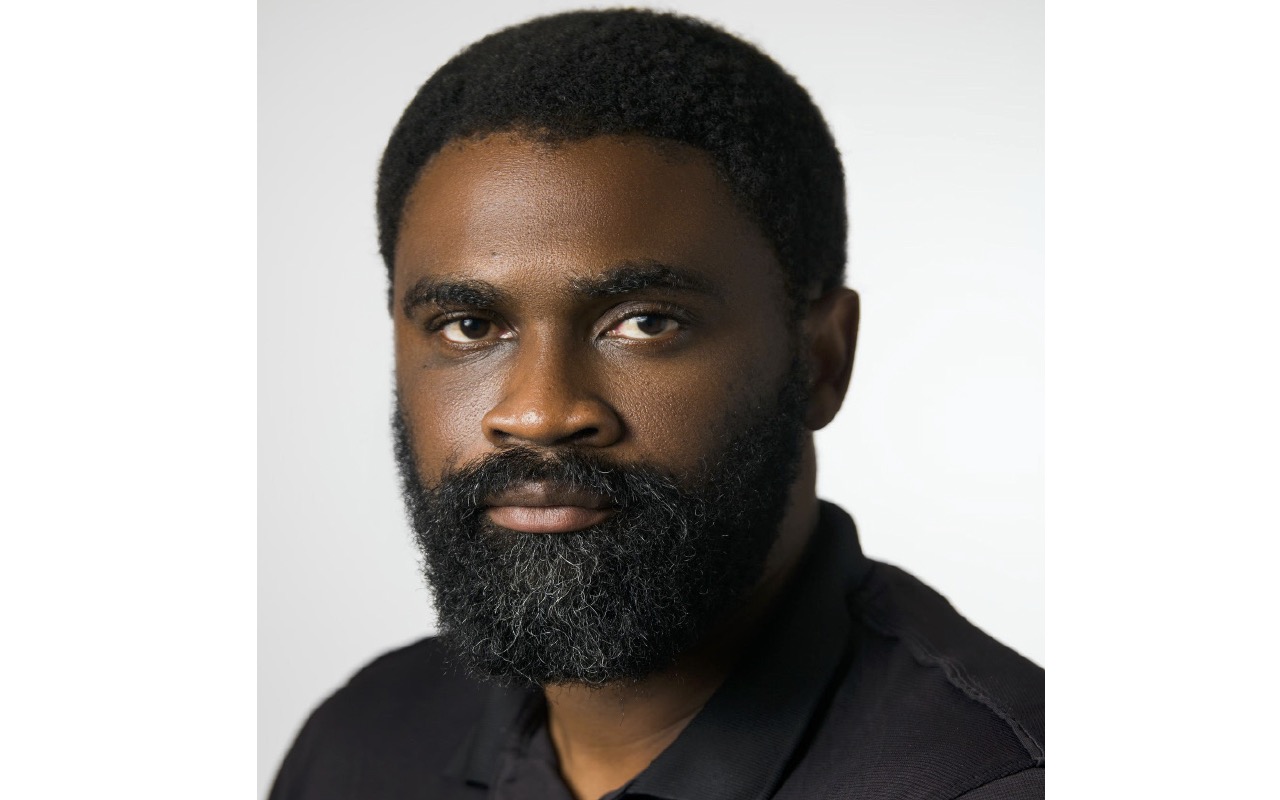
    As the Mia Mottley administration wraps up its first 100 days in office for its third consecutive term, regional economist Jeremy Stephen has offered a measured assessment of its performance, arguing that the current outcomes align with reasonable expectations given the cascading headwinds buffeting small open economies worldwide. In an exclusive interview with Barbados TODAY, Stephen explained that mounting global instability and persistent macroeconomic pressures have compelled the administration to shift away from the growth-focused campaign pledges it laid out earlier this year, forcing a pivot to defensive economic policy that has sidelined many of its pre-election promises.

    Stephen pushed back against widespread criticism that the government has failed to deliver on its campaign commitments, noting that the global geopolitical and economic landscape has shifted dramatically since the election cycle. The volatile energy market, strained by ongoing tensions in the Strait of Hormuz, has upended earlier budget projections that forecasted fuel price stabilization by May, sending local energy costs soaring far higher than officials anticipated. For a small, trade-reliant economy like Barbados, Stephen argues, a defensive posture is not a sign of policy failure, but the only viable approach to navigating this uncertainty—even if it means near-term pain for local households and businesses.

    “Most of the campaign promises framed around growth that the administration put forward earlier this year simply cannot be implemented under current conditions,” Stephen explained. “Judging the first 100 days of this term against those pre-election pledges is inherently unfair. The circumstances have changed completely, and a defensive strategy is the only logical response right now.”

    The economist also addressed frequent criticism that the administration has failed to advance meaningful economic diversification in its first three months in office, calling such expectations fundamentally unrealistic. He emphasized that structural economic change and diversification are multi-year processes that cannot be delivered in a 100-day window, from drafting policy to establishing new regulatory institutions to seeing tangible growth in emerging sectors.

    “To be honest, any government that promises rapid economic diversification in 100 days is being reckless,” Stephen said. “A 100-day period is not even long enough to set up the institutional frameworks that will guide diversification, let alone deliver tangible results. Diversification takes years to produce meaningful outcomes—we are talking about a timeline where you are still working out early kinks years in, never mind seeing successful growth. Voters need to evaluate this administration over a longer timeline, looking for solid legislative foundations and strong institutional guardrails by the second or third year of the term, not immediate transformation.”

    Despite the significant macroeconomic challenges facing the government, Stephen acknowledged that key sectors of the Barbadian economy are seeing robust growth, most notably construction and tourism. He compared the current pace of construction activity to the historic boom Barbados experienced between 2004 and 2007 leading up to the ICC Cricket World Cup, though he noted that today’s expansion is concentrated heavily in tourism-related infrastructure development to support the island’s post-pandemic travel recovery.

    This rapid growth has created its own unexpected domestic challenges, however, particularly a acute shortage of local Barbadian workers that has forced construction firms to recruit large numbers of foreign and regional laborers. Stephen shared that major construction industry leaders told him just recently that they cannot find enough qualified local workers to meet current demand. As a result, thousands of workers from across CARICOM, as well as from Mexico, Colombia, and other Latin American countries, have moved to Barbados to fill these roles, creating an unintended displacement of local workers even as the sector expands rapidly.

    Looking ahead to the administration’s long-term policy goals, Stephen expressed significant skepticism about the viability of the government’s flagship “Mission 2030” development targets. He argued that planning efforts have failed to account for major long-term global disruptors that will reshape the global economy through the end of the decade, including the highly volatile international security environment, unpredictable shifts in U.S. economic and foreign policy, and the rapid, largely unregulated growth of artificial intelligence that threatens to displace millions of workers worldwide.

    Stephen added that Barbados has not updated its domestic labor laws to protect workers from technological displacement, leaving the country ill-prepared for the changes AI will bring to the local labor market. “I do not believe that most of the targets the administration has laid out for 2030 will actually be achieved,” he warned. “As long as the plan does not incorporate these emerging global realities, the goals will remain out of reach. We can only control how we respond to external events; we cannot control the global economic and technological forces that shape our context.”

  • Another Caribbean Newspaper Cuts Jobs to Stay Afloat

    Another Caribbean Newspaper Cuts Jobs to Stay Afloat

    The Caribbean regional media landscape continues to grapple with deep-seated financial strain, as one of Trinidad and Tobago’s most prominent print publications becomes the latest outlet to downsize its workforce to maintain operational viability.

    The Trinidad Express, a long-standing major news organization in the twin-island nation, has notified the Banking, Insurance and General Workers Union (BIGWU) of its planned restructuring initiative that will shrink the outlet’s editorial department from 33 current positions to just 26. The cuts target seven roles across the newsroom: two sub-editors, one night editor whose position will be eliminated entirely, and four reporters. Three of the affected reporters are based in the capital Port-of-Spain, with the fourth stationed in the southern city of San Fernando.

    As the official representative body for Trinidad Express staff, BIGWU has moved to formally contest the restructuring decision, with the union emphasizing its commitment to ensuring all applicable labor regulations and legal procedures are strictly followed throughout the process. In a public message shared with affected and remaining employees, the union acknowledged widespread workplace anxiety sparked by the job cut announcement, but offered reassurance that union leadership is actively negotiating with newspaper management to advocate for staff interests.

    The layoff announcement arrives just weeks after One Caribbean Media, the parent company that owns the Trinidad Express, published its first quarter 2026 financial results reporting a net profit of $4.36 million. Despite this positive quarterly bottom line, company chairman Faarees Hosein has acknowledged that the broader media sector still faces severe headwinds from a challenging advertising market. Hosein did note that there are early indicators of gradual industry recovery, adding that parent company leadership remains focused on ongoing cost-cutting measures and efficiency improvements across all its holdings.

    The Trinidad Express’s restructuring is far from an isolated incident, reflecting a broader crisis that has swept through traditional media across the entire Caribbean region. For years, legacy news organizations have seen growing pressure as marketing budgets and advertising revenue shift steadily from print and broadcast outlets to digital and social media platforms, leading to consistent revenue declines for traditional outlets.

    This trend has already forced multiple outlets across the region to scale back operations or close their doors permanently in recent months. Earlier this year in January, another major Trinidadian newspaper, Newsday, ceased all operations entirely, leaving dozens of journalists and support staff unemployed. Industry analysts note that unless traditional media organizations are able to build sustainable new revenue models to replace shrinking advertising income, further layoffs and closures are likely across the Caribbean in the coming years.

  • Karpowership consolidates its energy contribution in Latin America and the Caribbean

    Karpowership consolidates its energy contribution in Latin America and the Caribbean

    Global leader in floating power generation, Karpowership — which owns the world’s only full fleet of powerships and operates 45 floating power plants with a combined 8,500 megawatts of installed capacity across four continents — has announced its official market entry into Mexico via a new 250MW project aimed at shoring up the Yucatan Peninsula’s struggling electrical subsystem, one of the country’s fastest-growing regions in terms of energy demand.

    This landmark move marks a major milestone in the firm’s ongoing regional expansion across Latin America and the Caribbean, a geographic zone where Karpowership has steadily built out its footprint in high-priority markets grappling with four core energy challenges: surging consumer and industrial demand, the urgent need for flexible generation capacity, improving grid resilience, and the gradual integration of variable renewable energy sources.

    The Mexican initiative will be advanced in close partnership with Mexico’s federal energy regulators and the state government of Quintana Roo, where the project will be sited. Under Karpowership’s integrated “LNG-to-Power” model, the company will moor its powership alongside an existing liquefied natural gas terminal vessel, a configuration that allows the facility to deliver dispatchable energy to the grid rapidly, with adjustable output and consistent reliability.

    The company’s expansion into Mexico comes as a direct response to the Yucatan Peninsula’s breakneck economic and population growth, a boom fueled by the region’s booming tourism sector, rapid urban expansion, and large-scale public and private infrastructure development. The project is specifically engineered to provide backup and supplemental capacity to the regional grid during periods of peak demand, annual hurricane season, and scheduled grid maintenance. Critically, the floating infrastructure can be fully deployed in a matter of months and repositioned to other locations if energy needs shift over time.

    Across the Caribbean, the Dominican Republic remains one of Karpowership’s most vital established markets. To date, the company has deployed 408MW of installed capacity across the country — equal to roughly 10% of the Dominican Republic’s total firm national generation capacity, enough output to power more than one million Dominican households. Since launching operations in the Azua region, Karpowership has been a key contributor to the stability and resilience of the Dominican grid, delivering flexible generation capacity amid steady demand growth, broad national economic expansion, growing tourism-related energy needs, and the ongoing transition to higher shares of renewable energy. The company’s presence in the country forms a core part of its regional strategy to deliver fast-deployment, high-availability energy solutions to strengthen strained power systems.

    Karpowership has also deepened its footprint in Ecuador, where it recently expanded its total generation capacity to 300MW to support the country through a severe national energy crisis triggered by widespread drought that crippled the nation’s hydroelectric generation output.

    These diverse regional operations underscore Karpowership’s growing role as a go-to energy partner for markets that require urgent, targeted responses to surging demand, extreme weather events, or shortfalls in conventional generation capacity. On a global scale, the company develops custom floating energy solutions that integrate on-vessel power generation, marine infrastructure, and dedicated natural gas supply chains, allowing it to rapidly meet the evolving needs of countries and power systems undergoing energy transition.

    With its new market entry into Mexico and its already well-established position in key markets including the Dominican Republic and Ecuador, Karpowership continues to solidify its standing across Latin America and the Caribbean as a flexible, reliable energy alternative that supports core regional goals: strengthening national energy security, maintaining grid stability, and enabling sustained economic development across the region.

  • ‘We have staked our mission as a gov’t’ on reviving SVG agriculture

    ‘We have staked our mission as a gov’t’ on reviving SVG agriculture

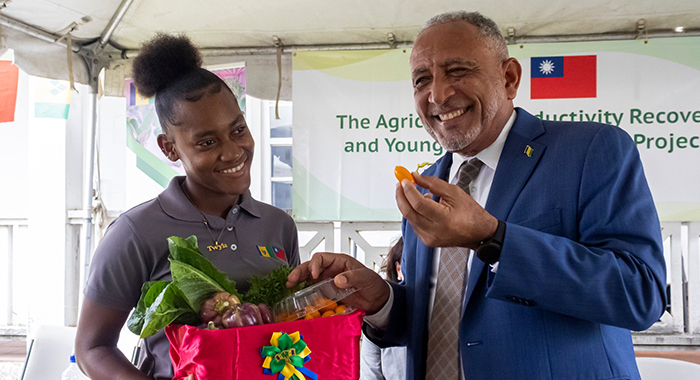
    Against a backdrop of cascading challenges ranging from climate-driven natural disasters to global economic volatility, Prime Minister Godwin Friday has made reviving St. Vincent and the Grenadines (SVG)’s agricultural sector a core priority of his administration, launching a transformative three-year initiative to train the next generation of young farmers.

    Speaking at the official launch of the Agricultural Productivity Recovery and Young Farmers Training Project hosted at the Orange Hill Agricultural Biotechnology Centre, Friday emphasized that agriculture remains the foundational backbone of SVG’s national identity and long-term economic stability. “Anybody who thinks of St. Vincent and the Grenadines without agriculture, without a thriving agricultural backbone, doesn’t quite understand who we are as a people,” he told the assembled audience of trainee participants, established farmers, government officials and local hospitality industry representatives.

    Jointly implemented by SVG’s Ministry of Agriculture and the Taiwan Technical Mission, the program targets multiple pressing crises facing the island nation’s farming sector. After widespread devastation from Hurricane Beryl and a string of other climate shocks, the initiative aims to boost overall agricultural output by 10% through modernized production techniques and intensive skills training for 75 young new farmers.

    Friday framed the launch as a turning point after a prolonged period of struggle for SVG’s agricultural communities. “We continue to recover from the effects of repeated natural disasters, most recently Hurricane Beryl… The farmers of this country have been through hell, and they are still struggling to survive.” Beyond domestic climate impacts, the island nation also grapples with cascading external pressures stemming from geopolitical conflicts in the Gulf region and Ukraine, which have sent global prices for food, fuel and fertilizer soaring, disrupted critical supply chains, and amplified uncertainty across the global economy. “As a small island developing state, we are particularly vulnerable to these shocks,” Friday noted, adding that “boosting our agricultural sector, diversifying our agricultural production are so important for us at this time.”

    One of the most urgent challenges the initiative aims to address is the rapidly ageing farming workforce, a trend that threatens the long-term viability of SVG’s agriculture. “Those who currently work in this sector are getting older, and no matter how passionate they are about it, we know that we cannot sustain a vibrant agricultural sector if we have an ageing farming population,” the prime minister explained.

    By centering the program on youth engagement, digital and biotechnological innovation, and modern business skills, the project directly solves two key problems at once: it addresses the systemic gaps threatening the sector while creating new economic opportunities for young people. Friday added that the initiative reverses decades of job loss in agriculture, noting that a growing number of veteran farmers have abandoned their lands to take low-wage security positions in Kingstown, even when they would prefer to continue farming.

    “This initiative encourages our people to return to the land by offering a positive outlook for farmers, and especially because it creates meaningful opportunities for you, young people,” he said. Friday pointed out that young people make rational choices about their careers, and will choose to stay in agriculture if the sector offers them sustainable, competitive incomes: “That is reasonable. That is rational. It is for us to help them to realise that objective.”

    The prime minister stressed that the modern agriculture his administration is promoting is not a return to outdated, traditional farming practices. “This is not our father’s farming. This is not our grandparents’ farming. This is a new way of doing it to make it more productive,” he said. Investments in skills training, smart agricultural technologies, and new demonstration hubs in Orange Hill and Dumbarton are designed to drive this industry-wide shift.

    “We must combine farming with new technology and modern business practices. This will ensure that our agriculture remains sustainable, that our farmers become highly productive, and that farming will be attractive to young people, thereby creating the next generation of farmers,” Friday explained. He also drew a key distinction between expanding total production volume and improving productivity, arguing that efficiency is the key to competing with imported agricultural goods. “We talk about increasing production — that means you increase the quantum, the amount of stuff that we do — but the critical thing is improving productivity, that is to say, how efficiently we produce what we produce,” he said. For example, improving the quality and efficiency of local tomato production can convince local hotels to source locally instead of purchasing cheaper, lower-quality imported produce.

    Friday concluded by emphasizing that modern farmers must adopt an entrepreneurial mindset, just like any other business leader. “It comes from an approach by the farmer, in the same way that a business person will do… always looking for the next best thing to be able to increase the efficiency at what you do, and your competitiveness against other producers, whether they be from here or abroad.”

  • Envoy urges diaspora to invest early as credit union roadshow continues

    Envoy urges diaspora to invest early as credit union roadshow continues

    A collaborative government and credit union outreach effort is tapping into the Barbadian diaspora’s potential to drive domestic economic growth, with the island nation’s top diplomat to the U.S. encouraging overseas-based Barbadians to adopt consistent small-scale investing instead of holding out for large lump sums to put into local opportunities.

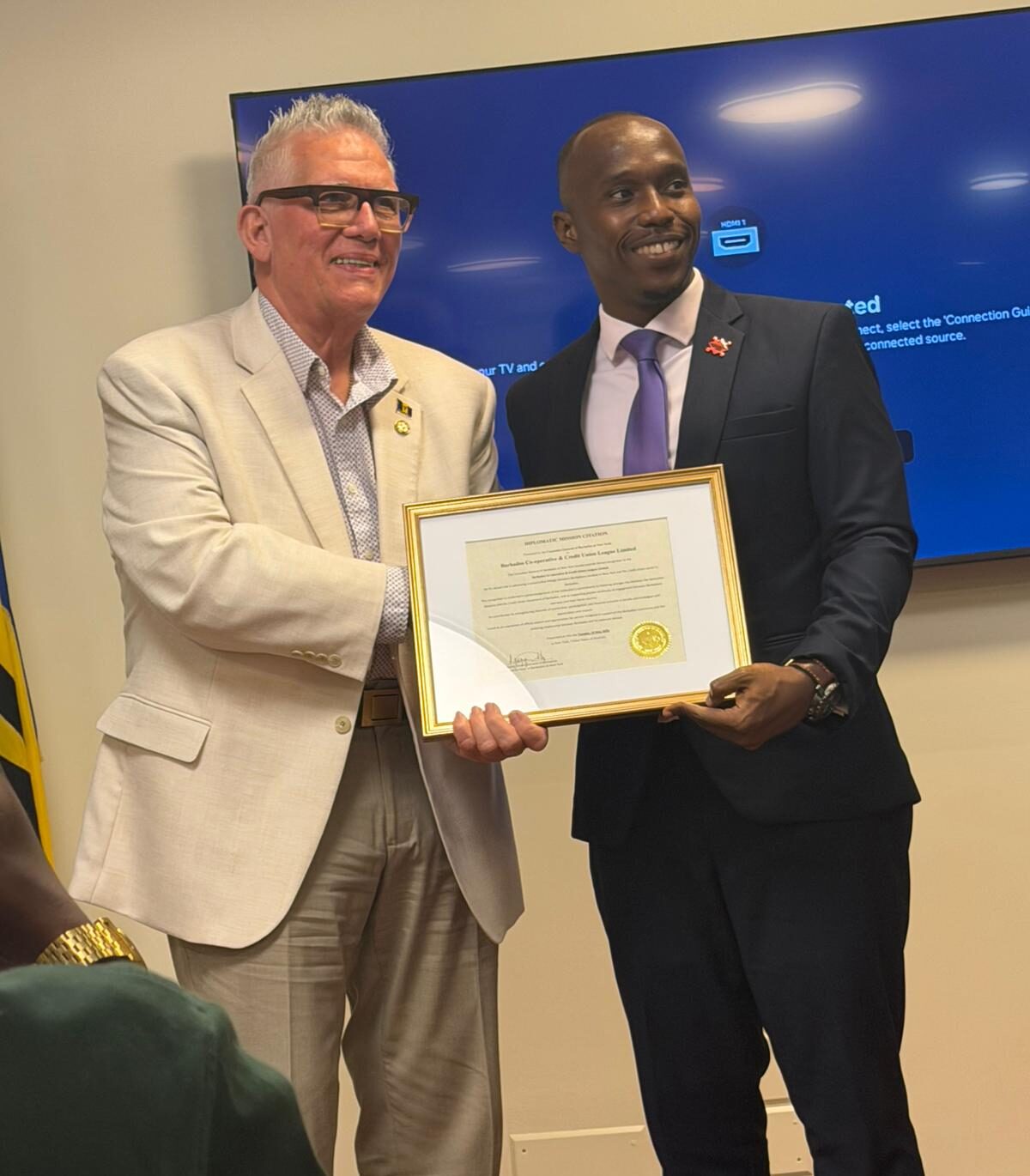
    Speaking at a kickoff event for the five-city roadshow hosted at the Barbados Consulate in New York on Tuesday, Ambassador Vic Fernandes told attendees gathered with representatives of Barbados’ three leading credit union entities that the foundational principle of lasting wealth building is shifting from working to earn money to putting existing capital to work to generate passive returns.

    Organized under the framework of the Mobile Knowledge Hub, the roadshow brings together the Barbados Co-operative and Credit Union League Ltd, Barbados Public Workers’ Co-operative Credit Union Limited, and the City of Bridgetown Credit Union (COB). It will travel across multiple U.S. cities to connect with members of the large Barbadian diaspora, with two core goals: encouraging overseas residents to invest through local Barbadian credit unions, and showcasing affordable home ownership opportunities at COB’s Deantown development located in St Silas, St James.

    For prospective home buyers, the residential project offers entry-level properties priced starting just above $350,000, with COB providing up to 100 percent financing for qualified buyers. Beyond real estate, the roadshow also highlights a range of other investment products offered through the island’s credit union network.

    Drawing from his own decades-long experience as an investor, Fernandes shared how early guidance from a late mentor shaped his approach to wealth building. The former Caribbean Broadcasting Corporation broadcaster and manager recalled advice from Ethelred Knight, a long-time senior accountant at the public media outlet, who encouraged him to start investing with just $500 decades ago. Knight pushed back against the common mindset of waiting to accumulate $10,000 or $15,000 before starting to invest, urging that even small sums should be put to work in solid assets rather than sitting idle.

    “He never put me wrong, and most of those investments I made were solid investments,” Fernandes said of his late mentor. Sharing an example of a successful real estate holding in neighboring Saint Lucia, he noted that patience and small early sacrifices compounded over time to generate consistent passive income. “I just sat back over the years, and every quarter I hear ‘cha-ching, cha-ching’. And I look and I see, ‘Whoa, there’s money coming into the account’,” he explained.

    Beyond personal wealth generation, Fernandes challenged attendees to view their investments as a legacy for future generations of Barbadians. “If we can build and make it better for the next generation, I think we will do ourselves a great favour,” he added.

    Following the opening presentations at the New York consulate, ceremonial honors were presented to credit union leadership by Barbados’ Permanent Representative to the United Nations Ambassador Francois Jackman, Ambassador Fernandes, and Deputy Consul General Dr. Lisa Jaggernauth, who organized the cross-country outreach event.

  • Breaking: Caribbean Airlines to withdraw service to St Kitts and Dominica

    Breaking: Caribbean Airlines to withdraw service to St Kitts and Dominica

    In a major restructuring move to stem crippling financial losses, the government of Trinidad and Tobago has confirmed that state-owned Caribbean Airlines will end all commercial air service to St Kitts and Nevis and Dominica starting June 1, 2026. The announcement, delivered Friday to Trinidad and Tobago’s National Assembly by Transport and Civil Aviation Minister Eli Zakour, comes as the carrier refocuses its network exclusively on routes that deliver consistent economic viability.

    The route cuts are the direct outcome of a formal audit carried out by the airline’s internal Route Oversight Committee, which examined the performance of all routes launched under the carrier’s ambitious 2023 network expansion push. The review concluded that many of the new routes added in that expansion were rolled out without sufficient commercial due diligence, and have posted continuous losses from their launch. “That review has confirmed that several routes launched under the 2023 expansion programme were introduced without adequate commercial justification and have generated sustained financial losses for the company since inception,” Zakour told parliament.

    The St Kitts and Nevis route, which launched alongside the 2023 expansion, had accumulated losses of more than $1.65 million U.S. dollars by the end of April 2026. Dominica’s route, launched only one year ago, recorded roughly $730,000 U.S. in losses over the same period. These are not the only underperforming routes targeted by the restructuring: the nonstop service connecting Guyana and Suriname lost $1.24 million U.S., while already discontinued routes fared far worse. The Jamaica-Fort Lauderdale route, pulled from the schedule in November 2025, amassed $7.2 million U.S. in losses before its cancellation, and the Trinidad-Puerto Rico service, ended in January 2026, lost $4.92 million U.S.

    Beyond full cancellations, Caribbean Airlines will also scale back flight frequency to the French Caribbean overseas territories of Martinique and Guadeloupe to reduce ongoing losses on those routes. Collectively, all routes impacted by the restructuring have accumulated total losses exceeding $18.84 million U.S. as of April 2026, equal to more than TT$128 million, according to Minister Zakour.

    To mitigate disruption for travelers, Zakour confirmed that all passengers holding bookings on the canceled routes will be reached out to directly by the airline. Passengers will be offered options including full refunds, travel credits for future bookings, or re-accommodation on alternative itineraries through partner carriers.

  • Agriculture’s footprint across CARICOM economies

    Agriculture’s footprint across CARICOM economies

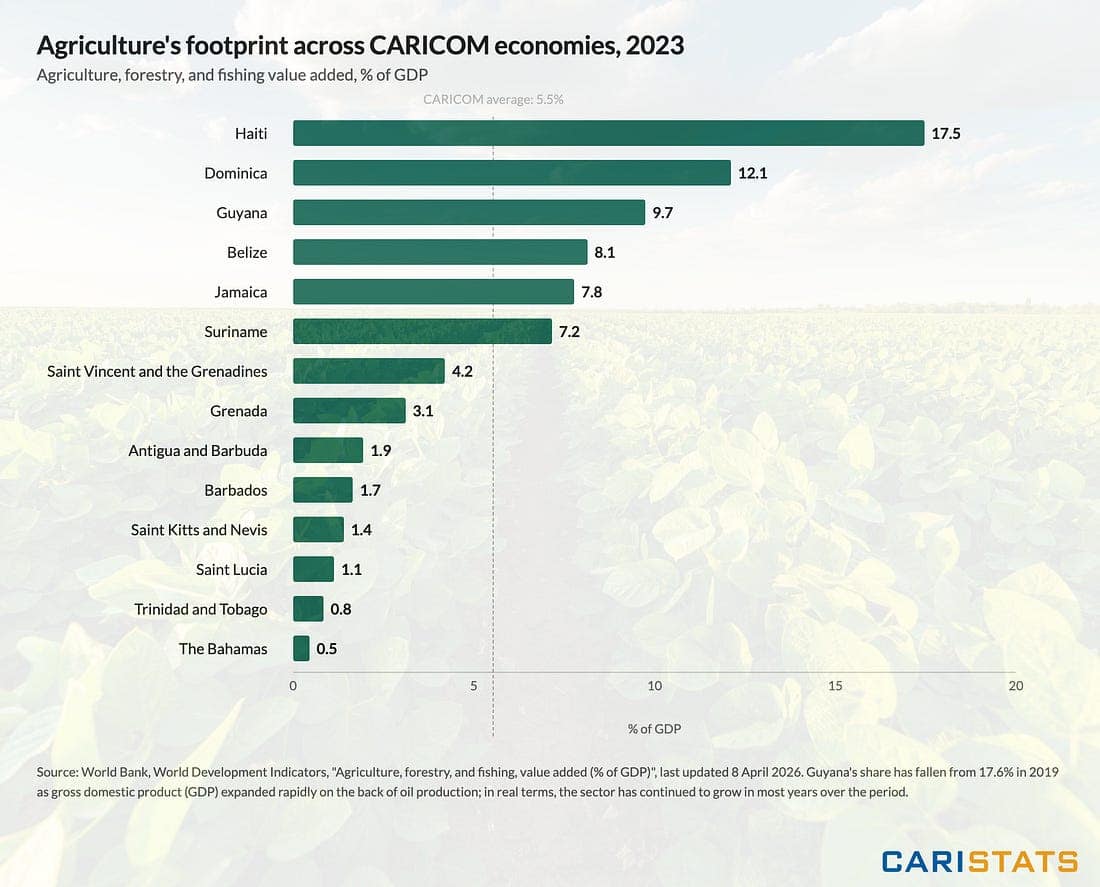
    New data from the World Bank’s World Development Indicators, last updated in April 2026, reveals a striking divergence in the contribution of agriculture, forestry, and fishing to gross domestic product across the 15 member states of the Caribbean Community (CARICOM) in 2023. Percentages range from a mere 0.5% to more than 17% of total national output, reflecting the vastly different economic development trajectories and core productive foundations that define each regional economy.

    At the upper end of the spectrum, Haiti retains the highest share of any CARICOM member, with the primary sector accounting for 17.5% of its total GDP. It is followed closely by Dominica at 12.1%, Belize at 8.1%, Jamaica at 7.8%, and Suriname at 7.2%. For these nations, agriculture remains a core pillar of economic activity, supporting widespread livelihoods and contributing meaningfully to overall national output.

    Guyana offers a particularly illustrative example of economic transformation reshaping the agricultural sector’s share. In 2019, agriculture, forestry, and fishing made up 17.6% of the country’s GDP, but that figure fell to 9.7% by 2023. Crucially, this shift does not stem from a contraction in agricultural output: the sector has recorded consistent expansion in most years over the four-year period. Instead, the drop reflects an unprecedented boom in Guyana’s emerging oil and gas sector, which has driven exponential overall GDP growth and reduced agriculture’s proportional contribution to the national economy.

    On the opposite end of the spectrum, a group of CARICOM economies built around service or extractive industries see agriculture contributing less than 2% of total GDP. The Bahamas tops this list at just 0.5%, followed by Trinidad and Tobago at 0.8%, Saint Lucia at 1.1%, Saint Kitts and Nevis at 1.4%, Barbados at 1.7%, and Antigua and Barbuda at 1.9%. These nations’ economic architectures are anchored by other high-value sectors, with tourism, hydrocarbon production, and international financial services driving the bulk of national output instead.

    Overall, the data underscores CARICOM’s status as a region of highly diversified economic profiles. The relative weight of agriculture in each member state’s GDP is directly shaped by the scope and composition of their broader productive bases, from resource extraction to tourism and finance.

  • Detailed conditions for micro-loans from development bank

    Detailed conditions for micro-loans from development bank

    On Thursday, May 21, 2026, Guyana’s Minister of Government Efficiency Zulfikar Ally publicly laid out eligibility and procedural requirements for small and medium-sized businesses seeking interest-free, collateral-free loans of up to 3 million Guyanese dollars from the soon-to-launch Guyana Development Bank, during a business luncheon hosted by the Guyana Manufacturing and Services Association (GMSA).

    Ally confirmed that the state-backed bank is on track to open its doors to borrowers before the end of 2026, and detailed the core documentation and checks applicants will need to complete. To qualify for financing, business owners must provide a verifiable credit score, proof of compliance with both the National Insurance Scheme and Guyana Revenue Authority regulations, official proof of address, a comprehensive business plan, updated financial statements where applicable, and official government identification — a digital ID is preferred, but traditional physical identification cards will still be accepted. All applications will also undergo a rigorous background check focused on the applicant’s history of debt repayment, Ally added.

    To ensure full public accountability, the minister announced that all of the development bank’s financial activities will be audited annually by the Office of the Auditor General, and all government capital injections into the institution will be formally presented to and reviewed by Guyana’s Parliament. Currently, the government has not implemented any upper cap on total annual loan disbursements, Ally confirmed.

    Financing from the new bank will prioritize four key high-growth sectors: agriculture and agro-processing, tourism and hospitality, trade, and the emerging creative and digital industries. When pressed for details on intellectual property protections for digital and creative sector borrowers, Ally noted that the government is still developing policy frameworks for this fast-growing new segment, with more details to come at a later date. The bank’s long-term structure is designed to support growing businesses as their capital needs expand, Ally explained: for businesses that successfully grow past the 3 million GYD loan cap and need additional financing, the development bank will partner with local commercial banks to facilitate larger lending, while also providing pre-screening, business training, and referral support to connect qualified borrowers with additional capital.

    Beyond lending, the institution will offer non-financial support to borrowers, including mandatory financial literacy training, one-on-one mentorship from experienced industry professionals, targeted business development guidance, and technical assistance to help small business owners strengthen their management capabilities, improve long-term operational sustainability, and scale their operations.

    Repeated questions were raised at the event about the long-term fiscal sustainability of the bank’s model of zero-interest, no-collateral lending, with attendees asking whether the government would cap lending after disbursing several billion Guyanese dollars. Ally rejected the prospect of an early cap, confirming that the government will commit sustained capital to the initiative, which is designed to unlock economic potential for under-served entrepreneurs across the country who have strong business ideas but lack access to traditional financing.

    Ally added that Guyana’s policy team has drawn lessons from decades of successful experience with similar microcredit and development bank models in South Asia, specifically studying the Grameen Bank of Bangladesh, the pioneering microfinance institution that built its model on no-collateral lending to reduce poverty and empower low-income entrepreneurs, as well as established development bank models in India.

  • Fuel Prices Creep Up; Drivers Feel the Weekly Squeeze

    Fuel Prices Creep Up; Drivers Feel the Weekly Squeeze

    As of May 21, 2026, Belize is grappling with two interconnected crises shaking its fuel sector: consecutive weekly price hikes have placed unprecedented financial pressure on ordinary motorists across the country, while fuel dealers are locked in a high-stakes dispute with the national government over a sudden rollback of a decades-old pricing framework.

    Across Belize’s largest urban center, Belize City, the strain of rising fuel costs is visible at every gas pump. What was once a routine, predictable expense to keep vehicles on the road has ballooned into a major monthly budget burden, forcing thousands of drivers to rearrange their daily routines, cut back on non-essential travel, and rethink personal finances. In an on-the-ground, non-scientific survey of local motorists, reporter Paul Lopez from News Five documents how the steady climb in prices has upended household budgeting for commuters that rely on their vehicles for work and daily life.

    Interviews with more than a dozen local residents reveal consistent stories of growing financial strain. One long-time commuter who travels daily from Orange Walk to Belize City for work explained that a $50 weekly fuel budget that once covered all his trips now only lasts 48 hours. “It really hurts me,” he shared, calling on national leaders to cut fuel taxes to ease the burden. Another mobile worker, who operates as a locksmith and must respond to emergency calls across the city, noted that what once cost $50 every two to three days now must be purchased every 36 hours on average. Even motorcyclists, who typically enjoy lower fuel costs, have seen their weekly expenses jump by $10 on average.

    The scale of the increases varies by usage, but all drivers report double-digit weekly jumps in fuel spending. One vehicle owner who previously spent $80 per week on fuel for his car and $20 for his motorcycle now pays $110 for the car and $30 for the motorcycle, a 25% total increase. For a mother who makes daily trips to transport her children from the Belama neighborhood to schools across Belize City, weekly fuel costs have surged from $80 to $150 – a $70 jump that puts massive strain on her household budget. A commercial pickup driver who travels for work reports even starker growth, with his weekly bill climbing from $300 to more than $400. Across the board, drivers are frustrated: many note that even a $10 fill-up now barely moves the needle on their gas tank, leaving them constantly budgeting for refuels.

    A quirk of the current pricing landscape has seen a surprising shift in consumer behavior: for the first time in many years, premium fuel now costs less than regular fuel at Belize’s pumps, leading most motorists to opt for the higher-grade option even as overall costs rise. Regardless of the grade they choose, the end result is the same: eroded purchasing power that leaves less money for other essential household expenses.

    Beyond the strain on drivers, a separate conflict is brewing between fuel retailers and the Briceño administration. The Belize Service Dealers Association is demanding that the government address its concerns within seven days, after policymakers unilaterally scrapped a pricing formula that had governed dealer margins for more than 20 years.

    Under the 2004 pricing agreement, service stations were guaranteed a 10% margin on fuel based on its landed import cost. This framework was replaced abruptly by a flat-rate margin system, a change that dealers argue threatens the financial viability of their businesses. Dealers note that they raised formal objections to the proposed change during initial public consultations, but claim the government moved forward with the new system anyway, ignoring their input.

    Dealers warn that the new flat-rate structure will squeeze their already thin profits, making it far harder to cover fixed operating costs including commercial rent for station properties and employee wages. They also emphasize that the original 2004 agreement requires mutual consent from both the government and dealer association to make changes to the pricing framework, a requirement they say the government has violated. As tensions escalate, the association has confirmed it has already retained legal counsel and is weighing formal legal action to reverse the policy change.