作者: admin

  • Gov’t secures $160m IDB deal to tackle water infrastructure

    Gov’t secures $160m IDB deal to tackle water infrastructure

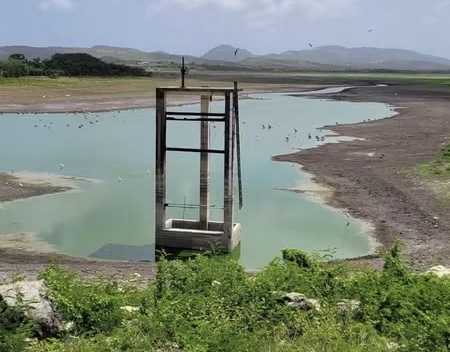
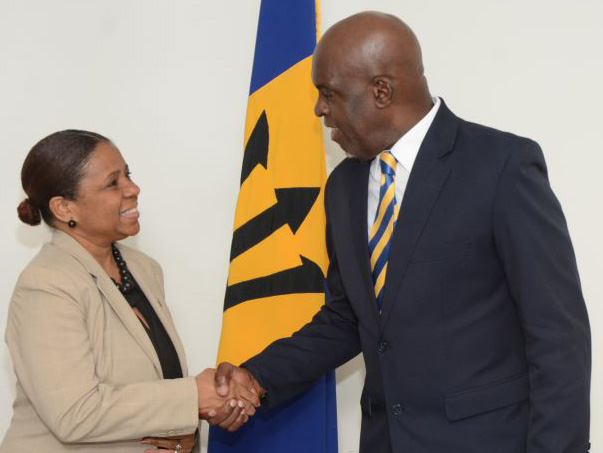
    As one of the world’s 15 most water-scarce nations, Barbados is moving forward with a transformative, multi-year upgrade of its crumbling national water network, backed by an $80 million investment from the Inter-American Development Bank (IDB). The funding agreement was formally signed Thursday, during Prime Minister Mia Mottley’s attendance at the International Monetary Fund and World Bank’s annual spring meetings in Washington D.C.

    This initial $80 million investment marks the first phase of a broader $200 million financing package the IDB approved in December 2025, designed to boost the resilience of Barbados’ potable water systems. An additional $4 million in grant funding is also earmarked for climate-focused components of the initiative, addressing growing climate-related pressures on the island’s water supplies.

    For decades, Barbados has grappled with persistent failures across its water infrastructure: ageing pipelines, rampant unaccounted-for water loss, and inconsistent service that has disrupted daily life for households and hindered operations for local businesses. Prime Minister Mottley emphasized the urgent need for this investment during the signing ceremony, noting that between 40% and 50% of all treated water pumped across the island is lost before it reaches end users, due to leaky, outdated infrastructure.

    “Water is at the centre of Barbados’ future economic development,” Mottley said, reframing the funding not as a loan, but as a critical investment in the country’s long-term resilience.

    The five-year program centers on a sweeping upgrade of Barbados’ water distribution network. Of the initial $80 million allocation, $55 million is dedicated to replacing roughly 100 kilometers of ageing, deteriorating water mains. Government data reveals that less than 5% of the island’s existing mains have been replaced to date, leaving the vast majority of the network prone to breakdowns and massive efficiency losses. An additional $20 million will target non-revenue water — the portion of water lost before reaching consumers — through modern leak detection technology, upgraded bulk metering, real-time system monitoring, and network sectorization, all designed to channel more treated water to households and businesses.

    Beyond physical infrastructure upgrades, the initiative also invests in strengthening the institutional and operational capacity of the Barbados Water Authority. A $2.5 million allocation supports institutional strengthening, including workforce training, updated planning tools, and enhanced monitoring systems aligned with the country’s long-term water management goals, specifically the national Water Resources Management Plan and Water and Sanitation Master Plan. Another $2.5 million is set aside for program execution, covering staffing, independent audits, ongoing monitoring and evaluation, and adherence to environmental and social safeguards.

    IDB projections estimate that once the first phase is complete, the program will improve water service reliability and continuity for more than 150,000 residents, and support over 2,000 local businesses — including key players in the island’s critical tourism sector. On a national level, all Barbadians will benefit from improved long-term water management systems and enhanced preparedness for ongoing climate-related water challenges.

    Mottley praised the IDB as a consistent, trusted partner to her administration, noting that the collaboration extends far beyond financing. “Since coming to government, the IDB has walked every step of this journey with us,” she said. “It is not just the financing. The technical assistance matters too, particularly at a time when the country must confront a very real skills deficit while still pushing ahead with urgency and purpose.”

    The Mia Mottley administration has framed the project as a fundamental shift in Barbados’ approach to water infrastructure. Moving beyond decades of piecemeal, reactive fixes, the program targets the root causes of the island’s water crisis to build a more sustainable, resilient system for future generations.

  • Mohameds hire Florida lawyer, objects to US Ambassador’s comments on case

    Mohameds hire Florida lawyer, objects to US Ambassador’s comments on case

    A high-stakes extradition battle centered on two Guyanese billionaire businessmen has taken a new turn this week, as the pair accused of multiple financial crimes by U.S. prosecutors have retained a prominent Florida-based international lawyer to defend their interests.

    Nazar “Shell” Mohamed and his son Azruddin Mohamed have been fighting U.S. extradition since an 11-count indictment charging them with wire fraud, mail fraud, and money laundering was unsealed in October 2025. This week marked the first confirmation that the pair has brought on a U.S.-based legal representative: Peter A. Quinter, an international law specialist and shareholder at the prominent Florida firm Gunster.

    For months, the Mohameds have focused their efforts on opposing extradition in Guyanese courts, with Azruddin Mohamed confirming to Demerara Waves Online News back in March 2026 that the legal team would not address the U.S. indictment until domestic proceedings are resolved. “We want to get this case here sorted out first and then we’ll think about that one over there,” he told the outlet at the time, adding that negotiations over U.S. legal representation had been ongoing for weeks.

    As of Wednesday, Quinter had not yet entered an official appearance in the U.S. court system for the case, but he has already moved to push back against recent public comments from U.S. Ambassador to Guyana Nicole Theriot. In a formal letter dated April 17, 2026, Quinter objected to remarks Theriot made during a recent interview on the SOURCES platform, arguing that a sitting U.S. ambassador should not comment on or attempt to influence active judicial proceedings in a host country.

    Last month, Theriot publicly defended the U.S. government’s extradition request, saying the decision to pursue the Mohameds was rooted in solid, irrefutable evidence. “We do it because we have hard, unequivocal evidence against a person. Why would we take on a case we don’t think we’re going to win? That’s just a waste of the US taxpayers’ money. So we firmly believe that they’re guilty of the crimes that they’re being indicted for,” she stated.

    Quinter countered that Theriot’s public declaration of the pair’s guilt violates both the Vienna Convention on Diplomatic Relations and the United Nations Universal Declaration on Human Rights. He reminded the ambassador that the Vienna Convention requires diplomatic mission heads to respect the domestic laws and judicial processes of their host country, noting that the extradition challenge is currently active before Guyana’s courts.

    The attorney also emphasized that the Mohameds, along with their company Mohamed’s Enterprise and all linked personnel facing prosecution in Guyana, are guaranteed the right to a fair trial under international human rights law. He specifically cited Article 7 of the Universal Declaration, which enshrines equality before the law and equal protection for all, and Article 10, which guarantees every person the right to a full, fair public hearing before an independent, impartial tribunal when facing criminal charges.

  • WATCH: Former NBA Superstar Shaquille O’Neal Thrills Fans in Antigua and Barbuda

    WATCH: Former NBA Superstar Shaquille O’Neal Thrills Fans in Antigua and Barbuda

    Basketball fans across Antigua and Barbuda got the experience of a lifetime this week, as legendary former NBA superstar Shaquille O’Neal made a highly anticipated public appearance on the twin-island nation. The four-time NBA champion, who remains one of the most recognizable and beloved figures in global sports long after his retirement from professional basketball, drew hundreds of excited supporters to the event, where he took time to greet fans, pose for photos, and share lighthearted stories from his iconic 19-year career in the league.

    Known for his larger-than-life personality on and off the court, O’Neal leaned into his reputation for approachability, interacting closely with attendees of all ages. Young local basketball players in attendance had the rare chance to meet one of the sport’s all-time greats, with many sharing their own career aspirations with the Hall of Famer, who offered encouraging words and advice. Local event organizers confirmed that the appearance far exceeded turnout expectations, with crowds gathering hours in advance to catch a glimpse of the star. Tourism officials in Antigua and Barbuda also noted that high-profile visits from global sports icons like O’Neal help boost the nation’s profile as a destination for high-profile events and celebrity travel, bringing positive attention to the islands’ recreational and tourism offerings. By the end of the public appearance, attendees left with lasting memories, and social media posts from the event quickly spread, generating even more excitement among O’Neal’s fanbase across the Caribbean region.

  • Caribbean initiative advances sweet potato production and genetic conservation

    Caribbean initiative advances sweet potato production and genetic conservation

    Across five Caribbean nations, a collaborative regional initiative focused on upgrading sweet potato cultivation and protecting critical plant genetic resources is hitting key milestones, bringing farmers, researchers, and agricultural authorities together under a shared framework for climate-resilient food production. The Next Generation Sweet Potato Production in the Caribbean Project, now in its fourth year of implementation, has built an expanding Community of Practice uniting stakeholders from Antigua and Barbuda, Barbados, Saint Lucia, Jamaica, and Trinidad and Tobago, with ongoing technical guidance from leading global agricultural experts. The project is led by the Inter-American Institute for Cooperation on Agriculture (IICA), in formal partnership with national agriculture ministries across three participating countries and the Caribbean Agricultural Research and Development Institute (CARDI).

    A core recent achievement of the initiative has been the completion of a comprehensive multi-session training program designed to build technical capacity among regional agricultural professionals. Delivered jointly with the International Potato Center (CIP), the program combined theoretical virtual learning and in-person field practicals, engaging 73 participants drawn from academic institutions, government technical agencies, and both public and private agricultural enterprises. The training curriculum centered on building proficiency in three key skills: accurate identification of distinct sweet potato varieties, formal classification of genetic variants, and standardized documentation of genetic accessions for long-term conservation. This training forms a foundational pillar of the project’s broader regional strategy, which aims to reinforce genetic diversity of sweet potato populations, upgrade regional seed distribution systems, and enhance the climate resilience of Caribbean sweet potato farming operations.

    Participants completed five interactive virtual modules that covered the 30 globally standardized descriptors used to differentiate key agronomic traits in sweet potatoes, ranging from leaf and vine morphology to root structure and nutritional characteristics. Following the virtual coursework, trainees applied their new knowledge in hands-on field exercises held across four participating countries, bridging the gap between academic learning and on-the-ground agricultural practice. In Antigua and Barbuda, national agricultural authorities have already documented 73 unique sweet potato genetic accessions through the project, with 19 additional improved varieties set to be introduced via collaboration with CIP to expand the country’s genetic resource base.

    Beyond technical training and genetic mapping, the initiative prioritizes long-term capacity building for regional agricultural workforces, equipping professionals with the tools to properly identify and preserve valuable plant genetic material for future use. For smallholder and commercial farmers across the region, the project supports adoption of improved, climate-resilient sweet potato varieties that deliver more consistent yields and better agronomic performance under changing climate conditions. When combined, these interconnected efforts are projected to significantly strengthen regional food and nutrition security, a critical priority for small island developing states across the Caribbean that face disproportionate climate risk.

    Funding for the initiative is provided by the Benefit-sharing Fund of the International Treaty on Plant Genetic Resources for Food and Agriculture, which is administered by the Food and Agriculture Organization of the United Nations (FAO), with additional financial backing from the European Union. As the project enters its fourth year, it continues to foster cross-border collaboration and knowledge sharing, working to establish a durable regional network focused on advancing sustainable sweet potato production across the Caribbean for decades to come.

  • Prescription Rules for Contraceptives Raise Access Concerns

    Prescription Rules for Contraceptives Raise Access Concerns

    Belize is facing a growing public debate over a new phased prescription mandate for general medicines, a policy that has placed oral contraceptive access at the center of tensions between health regulators and labor advocates.

    Announced on April 15 in a three-page official statement, the Pharmacists Association of Belize (PAB) confirmed it had reached an agreement with the country’s Ministry of Health and Wellness (MOHW) to roll out mandatory prescription checks for all general prescription medications over a 12-month transition period. Under the terms of the gradual rollout, current oral contraceptive users with valid existing prescriptions will face no immediate disruption to their access, allowing for continuity of care as the policy is implemented.

    The framework maintains clear limits on pharmacists’ scope of practice: pharmacy professionals are barred from initiating new contraceptive therapy for first-time users, and can only continue refilling prescriptions for patients who have previously obtained the medication through a licensed medical provider. All new patients seeking oral contraceptives are required to first complete a consultation with an authorized prescriber. The PAB emphasized that the transitional arrangement does not expand pharmacists’ clinical authority, nor does it allow pharmacy staff to take on the role of a licensed physician in prescribing or managing contraceptive care.

    The policy has drawn sharp pushback from Belize’s largest labor body, the National Trade Union Congress of Belize (NTUCB), which warns that the new requirements will create crippling barriers for women seeking timely, affordable birth control. The organization argues that three interconnected systemic flaws in Belize’s health landscape will undermine access: a persistent shortage of available gynecological services across the country, out-of-pocket costs for mandatory consultations that many low-income women cannot afford, and the burden on working women of taking unpaid time off work to attend required medical appointments. These barriers, the NTUCB says, will ultimately reduce access to contraception and delay critical reproductive care for many.

    Beyond blocking access for individual women, the NTUCB has labeled the policy a major regression for women’s reproductive rights and autonomy, calling on national policymakers to revise the framework to guarantee equitable access to reproductive health services. The group also raised urgent concerns about the policy’s impact on Belize’s already overstretched public health system: directing hundreds of new patients to public clinics and hospitals for routine contraceptive consultations will add unplanned strain to facilities already operating at capacity with high patient volumes, potentially disrupting care delivery for other unrelated medical needs.

    In response, health regulators have defended the prescription requirement as a critical patient safety measure. Authorities note that hormonal contraceptives carry well-documented health risks that require proper medical oversight before use, and mandatory pre-prescription consultations also create opportunities for providers to conduct broader preventive health screenings for patients. The PAB adds that the 12-month phased rollout is designed to give the public time to adjust to the new rules while bringing enforcement in line with existing national pharmaceutical regulations. During the transition period, pharmacists will also be allowed to continue refilling other chronic disease medications for established patients, as long as proper prescription documentation is maintained.

    Moving forward, the PAB confirmed that a standardized Oral Contraceptive Dispensing Protocol has been submitted to the MOHW for review, opening the door to potential future adjustments to the policy as stakeholders work through implementation challenges. The MOHW has also launched a full public review of Belize’s current list of over-the-counter medications, signaling that the contraceptive policy change is part of a broader reassessment of national pharmaceutical regulation and drug access across the country.

  • World Health Organization Favors Easier Access to OTC Birth Control

    World Health Organization Favors Easier Access to OTC Birth Control

    For decades, global reproductive health advocates have pushed for expanded access to contraception, and one of the most prominent global health bodies has laid out a clear stance on the issue. Back in its 2019 Consolidated Guideline on Self-Care Interventions for Health focused on sexual and reproductive health and rights, the World Health Organization (WHO) formally issued a bold recommendation: oral contraceptive pills (OCPs) should be available directly to users without the requirement of a doctor’s prescription.

    This classification marks a strong, formal recommendation from WHO, even though the organization openly acknowledges that the supporting clinical evidence carries a very low certainty rating. In justifying this unusual position, the guideline’s development group explained that after careful review, the measurable benefits of expanded access far outweigh the potential harms documented in existing research. This outcome showcases the nuanced approach WHO takes to developing public health guidance, rather than rigidly relying only on the strength of randomized clinical trial data. Experts weigh a wide range of critical factors that extend beyond lab results, including equity of access, real-world feasibility of implementation, and the stated values and preferences of people who use contraceptives regularly.

    Through this framework, WHO concluded that removing the prescription barrier to OCPs delivers meaningful public health gains, especially in low-resource regions and communities where formal healthcare services are already out of reach for many. Key benefits include a projected drop in unintended pregnancies and improved long-term maternal health outcomes. The guidance does not dismiss clinical safety needs, however: it notes that medical eligibility screening remains ideal for first-time users, acknowledging that people with pre-existing underlying health conditions may require targeted clinical evaluation before starting contraception.

    WHO’s position is not an isolated stance, but aligns with a growing global shift toward expanding contraceptive access. A 2022 analysis published in the WHO Bulletin examined contraceptive regulatory frameworks across 30 nations, revealing that formal, government-endorsed over-the-counter access systems remain extremely rare. The study found that only four of the 30 surveyed countries had officially added OCPs to their national over-the-counter medication lists, despite widespread informal access outside of formal regulatory rules in many more regions. The research’s authors urged nations to create clear regulatory pathways to reclassify OCPs from prescription-only to over-the-counter status, arguing that this change will drive better access and improved population health outcomes. The study also highlighted a persistent gap between written policy and on-the-ground practice: in most countries, people already access oral contraceptives without formal prescriptions on a regular basis, so aggressive enforcement of outdated prescription-only rules would only disrupt consistent access for current users.

    Both the original WHO guideline and supporting research take a deliberately balanced approach to the issue, acknowledging valid concerns alongside demonstrated benefits. Beyond the well-documented gains of easier access, greater convenience, increased privacy, and enhanced reproductive autonomy, the guidance also outlines clear potential risks. These include the need for users to conduct their own medical eligibility self-assessment, the small risk of misuse without targeted clinical guidance, and the potential for increased out-of-pocket costs for users in healthcare systems where prescription medications are subsidized but over-the-counter products are not. Even with these acknowledged trade-offs, WHO’s final conclusion remains unchanged: expanding over-the-counter access delivers a net public health benefit, particularly in communities where structural barriers to routine healthcare are already severe.

    Against this global consensus, one country has recently moved in the opposite direction. In an April 15, 2026 public statement, the Pharmacists Association of Belize (PAB) confirmed that it would implement new restrictive rules for OCP distribution. Under the new policy, created in close coordination with Belize’s Ministry of Health and Wellness, only current users who have previously obtained OCPs with a valid prescription will continue to be able to access them. All first-time new users are now required to get a new prescription from a licensed healthcare provider before they can obtain oral contraceptives. The policy is being rolled out through a 12-month phased enforcement of long-standing but previously under-enforced prescription requirements.

    The move has already drawn sharp pushback from local advocacy and labor groups. The National Trade Union Congress of Belize (NTUCB) is among the most prominent critics, arguing that the new prescription requirement will create unnecessary access barriers for working women with limited time and resources to attend doctor’s appointments. The group also notes that the added requirement will place new, unneeded strain on Belize’s already overburdened public healthcare system, which is already struggling to meet existing patient demand.

  • Suriname en Dominicaanse Republiek versterken banden

    Suriname en Dominicaanse Republiek versterken banden

    In a significant step to deepen cross-national ties, Suriname and the Dominican Republic have locked in concrete agreements to expand collaboration across a range of key strategic sectors, following high-level bilateral diplomatic talks held in the Dominican capital of Santo Domingo. The discussions were led by Suriname’s Minister of Foreign Affairs, International Trade and Cooperation Melvin Bouva, who met with his Dominican counterpart Roberto Álvarez on Wednesday. Bouva was joined on the working visit by Raymond Landveld, Suriname’s Minister of Transport, Communication and Tourism.

    The two sides centered talks on strengthening long-standing diplomatic relations and unlocking new mutual economic and social benefits through targeted cooperation across priority sectors. These areas span tourism, education, trade, direct investment, agriculture, transport connectivity, climate action and sustainable energy development.

    During the negotiations, Bouva highlighted the emerging opportunities created by Suriname’s growing oil and gas sector, noting that the expanding industry opens new pathways for joint economic collaboration and cross-border infrastructure development that can benefit both nations. The ministers also pointed out the natural complementarity of the two countries’ tourism industries, a sector that has rebounded strongly globally post-pandemic and offers immediate gains for shared growth.

    Beyond bilateral initiatives, the two leaders emphasized the critical importance of aligned cooperation within regional and international multilateral frameworks, particularly as the world grapples with interconnected global challenges including economic volatility, climate change, and uneven development. Talks also covered a range of shared priority issues: sustainable development, national food security, job creation, and global poverty reduction, all of which were addressed in depth during the formal sessions.

    The diplomatic meeting concluded with the signing of a binding Joint Communiqué, which formally codifies all key agreements and shared intentions for advancing future cooperation between the two Caribbean nations. Beyond the official governmental talks, Bouva held a series of working meetings with representatives from the Dominican private sector, regulatory authorities across tourism, trade, energy and transport, and leaders from ProDominicana, the country’s national investment promotion agency. The agency will partner with the Suriname Investment and Trade Agency to drive forward next steps, with a shared goal of stimulating increased two-way investment and expanding business-to-business connections between enterprises from both countries.

    The visit also laid critical groundwork for an upcoming official visit to the Dominican Republic by Jennifer Simons, President of the National Assembly of Suriname. Bouva concluded his visit and departed for Suriname on Thursday 16 April, traveling on the inaugural flight of Sky High Dominicana, a new air service that will launch a weekly direct flight route connecting Santo Domingo, Dominican Republic, to Paramaribo, Suriname. The new air link is expected to boost tourism, business travel and people-to-people connections between the two nations immediately.

  • “Busgeddon” Looms as Bus Operators Threaten Nationwide Shutdown

    “Busgeddon” Looms as Bus Operators Threaten Nationwide Shutdown

    Belize’s public transit network is on the brink of a total shutdown, with industry leaders warning that thousands of buses could be pulled from roads across the country as early as next Monday if the national government does not address urgent industry demands. The Belize Bus Association (BBA), the group representing the majority of bus operators nationwide, has issued a formal ultimatum that hinges on immediate government intervention to resolve a growing financial crisis driven by skyrocketing fuel costs.

    BBA President Philip Jones laid out the dire financial reality facing operators in a press statement, explaining that relentless increases in diesel prices have flipped daily operations from marginal profit to consistent loss for most service providers. Independent small-scale operators, who make up a large portion of Belize’s bus network, confirm that fuel costs now consume the single largest share of their monthly operating revenue, leaving little to no room for vehicle maintenance, insurance, or driver wages.

    To ease the financial strain, the BBA has put forward three potential policy solutions to the government: temporary fuel tax relief, targeted operating subsidies for small operators, and a controlled adjustment to passenger fares. As of press time, none of these proposals have received official approval from government bodies, and no formal negotiations have been scheduled to address the association’s concerns.

    Jones emphasized that operators have no desire to disrupt public service or inconvenience commuters. “We don’t want to strike. We don’t want to discontinue service,” he stated, doubling down on a call for Belize’s Minister of Transport to meet directly with operator representatives to find a mutually acceptable solution. Still, he warned that without urgent action, the country will face a systemic disruption he has dubbed “busgeddon” – a shutdown far more disruptive to daily life than many commuters and officials currently anticipate.

    If the BBA follows through on its threat, the impact will be felt immediately by tens of thousands of commuters across Belize, from daily work travelers to students and families relying on affordable public transit to access essential services. With less than a week remaining before the proposed shutdown date, both government and industry stakeholders are facing growing pressure to reach a last-minute compromise.

    Local outlet News 5 plans to air a full in-depth report on the unfolding crisis, including detailed breakdown of operating cost data and interviews with representatives from both the BBA and government transport officials, during its 6 p.m. News 5 Live broadcast tonight.

  • Second Teen Death Under Investigation Near Port Loyola

    Second Teen Death Under Investigation Near Port Loyola

    Residents of Port Loyola, a coastal neighborhood in Belize City, are grappling with growing fear and insecurity after law enforcement was called to the area over the weekend to recover an unidentified body found washed up along the shoreline. This discovery marks the second suspicious death in the exact same general region within just seven days, a pattern that has shaken the tight-knit local community.

    Initial unofficial reports from law enforcement indicate the newly discovered body is likely that of 17-year-old Alwin Marin Jr., who had not been publicly reported missing prior to the find. The corpse was located in a cove southwest of Port Loyola, just a short distance from the spot where the body of 19-year-old was recovered last week. That first death has already been classified as a homicide, and investigators launched an active murder probe following the discovery.

    Complicating the ongoing investigation and amplifying community anxiety is the fact that a teenage person of interest connected to last week’s homicide has disappeared in the days since the first body was found. This coincidence has sparked widespread speculation among local residents that the two deaths and the disappearance may be linked, but law enforcement officials have stressed that no official connection has been confirmed at this stage of the probe.

    As of the latest update, formal identification of the newly recovered body has not been completed. Investigators are still processing physical evidence collected from the coastline, and are awaiting full forensic autopsy results to confirm the identity of the deceased and determine an official cause of death.

    Law enforcement has confirmed that parallel investigations into both the recent discovery and last week’s homicide remain active and ongoing. Investigators are working methodically to piece together the timeline of events leading up to both deaths, and to clarify whether any connection exists between the two incidents. In the meantime, police have issued a public advisory urging all Port Loyola residents to remain alert to unusual or suspicious activity in the area, and to contact law enforcement immediately with any information that could aid the investigation.

  • Bus Owners Threaten Strike Over Fuel Costs

    Bus Owners Threaten Strike Over Fuel Costs

    Belize is bracing for a potential widespread disruption to its public transit system next week, after the Belize Bus Association (BBA) issued a formal warning that its member operators could halt all services nationwide starting April 20, 2026. The strike threat comes as escalating fuel costs have pushed the country’s bus operators to the breaking point, with industry leaders describing current expenses as unmanageable for small business owners operating on razor-thin margins.

    For weeks, bus operators have lobbied the Belizean government for emergency relief measures to offset skyrocketing fuel bills. The BBA put forward three targeted policy proposals: removing the General Sales Tax (GST) on key inputs including fuel, tires, and bus replacement parts; rolling out a temporary fuel subsidy to cover incremental cost increases; and approving a regulated fare hike that would let operators pass a portion of higher costs to passengers. All three requests were rejected by government officials, who have advised operators to hold out for a potential decline in global oil prices instead.

    That advice has fallen flat with the BBA, which says waiting for international market shifts is not a viable solution for local businesses already struggling to stay open. Bus owners note that the industry has long operated on extremely narrow profit margins, and recent consecutive fuel price increases have completely erased the small earnings that keep their operations running. Unlike larger transit systems in bigger economies, Belize’s bus network is made up largely of small independent operators with very limited financial buffers to absorb unexpected cost shocks.

    For thousands of Belizeans across the country, public buses are not a secondary transportation option — they are the primary mode of travel for daily life. Students rely on buses to get to classes, working commuters depend on them to reach their jobs, and residents of isolated rural communities have no other affordable way to access hospitals, grocery stores, and other essential services. A full national shutdown would send ripples across nearly every sector of daily life, leaving vast swathes of the population stranded without viable transit alternatives.

    The current fuel price crisis in Belize is not an isolated issue. It stems from persistent volatility in the global oil market, driven by ongoing international geopolitical tensions and lingering global supply chain concerns. This pressure has impacted transport sectors across the Caribbean and Central America, but industry representatives note that small, open economies like Belize are far more vulnerable to sudden price swings than larger nations with more diversified industrial bases.

    To date, the Belizean government has shown no indication that it will reverse its rejection of the BBA’s proposals. Formal talks between association leaders and government officials are scheduled to continue in the coming days, but with the strike deadline just days away, there is no clear path to a last-minute resolution. Commuters across the country have already been advised to make alternative transit arrangements in case an agreement is not reached before next Monday, leaving the nation in a state of uncertainty over the future of its public bus network.