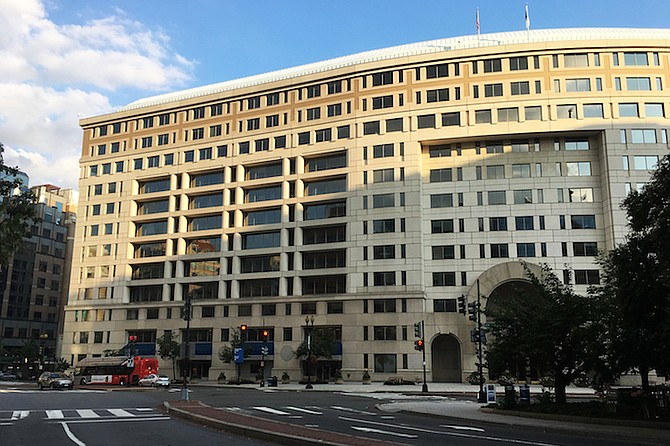
A groundbreaking 2026 study conducted by the Inter-American Development Bank (IDB) has pulled back the curtain on a crippling housing affordability crisis facing low- and middle-income households across The Bahamas, particularly on the island of New Providence. The analysis, led by a team of five researchers, places the nation’s housing market among the least accessible in the world, with devastating implications for the country’s largest workforce segment tied to tourism and hospitality.
At the core of the report’s findings is New Providence’s house price-to-income ratio, a key metric that compares residential real estate costs to local earnings. For 2024, the index hit a staggering 141:1 – a figure that outpaces every major developed economy and regional bloc measured. By global comparison, the Organisation for Economic Co-operation and Development (OECD) recorded an average ratio of 116:1, the European Union stood at 105:1, the United States at 131:1, and even Canada, the closest comparator, only reached 137.1:1. The IDB confirms that this puts formal home ownership firmly out of reach for most working Bahamians, a gap that has been repeatedly flagged by global bodies including the International Monetary Fund in previous analyses.
Digging into the tangible barriers for aspiring homeowners, the study uses 2024 sales data to set the median home price on New Providence at $460,000. Even excluding value-added tax (VAT) that applies to most property transactions, the IDB calculates that buyers need an upfront cash reserve of $66,700 to cover down payments, legal fees, bank commitment charges, and stamp duty – a threshold that is out of step with local savings levels. Data included in the report shows that 87.1% of local bank accounts hold total Bahamian dollar balances of $10,000 or less, accounting for just 5.3% of the total value of all deposits. For most working residents, accumulating the required cash would require years of aggressive saving, with lenders reporting that typical preparation timelines stretch to five or six years even for motivated savers.
The gap between earnings and mortgage requirements is most stark for workers in the Bahamian tourism and food service sector, the backbone of the national economy. Calculations based on a conservative 4.5% mortgage interest rate amortized over 25 years show that a $460,000 home requires a monthly mortgage payment of $2,550. To meet the Central Bank of The Bahamas’ mandatory 45% debt-service ratio requirement – which caps total monthly debt obligations at 45% of gross income – buyers need a total monthly income of roughly $5,667. However, the average monthly wage for accommodation and food service workers is just $2,176, leaving a gap of nearly $3,500 per month. Even with no existing consumer debt, the average hospitality worker earns less than 38% of the total monthly income required to qualify for a median mortgage on New Providence. For workers already carrying consumer debt, the gap grows even wider, pushing home ownership out of reach entirely for most.
Counterintuitively, the crisis has not been driven by out-of-control price growth or soaring financing costs. The IDB confirms that over the past decade, New Providence residential price increases have aligned with international norms, and mortgage interest rates have actually declined over that period. Instead, multiple structural factors have combined to worsen affordability: declining land use density in the Greater Nassau area that pushes up prices, growing housing demand driven by population growth and post-disaster displacement, and shrinking housing supply caused by aging existing properties falling into disrepair, rising vacancy rates, and stagnant new home construction.
As formal housing becomes unattainable, more low- and middle-income Bahamians are turning to informal coping mechanisms that raise regulatory and safety concerns. Many are converting single-family properties into unpermitted multi-family dwellings to share costs, while a growing share of new construction is owner-driven and completed without full building permits or certificates of completion, opening gaps in compliance with housing and zoning rules.
To reverse the worsening crisis, the IDB calls for sweeping policy and regulatory reform targeted at boosting housing supply, improving stock quality, and reducing barriers to access. Key recommendations include revising legal frameworks to facilitate mixed-use development, multi-family housing, and urban regeneration, which would encourage planned densification of already developed areas in Nassau through in-fill construction. The report notes that these reforms would align with ongoing efforts by the Ministry of Housing and Urban Renewal, which has already started acquiring and repurposing vacant and derelict inner-city properties. The IDB further proposes that the Urban Renewal Authority expand this work by acquiring multiple adjacent properties, including delinquent properties held by commercial banks, to create large enough parcels to attract private development partners. Over time, the report argues, these coordinated changes could reverse the trend of declining land use density and expand access to affordable formal housing for working Bahamians.