作者: admin

  • Column: We staarden naar onze morgen

    Column: We staarden naar onze morgen

    By Nita Ramcharan
    September 22

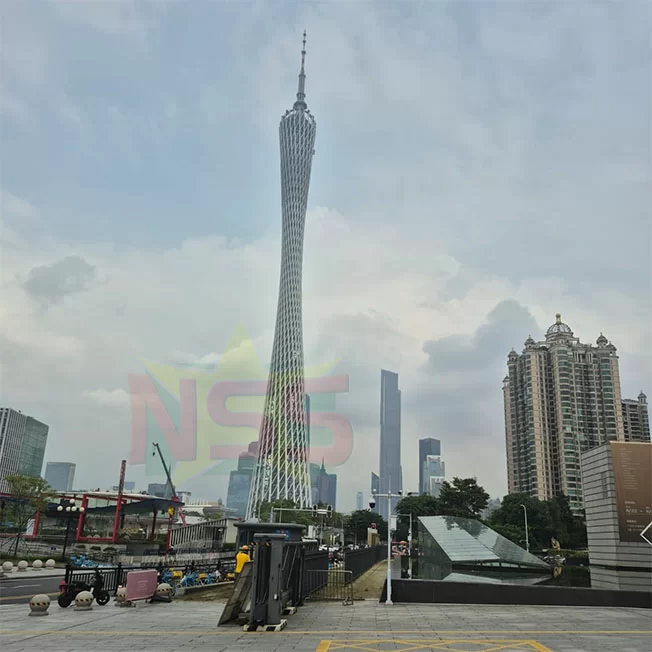
    Beijing sits 11 hours ahead of Suriname. When the capital Paramaribo is still wrapped in nighttime sleep, China has already entered its next working day. For a 10-person delegation of Surinamese journalists on a seven-day tour across China, this time difference quickly gained a far deeper meaning than a simple shift in clocks. More than just traveling 11 hours ahead of our home schedule, it often felt as though we had jumped decades forward into the future.

    China overwhelms first-time visitors with the sheer scale and pace of its progress. This transformation is visible everywhere: in world-class infrastructure, cutting-edge digital technology, thoughtful urban planning, high-speed rail networks that connect the country in hours, industrial robots, and widely deployed artificial intelligence. Above all, what stands out is that this is a nation that does not merely discuss technological advancement – it actively implements it, even in industries as familiar to us as media.

    For our group of working journalists, seeing the tools Chinese newsrooms use on a daily basis was a fascinating, eye-opening experience. Top-tier camera equipment, professional audio and lighting systems, mobile camera dollies integrated with teleprompters, and even AI tools already integrated into daily content production and presentation are standard now. These are tools that many of us in Suriname have only dared to dream about for the future of journalism, yet they are already in everyday use across China.

    Take Shanghai as one striking example. When you stand along the Bund at night and gaze across the Huangpu River toward the Pudong district, you are greeted by a scene that feels almost like stepping into a fairytale. On one side of the river stand the well-preserved historic colonial buildings of the Bund, and on the other rises a futuristic skyline of glass and steel skyscrapers. Light, innovative architecture, and technology merge to create a view that leaves you speechless. As we stood watching, it felt less like we were looking at tomorrow and more like we were glimpsing what the world will look like in 2050.

    This same sense of awe struck me when visiting large-scale infrastructure projects that integrate cutting-edge engineering. The Shenzhen-Zhongshan Link, for instance, is a 24-kilometer transport corridor combining two bridges, an undersea tunnel, and two artificial islands spanning the Pearl River estuary. The project cut travel time between the two major cities of Shenzhen and Zhongshan from roughly two hours down to just 30 minutes.

    Projects of this scale do not materialize from a spontaneous decision to build a bridge one morning. They require years of long-term vision, careful strategic planning, advanced scientific research, world-class engineering, significant investment, and above all, consistent political commitment to see the project through to completion.

    Of course, China is not some perfect fairy tale from *One Thousand and One Nights*. There are well-documented discussions to be had about human rights, the status of dissenting voices, press freedom, and restrictions on social media platforms. Not every policy China pursues deserves admiration, and certainly no country should simply copy every model China has implemented. But anyone who only focuses on these criticisms and refuses to acknowledge the extraordinary progress China has achieved in other fields does themselves a disservice. The reality of the 21st century is that the world can no longer ignore China’s role in global affairs.

    What this tour made even clearer is that true development is never just a matter of money. Of course, large investments are required to build bridges, roads, schools, hospitals, and digital infrastructure. But money without a clear, long-term national vision will never drive real, lasting change for a society. And that is where the story turns back to Suriname.

    Suriname has recently established a broad National Development Platform tasked with drafting a national development vision extending to 2050. This initiative cannot be allowed to become just another plan that, after endless meetings, grand speeches, and thick published reports, ends up gathering dust on a shelf. How many multi-year development plans, vision documents, and future strategy reports have we written over the past decades? We have poured countless hours and significant public funds into these efforts. Now, we are once again investing heavily in developing a new national plan.

    This is why the current effort must deliver more than just paper reports. Suriname can no longer afford to restart the entire development process from scratch every time there is a change in government. It is natural and democratic for different administrations to have different political priorities and ideological orientations. But the fundamental long-term development direction of a nation cannot shift completely every five years.

    We need to answer critical questions that will shape our future: Where do we want Suriname to stand in 2050 when it comes to education, healthcare, energy access, agriculture, housing, infrastructure, and urban planning? What role will we carve out for technology, automation, and artificial intelligence in our economy? And most importantly, how do we prepare our children for a world that is changing faster than many of us fully comprehend? These questions grow even more urgent now that Suriname stands on the cusp of significant new oil and gas revenue. The biggest mistake we could make would be to assume that oil revenue will automatically generate widespread development. It will not. Without a clear, shared long-term vision, even billions of dollars in new revenue can disappear without delivering lasting progress.

    The outbound flight to Beijing via Amsterdam’s Schiphol Airport took more than 28 hours, and the return flight, which lasted nearly 37 hours, was a grueling experience. Several members of our delegation, including myself, were not allowed to leave Schiphol during our layover. Even a 24-hour transit visa proved impossible to arrange, despite high-level efforts to secure it. We were unable to meet family members who live less than half an hour from the airport, which left many of us frustrated. But we returned home safely, tired after the long journey, but our minds full of new ideas and perspectives.

    The biggest lesson China taught us on this trip is what long-term strategic thinking can achieve. Suriname does not need to become China – that is not possible, and it is not something we should want anyway. Our national scale, history, social fabric, and democratic traditions are fundamentally different. China itself has lived through a turbulent history of dramatic transformation, yet it still actively preserves and celebrates its centuries-old cultural heritage. That may be another key lesson for us: moving forward does not require forgetting where we came from.

    Standing on the Bund in Shanghai, a group of Surinamese journalists stood among thousands of glittering lights, gazing out at a world that felt almost unreal. Beijing and Shanghai are 11 hours ahead of Paramaribo on the clock, but the gap in development felt far larger. We did not just travel to another country – we got a glimpse of the future that awaits Suriname, too. Now, the only question that remains is: how many years will it take us to catch up?
  • Matawai-gezag legt interne geschillen bij na verontschuldigingen

    Matawai-gezag legt interne geschillen bij na verontschuldigingen

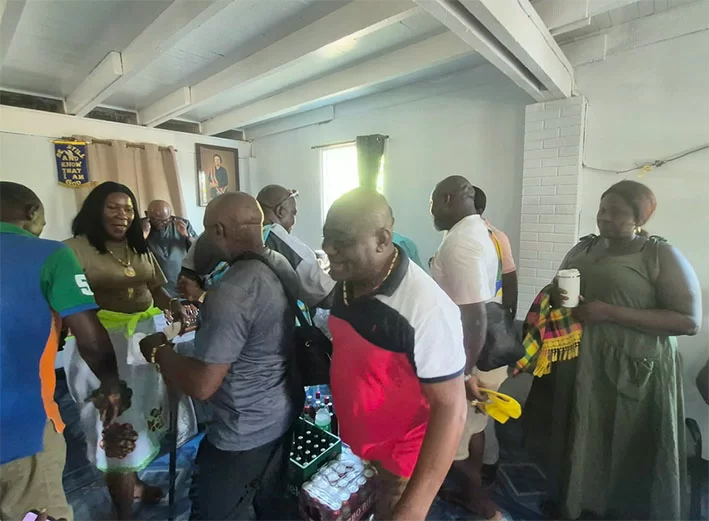
    A long-simmering internal rift within the traditional leadership structure of the Matawai community has been formally resolved, following an intensive, hours-long mediation session held on Sunday. The conflict, which pitted Granman Lesly Valentijn, the community’s paramount leader, against a group of junior traditional leaders including several kapiteins (village captains) and basja’s, ended with the critical faction issuing a formal apology to Valentijn at his official residence.

    The mediation gathering, known locally as a krutu, drew participation from traditional leaders representing villages across both the upper and lower regions of Matawai territory. According to official statements from the Matawai traditional governance body, the public comments several of the dissident leaders made earlier targeting Granman Valentijn went beyond constructive criticism. The remarks were widely deemed inappropriate and disrespectful to the community’s highest traditional authority, creating growing tension across the governance structure.

    To address the rift, the involved kapiteins and basja’s traveled to Valentijn’s residence to open direct dialogue and clear the air. After multiple hours of deliberation and discussion, Granman Valentijn formally accepted their apologies, bringing the public dispute to a close. The leadership body confirmed that all outstanding tensions related to the conflict have been settled.

    In remarks following the resolution, Valentijn emphasized that such public division must not be allowed to happen again. He noted that disrespectful public speech targeting traditional leadership does not only damage working relationships between governance members, but also sends a misleading and destabilizing message to the broader Matawai community.

    Despite the recent tensions, Valentijn reaffirmed his commitment to collaborative work with all traditional leaders across the territory. He called on kapiteins, basja’s and all community members to prevent small disagreements from escalating into permanent division within the Matawai people.

    “Only through unity, mutual respect and collective cooperation can our Matawai community move forward and advance the sustainable development of our land,” Valentijn stressed during the closing of the krutu. He added that meaningful progress for Matawai territory can only be achieved when traditional leadership and all community subgroups work in lockstep toward shared goals.

    The Sunday mediation session was also attended by two outside observers and facilitators: Ruth Beely, the local district commissioner, and Raoul Abisoina, who serves as a senior advisor to Granman Valentijn.

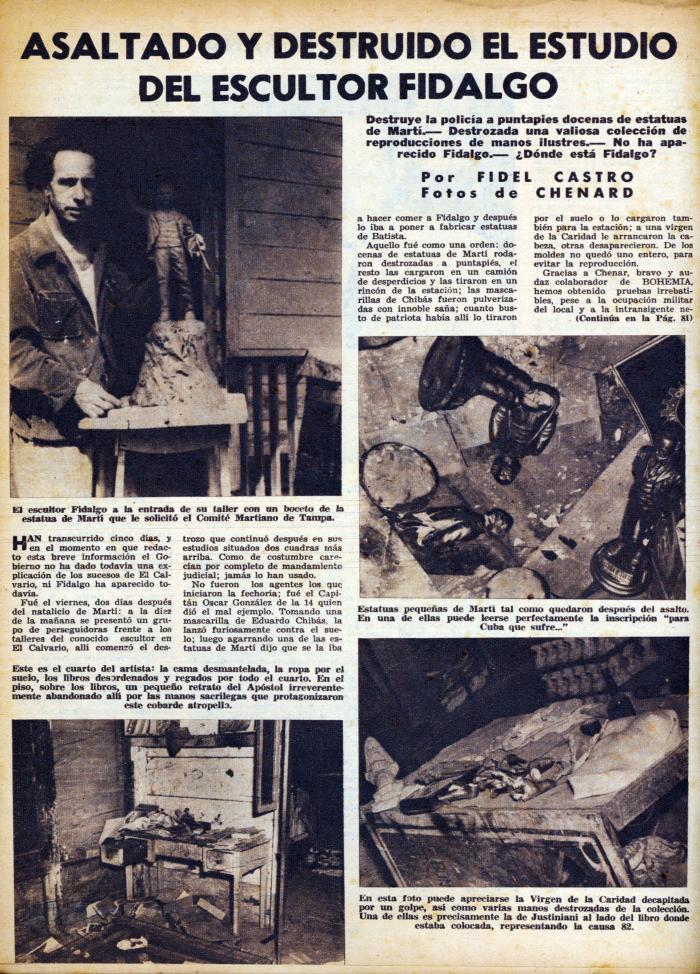
  • “Sculptor Fidalgo’s studio raided and destroyed”

    “Sculptor Fidalgo’s studio raided and destroyed”

    Havana, February 8, 1953 — Five days have passed since an unprovoked, brutal raid on the Havana art studios of Cuban sculptor José Manuel Fidalgo Rodríguez, and the sitting Batista administration has yet to issue any public explanation for the attack. What is more troubling: the sculptor himself has not been seen since the incident, leaving the Cuban public growing more alarmed by the hour over his fate. This scathing public denunciation, originally penned by Fidel Castro Ruz for publication in *Bohemia* magazine, lays bare the full details of the regime’s crackdown on dissident expression through art.

  • Through a child’s eyes

    Through a child’s eyes

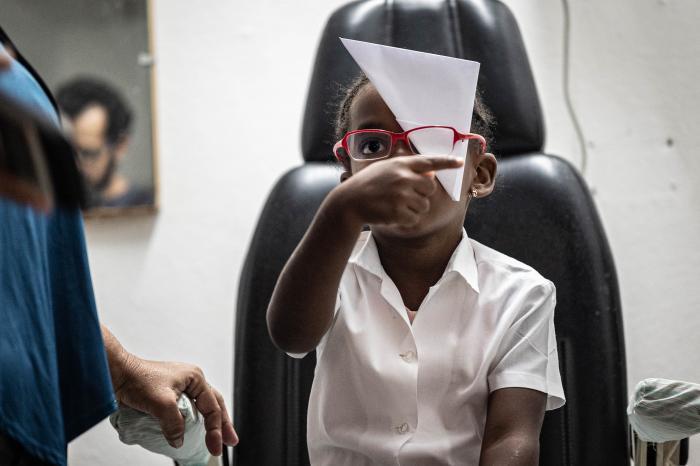
    On a dim Monday morning just after 10 a.m., soft chatter echoes through the halls of Flor de la Revolución, Cuba’s leading special education school for young children with visual impairments. Inside a classroom, a teacher sits cross-legged on the floor surrounded by six young students, each at different stages of vision impairment: some wear thick corrective lenses, others have one eye covered in therapeutic gauze, and all wait for next steps in care that remain out of reach for too many.

    This morning, the power is working, but that is never a guarantee. When outages hit, the naturally dim indoor light is insufficient for children with limited vision, so lessons are moved outdoors to the school courtyard, where sunlight offers just enough visibility to continue learning.

    Standing barely a meter tall, a young boy in thick blue glasses can barely make out the shapes of letters and numbers on a page, yet he speaks enthusiastically of the sun, the moon, and the world he hopes to explore. He is one of more than 80 students at the school who need annual replacement of their corrective glasses — a basic need the institution cannot meet due to the long-standing economic blockade against Cuba. The full cost of these essential vision devices now falls directly on already stretched family budgets, forcing parents to source them at exorbitant prices from international sellers.

    Founded specifically to serve visually impaired children across six municipalities of Cuba’s capital, Flor de la Revolución does more than deliver standard primary education. Its core mission is to integrate corrective vision therapy into every activity, with the goal of helping children improve their sight enough to transition into mainstream public schools. Serving students aged 3 to 9, the school has adapted its curriculum to smooth this transition: this academic year, students attend in-person classes at the special school Monday through Thursday, then spend Fridays at their local neighborhood primary schools to build familiarity with mainstream learning environments.

    When critical commercial and medical resources became unavailable due to external constraints, the school’s teaching staff stepped in to craft their own learning and therapeutic materials from whatever limited supplies they could source. What once was exclusively done in a fully equipped on-site ophthalmology clinic now happens daily in regular classrooms. Children cut, tear, lace, and color with thick, bold primary-colored crafts designed to strengthen and focus their vision — turning simple play into life-changing therapy.

    Today, the original diagnostic ophthalmology equipment is obsolete. Chronic resource shortages, worsened by the blockade, have left the school without stable electricity, basic medical supplies, adhesive tape, gauze, and even the pupil-dilating drops required for routine eye checks, affecting all 230 children enrolled at the institution. Before the COVID-19 pandemic, local polyclinics often provided supplies and specialist care for occlusion therapy that helps rehabilitate underdeveloped eyes, and on-site staff could repair broken glasses quickly. But in the years since, ongoing blockade restrictions have erased that support. Even when generous families donate what they can, the school cannot sustain consistent, high-quality rehabilitative and educational services.

    Yet staff and families refuse to surrender to the shortages. “At Flor de la Revolución, we have broken down every barrier,” says primary school teacher Yanisel Santana. “Teachers strive every day to ensure our children receive instruction, that their psychological development stays on track, and that they are fully prepared to face new challenges when they move to mainstream primary school.”

    Out in the courtyard, where student buses often fail to arrive due to national fuel shortages, two mothers wait to pick up their children. Yunelis León, mother of student Vanessa, says: “We face so many challenges in keeping their education going. But we’ve managed to move forward with limited resources. My daughter is very happy here.” When fuel shortages completely halt bus service, the school adapts: staff create WhatsApp groups for each class, send home customized therapy and learning activities for families to complete, and review the work once service resumes.

    Shortages even touch the school kitchen, where staff now cook all meals over an open wood fire — a far cry from commercial kitchen infrastructure, but one that the team has mastered to feed 230 students and 48 staff members every day. Despite the extra work, breakfast and lunch are always served on time. Because as the school’s leadership puts it, one thing can never be blockaded: the unbreakable determination of a team that has learned to create light for its children with its own two hands.

    Summing up the school’s shared hope, the staff says: “Ideally, we would have all the resources needed so that our children wouldn’t face so many difficulties in life. There would be more time for teaching — time for teachers to prepare and for students to be even more joyful than they already are. Despite the challenges, we always welcome them with a smile. There is nothing more beautiful than that.”

  • ‘Yuh Good’ – seven polyclinics now offer adolescent healthcare

    ‘Yuh Good’ – seven polyclinics now offer adolescent healthcare

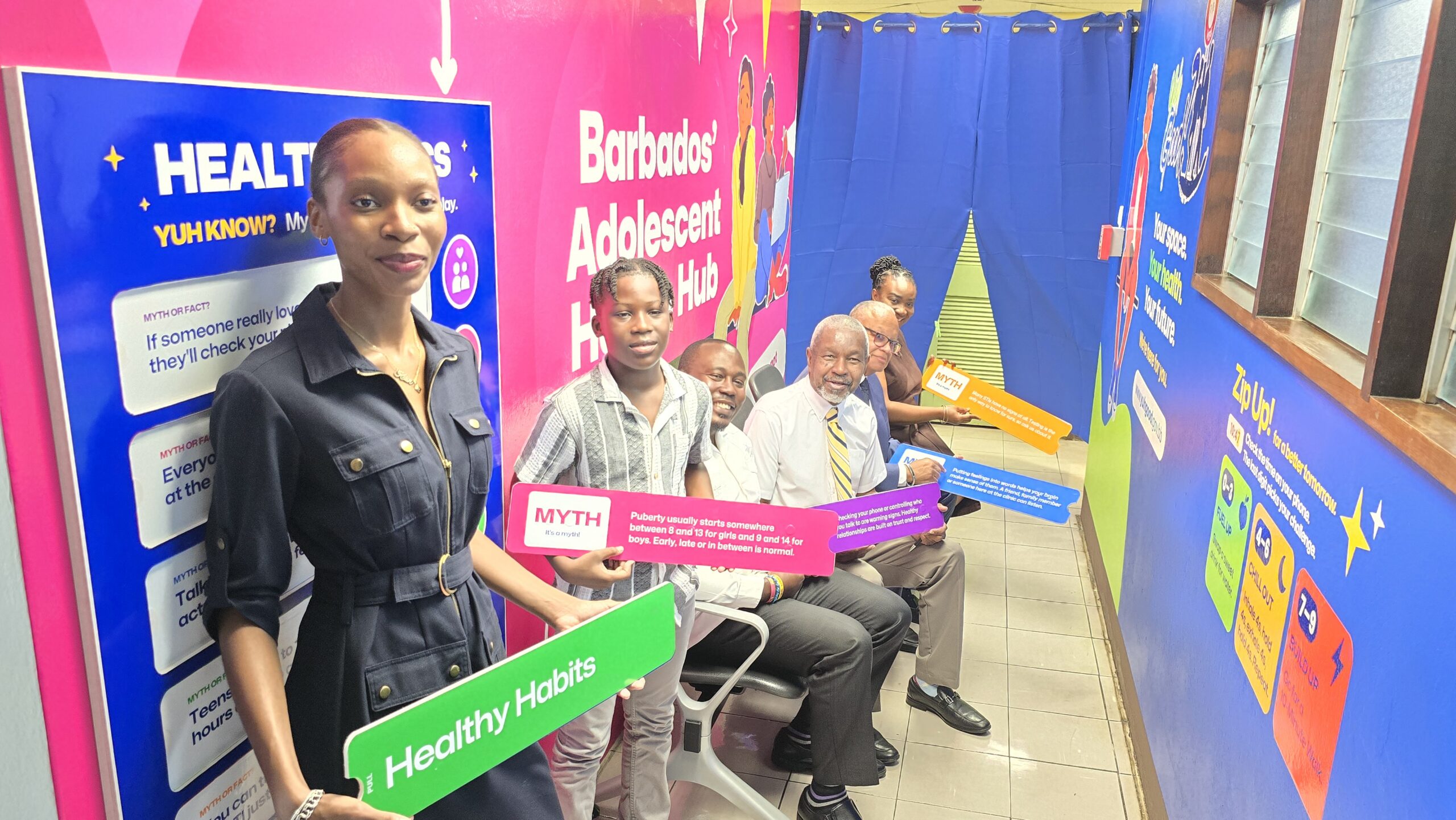
    Barbados is taking a major step forward in prioritizing adolescent health, officially rolling out the comprehensive Yuh Good programme and its dedicated official website yuhgood.gov.bb from Monday, expanding specialized youth health services to seven of the island nation’s nine public polyclinics.

    The initiative, designed to serve young people between the ages of 10 and 19, addresses a full spectrum of health needs that are often overlooked in general care settings. Services range from treatment for physical injuries, infectious and chronic non-communicable diseases, and sexual and reproductive health care to specialized support for mental health challenges, self-harm risk, and substance use disorders.

    Speaking at the official launch event held at the Frederick Miller Polyclinic in St George’s The Glebe, Minister of Health Davidson Ishmael framed the rollout as a critical milestone for the country’s public health system, marking years of coordinated planning and investment in youth wellbeing. The programme traces its origins to 2025, when Barbados’ Cabinet approved and allocated full funding for the two-year Barbados Adolescent Health Action Plan 2025–2026. This initial framework aligns with the broader 10-year Barbados National Adolescent Strategic Plan, developed in partnership with the Pan American Health Organization (PAHO) to systematically address the unmet health needs of the country’s youth population.

    To ensure consistent, high-quality care across all sites, a multidisciplinary national adolescent health working group was convened to develop official care standards for service delivery. “These standards provided the framework for the implementation of the adolescent health clinics at our polyclinics,” Ishmael explained. Specialized adolescent health services were first piloted at three polyclinics – Eunice Gibson, Randall Phillips, and Winston Scott – in 2025. Early data from the pilot phase shows that 111 adolescents accessed care during the initial rollout, 67 percent of whom were between 15 and 19 years old. Of those patients, 60 were referred for additional specialized care: 32 referrals (53 percent) were to general medical practitioners, while 14 (23 percent) were directed to specialized mental health support.

    Building on the pilot’s success, the 2026 expansion adds four more clinics – St Philip, Maurice Byer, David Thompson, and Frederick Miller – bringing the total number of polyclinics offering the specialized services to seven. The programme is organized around six core strategic priorities: positive youth development; prevention and care for violence, accidents and injuries; sexual and reproductive health including HIV services; communicable disease management; non-communicable disease care; and mental health, self-harm intervention, and substance use support.

    The Shaw Centre for Paediatric Excellence plays a key supporting role, providing specialized training for clinical staff in paediatric and adolescent-focused care. In addition, medical specialists across obstetrics and gynaecology, psychiatry, and paediatrics have completed targeted subspecialty training to meet the unique needs of adolescent patients.

    Chief Nursing Officer Annastasia Jordan emphasized that the Yuh Good programme is more than a clinical initiative – it is a national call to action to center youth voice and wellbeing. “Our vision is that every young person in Barbados will feel confident asking for help when they need it, supported by a strong, skilled nursing workforce and the partnerships that sustain it,” Jordan said. “The Yuh Good Barbados Adolescent Programme is a national commitment to adolescent health, bringing families, communities, advocates and health professionals together. Within the wider effort, nurses will continue through nurse-led initiatives, ensuring people have safe spaces, stress test guidance and professional support.”

    Jordan also highlighted a complementary in-school initiative, the Teen Wellness Connect programme, which is delivered through the Ministry of Health’s mobile clinic. “This special clinic offers nutritional counselling, mental health support, healthy lifestyle guidance and coping skills with peer support in settings that are familiar, private and youth-friendly,” she explained. “It removed barriers between care providers and teams, making access to information and guidance on health normal and easy. This initiative, this innovative model of care, allows for the establishment of trust between nurses and adolescents.” The programme is now in its second year and currently operates at two secondary schools across the island.

    Minister Ishmael added that community-focused components of the Yuh Good framework also include a school-based suicide prevention programme, alongside Teen Wellness Connect. Both programmes were first piloted in 2025 with fourth- and fifth-form students at Barbados’ two single-sex public secondary schools: Springer Memorial Girls’ School and St Leonard’s Boys’ School. To expand access outside of polyclinic settings, the programme has partnered with local stakeholders including the Barbados Family Planning Association (BFPA) to develop dedicated adolescent health hubs. The first such hub opened on June 1 this year at the Derek Smith School in collaboration with the Eunice Gibson Polyclinic. Programme teams have also led outreach and education sessions at the 2026 National Sports Council camps to reach more young people across the country.

    Looking ahead, the national adolescent health working group is partnering with Mission Barbados and the Ministry of Education Transformation, working through student council networks, to scale Teen Wellness Connect and suicide prevention programming to more secondary schools over the next two to three years. For young people and families seeking information online, the full range of programme resources are now available via the newly launched official website at yuhgood.gov.bb.

  • Alcohol Use Declines for First Time Since COVID-19 as Younger Adults Cut Back

    Alcohol Use Declines for First Time Since COVID-19 as Younger Adults Cut Back

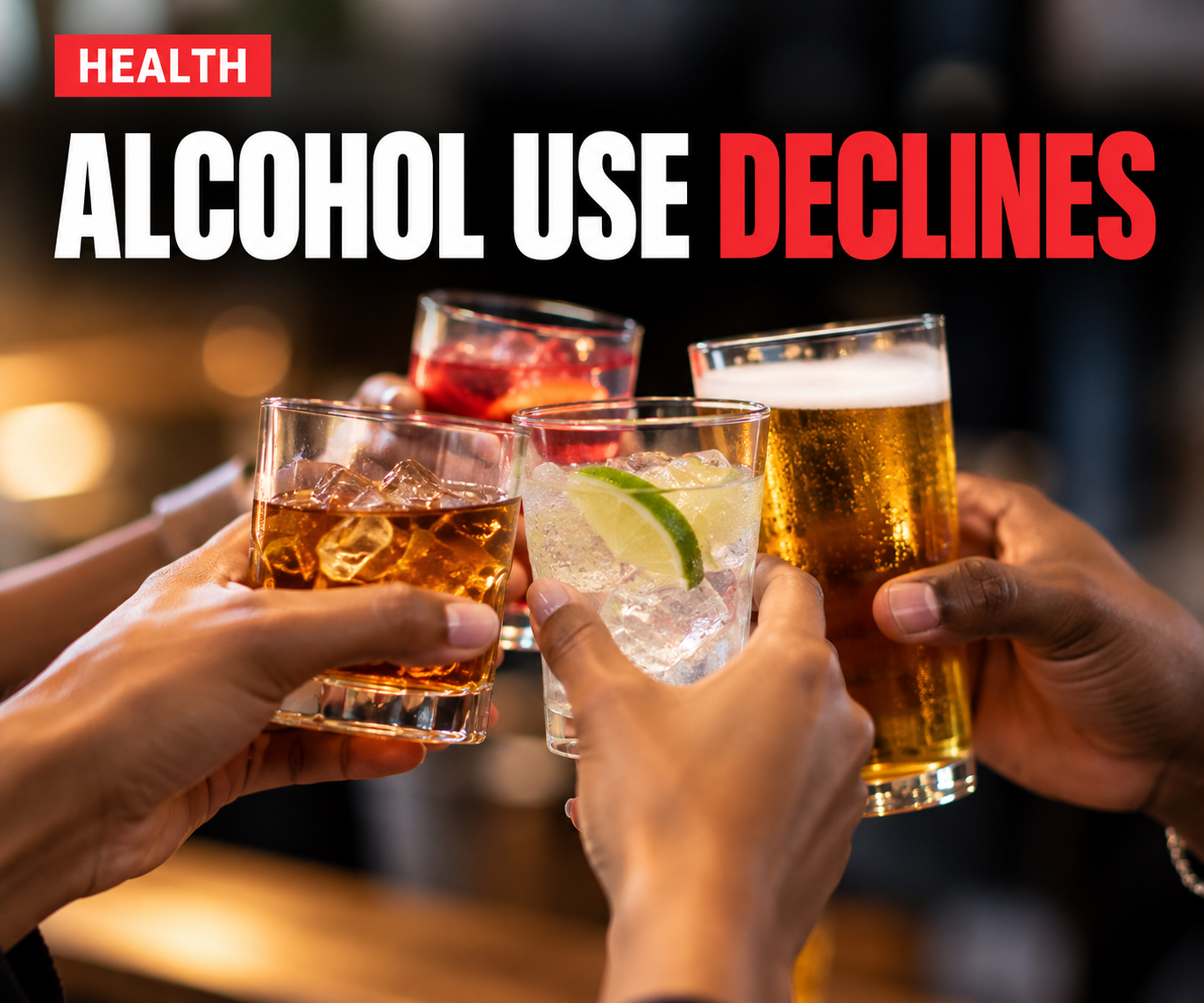
    After years of elevated alcohol intake tied to the disruptions of the COVID-19 pandemic, national alcohol consumption in the United States has dropped for the first time since the public health crisis began – a shift driven largely by Gen Z and millennial adults, a new CNN analysis reveals.

    The reversal of pandemic-era drinking trends follows a period of sharp growth in alcohol use between 2020 and 2023, when stay-at-home orders, social isolation, and upended daily routines pushed many groups to increase their consumption to cope with stress and uncertainty. But health experts tracking population behavior now confirm that this unexpected growth has begun to unwind, with the most dramatic changes appearing among younger adult age cohorts.

    This downward trajectory aligns with a long-building cultural shift in how Americans view alcohol consumption, particularly among younger generations. Unlike their older counterparts, a growing share of Gen Z and millennial adults openly prioritize long-term physical and mental wellness, and they increasingly recognize alcohol’s negative impacts on both areas of health. This awareness has translated to widespread action: more young people are choosing to cut back on drinking or eliminate it from their lives entirely.

    Long-running polling data supports this stark generational divide in attitudes and behavior. A 2024 Gallup survey found that 65% of U.S. adults between the ages of 18 and 34 believe alcohol harms overall health, compared to only 34% of adults 35 and older. The same poll also confirmed that younger adults are reporting the fastest rate of decline in regular alcohol consumption across all age groups.

    As of 2025, CNN’s analysis puts the share of American adults who report drinking any alcohol at just 54% – a notable drop from pre- and post-pandemic levels. Even attitudes toward moderate, casual drinking have grown increasingly negative across the broader population, as wellness concerns spread beyond younger age groups.

    The declining consumption trend has run parallel to the booming popularity of alcohol-free beverages, the rise of the “sober curious” movement that encourages intentional evaluation of drinking habits, and growing demand for social events that do not center alcohol consumption. From non-alcoholic craft beers to alcohol-free wine and spirit alternatives, the market for sober-friendly products has expanded exponentially to meet this shifting demand.

    Experts note that the latest data confirms what public health researchers have hypothesized for years: the small, consistent behavioral changes adopted by younger generations are now rippling outward to create a nationwide shift in alcohol consumption patterns, pulling overall national usage down after years of pandemic-fueled growth.

  • PM Mottley highlights sports investment following CPL final

    PM Mottley highlights sports investment following CPL final

    The 2024 Caribbean Premier League (CPL) final capped off an unforgettable tournament at Bridgetown’s iconic Kensington Oval, widely celebrated as the spiritual home of Caribbean cricket, with an historic upset that saw the Antigua and Barbuda Falcons claim their first-ever league title with a dominant eight-wicket victory over the Jamaica Kingsmen. In the aftermath of the sold-out clash, Barbados Prime Minister Mia Mottley sat down with reporters to reflect on the event’s far-reaching impact, highlighting how the tournament has cemented cricket’s long-standing role as a unifying thread across the diverse Caribbean region, while pushing for sustained public and private investment in regional sporting infrastructure.

    Mottley opened her remarks by expressing surprise and delight at the unprecedented turnout for the final, noting that while organizers anticipated strong fan engagement, the level of support far exceeded initial projections. “When we made the decision to bring the CPL final back to Kensington Oval this year, we hoped for a good crowd, but we never imagined it would be this overwhelming,” Mottley said. “I have to extend my deepest gratitude to the people of Barbados, and to every fan who traveled from across the region and beyond to be part of this moment.”

    She went on to praise the championship-winning Antigua and Barbuda Falcons, highlighting the team’s consistency, leadership and relentless determination throughout the entire tournament that earned them their historic maiden title. “From the opening match to the final over, the Falcons showed what Caribbean cricket is all about: leadership, commitment and the kind of perseverance that wins championships,” Mottley added.

    When asked about whether Barbados would bid to host the 2025 CPL final, Mottley struck a collaborative tone, acknowledging that multiple Caribbean nations have expressed interest in hosting the event. She confirmed that while Barbados will remain an active candidate to host future finals in the coming years, the country is open to sharing the opportunity with other regional partners. “We’re not greedy. We know other countries are eager to host, and we’re happy to work with them. But make no mistake: Barbados will be in the mix for future finals, whether that’s next year or in the near future,” Mottley said. She added that as cross-regional travel becomes more seamless, fan attendance at CPL matches will only continue to grow, strengthening the sport’s connection across Caribbean communities.

    Beyond the excitement of the final, Mottley used the platform to outline the Barbados government’s long-term strategy for sports development, linking recent local athletic successes to intentional public investment in training programs and infrastructure upgrades across multiple sports. The prime minister emphasized that elite sporting success does not happen by chance, arguing that sustained investment in young athletes is critical to nurturing the next generation of global sports talent. “You cannot step back and hope for good results by accident. You have to invest intentionally in our people and our facilities,” Mottley explained. “We’re proud of the work we’ve done to expand our high-performance center, and we will keep prioritizing investment in our young people. Our athletes are global citizens rooted in Bajan and Caribbean identity, and that’s something we have to nurture.”

    As a key example of the government’s commitment even amid nationwide economic headwinds, Mottley highlighted the ongoing construction of a new national stadium in Waterford. She also noted that the 2024 CPL final has already delivered significant economic benefits to Barbados’s hospitality, tourism and retail sectors, saying she is optimistic that official economic data will reflect strong positive gains from hosting the event, and she looks forward to seeing the final numbers in the coming weeks.

  • Achttien verdachten van moord op Haïtiaanse president Moïse voor Amerikaanse rechter

    Achttien verdachten van moord op Haïtiaanse president Moïse voor Amerikaanse rechter

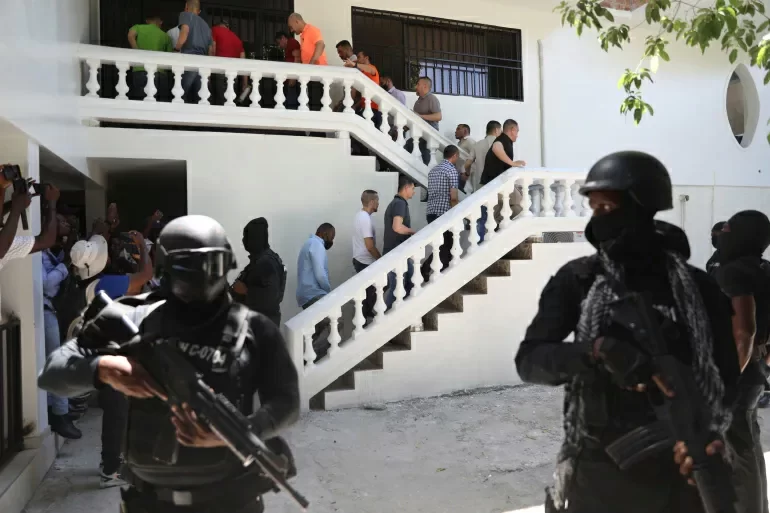
    Four years after the assassination of Haitian President Jovenel Moïse, a major development in the long-stalled investigation has unfolded: 18 suspects linked to the killing have been transferred from Haiti to the United States to face federal prosecution. The group includes a former high-ranking Haitian government official and 17 Colombian ex-soldiers accused of acting as mercenaries in the July 7, 2021 attack that left Moïse dead at his private residence near Port-au-Prince and wounded his wife Martine Moïse. All 18 suspects made their first court appearance at a Miami federal courthouse on Monday, one day after they were flown out of Haiti’s capital on a U.S. military transport plane.

  • St Philip man granted $230 000 bail on drug importation charges

    St Philip man granted $230 000 bail on drug importation charges

    A 28-year-old man from St Philip has been remanded in custody until mid-October after a court set a six-figure bail amount in a high-value drug importation case, where the seized controlled substances are estimated to be worth more than $1 million total.

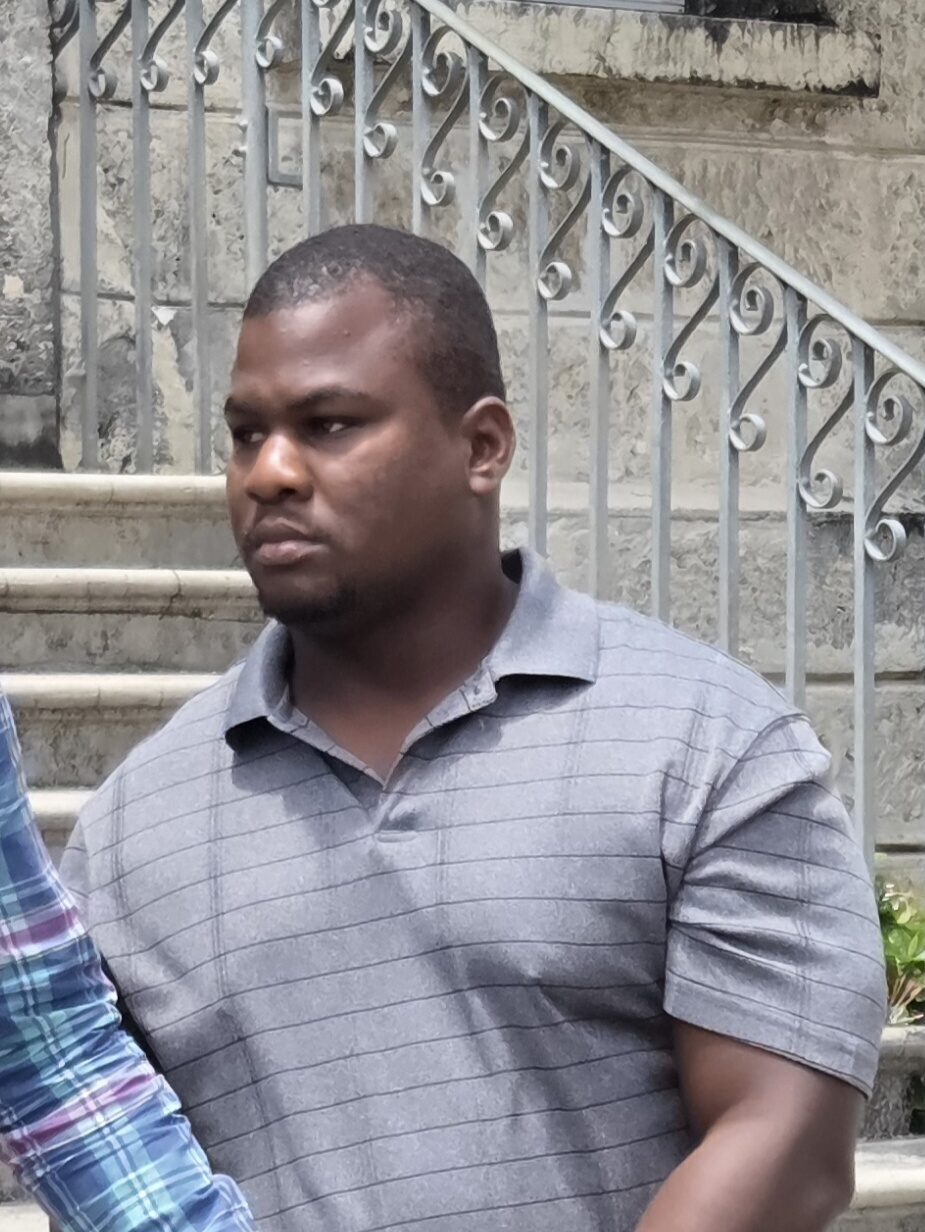
    Ché Devonte Alleyne, a resident of Duncans Circle in Windward Gardens, made his first court appearance this week facing a total of eight indictable charges linked to the September 17 importation of cocaine and cannabis. Under local court procedure for serious indictable offenses, Alleyne was not required to enter formal pleas to the charges. These include four separate counts of possession, possession with intent to supply, trafficking, and unlawful importation for 3.3 kilograms of cocaine, plus an identical set of four charges connected to 135.5 kilograms of cannabis seized the same day.

    Authorities have assessed the street value of the seized cocaine at approximately $165,000, while the large cache of cannabis is valued at $867,200, pushing the combined total value of the illicit drugs to just over $1 million.

    During the bail hearing at the No. 2 District ‘A’ Magistrates’ Court, lead prosecutor Sergeant Kenmore Philips did not oppose the defense’s request for bail, but formally requested that the court impose strict, stringent conditions on Alleyne should he be released. Alleyne’s defense counsel, Attorney Lesley Cargil-Straker, told the court that her client was fully prepared to abide by any conditions set by the magistrate ahead of his next court date.

    After considering the arguments from both sides, the magistrate set bail at a total of $230,000. However, the case took an unexpected turn when no eligible surety was able to provide the full bail amount required to secure Alleyne’s temporary release. As a result, the court ordered that Alleyne remain in remand custody until his next scheduled hearing on October 19.

  • Dental bodies warn of irreversible damage from bogus cosmetic treatments

    Dental bodies warn of irreversible damage from bogus cosmetic treatments

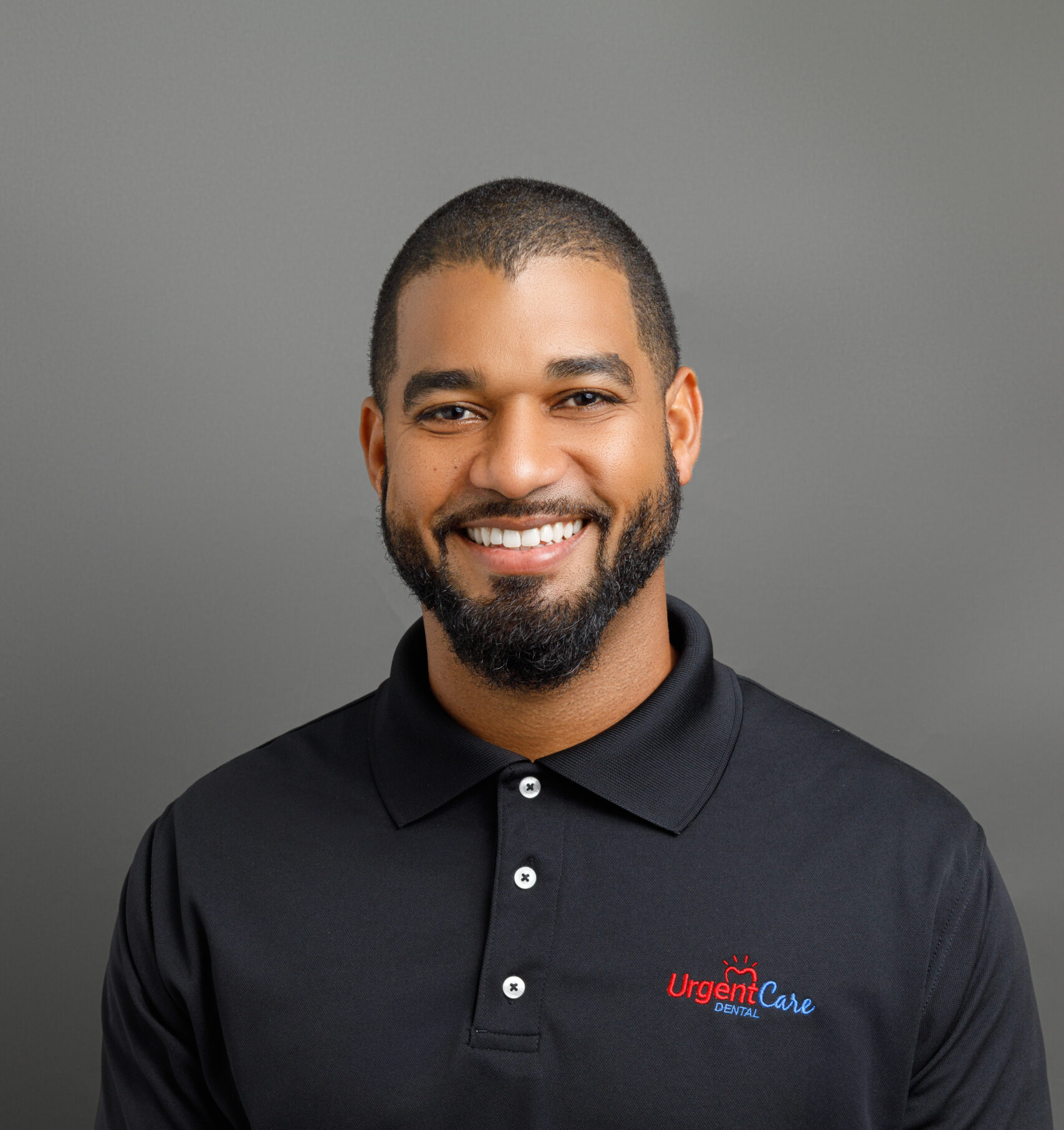
    A public health warning has been issued by two leading Barbadian dental regulatory bodies, highlighting a disturbing surge in unlicensed, fraudulent cosmetic dental procedures across the island that are leaving patients with severe, irreversible oral harm. The joint alert from the Barbados Dental Association and Barbados Dental Council follows an earlier warning from the country’s Ministry of Health and Wellness, which flagged the alarming growth of these illegal practices.

    Dr. Ramon Harvey, president of the Barbados Dental Association, explained that dental and public health authorities have monitored four to five confirmed unlicensed dental operations operating across Barbados over the past several years, with evidence suggesting many more are active. These illicit providers leverage popular social media platforms including Instagram and TikTok to advertise low-cost cosmetic dental services directly to consumers, often operating out of non-clinical spaces such as beauty parlors, nail salons, and other makeshift settings that do not meet clinical hygiene and safety standards.

    Unlike licensed, fully trained dental practitioners, the people performing these procedures hold no formal clinical qualifications, professional dental licenses, or specialized clinical training. Many have only completed short, inappropriate non-accredited courses before offering complex dental work to the public. Dr. Harvey emphasized that this unregulated practice is equivalent to an unqualified individual posing as a medical doctor and performing invasive surgery, a criminal and unethical act that puts public safety at extreme risk.

    The popularity of these unlicensed services continues to grow, as they target price-sensitive consumers with heavily discounted rates and misleading marketing claims. Dr. Harvey warned that the trend is already spreading faster than regulators can keep up, noting that “it is getting out of hand” and urgent collective action is needed to curb the problem before it expands further.

    In recent months, legitimate dental clinics across the island have reported a steady increase in patients seeking emergency care for severe, permanent damage caused directly by substandard care from unlicensed providers. Common harmful procedures include unregulated DIY orthodontic treatments (such as ill-fitted homemade braces) and improperly applied cosmetic dental chemicals. Dr. Harvey explained that incorrectly fitted braces and uncalibrated excessive force applied to teeth can trigger devastating long-term health complications.

    “The main consequences we are seeing are devitalised teeth – the nerves have been damaged from being moved inappropriately, and the teeth become non-vital,” he said. Affected teeth require invasive root canal treatment or must be extracted entirely, resulting in permanent tooth loss for many patients. Other common harms reported include chronically inflamed bleeding gums, cracked or damaged healthy teeth, widespread oral infections, and chronic severe pain. Because orthodontic treatment requires specialized postgraduate training beyond general dental school, Dr. Harvey noted that unlicensed practice not only endangers oral health but can permanently alter a patient’s facial structure.

    Officials from the Ministry of Health confirmed that all dental procedures – including tooth preparation, veneer placement, crowns, orthodontic work, extractions, and any other treatment involving teeth or oral tissue – are restricted to authorized, licensed practitioners only. Receiving care from unaccredited individuals carries grave, life-altering health risks, the ministry added.

    Addressing the root of the problem, Dr. Harvey acknowledged that many Barbadians turn to unlicensed providers due to the high cost of regulated dental care in the country. He explained that elevated prices stem from high import duties on clinical dental supplies and broader operational cost constraints facing dental businesses across Barbados. Even so, he stressed that choosing a low-cost unregulated option almost always leads to far higher medical and financial costs down the line, when patients have to pay for expensive corrective care to fix permanent damage.

    To support patients already harmed by illegal dental procedures, the Barbados Dental Association has committed to providing free initial assessment and stabilization care for individuals in urgent need. Further corrective treatment and long-term restorative care will be priced based on the specific intervention required. Affected patients are invited to contact the association to schedule a professional consultation to evaluate the extent of their damage and develop a safe treatment plan.

    The two dental bodies are currently collaborating with the Ministry of Health and Wellness and local law enforcement agencies to gather evidence, prosecute unlicensed providers, and shut down illegal operations permanently. Dr. Harvey called for more proactive, aggressive enforcement, noting that unlicensed operations operate without formal business registration, evade taxes, and fail to meet the basic sanitary and clinical standards required for invasive dental procedures. “We are not certain that instruments are being cleaned properly, and we are not sure that the areas where these procedures are being performed are appropriate for having a medical dental procedure done,” he said.

    To help consumers avoid falling victim to fraudulent marketing, Dr. Harvey outlined clear red flags for social media-advertised dental services. Under Barbados’ Dental Act, licensed registered dentists are prohibited from advertising promotional sales, discounted service packages, or flash sale offers. “If it is too good to be true, it is probably too good to be true,” Dr. Harvey said. “The Dental Act of Barbados prohibits registered doctors from advertising prices and deals. So if it’s ‘get this for $500 off’, that is not a registered dentist. If it’s a salon, nail tech, beautician, or parlour, but not a dental office, those are beauticians or technicians trying to add on extra services and trying to do teeth. They are not supposed to do teeth.”

    The association advises all patients to verify a dental practitioner’s credentials before booking any procedure. Consumers can check the official registry maintained by the Barbados Dental Council via email, review licensed practitioner listings in the Barbados Yellow Pages, or contact the Barbados Dental Association directly to confirm credentials or report suspicious unlicensed activity.