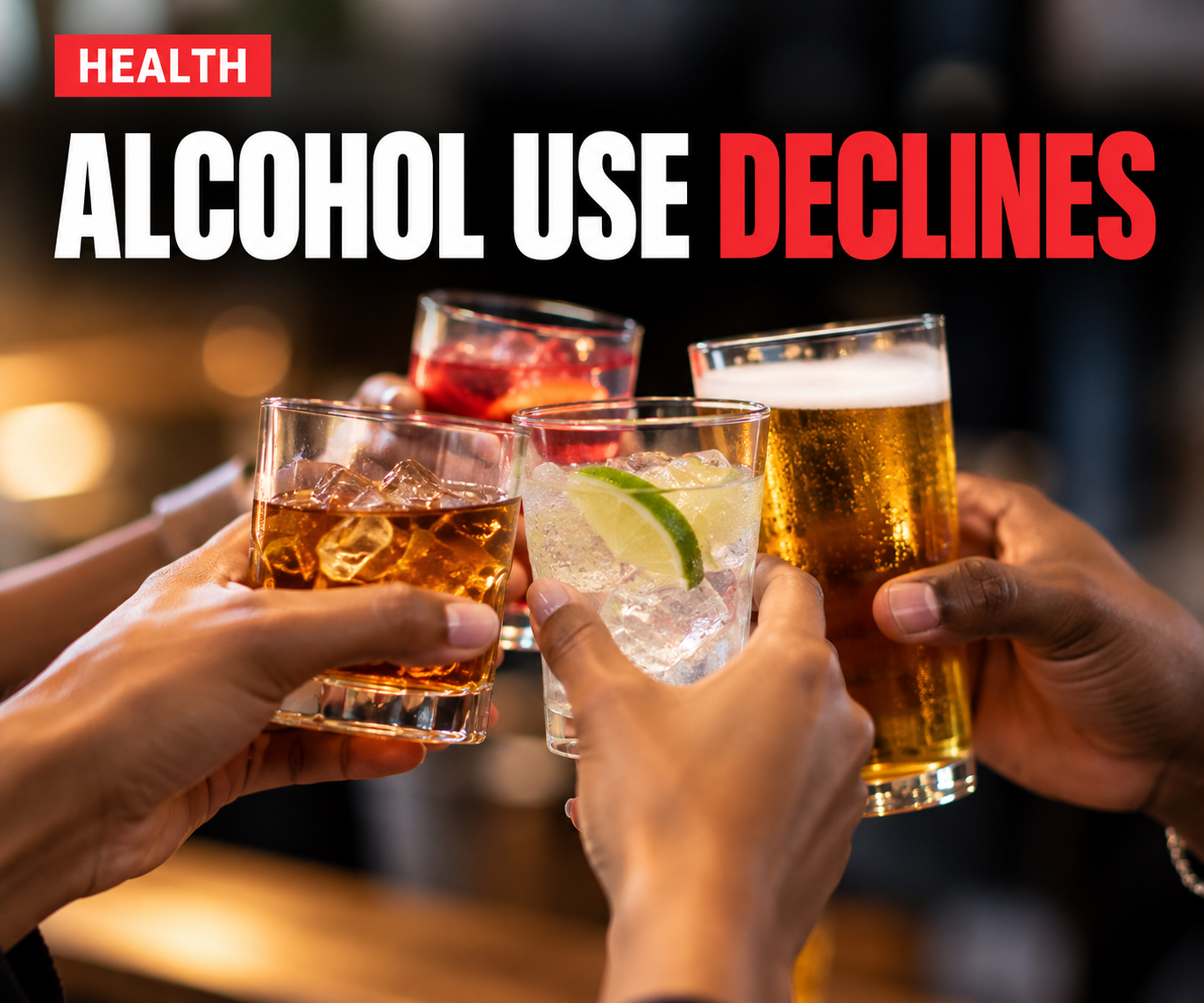
After years of elevated alcohol intake tied to the disruptions of the COVID-19 pandemic, national alcohol consumption in the United States has dropped for the first time since the public health crisis began – a shift driven largely by Gen Z and millennial adults, a new CNN analysis reveals.
The reversal of pandemic-era drinking trends follows a period of sharp growth in alcohol use between 2020 and 2023, when stay-at-home orders, social isolation, and upended daily routines pushed many groups to increase their consumption to cope with stress and uncertainty. But health experts tracking population behavior now confirm that this unexpected growth has begun to unwind, with the most dramatic changes appearing among younger adult age cohorts.
This downward trajectory aligns with a long-building cultural shift in how Americans view alcohol consumption, particularly among younger generations. Unlike their older counterparts, a growing share of Gen Z and millennial adults openly prioritize long-term physical and mental wellness, and they increasingly recognize alcohol’s negative impacts on both areas of health. This awareness has translated to widespread action: more young people are choosing to cut back on drinking or eliminate it from their lives entirely.
Long-running polling data supports this stark generational divide in attitudes and behavior. A 2024 Gallup survey found that 65% of U.S. adults between the ages of 18 and 34 believe alcohol harms overall health, compared to only 34% of adults 35 and older. The same poll also confirmed that younger adults are reporting the fastest rate of decline in regular alcohol consumption across all age groups.
As of 2025, CNN’s analysis puts the share of American adults who report drinking any alcohol at just 54% – a notable drop from pre- and post-pandemic levels. Even attitudes toward moderate, casual drinking have grown increasingly negative across the broader population, as wellness concerns spread beyond younger age groups.
The declining consumption trend has run parallel to the booming popularity of alcohol-free beverages, the rise of the “sober curious” movement that encourages intentional evaluation of drinking habits, and growing demand for social events that do not center alcohol consumption. From non-alcoholic craft beers to alcohol-free wine and spirit alternatives, the market for sober-friendly products has expanded exponentially to meet this shifting demand.
Experts note that the latest data confirms what public health researchers have hypothesized for years: the small, consistent behavioral changes adopted by younger generations are now rippling outward to create a nationwide shift in alcohol consumption patterns, pulling overall national usage down after years of pandemic-fueled growth.