作者: admin

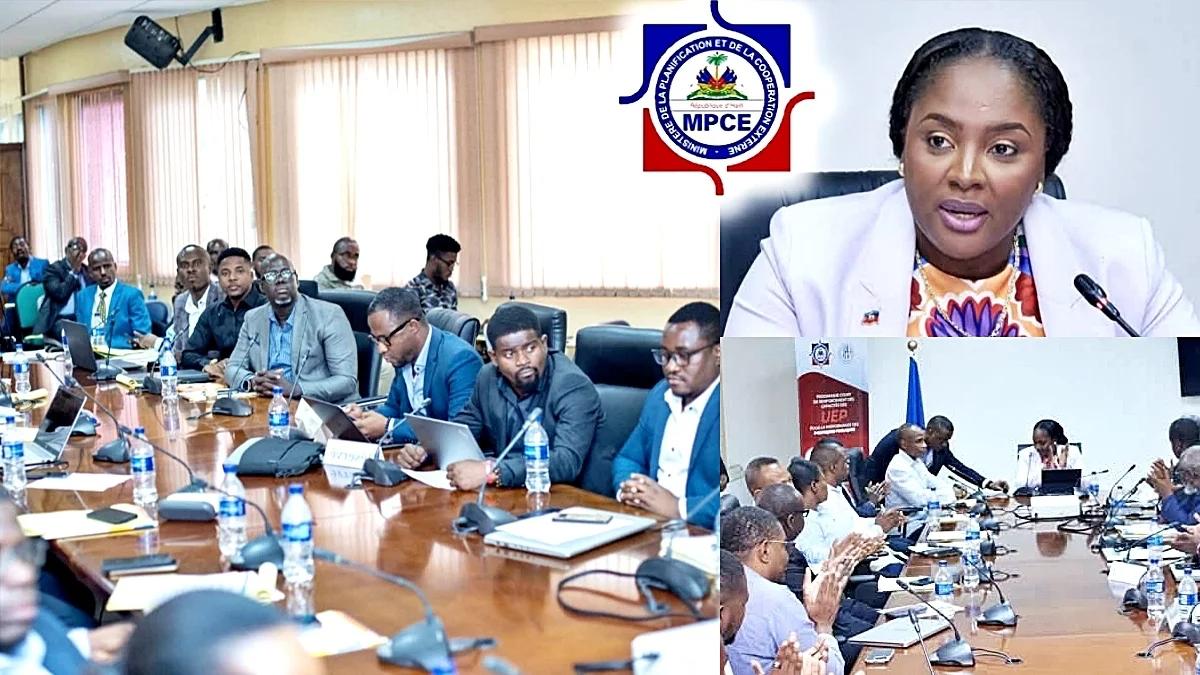
  • End of the capacity building program for the Study and Programming Units

    End of the capacity building program for the Study and Programming Units

    Three weeks of targeted skills training for public sector planning professionals drew to a formal close on July 10, 2026, after Haiti’s Ministry of Planning and External Cooperation (MPCE) partnered with the Center for Planning Techniques and Applied Economics (CTPEA) to deliver the specialized program for staff of the Study and Programming Units (UEP) across all sectoral ministries. Designed to upgrade institutional capabilities and strengthen the delivery of national public policies, the training split participants into three sequential weekly cohorts to maximize engagement and hands-on learning.

    In her official closing address at the ceremony, Planning Minister Sandra Paulemon voiced clear satisfaction with the program’s successful completion, highlighting the intentional, integrated framework that structured the curriculum. Unlike disconnected siloed training modules, the five core course units were designed to map to the full value chain of public sector action, from initial policy planning through programming, budget allocation, ongoing monitoring, and final impact evaluation. This interconnected structure, Paulemon emphasized, equips UEP leaders to work within a results-focused, performance-driven culture that aligns all stages of policy implementation with national development goals.

    Minister Paulemon stressed that sustained investment in upskilling public administration leadership is a foundational strategic lever to improve the overall quality of national public policy and advance inclusive, effective national development planning. She used the closing event to urge all participating professionals to translate their newly acquired knowledge and skills into tangible changes in their day-to-day roles, pushing forward the broader goal of building a public administration that is more efficient, more responsive, and consistently focused on delivering measurable results for Haitian citizens.

    Looking ahead, Paulemon confirmed that a formal certificate awarding ceremony will be held on July 24, 2026. The scheduled date was chosen to ensure that all trainees from the three cohorts, alongside the program’s trainers and institutional partners, can attend the official recognition event. Adding his perspective at the closing ceremony, Guy Roméo Latry, Director General of MPCE, echoed the minister’s positive assessment of the program. Latry noted that the initiative went far beyond traditional one-way skills training: it served as a collaborative forum for cross-agency dialogue, experience sharing, and collective consultation among public administration officials from across different sectors, creating new connections that will support inter-agency coordination moving forward.


  • Haiti : Review of the first 100 days of the new Director General of the ONA

    Haiti : Review of the first 100 days of the new Director General of the ONA

    July 13, 2026 — Haiti’s National Old-Age Insurance Office (ONA) is marking a major milestone this week, as Director General Lovely François presents the outcomes of her first 100 days leading the state social security institution, a period defined by sweeping institutional reforms, renewed financial discipline, and expanded social programming for Haitian communities.

    As a core pillar of ONA’s ongoing institutional modernization push, leadership launched two national open tender processes last week for the 2025-2026 fiscal year. The bids cover procurement of information technology infrastructure, office hardware, and general operating supplies — one of multiple upgrades rolling out across the agency. Additional modernization initiatives already underway include the creation of ONA’s first unified manuals covering administrative, financial, technical, and operational protocols, upgrades to the institution’s digital information system, the rollout of encrypted secure employee identification badges, and sustained overhauls to customer services for insured people and pension recipients across the country.

    Last week also saw a high-profile official ceremony, presided over by Haitian Prime Minister Alix Didier Fils-Aimé, to relaunch two of ONA’s flagship social initiatives: the ONA-Polis and ONA-Education programs. ONA-Polis, which receives direct government backing under Prime Minister Fils-Aimé’s administration, operates as a targeted support framework for officers of the Haitian National Police (PNH). The program recognizes the critical, high-stakes role that police play in upholding national security, protecting civilian communities, and maintaining stability across Haiti amid ongoing security challenges. The ONA-Education program, by contrast, is designed to reduce the financial strain on families at the start of each school year, easing barriers to access for children’s schooling in line with the government’s framing of education as a foundational driver of long-term national development.

    François’ 100-day report is far more than a routine public accountability exercise: it lays out a clear new vision for public sector governance centered on core principles of transparency, fiscal accountability, administrative discipline, measurable performance outcomes, and consistent public reporting. The framework reflects ONA’s explicit commitment to building a modern, trusted public institution that prioritizes service delivery for all insured people, pensioners, contributors, and the broader Haitian public.

    In her first three months in office, François’ leadership has delivered measurable early results. The general directorate has strengthened institutional governance and internal control frameworks, restored consistent administrative discipline rooted in transparency and accountability, and recovered more than 439 million Haitian gourdes in overdue delinquent loans. The institution has also placed over 6 billion gourdes in strategic investments in bonds issued by the Bank of the Republic of Haiti, begun rehabilitation work on underfunded regional ONA offices, opened multiple new tender processes to upgrade outdated infrastructure and equipment, expanded ongoing professional training for ONA employees, relaunched the institutional ONA conference as a permanent space for cross-stakeholder dialogue, and advanced development of new social support programs for insured beneficiaries.

    Speaking at the official ceremony, Prime Minister Fils-Aimé praised the rapid progress ONA has achieved in François’ first 100 days, and reaffirmed that the Haitian government will provide full backing for the ongoing reform agenda. He repeated that investments in education, expanded social security coverage, and targeted support for police officers are top priorities for his administration, stressing that ONA now holds a key strategic role in turning this policy vision into tangible action for Haitian people.

  • Technology : Why is the BRH interested in Artificial Intelligence (AI) ?

    Technology : Why is the BRH interested in Artificial Intelligence (AI) ?

    Artificial intelligence has emerged as one of the most disruptive technological shifts of the 21st century, reshaping everything from production processes and educational models to workplace dynamics and institutional decision-making. The rapid evolution of generative AI, in particular, has unlocked unprecedented capabilities, allowing users to generate complex analyses, condensed summaries, and original content in mere seconds.

    As the global debate continues over whether AI will ultimately displace large swathes of the workforce or open new pathways for inclusive growth, the Central Bank of Haiti (BRH) has positioned itself at the forefront of preparedness, opting for a proactive strategy that balances pursuit of AI’s transformative benefits with careful mitigation of its inherent risks.

    BRH leadership emphasizes that while AI delivers substantial productivity gains that can accelerate economic progress, it should not be viewed as a replacement for human judgment and specialized expertise. Instead, the bank frames AI as a complementary decision-support tool that amplifies, rather than replaces, human intelligence.

    For developing nations like Haiti that have historically lagged behind in global technological adoption, AI represents a rare opportunity to narrow the global economic divide by expanding production capacity. However, BRH warns that the concentrated control of AI innovation and investment by major economic powers such as the United States and China creates significant risks. Slow, uncoordinated response from developing countries could instead widen existing global wealth gaps, and while employment disruptions from AI have remained contained in major advanced economies to date, the long-term impacts on labor markets—particularly for young workers whose roles are most vulnerable to automation—remain poorly understood.

    BRH has outlined three core priority sectors where AI can deliver outsized benefits to Haiti:
    First, in education, AI offers transformative potential to address longstanding structural challenges. Haiti has long struggled with widespread training gaps and high rates of skilled worker emigration that have eroded the country’s capacity to deliver knowledge to new generations. AI tools can fill critical gaps in human capital development, democratizing access to high-quality educational resources, delivering personalized learning support to students, and upskilling existing teachers without replacing the core role of in-person instruction.
    Second, AI can drive urgent administrative modernization across both public institutions and private enterprises. Automating repetitive administrative tasks, digitizing public and private archival records, improving customer and citizen engagement, and enabling rapid analysis of massive datasets all deliver major efficiency gains. For a country where bureaucratic red tape and administrative inefficiency remain persistent barriers to growth, these improvements can both boost service quality and cut operational costs, generating widespread benefits for overall economic productivity.
    Third, AI can revolutionize Haiti’s natural disaster risk management. Haiti ranks among the most vulnerable countries in the Western Hemisphere to major natural hazards, from hurricanes to earthquakes. AI-powered tools enable real-time collection of geospatial crisis data, predictive disaster simulation modeling, and rapid post-event impact assessments, allowing authorities to implement more targeted mitigation measures that reduce both human casualties and financial losses.

    Despite these promising opportunities, BRH has identified two major systemic risks that require urgent preparation. The first is the potential for a decline in diaspora remittances, which have served as Haiti’s most stable source of capital inflows for decades. If large-scale AI-driven automation displaces workers in host countries with high concentrations of Haitian immigrants, diaspora workers—disproportionately young and less experienced, per a 2026 Goldman Sachs study—would be among the first to lose jobs, directly cutting remittance flows that sustain millions of Haitian households. The second major risk is growing cybersecurity vulnerability: every new generation of AI lowers the technical barriers and cost of launching sophisticated cyberattacks, a threat that leading central banks in the U.S. and U.K. have already moved to address by developing new resilience frameworks for their financial sectors.

    Against this backdrop, BRH has laid out a four-pillar proactive strategy to guide Haiti’s AI transition, rejecting a passive approach to the global AI revolution. First, the bank is prioritizing knowledge development: as a co-founder of the Ayiti IA 2025 summit, BRH has announced the creation of a dedicated AI Fund to foster public discussion and drive widespread adoption of responsible AI across the country. Second, it is already implementing concrete AI applications in institutional research: the BRH Research Directorate is currently using text-based AI to build new, low-cost statistical datasets tracking Haiti’s evolving labor market. Third, BRH will integrate AI into its core regulatory and supervisory missions, using the technology to strengthen financial system oversight, identify emerging systemic risks, and secure national payment systems while upholding strict data protection standards. Finally, the bank has developed a dedicated research and resilience agenda, including plans for AI-focused cybersecurity stress testing and policy recommendations to protect Haiti’s financial integrity from emerging AI-driven threats.

    In conclusion, BRH frames AI as neither an automatic silver bullet for Haiti’s longstanding economic challenges nor an inevitable existential threat. The ultimate success of AI adoption in the country will depend on Haiti’s ability to invest strategically in three core areas: upgraded human capital, strengthened governance frameworks for responsible AI, and expanded digital infrastructure. The central bank has committed to guiding a measured, inclusive transition that positions AI as a driver of long-term, stable economic development for Haiti.

  • Prime Minister Gaston Browne and OECS Leaders Mourn the Passing of Qatar’s Father Emir

    Prime Minister Gaston Browne and OECS Leaders Mourn the Passing of Qatar’s Father Emir

    Following the death of His Highness Sheikh Hamad bin Khalifa Al Thani, the former Father Emir of Qatar, top leadership from the Eastern Caribbean has joined the global community in mourning the transformative leader and honoring his decades of impactful service.

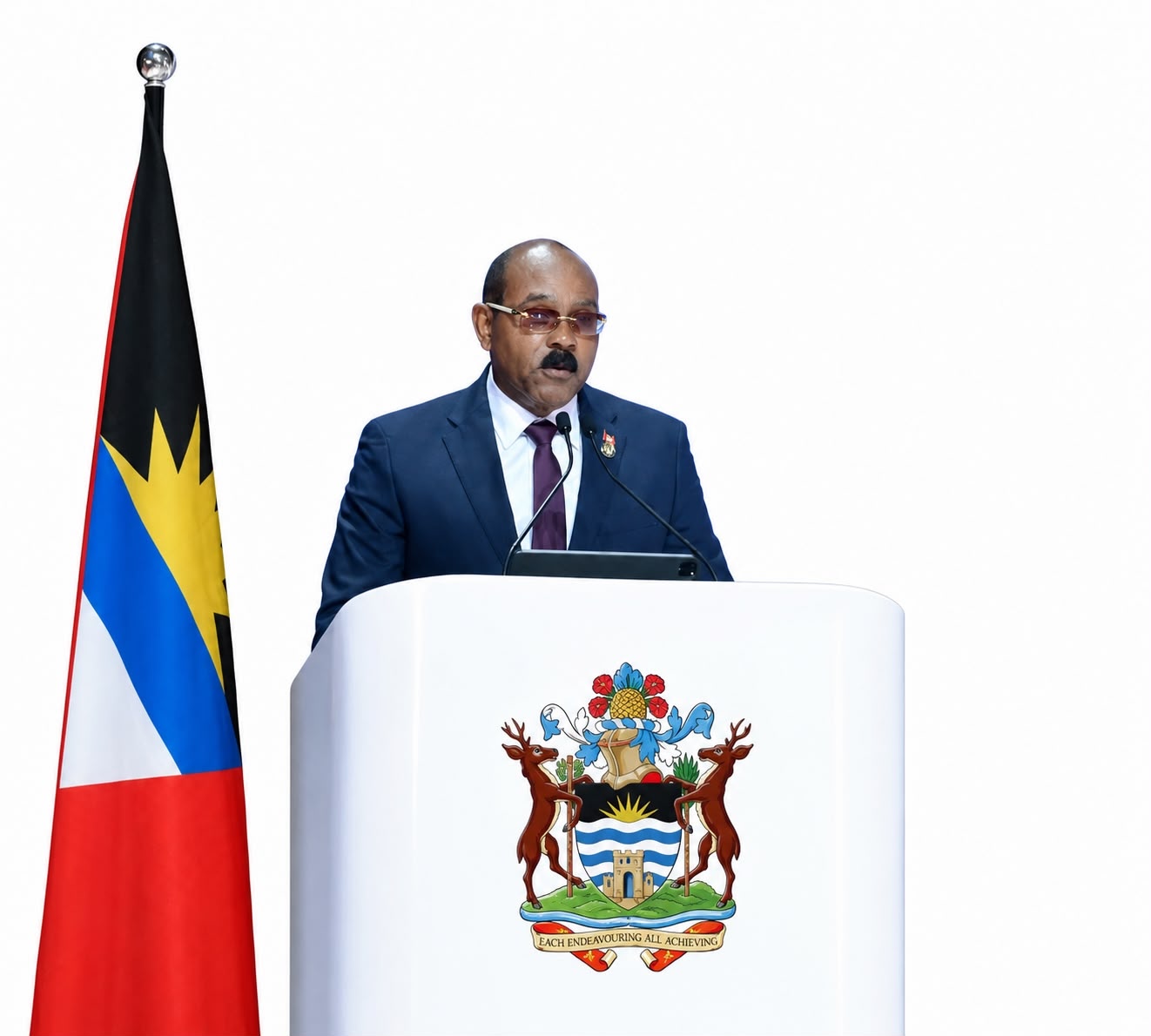
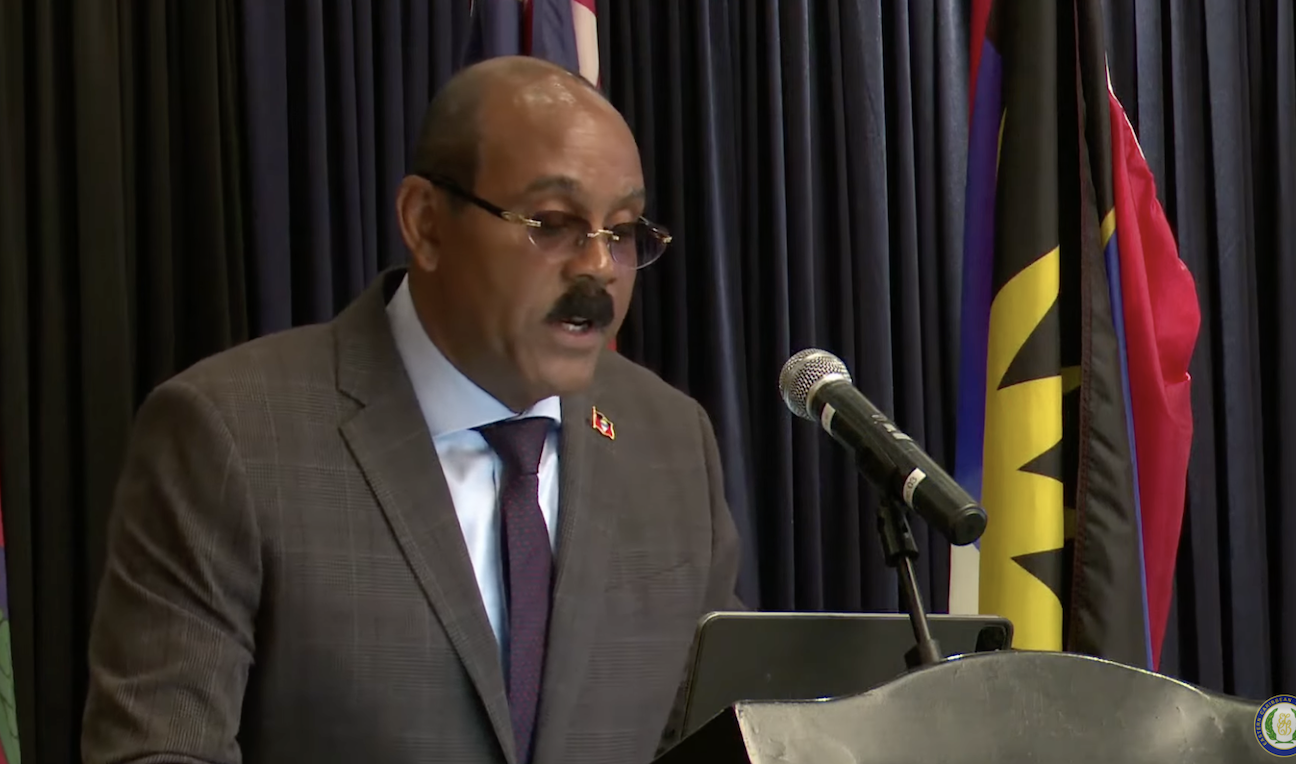
    Gaston Browne, who serves dual roles as Prime Minister of Antigua and Barbuda and Chairman of the Organisation of Eastern Caribbean States (OECS) Authority, delivered formal messages of condolence both on behalf of his home nation and the entire bloc of Eastern Caribbean governments. In a personal letter addressed to Qatar’s current ruler, His Highness Sheikh Tamim bin Hamad Al Thani, Browne conveyed the heartfelt sorrow of Antigua and Barbuda’s government and citizens to the Qatari royal family and the country’s population at large.

    In his written condolences, Browne framed the late Sheikh Hamad as a singularly distinguished global statesman. His visionary governance and lifelong, unwavering commitment to public service, Browne noted, laid the foundational groundwork for Qatar’s rapid modernization and extraordinary socio-economic development. Beyond Qatar’s borders, Browne added, the late Father Emir’s leadership advanced collective efforts to build regional stability, shared economic growth, and closer productive ties between nations across the globe. The letter closed with prayers for comfort and resilience for the Qatari people and royal family throughout their official period of mourning.

    Speaking in his official capacity as OECS Chairman, Browne also released a unified statement on behalf of all OECS Heads of Government that reflected the bloc’s shared recognition of Sheikh Hamad’s far-reaching impact on both Qatar and the wider international community. The statement detailed how Sheikh Hamad’s forward-thinking leadership reshaped Qatar: over his tenure, the small Gulf nation evolved from a relatively underdeveloped state into a globally influential hub for cutting-edge innovation, high-level diplomacy, world-class education, strategic international investment, and dynamic economic growth.

    Browne emphasized that under Sheikh Hamad’s steady stewardship, Qatar cemented its reputation as a trusted global partner. The late leader prioritized and championed peaceful diplomatic dialogue, conflict mediation, and large-scale humanitarian assistance, while directing significant domestic investment toward expanding access to education, advancing scientific research, and advancing long-term sustainable development. These efforts, the statement noted, did not go unnoticed by small and developing states across the Global South.

    OECS government leaders also highlighted Sheikh Hamad’s enduring commitment to international dialogue, inclusive development, and cross-border cooperation. His leadership, they observed, has served as an inspiration for many developing nations to pursue ambitious domestic reforms and work toward lifting living standards for their populations. The bloc emphasized that Sheikh Hamad’s core philosophy — that intentional long-term vision, strategic national planning, investment in human capital, and open engagement with the global community can fundamentally reshape a nation’s trajectory — aligns closely with the OECS own goals of building sustainable development, climate and economic resilience, and shared prosperity across Eastern Caribbean states.

    In closing, Browne reaffirmed the OECS’s full solidarity with Qatar’s leadership and people in the wake of their loss. He expressed confidence that the guiding values and transformative vision championed by the late Father Emir will continue to shape and direct Qatar’s future development for generations to come. The government of Antigua and Barbuda has formally joined the broader international community in paying tribute to Sheikh Hamad’s extraordinary life and enduring legacy, renewing its sincere condolences to current Amir Sheikh Tamim bin Hamad Al Thani, the entire Qatari royal family, the Qatari government, and all citizens of Qatar.

  • Prime Minister Gaston Browne to Open Global Maritime Security and Sanctions Enforcement Symposium

    Prime Minister Gaston Browne to Open Global Maritime Security and Sanctions Enforcement Symposium

    Next Monday, July 13, Antigua and Barbuda’s Prime Minister Gaston Browne will open the Second Annual Global Maritime Security and Sanctions Enforcement Symposium, a three-day international gathering taking place at the St. James’s Club that brings together maritime leaders, senior government officials, and industry specialists to ramp up global collaboration against transnational illegal maritime activity and strengthen cross-border sanctions enforcement.

    The event is co-organized by Antigua and Barbuda’s Department of Marine Services and Merchant Shipping (ADOMS) and the U.S. Department of State, with technical backing from Sandia National Laboratories. Around 100 delegates from every region of the globe are expected to attend, including senior representatives from ship registries, the International Maritime Organization (IMO), the Registry Information Sharing Compact (RISC), the Global Centre for Maritime Sanctions Monitoring (GCMSM), the Maritime UN Sanctions Enforcement (MUSE) initiative, and dozens of other international maritime bodies and law enforcement agencies.

    As the cabinet minister with oversight for merchant shipping and ports, Prime Minister Browne will use his opening address to reaffirm Antigua and Barbuda’s long-standing commitment to upholding one of the world’s most trusted, regulation-compliant ship registries, while advancing collective global action to protect the integrity of the international maritime sector.

    Browne will emphasize that rigorous flag State compliance, systematic due diligence, and transparent regulatory frameworks are non-negotiable to shield global commerce from sanctions evasion, fraudulent vessel registration, and a growing range of other transnational illegal maritime activities. He will also recognize ADOMS for its work to build out a comprehensive national compliance system that has drastically reinforced the credibility of Antigua and Barbuda’s ship registry and cut the nation’s exposure to regulatory risk.

    In a note of emphasis for small island developing states, Browne will tell delegates that geographic size and population do not limit a nation’s ability to lead on pressing global challenges. Antigua and Barbuda, a SIDS, has emerged as a proactive actor in global maritime governance, he will argue, pointing to the nation’s expanding role in shaping international maritime policy through strategic partnerships with the United States and other key global stakeholders. He will also highlight the country’s consistent participation in multilateral initiatives designed to strengthen sanctions enforcement and crack down on fraudulent maritime practices.

    The Prime Minister will also welcome the IMO’s recently finalized guidelines targeting fraudulent ship registration and rogue registries, framing the new rules as a critical step toward closing long-standing regulatory gaps and lifting industry-wide global standards.

    Outlining the urgent need for this year’s symposium, Browne will highlight that the global maritime sector now faces increasingly complex, evolving threats: these include widespread sanctions evasion, the rapid growth of unregulated “shadow fleets”, fraudulent vessel registration, and deceptive shipping practices that erode global security and undercut fair market competition. He will urge attending delegates to leverage the symposium’s collaborative format to deepen cross-border coordination, share actionable intelligence, and co-develop practical solutions that embed greater transparency and accountability across every segment of the maritime supply chain.

    Browne will restate Antigua and Barbuda’s unwavering commitment to multilateral cooperation, pointing to the country’s status as a founding member of the GCMSM and its long-standing support for RISC – two initiatives that prioritize rapid, targeted information sharing to identify and preempt illegal maritime activity before it causes harm. He will stress that cross-border collaboration and open information exchange remain the most powerful tools available to counter bad actors operating within the global shipping system.

    Over the course of the three-day event, attendees will take part in technical briefings and interactive collaborative workshops focused on the most pressing emerging threats to maritime security. Key topics include Automatic Identification System (AIS) spoofing, updated due diligence protocols for vessel registration, cross-border sanctions compliance, structured intelligence sharing, and evidence-based best practices for strengthening flag State regulatory oversight.

    The government of Antigua and Barbuda has extended a formal welcome to all visiting delegates from the international maritime community, and reaffirmed its ongoing commitment to working alongside global partners to advance maritime safety, strengthen global sanctions enforcement, promote industry transparency, and uphold the highest standards of regulatory compliance across the international shipping sector.

  • Prime Minister Browne’s Call for United Response to European Union Position on Citizenship by Investment Programmes Gains OECS Backing

    Prime Minister Browne’s Call for United Response to European Union Position on Citizenship by Investment Programmes Gains OECS Backing

    Leaders from the Organisation of Eastern Caribbean States (OECS) have rallied behind Antigua and Barbuda Prime Minister Gaston Browne to form a coordinated regional pushback against the European Union’s demand to eliminate regional Citizenship by Investment (CIP) programmes by June 2028. This unified stance emerged just 24 hours after Browne first called for collective action during the Eastern Caribbean Central Bank (ECCB) Monetary Council Meeting hosted in Dominica, where regional heads of government formally adopted a shared position and committed to a joint diplomatic strategy toward the EU.

    In his opening address to the Monetary Council, Browne emphasized that CIP initiatives are irreplaceable cornerstones of economic growth and long-term fiscal stability for multiple small island nations across the Eastern Caribbean. He reminded attendees that regional governments have already implemented sweeping, rigorous reforms to reinforce the integrity, transparency and global standing of these programmes, most notably the creation of the Eastern Caribbean Citizenship by Investment Regulatory Authority. This body has established a harmonized regional regulatory framework that strengthens oversight and aligns the programmes with international standards.

    Despite these meaningful reforms, Browne highlighted that the European Commission’s updated Visa Suspension Mechanism now singles out the existence of any CIP programme as a potential justification for revoking visa-free travel access to the EU for member states of the OECS. He also confirmed that the European Commission has formally delivered a demand that OECS nations with active CIP programmes phase them out completely by June 1, 2028, paired with a proposed 24-month transition period and a set of incremental interim requirements.

    Browne stressed that the EU’s proposal fails to account for the harsh economic realities that shape small island developing states (SIDS). “Our Citizenship by Investment Programmes are critical pillars of our non-tax revenue base. They cannot simply be abandoned without viable, credible and sustainable replacement sources of revenue,” he said. He also warned that an abrupt shutdown of the programmes would trigger severe, far-reaching consequences for public budgets, major infrastructure projects, climate adaptation efforts, healthcare access, affordable housing, education systems and other core public services across every OECS member state.

    In response to Browne’s call for regional solidarity, the assembled heads of government gathered in Roseau, Dominica to formalize their unified response. The leaders reaffirmed that CIP programmes have grown into a foundational source of development financing across the region, funding everything from climate resilience projects and post-disaster reconstruction to infrastructure expansion, public healthcare, affordable housing, education systems and overall fiscal stability.

    The OECS leaders also agreed that any future adjustments to CIP rules must fully center the unique development vulnerabilities of small island developing states. Any changes, they stated, must be paired with concrete measures to protect existing economic development gains, preserve regional economic stability, and establish fully functional alternative sustainable financing mechanisms before CIP programmes can be altered or phased out.

    A key outcome of the meeting was the formal endorsement of Browne’s plan for coordinated diplomatic action. Leaders agreed to launch a joint diplomatic engagement campaign with the European Union, which will include a high-level official mission to Brussels to meet directly with senior EU leadership and institutional representatives. They have also instructed their foreign affairs ministers, CIP programme leads, ambassadors and senior civil servants to maintain close coordination and present a consistent, unified regional position in all upcoming talks with European officials.

    Following the meeting, Browne praised the outcome, noting that it sends a clear message of the region’s collective resolve to defend its legitimate economic interests while preserving constructive ties with longstanding European partners. “Our Governments will continue to engage the European Commission in a principled and constructive manner consistent with the spirit of our longstanding partnership,” he said.

    Browne reaffirmed Antigua and Barbuda’s unwavering commitment to upholding the highest global standards for due diligence, transparency and regulatory oversight for its CIP programme, while also defending the fundamental sovereign right of independent nations to set the economic policies that best serve their development needs. He expressed confidence that through ongoing dialogue, mutual respect and collaborative partnership, the Eastern Caribbean and the European Union can reach a balanced resolution that addresses the EU’s legitimate policy concerns while also honoring the unique vulnerabilities and development priorities of small island developing states. Closing out the meeting, Browne celebrated the powerful demonstration of regional solidarity from his fellow OECS leaders, underscoring that a unified Caribbean voice will be critical in the coming months as negotiations with the EU progress.

  • LVV wil basisscholieren warm maken voor landbouw en voedselzekerheid

    LVV wil basisscholieren warm maken voor landbouw en voedselzekerheid

    In a proactive effort to embed agricultural literacy and national food security awareness among young people from an early age, Suriname’s Ministry of Agriculture, Livestock and Fisheries (LVV) has launched targeted educational outreach programs for primary school students across the country. The latest session of this initiative took place recently, bringing hands-on agricultural learning to 36 eighth-grade students at O.S. Mijnzorgweg, a local primary school in Suriname.

    Organized and led by the ministry’s Wanica D/Lelydorp district office, the interactive information session brought together district head Ruben Piroe, section leader Nicolette Kasandikromo and a team of agricultural educators to introduce students to the core mandate of the ministry and the critical role the agricultural sector plays in Suriname’s national economy and livelihoods.

    Unlike traditional classroom lectures, the session centered on actionable, youth-focused learning, with the core theme of national food security taking center stage. Educators walked students through key concepts including environmentally sustainable food production practices, the fundamentals of healthy nutrition, and the meaningful contribution that young people can make toward Suriname’s goal of increasing domestic food production and reducing reliance on imported goods.

    To bridge the gap between classroom learning and real-world experience, every participating student and several attending teachers received free vegetable seedlings to take home or cultivate at school. According to LVV, this hands-on component is designed to actively engage young people in the process of growing their own food, fostering a deeper personal appreciation for the work of farmers and the agricultural sector as a whole.

    The school’s principal Panalie-Atida and teacher Anoeradha Jhabboe supported the session and guided students throughout the activity. At the conclusion of the program, school leadership presented a token of appreciation to district head Ruben Piroe to recognize the ministry’s effort in bringing this valuable learning opportunity to their students.

    LVV officials emphasized that this school outreach session is just one part of a broader, long-term national strategy. By introducing agricultural and food security concepts to children during their primary school years, the ministry aims to build a foundation of understanding that will support Suriname’s sustainable agricultural development and food sovereignty goals for decades to come.

  • Mourners pay respects to late Chief Fisheries Officer Dr Shelly-Ann Cox

    Mourners pay respects to late Chief Fisheries Officer Dr Shelly-Ann Cox

    On a quiet Sunday in St Michael, dozens of mourners from across Barbados gathered at Lyndhurst Funeral Home on Passage Road to honor the life and legacy of trailblazing Chief Fisheries Officer Dr Shelly-Ann Cox, one day ahead of her official state-aligned funeral. Family members, close friends, professional colleagues and ordinary members of the public joined the solemn gathering, lining up through the chapel’s halls to pay their final respects, view Dr Cox’s casket, sign official condolence books, and wrap Dr Cox’s grieving family in emotional support.

    Among the family members receiving condolences was Marvon Cox, Dr Cox’s father, who opened up about the overwhelming outpouring of support that has reshaped his understanding of his daughter’s far-reaching impact. He remembered his daughter as an extraordinary person whose kindness and dedication touched lives across every corner of Barbados’ fishing and scientific communities.

    “‘Shelly was an amazing girl… I mean amazing with a capital A,’” he told reporters on site. “She was the type of person that would go above and beyond just to make people comfortable, just to make people happy. She loved people.” In the weeks since her sudden passing, Marvon Cox said he has heard countless stories of his daughter’s quiet generosity and professional leadership from people who crossed paths with her — from junior researchers she mentored to boat owners she worked with across the island. “I am now beginning to see that she was much more than I thought,” he added.

    Marvon Cox also reflected on the moment that forever changed his family’s life: the phone call delivering news of his daughter’s sudden death. “It was almost unbelievable when I heard what the other person on the other side of the phone was actually saying. I just couldn’t believe it,” he recalled. Despite the overwhelming grief of losing his 38-year-old daughter far too soon, he said his Christian faith has been his anchor through the difficult weeks of mourning, allowing him to stay strong for the rest of the family. “I was able to stand up to it because I am a man that knows God. God helped us to get through things, get over things, and He keeps you… So I have been able to remain strong from then up to this point.”

    Dr Cox died suddenly on June 13 at just 38 years old. A rising star in Caribbean fisheries management, she stepped into the role of Chief Fisheries Officer for Barbados in January 2023, making history as the youngest person ever to hold the position and only the second woman to serve as a chief fisheries officer across the entire Caribbean region. Her sudden death sparked a widespread outpouring of tributes from across the sector: colleagues, fishing community leaders, former students and public officials have all praised her dynamic leadership, deep compassion, and unwavering commitment to advancing the sustainability and development of Barbados’ critical fisheries industry.

  • Strait of Hormuz Closed Again as US Strikes Iran

    Strait of Hormuz Closed Again as US Strikes Iran

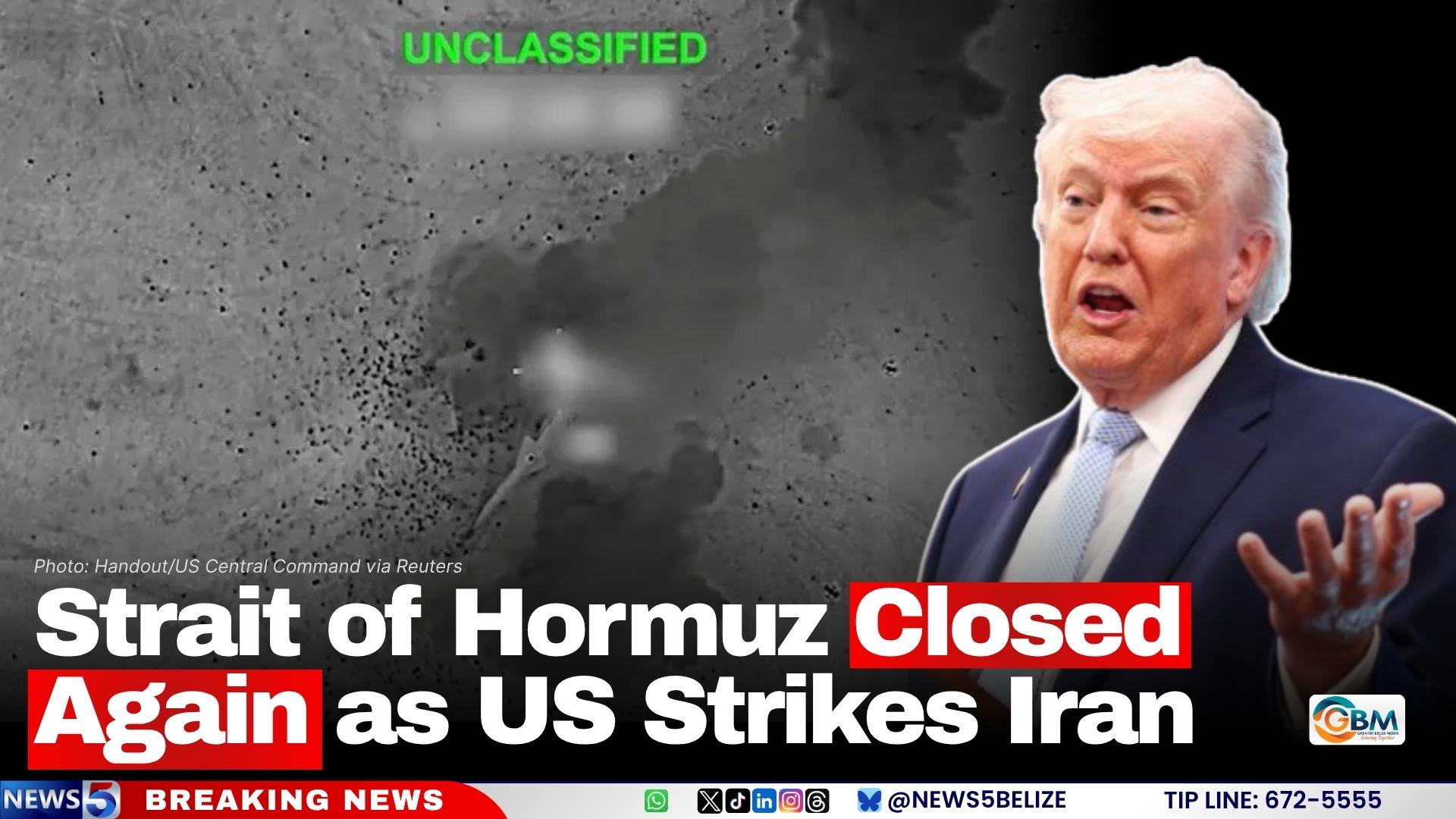
    July 12, 2026 — Tensions between the United States and Iran have surged to alarming new levels this week, shattering a fragile month-old ceasefire and raising urgent global fears of a full-scale regional conflict. The latest cycle of escalation began after U.S. military forces launched targeted strikes against Iranian missile installations, air defense systems, and fast attack craft operated by the Islamic Revolutionary Guard Corps (IRGC) in waters and areas surrounding the Strait of Hormuz, multiple international outlets have confirmed, citing reporting from Axos and a senior anonymous U.S. administration official.

    The U.S. action capped off four days of growing air and naval bombardment across Iran, with strikes documented in no fewer than 10 of the country’s provinces. According to reporting from Al Jazeera, U.S. fighter jets and naval warships have hit hundreds of designated military sites across the country, alongside multiple civilian locations. Iranian government officials have confirmed that the attacks have left both military service members and civilian bystanders dead, while inflicting heavy damage on key public and industrial infrastructure.

    In a direct retaliatory response, Tehran has announced the full closure of the Strait of Hormuz, one of the world’s most critical strategic chokepoints for global oil and maritime trade. Iranian officials have explicitly accused the U.S. of violating the terms of the ceasefire memorandum both sides agreed to just one month prior. The IRGC confirmed it had targeted two commercial transiting vessels operating along a Western-supported alternate shipping route, and Tehran also claimed responsibility for coordinated strikes against U.S. diplomatic and military interests across five regional partners: Bahrain, Kuwait, Jordan, Qatar, and Oman.

    The escalation has hit critical energy infrastructure particularly hard: attacks on Iran’s national power grid have taken a large share of the country’s total electricity generation capacity offline, leaving communities across multiple regions facing widespread blackouts. The unrest has also unfolded against a charged domestic backdrop: the U.S. strikes disrupted the funeral procession of former Supreme Leader Ali Khamenei, and his successor, Mojtaba Khamenei, has publicly called for widespread revenge against the U.S. for the disruption and the ongoing military campaign.

    For ordinary residents living in Iran’s capital Tehran, the rapidly unfolding events have stoked growing anxiety. Multiple residents interviewed by Al Jazeera expressed rising fear that the region is now on the cusp of a new, prolonged full-scale conflict that would have devastating consequences for civilians across the country and the broader Middle East.

  • Trump ally and longtime US Senator Lindsey Graham dies at 71 after sudden illness

    Trump ally and longtime US Senator Lindsey Graham dies at 71 after sudden illness

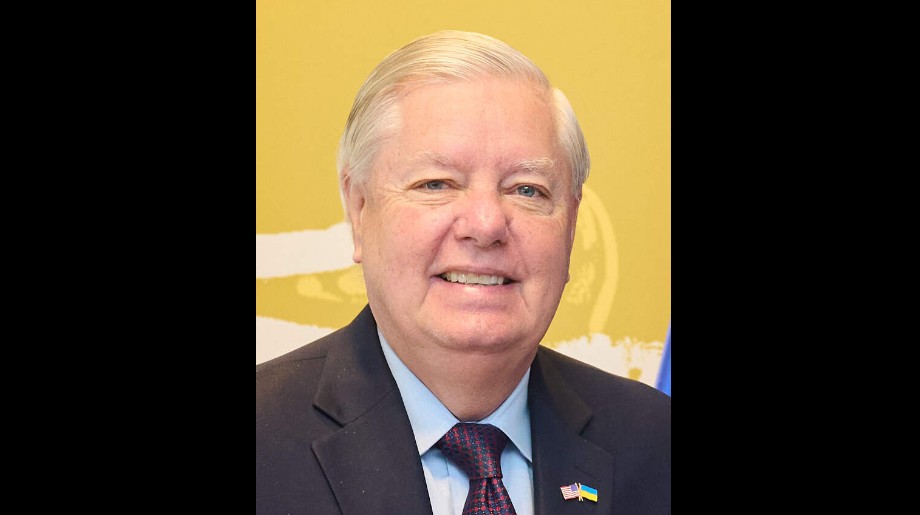
    Veteran Republican Senator Lindsey Graham of South Carolina, one of the most high-profile figures shaping United States foreign policy and a late-in-career close ally of President Donald Trump, has passed away at age 71 after what his Senate office termed a “brief and sudden illness.”

    Graham’s death was announced shortly after he died at his Washington, D.C., home on Saturday evening. The senior lawmaker had only returned one day prior from an official trip to Kyiv, Ukraine, where he held talks with Ukrainian President Volodymyr Zelensky. While Graham’s office has not released an official cause of death, multiple major US media outlets have confirmed that first responders were dispatched to his residence following reports of a cardiac arrest incident.

    President Trump was among the first to issue a public tribute to Graham, remembering the long-serving senator as a “true American Patriot” whose absence will be deeply felt across the country. Speaking exclusively to NBC News, Trump revealed he had spoken with Graham just hours before the senator’s passing. “He sounded great, but a little tired,” Trump said, adding that “[Graham] was a tough cookie in many ways and a good person.”

    First elected to the US House of Representatives before winning a Senate seat in 2002, Graham built a decades-long reputation as one of Washington’s most unapologetic foreign policy hawks. Over his career, he consistently pushed for robust US military intervention across the globe: he backed the 2003 invasion of Iraq in the wake of the September 11 attacks, publicly opposed the 2021 withdrawal of US troops from Afghanistan, and emerged as one of the most vocal congressional supporters of sweeping military and financial aid packages for Ukraine amid Russia’s ongoing invasion. Just one month before his death, Graham made headlines for a televised interview warning that the US would “obliterate” Iran if it attempted to seize control of the strategic Strait of Hormuz, a statement that aligned with his lifelong hard-line stance on national security issues.

    Graham’s passing came as a sudden shock to political circles in Washington. The senator had shown no visible signs of poor health ahead of his Ukraine trip, and was scheduled to appear as a lead guest on NBC’s flagship Sunday morning public affairs program *Meet the Press* the day after he died.

    A defining throughline of Graham’s later political career was his dramatically shifting relationship with Donald Trump. During the 2016 Republican presidential primary, Graham stood as one of Trump’s most fierce critics, famously labeling the then-candidate a “race-baiting, xenophobic, religious bigot” and warning Republican colleagues that nominating Trump would guarantee a general election defeat. In the aftermath of the January 6, 2021 attack on the US Capitol, Graham publicly split with Trump, telling the Senate: “Trump and I, we’ve had a hell of a journey. I hate it to end this way. All I can say is count me out. Enough is enough.”

    Yet the two political figures gradually repaired their rift. Graham voted to acquit Trump during his second impeachment trial, evolved into one of Trump’s most reliable allies in the Senate, and threw his full weight behind Trump’s successful 2024 presidential campaign. In a 2023 interview with the BBC, Graham acknowledged Trump’s well-documented flaws but defended his presidency, pointing to his record on border security, conservative judicial appointments, and the 2020 drone strike that killed top Iranian military commander Qasem Soleimani.

    Tributes have poured in from world leaders in the days following Graham’s death. Israeli Prime Minister Benjamin Netanyahu called Graham one of the State of Israel’s greatest friends in US politics, noting that the senator “understood that the security of Israel and America are inseparable.” Zelensky also honored Graham’s unwavering support for Ukraine, releasing a statement thanking him for his consistent backing since the start of Russia’s full-scale invasion.

    Born in the small town of Central, South Carolina, Graham faced devastating personal hardship at a young age: he lost both of his parents while still attending university, and stepped forward to raise his younger sister, whom he later legally adopted. After earning a law degree from the University of South Carolina, Graham launched his professional career as a military lawyer in the US Air Force, later serving in the Air National Guard and Air Force Reserve before retiring with the rank of colonel.

    Graham never married and had no children. Earlier this year, he secured the Republican nomination to run for a fifth Senate term in the 2026 midterm elections.

    His death creates an unexpected vacancy in the US Senate at a politically pivotal moment for the country. Per South Carolina state law, Republican Governor Henry McMaster will appoint an interim senator to fill the seat through the end of Graham’s current term, with a permanent successor set to be elected by voters in November’s midterms. Prior to Graham’s passing, Republicans held a narrow 53-47 majority in the Senate, meaning the upcoming special election to fill his seat will carry outsize importance in the ongoing battle for partisan control of the upper chamber.