作者: admin

  • Saint Lucia gets tool to detect outbreaks faster

    Saint Lucia gets tool to detect outbreaks faster

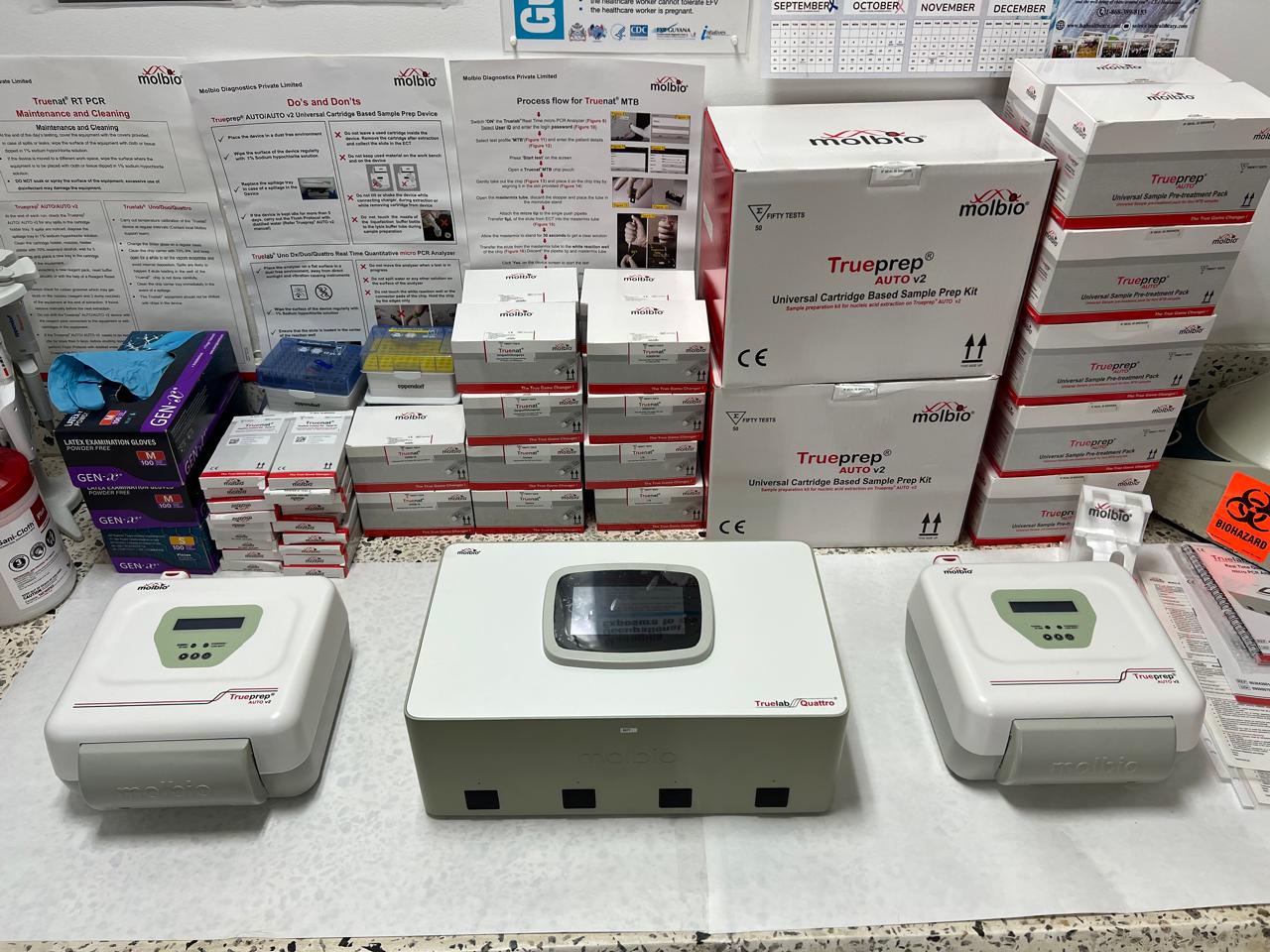
    Ten Caribbean countries and territories have successfully upgraded their diagnostic capabilities with cutting-edge Molbio rapid PCR testing platforms, a development that is set to revolutionize how the region detects and responds to infectious disease outbreaks. The rollout, completed by March 26 under the Pandemic Fund Project, is led by the Caribbean Public Health Agency (CARPHA), which confirmed Saint Lucia, Barbados, The Bahamas, Belize, Dominica, Grenada, Guyana, Jamaica, the Turks and Caicos Islands, and Trinidad and Tobago as the participating member states.

    Unlike traditional testing setups that can take multiple days to deliver results, the new platform delivers accurate diagnostic outputs for a wide range of pathogens in under two hours. The technology is designed to detect more than a dozen high-priority infectious diseases that pose major threats to public health in the region, including SARS-CoV-2, influenza, cholera, malaria, HIV, hepatitis, tuberculosis, salmonella, leptospirosis and rabies. It also has the capacity to test for pathogens with high pandemic potential, such as Nipah virus and norovirus, filling a critical gap in the region’s early warning systems.

    Following the completion of installations, the initiative is moving into its next operational phase: routine diagnostic testing across all participating sites. All testing data will be compiled and shared on a weekly basis with CARPHA through the platform’s integrated digital reporting system, enabling seamless aggregation of information into regional public health surveillance networks. This connected data infrastructure allows for continuous monitoring of platform performance and supports coordinated, fast-acting responses when new disease threats emerge.

    Complementing the hardware rollout, CARPHA has also completed targeted training for more than 50 laboratory professionals across the participating countries, building sustainable local technical capacity to operate and maintain the new systems. This hands-on training ensures that national health networks can leverage the full potential of the technology long after the initial deployment.

    CARPHA Executive Director Dr. Lisa Indar framed the successful completion of installations as a transformative milestone for regional public health infrastructure. “By combining cutting-edge diagnostic technology with targeted workforce training, CARPHA is ensuring that countries are better prepared to detect, respond to and manage public health threats in real time,” she said.

    The initiative has already demonstrated its value in emergency response scenarios. During Hurricane Melissa that impacted Jamaica in October 2025, the platform was installed and local staff were fully trained within just a few days, enabling immediate emergency testing and boosting the country’s disaster response readiness. Looking ahead, the upgraded diagnostic systems are expected to cut turnaround times for diagnosis from days to under two hours, enabling earlier case identification, faster isolation of infected individuals, and more effective containment of outbreaks. This progress ultimately strengthens regional surveillance capabilities and boosts the long-term resilience of national health systems across the Caribbean.

  • Cultuurdragers zien Heritage Month als stap naar meer nationale eenheid

    Cultuurdragers zien Heritage Month als stap naar meer nationale eenheid

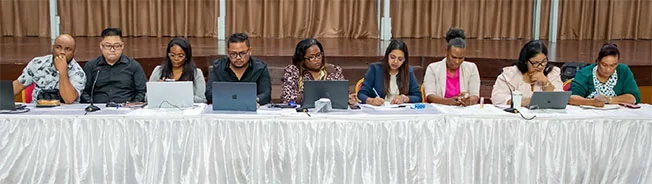
    In a series of collaborative consultation sessions held at Suriname’s Congress Hall, cultural leaders, civil society organizations, and youth representatives have united around building momentum for the country’s first-ever National Heritage Month, scheduled to launch this coming August. Organized by the Presidential Working Group for Heritage Month, the two-day gathering held earlier this week centered on the unifying theme “However we came together here – how we move forward together”, framing the inaugural event as a landmark step for the South American nation’s diverse social fabric.

    Nearly all participants expressed enthusiastic support for the initiative, echoing a shared belief that the month-long celebration will strengthen national unity, foster a collective sense of shared identity, and reinforce social cohesion across Suriname’s famously multicultural population. Renowned Surinamese author and historian Cynthia McLeod emphasized that the initiative fills a critical gap, given the nation’s layered, centuries-long history and extraordinary cultural diversity. For McLeod, it is essential that all Surinamese people develop a deep awareness of their collective inherited heritage, and gain tools to pass these cultural narratives down to future generations. She also publicly called for organizers to turn Heritage Month into an annual recurring tradition, rather than a one-off event.

    Beyond its social and cultural value, McLeod noted that Suriname’s unique cultural diversity holds enormous untapped potential for the country’s tourism sector. “Our heritage is so fantastic, so diverse, and yet together we form this beautiful Suriname,” she told attendees, urging all segments of Surinamese society to actively participate in the full schedule of planned activities for the inaugural month.

    Tanuya Manichand, a respected cultural bearer, dance instructor, and oral storyteller, echoed McLeod’s support, framing the broad stakeholder consultation process itself as a promising first step. She pointed out that the high level of engagement from cultural leaders and community groups across the country demonstrates clear public demand for a dedicated, ongoing platform that centers culture and collective identity as core national priorities. Like McLeod, Manichand stressed that the event should not remain a one-time project, noting “We need to build something that people can keep looking forward to year after year.” She added that the celebration should maintain a clear focus on answering two core questions: What does it mean to be Surinamese, and what shared values bind the nation’s diverse communities together?

    Florence Jamin-Wangsabesari, chair of the Suriname Pencak Silat Association, brought the perspective of a practice already recognized globally as intangible cultural heritage. Pencak Silat, the traditional Indonesian martial art, has deep roots in Suriname’s multicultural communities, and Jamin-Wangsabesari explained that her association does not just promote the discipline as a sport – it uses it as a living tool to preserve shared cultural heritage, which is already recognized by UNESCO. She emphasized that cross-ethnic, cross-cultural collaboration is central to the success of any national heritage initiative, and argued that young people must be more actively included in cultural programming to prevent long-held traditions from fading over time. In line with this goal, her association already brings Pencak Silat programming directly to Surinamese schools to reach new generations.

    Rachel Pinas, chair of the 2026 Presidential Working Group for Heritage Month, confirmed that youth engagement is a core priority from the earliest planning stages. “Young people are the future heritage bearers, and they are the ones who will carry our cultural stories forward for the next generation,” she explained, noting that all feedback and ideas shared by youth participants during the consultation sessions will be integrated directly into the final planning and execution of the inaugural Heritage Month.

    Youth participants have responded overwhelmingly positively to being included in the early planning process. Ceejay Wiebers, one of the young attendees at the consultation, noted that bringing the next generation into the process early is critical to preventing cultural loss, as young people will be the ones stewarding these traditions going forward. Urvin Doekoe, representing The Colors Foundation Suriname, added that the Heritage Month initiative aligns perfectly with his organization’s core work, which centers on supporting youth and elevating the cultural heritage of Suriname’s Maroon and Indigenous communities.

  • First in 30 Years: Bahamas Re-Elects Its Prime Minister

    First in 30 Years: Bahamas Re-Elects Its Prime Minister

    In a historic outcome that reshapes Bahamian politics, incumbent Prime Minister Philip Davis of the Progressive Liberal Party (PLP) has secured a decisive re-election victory, marking the first time a sitting leader has won back-to-back terms in nearly three decades. The snap vote, held on a Tuesday in May 2026 months ahead of the originally scheduled October poll, delivered a landslide for Davis and his party, which claimed more than 30 out of the 41 total seats in the national parliament. The early election was strategically called by Davis to avoid potential disruption from the annual Atlantic hurricane season, a decision that ultimately paid off for the ruling party. In his first public address following the confirmation of his victory, Davis struck a humble tone, acknowledging the will of the Bahamian people. “The Bahamian people have spoken, and I receive their verdict with humility and gratitude,” Davis said. “This victory is a mandate to keep moving The Bahamas forward, to expand opportunity, strengthen security, ease the pressure on families, and deliver progress across our islands.” The main opposition bloc, the Free National Movement (FNM), faced a devastating rout in the election. The party was projected to walk away with just 8 parliamentary seats, and both its sitting chair and deputy leader lost their bids for re-election. The losses extended to former Prime Minister Hubert Minnis, who was denied the FNM’s nomination for his long-held seat and launched an independent campaign to retain the post he had held for nearly 20 years. Minnis ultimately failed to secure enough support to hold the seat, closing a major chapter in the FNM’s recent history. Cost of living pressures dominated voter concerns throughout the campaign, with skyrocketing housing costs and stagnant wage growth emerging as the top issues driving Bahamian voters to the polls. Davis’ ability to address these public anxieties, paired with his strategic decision to call an early vote, cleared a path to his historic re-election, breaking a three-decade pattern of leadership turnover in the island nation.

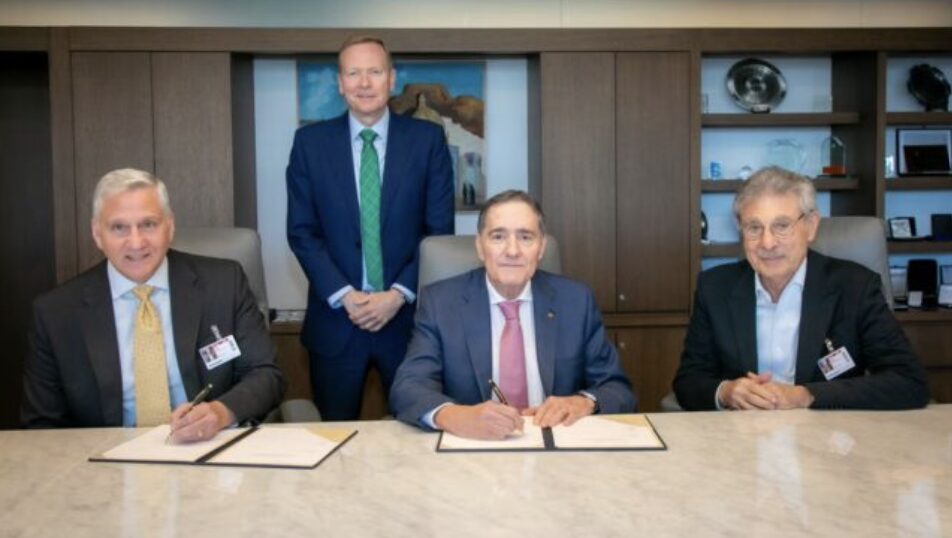
  • PAHO announces regional agreement to secure pandemic influenza vaccines for Latin America and the Caribbean

    PAHO announces regional agreement to secure pandemic influenza vaccines for Latin America and the Caribbean

    Against the backdrop of ongoing global circulation of high-risk zoonotic viruses such as avian influenza, the Pan American Health Organization (PAHO) has launched a landmark public-private partnership with Australian pharmaceutical firm CSL Seqirus to strengthen pandemic preparedness across Latin America and the Caribbean, ensuring more equitable and timely access to pandemic influenza vaccines when the next public health emergency strikes.

    At the core of the new agreement is a pre-negotiated dose allocation mechanism that earmarks a fixed portion of CSL Seqirus’ global pandemic influenza vaccine production exclusively for participating PAHO member states. If a pandemic is declared, participating nations will immediately gain access to an initial pre-reserved pool of doses, eliminating the chaotic bidding wars and supply shortages that left many regions scrambling for vaccines during the height of the COVID-19 pandemic. This framework is built directly on hard-won lessons from the global COVID-19 crisis, which exposed deep gaps in regional preparedness and global vaccine equity, particularly for middle-income countries.

    To add resilience to the regional supply chain, partial vaccine manufacturing will take place locally in Argentina in collaboration with domestic biotech firm Sinergium Biotech. This arrangement not only brings production closer to end users but also supports long-term growth of regional biomanufacturing capacity, a key priority identified in post-COVID-19 public health reforms. CSL Seqirus will lead global development of pandemic influenza vaccines and support technology transfer to regional partners, drawing on the company’s decades of specialized expertise in influenza research and large-scale vaccine production.

    PAHO Director Jarbas Barbosa emphasized that the agreement marks a transformative shift for regional health security. “This agreement is a direct response to the hard lessons of COVID-19 and a major step forward in strengthening health security and pandemic preparedness across the Americas,” Barbosa said. “Through our Regional Revolving Funds, countries are joining forces to secure a reserved share of vaccine production, helping protect those at risk when it matters most.”

    Barbosa added that for the first time, countries across the Americas are approaching future pandemic response as a unified bloc rather than fragmented individual markets, putting the region on far more equal footing with wealthy nations that typically outcompete lower and middle-income countries for limited global vaccine supplies. By pooling collective demand through PAHO’s Regional Revolving Funds, participating countries can negotiate better terms and ensure access even when global demand surges.

    David Ross, Executive Vice President and General Manager at CSL Seqirus, called the partnership a model for proactive pandemic preparedness. “This agreement puts pandemic preparedness best practices into action, bringing together reserved doses, regional manufacturing capability, and a long-term public-private commitment,” Ross said. “We’re proud to establish this kind of partnership in Latin America and the Caribbean for the first time.”

    Alejandro Gil, President and CEO of Sinergium Biotech, noted that the deal builds on more than a decade of collaboration between his firm, PAHO, and CSL Seqirus. Fifteen years of investment in infrastructure and workforce development have now positioned Sinergium to deliver high-quality vaccines to the region, aligning with PAHO’s regional public health strategies. “For Sinergium, it is a source of pride to be able to contribute in such a significant way to public health in the region,” Gil said.

    The agreement, which followed a full year of negotiations and an international competitive procurement process, addresses a longstanding structural gap that has disadvantaged middle-income countries during global health crises. These nations often lack the purchasing power to secure early vaccine access from manufacturers, but are also excluded from the emergency support programs offered to the world’s poorest countries.

    When a pandemic does occur, dose allocation from the reserved pool will be guided by real-time epidemiological data and formal risk assessments, with high-priority access guaranteed to the most vulnerable populations. PAHO officials stressed that this framework shifts the region from a reactive crisis response model to a proactive, pre-planned system that can cut through supply chain delays and global competition to deliver doses when they are needed most.

    Public health experts have repeatedly identified animal-borne influenza viruses as one of the highest-risk pathogens for triggering the next global pandemic, making proactive preparedness for a pandemic influenza event a top global health priority. PAHO officials noted that this new agreement sets a precedent for regional cooperation that could be replicated in other parts of the world to improve global pandemic preparedness overall.

  • Police renew appeal for three wanted men

    Police renew appeal for three wanted men

    Law enforcement authorities in Barbados have stepped up their efforts to locate three men wanted for questioning linked to severe criminal activity, reissuing public appeals for community assistance this week.

    On Wednesday, the Barbados Police Service published updated wanted alerts for Ricardo Cortez Browne, who also goes by the alias “Ricky”, Jevon Obrien Richardson, and Akeem Deshawn Carter. Each suspect has been provided with clear instructions on how to surrender to authorities legally, with permission to be accompanied by a personal legal representative.

    Authorities have released detailed physical descriptions and last known residential locations to help members of the public identify the three men. Browne, whose last confirmed address is in Coral Land, Haggatt Hall, St. Michael, is described as a 5-foot-10-inch man of medium build with brown complexion and a prominent bulbous nose. Police have directed Browne to turn himself in at the Black Rock Police Station alongside his chosen attorney.

    The second suspect, Richardson, last resided at Walmer Lodge in Black Rock, St. Michael. He stands approximately 6 feet tall, has a slim build, dark complexion, and short, messy black hair. Law enforcement has requested that Richardson surrender to the Criminal Investigations Department (CID) based at the District ‘A’ Police Station on Station Hill, St. Michael, again with legal counsel present.

    The third wanted man, Carter, lists Bartlett Tenantry in Sargeant Village, Christ Church as his last known address. Officials describe Carter as a 5-foot-9-inch man of stocky build with dark complexion, and note he has two distinguishing tattoos: the word “Loyalty” inked on his left hand, and the initials “QTF” marked on his right hand. Carter has been instructed to report to the CID unit at Oistins Police Station with his attorney.

    In addition to asking the three suspects to surrender voluntarily, police are calling on any member of the public with information about the current whereabouts of Browne, Richardson or Carter to come forward immediately. Tips can be submitted to multiple contact points: the Black Rock Police Station at 417-7500 or 417-7505, District ‘A’ CID at 430-7242 or 430-7270, Oistins CID at 418-2608 or 418-2612, the national 24/7 police emergency line at 211, anonymous Crime Stoppers at 1-800-8477, or any local neighborhood police station.

    Officials have also issued a clear reminder to the public that concealing the location of a wanted person or providing any form of assistance to help them avoid arrest constitutes a serious criminal offense under Barbados law, and anyone found guilty of this action can face prosecution.

  • Skerrit links rising fuel costs to international conflict, highlights geothermal energy benefits

    Skerrit links rising fuel costs to international conflict, highlights geothermal energy benefits

    In a recent press briefing addressing growing economic pressure on Dominican households, Prime Minister Roosevelt Skerrit has traced the sharp spike in domestic fuel prices to the ongoing geopolitical conflict between the US, Iran and Israel, while crediting the country’s emerging geothermal energy project with preventing even more dramatic electricity cost increases for consumers.

    Skerrit outlined the timeline of price increases, noting that when the conflict erupted on February 28, 2026, gasoline retailed at $14.96 per gallon and diesel stood at $13.84 per gallon on the island. In the months following the conflict’s start, global crude oil markets have seen a dramatic upward swing, sending ripple effects through fuel markets worldwide and reaching local consumers in Dominica directly.

    “Since that date, global crude prices have jumped more than 30 percent, which has driven local pump prices up to $17.98 per gallon for gasoline — a 20.2 percent increase — and $20.53 per gallon for diesel as of May 7 this year,” Skerrit told reporters. He added that American consumers have faced even steeper jumps, with some reports showing domestic fuel prices in the U.S. rising as much as 50 percent since the conflict began.

    The prime minister openly acknowledged the intense financial strain that elevated fuel costs are placing on everyday Dominican families, admitting that the current price of diesel is an enormous burden for households. Crucially, he noted that the island nation has no control over global geopolitical developments or international commodity prices that drive these increases.

    To cushion the blow for consumers, the Dominican government has maintained fuel subsidies, but Skerrit explained that this policy is putting unsustainable new pressure on the country’s national budget. The government is already facing rising operating costs across critical public sectors, including schools, hospitals, and general public services, alongside ongoing recovery and reconstruction work following devastating floods that hit the island’s eastern and northeastern regions in April.

    With diesel prices climbing 48 percent since February and global crude markets expected to remain volatile through the rest of 2026, Skerrit emphasized that fuel subsidies have become a growing drain on public finances. This budget pressure, in turn, limits the government’s ability to allocate funding to other core priorities: public health, education, infrastructure expansion, and ongoing disaster recovery.

    In response to this balancing act, the prime minister announced that the government will implement monthly reviews of fuel pricing and subsidy policy, aiming to strike a sustainable balance between protecting consumers from sudden price shocks and maintaining responsible long-term fiscal management for the country.

    Turning to a bright spot in the island’s energy landscape, Skerrit highlighted the critical role that Dominica’s investment in geothermal energy is already playing, even before the new geothermal power plant holds its official commissioning. The project is already supplying power to the national grid, and the prime minister said this domestic renewable capacity has insulated the country from far steeper increases in electricity prices.

    “If we had not moved forward with geothermal development — even though the plant is not yet officially open, we have been drawing geothermal power for some time — every Dominican would be facing massive jumps in their electricity bills right now because of the war,” Skerrit explained. He noted that the Dominican electricity utility DOMLEC would otherwise rely almost entirely on imported diesel for power generation, leaving electricity prices directly tied to volatile global oil markets.

    Looking forward, Skerrit reaffirmed that the government’s sustained investment of time and funding into geothermal development is a strategic move to strengthen Dominica’s long-term energy security and cut the country’s exposure to unpredictable swings in global crude oil prices. “We understand fully why the government has dedicated so many resources to advancing geothermal,” he added.

  • Thirteen-year-old girl missing

    Thirteen-year-old girl missing

    Law enforcement authorities in Barbados are turning to the public for help in their search for a missing teenage girl from the parish of St Michael. 13-year-old Kemera Murray, who resides at Block 1B, Meadow Road in the Wildey neighborhood, has not been seen since Tuesday, May 12, and investigators are asking community members to come forward with any details that could help locate her.

    Police have released a detailed physical description to aid public recognition. Murray stands approximately 5 feet 6 inches tall, has a slender build, and a dark complexion. Her hair is styled in short cornrow plaits. When she was last observed, she was wearing a blue cropped dress paired with black form-fitting leggings. Investigators also noted that the teen is known to regularly visit the Oistins area located in Christ Church, a southern parish of the island nation.

    Multiple contact channels have been set up for members of the public to share any information they may have about Murray’s current location. Those with tips can reach out directly to District ‘A’ Police Station via phone at 430-7242 or 430-7246, contact the national police emergency line at 211, submit anonymous information through Crime Stoppers at 1-800-8477, or visit any local police station to share details in person. Police emphasize that even small pieces of information could prove critical to bringing the missing teenager back to her family safely.

  • GFA begins second term with strategic KNVB Engagement

    GFA begins second term with strategic KNVB Engagement

    Grenada’s national governing body for football, the Grenada Football Association (GFA), has hit the ground running in its second term under re-elected president Marlon Glean, placing targeted, long-term football growth at the top of its policy agenda. Glean and his entire leadership slate secured a fresh four-year mandate during internal elections, with the official results publicly confirmed by the GFA on May 9, 2026. This renewed vote of confidence from member stakeholders paves the way for continued momentum on ongoing initiatives designed to elevate the standard of the sport across all levels of Grenadian football.

    One of the first and most high-profile moves of the new administration has been senior-level strategic discussions with top leaders from the Royal Netherlands Football Association (KNVB), including KNVB President Frank Paauw and General Secretary Gijs de Jong. This dialogue is no accidental diplomatic exchange; it aligns with the GFA’s deliberate strategy of building mutually beneficial international partnerships that can deliver tangible, practical support for domestic football development through shared expertise, targeted knowledge transfer, and structured institutional capacity building.

    Talks between the two federations have centered on priority development areas that the GFA has identified as critical to lifting the country’s football ecosystem. At the top of the agenda are coaching education and referee development, two core pillars of the GFA’s broader plan to raise technical standards across the sport, improve the quality of grassroots and elite programming, and build more robust development pathways for clubs, technical staff, match officials, and youth and senior players alike. The discussions have also covered targeted equipment support, with the GFA emphasizing that sustainable on-the-ground progress depends not just on training and education, but also access to the physical resources needed to implement new programs effectively.

    The KNVB has emerged as an ideal international partner for this work, with a globally recognized track record of football development cooperation. Through its specialized KNVB Academy, the Dutch federation trains thousands of new coaches, trainers and match officials every year across every tier of the sport, from community grassroots programs to top-tier professional football. Its global development portfolio centers heavily on coach development and open knowledge sharing with emerging football associations, and the organization has continued to formalize new cooperative agreements and development-focused initiatives with partners around the world in recent months.

    For Grenada, this collaboration comes at a particularly opportune moment. The GFA has already taken major steps to strengthen match officiating standards in the country through the recent launch of its own domestic Referee Academy, and it is currently pursuing broader technical advancement across all segments of the local football ecosystem. A targeted partnership focused on coaching education, referee development, and equipment support is expected to deliver tangible improvements at every level, from community recreational football to the country’s elite national teams, while also helping to strengthen organizational and institutional capacity for local clubs and the GFA’s central administrative structure.

    In comments on the start of his second term, Glean emphasized that the administration’s early priority is not just to maintain existing progress, but to deepen it through intentional, value-driven partnerships that deliver lasting benefits to Grenadian football. “Securing re-election for a second term is both a great honor and a significant responsibility, and our team is committed to using this mandate with clear purpose,” Glean said. “Our ongoing engagement with the KNVB makes clear the direction we are taking this term: we are focused on intentional technical growth, institutional strengthening, and building long-term opportunity for every stakeholder in Grenada football. Coaching education, referee development, and equipment access are all non-negotiable if we want to raise standards across the sport, and we see enormous value in building relationships that let us benefit from proven systems, global expertise, and structured collaborative work.”

    The GFA has stressed that this engagement goes far beyond ceremonial diplomatic exchange. Instead, it frames the dialogue as a forward-thinking effort to lock in concrete collaborative projects that drive technical development, strengthen administrative systems, and improve program delivery across the entire local football ecosystem. As Glean’s administration settles into its second term, the GFA remains committed to growing Grenadian football through trusted international partnerships that support knowledge sharing, systemic improvement, and measurable, long-term progress.

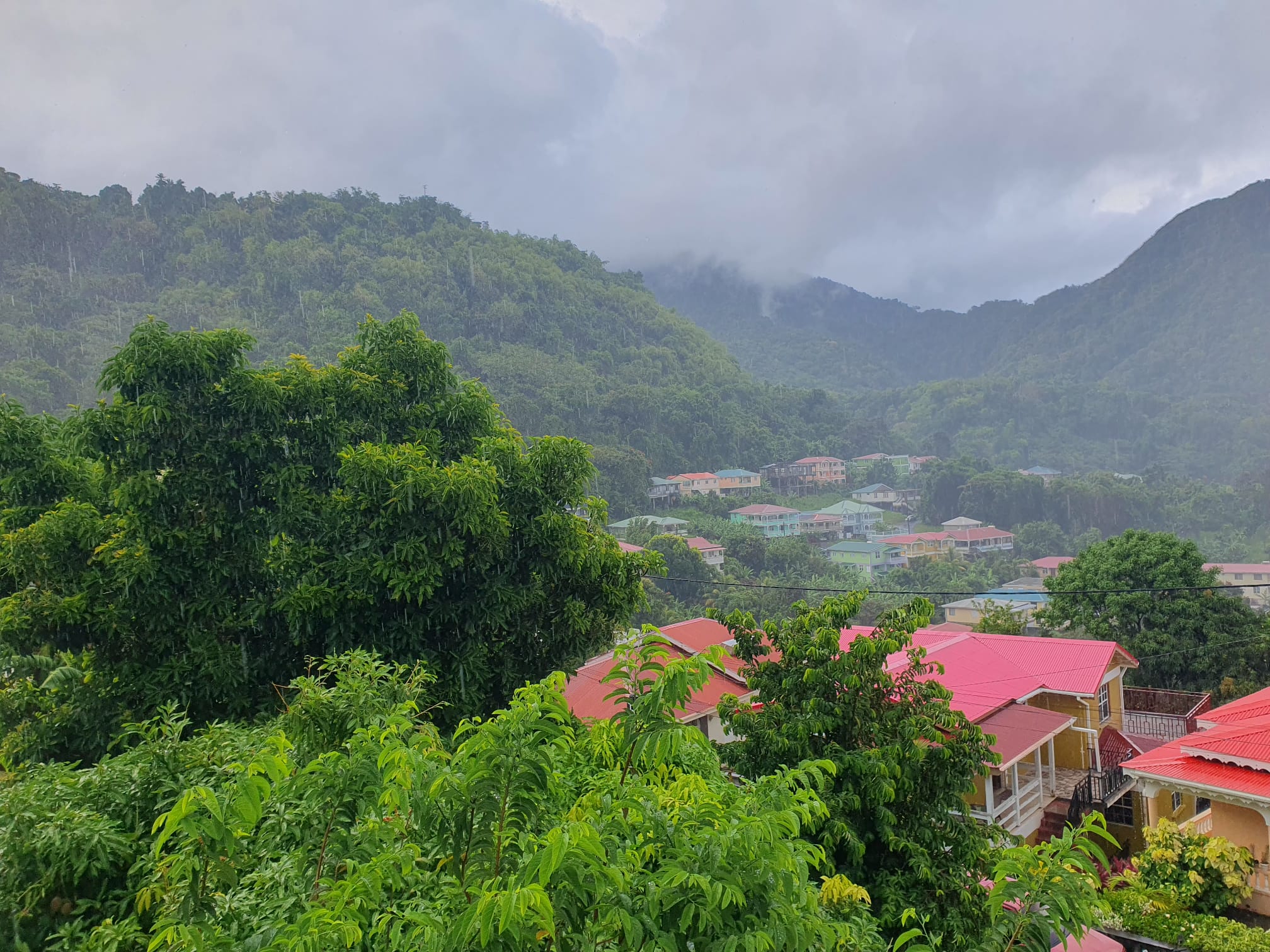
  • WEATHER (6:00 AM, May 13, 2026):

    WEATHER (6:00 AM, May 13, 2026):

    Over the next full day, stable atmospheric conditions will remain the primary driver of regional weather, shaped by a persistent high-pressure system that anchors the overall pattern. As fragmented cloud masses drift with prevailing wind currents, the sky will range from partially overcast to fully cloudy, accompanied by scattered rain showers. Some of these showers may intensify into moderate or even heavy downpours, with the highest concentrations forecast for early morning hours and overnight. For residents living in zones prone to flash flooding, mudslides, and falling rock debris, local weather officials urge constant vigilance and proactive safety measures to avoid risk.

    Later this evening, the region will also see a thin, diffuse plume of dust carried from the Sahara Desert reach the island. While the concentration is not expected to be severe, individuals with pre-existing respiratory conditions or heightened sensitivity to airborne particulates are advised to take appropriate protective steps, such as limiting prolonged outdoor exposure and keeping indoor air filtered.

    Looking at marine conditions, wave heights will stay relatively mild through most of the next 24 hours, ranging from small to moderate across surrounding waters. Off the eastern coastline, waves are projected to build to a maximum of 7 feet, while the western coast will see calmer swells averaging around 3 feet. However, overnight tonight, sea conditions will deteriorate slightly: eastern coast waves are expected to climb to nearly 8 feet, and western coast swells will rise to roughly 5 feet. Operators of small recreational and commercial vessels, as well as people planning to swim in open waters, are advised to maintain extra caution and avoid venturing too far from shore.

    In a separate update on broader Atlantic tropical activity, meteorologists are continuing to track a third tropical wave that is currently moving across the eastern portion of the tropical Atlantic. No immediate development has been projected for the system at this time, but monitoring remains ongoing to track any changes in its strength or trajectory.

  • Health authorities monitoring hantavirus outbreak; no local cases reported

    Health authorities monitoring hantavirus outbreak; no local cases reported

    A global public health monitoring effort is underway after a hantavirus outbreak emerged aboard the cruise vessel MV Hondurus, with the Caribbean nation of Saint Lucia confirming it remains at low risk of local transmission as authorities track the evolving situation.

    The cruise ship set sail from Argentina on April 1, carrying a diverse group of passengers and crew representing 28 nationalities. As of May 11, the outbreak has been linked to nine reported hantavirus infections, three of which have resulted in fatalities. Five of the nine cases have received formal laboratory confirmation, and public health investigators are continuing active surveillance to detect unreported cases and curb further spread of the pathogen.

    In an official public statement released Tuesday, Dr. Michelle Francois, Saint Lucia’s leading national epidemiologist, reaffirmed the island’s current risk status. “At present, Saint Lucia is considered to be at low risk for hantavirus transmission…. At this time, there are no suspected or confirmed cases of virus in Saint Lucia,” she stated.

    Francois explained that all nations with citizens who disembarked from the infected vessel are coordinating closely with global public health agencies to conduct ongoing monitoring of all exposed passengers and crew for early signs of infection. Health authorities have also received notification that one Caribbean national onboard the ship may have been exposed to the virus, but the government of that country has since confirmed no suspected or confirmed infections have been detected within its borders to date.

    Per the epidemiologist, the World Health Organization (WHO) has also assessed the global public health risk posed by the outbreak as low, though officials note that additional cases may still surface in coming weeks due to hantavirus’s lengthy incubation period.

    For context, hantavirus is primarily a zoonotic pathogen, meaning it most often spreads to humans from direct contact with infected rodents, specifically through exposure to the animals’ urine, feces, or saliva. Limited person-to-person transmission has only ever been recorded for the Andes virus strain – the same strain connected to this current outbreak – and even this route of infection requires close, prolonged contact with an already infected individual to occur.

    Common early symptoms of hantavirus infection include fever, persistent headache, muscle pain, abdominal discomfort, nausea, and vomiting. In the most severe cases, the infection can progress rapidly to dangerous respiratory complications, including persistent coughing, shortness of breath, dangerous fluid accumulation in the lungs, and even septic shock.

    To support public prevention efforts, Saint Lucia’s Ministry of Health, Wellness and Nutrition has issued updated guidance for residents. People traveling to regions affected by the outbreak are advised to avoid areas known to have high rodent populations whenever possible. For anyone cleaning spaces that have been contaminated by rodents, the Ministry strongly recommends using appropriate personal protective equipment, including disposable face masks and rubber gloves, as well as effective disinfectants to reduce the risk of exposure to airborne virus particles.

    Saint Lucia’s health department says it will continue to monitor all developments related to the MV Hondurus outbreak closely, and will issue timely public updates as new information becomes available.