作者: admin

  • Man charged with 10 burglaries

    Man charged with 10 burglaries

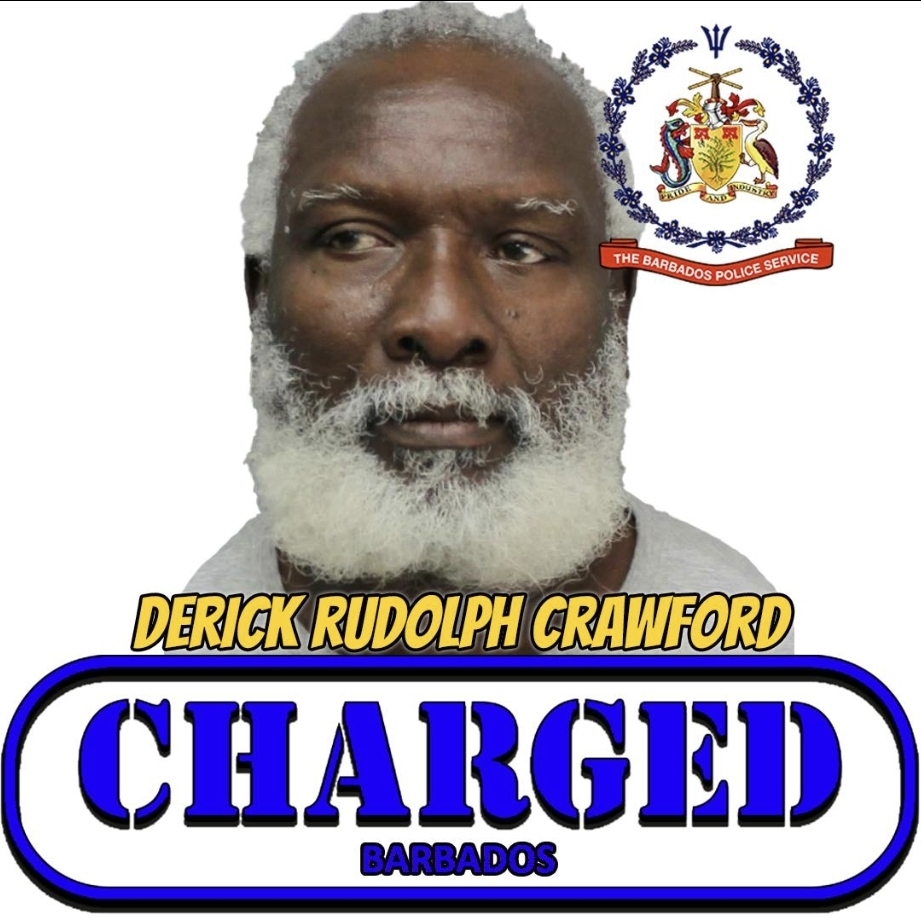
    A 61-year-old transient individual has been ordered to remain in custody after facing a string of burglary charges connected to break-ins across two popular Barbadian districts over an eight-month period. Derick Rudolph Crawford, who lists no permanent residential address, made his initial court appearance on Tuesday before Magistrate Cuffy Sargeant at the Holetown Magistrates’ Court, where he was formally arraigned on 10 separate burglary counts.

    Law enforcement officials have confirmed that nine of the charges tie back to break-in incidents that occurred within the Holetown area between September 2025 and May 2026. The 10th and final charge stems from an alleged burglary in the neighboring Hastings/Worthing region, which took place on March 26 of this year.

    Crawford entered a formal not guilty plea to all nine charges linked to the Holetown incidents. Following the plea proceeding, Magistrate Sargeant granted a remand order that sends Crawford to the custody of the Barbados Prison Service at Dodds prison while the case moves through the legal system.

    Court schedules have been set for next steps in both sets of allegations. The Holetown-based matters are scheduled to next be called in the Holetown Magistrates’ Court on June 9. By contrast, the single charge connected to the Hastings/Worthing incident has been transferred to the District ‘A’ Traffic Court, with a preliminary hearing scheduled for May 15, nearly a month earlier than the next appearance in Holetown.

    The string of alleged burglaries across two high-traffic coastal districts has drawn local court attention, as the areas are popular with both residents and tourists, making property security a key community concern.

  • Nawasa advises of worsening dry season impact on water supply

    Nawasa advises of worsening dry season impact on water supply

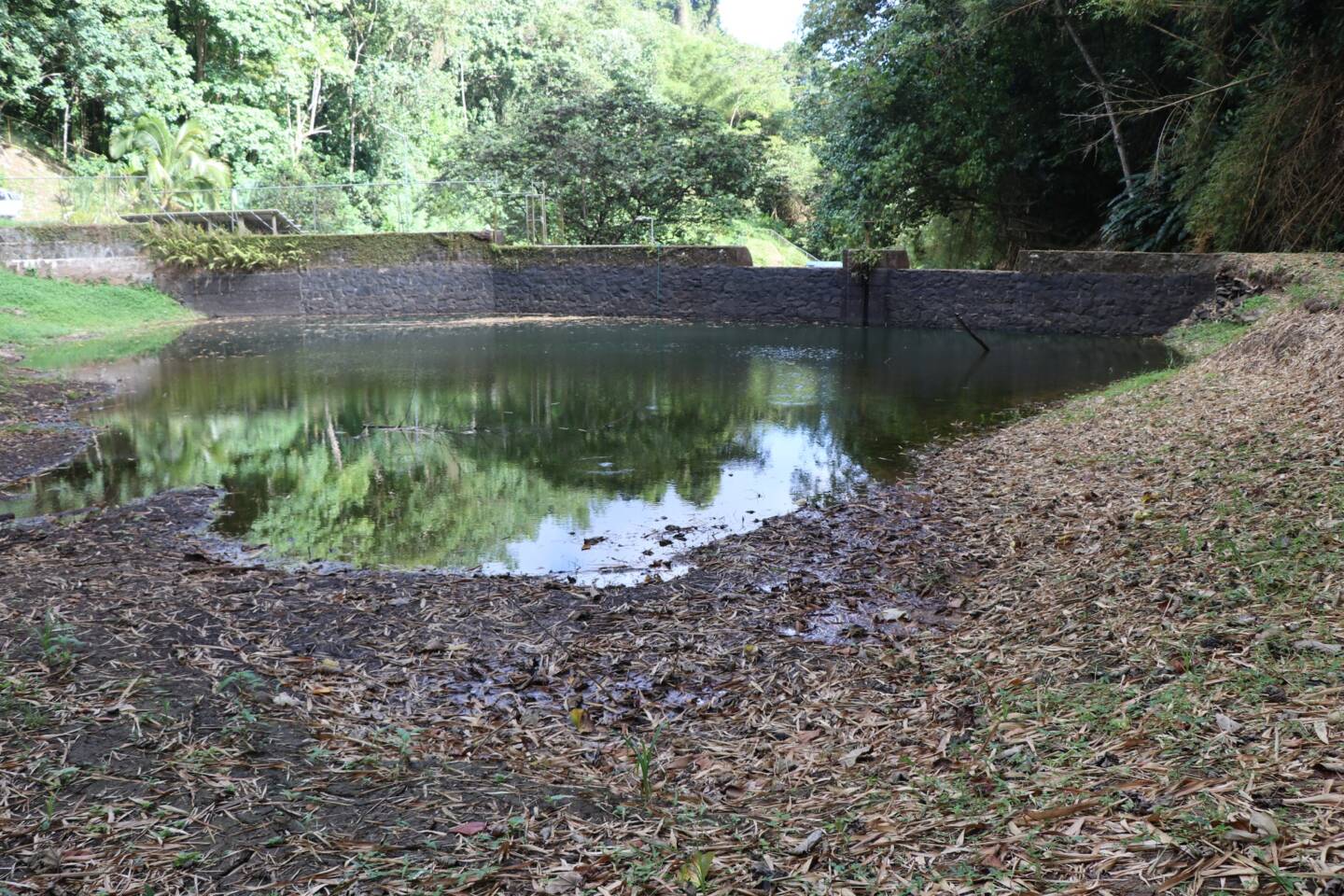
    A prolonged and intensifying dry season across the southern Caribbean is pushing Grenada, including its sister islands Carriacou and Petite Martinique, into a growing fresh water crisis, with the nation’s primary water infrastructure facing unprecedented strain. The National Water and Sewerage Authority (Nawasa) has issued an official public alert confirming that multiple key water production facilities have already dropped to critically low output levels, as extended dry weather depletes the island’s natural fresh water sources.

    Recent comprehensive audits of Nawasa’s national production network confirm stark output declines across most treatment facilities when measured against baseline operating conditions. Some stream-fed production systems are currently recording output deficits as high as 60%. This dramatic drop highlights the far-reaching impact of prolonged drought on Grenada’s surface and groundwater reserves, which supply 94% of the country’s total drinking water.

    Plummeting river flows, shrinking spring yields, and near-stagnant natural aquifer recharge have gutted production capacity across dozens of facilities, leaving officials warning that continued dry conditions over coming weeks could push the national supply system past its breaking point.

    Four major facilities serving populations across the island are already operating at critically reduced capacity, with one completely offline. The Après Tout facility has ceased operations entirely, leaving surrounding service areas with inconsistent, unreliable water access. Les Avocats, which supplies communities along Grenada’s eastern corridor including Minorca, Windsor Forest, Apsley, Perdmontemps, Marian, St Paul’s, Richmond Hill, Morne Jaloux, La Borie, Hope Vale, and Creighton, has seen production fall by more than 40%. The Petit Etang facility, a key source for areas including Petit Etang, Syracuse, Corinth, Vincennes, Windsor Forest, Laura Land, Perdmontemps, Providence, Champfleur, and Child Island, has lost nearly 47% of its output compared to December 2025 levels. Most dramatically, the Bon Accord facility, which serves large swathes of southern Grenada including St George’s Estate, Bon Accord, La Mode, and Ravine, has recorded an output drop of approximately 69%.

    Even the island’s largest and most robust production networks are not immune. Two major systems — Annandale and Mirabeau — are also facing significant output declines. The Annandale Water System, which supplies Grenada’s main tourist belt and dozens of nearby communities, is struggling with persistent production shortfalls even after drawing emergency support from Grand Etang Lake, whose water levels are currently under constant close monitoring. The Mirabeau Water System, the largest distribution network serving the parish of St Andrew and communities including Telescope, Grenville, and multiple surrounding districts, is facing growing pressure as its natural sources dry up. As core components of the national water distribution grid, continued production declines at these facilities could trigger cascading supply shortages for hundreds of communities if drought conditions hold.

    If the situation continues to deteriorate, Nawasa warns that customers across the island will feel the impacts. Particularly in elevated and remote areas, residents can expect reduced water pressure, extended gaps between scheduled supply deliveries, slower reservoir recovery, and more frequent, prolonged service disruptions.

    In response to the deepening crisis, Nawasa has ramped up a suite of operational adjustments to stretch the island’s limited water reserves as far as possible. These include proactive system balancing to reallocate available supply across high-need areas, enhanced round-the-clock monitoring of the most vulnerable water sources, and targeted adjustments to distribution schedules where needed to prioritize critical access.

    The authority has also expanded emergency water trucking operations to deliver supply directly to communities hit hardest by disruptions. In a show of public-private cooperation, St. George’s University (SGU) has deployed one of its own water tankers and a dedicated operator to support deliveries across the southern distribution network. This extra capacity will strengthen the country’s emergency response, allowing Nawasa to reallocate its existing truck fleet to other critically affected communities across the island. Nawasa is also finalizing plans to deploy additional water wagons to high-priority drought zones as part of its broader emergency response framework.

    With reserves dwindling, Nawasa is calling on all Grenadian residents to actively manage their stored water reserves and adopt consistent, responsible water conservation practices in their daily lives. The authority is also actively evaluating the reintroduction of formal water restrictions, modeled after the rules put in place during the 2024 dry season, to slow the rate of reserve depletion and ensure equitable water access across all affected communities.

    As of the latest update, 12 of the island’s 26 independent water systems are already under controlled valve regulation to reduce output and preserve reserves. Multiple systems have also been temporarily taken offline ahead of their scheduled reopening dates to allow natural sources and storage reservoirs to recharge, with the Mirabeau Water System being one of the most prominent examples of this emergency measure.

    Nawasa has acknowledged that the emergency measures and ongoing supply shortages will cause significant inconvenience for residents and businesses across the island. The authority has given its assurance that it is taking every possible step to preserve service reliability through this increasingly challenging period. Officials will continue to monitor hydrological conditions around the clock and issue timely public updates as the situation evolves, and thanked the public for their patience, cooperation, and support as Grenada navigates the ongoing dry season crisis.
  • Trinidad PM says country will not recognise Barnett as CARICOM SG after August

    Trinidad PM says country will not recognise Barnett as CARICOM SG after August

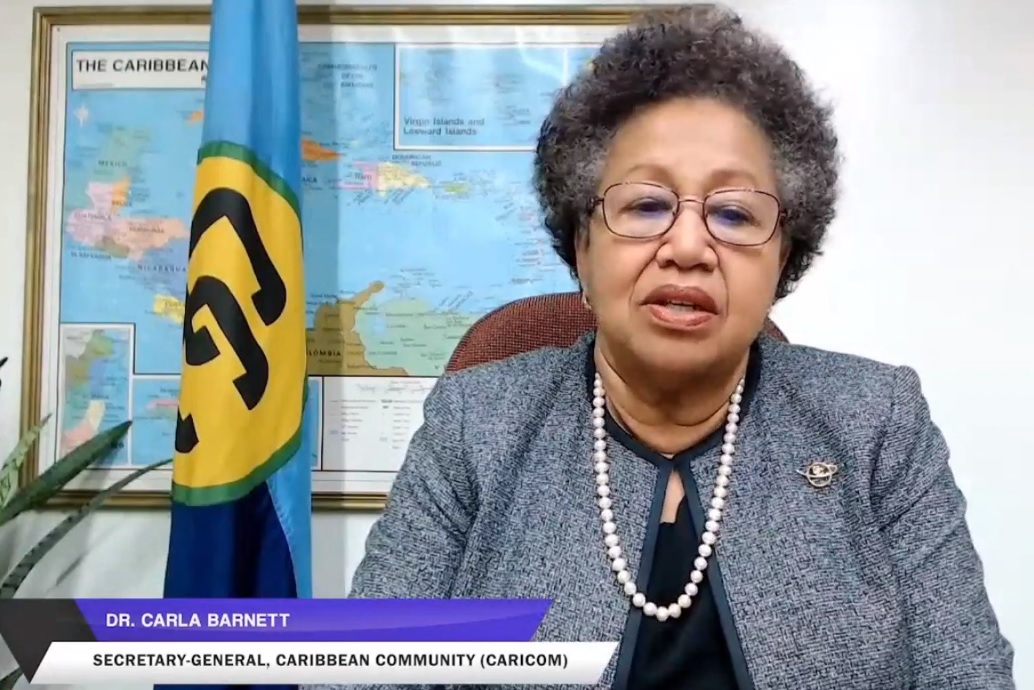
    PORT OF SPAIN, Trinidad – May 13, 2026 – A deep rift has opened within the Caribbean Community (CARICOM) after Prime Minister Kamla Persad-Bissessar of Trinidad and Tobago drew a hard line in public, confirming her nation will refuse to recognize Dr. Carla Barnett’s second five-year term as Secretary-General when her first term expires this coming August.

    Persad-Bissessar made the position unequivocal in an interview with the Trinidad Express, emphasizing that the stance is non-negotiable regardless of backing from other regional member states. “Trinidad and Tobago only recognises Barnett as SG until the end of her term this August 2026. All CARICOM leaders could do as they please, but Trinidad and Tobago will not recognise her as SG for a next term. That’s not going to change,” she said, adding that “this is our final position.”

    The dispute traces back to a February 2026 CARICOM summit held in Basseterre, St. Kitts and Nevis, where regional leaders voted to reappoint Barnett, a Belizean economist who first took office as the bloc’s eighth Secretary-General in August 2021. CARICOM Chair and St. Kitts and Nevis Prime Minister Dr. Terrance Drew confirmed in March that Barnett secured the required majority of votes to win reappointment. But Persad-Bissessar was not present for the vote, and her government has repeatedly challenged the legitimacy of the entire process.

    Trinidad and Tobago’s top objection centers on the absence of Prime Minister and Foreign Minister Sean Sobers from the key retreat where the appointment was finalized. Sobers could not attend due to a scheduling conflict: he was hosting an official visit from India’s External Affairs Minister Dr. Subrahmanyam Jaishankar and fulfilling parliamentary duties. Persad-Bissessar accuses Barnett herself of sending a WhatsApp message to disinvite Sobers from the meeting, a claim that CARICOM leadership has denied. Drew has repeatedly stated Trinidad and Tobago was never uninvited to the retreat.

    The Prime Minister has also condemned what she calls deliberate lack of transparency around the process, noting that Barnett personally drafted the press release issued under Drew’s name that defended her reappointment, while intentionally omitting any reference to the disinvitation text that remains visible in the CARICOM Council for Foreign and Community Relations (COFCOR) WhatsApp group. To date, Persad-Bissessar says her government has received no answers to its formal questions about the incident, calling the lack of response “really shameful.”

    Last week, Dominica Prime Minister Roosevelt Skerrit acknowledged the controversy had played out extensively in public, confirming that his government and other regional states view Barnett’s reappointment as valid. A closed-door, five-hour meeting of CARICOM leaders held over the preceding weekend addressed Trinidad and Tobago’s objections, but ultimately members voted to uphold the original February decision and rejected calls to restart the appointment process, local media reports confirm.

    Persad-Bissessar stressed that while Trinidad and Tobago remains committed to the principles of regional integration within the 52-year-old bloc, she cannot stay silent about what she describes as the “dysfunctional and chaotic state” of CARICOM’s current governance. Rejecting suggestions that the dispute could be resolved through the Trinidad-based Caribbean Court of Justice (CCJ), the Prime Minister noted that Port of Spain does not recognize the CCJ as its final court of appeal, and her administration has no plans to change that status.

    In a striking comment that underscores the depth of the rift, Persad-Bissessar said her government is completely unbothered by the prospect of Trinidad and Tobago being expelled from CARICOM over the dispute. “They are free to do as they wish. I’m not bothered. We have already made our position clear; they are free to expel us from CARICOM if they wish to do so. They are free to work with us if they wish to do so. Life goes on in Trinidad and Tobago, with or without CARICOM. The world stops for no one,” she said.

    She added that Trinidad and Tobago is already proactively diversifying its trade partnerships to reduce reliance on the CARICOM single market, with ongoing efforts to build new economic ties with markets across the Middle East, South America, India, and Africa. The Prime Minister also clarified that the nation will continue to participate in future CARICOM meetings, so long as its representatives are not uninvited from key proceedings.

  • Teen starts snack business to fund his accounting dream

    Teen starts snack business to fund his accounting dream

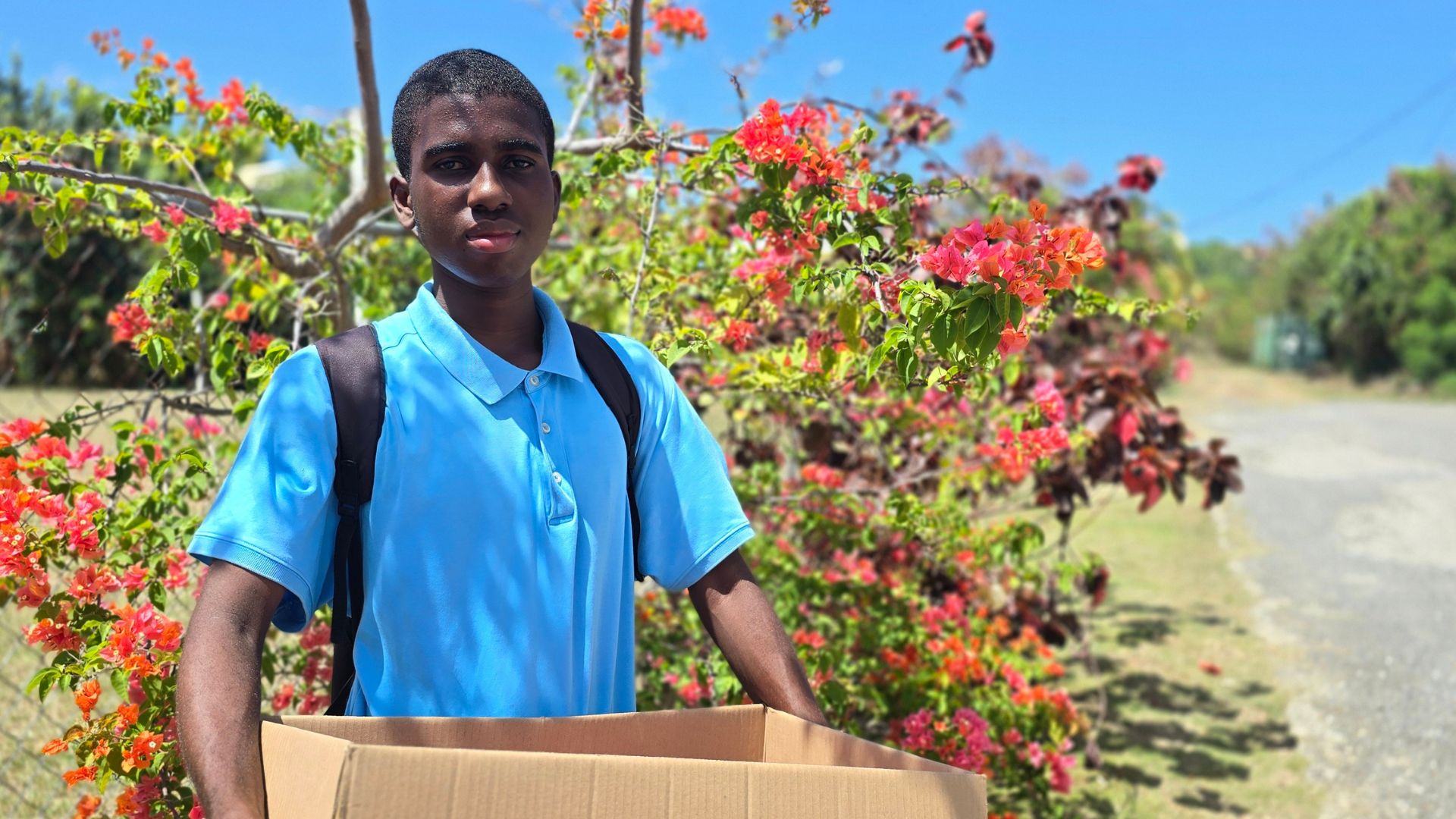
    Beneath the dappled shade of the Massy Stores building in Rodney Heights, 19-year-old Dwight Regobert stands steady, holding an open cardboard box at chest height. For passersby stopping to browse, the box reveals an assortment of granola bars, rice crispy treats, and other grab-and-go snacks – the core of his self-started small business.

    For five months, this driven teen has operated his informal venture across the route between Rodney Bay and Castries, and his quiet, unwavering commitment has not gone unnoticed by repeat customers and community members who have encountered him. Just two days after agreeing to share his journey, Regobert stepped away from his usual post outside the supermarket to sit down for an exclusive interview with St Lucia Times.

    A soft-spoken young man of few words, Regobert speaks openly about the planning that went into launching his business and the community support that has kept it running. “I wanted to start a business, and I figured people would like these,” he explained candidly, gesturing to the colorful red, orange, and blue-wrapped snacks stacked inside his box. Though the venture has no official name, it serves a clear, purpose-driven goal that keeps Regobert showing up every day.

    Years ago, while a student at Castries Comprehensive Secondary School, Regobert found he not only enjoyed accounting classes but also possessed a natural aptitude for the subject. After leaving school, he still resides with his mother in the Georgeville neighborhood of Castries, and his choice to launch a snack sales business comes directly from his determination to earn professional accounting qualifications independently. Every dollar of profit from his snack sales goes toward covering tuition and exam fees for the Association of Chartered Certified Accountants (ACCA) programme, a globally recognized credential for accounting professionals.

    To date, Regobert has already passed two ACCA exams: the first, which he paid for in December, and a second he covered with business revenue this past March. Four more exams stand between him and full ACCA certification, with his next exam scheduled for June, carrying a $750 price tag that he plans to fund entirely through his snack sales.

    Regobert admits his professional goals command almost all of his focus; he struggles to name other hobbies that fill his free time. But his expression brightens when he talks about his long-term plans after completing the ACCA programme, which include further specialized education in accounting. “I would like to do a Master’s at the University of London,” he shared, his gaze set on the institution’s MSc Professional Accountancy programme. “It’s so I could have enough qualifications” to build his dream career, he added.

    Regobert’s story of self-reliance and determined ambition has resonated deeply with everyone who has crossed paths with him. He remains open to additional support from community members who want to help him reach his goal, and welcomes anyone interested in reaching out to contact him via phone or text at 1 (758) 384-1969, or via email at caleb.wilson316@gmail.com.

  • Monorath: Elektrische voertuigen moeten eindelijk wettelijk geregeld worden

    Monorath: Elektrische voertuigen moeten eindelijk wettelijk geregeld worden

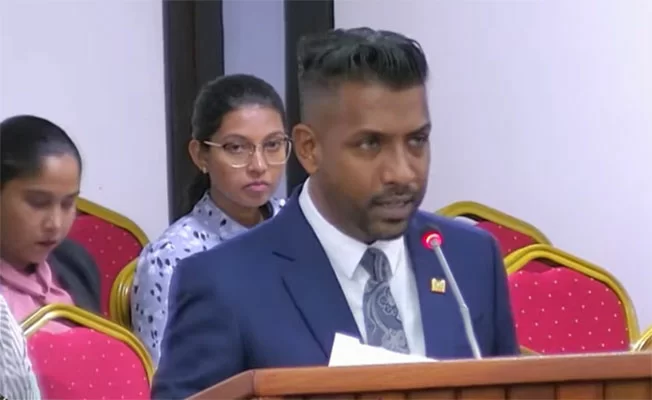
    On Tuesday, Suriname’s Minister of Justice and Police Harish Monorath mounted a robust defense of proposed amendments to the country’s 1971 Road Act during a sitting of the National Assembly, framing the legal updates as a critical step to close long-standing regulatory gaps for the fast-growing electric vehicle segment.

    Monorath told lawmakers that Suriname currently lacks a clear, modern legal framework to govern e-bikes, electric mopeds, and other light electric vehicles, a gap that has undermined law enforcement efforts and put public road safety at risk. Outdated existing legislation, he emphasized, has not kept pace with rapid technological innovation in the transportation sector, leaving ambiguity around which traffic rules apply to electric vehicle operators and how violations should be addressed through the judicial system.

    Under the proposed changes, all electric vehicles will be formally brought under the scope of the Road Act and the Motor Vehicle Liability Insurance Act. This adjustment will not only allow criminal prosecution for traffic violations committed by electric vehicle operators but will also formalize mandatory insurance requirements for all EV owners.

    The revised regulatory framework will introduce clear, separate definitions for key EV categories, Monorath confirmed. Pedal-assisted e-bikes will be capped at a maximum speed of 25 kilometers per hour, while electric mopeds will be allowed to reach top speeds of up to 45 kilometers per hour.

    The minister acknowledged that the Surinamese government currently does not have a complete count of e-bikes operating in the country, as many are imported in disassembled parts to avoid registration requirements. To address this, the government is developing a dedicated license plate system for e-bikes that will allow officials to clearly distinguish these vehicles from other road users.

    Monorath also outlined ongoing preparations to implement the new rules, noting that law enforcement currently lacks the specialized equipment needed to conduct technical inspections of electric vehicles. Required testing equipment, including dynamometers and speed measurement tools, has already been ordered, and additional training will be provided to police officers and other implementing agencies to build capacity for enforcement.

    Once the amended act enters into force, existing electric vehicle owners will receive a 12-month grace period to complete required inspections and secure mandatory insurance, Monorath announced. Public education campaigns will also be rolled out in three languages – Dutch, Sranantongo, and Spanish – to ensure all road users understand the new regulatory requirements.

    During the National Assembly debate, lawmakers raised significant concerns about enforcement capacity, pointing out that existing traffic inspections are already under-resourced and inconsistent. Monorath acknowledged that consistent enforcement will remain a long-term challenge, but stated that stepped-up patrols, new equipment, and additional resourcing for the Suriname Police Force will collectively improve overall road safety outcomes.

    The minister also flagged an additional unaddressed risk: the Suriname Fire Department currently lacks specialized equipment to safely extinguish electric vehicle battery fires. Additional specialized resources will need to be allocated for this purpose in coming years, he added.

    Following the first round of debate, the sitting was adjourned until next Tuesday, to allow the committee of rapporteurs led by ABOP lawmaker Stanley Betterson and assembly members to conduct a second round of deliberations on the proposed amendments.

  • US Asking Antigua and Barbuda to Accept More Refugees and Deportees

    US Asking Antigua and Barbuda to Accept More Refugees and Deportees

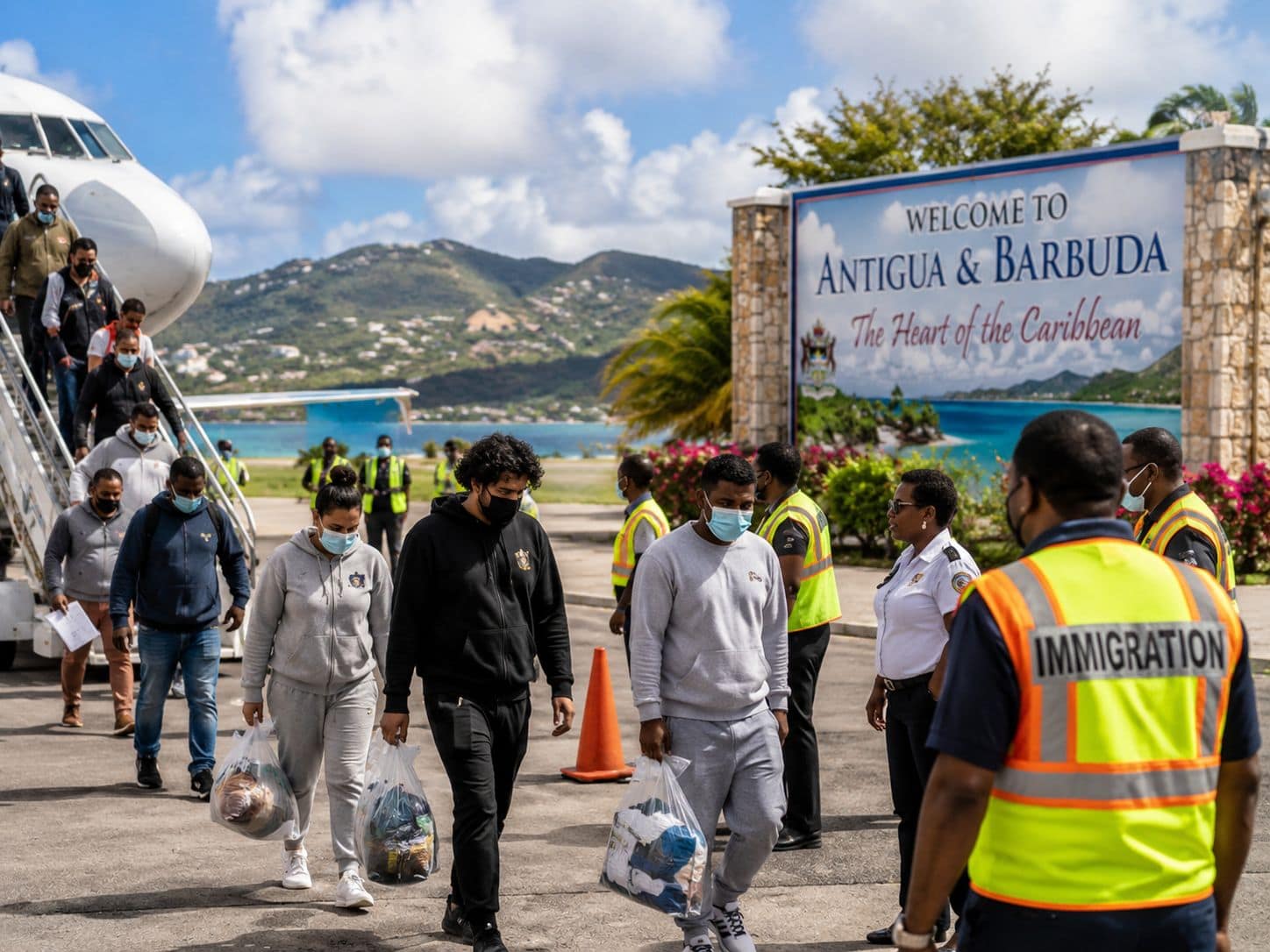
    As diplomatic talks between Washington and the small Caribbean twin-island nation of Antigua and Barbuda continue, the country’s top envoy to the United States has issued a clear, firm statement: Antigua and Barbuda cannot yield to growing pressure from the U.S. to accept a higher number of third-country migrants than its initial, limited offer.

    Sir Ronald Sanders, Antigua and Barbuda’s Ambassador to the U.S., explained that the nation’s original commitment to take in a capped number of migrants was always intended as a goodwill gesture to support its ally. The country has every intention of honoring that promise to help ease the migration burden currently facing the United States, but it will not go beyond the agreed-upon limit, he stressed.

    The core barrier to expanding the acceptance quota lies in the nation’s inherent social and economic constraints. Sir Ronald outlined that most of the third-country nationals in question have no pre-existing established ties to Antigua and Barbuda, creating a host of unresolvable challenges for the small island state. Key concerns include widespread language barriers: many of the prospective migrants do not speak English, the primary working language of Antigua and Barbuda, which would complicate integration. Additionally, most do not hold professional qualifications or skills that are recognized by local industries and labor markets, leaving few pathways for them to contribute to the national economy or achieve self-sufficiency.

    Beyond employment and integration hurdles, Sir Ronald raised urgent questions about basic social infrastructure. A small island nation with limited public services and housing stock, Antigua and Barbuda simply does not have the capacity to house, care for, and support a sudden influx of large numbers of new arrivals. Taking more migrants than the country can handle would also put unsustainable strain on already limited public resources, from healthcare and education to public transportation and water access, eroding the quality of services that Antigua and Barbuda’s own citizens rely on.

    The envoy also warned that a large, sudden influx of migrants would reshape the nation’s demographic makeup in a way that would likely face broad opposition from the country’s local population. “The Prime Minister’s offered a certain number that he would be prepared to absorb,” Sanders said, emphasizing that the Antiguan and Barbudan government cannot make policy choices that threaten the welfare of its own people. “We can not make decisions that would put strain on our resources to the point where our own people would say, ‘No, no, no, we’re not doing that.’” While negotiations between the two countries remain ongoing, the nation’s position on staying within its capacity remains unchanged.

  • From DCash to FPS, the ECCB’s quiet financial reset

    From DCash to FPS, the ECCB’s quiet financial reset

    For years, regional leaders and financial experts framed DCash, the Eastern Caribbean Central Bank (ECCB)’s ambitious retail central bank digital currency (CBDC) project, as the inevitable future of finance across the Eastern Caribbean Currency Union (ECCU). Unveiled to the public in 2021, the digital wallet pilot rolled out across four founding nations — Antigua and Barbuda, Grenada, St Kitts and Nevis, and St Lucia — promising to revolutionize everyday transactions, from purchasing local produce at neighborhood markets to settling informal debts between friends. Touted as a cutting-edge leap forward for the region’s financial system, DCash was meant to position the ECCU as a global pioneer in central bank digital currency innovation.

    But a quiet, transformative policy shift revealed in the ECCB Monetary Council’s 112th Meeting Communique, published on May 4, 2026, has brought the DCash 2.0 development project to an official end. What appears on the surface to be a major failure of regional digital ambition, however, is actually a pragmatic course correction that could lay stronger groundwork for long-term financial integration and growth across the Caribbean.

    The decision to suspend DCash 2.0 is a quiet acknowledgment of a core reality that many fintech innovators overlook in small island economies: consumers prioritize stability and familiarity over technological novelty. Most people do not demand an entirely new currency to manage their daily finances; they simply want their existing money to move more quickly, cheaply, and reliably across accounts and borders. For populations that have long relied on established traditional banking systems to hold their salaries, savings, and essential living funds, trust in familiar infrastructure outweighs the appeal of untested new tools. Even after years of outreach and rollout, DCash never achieved the mass adoption the ECCB had hoped for, in large part because it required users to join a completely separate digital ecosystem disconnected from their existing bank accounts. The friction of learning a new system and splitting financial activity between two separate platforms proved an insurmountable barrier for most everyday users.

    Rather than abandoning digital financial innovation entirely, the ECCB has shifted its focus from high-profile retail CBDC experimentation to far more practical, behind-the-scenes infrastructure upgrades. The new top priority is the Fast Payment System (FPS), a framework that improves rather than replaces the region’s existing banking structure. Unlike DCash, the FPS does not require users to adopt a new currency or a standalone digital wallet. Instead, it modernizes the core processing backbone of current banks, enabling instant, 24/7 transfers of existing Eastern Caribbean dollars between any users across the region, using nothing more than a phone number or QR code. No longer will customers have to wait multiple business days for transfers to clear just because they use different banks — a payment from a customer at Republic Bank to a merchant at Grenada Co-operative Bank will settle in seconds, not days.

    This shift aligns with broader Open Banking principles designed to boost interoperability between disparate financial institutions across the Eastern Caribbean. Even more consequential for regional trade is the ECCB’s new commitment to the pilot program for the Caricom Payments and Settlement System (CAPSS), a project that aims to resolve one of the most longstanding pain points for Caribbean businesses: the exorbitant cost and friction of cross-border transactions. For decades, regional businesses that pay suppliers in other Caricom nations have been forced to convert their local currency to U.S. dollars first, paying steep conversion fees and high wire transfer charges that eat into already thin profit margins for small island enterprises. CAPSS will create a unified regional settlement layer that allows businesses to pay cross-border suppliers directly in local currency, with participating central banks handling all settlement behind the scenes, eliminating the need for costly intermediate conversions.

    ECCB Governor Timothy Antoine has long articulated the goal of “The Big Push,” an ambitious plan to double the size of the ECCU’s total economy by 2035. Viewed through that lens, the pause in DCash 2.0 is no retreat from innovation — it is a strategic refocus that prioritizes tangible utility over flashy, hype-driven fintech optics. The central bank is stepping back from the crypto-adjacent excitement around standalone digital tokens and redirecting resources to the unglamorous but critical work of fixing the region’s fragmented, inefficient cross-border and inter-bank infrastructure.

    In the global finance space, the most impactful, lasting changes are rarely the flashy consumer-facing apps that draw headlines. The most transformative improvements are the upgrades to the hidden “plumbing” of the financial system that make every transaction faster, cheaper, and more reliable for businesses and consumers alike. For the Eastern Caribbean, that hidden plumbing just got a much-needed overhaul.

  • Trio wanted for murder of Cuban

    Trio wanted for murder of Cuban

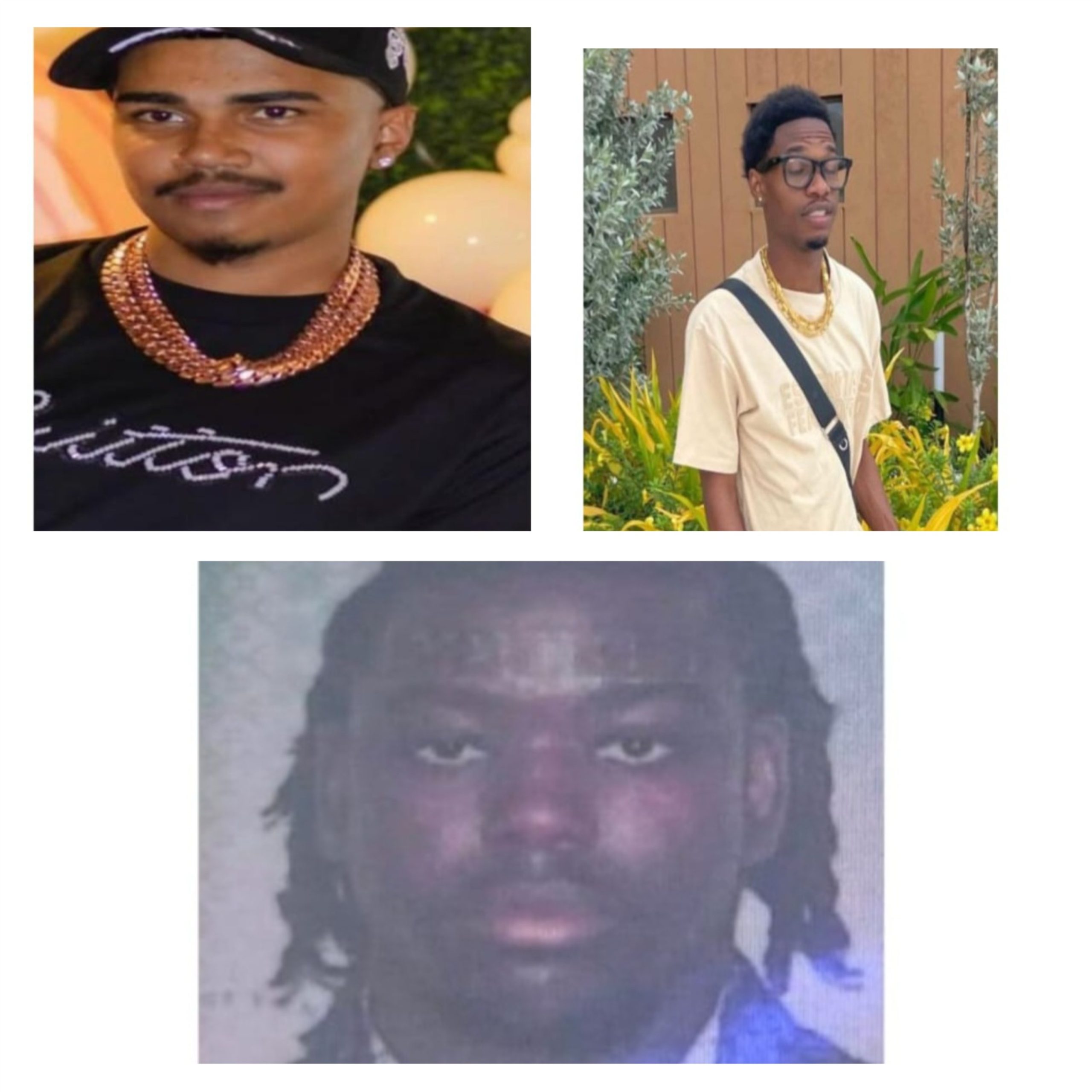
    Georgetown, Guyana – Local authorities have launched a manhunt for three men connected to the fatal shooting of a 23-year-old Cuban janitor that took place at a Queenstown entertainment venue this past Sunday, according to an official update released Wednesday morning by local law enforcement. The victim, identified as Dainier Vegas Infante, was shot and killed while on the clock at the club located on Forshaw Street. Investigators have now issued official wanted bulletins for three suspects: 25-year-old Baraka Garnett, 26-year-old Mikhail Joseph, and Nicholas David, whose age has not yet been released to the public.

    In a formal statement released to media, Guyanese police outlined the sequence of events that led up to the shooting. Witness accounts indicate that one of the armed suspects first approached two men who were seated just outside the club entrance, initiating a conversation with the pair. When Vegas Infante stepped out of the establishment to approach the interacting group, the armed suspect fired a single shot directly at the janitor, striking him and causing him to collapse immediately on site.

    Following the shooting, the gunman fled the scene in a motor vehicle, traveling along Forshaw Street, while the other three involved suspects also escaped in separate vehicles, police confirmed. One woman has already been taken into custody in connection with the killing, after the national closed-circuit television (CCTV) surveillance network tracked a vehicle registered to her to the area of the crime. However, authorities have so far declined to share any additional details on her status, including any potential charges or whether she is cooperating with the ongoing investigation.

    The update was last published at 9:30 a.m. local time on May 13, 2026, by Demerara Waves Online News correspondent Denis Chabrol.

  • Dominica police officers complete advanced drill and ceremonial training in Barbados

    Dominica police officers complete advanced drill and ceremonial training in Barbados

    Two officers from the Commonwealth of Dominica Police Force (CDPF) have marked a major professional milestone after wrapping up a rigorous seven-week specialized training program on the neighboring island of Barbados, bringing home distinguished awards and a rare opportunity for further advancement.

    Sergeant Sherwin Mitchel and Acting Corporal Tyron Sandy were among 43 trainees selected to take part in the All Arms Advanced Drill and Ceremonial Drill Instructors Course, a regional training initiative that brought together uniformed personnel from across 10 different Caribbean nations and territories. The participating groups spanned a wide range of public safety and national security institutions, including the Barbados Defence Force Regiment, Barbados Coast Guard, Barbados Police Service, Barbados Fire Service, Barbados Prison Service, Barbados Youth Advance Corps, as well as police and defense forces from Antigua and Barbuda, St. Kitts and Nevis, St. Lucia, St. Vincent, and Grenada alongside the CDPF contingent.

    The curriculum of the course follows the long-established British Drill System, a framework widely adopted by uniformed services across Commonwealth nations. When the program concluded with a graduation assessment, both Mitchel and Sandy stood out among their peers to earn the Distinguished Drill Instructors Medal, one of the highest recognitions available to graduates of the system.

    Beyond the individual awards for the two officers, Sergeant Mitchel earned an additional distinction: course organizers formally recommended him to return to Barbados to serve as a Senior Drill Instructor for future iterations of the All Arms Advanced and Ceremonial Drill Courses. If he takes up the posting, the role will put him on a path to qualify for two further prestigious honors: the Senior Drill Instructors Medal and membership in the elite White Cap Band.

    In an official statement released following the graduation, leadership of the Commonwealth of Dominica Police Force extended formal congratulations to both officers on their standout performance. The CDPF emphasized that the achievements of Mitchel and Sandy are a direct reflection of the force’s ongoing institutional commitment to continuous professional development and high-quality training for all personnel, boosting standards of service across the organization.

  • Families Seek More Autism Resources and Support, Survey Finds Ahead of Retreat

    Families Seek More Autism Resources and Support, Survey Finds Ahead of Retreat

    A groundbreaking community survey focused on families supporting autistic individuals in Antigua and Barbuda has uncovered widespread, unmet demand for expanded autism resources, specialized parenting training, accessible mental health care, and age-inclusive developmental education, according to data published this week by local health advocacy groups. The research, released in advance of a free community retreat taking place May 17 at the island nation’s Multipurpose Cultural Centre, is a joint effort between the Antigua and Barbuda Holistic Coalition Inc., the Center for the Holistic Advancement of Therapeutic Services (CHATS), the Directorate of Gender Affairs, and the Mill Reef Fund.

    The survey gathered responses from 100 parents and primary caregivers of autistic people across the country, producing stark data on the gap between existing services and community needs. Ninety-three percent of respondents confirmed they were actively seeking more information about available autism support resources, while 88 percent reported a desire for hands-on, practical parenting skills tailored to raising an autistic child. Mental health support for caregivers and autistic individuals emerged as a top priority, with 62 percent of participants identifying this service area as a critical unmet need.

    Additional requests from respondents included more accessible, targeted information about gender-specific autism presentation, standardized diagnostic testing pathways, and early recognition of autism signs and symptoms. Beyond service gaps, the survey data also underscored the broad range of life stages that autism caregiving spans in Antigua and Barbuda. Caregivers who participated in the study reported supporting autistic people from early infancy through adolescence, as well as autistic adults navigating adulthood. The majority of respondents were parents of autistic children, with the remainder consisting of formal and informal caregivers supporting autistic children and adults across the islands.

    In an official statement accompanying the release of the survey findings, event and research organizers emphasized that the responses point to a rapidly growing need for expanded community support and national awareness around autism in Antigua and Barbuda. “Autism impacts families across all life stages — from infancy to adulthood — and caregivers are seeking community, education, and support now more than ever,” the statement read. Organizers frame the upcoming May 17 retreat as a critical first step to address these documented needs, designed to foster stronger cross-sector collaboration between autistic families, clinical professionals, educators, service providers, and government policymakers.

    The free public event will run from 2 p.m. to 4 p.m. local time on Sunday, May 17. While pre-registration for the retreat has officially closed, organizers confirmed that remaining limited seating will be open to the general public on a first-come, first-served basis for community members who wish to attend.