作者: admin

  • Haiti gang violence displaces more than 5,000 — IOM

    Haiti gang violence displaces more than 5,000 — IOM

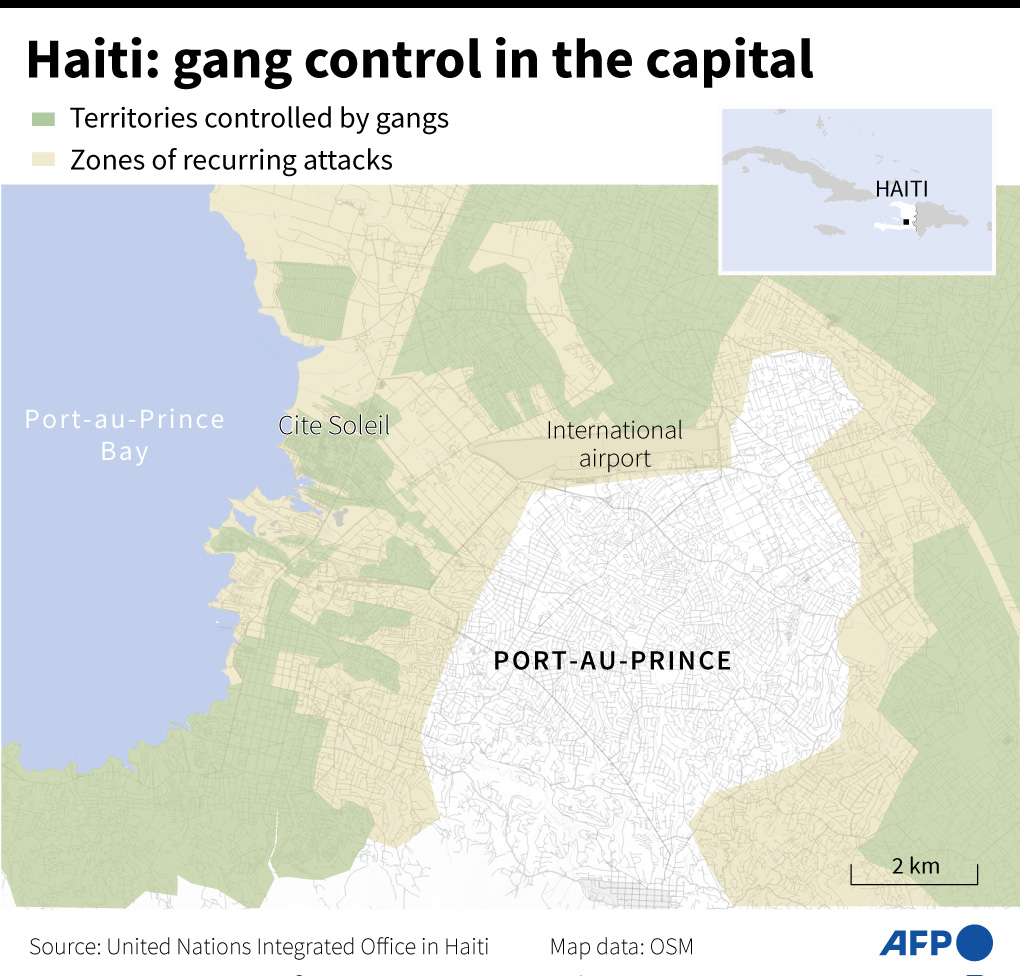
    A devastating new wave of gang violence has torn through residential neighborhoods north of Haiti’s capital Port-au-Prince, forcing more than 5,000 residents to flee their homes since Sunday, the International Organization for Migration (IOM) has confirmed. The outbreak of bloodshed is the latest escalation of a years-long crisis that has kept the Western Hemisphere’s poorest nation trapped in chronic instability, as heavily armed criminal organizations control large swathes of territory and carry out widespread human rights abuses including extrajudicial killings, sexual violence, looting, and mass kidnappings. The country’s security collapse accelerated dramatically in early 2024, when coordinated gang attacks destabilized the government enough to force the resignation of Haiti’s unelected prime minister.

    Local human rights advocate Fritznel Pierre told Magik 9, a Port-au-Prince-based radio station, on Wednesday that the latest surge of violence, which erupted on May 10, has left widespread destruction in its wake: private residences have been ransacked and burned to the ground, while local commercial shops and public schools have been extensively vandalized. For medical providers operating in the conflict zone, the scale of casualties has overwhelmed existing care capacity. “We’ve never seen so many gunshot victims in such a short period of time,” explained Sarah Chateau, operations director for the medical humanitarian group Doctors Without Borders (Medecins Sans Frontieres, MSF) in Haiti.

    As gang clashes spread across northern neighborhoods, multiple medical facilities have been forced to halt services and evacuate all clinical and non-clinical staff. Chateau told AFP that MSF’s facilities have absorbed a flood of patients transferred from other clinics that were forced to close, including Fontaine Hospital, which sits close to the center of the ongoing clashes. “Every time we open the gates to admit new patients, there are members of the public rushing to come inside,” she said. Even facilities that remain operational are not safe from crossfire, Chateau added, describing the chaotic evacuation of patients from other facilities as an extremely high-stress operation, with stray bullets falling across the area even within medical facility perimeters. “We weren’t any safer inside. One of our security guards was hit by a stray bullet,” she confirmed.

    On Wednesday, Farhan Haq, deputy spokesperson for the United Nations Secretary-General, reported that medical teams have treated more than 40 people for gunshot wounds in less than 12 hours. He added that the UN Office for the Coordination of Humanitarian Affairs (OCHA) is currently mobilizing a coordinated cross-agency humanitarian response to meet the urgent needs of displaced residents and injured civilians, though operations remain challenging amid the rapidly shifting and highly volatile security situation.

    The international community has attempted to address Haiti’s security crisis for more than a year: the UN approved a multinational security support mission in 2023 to assist under-resourced Haitian police in pushing back against gang expansion, but the deployment has been hampered by chronic underfunding and inadequate equipment, leading to inconsistent results. Later that year, the UN Security Council voted to restructure the mission into a more heavily resourced anti-gang intervention force. To date, a 400-strong military contingent from Chad has already arrived in Port-au-Prince to support the operation.

    This latest outbreak of violence is the second major displacement event in Haiti’s capital so far this year. Clashes across the same northern districts in March and April displaced nearly 8,000 people, according to UN data, underscoring the persistent deterioration of security even after the deployment of international support.

  • Scientists warn ‘gruelling heat’ could impact quarter of World Cup games

    Scientists warn ‘gruelling heat’ could impact quarter of World Cup games

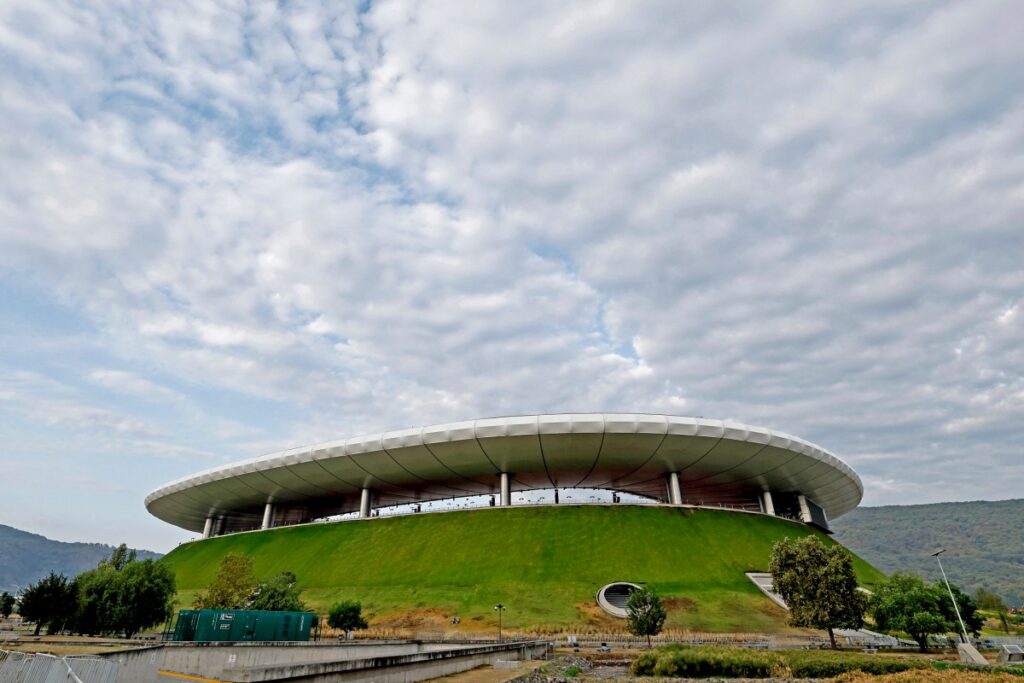
    On Thursday, a group of leading climate scientists issued a stark public challenge to global soccer governing body FIFA, warning that climate change has drastically amplified extreme heat risks for the upcoming 2026 men’s FIFA World Cup set to be co-hosted by the United States, Mexico and Canada. New analysis from climate research network World Weather Attribution (WWA) projects that nearly one quarter of all 2026 tournament matches could be contested under dangerously hot conditions, a sharp increase from the 1994 U.S.-hosted World Cup held on the same continent.

    As heat-related health concerns have grown, FIFA has already pre-emptively introduced mandatory cooling breaks during each half of matches scheduled to run from June 11 to July 19 across 16 host stadiums. But WWA’s assessment argues that existing mitigation measures may not be sufficient to address the heightened risks driven by human-caused global warming.

    “Players and fans face a much higher risk of gruelling heat and humidity at the 2026 World Cup compared to the 1994 tournament on the same continent,” the network said in its official statement.

    WWA’s statistical analysis estimates that 26 out of the tournament’s 104 total matches could see Wet Bulb Globe Temperature (WBGT) readings hit at least 26°C. WBGT is a widely used metric that accounts for combined impacts of heat, humidity, solar radiation and wind to gauge how well the human body can cool itself, making it the gold standard for assessing heat-related health risk. Global footballers’ union FIFPRO has formally recommended mandatory cooling breaks once WBGT hits 26°C, as heat strain becomes a measurable safety threat for competing athletes at this threshold.

    Of the 26 high-risk matches identified, 17 will be held in venues with built-in cooling infrastructure that can reduce hazard levels for both players and spectators. The remaining nine high-risk matches are set for stadiums without temperature control systems. By comparison, WWA projects that only 21 matches would have crossed the 26°C WBGT threshold during the 1994 World Cup, underscoring how far heat risk has risen in three decades amid rising global average temperatures.

    The most alarming finding from the analysis centers on the most extreme heat category: five 2026 matches are projected to hit 28°C WBGT or higher. FIFPRO guidelines state that matches should be delayed or rescheduled to cooler times of day when WBGT reaches this threshold, as heat poses severe health risks to all people in attendance. This represents a near doubling of extreme heat risk compared to 1994.

    WWA co-founder Friederike Otto, who also serves as a climate science professor at Imperial College London, emphasized that the danger extends far beyond on-pitch athletes. “It’s dangerous for players, but of course there are also the fans who might gather outdoors and they are at even more risk because they will not be taken care of by a lot of medical doctors,” Otto explained.

    Only three of the 16 2026 host stadiums — located in Dallas, Houston and Atlanta — are equipped with full air conditioning systems. According to WWA’s projections, more than a third of matches with a 10% chance of exceeding 26°C WBGT will be held in these uncooled venues.

    Even the tournament’s showpiece final, scheduled for July 19 at MetLife Stadium in New Jersey, is not immune to risk. WWA calculates the final has a one-in-eight chance of hitting 26°C WBGT, and a 2.7% risk of crossing the 28°C cancellation threshold. “That the World Cup Final itself — one of the biggest sporting occasions on the planet — faces a non-insignificant risk of being played in ‘cancellation-level’ heat should be a wake-up call for FIFA and fans,” Otto said.

    The warning has already drawn high-profile backing from senior international climate officials. Simon Stiell, executive secretary of United Nations Climate Change, shared the assessment on social media and amplified its core message. “The risk of dangerous heat has doubled” since 1994, which will put “players and fans at risk”, he said. Stiell added: “We must move faster to protect the game we love and everyone who watches it. That means doubling down on the decisive shift to clean energy.”

    When contacted by Agence France-Presse for comment on the new analysis, FIFA highlighted the suite of preventive measures it has already put in place to address heat risks for the 2026 tournament. Among the safeguards outlined, FIFA noted that it “will continue to monitor conditions in real time, integrating Wet Bulb Globe Temperature and Heat Index surveillance, and stands ready to apply established contingency protocols should extreme weather events occur.”

  • Madonna, Shakira, BTS to headline first World Cup final half-time show

    Madonna, Shakira, BTS to headline first World Cup final half-time show

    The 2026 expanded FIFA World Cup, the largest iteration of the tournament in history with 48 competing nations, is set to add a groundbreaking new cultural centerpiece to its decider, FIFA announced Thursday in a press briefing. When the tournament culminates on July 19 at New Jersey’s MetLife Stadium, the first-ever World Cup final halftime show, curated by Coldplay frontman Chris Martin, will take the stage headlined by three of the biggest names in global music: pop legend Madonna, Colombian international icon Shakira, and Korean pop sensation BTS.

    FIFA President Gianni Infantino called the three co-headliners global trailblazers whose work unites audiences across borders and age groups, expressing the governing body’s pride in welcoming them to this historic first for men’s World Cup. The star-studded lineup will also include surprise guest appearances from beloved characters from Sesame Street and The Muppets, with the entire event serving as a platform to advance FIFA’s Global Citizen Education Fund, an initiative that aims to raise $100 million during the tournament to support children’s access to education worldwide.

    For the artists involved, the opportunity carries deep personal and global meaning. Madonna called the chance to perform in support of expanding global education a deeply meaningful experience, while BTS emphasized in a joint statement that music acts as a universal language of hope and global harmony, noting the group was honored to leverage the World Cup’s massive global audience to connect with millions and advance the cause of children’s education. Shakira, who has a long-standing connection to FIFA’s flagship tournament, will take the stage to perform the 2026 World Cup’s official song, “Dai Dai”, which is scheduled for its full official release Thursday.

    Shakira is no stranger to World Cup audiences: she created and performed the iconic 2010 tournament anthem “Waka Waka”, and most recently headlined the halftime show for the 2024 Copa America final in Miami. Last week, she gave fans a first preview of her new World Cup track in a 67-second teaser video filmed at Rio de Janeiro’s legendary Maracanã Stadium. In the clip, which was shared across FIFA’s official social channels, Shakira stands on the Maracanã pitch holding Trionda, the official 2026 World Cup match ball, performing snippets of “Dai Dai” in English alongside backup dancers wearing colors representing participating nations including the United States and Colombia. The teaser ended with a rallying cry: “We’re ready!” The track was produced in collaboration with Nigerian Afrobeat star Burna Boy. The teaser came weeks after Shakira drew a crowd of 2 million fans to a free open-air concert on Rio’s Copacabana Beach.

    The 2026 World Cup, the first edition of the tournament co-hosted by three nations (the United States, Canada, and Mexico), will kick off on June 11, with three separate opening ceremonies, one hosted in each host nation: the first will take place in Mexico on opening day, followed by ceremonies in Canada and the United States the next day. A host of other global music stars will perform across the three opening events, including Katy Perry, Future, Alanis Morissette, Michael Bublé, J Balvin, and Blackpink’s Lisa. Infantino also added that FIFA has plans to transform New York’s iconic Times Square for a major fan engagement event during the tournament’s final weekend.

    While the announcement has generated widespread excitement among football and music fans alike, it has also sparked questions over logistics, particularly regarding the length of the halftime break. Infantino first unveiled plans for a “world-class halftime show befitting the biggest sporting event on the planet” last year, and the concept was tested at the 2025 FIFA Club World Cup final, also hosted at MetLife Stadium. That trial run saw the halftime break extend well beyond the 15-minute regulation break mandated by tournament rules, leaving fans and analysts wondering how the longer show will impact the flow of the final. To date, FIFA has not released any official details on the scheduled run time for the 2026 final halftime performance.

  • Five Italians die in scuba accident in Maldives

    Five Italians die in scuba accident in Maldives

    On Thursday, Italy’s foreign ministry confirmed a tragic deep-sea diving accident in the Maldives that claimed the lives of five Italian nationals, marking the deadliest single diving incident the Indian Ocean archipelago has recorded in modern memory. As of Thursday’s initial search operation, local security forces had recovered one body from the deep cave system where the group was exploring.

    World-renowned for its powdery white sandbanks, crystal-clear turquoise waters and pristine coral reef systems, the Maldives has long held top rank as a luxury bucket-list destination for scuba diving enthusiasts. Travelers from across the globe flock to the island nation to explore remote dive sites, often basing their trips on isolated island resorts or purpose-built liveaboard dive vessels that access less crowded, more challenging dive spots.

    In an official brief confirmation of the incident, Italy’s foreign ministry stated that the fatal accident unfolded on a diving expedition in Vaavu Atoll, a remote diving region located south of the Maldivian capital, Male. Initial investigations indicate the group was attempting to navigate submerged cave systems at a depth of approximately 50 meters when the incident occurred. After the team failed to return to the surface from their expedition, local authorities were alerted to the emergency.

    Local Maldivian officials emphasized that this accident is the worst single diving fatality event in the history of the nation, which is made up of 1,192 small coral islands spread across 800 kilometers of the Indian Ocean along the equator. Immediately after the five divers were reported missing Thursday afternoon, the Maldives National Defence Force (MNDF) launched a large-scale multi-asset search operation, deploying both fixed-wing aircraft and high-speed search speedboats to the area.

    In an update on the search, the MNDF confirmed that the first recovered body was found inside the target cave system. Authorities currently believe the remaining four missing divers are also trapped within the same cave system, which extends to a maximum depth of roughly 60 meters. In a further detail that may shed light on the accident, local police confirmed that Vaavu Atoll was under a yellow weather warning Thursday, with rough sea conditions reported across the region that posed risks to small passenger vessels and fishing craft.

    As of Thursday night, a MNDF coastguard vessel remained on site coordinating search efforts around the clock, with additional specialist coastguard dive teams dispatched to the area to assist with the challenging deep-cave recovery operation.

    While diving and water activity-related fatalities are statistically rare in the South Asian island nation, public records show a steady stream of fatal incidents over recent years. In December of last year, a British female tourist died during a recreational dive, and her 71-year-old husband suffered a fatal illness just days later, grief-stricken after the incident. In June the previous year, a 26-year-old Japanese tourist disappeared after a diving trip near the capital Male. Local Maldivian media analysis of public safety data shows that over the past six years, at least 112 tourists have died in marine-related incidents across the archipelago, with 42 of those fatalities linked directly to diving or snorkeling activities.

  • Dominican Republic and Guyana sign oil exploration agreement

    Dominican Republic and Guyana sign oil exploration agreement

    In a landmark move that deepens energy cooperation between two Caribbean nations, the governments of the Dominican Republic and Guyana formalized a landmark joint development agreement Thursday to explore and potentially bring online new oil and natural gas resources in Guyana’s onshore Berbice block.

    Under the terms of the agreement, the Dominican Republic’s state-owned Dominican Petroleum Refinery (Refidomsa) will hold a 10% non-operating stake in the exploration project, requiring no upfront capital contribution from the Dominican state. If exploration efforts successfully identify commercially viable hydrocarbon reserves, the Dominican Republic is guaranteed access to extracted crude oil and natural gas on preferential pricing terms, a provision designed to shore up the country’s long-standing goal of improving national energy security.

    This new operational agreement builds on a 2023 memorandum of understanding signed by Dominican President Luis Abinader and Guyanese President Mohamed Irfaan Ali, which laid the initial groundwork for bilateral energy collaboration. Over the past year, technical teams from the Dominican Republic’s Ministry of Energy and Mines, Refidomsa, and Guyana’s relevant energy authorities have worked closely to align regulatory standards, survey requirements, and project frameworks to move the initiative forward.

    Officials from both nations have framed the deal as more than a single exploration project: it is viewed as a catalyst for broader economic integration. Should the Berbice block project prove successful, stakeholders say additional joint ventures could follow, including the potential development of a shared regional refinery and petrochemical complex. The partnership also opens new pathways for expanded cooperation across trade, investment, and energy policy as both countries seek to leverage their respective geographic and resource strengths in the global energy market.

  • CARPHA installs molbio rapid testing platforms in 10 member countries

    CARPHA installs molbio rapid testing platforms in 10 member countries

    PORT OF SPAIN, Trinidad — The Caribbean Public Health Agency (CARPHA), a regional public health body headquartered in Trinidad, has announced the successful completion of Molbio rapid molecular testing platform installations across 10 participating Caribbean member territories under the global Pandemic Fund Project.

    As of March 26, 2024, the new diagnostic systems have been fully set up in Barbados, The Bahamas, Belize, Dominica, Grenada, Guyana, Jamaica, St Lucia, the Turks and Caicos Islands, and Trinidad and Tobago. These cutting-edge platforms are designed to dramatically upgrade the Caribbean region’s ability to conduct fast, accurate testing for a wide range of high-risk infectious diseases and pathogens with pandemic potential.

    The new systems support diagnostic testing for more than a dozen pathogens of critical public health concern, including SARS-CoV-2, the virus that causes COVID-19, along with Norovirus, Rabies, Leptospira, Salmonella, Cholera, Nipah virus, Influenza, Malaria, HIV, Hepatitis and Tuberculosis. By expanding equitable access to rapid PCR testing technology across the region, CARPHA and participating national governments are working in tandem to reinforce collective pandemic preparedness and emergency response capacity.

    Dr. Lisa Indar, Executive Director of CARPHA, emphasized that the completion of installations marks a transformative milestone for regional public health infrastructure. “The successful completion of the Molbio installations across our member states represents a transformative step in advancing regional laboratory capacity,” Indar stated. “By combining cutting-edge diagnostic technology with targeted workforce training, CARPHA is ensuring that countries are better prepared to detect, respond to and manage public health threats in real time.”

    Alongside platform deployment, CARPHA has already delivered specialized hands-on training for more than 50 local laboratory professionals across participating territories, building the on-the-ground expertise needed to operate the new systems reliably. This investment in workforce development strengthens technical capabilities within national laboratory networks and ensures the long-term sustainability of expanded diagnostic services across the region.

    The critical value of rapid deployment of these systems was already proven during a public health emergency last year. When Hurricane Melissa struck Jamaica in October 2023, the Molbio platform was installed and local staff fully trained within days of the disaster, preserving ongoing testing capacity and shoring up emergency response readiness amid the crisis.

    CARPHA officials note that these modern diagnostic resources deliver major improvements to regional outbreak management: they cut testing turnaround times from multiple days to less than two hours, enabling earlier diagnosis of cases, faster isolation of infected individuals, and more effective containment of emerging outbreaks before they can spread widely. This, in turn, helps mitigate and even prevent avoidable threats to both public health and local livelihoods across the Caribbean.

    Beyond individual testing capacity, the initiative also strengthens regional public health surveillance networks, improves overall outbreak detection and response coordination, reinforces early warning systems, and boosts the long-term resilience of national health systems across participating territories.

    Founded in 2011, CARPHA serves as the Caribbean’s central coordinating body for disease prevention, health promotion, and public health emergency response. The agency says it remains committed to supporting member states through the integrated Caribbean Public Health Laboratory Network (CariPHLN), with continued investment in laboratory infrastructure upgrades and pandemic preparedness initiatives.

    Looking ahead, the next phase of the project will launch routine testing across all 10 participating territories, with aggregated testing data shared weekly with CARPHA via a standardized Molbio reporting framework. This standardized reporting will support timely integration of local data into regional surveillance systems, enabling ongoing monitoring of platform performance and public health trends. The strengthened reporting mechanism will further enhance regional early warning systems, providing CARPHA and national governments with the real-time data needed to activate rapid response measures when new public health threats emerge.

  • AAIA will not investigate circumstances of plane crash just outside Bahamian jurisdiction

    AAIA will not investigate circumstances of plane crash just outside Bahamian jurisdiction

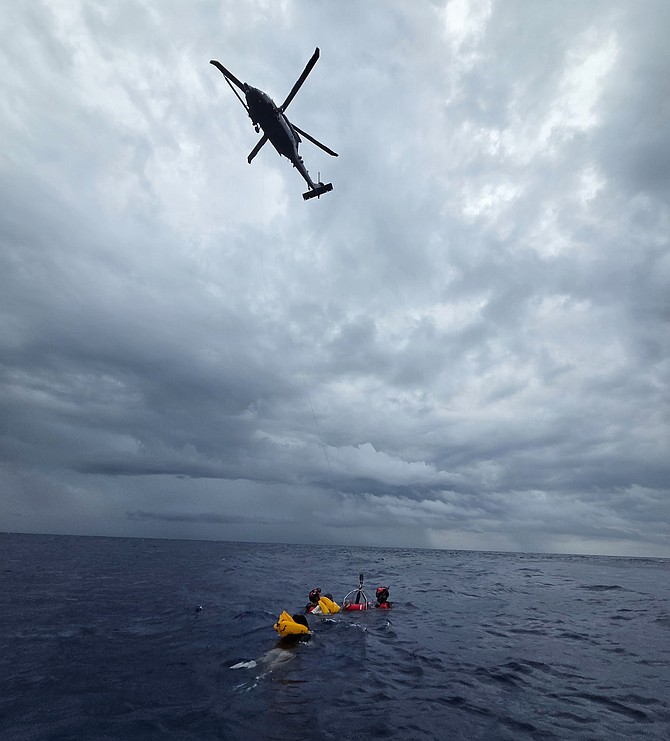
    A small passenger aircraft carrying 11 people crashed off the Florida coast earlier this week following an in-flight emergency declaration, and Bahamian aviation investigators have confirmed they will not lead a probe into the incident due to jurisdictional boundaries.

    The Air Accident Investigation Authority (AAIA) of The Bahamas released an official statement outlining its decision, confirming the plane departed from Abaco in The Bahamas, bound for Grand Bahama, when the pilot declared an emergency. The crash occurred approximately 50 miles northwest of Vero Beach, Florida, placing the incident outside of Bahamian territorial waters.

    Of the 11 people on board, a number of whom hold Bahamian nationality, all were pulled from the water alive by rescue teams. Three individuals sustained minor injuries during the crash, though the AAIA noted that current information on the latest condition of those injured has not been confirmed.

    Per international aviation investigation protocols, the AAIA has formally notified all relevant governing bodies of its decision to cede investigative authority. That includes Panama, the country where the aircraft is registered, and the United States, which is both the state of design and manufacture for the plane.

    While the Bahamian body will not lead the probe, it has offered full cooperation to the agencies taking over the investigation, stating it is prepared to provide logistical coordination and targeted assistance if requested. The AAIA also emphasized it will not release unconfirmed speculation about potential causes of the crash, details of the aircraft’s condition before the incident, or the full scope of injuries and damage sustained, pending formal investigation by the lead authority.

  • ONDA reports record surge in copyright registrations in the Dominican Republic

    ONDA reports record surge in copyright registrations in the Dominican Republic

    In a significant milestone for the Dominican Republic’s creative and entrepreneurial ecosystems, the country’s National Copyright Office (ONDA) has announced a dramatic surge in copyright registrations by local creators, a shift that points to rapidly expanding public awareness around the value of intellectual property protection.

    ONDA Director General José Ruben Gonell Cosme shared that the agency has undergone a remarkable transformation in processing volumes over recent years. Where it once handled roughly 1,400 work registrations annually, it closed 2025 with nearly 34,000 copyrighted works formally registered and protected. This explosive growth has carried into 2026, with a single month in April recording more than 19,000 new registrations alone.

    Beyond the raw volume increase, Gonell noted that the scope of copyright protection has also expanded dramatically beyond the traditional categories most creators associate with copyright law. Today, the office recognizes protection for more than 60 distinct types of creative and commercial work, ranging from long-protected categories such as music and literary publications to modern assets like software, video game content, original culinary recipes, and architectural blueprints. For independent creators and small business owners across the country, this formal legal protection has emerged as a valuable economic asset that can be leveraged for revenue generation, investment, and long-term business growth.

    Gonell also emphasized that the country’s progress in intellectual property regulation earned international recognition when the Dominican Republic was removed from the United States’ Special 301 Watch List, a development that has significantly boosted legal certainty for both domestic and foreign investors looking to engage with the country’s creative and tech sectors. Even as the agency celebrates this milestone of growing registration volumes, however, Gonell acknowledged that gaps remain in intellectual property awareness. Key sectors including independent publishing and traditional crafts still see large shares of creators failing to formalize protection for their work, leaving their creative assets vulnerable to exploitation.

    Looking ahead, ONDA will continue prioritizing outreach and educational programs to expand awareness of intellectual property rights across under-served sectors. It also maintains an active focus on mediation services to reduce piracy of copyrighted material, while proactively preparing regulatory frameworks to address emerging challenges tied to artificial intelligence development and the evolving impact of major digital content platforms.

  • Workers’ Week 2026 being observed from May 17-25

    Workers’ Week 2026 being observed from May 17-25

    In a formal announcement from Kingston, Jamaica, the nation has laid out plans for its 2026 Workers’ Week celebration, scheduled to run from May 17 to 25 under the unifying theme “Voices Heard: Shaping Labour Policies in an Evolving Labour Market”. Centered on elevating working people to the core of national policy development, the 9-day series of events aims to ensure Jamaican workers directly contribute to building the future of the country’s workforce.

    Gillian Corrodus, Chief Technical Director at Jamaica’s Ministry of Labour and Social Security, framed the 2026 theme as a deliberate call to action that underscores the Jamaican government’s ongoing commitment to inclusive stakeholder dialogue and proactive, future-focused labour governance. She stressed that the annual observance is designed to equip workers with the resources and platform they need to adapt and thrive amid the fast-shifting global labour landscape.

    A key milestone will be marked alongside the 2026 Workers’ Week: this year also celebrates the 50th anniversary of Jamaica’s Labour Relations Code, first enacted in 1976. Alongside the Labour Relations and Industrial Disputes Act (LRIDA) and other core labour statutes, the code has remained a foundational document supporting stable, collaborative industrial relations across the country for half a century.

    Following long-standing tradition, the 2026 Workers’ Week and Labour Day Planning Committee draws representation from critical government ministries, public agencies, and leading private sector organizations. The Ministry of Labour and Social Security will take the lead in coordinating the full week of programming, while the National Labour Day Secretariat, housed within the Ministry of Culture, Gender, Entertainment and Sport, will oversee official activities for Labour Day, held on the final day of the observance, Monday May 25.

    The full schedule of events kicks off on Sunday, May 17 with the National Workers’ Week and Labour Day Thanksgiving Service, set to begin at 10:00 a.m. at St John’s Methodist Church in Montego Bay, St James. Three days later, on Wednesday May 20, the Industrial Dispute Tribunal (IDT will host a public symposium at the University of the West Indies (UWI) Regional Headquarters in St Andrew, centered on the goal of “Promoting Justice, Fairness and Workplace Harmony”.

    On Thursday May 21, two major events are scheduled. The first is the annual wreath-laying ceremony at the Aggie Bernard Monument on Kingston’s Waterfront, an event that honors the legacy of Agnes “Aggie” Bernard, a trailblazing trade unionist and workers’ rights advocate who dedicated her career to advancing protections for domestic workers and women in the Jamaican workforce. Later the same day, the Ministry of Labour will host the St Ann stop of its ongoing Labour Talks Roadshow at the Holiday Haven Condo Resort in Runaway Bay, St Ann, running from 10:00 a.m. to 4:30 p.m. under the theme “Rebuilding a Resilient and Productive Jamaica”.

    On Friday May 22, the fifth annual Frome Reflections commemoration will take place from 10:00 a.m. to 3:00 p.m. at Workers Park in Frome, Westmoreland. The site holds deep historic importance for Jamaican labour organizing, as it was the epicenter of the 1938 national labour riots that reshaped the country’s labour movement. Attendees will have access to free resources, support services, and information from booths run by multiple government ministries and public agencies.

    Over the weekend of May 23 and 24, official delegations will travel across the island to visit centenarian workers, recognizing their lifelong and irreplaceable contributions to the development of Jamaica’s national labour force and economy. The entire observance will culminate on Monday May 25, Labour Day, with community-focused volunteer projects hosted in every region of Jamaica.

    Organizers note that all 2026 activities work toward two core goals: highlighting the critical role of collective worker voice, cross-group unity, and advocacy in advancing progressive labour policy, while reinforcing the growing need for ongoing skills development, adaptive capacity, and resilience to keep pace with shifting local and global labour trends. Overall, Workers’ Week 2026 balances historic commemoration and forward planning, emphasizing that sustained collaboration between workers, employers, and policymakers is essential to ensure labour laws and policies reflect the real lived experiences of working people in Jamaica’s dynamic modern labour market.

  • Senator Cholitín warns La Altagracia is being “punished by success”

    Senator Cholitín warns La Altagracia is being “punished by success”

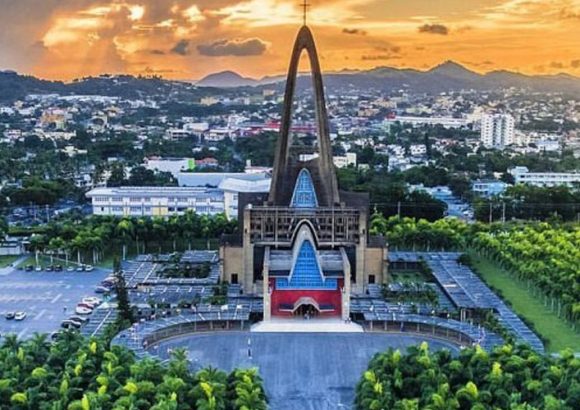
    In a stark address delivered before the Dominican Republic’s Senate, senior lawmaker Rafael Barón Duluc — widely known by his nickname Cholitín — has sounded the alarm over unregulated, uneven expansion in the province of La Altagracia, home to the Caribbean’s iconic tourist hubs Punta Cana and Bávaro. While the region has cemented its reputation as one of the top travel destinations in the Americas, drawing millions of visitors and generating billions in annual revenue, its rapid growth has come at a steep cost, Duluc argued.

    Duluc framed La Altagracia’s current crisis as a case of “being punished by success”: the province’s booming tourism economy has failed to deliver broad-based improvements to quality of life for local residents, leaving critical public sectors starved for targeted investment and basic infrastructure outdated and overstretched. One of the most glaring gaps in data is also the root of many of the region’s challenges, he claimed: official population counts drastically undercount the actual number of people who call La Altagracia home, with Duluc putting the current population at over 1 million, far higher than government estimates.

    To address this data deficit, Duluc is backing a Senate resolution that calls on President Luis Abinader to direct the National Statistics Office (ONE) to carry out a one-time, specialized census focused exclusively on La Altagracia. Without an accurate count of residents, the senator explained, local and national leaders cannot allocate sufficient funding or resources to fix widespread shortages that have plagued daily life in the province. These shortages range from K-12 classroom space and accessible public transportation to core utility services, while unmanaged population growth has also turned chronic traffic congestion into a daily crisis in both Punta Cana and the nearby town of Verón.

    Duluc’s warning carries added weight, as it aligns with recent comments from Frank Rainieri, the pioneering tourism developer who helped transform Punta Cana from a remote coastal stretch into a global travel destination. Rainieri recently echoed the same concern, describing the region’s current pattern of unregulated growth as fundamentally unsustainable long-term. For Duluc, the specialized census is not just a bureaucratic exercise — it is the most critical first step to lay the groundwork for informed strategic planning, targeted public investment, and inclusive growth that can benefit both the tourism industry and the local community that calls La Altagracia home.