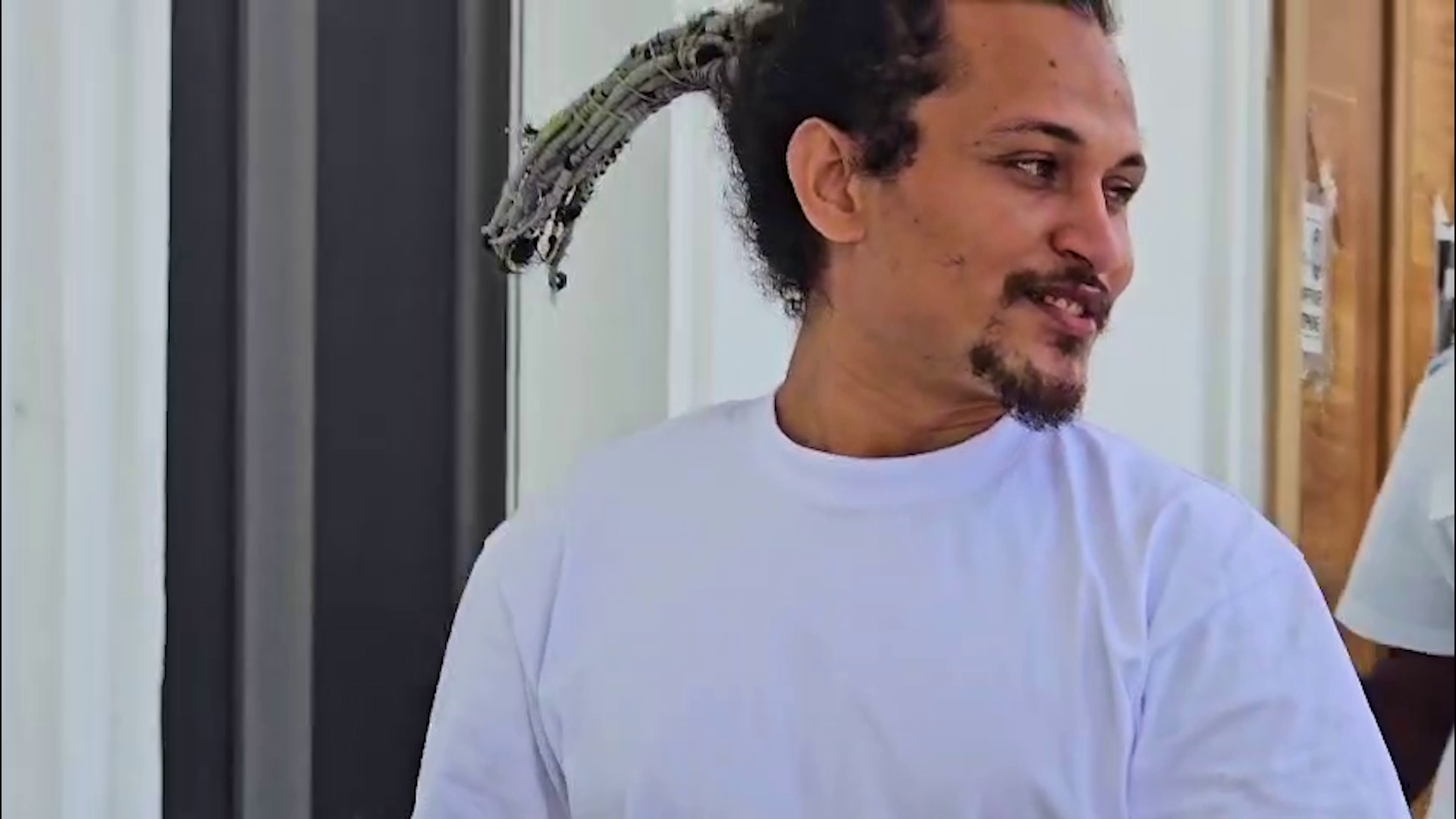
On July 14, 2026, a pivotal ruling in Belize cleared a local man of murder charges stemming from a high-profile 2025 fatal shooting in the heart of Belize City. Twenty-eight-year-old Andre Arthurs, a construction worker based in the Faber’s Road neighborhood, walked free from the High Court Wednesday after Justice Nigel Pilgrim threw out the prosecution’s case over critical gaps in evidence and unreliable witness identification.
The case centered on the March 2025 shooting death of 33-year-old Mark Usher Jr., who was killed at the intersection of Jabiru Street and Faber’s Road. Prosecutors from the Crown had alleged Arthurs was the gunman who carried out the daytime attack, arguing their entire case on the testimony of a single witness: Interdiction Police Officer Lawrence Martinez.
Martinez told investigators he had witnessed a man matching Arthurs’ general description, wearing a blue shirt and riding a bicycle, flee the scene moments after the gunfire rang out. Weeks later, Martinez picked Arthurs out of a police group identification procedure. But Justice Pilgrim’s ruling laid bare fundamental flaws in that identification process. The judge noted there was no documentation or confirmation that the other participants in the identification line-up shared similar physical characteristics with Arthurs — including matching height, skin tone, age range, and general appearance. Without that consistency, the court ruled the identification could not be considered reliable, even though Martinez himself appeared to be a credible witness on the stand.
Beyond the flawed identification, the prosecution failed to produce any physical evidence linking Arthurs to the shooting. Investigators never tested Arthurs’ hands for gunshot residue, did not recover the murder weapon, never obtained a warrant to search for the alleged blue shirt the suspect was reported to wear, and could not account for the abandoned bicycle the shooter supposedly left behind. No DNA evidence connecting Arthurs to the crime was presented to the court at any point during the trial.
In his statement to the court, Arthurs forcefully denied any involvement in Usher’s killing. He told the justice he was at his home hosting a barbecue with friends at the exact time the shooting occurred, providing an unchallenged alibi that the prosecution could not disprove.
Following the not guilty verdict, Arthurs was released from custody immediately, with his waiting relatives greeting him outside the courtroom. Usher’s mother, who had attended the trial to observe the verdict, left the courthouse shortly after Justice Pilgrim announced the ruling. Arthurs was represented throughout the proceeding by defense attorney Simeon Sampson, who successfully argued that the prosecution had failed to meet its burden of proving guilt beyond a reasonable doubt.