作者: admin

  • Minister announces end to secondary school registration fees

    Minister announces end to secondary school registration fees

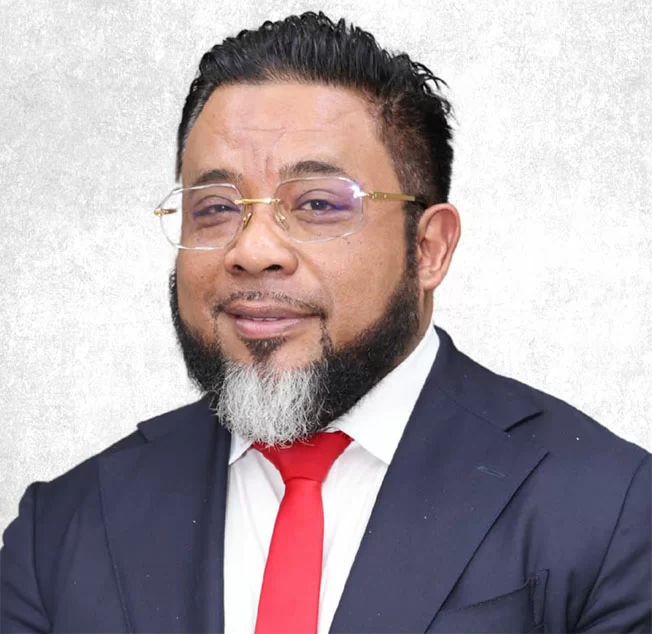
    In a policy announcement released Tuesday via NBC Radio, St. Vincent and the Grenadines’ Minister of Education and Vocational Training Phillip Jackson has introduced a major cost-cutting reform for secondary education: the full elimination of all registration-related fees for incoming Form 1 students at public and government-assisted private secondary schools across the nation.

    Jackson, who also holds ministerial portfolios for innovation, digital transformation and information, framed the fee removal as a core component of the ruling New Democratic Party (NDP) government’s wider initiative to reduce financial burdens on Vincentian households amid ongoing cost of living pressures. The decision came after months of research and internal deliberation by the Ministry of Education, and was crafted to align with both the national Education Act and the NDP administration’s stated commitment to expanding accessible education, he explained.

    “This new policy reflects the ambitions of the Education Act, the broader vision Prime Minister Godwin Friday has laid out for equitable education access across St. Vincent and the Grenadines, and our party’s promise to ease cost of living burdens for local families,” Jackson stated in his pre-recorded address to parents, guardians and the general public.

    Under the terms of the new policy, all fees categorized as registration, application processing, and admission fees are scrapped entirely for first-year secondary students attending eligible institutions. While the overarching policy mandate has been finalized at the ministerial level, Jackson noted that individual secondary schools will issue customized, updated registration packets with specific implementation details tailored to their own processes. He urged families to wait for direct communication from their child’s assigned school before moving forward with registration paperwork or payments.

    Addressing the fact that some schools had already opened registration cycles and collected fees from early applicants under the old fee structure, Jackson confirmed that all affected households will receive full refunds. Individual institutions will publish clear timelines and instructions for processing these refunds, he added.

    The minister took full accountability for the late timing of the policy shift, acknowledging that the change may cause temporary administrative disruptions for schools and confusion for families. However, he emphasized that the decision to move forward with the reform now was driven by a commitment to delivering on the government’s campaign promises as quickly as possible, and prioritizing the long-term financial well-being of students and their families.

    “Please be assured that we are acting in the best interests of our students and their families as our administration and the ministry implements its commitment to ensuring that every child has equitable access to quality and affordable education,” Jackson said, calling on parents and guardians to extend patience to school administrators as they adapt their processes to the new policy framework.

  • School Leavers Empowered with Essential Money Management Skills at ASPIRE Financial Symposium

    School Leavers Empowered with Essential Money Management Skills at ASPIRE Financial Symposium

    In a proactive push to strengthen youth financial literacy ahead of their transition into adulthood, dozens of final-year high school students from across Nevis gathered this week for the ASPIRE Financial Symposium, an interactive skills-building event focused on equipping young people with practical money management knowledge.

    Held at the Nevis Performing Arts Centre (NEPAC) and led by stakeholders including the Eastern Caribbean Central Bank, the half-day event forms a key component of the St. Kitts and Nevis national financial education initiative branded ASPIRE, short for Achieving Success through Personal Investment, Resources and Education. The overarching program was developed to arm young citizens across the federation with the foundational knowledge, practical skills and self-assurance required to build stable, long-term financial futures.

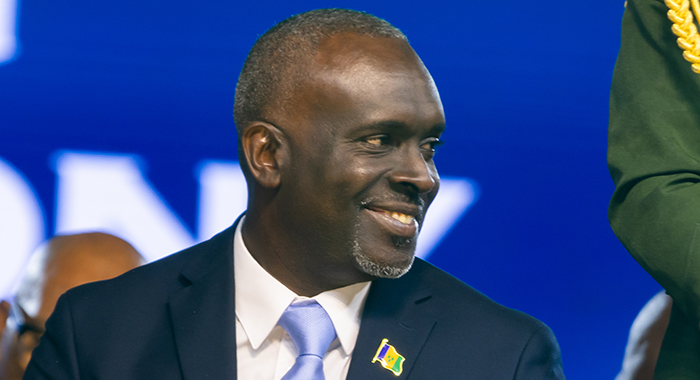
    Speaking at the symposium’s opening ceremony, Honourable Troy Liburd, Minister of Education and Youth within the Nevis Island Administration (NIA), praised the federal government for launching the impactful initiative, emphasizing the lifelong value of early financial discipline.

    “Learning how to manage resources intentionally and put money to productive use is a discipline that serves people for their entire lives,” Liburd said. “I want to commend our Federal Government for putting this initiative in place. It’s a wonderful project, and I hope all young people embrace what ASPIRE has to offer. It will set the younger generation of the federation on strong footing for saving and investing for their future.”

    Unlike traditional classroom-based financial lectures that rely heavily on theory, the ASPIRE Symposium centered on hands-on, engaging activities that let students apply core financial concepts to real-world scenarios. Curriculum covered all the critical topics new adults need to navigate independent finances: opening and maintaining a personal bank account, monthly budgeting basics, core strategies for saving and investing, how credit works and the responsibilities that come with borrowing, and frameworks for setting aligned financial and career goals.

    The event kicked off with icebreaker exercises that prompted students to reflect on their own existing attitudes toward money. One of the most popular interactive activities, “Sort That Expense,” challenged participants to categorize spending items into needs and wants, a core skill for building realistic budgets. Another simulation, “Living on a 20 Green Leaves Income,” asked teams to manage a fixed monthly household income, make spending tradeoffs aligned with their priorities, and balance competing demands on a limited budget.

    A dedicated guest presentation from the Eastern Caribbean Central Bank introduced attendees to the ECCU First Step Savings Account, a specialized product designed to help new savers build their first financial safety net. Additional activities covered smart consumer shopping strategies, step-by-step financial goal-setting, and vision boarding exercises to encourage students to visualize and plan for their long-term financial aspirations. Through collaborative group work and a spoken word competition, participants also explored the interconnected relationship between their career goals, expected future income, regular budgeting, and consistent saving.

    To reinforce core concepts, organizers integrated quizzes and guided discussions on foundational economic and financial principles including compound interest, the impact of inflation on purchasing power, and long-term saving strategies. These activities helped students understand how small, everyday financial choices can accumulate to shape their long-term financial well-being.

    The ASPIRE program is rooted in the core vision of embedding responsible financial management habits in young people from an early age, before they face the independent financial responsibilities of post-school life. By combining structured education, interactive entertainment, and hands-on practical experience, the initiative makes financial literacy accessible and relevant to young learners, while building positive habits that create ripple benefits for students, their families, and entire communities.

    Following the conclusion of the symposium, event organizers shared that they are confident the program provided participating school leavers with the actionable tools they need to navigate new financial responsibilities, pursue their personal and professional ambitions, and make informed, sound financial choices as they move into the next phase of their lives.

  • Four Financial Services Bills Receive First Reading in the Nevis Island Assembly

    Four Financial Services Bills Receive First Reading in the Nevis Island Assembly

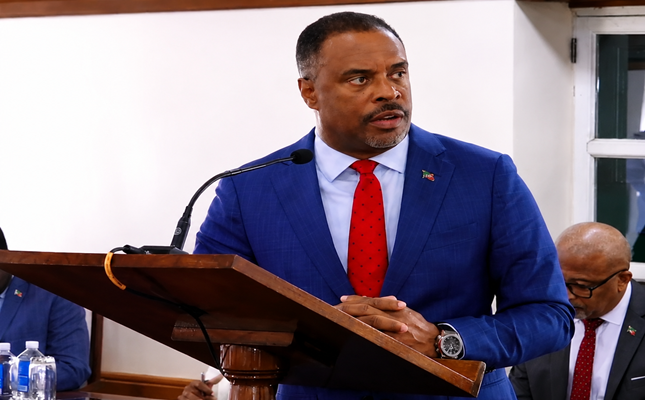
    CHARLESTOWN, Nevis – July 14, 2026 marks a key milestone for regulatory modernization in Nevis’ growing financial services sector, as four targeted amendment bills to upgrade the island’s core financial legislation passed their first reading during a weekly sitting of the Nevis Island Assembly. The legislative package was formally introduced by Honourable Mark Brantley, who serves dual roles as both Premier of Nevis and Minister of Finance within the Nevis Island Administration (NIA).

    The four bills put forward by Brantley cover every major segment of Nevis’ corporate and international financial ecosystem: the Companies Ordinance (Amendment) Bill 2026, the Nevis Business Corporation Ordinance (Amendment) Bill 2026, the Nevis Limited Liability Company Ordinance (Amendment) Bill 2026, and the Nevis International Banking (Amendment) Bill 2026. All four proposals completed the required first reading step immediately after their introduction to the chamber.

    Following the completion of the first reading process, the Nevis Island Assembly adjourned sine die, meaning no fixed date for the next sitting has been scheduled at this time. This procedural move paves the way for further stakeholder consultation, committee review, and amendment ahead of the second reading and final vote that will determine whether the reforms become law.

    The proposed amendments are widely framed as a strategic effort to strengthen Nevis’ overall financial services regulatory framework. Updates to corporate, limited liability company, and international banking rules are expected to bring the island’s regulatory standards in line with evolving international best practices, boost transparency, and reinforce Nevis’ competitiveness as a global offshore financial center. This press release was originally issued by the NIA and published in full by SKNVibes.com, which notes it does not edit original submissions for spelling or grammar, and the views contained do not necessarily represent those of the outlet, its sponsors, or advertising partners.

  • Ruim 1.860 kilo drugs verbrand na onderschepping op Surinamerivier

    Ruim 1.860 kilo drugs verbrand na onderschepping op Surinamerivier

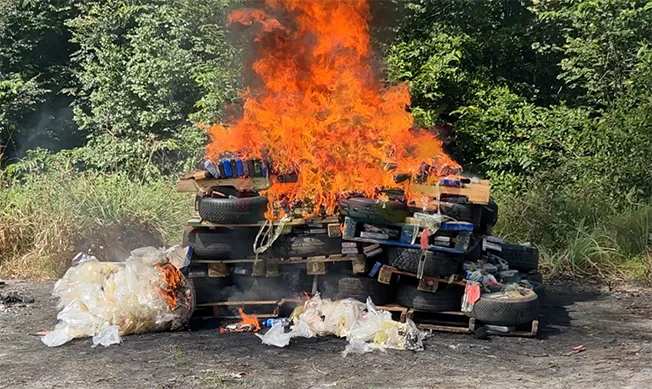
    In a public, transparency-focused operation held Tuesday in Kraka, Suriname’s Para district, law enforcement officials incinerated nearly 1,864 kilograms of seized illicit drugs with an estimated street value of more than $5.5 million. The large narcotics shipment was uncovered less than a week prior, following a targeted interception carried out by the country’s Justice Intervention Team (JIT) along the Suriname River.

    JIT team leader Radjinderkoemar Panchoe outlined the details of the interception in press statements: the contraband was hidden aboard a low-profile small cargo vessel called a barkas, which had departed from Dijkveld and was en route to the river’s mouth when JIT agents stopped the craft. After diverting the boat and its passengers to the Coast Guard jetty near the MAS area, law enforcement conducted a thorough search, ultimately uncovering the cache hidden in a secret compartment. The seizure consisted of 1,616 individual packages, each weighing approximately one kilogram on average.

    When questioned by reporters about the relatively fast timeline for destroying the seized drugs, Panchoe emphasized that the operation strictly followed the public prosecutor’s office established protocols and policy. He clarified that destruction only proceeds after all required legal procedural steps are completed, including full documentation of the shipment’s weight, the collection and securing of test samples for mandatory chemical analysis. As of the operation date, authorities have taken 10 people into custody in connection with the smuggling plot: one Surinamese national and nine foreign citizens.

    To prepare the narcotics for incineration, officials layered the packages between fuel pellets and discarded vehicle tires, before dousing the entire stack with accelerant. The entire pile was set ablaze shortly after preparation, with members of the press present to observe the full process. Before the incineration, authorities conducted random sample testing to confirm the packages contained illicit narcotics, and allowed reporters to select which packages to test. Two separate testing methods confirmed all selected packages contained illegal drugs, matching the contraband packaging descriptions.

    A key detail emerging from the seizure is that the individual packages bore distinct logos from multiple different groups, a marker Panchoe said indicates the shipment sourced from multiple separate producers. He reiterated a key point about Suriname’s role in global drug trafficking: the country does not produce illicit narcotics, and shipments are typically trafficked into Suriname across air, sea, and land routes before being moved onward to international markets. Early investigations indicate this large seized shipment was ultimately bound for foreign destinations, Panchoe added, noting the probe into the smuggling network remains ongoing.

    The public destruction operation represents part of Suriname’s ongoing push to disrupt transnational drug trafficking networks that use the country as a transit hub. By allowing press access to both testing and incineration, authorities aimed to demonstrate accountability and highlight the progress of anti-trafficking enforcement efforts.

  • CBH Brings Public Health Education to Villa Poly Clinic

    CBH Brings Public Health Education to Villa Poly Clinic

    Public health education remains a top priority for the Central Board of Health (CBH) as it works to safeguard the wellness of local populations across the region. In its latest outreach effort, CBH personnel partnered with clinical teams at Villa Poly Clinic to turn routine waiting room time into a valuable learning opportunity, engaging patients and guests waiting for medical appointments with actionable, accessible guidance for building healthier household and living environments.

    The informal, interactive sessions covered a diverse range of high-priority public health topics that directly impact daily life. Attendees learned how to identify and prevent pest infestations that can compromise home safety, received clear guidance on how to inspect canned goods for dents or damage during grocery shopping to avoid foodborne risks, and picked up best practices for storing toxic household cleaning products and chemicals separately from food supplies to prevent accidental contamination or poisoning. The sessions also covered core habits of strong personal and household hygiene, as well as evidence-based mosquito control strategies designed to lower community rates of mosquito-transmitted diseases.

    Unlike traditional one-way public health announcements, these waiting room sessions encouraged open two-way conversation between participants and public health staff. Event attendees embraced the format, actively asking targeted questions about their personal health challenges, sharing their own experiences with home health maintenance, and requesting customized advice for common everyday health concerns. This high level of engagement underscores the growing demand for accessible community-facing health education, and demonstrates how meeting people in everyday spaces can help turn general health guidance into actionable daily habits.

    CBH leadership emphasizes that protecting population-wide public health is not a task that government agencies can complete alone – it requires shared responsibility and collaborative action across clinical teams, community organizations, and individual residents. By partnering directly with the Villa Poly Clinic nursing team, the initiative was able to extend the impact of clinical care, providing patients with complementary preventive health knowledge that supports the treatment they receive during appointments. The long-term goal of this outreach is to help residents build safer, healthier homes, strengthen overall community wellness, and drive improved long-term health outcomes for people of all ages.

    Moving forward, the Central Board of Health reaffirmed its ongoing commitment to expanding this model of community-focused health education, bringing relevant, actionable public health information directly to the populations it serves. The agency also extended formal gratitude to the entire Villa Poly Clinic staff for their ongoing collaboration and support of this public health mission.

  • CARICOM Endorses Revised Ten-Point Reparations Manifesto

    CARICOM Endorses Revised Ten-Point Reparations Manifesto

    From July 5 to 8, 2026, the 51st Regular Meeting of the Conference of Caribbean Community (CARICOM) Heads of Government concluded in Gros Islet, Saint Lucia, marking a major milestone in the regional bloc’s decades-long campaign for reparatory justice. At a post-summit press briefing, CARICOM Chair and Saint Lucia Prime Minister Philip J. Pierre shared key outcomes with reporters, emphasizing that every deliberation at this year’s gathering was anchored by one core mission: lifting quality of life for all people across the CARICOM region.

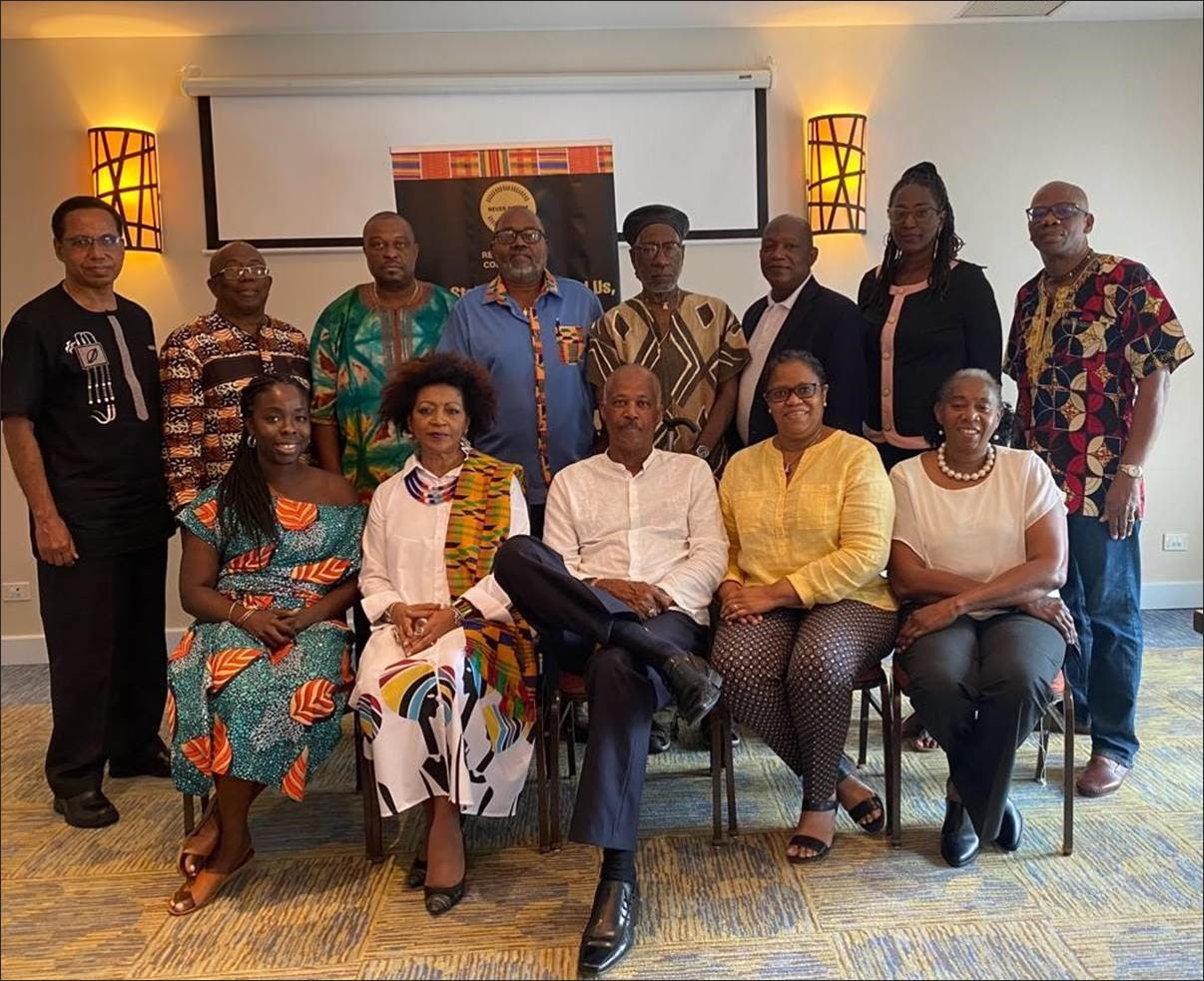
    A centerpiece decision from the summit saw all heads of government formally approve the updated *Revised CARICOM Ten Point Plan for Reparatory Justice: A Manifesto for the Coming Enlightenment*, a framework crafted by the CARICOM Reparations Commission (CRC). The plan formalizes the bloc’s formal demand for redress from European nations for two centuries of atrocities: the transatlantic slave trade and the systematic genocide of Caribbean Indigenous peoples.

    Pierre laid out the bloc’s clear roadmap to advance the reparations agenda in the coming months. Key upcoming actions include deepening strategic collaboration with the African Union to build global momentum, maintaining a unified, high-profile CARICOM delegation at the November 2026 Commonwealth Heads of Government Meeting, hosting the Third Regional Conference on Reparations in Barbados, and officially opening the Newton Slave Burial Ground Memorial to honor victims of chattel slavery on the island.

    Parallel to the official summit, a dedicated CARICOM Reparations Forum was convened on July 6, co-hosted by the Government of Saint Lucia and the CARICOM Secretariat. The closed dialogue centered on three critical themes: the global framework for enlightenment, standardizing reporting on socio-economic reparatory justice, and integrating reparations work into regional sustainable development goals. The forum reinforced CARICOM’s longstanding commitment to centering reparations as a core pillar of just, equitable development across the Caribbean.

    Leading experts and reparations advocates headlined the forum, including CRC Chair Sir Hilary Beckles, Saint Lucia National Reparations Committee Chair Earl Bousquet, and CRC member Ambassador Dr. June Soomer. In his keynote address, Beckles highlighted a landmark recent international win for the movement: the United Nations’ adoption of a formal declaration that classifies the transatlantic trafficking of enslaved Africans and the system of racialized chattel slavery as the gravest crime against humanity in recorded history.

    Beckles framed the UN declaration as a turning point that shifts the global conversation forever. “For 300 years, there were ongoing debates over whether we even had a legal case for reparatory justice,” he explained. “The answer now is yes. The case has been made. There’s nothing more to discuss whether there’s a case or not. The question now is implementation and demand. That’s where we are now at this moment. That is why Africa and the CARICOM are now in league, providing global leadership for the next phase.”

  • Rotary Club of Antigua Installs 2026–2027 Board of Directors

    Rotary Club of Antigua Installs 2026–2027 Board of Directors

    On July 11, the Rotary Club of Antigua marked a pivotal transition in its decades-long mission of community service, hosting its annual Handover Ceremony and Awards Dinner at The Cove Restaurant inside Antigua’s Blue Waters Hotel. The event served two core purposes: celebrating the landmark achievements of the outgoing 2025–2026 Board of Directors and formally swearing in the new leadership team that will guide the club’s work across Antigua and Barbuda through 2027.

    Outgoing President Elisa Graham opened the reflective portion of the evening, looking back on a successful term anchored in Rotary International’s 2025–2026 theme “Unite for Good.” Under Graham’s leadership, the club expanded its reach across multiple key areas, delivering impactful local service projects, scaling youth development programs, growing membership numbers, strengthening support for The Rotary Foundation, nurturing emerging local leaders, and boosting the organization’s public profile across the twin-island nation. Graham extended sincere gratitude to every board member, committee chair, rank-and-file Rotarian, corporate sponsor, and community partner who contributed to the year’s successes, noting that their collective dedication turned shared goals into tangible progress for communities across Antigua and Barbuda. Before closing her remarks, Graham offered a warm congratulations to incoming President Anastasia Wilson and her full board, expressing full confidence that the new leadership would build on the strong foundation laid over the previous year and deepen the club’s culture of service and fellowship.

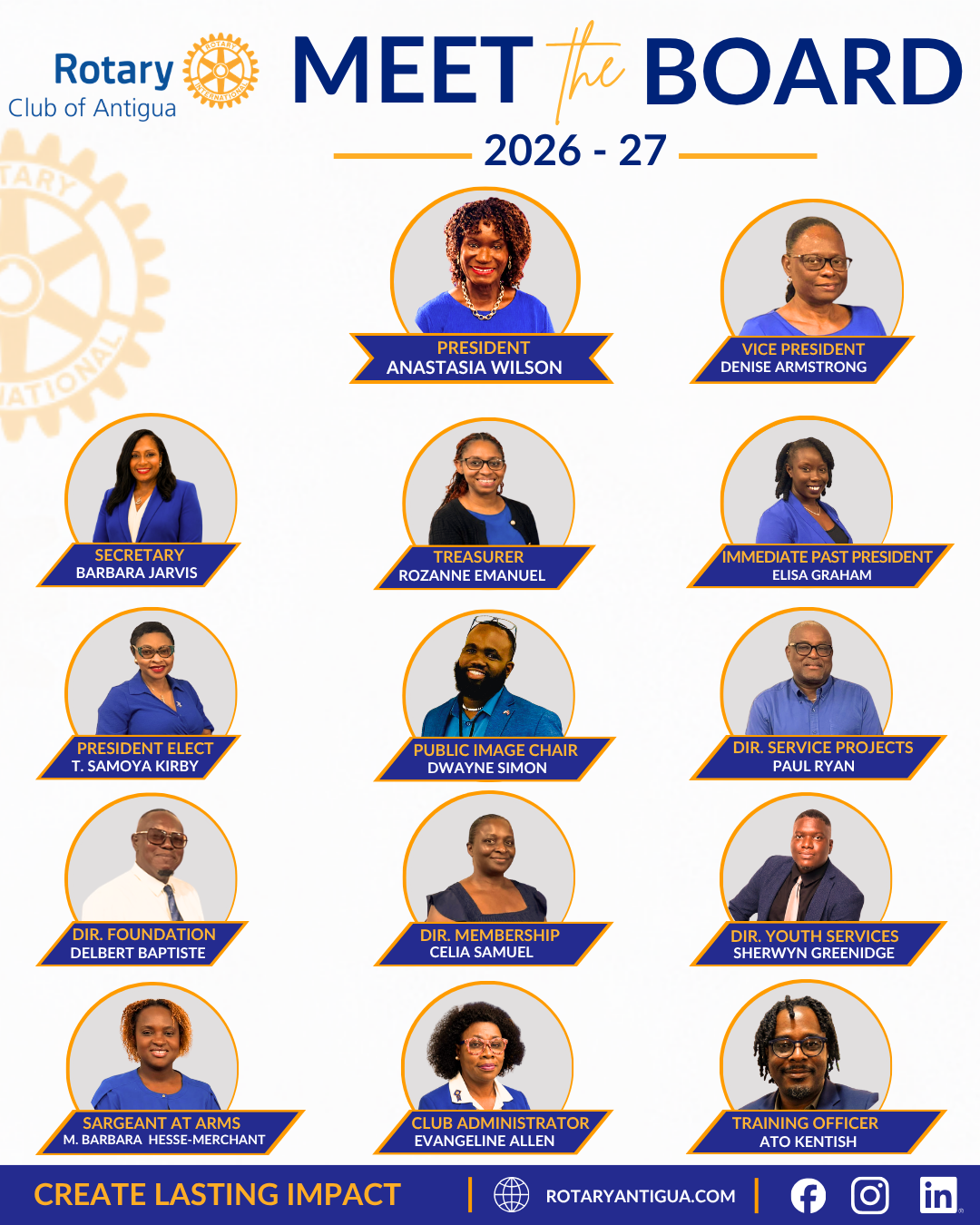
    Wilson takes the helm of the local club aligned with Rotary International’s 2026–2027 global theme “Create Lasting Impact,” a directive that calls on Rotarians worldwide to drive long-term community change through sustainable programming, collaborative cross-sector partnerships, and systemic, enduring improvement. Building on the local club’s 70-plus year legacy of community outreach, Wilson’s board will expand existing work in core priority areas: accessible education, youth empowerment, environmental sustainability, public health access, and cross-border humanitarian aid. The full 2026–2027 Board of Directors includes: Vice President PP Denise Armstrong, Secretary Rtn. Barbara Jarvis, Treasurer Rtn. Rozanne Emanuel, Service Projects Director PP Paul Ryan, Membership Director Rtn. Celia Samuel, Foundation Director Rtn. Delbert Baptiste, Youth Services Director Rtn. Sherwyn Greenidge, Public Image Chair Rtn. Dwayne Simon, Immediate Past President PP Elisa Graham, President Elect Rtn. T. Samoya Kirby, Club Administrator PP Evangeline Allen, and Sergeant-at-Arms Rtn. Barbara Hesse-Merchant.

    Beyond the leadership handover, the evening doubled as a celebration of extraordinary service aligned with Rotary’s foundational motto “Service Above Self.” A slate of prestigious awards was presented to recognize exceptional leadership, volunteer commitment, and community impact.

    Rotarian Linda Watkins earned the 2026 Director of the Year honor for her extraordinary work as the club’s outgoing treasurer. Watkins delivered robust, transparent financial stewardship that restored long-term stability to the club’s financial operations, maintained consistent accountability across all initiatives, and provided critical support to every club committee over the past Rotary year.

    The highest local honor, Rotarian of the Year, was awarded to Rozanne Emanuel, who was recognized for her consistent, unwavering dedication and exemplary service to the club. Known for her selfless leadership, reliable support, and consistent willingness to lift up fellow Rotarians, Emanuel was celebrated as a perfect embodiment of the “Service Above Self” ideal that defines Rotary’s global mission.

    Past President Evangeline Allen received the Service Excellence Award in recognition of her exceptional dual leadership over the past year: serving simultaneously as a club director and successfully chairing District RYLA 2025, a signature program that develops leadership skills for young people across the region. Allen’s work reaffirmed her longstanding commitment to nurturing the next generation of community leaders.

    Finally, the club presented its annual Community Service Award to local resident Mr. Fitzgerald Ponde, honoring his generous pro bono contributions and critical logistical support for the construction of Peace Poles across Antigua and Barbuda. Ponde’s work has advanced Rotary’s global mission of building cross-cultural understanding, peace, and goodwill across local communities.

    In her first official address to members as incoming president, Wilson thanked the club for the trust placed in her and the new board, and reaffirmed the organization’s commitment to delivering meaningful, measurable, and sustainable impact through local service. Outlining her priorities for the coming year, Wilson highlighted four core focus areas: strengthening collaborative partnerships with local and regional stakeholders, growing inclusive membership to expand the club’s capacity, empowering young leaders through targeted programming, and delivering responsive community projects that address the evolving needs of populations across Antigua and Barbuda.

  • News : Zapping…

    News : Zapping…

    Mid-July 2026 brings a collection of interconnected updates across multiple sectors of Haiti, highlighting ongoing challenges, institutional action, and moments of cultural progress for the Caribbean nation.

    First, in the tourism and travel sector, major international cruise line Royal Caribbean has announced a significant extension of its service suspension at Haiti’s Labadie port. The operator had already pulled Labadie from all 2026 itineraries, and the new extension will keep the port off all scheduled routes through at least the end of June 2027. In an official statement, the company confirmed the decision prioritizes the safety and welfare of guests and crew, noting that the extension comes as it continues ongoing assessments of Haiti’s evolving security and operational environment. All travelers affected by the itinerary changes have been notified directly by Royal Caribbean.

    In the Artibonite department’s Gonaïves municipality, a recent infrastructure assessment has exposed critical gaps in community water access. The Regional Office for Drinking Water and Sanitation (OREPA), working alongside the Departmental Rural Unit, conducted a needs evaluation at three community Lakous—shared water and sanitation sites in Badjo, Soukri, and Souvenance. The assessment found no functional potable water distribution systems or formal sanitation infrastructure at the sites, with overall hygiene conditions falling well below acceptable public health standards. Following the release of the assessment findings, Haitian Minister of Tourism Stéphanie Smith has directed department-level ministry staff to collaborate directly with OREPA to develop and deploy fit-for-purpose water and sanitation infrastructure for the communities.

    Haiti’s National Institute for Vocational Training (INFP) has moved to crack down on exploitative practices at private vocational training centers across the country. The institution issued a public reminder that graduation from vocational programs is a voluntary option, not a mandatory requirement for completion. INFP specifically called out private centers that coerce students from low-income households into paying large graduation fees denominated in U.S. dollars, creating an unfair financial burden for already struggling families and students. Beyond issuing the warning, INFP announced it is implementing strict punitive measures against centers engaging in these exploitative tactics, while also rolling out support, independent assessment, and official certification for students harmed by the practices.

    As Haiti moves toward planned general elections, the Provisional Electoral Council (CEP) has advanced preparations with a full-scale simulation of the voter registration process. The drill was held on 11 July 2026 in Jacmel, located in the country’s Southeast Department. The exercise gave newly hired Electoral Register Agents (ADRE) and Electoral Security Agents (ASE) the chance to put into practice the protocols and procedures they learned during recent CEP-led refresher training, ensuring the team is prepared for the official launch of voter registration.

    On the cultural and academic fronts, Haiti earned two major marks of recognition this month. Two Haitian playwrights have advanced to the final round of the 2026 RFI Theatre Prize: Joubert Joseph for his work *Les Yeux que la nuit a pris* (The Eyes That the Night Took), and Alexandro Christi Nicolas for *Boukan*. The pair are among just 13 finalists selected for the international award, and the French Institute of Haiti has celebrated the achievement as proof of the enduring vibrancy of Haitian dramatic writing in the global Francophone theatre community. Separately, the Permanent Delegation of Haiti to UNESCO hosted the official launch of a new UNESCO research Chair focused on Anthropology, Archaeology, and History of Transatlantic Slavery. Led by France’s University of Versailles Saint-Quentin-en-Yvelines, part of the University of Paris-Saclay network, the international research initiative brings together academic institutions from across the regions connected by the transatlantic slave trade to study a shared history that reshaped the development of the modern world.

  • Minister Smith Urges Bipartisan Support for US Negotiations, Says Relationship Too Important to Politicize

    Minister Smith Urges Bipartisan Support for US Negotiations, Says Relationship Too Important to Politicize

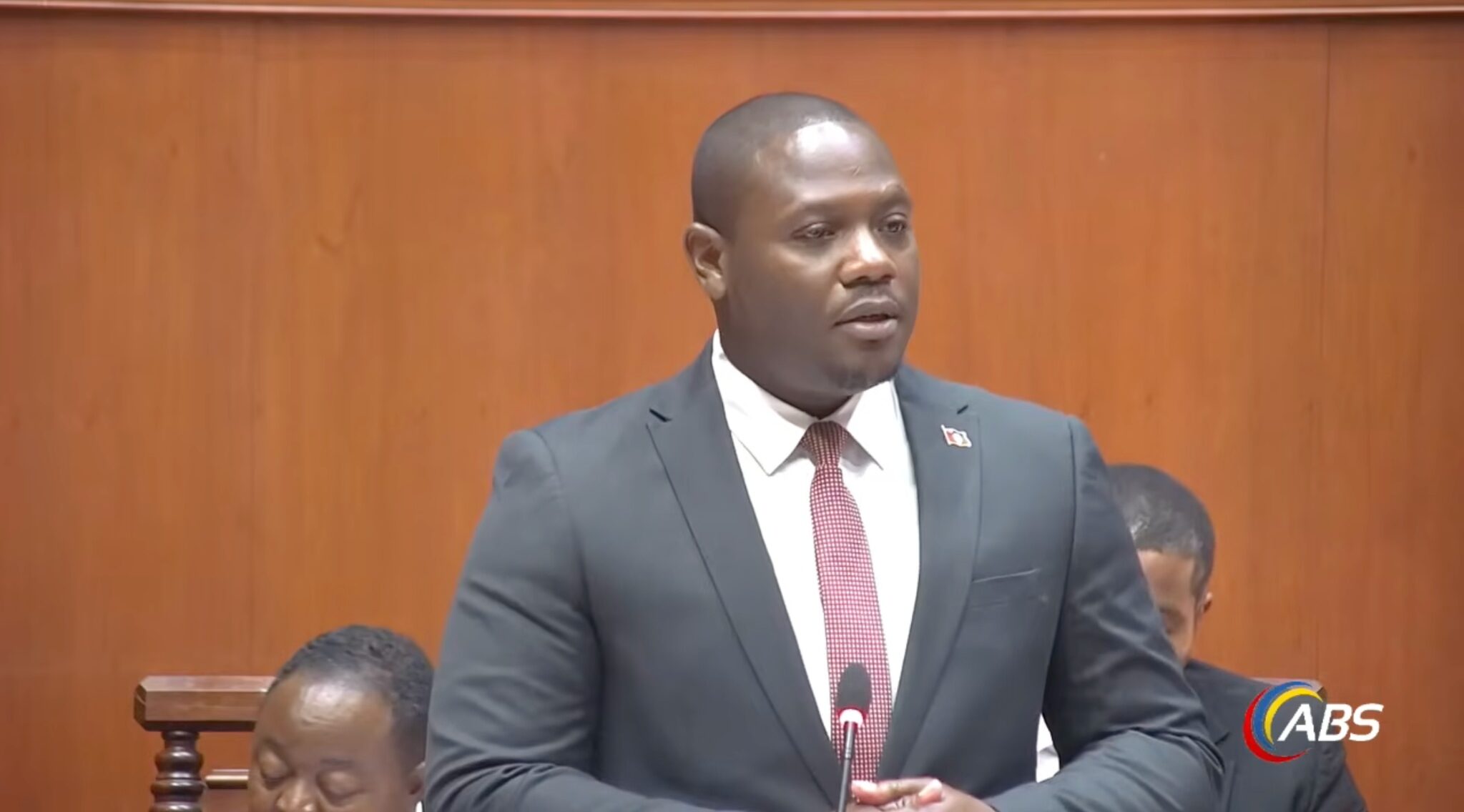
    On Tuesday, Anthony Smith Jr., a ruling party member of parliament in Antigua and Barbuda, issued a public appeal for bipartisan collaboration as the nation advances negotiations with the United States centered on the potential transfer of third-country nationals. Speaking during parliamentary debate over a resolution that lays out formal guidelines for ongoing talks, Smith emphasized that the decades-long strategic and economic bond between Antigua and Barbuda and Washington carries too much national weight to be weaponized for partisan advantage.\n\nSmith, who expressed open support for the negotiating framework resolution, pushed back against attempts by opposition lawmakers to frame the talks as a partisan political controversy. He noted that while he was disappointed by efforts to turn the issue into political capital, he was not caught off guard by the maneuvering. Instead of turning the negotiations into a political football, Smith argued, all elected representatives should prioritize educating the public on just how critical the U.S.-Antigua and Barbuda relationship is to the nation’s long-term prosperity.\n\nDrawing a direct line between bilateral ties and national economic stability, Smith laid out key data to back his case: roughly 80% of all goods imported into Antigua and Barbuda originate from the United States. Beyond trade, he highlighted two foundational pillars of the nation’s economy that depend on strong relations with Washington: the dominant tourism sector, which draws millions of American visitors annually, and the domestic banking industry, which relies heavily on correspondent banking relationships with U.S. financial institutions.\n\nSmith warned of severe consequences if those ties were damaged: “Imagine we lost our correspondent banking relations. How would we accept U.S. funds? How would we be able to purchase goods overseas?” He stressed that maintaining productive, positive relations with the U.S. is non-negotiable for the country’s economic health, and that a unified parliamentary signal of support would strengthen the government’s hand at the negotiating table.\n\nAddressing concerns that the resolution would grant the executive branch unchecked authority to strike a deal, Smith pushed back on that characterization, clarifying that the text is designed to establish robust guardrails rather than a blank check for negotiations. “The resolution is not a blank check; it is a shield,” he explained. “It gives us permission to continue negotiating, but to negotiate with a framework that protects our people.”\n\nSmith went on to outline the specific protective provisions baked into the resolution. These include a ban on any automatic or open-ended transfer program, a requirement that every proposed transfer is reviewed and approved on an individual case-by-case basis, and the enshrinement of Antigua and Barbuda’s absolute right to reject any individual transfer request. Additional provisions cap the total number of people the country can accept based on its current national capacity, and mandate that all costs related to housing, healthcare, administration, and onward movement of transferred individuals must be fully pre-funded, eliminating any potential financial burden on Antigua and Barbuda’s taxpayers.\n\nThis framework, Smith argued, strikes a careful balance between international cooperation and national sovereignty, allowing Antigua and Barbuda to uphold its reputation as a responsible, collaborative member of the global community while protecting the interests of its citizens and the integrity of its borders. He closed by renewing his call for opposition lawmakers and the general public to get behind the government’s approach, noting that the resolution creates the structured guidance necessary to reach a final agreement that delivers maximum benefit to all people of Antigua and Barbuda.

  • Somohardjo na verhoor: Ik heb mijn kant van het verhaal verteld

    Somohardjo na verhoor: Ik heb mijn kant van het verhaal verteld

    In a development in an active criminal investigation in Suriname, former minister and sitting National Assembly member Bronto Somohardjo from the Pertjajah Luhur (PL) party was questioned by authorities for approximately two hours on Tuesday.

    The questioning came weeks after Suriname’s National Assembly approved a request from the Public Prosecution Service to formally charge Somohardjo, a vote that resulted in the lifting of his parliamentary immunity. This procedural step cleared the way for law enforcement to advance the ongoing criminal investigation that has been underway against the lawmaker.

    Following his interrogation, Somohardjo spoke publicly with local Surinamese outlet Starnieuws, stating he was satisfied that he finally had the opportunity to present his side of the narrative surrounding the case. He emphasized that he had answered every question put to him truthfully to the best of his knowledge, and had extended full cooperation to the investigative team.

    “I am glad that I finally got the opportunity to tell my version of events,” Somohardjo told reporters. “I answered all questions honestly and to the best of my knowledge, and I have given my full cooperation to the investigation.”

    The lawmaker added that he would not be commenting on the specific content of questions asked or statements he gave during questioning, out of respect for the ongoing investigation. He also stressed that he retains full confidence that the probe will be conducted in a careful, objective and independent manner.

    Amid the ongoing investigation, Somohardjo confirmed that he will continue to fulfill his duties as an elected member of the National Assembly without interruption. His priority, he says, remains serving the people of Suriname and carrying out his responsibilities as their elected representative.

    Local reporting also indicates that Somohardjo is not the only person targeted in this investigation, with multiple additional suspects currently identified by authorities as part of the case.