On November 2, 2026, the Office of National Security announced a comprehensive, community-centered public safety framework that moves beyond traditional law enforcement tactics to address root causes of youth delinquency while cracking down on adult criminal actors who exploit vulnerable young populations. Led by National Security Minister Michel Chebat, the new policy agenda centers on two interconnected pillars: a wrap-around support initiative dubbed the Second Chance Program, and enhanced legal consequences for adults who recruit minors to participate in illegal activity.
The newly designed Second Chance Program will serve youth aged 15 to 23 who are identified as at-risk of involvement in criminal networks, leveraging cross-sector collaboration across more than seven government portfolios including the Ministry of Human Development, Ministry of Sports, Ministry of Infrastructure Development and Housing, Ministry of Natural Resources, Fisheries Department, Ministry of Agriculture, and Ministry of Labor. Public sector efforts will be supplemented by formal partnerships with faith congregations, local non-governmental organizations, and private business operators, who will contribute mentorship, vocational training placements, educational support, and structured recreational opportunities to create clear, viable pathways away from criminal engagement for participating youth.
Parallel to the supportive youth intervention, the administration is advancing legislative reforms that will impose stiffer legal penalties for adult individuals who lure, coerce, or recruit minors to carry out criminal acts. Minister Chebat emphasized that the policy shift is designed to target not just the young people who commit offenses on the ground, but the shadow adult masterminds who exploit the vulnerability of marginalized youth to avoid direct accountability for their criminal enterprises. The new rules will ensure that these predatory actors face proportional legal repercussions for the harm they inflict on both young lives and community safety.
To embed collective ownership of public safety across all segments of society, the government will also stand up a multi-stakeholder National Security Advisory Committee, with appointed representatives from faith groups, civil society organizations, independent media outlets, and official opposition political parties. Minister Chebat stressed that sustainable crime reduction cannot be the sole responsibility of law enforcement agencies, and that inclusive, cross-community input will ensure public safety policies are responsive to the actual needs of local populations.
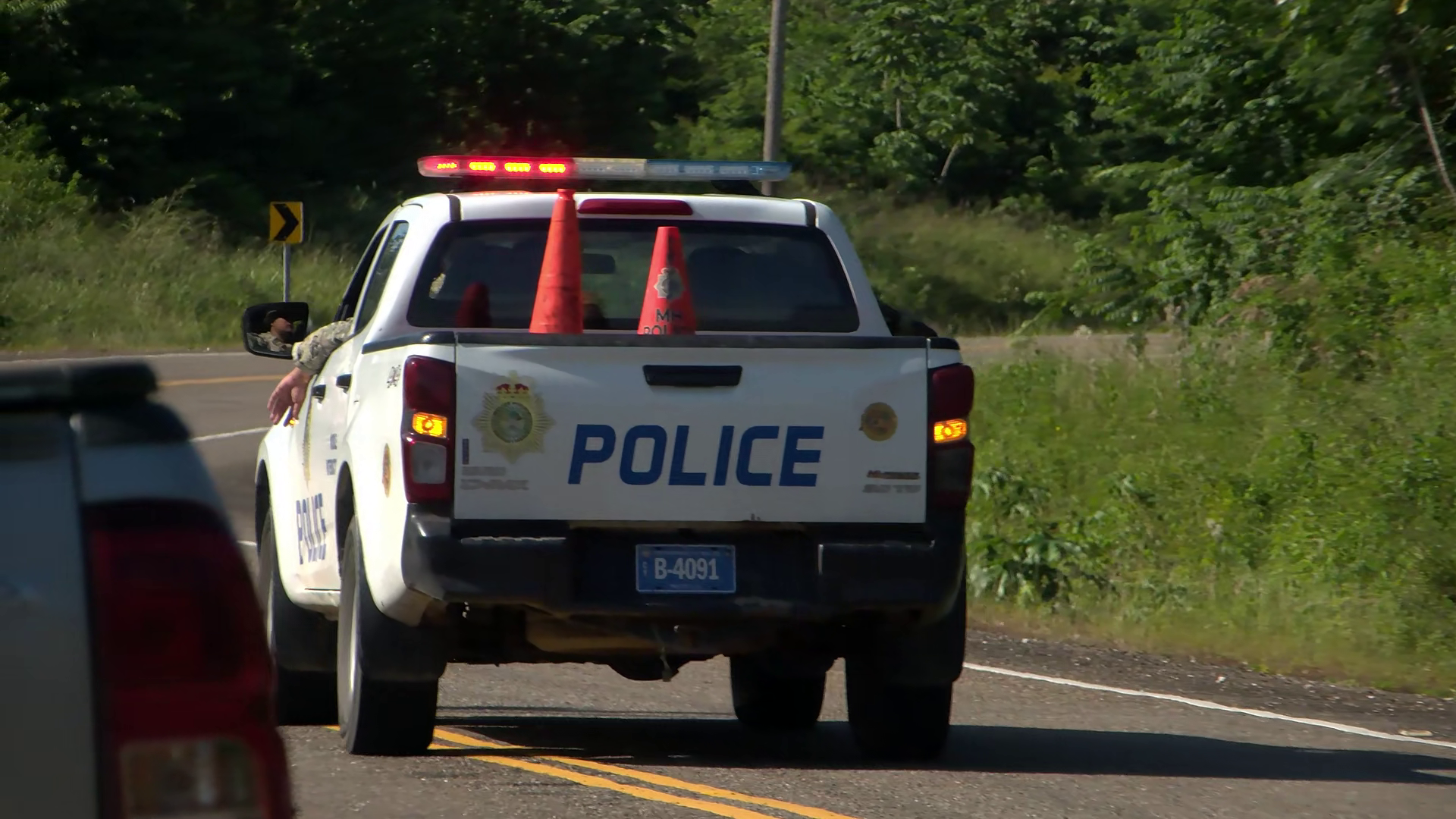
Complementing these long-term systemic reforms, local police forces will immediately roll out expanded roadside checkpoints nationwide, where officers will conduct targeted stops of unlicensed vehicles and vehicles with heavily tinted windows to reduce opportunities for criminal activity. Minister Chebat has called on the general public to exercise patience and extend full cooperation to officers during these temporary enhanced enforcement operations, noting that the measures are designed to reduce community risk for all residents.