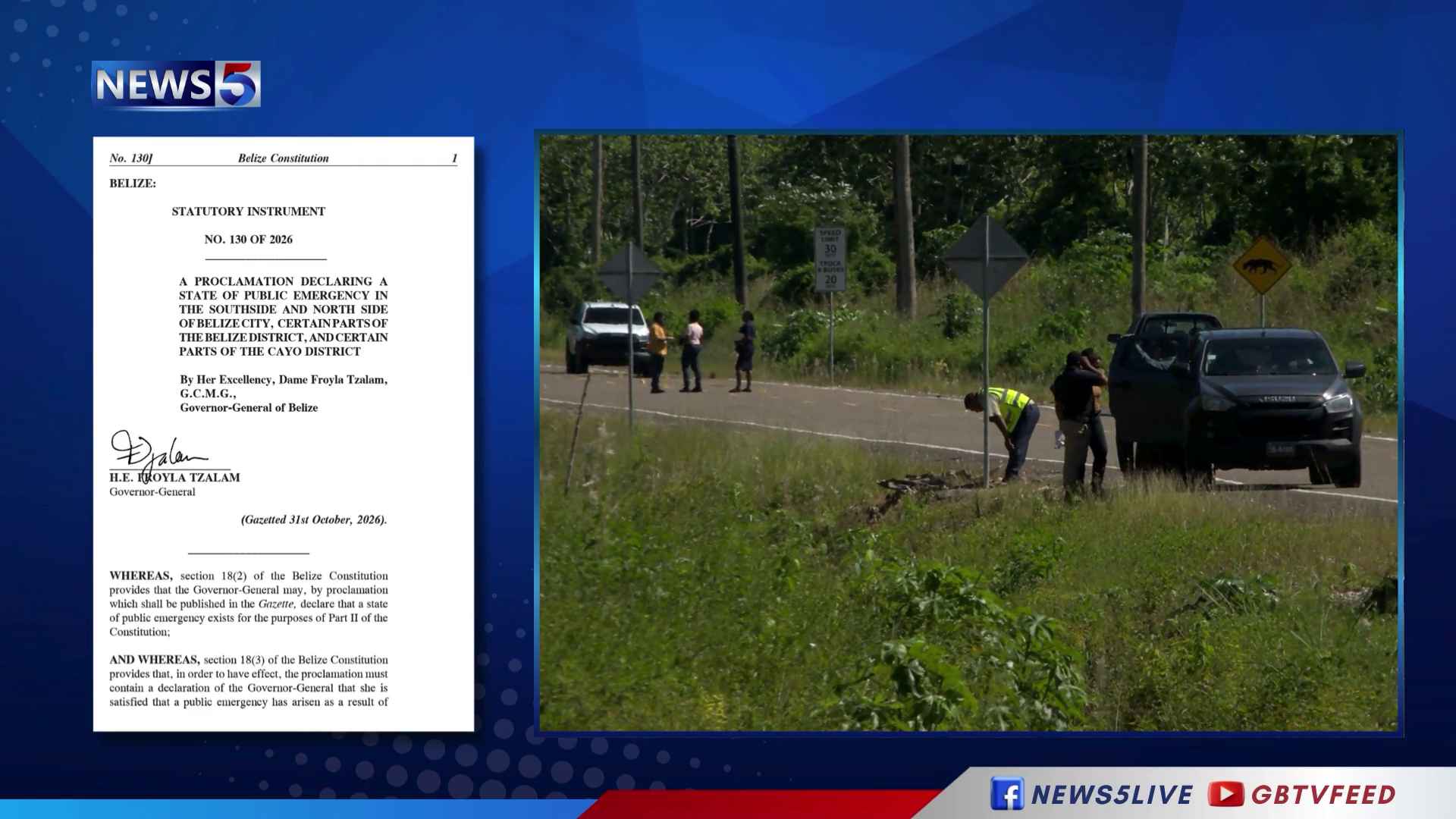
On November 2, 2026, senior law enforcement leadership moved to reassure the public that newly expanded authorities under the latest State of Emergency (SOE) will not be used to infringe on the rights of ordinary, law-abiding residents, following widespread public concern over potential misuse of enhanced emergency powers. Deputy Police Commissioner Bart Jones announced during an official public briefing that the Royal Police Department has collaborated closely with the Attorney General’s Ministry to roll out binding, court-aligned operational protocols that explicitly ban arbitrary detentions, even as the SOE grants officers broader legal scope to address surging violent crime. Jones emphasized that the emergency framework is not a blank check for law enforcement overreach, noting that the new rules incorporate key guidance from recent judicial rulings on past SOE implementations that flagged procedural gaps in previous detention practices. The formal protocols mandate full, auditable documentation for every detention, layered independent oversight of all custody decisions, and a strict requirement that any individual held beyond the standard 48-hour pre-charge window must be directly linked to active investigations into serious offenses including recent homicides, shootings, armed robberies and gang-related violent activity. “We are not operating outside the bounds of the law, no matter how expansive the emergency powers appear on paper,” Jones told reporters. “Every detention will be rooted in case-specific reasonable suspicion, not random targeting. Even in scenarios where we do not yet have sufficient evidence to file formal charges, we will only take a person into custody if verified, credible information indicates their connection to ongoing violent crime, to facilitate targeted interviews and further investigation.” The deputy commissioner added that residents living outside geographically designated SOE restricted zones can continue their regular daily routines, travel, work and personal activities with no disruption, and that even within restricted areas, policing actions will be narrowly focused only on individuals reasonably suspected of participating in serious criminal activity, rather than broad, indiscriminate sweeps. The announcement comes amid heightened public scrutiny of emergency governance, with civil society groups having previously raised alarms about due process violations during prior SOE deployments.