标签: Trinidad and Tobago

特立尼达和多巴哥

  • Holy Name, St Joseph’s Convent power to volleyball wins

    Holy Name, St Joseph’s Convent power to volleyball wins

    The Eastern Regional Indoor Sport Arena in Tacarigua witnessed exceptional athletic performances this week as Holy Name Convent and St Joseph’s Convent Port of Spain (SJCPoS) delivered commanding displays in the Secondary Schools Volleyball League competitions.

    In Wednesday’s Under-17 division matches, SJCPoS demonstrated remarkable consistency with consecutive straight-set victories. The team first overcame Tunapuna Secondary with scores of 25-17 and 25-19, immediately followed by a dominant performance against ASJA Girls’ College Charlieville, securing a 25-19, 25-6 win. Tunapuna Secondary managed to rebound from their earlier defeat by claiming a hard-fought victory against ASJA College at 25-17, 25-21.

    The previous day featured equally impressive Under-15 category action, with Holy Name Convent achieving a remarkable triple victory sweep. Their campaign began with a decisive win against Naparima Girls’ High School (25-7, 25-17), followed by a thrilling comeback victory over Holy Faith Convent Couva. After dropping the first set 22-25, Holy Name mounted a strong recovery to take the subsequent sets 25-16 and 15-9. They concluded their successful run with a comprehensive defeat of St Augustine Girls’ High School at 25-15, 25-6.

    Naparima Girls’ High School also enjoyed competitive success, securing two victories against St Augustine (25-15, 25-20) and Holy Faith Convent (25-19, 25-23). Holy Faith Convent found consolation in their final match, defeating St Augustine 25-12, 25-21 to conclude the day’s proceedings.

    The league action was scheduled to continue at Pleasantville Indoor Sporting Arena with boys’ Under-17 matches on January 23rd, maintaining the momentum of this exciting school volleyball tournament.

  • Jereem eclipses Olympic champ Lyles for New Balance 300m crown

    Jereem eclipses Olympic champ Lyles for New Balance 300m crown

    In a stunning opening to his 2026 athletic season, Trinidad and Tobago sprinter Jereem “The Dream” Richards delivered a spectacular performance at the New Balance Indoor Grand Prix in Boston on January 24. The world-class athlete claimed gold in a nail-biting 300-meter final that saw him edge out American track superstar Noah Lyles by the narrowest of margins.

    The highly anticipated four-man race unfolded at The Track in Boston, Massachusetts, where Richards demonstrated exceptional acceleration and strategic pacing across the shortened distance. Clocking an impressive 32.14 seconds, the Trinidadian sprinter showcased his championship mentality by maintaining his composure against the heavily favored Lyles, who finished a mere hundredth of a second behind at 32.15 seconds.

    This victory carries particular significance as Richards managed to outperform the reigning Olympic 100-meter champion and eight-time world champion, signaling a potentially transformative season for the Caribbean athlete. The race dynamics revealed Richards’ tactical brilliance as he matched Lyles stride for stride before implementing a decisive finishing kick that secured his golden moment.

    Completing the podium, American veteran Vernon Norwood captured bronze with a personal best of 32.38 seconds in the 300-meter event, demonstrating the depth of competition at the elite indoor meet.

    In complementary success for Trinidad and Tobago, female sprinter Leah Bertrand commenced her competitive season with a bronze medal performance in the women’s 60-meter final. Bertrand clocked a respectable 7.32 seconds, finishing behind British champion Dina Asher-Smith (7.08s) and Jamaican silver medalist Brianna Listen (7.11s). The dual podium appearances mark a promising start for Trinidad and Tobago’s track and field program in the new season.

  • ZOSOs and rule of law: Lessons not yet learned

    ZOSOs and rule of law: Lessons not yet learned

    Prominent attorney Vanna Jankiepersad has issued a scathing critique of Trinidad and Tobago’s proposed Law Reform (Zones of Special Operations) Bill, 2026, revealing fundamental weaknesses in both legislative technique and operational practicality.

    The legislation, designed to establish special security and community development measures in designated areas, faces criticism for its poor drafting quality and failure to integrate with existing legal frameworks. Legal analysis indicates that numerous provisions merely reiterate established police procedures already codified in Police Standing Orders, rather than introducing substantive new regulations.

    A striking example emerges in Clause 16(2)(c), which mandates that female individuals must be searched exclusively by female officers. This requirement represents standard operational protocol rather than novel legislation, raising questions about the Executive’s approach to legislating internal police practices.

    The proposed bill follows the recent discontinuation of the state of emergency regime, which was marred by widespread allegations of police misconduct and unlawful detentions. Legal experts highlight the government’s failure to address critical accountability questions from the previous emergency period, including the number of preventive detentions, subsequent charges, and potential state liability for wrongful imprisonment claims.

    The case of businessman Danny Guerra illustrates these concerns vividly. Detained under a preventive order in November 2025, Guerra remained incarcerated for nearly six weeks without evidence satisfying statutory prerequisites before his January release. This case, along with Justice Frank Seepersad’s recent admonition for legislation holding officers personally accountable for authority abuses, underscores the systemic accountability deficit.

    Legal analysis concludes that legislative amendments cannot compensate for inadequate police training or weak accountability mechanisms. The effectiveness and constitutional validity of the ZOSOs Bill depend on incorporating legal precision, operational safeguards, and genuine institutional accountability—moving beyond mere legislative symbolism toward substantive reform.

  • Umpire Ayanna McLean set for 2026 Hockey World Cup

    Umpire Ayanna McLean set for 2026 Hockey World Cup

    Trinidad and Tobago’s accomplished hockey official Ayanna McClean has earned selection as one of the premier umpires for the upcoming 2026 International Hockey Federation (FIH) Hockey World Cup. The global tournament will be hosted across Belgium and the Netherlands from August 15-30, 2026, bringing together the world’s elite hockey nations.

    The FIH unveiled its complete roster of officiating personnel on January 20 following rigorous evaluation by its technical officials and umpiring committees. These selection panels were led respectively by Sheila Brown and Peter Elders, who identified the most qualified international officials for the prestigious event.

    McClean’s appointment marks her third consecutive World Cup assignment, building upon her previous officiating roles at the 2018 London edition and the 2022 tournament jointly hosted by Spain and the Netherlands. Among the 52 primary officials and 10 reserve umpires named, McClean stands as one of just 32 selected field umpires who will oversee the tournament’s matches.

    The officiating contingent represents remarkable international diversity, with professionals from 22 different nations scheduled to work across the championship venues in Wavre, Belgium and Amsterdam, Netherlands.

    In recognition of her achievement, the Trinidad and Tobago Hockey Board issued an official commendation through social media channels on January 21. The organization highlighted McClean’s consistent excellence and professional representation of Trinidad and Tobago on the international stage, noting her demonstrated “excellence, professionalism and pride” throughout her World Cup appearances since 2018.

    The hockey board’s statement further emphasized their pride in McClean’s continued contributions to the sport’s global development, celebrating her prestigious appointment as evidence of Trinidad and Tobago’s growing influence in international hockey officiating.

  • AG in Barbados – ZOSO Bill on hold

    AG in Barbados – ZOSO Bill on hold

    The Trinidad and Tobago Senate remains gridlocked after three days of intense deliberation on the Law Reform (Zones of Special Operations) (Special Security and Community Development Measures) Bill, 2026. The proposed legislation, already approved by the House of Representatives on January 16, has sparked contentious debate among government, opposition, and independent senators, revealing deep ideological divisions regarding national security approaches.

    The bill would empower Prime Minister Kamla Persad-Bissessar, as National Security Council chair, to designate specific high-crime areas as Zones of Special Operations (ZOSOs) for up to 180 days, in consultation with police and military leadership. However, the legislation requires a three-fifths majority (19 votes) for passage, presenting a significant challenge for the government which holds only 15 of the Senate’s 30 seats.

    Debate turned particularly heated when Government Senator David Nakhid accused the opposition PNM party of racially targeting black communities, claiming they view black citizens merely as “a vote bank.” The comments prompted temporary Opposition Senator Taharqa Obika to formally complain to Senate President Wade Mark, resulting in a warning issued to Nakhid.

    The absence of Attorney General John Jeremie during critical debate sessions raised questions, though Government Business Leader Barry Padarath clarified Jeremie was representing Trinidad and Tobago at an official meeting in Barbados. Daniel Rasheeed was temporarily appointed to fill Jeremie’s Senate position during his absence.

    Independent Senators emerged as pivotal voices in the debate, with Candice Jones-Simmons emphasizing that “scrutiny must never be sacrificed for expediency” while Anthony Vieira, SC, defended the independent senators’ role to “ask uncomfortable questions” when legislation expands state powers. Meanwhile, Labour Minister Leroy Baptiste appealed for collaborative action, arguing that murder rates among young black men have become normalized and require immediate intervention.

    Prime Minister Persad-Bissessar previously criticized independent senators and opponents of the bill, accusing them of defending “violent criminals” and displaying “fake sense of humanity.” Opposition Leader Pennelope Beckles condemned these remarks as “divisive and reckless tirade” intended to bully dissenters into silence.

    The Senate will resume consideration of the controversial bill on January 27, with the nation awaiting whether compromises can be reached on legislation that balances security concerns with constitutional protections and community rights.

  • Windies Under-19s to play Ireland in Super Sixes on January 24

    Windies Under-19s to play Ireland in Super Sixes on January 24

    The West Indies Under-19 cricket team is poised to commence their Super Six stage campaign at the ICC Men’s Under-19 World Cup 2026 with a critical match against Ireland in Windhoek, Namibia. Scheduled for January 25 at 3:30 AM Trinidad and Tobago time, this encounter marks the first of two decisive Super Six fixtures for the Caribbean squad.

    Having secured their advancement through a impressive 55-run victory over South Africa on January 22, the West Indies finished second in their preliminary group with four points from two victories and one defeat. Their group stage performance included triumphs against Tanzania and South Africa, with their sole loss coming against Afghanistan.

    The Super Six phase features twelve qualifying teams: West Indies, Afghanistan, South Africa, England, Pakistan, Zimbabwe, India, Bangladesh, New Zealand, Australia, Sri Lanka, and Ireland. Notably, all points, wins, and net run-rate statistics from the group matches carry forward into this decisive stage.

    Ireland’s path to the Super Six saw mixed results, with a victory against Japan offset by losses to Australia and Sri Lanka during the group phase. The West Indies must overcome the Irish challenge and deliver an exceptional performance against defending champions Australia on January 28 to secure a coveted semi-final berth.

    Historical context adds significance to the upcoming matches: the West Indies claimed the U-19 World Cup title in 2016, while Australia boasts four championships (1988, 2002, 2010, and 2024), establishing them as the most successful team in the tournament’s history.

  • House debates private motion on socio-economic concerns

    House debates private motion on socio-economic concerns

    The Trinidad and Tobago House of Representatives convened a critical session on January 23rd to examine a pressing private motion filed by Laventille West MP Kareem Marcelle, addressing what he characterizes as a deepening socio-economic emergency. The motion demands governmental recognition of severe unemployment impacts and implementation of substantial social relief measures.

    Marcelle’s proposition emphasizes the state’s fundamental obligation to ensure citizen welfare and foster conditions conducive to dignified living standards. The parliamentarian cited widespread terminations and non-renewals of contracts across public institutions, state agencies, and local government bodies as primary drivers of the crisis. These developments have particularly devastated vulnerable demographics including single mothers, female-headed households, youth, elderly citizens, and persons with disabilities.

    The motion further outlines severe consequences stemming from employment instability: intensified food insecurity, rising school absenteeism, deteriorating mental health conditions, and increased risks of exploitation and social marginalization. Marcelle cautioned that diminished employment opportunities coupled with reduced community engagement directly threaten public safety and social stability while undermining local commerce and micro-enterprise sustainability.

    The political context reveals sharp contrasts between governing and opposition parties. Following the April general election that resulted in a 26-13-2 victory for the UNC, the opposition PNM has consistently criticized the new administration for terminating thousands of positions through closures of Cepep, the Unemployment Relief Programme (URP), and other social initiatives established during the PNM’s 2015-2026 governance period.

    Opposition Leader Pennelope Beckles reinforced these criticisms during a January 21st press conference, accusing Prime Minister Persad-Bissessar of misleading voters into believing job security would continue post-election. Beckles characterized the current government as indifferent to citizen welfare and urged public awareness regarding employment protections.

    Simultaneously, the Senate convened to advance debate on the Law Reform (Zones of Special Operations) Bill 2026, previously approved by the House on January 16th. This legislation empowers the National Security Council chair, in consultation with police and defense force leadership, to designate special security zones for maximum 180-day periods.

    Preceding both parliamentary sessions, the Finance and Legal Affairs joint select committee conducted a public inquiry into credit union supervisory frameworks, chaired by Independent Senator Dr. Marlene Attzs with participation from Justice Minister Devesh Maharaj and San Fernando East MP Brian Manning.

  • Trinidad and Tobago partners with OpenAI for education programme

    Trinidad and Tobago partners with OpenAI for education programme

    Trinidad and Tobago has emerged as a strategic partner in global artificial intelligence advancement through a groundbreaking collaboration with OpenAI. Public Administration and Artificial Intelligence Minister Dominic Smith announced the nation’s selection as one of six countries worldwide to pilot OpenAI’s Education for Countries initiative during a post-Cabinet media conference at the Diplomatic Centre in St Ann’s on January 22.

    The partnership places Trinidad and Tobago alongside Estonia, Greece, Jordan, Kazakhstan, Slovakia, and the United Arab Emirates in testing this transformative educational framework. The initiative aims to revolutionize national education systems by integrating advanced AI tools directly into academic institutions, from primary schools to universities.

    Minister Smith emphasized that this collaboration represents a pivotal milestone within the government’s official policy framework, positioning Trinidad and Tobago as a regional leader in AI integration. “OpenAI is globally recognized for its mission to ensure advanced intelligence benefits all of humanity,” Smith stated, referencing the company’s creation of ChatGPT, which has significantly enhanced global productivity and problem-solving capabilities.

    The partnership focuses on three core pillars aligned with the ministry’s vision: digital services enhancement, smart government efficiency, and progression toward a fully realized digital nation. Through the introduction of capabilities like ChatGPT Edu, the initiative seeks to personalize learning experiences, reduce administrative burdens on educators, and equip the workforce with essential AI-related skills.

    Concurrently, the ministry is conducting a comprehensive AI readiness assessment in collaboration with the United Nations Development Programme (UNDP) and UNESCO, utilizing their specialized assessment methodologies. Additionally, a three-day Data to Policy workshop running from January 21-23 is equipping senior public servants with practical skills in integrating data and AI into policy development.

    Addressing concerns about job security amidst AI adoption, Minister Smith affirmed the government’s position that “technology should not replace people” but rather augment human capabilities. The ministry has implemented numerous human development initiatives through partnerships with global leaders in ethical AI implementation to prepare workers for technological transformation through retooling and upskilling programs.

    Regarding remote work policies initiated by the previous administration, Smith confirmed the government is actively analyzing the framework through inter-ministerial collaboration, particularly with the Labour Minister, with plans to share further developments publicly once assessments are complete.

  • THA secretaries to be sworn in Jan 26

    THA secretaries to be sworn in Jan 26

    The Tobago House of Assembly is poised for a significant political transition as Chief Secretary Farley Augustine announces tentative plans to swear in the newly appointed secretaries on January 26. This development follows the Tobago People’s Party’s unprecedented electoral sweep on January 12, where they secured every legislative seat for a four-year governing term.

    Augustine revealed during the Tobago Updates morning program that his administration has been coordinating with the Office of the President to finalize logistics for the ceremony, which is expected to be broadcast live from Tobago. The swearing-in comes after the Senate’s passage of the THA (Amendment) Bill 2026 on January 20, which formally expanded the number of secretarial positions within the assembly structure.

    The Chief Secretary outlined his strategic approach to governance, indicating his intention to maintain a streamlined team of one chief secretary, one deputy chief secretary, and no more than eleven additional secretaries. Significant structural reorganization will include establishing a standalone Division for Planning and Development alongside the existing Division for Legal and Inter-Governmental Affairs.

    Addressing speculation about specific appointments, Augustine emphasized that “no one owns a division” and highlighted the rigorous screening process that identified capable candidates from among the 15 assembly members. He stressed that effective management skills rather than subject-matter expertise would be the primary qualification for secretarial roles, noting that competent resource management would ensure success across all divisions.

    The administration has already appointed three councillors—Petal-Ann Roberts, Adanna Joseph-Wallace, and Ackel Franklyn—with deliberate attention to geographical representation across Tobago’s constituencies. Augustine affirmed that his appointment authority remains exclusive and requires no external consultation.

  • Alexander: Migrants to pay $700 to register

    Alexander: Migrants to pay $700 to register

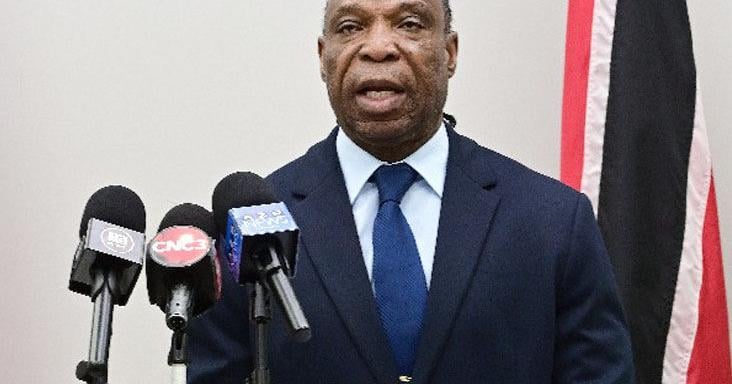
    The Trinidad and Tobago government has unveiled a sweeping immigration registration initiative targeting all undocumented migrants within its borders, set to commence on January 30. Homeland Security Minister Roger Alexander announced the program during a post-Cabinet media briefing on January 22, revealing significant operational details and policy shifts from previous approaches.

    The newly approved Immigration Registration Framework mandates a $700 registration fee for adult applicants while exempting children from financial charges. Successful registrants will receive identification cards valid through December 31, 2026—approximately one year of documented status.

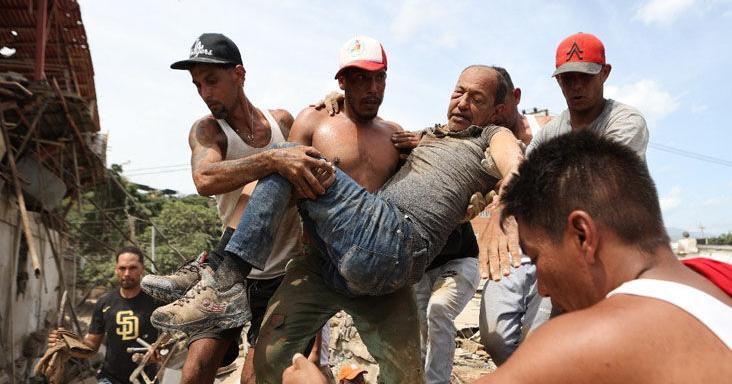
    Minister Alexander emphasized the program’s comprehensive scope, contrasting it with the 2019 registration that exclusively targeted Venezuelan nationals. “We are presently asking all illegal immigrants to be registered,” Alexander stated, acknowledging the estimated 44,000 Venezuelans identified in a 2023 Assessment Capacities Project report while extending the mandate to all nationalities.

    The registration process incorporates both digital and in-person components. Applicants must initiate registration through the dedicated online portal migrantregistration.gov.tt, followed by scheduled interviews at designated government facilities. Four major sporting venues—Larry Gomes Stadium in Arima, Ato Boldon Stadium in Couva, Hasely Crawford Stadium in Port of Spain, and Dwight Yorke Stadium in Tobago—will serve as processing centers to accommodate anticipated volumes.

    Alexander criticized previous administration’s efforts as lacking “accountability, intelligence and strategy,” alleging that migrants previously submitted fictitious information. The new system requires verified identification, current addresses, and employment details when applicable.

    The Minister issued a stern warning to migrants with criminal records, indicating that legal troubles would likely prevent successful registration. “We want persons to come to Trinidad with purpose and help us build,” he stated, adding that the government seeks productive contributors rather than “persons to add to the nation’s problems.”

    With an allocated budget of $1 million—$4 million less than previous programs—the initiative will involve collaboration between the Homeland Security and Defence ministries. The registration fee is intended to partially offset operational costs, though the government will absorb most expenses.

    Undocumented individuals are urged to participate regardless of their entry method, with Alexander assuring that “We don’t want persons to run away. We want persons to come forward and register.” Those failing to register risk deportation if identified after the process concludes.