标签: Trinidad and Tobago

特立尼达和多巴哥

  • Searches at Hadeed home, business

    Searches at Hadeed home, business

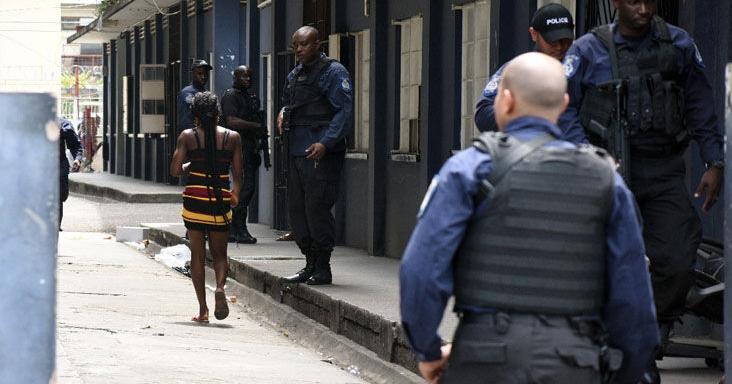
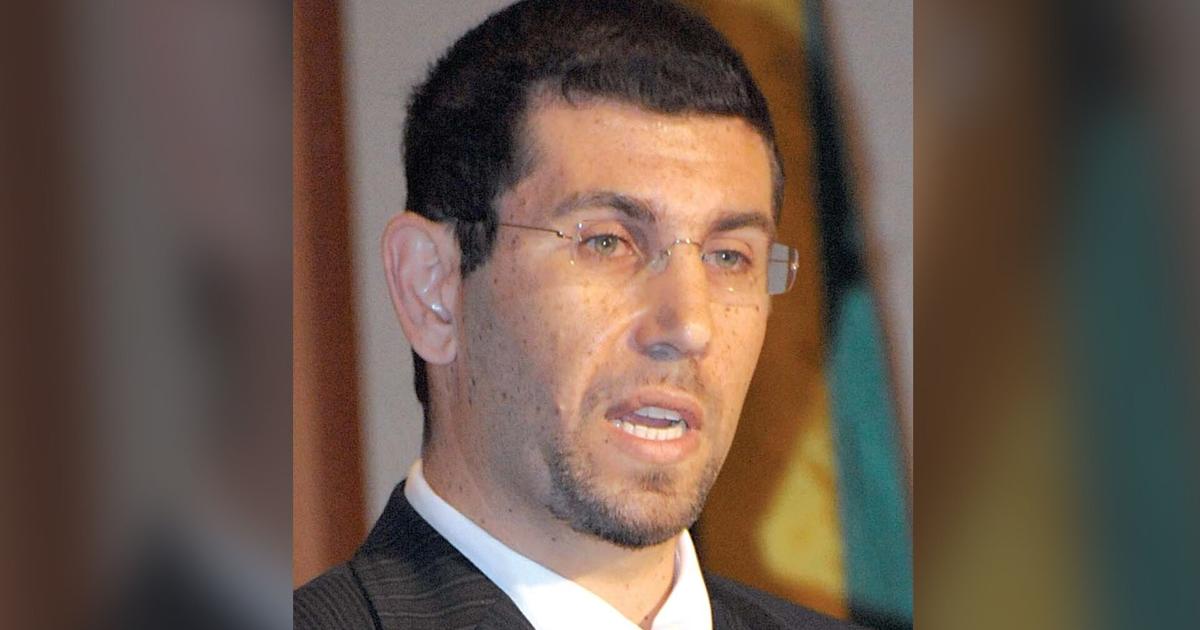
    In a significant development in Trinidad and Tobago’s law enforcement landscape, prominent local entrepreneur Dominic Hadeed, owner of Blue Waters Products Ltd, and his wife were taken into police custody for questioning on Wednesday, following coordinated search operations at their private residence in western Trinidad and one of his commercial properties in Trincity.

    According to insider sources familiar with the operation, a team of specialist police officers, including both plainclothes and uniformed personnel, first executed a court-authorized search at the couple’s Shorelands residence. During the search of the property, investigators seized a range of electronic devices, including multiple laptop computers. Confirmations from sources also indicate that personal electronic devices belonging to the couple’s adult children were also confiscated as part of evidence collection efforts.

    Following the completion of the residential search, law enforcement personnel escorted Hadeed to his commercial business location in Trincity to carry out a second court-ordered search, a step that forms part of the ongoing, undisclosed investigation. As of late Wednesday, it remained unclear whether investigators seized any additional materials or evidence from this Trincity business site.

    Later that morning, the Trinidad and Tobago Police Service (TTPS) issued an official media statement confirming the operation. The statement noted that as part of an active ongoing probe, officers carried out search warrants legally issued by the Supreme Court of Judicature at sites in Westmoorings and Trincity. In the operation, “two individuals were detained and are currently assisting investigators with enquiries,” the release confirmed, adding that no formal charges had been filed against either individual as of Wednesday night.

    In a careful clarification of protocol, the TTPS emphasized that the execution of a search warrant is a standard step in criminal investigation processes, and does not amount to a formal finding of guilt or wrongdoing on the part of any individual involved. The service noted that all actions taken by officers were carried out strictly within the bounds of local law, under explicit judicial oversight, and with full respect for the legal rights and reputational interests of every person connected to the probe.

    The police service also urged the public and media to avoid premature conclusions about the case, noting that no judgment on the status of any individual should be made until the full investigation is completed and all evidence is evaluated through the proper legal due process. “As this matter remains active, no additional details can be disclosed at this stage. The TTPS remains committed to conducting all investigations with professionalism, fairness, and respect for the rule of law,” the statement added.

    Speaking at a scheduled news conference at the Police Administration Building in Port of Spain hours after the release was issued, Assistant Superintendent of Police Owie Russell declined to share additional details on the probe, saying: “At this time, the investigation is at a sensitive stage, so we also as the TTPS need to be responsible as to what we put into the domain of the media and the public.”

    When local media outlet Express visited Hadeed’s Trincity office Wednesday, day-to-day operations at the site appeared to continue largely as normal, with staff members entering and exiting the building on a regular schedule. A security guard on site told reporters he only learned of Hadeed’s detention through media reports. “It was shocking. I saw it online, but if you didn’t know about it, based on operations today, you wouldn’t have been able to guess (what had happened),” the guard said. Attempts by reporters to contact Hadeed directly by phone went unanswered as of late Wednesday.

    Hadeed is one of Trinidad and Tobago’s most high-profile domestic entrepreneurs, with diversified business interests spanning manufacturing, real estate, hospitality and agricultural sectors. His public profile is most closely tied to Blue Waters Products Ltd, one of the country’s leading local consumer goods manufacturers. Beyond his business career, Hadeed has also been an outspoken public advocate for local manufacturing growth and national economic policy reform, and has received multiple industry awards recognizing his leadership. In 2015, he was named Master Entrepreneur of the Year by the Trinidad and Tobago Chamber of Industry and Commerce, one of the nation’s highest honors for private sector leadership.


  • T&TEC threatens to sue Scotland, Kydd-Hannibal

    T&TEC threatens to sue Scotland, Kydd-Hannibal

    The Trinidad and Tobago Electricity Commission (T&TEC), the country’s state-owned power utility, has formally initiated pre-legal action against Port of Spain South Member of Parliament Keith Scotland, a senior counsel, and associate attorney Keisha Kydd-Hannibal, alleging professional misconduct that led to the permanent loss of more than $2.39 million in outstanding public funds.

    The pre-action protocol letter, delivered Monday by Freedom Law Chambers led by Senior Counsel Anand Ramlogan, outlines multiple legal claims against the two legal professionals, including professional negligence, breach of client contract, fraudulent and negligent misstatement, and intentional deceit. The proposed lawsuit stems from T&TEC’s years-long failed effort to recover $2,392,220.11 in unpaid electricity bills from local food manufacturing firm Flavorite Foods Ltd.

    Under the terms of the letter, T&TEC is seeking full compensatory damages equal to the total value of the unrecoverable debt, plus accrued interest, all accumulated legal costs, and compensation for additional related losses. The utility has also signaled it will pursue aggravated and exemplary damages to address the gravity of the alleged misconduct.

    The controversy first became public earlier this October, when Prime Minister Kamla Persad-Bissessar addressed the allegations from the floor of Parliament. During her address, the Prime Minister accused Scotland of mishandling the debt recovery litigation, confirmed that the state utility would pursue formal legal action, and announced the matter would be referred to the national Fraud Squad for criminal investigation. She also noted that disciplinary proceedings before the Trinidad and Tobago Law Association could be launched against the attorneys in the coming weeks.

    Shortly after the parliamentary announcement, Scotland spoke to reporters outside the legislative chamber and denied all wrongdoing, challenging the Prime Minister to repeat her accusations outside of Parliament, where she is protected by parliamentary privilege that shields her from defamation claims. “I invite the Prime Minister to make these claims outside of the Parliament,” Scotland stated at the time.

    He has consistently maintained that court proceedings were properly initiated against Flavorite Foods, and has produced official court documents that he says confirm his team followed all required procedures. Scotland has also forcefully rejected unconfirmed suggestions that he maintained an improper personal or professional relationship with Flavorite chairman Louis André Monteil, calling collusion allegations baseless and gravely damaging to his reputation.

    When reached for comment Monday following the delivery of the pre-action letter, Scotland declined to make any additional public statement, noting only that he would respond to all allegations fully through his own legal team.

    The 17-page pre-action letter, drafted by Freedom Law Chambers attorney Ganesh Saroop, centers on three separate lawsuits filed against Flavorite Foods between 2022 and 2024, none of which have resulted in a final court judgment against the indebted company. T&TEC alleges that the first two claims were never properly advanced through the court system and were ultimately struck from the docket, while the third lawsuit was filed without the utility’s knowledge, formal authorization, or required court approval.

    “Three claims were commenced, and not one was brought to judgment,” the letter notes, outlining the breakdown of the litigation process. For months, T&TEC leaders say they were repeatedly assured by the two attorneys that default judgment applications had been submitted to the court and were just awaiting administrative processing from court officials. But internal checks and official court confirmation revealed that no such applications had ever been filed with the court.

    “The court records, and the Registrar’s own confirmations, establish that no request or application for default judgment was ever filed in either the 2022 or the 2023 claim,” the letter states. “T&TEC was thus led to believe that the delay lay with the administration of the Court, when its true cause was the failure of its own attorneys to take the most basic procedural steps.” Due to these procedural delays and missteps, the statute of limitations has now expired on the debt, leaving it permanently unrecoverable, T&TEC argues.

    The timeline of the retainer traces back to October 2022, when T&TEC hired Scotland, who was then practicing through Virtus Chambers, to pursue the unpaid debt after Flavorite Foods failed to respond to an initial pre-action demand letter. Per the retainer agreement, T&TEC says Kydd-Hannibal was assigned to manage most day-to-day correspondence and litigation logistics, while Scotland served as lead counsel and provided strategic guidance on the case.

    The utility alleges the first claim, filed in December 2022, was never properly served on Flavorite Foods and automatically expired per court rules. A second claim, filed in October 2023, suffered the same fatal procedural flaws, according to the complaint. Throughout 2024, T&TEC says Kydd-Hannibal repeatedly updated the utility that the default judgment application had been filed and was awaiting review from the Registrar of the Supreme Court.

    In one January 2024 message included as evidence in the letter, Kydd-Hannibal allegedly wrote: “Yes it was, the Clerk is following up with the counter.” A later update claimed the application was “before the Registrar for consideration.” T&TEC confirms these statements are false, as court records show no application was ever submitted.

    Most notably, the utility alleges that a third claim was filed in T&TEC’s name on October 22, 2024, without required authorization from T&TEC’s corporate secretary or board of directors. The letter also directs sharp criticism at Scotland for continuing to advise on the case after his appointment to the national Cabinet in July 2024, raising questions about compliance with parliamentary and ethical standards for sitting cabinet members. T&TEC says it will present evidence that Scotland continued to shape litigation strategy, recommended withdrawing and refiling a previous application, and even communicated directly with a court Registrar regarding the case, despite his cabinet position.

    Both Scotland and Kydd-Hannibal have been given a 28-day window to respond to the pre-action letter, requiring them to explicitly state whether they admit or deny liability and address each allegation outlined in the document. T&TEC has warned that if a satisfactory response addressing all claims is not received within the timeframe, formal civil proceedings will be launched immediately without further notice, and additional disciplinary complaints will be filed with legal regulatory bodies.

  • Invalid, breach of process

    Invalid, breach of process

    A recent independent legal analysis prepared by a senior University of the West Indies academic has cast serious doubt over the legal standing of Caricom Secretary-General Carla Barnett’s second term, arguing that the reappointment process violated core articles of the Caribbean bloc’s foundational governing treaty.

    Rajendra Ramlogan, a professor of commercial and environmental law based at UWI’s St. Augustine campus in Trinidad and Tobago, released the formal legal opinion this week. In the document, he clarified that his critique targets procedural flaws in the reappointment process, not Barnett herself, focusing narrowly on whether the regional body followed the constitutional mandates laid out in the Revised Treaty of Chaguaramas.

    Barnett’s second five-year term was approved during a closed-door, heads-of-government-only retreat held in Nevis, which took place after the conclusion of the 50th Regular Meeting of the Caricom Conference of Heads of Government in February. Ramlogan’s core argument holds that this closed retreat does not qualify as a legally constituted meeting of the full Conference, and therefore lacked the legal authority to make a formal appointment to the Secretary-General post.

    The opinion highlights two key treaty violations. First, it cites Article 11(2) of the Revised Treaty, which guarantees every member state’s head of government the right to appoint an alternate minister or representative to attend Conference meetings when the head is unable to attend. Ramlogan notes that this right was entirely sidelined during the Nevis retreat: attendance was restricted exclusively to sitting heads of government, blocking designated alternates from participating. The case of Trinidad and Tobago illustrates this breach: after Prime Minister Kamla Persad-Bissessar left the main summit early, Foreign and Caricom Affairs Minister Sean Sobers stepped in as the country’s acting head of delegation, but was barred from the retreat. Multiple other member states whose heads could not attend the retreat faced identical restrictions on their designated representatives.

    While Ramlogan acknowledges that Caricom’s internal rules allow for closed heads-only deliberations in informal settings, he emphasizes that such caucuses cannot exercise formal treaty-mandated decision-making authority. “A heads-only caucus may be lawful as a deliberative setting,” Ramlogan wrote, “but a heads-only caucus cannot become the final decision-maker where the Conference is exercising a formal Revised Treaty function.”

    Second, the opinion finds the process failed to meet the requirements laid out in Article 24 of the treaty, which mandates that the Secretary-General must be appointed by the Conference of Heads only after receiving a formal recommendation from the Community Council of Ministers. Ramlogan rejected the claim that reappointment of an incumbent Secretary-General is exempt from this requirement, noting that a second term constitutes an entirely new grant of authority after the expiration of the first fixed five-year term. Since the Community Council was never consulted and never issued a recommendation, the process undermined the treaty’s designed balance of institutional power.

    The opinion also raises additional red flags: it questions unconfirmed reports that the decision was approved via majority vote rather than the consensus normally required for Caricom decisions, and points out that the official post-summit communiqué made no mention of Barnett’s reappointment at all.

    In his closing summary, Ramlogan confirmed that the heads-only attendance restriction directly violated the Revised Treaty by stripping member states like Trinidad and Tobago of their legally guaranteed participation rights. The exclusion of designated alternate representatives, he concluded, renders Barnett’s reappointment “constitutionally defective and potentially void.”

  • CITY CELEBRATES

    CITY CELEBRATES

    As the Port of Spain Corporation commemorates its 112th year of municipal governance, the capital city’s top elected official has opened up about the persistent systemic challenges holding back progress, with violent crime and chronic budget shortages topping the list of urgent concerns.

    Mayor Chinua Alleyne shared these observations during a celebratory cocktail reception held Wednesday at Port of Spain’s City Hall on Knox Street, marking the institution’s more than a century of public service.

    Despite ongoing efforts to turn the tide on public safety, Alleyne acknowledged that the city has not yet overcome its most pressing issues. “There is still critical work ahead of us,” he noted, describing crime as a burden he bears personally for the community. He stressed that the city’s own municipal police force has gone above and beyond the call of duty, volunteering extra hours to boost patrols and public safety outreach, and continues to deliver strong results for residents. The city maintains close collaboration with the national Trinidad and Tobago Police Service (TTPS), and Alleyne reaffirmed that this partnership would remain a top priority moving forward.

    On the financial side, Alleyne and the municipal council are waiting on the Ministry of Finance to release urgently needed allocated funds, with expectations pinned on the upcoming national Mid-Year Budget Review to unlock critical support. Additional funding, he said, would allow the council to expand its work across more neighborhoods and advance long-overdue city modernization projects. Alleyne also teased that he would share full details of his ambitious agenda for citywide beautification and infrastructure upgrades at the upcoming Statutory Meeting and Civic Awards reception scheduled for Friday.

    This is not the first time Alleyne has sounded the alarm about budget gaps. Back in April, he warned that severe funding shortages threatened to disrupt core municipal services, including regular residential garbage collection, and could even leave municipal workers without scheduled pay checks.

    The 112th anniversary celebrations extended beyond the City Hall reception, including an interfaith service held at the Cathedral of the Immaculate Conception on Port of Spain’s Independence Square. Addressing the multi-religious gathering, Local Government Minister Khadijah Ameen urged Alleyne and the municipal council to stay the course in their service to Port of Spain’s residents.

    “As elected representatives, our core mission is to stand for the people we serve,” Ameen told attendees. She acknowledged that local government work is often uncompensated in public recognition, noting “I know at times it can be a thankless job — decades from now, many residents may not recall our names. But that does not diminish our responsibility to serve with excellence and distinction. Our calling is to lift up the lives of the most vulnerable among us.” Ameen also highlighted that local officials are always the first responders to community crises, from violent tragedies to natural disasters, making their consistent, dedicated service all the more critical.

    Ameen closed her remarks by sharing the guidance of Prime Minister Kamla Persad-Bissessar, who encourages public servants to “put God first and walk behind” in their work, before offering a blessing for the council and the city.

    She also reflected on the unique cultural and religious pluralism that defines Trinidad and Tobago, noting that the multi-faith gathering in a Roman Catholic cathedral was a powerful testament to that legacy. “It is a special gift to live in a country where people of every religious tradition can gather in one another’s places of worship — whether churches, mandirs, or mosques,” she said. “In too many parts of the world, this kind of interfaith gathering is impossible, even deadly. This is what makes our beautiful, cosmopolitan nation so special.”

  • Contractor loses $90m claim against THA

    Contractor loses $90m claim against THA

    After nearly two decades of unresolved disagreement over a major Tobago road construction project, a Trinidad and Tobago High Court judge has delivered a definitive ruling, throwing out a contractor’s $90 million-plus damages claim against the Tobago House of Assembly (THA) and ordering the firm to cover the public body’s legal costs.

    The claim was brought by Raghunath Singh and Company Ltd, which was awarded the contract for the L’Anse Fourmi-Charlotteville Road Project back in May 2002 through the Central Tenders Board. The original corrected contract value was set at $34.7 million, excluding value-added tax, with an 18-month timeline for completion. What was meant to be a year-and-a-half project stretched out significantly due to multiple reported delays, and the contractor ultimately fully exited the construction site in March 2007.

    That August, the project’s supervising firm Lee Young & Partners issued a Certificate of Provisional Acceptance and certified a final closing payment of just over $1 million. For eight years after this step, the contractor took no formal legal action, only submitting a self-described final account and claim to the THA in May 2015. It then waited another seven and a half years before launching formal court proceedings in November 2022.

    In its claim, the contractor argued that the extended delays were not its fault. It pinned responsibility on last-minute design changes ordered by authorities, severe weather events including 2004’s Hurricane Ivan and Tropical Storm Earl, unanticipated escalation in construction materials and labor costs, and additional compliance mandates imposed by the Environmental Management Authority. It demanded more than $27 million in special damages, over $53 million in accumulated interest, pushing the total claimed amount to over $90 million when VAT was included.

    Delivering his judgment this week, High Court Justice Frank Seepersad left no room for ambiguity, dismissing the entire claim and ordering Raghunath Singh and Company Ltd to pay $636,590.07 in legal fees to the THA.

    Justice Seepersad’s core finding was that the claim was statutorily barred under Trinidad and Tobago’s Limitation of Certain Actions Act, which requires all contractual dispute claims to be filed within a four-year window. He rejected the contractor’s argument that the THA’s failure to issue a formal Final Completion Certificate kept the claim legally active, noting that the law prioritizes timely, diligent action over inaction.

    “Contractual mechanisms requiring timely certification and the prompt resolution of disputes exist not merely for administrative convenience but because justice itself is best served when claims are advanced while the underlying facts remain capable of objective verification,” Justice Seepersad wrote in his ruling.

    Beyond the statutory limitation, the judge found that the contractor had failed to comply with multiple core procedural requirements laid out in the original construction contract. These included mandates to submit a draft final account statement shortly after project completion and to initiate binding arbitration when disputes first emerged during construction. He stressed that procedural requirements in large construction contracts are not meaningless technicalities, but foundational elements that ensure commercial certainty for all parties.

    “Commercial certainty is an indispensable feature of construction contracts,” he said. “Such contracts invariably contain carefully calibrated provisions governing certification, claims, variations, extensions of time and dispute resolution. Those mechanisms are not mere technicalities.”

    Justice Seepersad further noted that courts lack the authority to rewrite contractual agreements years after the original work was completed, or to override the terms that commercial parties freely agreed to when entering a contract. “Courts are not at liberty to reconstruct contractual relationships many years after the relevant events have occurred or to substitute broad notions of fairness for the bargain freely entered into by commercial parties. The judicial function is to enforce contracts according to their terms and not to relieve parties from the consequences of failing to invoke the procedures to which they agreed,” he added.

    The judge also highlighted that the agreement was a fixed-price contract with no clauses allowing for adjustments due to cost fluctuations, meaning the risk of any unexpected cost increases was explicitly borne by the contractor from the start. He added that the 15-year gap between the project’s completion and the filing of the claim makes a fair, reliable judicial review impossible: over time, witness memories fade, key project documents are lost or misplaced, and the original context of on-site decisions becomes impossible to accurately reconstruct.

    Representing the contracting firm were attorneys Peter Taylor, Egon Embrack and Nehanda Samuel, while the THA was represented by a legal team led by Senior Counsel Russell Martineau, with support from Dominique Martineau and Avionne Thomas.

  • T&T home to 186 gangs

    T&T home to 186 gangs

    A 2026 report compiled by the United Kingdom Home Office has laid bare the full scope of gang-related organized crime across Trinidad and Tobago, offering granular data on gang activity, violence trends, and systemic challenges facing the Caribbean nation’s law enforcement institutions.

    Prepared as a reference for UK immigration and asylum decision-makers and published earlier in June 2026, the Country Policy and Information Note (CPIN) documents that at least 186 distinct gangs, with an approximate total membership of 1,750, currently operate across the twin-island nation. Data analyzed in the report links these criminal networks to 43.7 percent of all homicides recorded in 2024, with gang-related killings accounting for roughly one-third of all murders nationwide in 2025.

    The report draws on conflict mapping data from the Armed Conflict Location and Event Data Project (ACLED) to show that a staggering 57 percent of Trinidad and Tobago’s total population lived within close proximity of gang-related violent incidents between January and September 2024. While gang activity is most heavily concentrated in the capital Port of Spain and the densely populated East-West Corridor, the assessment confirms criminal groups have established a presence in communities across both islands. High-risk areas explicitly named in the report include Laventille, Morvant, Sea Lots, Beetham, Tunapuna, Arima, Diego Martin, Chaguanas, and San Fernando, with the vast majority of gang-related homicides occurring in populated population centers in northwestern Trinidad.

    Two large criminal networks – the Muslims gang and Rasta City gang – are identified as the dominant gang groupings in the country. Other notable active groups include Sixx, Seven, Resistance, Anybody Gets It (ABG), Tyson, and the Boombay Gang. The report notes that while most smaller gangs operate as affiliates of these larger, established organizations, security agencies have recorded a steady rise in independent splinter gangs and autonomous criminal networks across the region in recent years. Gangs in Trinidad and Tobago engage in a wide range of illicit activities, the report confirms, including drug trafficking, illegal firearms smuggling, contract killings, kidnappings for ransom, extortion, human trafficking, armed robbery, unregulated illegal quarrying, and financial fraud. The assessment also highlights that transnational Venezuelan criminal organizations, including the well-documented Tren de Aragua and Evander groups, operate in partnership with local gang networks across the nation.

    On the topic of gang recruitment, the report outlines that criminal groups systematically target vulnerable young people between the ages of 12 and 16, with recruitment activity documented inside primary and secondary schools as well as within the country’s prison system. Contrary to common assumptions about gang demographics, the report notes that women hold full membership in many local gangs, and in some cases occupy senior leadership positions. In many marginalized communities, gangs maintain social control and public loyalty by providing informal financial support, mediating local disputes, and connecting residents to informal employment opportunities – a dynamic that has helped them embed themselves in community life. The assessment also echoes longstanding public concerns over allegations that state-funded public contracts have been awarded to individuals with proven ties to organized criminal groups.

    The CPIN assessment was published months after the government of Trinidad and Tobago declared a national state of emergency to address rising gang violence on December 30, 2024. Early outcomes from the emergency crackdown have shown measurable reductions in violence: the report records that more than 4,000 people were arrested and roughly 1,600 people were charged with criminal offenses during the emergency period. Clashes between rival gangs and targeted attacks on civilians dropped by 44 percent during the first eight months of 2025 compared to the same period in 2024, and the national overall homicide rate also declined sharply, falling from 45.7 homicides per 100,000 residents in 2024 to 27 per 100,000 in 2025. Even with this progress, however, gangs still remained responsible for approximately one out of every three murders recorded in 2025.

    The report also documents rapid gang expansion on the smaller island of Tobago, where the total number of active gangs has grown from just 3 in 2009 to 28 as of 2022. Many Trinidad and Tobago-based gangs have also established cross-border connections with other criminal organizations across the Caribbean, enabling broader transnational criminal activity, the assessment adds.

    In its concluding findings, the UK Home Office report acknowledges that state institutions in Trinidad and Tobago remain fully operational and are able to provide protection to citizens in most circumstances. However, it highlights persistent systemic challenges that continue to undermine efforts to curb gang activity: widespread witness intimidation, public sector corruption, chronic resource constraints for law enforcement, and eroded public confidence in policing and judicial institutions. The report identifies police officers, prison staff, prosecutors, judges, and private business owners as among the most common targets for gang intimidation and retaliatory violence.

  • Relative: He wasn’t much of a threat

    Relative: He wasn’t much of a threat

    A fatal police shooting of a 38-year-old mentally ill man in San Juan has sparked deep grief and serious questions from his family, who say they called law enforcement to get him life-saving medical help, not a death sentence. Abraham Hackette, a longtime outpatient at St Ann’s Psychiatric Hospital, was shot and killed by officers on the evening of June 22 following a chaotic confrontation that left one police officer injured. What has intensified the family’s pain is the gaping mismatch between their account of the call for help and the official narrative released by police, alongside unanswered queries about why less-lethal force options were not used to subdue Hackette.

    Hackette’s surviving sister, who requested anonymity to protect her family’s privacy, told local outlet the Express that the encounter began as a desperate plea for help. On Monday afternoon, Hackette became severely agitated during a mental health episode, armed himself with knives, and confronted a family member. Their mother, fearing for the safety of everyone in the home and neighborhood, placed an emergency call to police, asking officers to assist in transporting Hackette to the psychiatric hospital for care. The sister explained that their mother expected officers would sedate Hackette and move him to receive treatment, never anticipating the situation would end in her youngest brother’s death.

    This was not Hackette’s first acute mental health crisis, his sister confirmed. The youngest of five siblings, Hackette had a history of mental illness that required institutional care: a previous episode that led to an assault on a relative resulted in his arrest, a court-ordered psychiatric evaluation at St Ann’s, and eventual discharge with ongoing medication to manage his condition. The sister emphasized that the entire family only wanted to get Hackette help on the day of the shooting, and no one foresaw the violence that would unfold. “Because he was having an episode. No one expected this to escalate to what happened,” she told reporters.

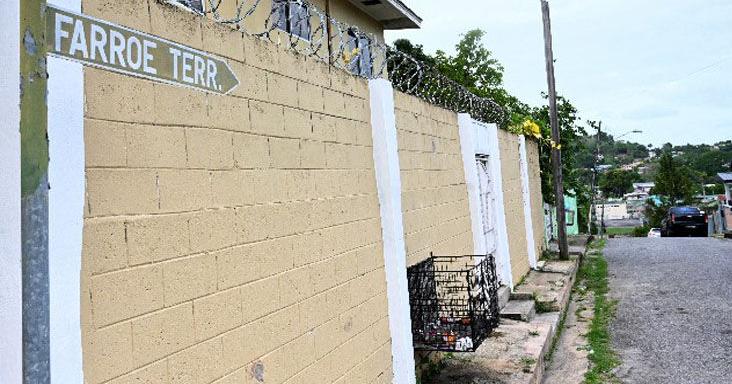
    Official police reports lay out a different sequence of events. Just before 7 p.m. on June 22, two officers — WPC Nakhid and PC David Noel — responded to the disturbance call at Farroe Terrace, where the Hackette family lives. Upon arrival, the officers found Hackette, armed with two knives, being chased by a group of local men. He ran onto Saddle Road near Concord Road, where PC Noel exited his marked patrol vehicle and ordered Hackette to drop his weapons. When Hackette ignored the command and lunged at Noel, slashing the officer’s left hand and right arm.

    Hackette then fled east along Concord Road, with both officers in pursuit, shouting repeated orders for him to surrender. During the chase, he attempted to attack PC Noel a second time, prompting the officer to fire one warning shot in Hackette’s direction. Hackette evaded officers by jumping a wall and hiding in dense brush near the San Juan River. While the injured PC Noel was transported to the Eric Williams Medical Sciences Complex (EWMSC) in Mt Hope for treatment, additional units from the San Juan CID and North Eastern Division Task Force launched a large-scale manhunt for Hackette.

    Around 7:30 p.m., search teams spotted Hackette holding a 12-inch knife in a bushy trail near the river. Police say Hackette ignored multiple demands to drop his weapon, shouted “Ah go kill allyuh” (I will kill all of you), and continued advancing toward officers. Officers opened fire, striking Hackette multiple times. He was rushed to EWMSC in a police vehicle but was pronounced dead on arrival. PC Noel, the injured officer, was treated at the same hospital and remained in stable condition as of the family’s interview. Crime scene investigators later processed multiple locations connected to the incident and collected evidence for the ongoing investigation.

    In the days after the shooting, the Hackette family says they have received almost no information from police about the details of the encounter, leaving them to grapple with grief and suspicion. Hackette’s sister questioned the use of deadly force against her brother, noting that he was a small man who did not pose an unavoidable lethal threat, even armed. Most pointedly, she asked why officers did not deploy less-lethal tools such as Tasers or pepper spray that could have disabled Hackette without killing him, even if officers felt threatened. “Why didn’t they try to shoot him in his foot or something to disable him and disarm him? The whole thing just doesn’t sit right with me,” she said, adding that she has little confidence that an internal investigation will yield accountability or answers for her family. The shooting has left the entire family traumatized, she added, and they are still struggling to process how a request for medical help ended in a young man’s death.

    As a public service, the story included a resource note for community members facing mental health crisis: anyone experiencing a mental health emergency can contact the Ministry of Health’s free 24-hour National Suicide Prevention Hotline at 800-COPE (2673).

  • US and T&T security forces complete training at Teteron

    US and T&T security forces complete training at Teteron

    A four-day joint Tactical Combat Casualty Care (TCCC) training exchange between national security forces of the United States and Trinidad and Tobago has successfully concluded at Teteron Barracks in Chaguaramas, marking another milestone in the two countries’ deepening defense and security partnership. The exercise brought together service members from the Trinidad and Tobago Defence Force (TTDF) alongside representatives from multiple local interagency partners, who participated in rigorous, real-world simulated trauma exercises designed to build practical frontline skills. According to an official social media statement shared by the U.S. Embassy in Port of Spain, the drills centered on three core, life-saving competencies: rapid casualty assessment, on-site trauma treatment, and coordinated casualty evacuation under combat-like conditions. The training program was co-led by two instructors: a U.S. Special Operations combat medic and a TTDF Special Operations soldier who had previously completed the same TCCC training through bilateral cooperation. In its official comment on the exercise, the U.S. Embassy noted that the exchange exemplifies how the longstanding military partnership between the two nations is creating durable, self-sustaining training capacity within Trinidad and Tobago’s domestic security forces. The conclusion of the medical exchange comes as Trinidad and Tobago advances expanded security cooperation with the U.S. to address persistent transnational criminal threats, particularly drug trafficking along the country’s coastline. In remarks delivered earlier this week to local media outlet the Express, Trinidad and Tobago Prime Minister Kamla Persad-Bissessar outlined upcoming enhancements to the bilateral security partnership, noting that the U.S. will deliver additional patrol vessels to Trinidad and Tobago in the coming months to boost border protection capabilities. She also confirmed that U.S. military and intelligence personnel will increase their on-ground presence in the country to support local law enforcement and security agencies’ ongoing anti-crime operations. Persad-Bissessar disclosed that a contingent of U.S. Navy SEALs— the U.S. Navy’s elite special operations force, trained for high-stakes maritime and land-based missions—is already on the ground in Trinidad and Tobago handling advance logistics for a larger upcoming deployment of SEAL teams. These special operations personnel will provide specialized training and operational support to the Trinidad and Tobago Coast Guard and TTDF, focusing on three core priorities: strengthening border surveillance, disrupting illegal drug shipments, and shoring up the country’s internal security. The Prime Minister explained that expanded cooperation comes amid incremental progress in curbing drug flows into Trinidad and Tobago from South America, but persistent threats remain in vulnerable coastal regions. She identified the southern, southwestern, and central coastlines of Trinidad as persistent hotspots for illicit smuggling activity, with the stretch from Caroni to Marabella posing particular challenges. The dense mangrove ecosystems and informal squatter settlements that line this coastline make it easy for smuggling operations to go undetected, she noted, adding that these squatter communities are heavily infiltrated by transnational criminal networks and local gangs that facilitate the drug trade. This expanded security partnership reflects the U.S.’s ongoing commitment to supporting Caribbean nations in countering transnational organized crime, which has been identified as a core shared priority for regional stability.

  • ‘Teacher training, staffing key to success’

    ‘Teacher training, staffing key to success’

    A plan to bring back the Continuous Assessment Component (CAC) to Trinidad and Tobago’s primary education system has earned cautious backing from the nation’s largest teachers’ union and the national parent-teacher body, both of which warn that policy missteps that doomed the first iteration of the framework must be avoided for the initiative to deliver on its promises.

    The Trinidad and Tobago Unified Teachers’ Association (TTUTA) first vice president Adesh Dwarika shared the union’s position in a recent phone interview with local outlet the Express, following the release of a memorandum from Education Ministry Chief Education Officer Peter Smith that launched virtual public consultations with primary school principals, teachers, and parents of Standards Two and Three students on the planned CAC relaunch.

    Dwarika noted that TTUTA leadership held a meeting with Education Ministry officials several weeks prior to the consultation announcement, where Education Minister Dr Michael Dowlath confirmed the CAC would be returning to the national education system. The union had previously pushed for educator and administrator inclusion in consultation talks, a demand that has since been reflected in the ministry’s current outreach process.

    “TTUTA has no objection to the policy if it genuinely strengthens the education system, enhances teaching and learning experiences for students, and reduces unnecessary pressure on young learners,” Dwarika explained. “But we cannot ignore the mistakes that led to its cancellation the first time around, and we must address those flaws up front.”

    When CAC was first rolled out as part of the national Secondary Entrance Assessment (SEA), it required teachers to deliver instruction in creative arts and a range of skill-based modules that many primary educators were not trained to teach, Dwarika said. A second critical flaw was the lack of standardized grading: assessments were scored independently at each school, leading to inconsistent, highly subjective results that undermined the credibility of the framework. The policy also created unmanageable additional workload for already stretched teaching staff, he added.

    To fix these longstanding issues, TTUTA has proposed several key reforms ahead of the relaunch. Dwarika recommended rolling out a system of centralized grading moderation modeled after the School Based Assessment (SBA) process used for Caribbean Secondary Education Certificate (CSEC) examinations, which would create consistent, fair grading standards across all schools. The union has also proposed reducing the weight of the final high-stakes SEA examination to offset the added workload of continuous assessment, framing the adjustment as a way to balance formative evaluation with systemwide accountability.

    Dwarika emphasized that TTUTA’s demands are rooted in a commitment to improving outcomes for students and supporting educators, not opposing policy change. “We are not obstructionists. We want what is best for our students, who are our nation’s future, but we also need to protect our teachers from unfair emotional and physical burnout. Unreasonable burdens are the last thing any successful policy needs,” he said.

    Walter Stewart, president of the National Parent Teacher Association (NPTA), echoed TTUTA’s cautious support in a statement shared via WhatsApp with the Express. Stewart noted that the current SEA framework relies entirely on a single high-stakes examination that only captures a student’s performance on one specific day, under high-pressure conditions. While the SEA provides useful data on a student’s academic readiness, it fails to capture the full range of a child’s creativity, talent and long-term potential, he argued.

    “CAC will give us a more holistic portrait of a student’s achievement, growth and development over time, and will better highlight the skills and competencies that act as building blocks for long-term success,” Stewart said. Like TTUTA, Stewart stressed that the policy’s success hinges on three core prerequisites: clear national assessment standards, consistent and adequate teacher training, and transparent mechanisms to guarantee equity and fairness across all schools. Stewart added that the NPTA supports the framework because it centers student well-being, reduces unnecessary testing stress, and prioritizes meaningful learning over high-stakes performance.

    As of press time, the Express reports that Education Minister Dr Michael Dowlath has not responded to requests for comment on the associations’ positions.

    The current push to bring back CAC comes seven years after the policy was scrapped by the then-government in 2016. In April of that year, then Education Minister Anthony Garcia announced that the cohort of students sitting SEA that May would be the last to complete the CAC component. The cabinet’s decision followed a five-week national public consultation on education reform held earlier that year, which collected feedback through in-person public forums and online surveys. Consultation respondents widely criticized the original CAC as a poorly planned framework that placed unfair, undue stress on teachers, students and families, leading to its swift disbandment.

  • AMAZING AAMIR

    AMAZING AAMIR

    At just 10 years old, Aamir Khan received a life-shattering diagnosis: an aggressive form of brain cancer called medulloblastoma. What followed was a grueling years-long battle that included multiple invasive surgeries, repeated stays in intensive care, and a full year of debilitating radiation and chemotherapy treatments. In April 2018, after months of intense treatment at Trinidad’s Eric Williams Medical Sciences Complex, Khan walked out of the hospital, ringing the traditional end-of-treatment bell to mark that he was officially cancer-free.

    Before his diagnosis, Khan was an active young athlete, competing in track and field for his primary school and playing cricket with the Harvard Cricket Club. The cancer and its treatments left him with lasting side effects: limited mobility, impaired short-term memory, partial hearing loss, a squint, and a persistent limp. But within days of his release, the 15-year-old had only one goal: to return to the classroom and finish the education he had been forced to pause.

    Determined to pick up where he left off, Khan restarted his primary education at Standard Three. Even with significant memory challenges that made studying far harder for him than his peers, he earned straight A grades in his first year back, advancing to Standard Four and moving steadily toward his goal of sitting the Secondary Entrance Examination (SEA) to secure a spot at his top-choice secondary school, Trinity College East. In 2021, with support from his three younger siblings who helped him prepare, Khan sat for the SEA. He not only completed the exam — he finished ahead of schedule — and earned admission to Trinity College East, fulfilling his long-held dream.

    Six years after he entered secondary school, Khan’s educational journey hit another obstacle: he developed severe seizures in Form Three that forced doctors to advise him against continuing in-person classes. Refusing to let his dream of graduation die, Khan and his mother Adita Khan made a new plan: Adita would step in to homeschool him, while he continued pursuing his education part-time through the A+ Tuition Academy, working through one subject at a time to avoid overtaxing his impaired memory.

    On Monday, six years after he first enrolled at Trinity College East, Khan walked across the school’s graduation stage as an honored member of the graduating class. The school extended a special invitation to Khan to participate in the ceremony, recognizing his years of grit and determination in the face of overwhelming obstacles.

    Now 19, Khan is still working toward his next milestone: earning his full Caribbean Secondary Education Certificate (CSEC). He already passed English last year and completed the Principles of Business exam this year, with mathematics planned for next year. His progress is slow, shaped by ongoing health challenges: he still attends regular cancer monitoring clinics, requires frequent blood tests to manage abnormal sodium levels and blood counts, and his short-term memory impairment makes studying a constant struggle. There are good days and bad days, and Khan sometimes feels discouraged by how long it takes him to reach his goals — but he remains committed to finishing what he started.

    In an interview with the Express following his graduation, a smiling Khan shared that the ceremony marked his first ever graduation, and he had been looking forward to the milestone for months. For Adita, her son’s journey has been nothing short of a miracle. “My son was on death’s bed. He went to hell and back. He had many challenges, but he beat them all,” she said. The family now shares Aamir’s story to inspire other children and parents navigating similar health and educational struggles.

    Speaking directly to young people facing learning and health challenges of their own, Khan offered a message of resilience: “I would tell children who are facing similar challenges, in my case and academically, to never give up even if you haven’t succeeded. Get back up and try again and again — because the moment you stop, then you’ve failed.” With a strong support system of family and friends surrounding him, Khan continues to push forward, turning what many would see as insurmountable odds into a series of hard-won victories.