标签: Trinidad and Tobago

特立尼达和多巴哥

  • TTUTA to spare no resource to reinstate ‘essential’ EAP

    TTUTA to spare no resource to reinstate ‘essential’ EAP

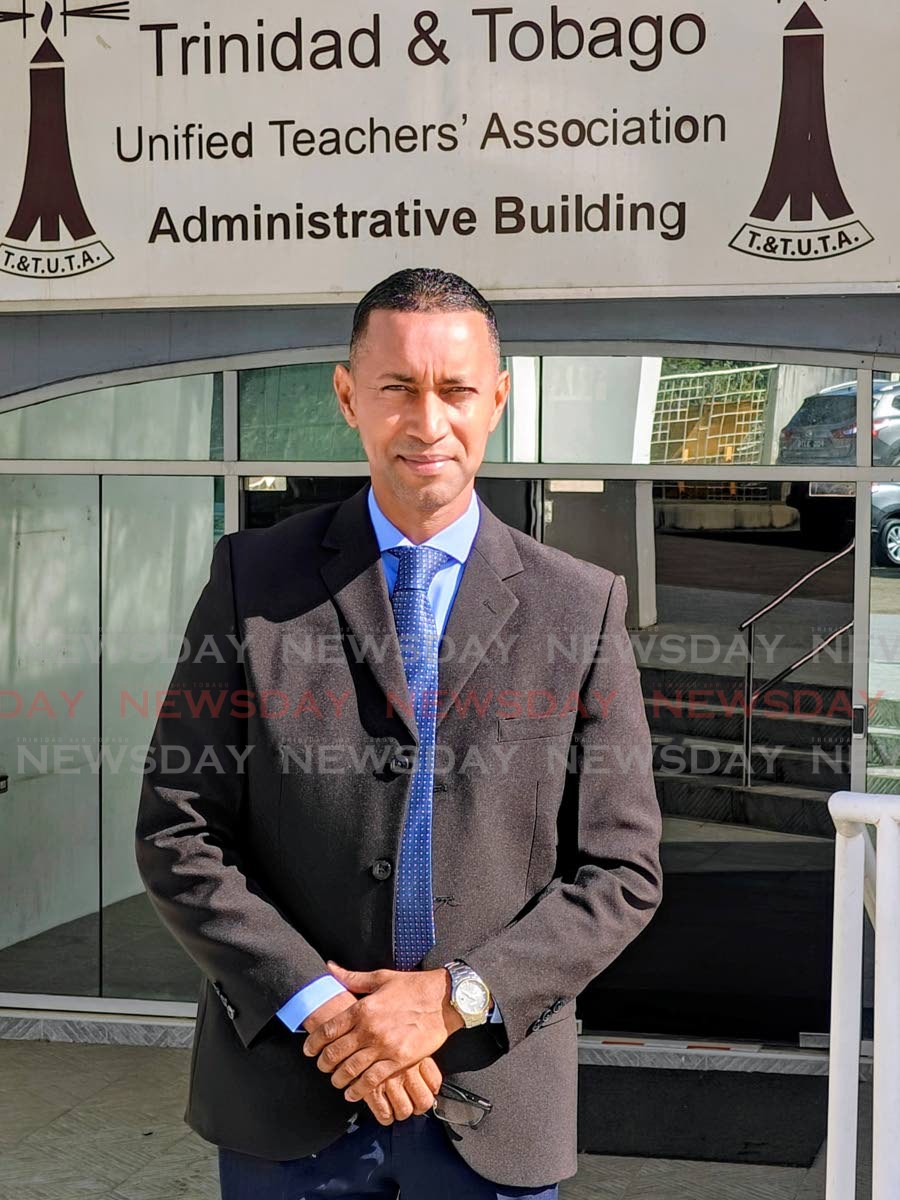
    The Trinidad and Tobago Unified Teachers’ Association (TTUTA) has declared an all-out effort to restore critical mental health services for educators after confirming the disruption of the Employee Assistance Programme (EAP). TTUTA President Crystal Ashe characterized the service interruption as a “grave injustice” in an official January 7 statement, demanding immediate explanations and corrective action from Education Minister Dr. Michael Dowlath, the Permanent Secretary, and the Chief Personnel Officer.

    Ashe emphasized that EAP access represents a legally protected right under the Collective Agreement rather than a discretionary benefit. The crisis emerged when a secondary school teacher attempting to schedule counseling sessions was unexpectedly informed of a $450 per session charge. Service provider Elder Associates Ltd, typically responsible for delivering these services, declined commentary citing ongoing discussions with the Ministry of Education.

    The disruption appears to extend beyond the education sector, with healthcare professionals reporting similar service interruptions. A nurse revealed that while alternative counseling arrangements were available within hospital settings, staff expressed discomfort due to privacy concerns about being observed attending sessions.

    TT National Nursing Association president Idi Stuart confirmed receiving reports of service disruptions, though Public Services Association president Felisha Thomas remained unreachable for comment. Finance Minister Davendranath Tancoo also did not respond to inquiries regarding the widespread service interruption.

    An anonymous public servant expressed hope that the situation resulted from contract renegotiations rather than permanent termination, highlighting the critical importance of mental health support particularly given existing social stigmas. The individual shared personal testimony about the program’s vital role during their divorce proceedings, while noting concerning inconsistencies in EAP accessibility across different government ministries, including instances of information withholding and gatekeeping by supervisors.


  • Dennis: Who’s benefiting from No Man’s Land project?

    Dennis: Who’s benefiting from No Man’s Land project?

    Tobago’s political landscape is embroiled in a heated dispute over development plans for No Man’s Land beachfront property, with PNM Tobago Council leader Ancil Dennis accusing the current THA administration of concealing a private development agreement until after the January 12 Tobago House of Assembly elections.

    Dennis, the PNM candidate for Buccoo/Mt Pleasant, raised serious concerns during a January 6 campaign meeting in Bon Accord about what he describes as a clandestine arrangement between the THA and an unidentified private developer. The controversy centers on allegations that vendors at the government-owned No Man’s Land were visited by police-accompanied developers who demanded they vacate the premises by January 20.

    THA Chief Secretary Farley Augustine has vigorously denied these accusations, maintaining that the Assembly was simply approached by a developer offering to enhance the area for vendors at no cost to the government. Augustine stated he instructed the developer to first consult with vendors before submitting any formal proposal.

    Dennis expressed profound skepticism about these claims, stating, ‘No businessman will undertake significant development on prime beachfront property free of charge. There must be some arrangement—whether private or public—for somebody to benefit.’ He criticized the administration’s approach, emphasizing that proper procedures involving public tender processes and community consultation were completely bypassed.

    The PNM leader outlined what he characterized as proper protocol: issuing a request for proposals, conducting transparent selection processes, and engaging in meaningful community consultation before any development decisions. He promised that a PNM-led THA would prioritize vendor livelihoods while preserving the natural beauty of the area, ensuring all current vendors could continue their trade in improved conditions.

    Dennis urged voters to support the PNM to protect their interests, positioning the election as a choice between transparent governance and what he called ‘backdoor deals’ that threaten local livelihoods and public property rights.

  • JSC probes traffic management in Trinidad and Tobago

    JSC probes traffic management in Trinidad and Tobago

    During a January 7th parliamentary hearing, Trinidad and Tobago’s Joint Select Committee on Land and Physical Infrastructure raised serious concerns about the absence of coordinated national strategies for traffic management. Chaired by Independent Senator Sophia Chote, SC, the committee heard testimony from multiple government agencies regarding persistent traffic congestion issues plaguing the nation.

    Committee members highlighted how police and licensing division operations frequently occur during peak traffic hours, exacerbating congestion on major roadways like the Beetham Highway. Housing Minister David Lee expressed public frustration, suggesting these operations appear designed to ‘frustrate the travelling public.’

    Transport Commissioner Clive Clarke acknowledged the inconvenience caused by joint police-licensing exercises but clarified that while he cannot cancel these operations, he can instruct officers to minimize motorist disruption. Clarke revealed the Licensing Authority is pursuing technological solutions to reduce physical interventions, noting ongoing digitization efforts for driver licenses and vehicle registration data.

    Acting Commissioner of Police Brian Soodeen defended the timing of operations as ‘intelligence-led,’ though Senator Chote questioned this rationale, noting that peak hours seem counterproductive for catching offenders attempting to avoid detection.

    The hearing revealed critical infrastructure shortcomings, including a dramatic reduction in traffic warden staffing from 531 to 232 personnel nationwide. Chief Traffic Warden Neville Sankar stated Trinidad requires approximately 325 additional wardens for effective deployment, with specific needs in Chaguanas (36) and San Fernando (42). Notably, Tobago currently has no traffic warden coverage.

    Education Minister Dr. Michael Dowlath raised concerns about school-related congestion, while Legal Affairs Minister Saddam Hosein criticized the lack of dynamic resource allocation to high-congestion areas. The committee also learned that a traffic camera project on Wrightson Road remains incomplete due to contractor foreign exchange problems.

    Most alarmingly, acting director of highways Patrice Caprieta revealed Trinidad and Tobago’s last comprehensive transportation study occurred in 1967, highlighting the urgent need for updated infrastructure planning. Despite recent public surveys, Civil Aviation and Transport Ministry permanent secretary Nicolette Duke assured the committee the ministry would avoid ‘analysis paralysis’ in developing solutions.

  • PM: Government to give drivers time to get in gear

    PM: Government to give drivers time to get in gear

    In a decisive address on January 7, Trinidad and Tobago Prime Minister Kamla Persad-Bissessar unveiled a dual-strategy approach to tackle rampant traffic violations, blending stringent enforcement with temporary leniency. While vowing “swift and brutal retribution” against deliberate lawbreakers, she simultaneously announced upcoming parliamentary reforms to introduce grace periods for drivers to rectify vehicle defects.

    The policy shift comes amid public outcry over sharply increased penalties, including doubled fines for expired inspection stickers—now $2,000—and revised late fees for permit renewals. The Ministry of Works and Transport acknowledged an administrative error in fee collection, revealing that drivers were initially undercharged due to a January 5 oversight. Corrected penalties now stand at $650 for permits expired under six months and $1,750 for those expired beyond six months but under three years.

    Persad-Bissessar’s statement, titled “Fix It or Face the Law,” condemned the “blatant dishonesty” of ticketed drivers who claimed surprise about vehicle defects, asserting most knew their violations in advance. She attributed nationwide traffic chaos to “entitlement, indiscipline and misdirected priorities” but also acknowledged systemic issues within enforcement, revealing that a minority of traffic wardens and officers were “abusing the ticketing system and terrorizing law-abiding citizens.”

    The proposed reforms will mandate repair windows before fines are enforced: three days for most defects (e.g., faulty lights, missing mirrors) and seven days for more significant issues like broken windshields, smoky exhausts, or noisy vehicles. The PM emphasized that while these temporary measures provide compliance opportunities, there would be “NO REDUCTION in traffic fines” and strict enforcement would continue until parliamentary approval.

    Concluding with an unequivocal warning, Persad-Bissessar declared the law would apply equally regardless of political affiliation, wealth, or geographic origin, stating: “If you break the traffic laws, ANYBODY GETS IT!!!”

  • Farley: PNM spreading fear, falsehoods

    Farley: PNM spreading fear, falsehoods

    In a fiery campaign address delivered on January 6 in Mt St George, Tobago People’s Party (TPP) leader Farley Augustine launched a scathing critique against his political rivals, accusing them of waging an election campaign rooted in fearmongering and deception rather than substantive governance issues.

    With the Tobago House of Assembly (THA) elections scheduled for January 12, Augustine drew stark contrasts between competing campaign philosophies. “They are running a campaign based on fear, we are running a campaign based on hope,” he declared before a gathered audience. “They are running a campaign based on allegations, we are running a campaign based on aspiration. They are running a campaign based on fiction, we are running a campaign on facts.”

    The political leader promised to publicly expose what he characterized as systematic disinformation before the campaign concludes, vowing to present documented evidence of fake social media pages and malicious slander allegedly propagated by opponents.

    Augustine positioned his party as fundamentally different in both substance and style—a institution dedicated to policy ideas, youth education, and vulnerable population support rather than personal attacks. “This party is not about bacchanal and commess, that is for the PNM,” he asserted, using local terms for scandal and chaos. “This party is about Tobago people’s business.”

    Addressing youth voters directly, Augustine acknowledged the challenges facing younger generations but cautioned against short-term thinking. He urged logical assessment of campaign promises rather than emotional reactions to last-minute offerings, questioning why benefits were suddenly available after years of unmet needs under previous administrations.

    The TPP leader concluded with a stark warning to voters: “Don’t throw caution to the wind and don’t be deceived in this election,” framing the upcoming vote as a choice between substance and empty promises.

  • US military seizes third oil tanker

    US military seizes third oil tanker

    The United States military has escalated its maritime enforcement operations with the capture of a third sanctioned oil tanker in the Caribbean Sea. US Southern Command (USSouthCom) officially confirmed the seizure of the M/T Sophia on January 7th, describing the vessel as a “stateless, sanctioned dark fleet motor tanker.

    The operation was conducted collaboratively between the Department of War and Department of Homeland Security forces, resulting in the apprehension without incident. According to military authorities, the Sophia was intercepted in international waters while engaging in prohibited activities. The US Coast Guard is currently escorting the captured tanker to American territory for final disposition.

    This strategic action forms part of Operation Southern Spear, which the Department of War characterizes as an unwavering mission to eliminate illicit activities throughout the Western Hemisphere. The operation reinforces the US commitment to homeland security and regional stability across the Americas.

    US Secretary of War Pete Hegseth emphasized the continuing enforcement of blockade measures against dark fleet vessels attempting to illegally transport Venezuelan oil. “Only legitimate and lawful energy commerce – as determined by the US – will be permitted,” Hegseth stated, highlighting that prohibited shipments effectively steal resources from the Venezuelan people to finance illegal operations.

    This development marks the third tanker interception within a month, following previous seizures of the M/T Skipper and M/T Centuries suspected of carrying oil subject to US sanctions. The intensified maritime operations coincide with extraordinary political developments in Venezuela, where deposed President Nicolas Maduro and his wife Cilia Flores recently pleaded not guilty to drug trafficking charges in a New York court. Their extraction from the Fuerte Tiuna military complex in Caracas by Delta Force operators on January 3rd preceded the installation of former vice president Delcy Rodriguez as interim president.

  • Port of Spain vendors call for more days to ply trade

    Port of Spain vendors call for more days to ply trade

    Street vendors in Port of Spain are mounting opposition against the city’s proposed sanitation initiative while demanding expanded working rights and protection from illegal competitors. The conflict emerged during a tense meeting between vendors and Port of Spain City Corporation officials at City Hall Auditorium on January 6, where representatives from Charlotte Street, Frederick Street, and other commercial areas voiced their concerns.

    The corporation’s $18 million clean city initiative, announced in October 2025, involves acquiring garbage compactors and amending public health regulations. Deputy Mayor Abena Hartley cited warnings from multiple government agencies about severe public health and safety concerns caused by current vending practices, exacerbated by the absence of comprehensive legislation.

    Proposed regulations would require vendors to completely remove all merchandise from streets daily, prohibiting overnight storage in stalls or on pavements. Corporation engineering assistant Sinclair Collis emphasized the cleaning challenges posed by leftover crates and produce, which contribute to drainage clogging, urban flooding, food decomposition odors, and expanding rat infestations in underground systems.

    Vendor representatives called the proposals impractical. Junior Lewis, vice president of the Charlotte Street Vendors Association, argued that moving heavy produce daily would create physical and logistical impossibilities for many operators. Female vendors particularly highlighted the excessive physical demands and additional costs involved.

    Beyond sanitation concerns, vendors challenged the fundamental structure of their operating permissions. Currently limited to Thursday through Saturday sales, vendors described the three-day work week as economically unsustainable. Petra Cayman, a Frederick Street jewelry vendor, called the arrangement “a death sentence” in Trinidad’s high-cost living environment, noting that missed opportunities during cruise ship season further diminish earnings.

    Vendors also identified illegal operators as a significant problem, with unregistered competitors undercutting prices without paying fees or rents. Additional complaints included inadequate street lighting affecting safety during high crime periods, noise pollution from adjacent businesses, and unreliable garbage collection services that exacerbate sanitation issues.

    Deputy Mayor Hartley acknowledged the corporation’s constrained resources, revealing drastic budget cuts from $19 million to approximately $4 million for infrastructure maintenance. This reduction has impacted the vending management team’s capacity to provide support. Vending program manager Deon Samm encouraged stricter adherence to fee payments, rental agreements, and health regulations to maintain operational continuity.

    Further consultations are planned with vendors, the Works and Infrastructure Ministry, and the Fire Service to develop updated vending contracts that balance public health concerns with vendor livelihoods.

  • MOWT corrects ‘error’: Late permit fees actually higher

    MOWT corrects ‘error’: Late permit fees actually higher

    The Ministry of Works and Transport (MOWT) in Trinidad has addressed mounting public dissatisfaction regarding recent fee increases for late permit renewals, revealing that an administrative miscalculation resulted in some drivers being undercharged during processing on December 6.

    The discrepancy came to light during an internal review conducted on the evening of January 5, prompting immediate corrective measures. Ministry officials confirmed that the updated fee structure has been properly implemented on the MOWT’s official portal to ensure transparency and accuracy moving forward.

    According to the revised fee schedule, motorists with permits expired for periods not exceeding six months will now incur a late penalty of $650, representing a $50 increase from the previously charged amount. For more significant delays involving permits that have lapsed for over six months but remain within a three-year threshold, the financial penalty has been substantially elevated to $1,750—a dramatic 75% surge from the former $1,000 charge.

    The ministry’s announcement follows widespread digital protests from drivers across the nation who expressed frustration through various online platforms regarding the increased financial burden. Despite the public discontent, transportation authorities maintain that the corrected fees reflect the actual costs associated with administrative processing of delinquent permit renewals.

    Officials emphasize that the updated fee structure aims to encourage timely renewal compliance while ensuring the proper allocation of resources within the transportation regulatory system. The ministry has encouraged all drivers to verify their permit status and review the updated fee schedule available through official channels to avoid unexpected charges during renewal procedures.

  • Judge dismisses challenge to DPP’s decision to continue firearms charges against 2 minors

    Judge dismisses challenge to DPP’s decision to continue firearms charges against 2 minors

    In a significant ruling with implications for juvenile justice, High Court Justice Kevin Ramcharan has rejected a judicial review petition contesting the Director of Public Prosecutions’ (DPP) determination to pursue firearms charges against two individuals who were minors at the time of the alleged offense.

    The case originates from an August 6, 2015 incident where the claimants—then aged 11 and 13—were present at a property where another minor tragically lost his life. The half-brothers, along with an adult co-accused, initially faced manslaughter and firearm possession charges. While manslaughter charges were subsequently dismissed in Children’s Court, the DPP elected to proceed exclusively with the firearms allegations, triggering the legal challenge.

    The claimants contended that continued prosecution violated legal principles, arguing insufficient evidence to overcome the presumption of doli incapax—the legal doctrine presuming children incapable of forming criminal intent. They further maintained that pursuing the case contradicted public interest considerations given their youthful ages at the time, the specific circumstances of the alleged possession, potential minimal sentences, and substantial procedural delays.

    Citing the Privy Council’s 2024 guidance on prosecutorial discretion, the defense team asserted the DPP’s decision failed to meet evidentiary and public interest thresholds outlined in prosecution guidelines.

    The DPP’s legal representatives countered that the appropriate venue for challenging evidence sufficiency was the magistrates’ court through a stay application, emphasizing established jurisprudence that discourages judicial review courts from evaluating evidence adequacy or infringing upon prosecutorial discretion.

    Justice Ramcharan determined that the magistrates’ court remained the proper forum for evaluating whether the doli incapax presumption had been adequately rebutted, noting that while related manslaughter charges had been dismissed, the firearms matter required independent judicial assessment.

    The court did criticize the DPP’s office for repeated procedural delays and poor communication practices, describing these shortcomings as “completely unacceptable.” However, the ruling clarified that the DPP bears no legal obligation to provide justification for continuing prosecutions.

    The judgment acknowledged that societal concerns regarding illegal firearms could legitimately influence the decision to pursue prosecution, adding that issues regarding trial delays and procedural fairness could be properly raised before the presiding magistrate.

    The court dismissed the judicial review application without awarding costs.

  • High Court settles Erin land battle, dismisses lawsuits against landowner

    High Court settles Erin land battle, dismisses lawsuits against landowner

    In a significant ruling addressing fraudulent land transactions, High Court Justice Karen Reid has delivered a decisive verdict favoring a landowner’s estate while ordering substantial financial restitution from unauthorized developers. The January 6 judgment dismissed all claims seeking specific performance of sale agreements against Joseph Dhanoosingh’s estate, simultaneously awarding over $4.85 million in refunds against Glenn Thomas and Mass Contracting Company Ltd for collecting payments without proper authorization.

    The consolidated legal proceedings originated from residential lot sales at Jackson Trace, Buenos Ayres, Erin, where approximately 63 purchasers alleged they were defrauded by a real estate agent and development company. The claimants, represented by Fitzroy Williams and Neil Bishop, contended that Thomas operated as a real estate agent selling properties on Dhanoosingh’s behalf through Mass Contracting, which purportedly held an exclusive agency agreement dated February 10, 2016.

    Justice Reid’s meticulous examination revealed critical limitations in the agency agreement. While permitting advertising and site visits, the contract explicitly required all payments to be directed to the landowner and did not authorize written sale agreements or collection of deposits by the agent or developer. The court found no evidence that Dhanoosingh attended meetings, provided assurances, or ratified transactions conducted by Thomas and Mass Contracting.

    ‘There is absolutely no evidence proving or corroborating any involvement by the third defendant (Dhanoosingh) in the claimants’ transactions,’ Justice Reid stated in her ruling. She further determined that Thomas and Mass Contracting operated as independent contractors without actual or ostensible authority to represent themselves as landowners or enter into binding agreements.

    The judgment emphasized that none of the agreements were executed as Dhanoosingh’s agents, and all documents expressly required payments to be made directly to the landowner. Accepting payments while presenting themselves as vendors constituted a clear violation of the limited authority granted in the 2016 agreement.

    With Thomas and Mass Contracting failing to defend themselves in proceedings, the court entered judgment against them for damages totaling $4,854,500—representing proven payments from dozens of purchasers. Specific performance was denied since the developers lacked ownership rights to the property. The court additionally dismissed all claims against Ronald Singh as administrator ad litem of Dhanoosingh’s estate, ordering claimants to pay 50% of the estate’s prescribed costs.

    The ruling serves as a robust reinforcement of property rights and contractual boundaries, establishing important precedents regarding agency relationships in real estate transactions. Legal representation included Gilbert Peterson, SC, and Amerelle Francis for the claimants, with Chanka Persadsingh and Kiran Lutchmedial representing Dhanoosingh’s estate.