标签: Trinidad and Tobago

特立尼达和多巴哥

  • AG ditches civil suit on CL Financial crash: Billion$ wasted in legal fees

    AG ditches civil suit on CL Financial crash: Billion$ wasted in legal fees

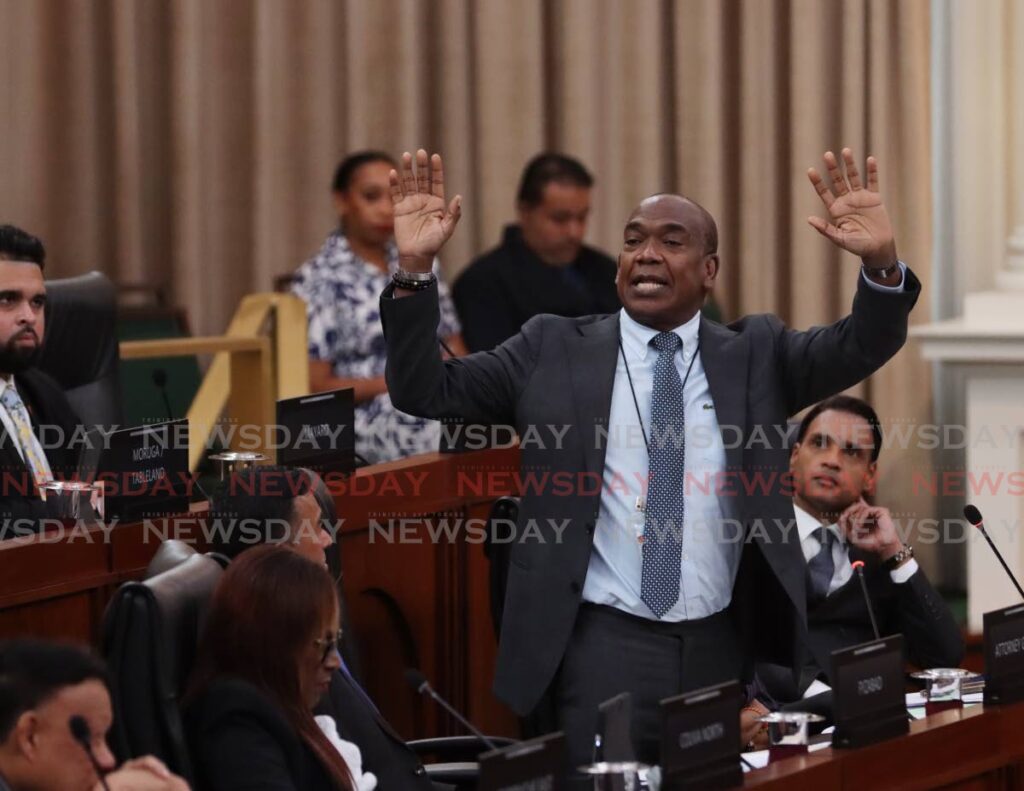
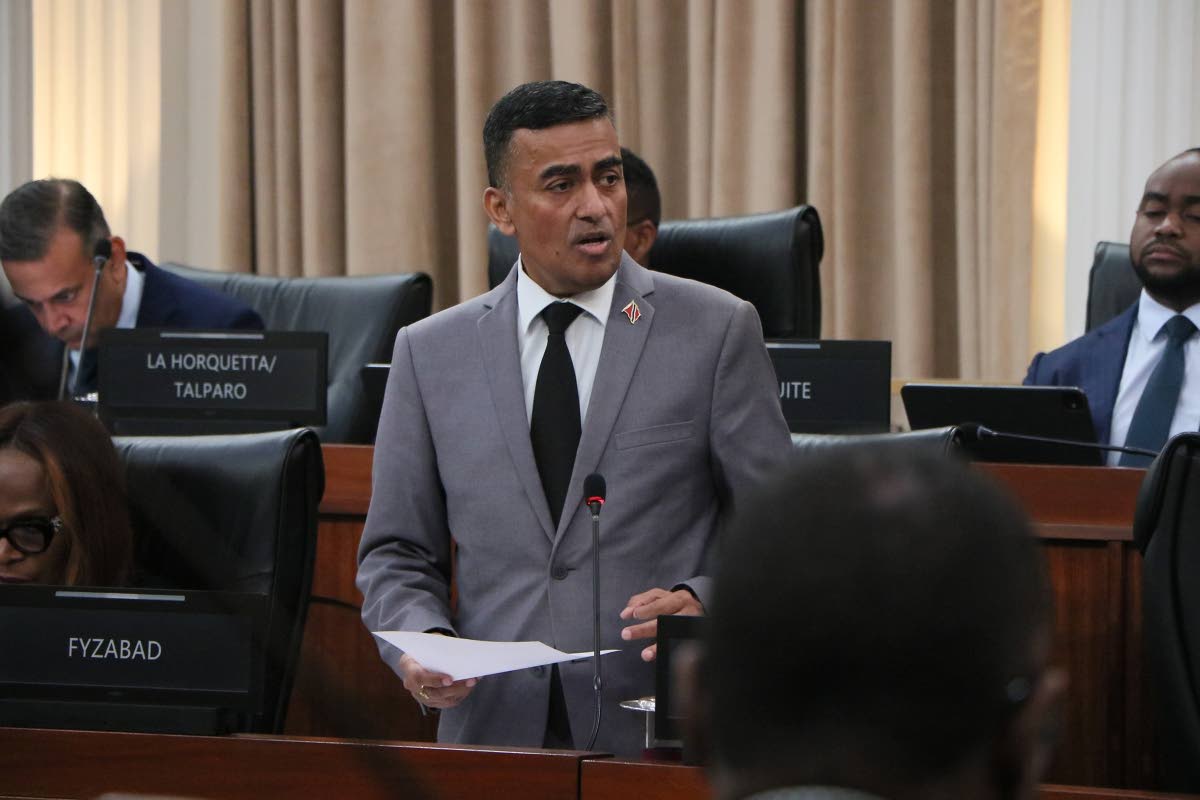
    In a dramatic parliamentary address on January 16, Attorney General John Jeremie revealed the staggering financial aftermath of the CL Financial collapse, announcing his decision to terminate all civil proceedings related to the case. The revelation came as Jeremie presented the long-suppressed Sir Anthony Colman report detailing the failure of the financial conglomerate and its subsidiaries.

    Jeremie disclosed that between $3 billion to $4 billion had been expended on legal fees alone since the corporation’s collapse 17 years ago, with virtually nothing to show for this massive expenditure. The Attorney General characterized the investigation as fundamentally inadequate, noting that only three police officers had been assigned to what he described as “the largest financial fraud in this country’s history.”

    “This is a joke of an investigation,” Jeremie declared before the House of Representatives. “What do I do? Well, as guardian of the public interest and having consulted with the Honourable Prime Minister, I have to say that we are not able to continue to spend hard resources, government resources.”

    The Attorney General expressed particular frustration with the pattern of payments to legal professionals, noting that nearly $400 million had been paid to accounting firm Deloitte and Touche alone—despite his office never having engaged their services. He pointedly observed that these funds primarily benefited “persons who are sometimes golfers but who are always very wealthy,” while ordinary citizens received no tangible benefits.

    Jeremie traced the origins of the crisis to “unconscionable action” by previous administrations, noting that the initial government bailout had consumed $28 billion, with the additional billions in legal fees representing further financial hemorrhage. The Colman report itself cost approximately $150 million to produce yet had “never seen the light of day” until its presentation to Parliament.

    The comprehensive report contains extensive evidence including tens of millions of emails, financial records, forensic analyses of complex cross-border transactions, 6,414 pieces of electronic evidence, and 1,650 boxes of hard-copy documentation. Despite this voluminous evidence and explicit recommendations to involve law enforcement, not a single individual has faced criminal charges related to the collapse.

    Jeremie’s decision to discontinue civil action represents a pragmatic approach to limiting further financial losses, though he acknowledged the state might need to pay “reasonable costs” to formally exit these proceedings.

  • Government seeks to raise US$1 billion

    Government seeks to raise US$1 billion

    The Government of Trinidad and Tobago has formally announced its intention to raise US$1 billion through an international bond issuance, according to Legal Notice 9 of 2026 published on January 13th. The financial maneuver, authorized by Finance Minister Davendranath Tancoo who signed the document on January 12th, represents a significant move in the country’s sovereign debt strategy.

    The issuance will involve notes offered exclusively to qualified institutional buyers across global markets, including both international and United States-based investors. To facilitate this substantial transaction, the government has engaged two of Wall Street’s most prominent financial institutions: JP Morgan Securities LLC and Bank of America Securities Inc. These firms have been appointed as joint lead managers and arrangers, responsible for structuring and marketing the debt offering.

    The transaction is being executed under Section Six of Trinidad and Tobago’s External Loans Act, which grants the Finance Minister authority to provide specific tax exemptions. Notably, the order exempts all payments related to principal, interest, and associated debt charges from both taxation and exchange control restrictions. This provision enhances the attractiveness of the notes to international investors by ensuring streamlined cross-border payments and maximizing returns.

    This strategic financial initiative demonstrates Trinidad and Tobago’s proactive approach to accessing global capital markets while implementing measures to optimize the terms of its sovereign borrowing. The involvement of major international financial institutions underscores the credibility of the offering in the global financial community.

  • High Court: Security ministry failed its duty to provide info on Venezuelan baby’s killing at sea

    High Court: Security ministry failed its duty to provide info on Venezuelan baby’s killing at sea

    In a landmark judicial ruling, the High Court of Trinidad and Tobago has determined that the Ministry of National Security violated statutory obligations under the Freedom of Information Act. The case centered on the ministry’s failure to provide timely and substantive responses to information requests filed by Darielvis Eliannys Sarabia Morillo, a Venezuelan national whose infant son was fatally shot during a Coast Guard operation in February 2022.

    Justice Devindra Rampersad delivered the judgment, declaring that the ministry failed to meet the mandatory 30-day response requirement stipulated in Section 15 of the Freedom of Information Act. The court has ordered the ministry to resolve all outstanding information requests by January 23.

    The tragic incident occurred on February 5, 2022, within Trinidad and Tobago’s territorial waters, when Morillo’s newborn son, Yaelvis Sarabia Santoyo, was killed during an encounter with the Coast Guard. Morillo herself sustained gunshot wounds requiring emergency surgery.

    Between March and April 2022, Morillo submitted five separate freedom of information requests seeking crucial documents, including her son’s autopsy report and records related to the Coast Guard operation. While some information was eventually provided, Justice Rampersad determined that the ministry failed to issue lawful, substantive decisions within the statutory timeframe for two critical requests.

    The judgment emphasized that public authorities cannot discharge their FOIA obligations by simply directing applicants to other agencies without making independent determinations. “A letter that amounts to ‘ask someone else’ is not a substantive decision,” Justice Rampersad stated in his ruling. “Section 15 does not permit a public authority to discharge its duty simply by passing the applicant from one door to another, particularly where it has the power to call for the information itself.”

    The court found the ministry in breach of its duties regarding Morillo’s request for the autopsy report—which has since been provided—and her fifth request concerning information about the Coast Guard’s operation. The court issued an order compelling the ministry to process and determine the remaining items from Morillo’s April 26, 2022 request. Additionally, the ministry was ordered to pay 75% of Morillo’s legal costs, to be assessed if not mutually agreed upon.

  • Amir “Drumzey” Ramjattan – the master of many drums

    Amir “Drumzey” Ramjattan – the master of many drums

    At just 25 years old, Amir ‘Drumzey’ Ramjattan has emerged as a transformative figure in Caribbean music, mastering an extraordinary array of percussion instruments that bridge traditional culture with contemporary sound. The Las Lomas native has become the most sought-after percussionist across Carnival and chutney soca scenes, demonstrating unparalleled versatility on instruments ranging from the dholak and tabla to congas and digital rhythm machines.

    Ramjattan’s musical journey began within his multigenerational household, where music permeated daily life from spiritual morning bhajans to evening chutney soca sessions. His immersion in percussion started organically while accompanying his mother, 2025 Chutney Soca Monarch Queen Reshma Ramlal, to performances. However, it was his grandfather’s gift of tabla drums on his ninth birthday that ignited his profound connection to rhythmic artistry, leading to formal training at The Mahatma Gandhi Institute for Cultural Co-operation.

    The young musician’s career breakthrough came in 2014 when he began recording live percussion tracks at prestigious studios like Pungalunks Factory and Maha Productions. His innovative approach transcended seasonal popularity, enabling artists to qualify for international competitions and claim monarch titles. Ramjattan’s artistic vision reached its pinnacle in 2025 when he managed and directed his mother’s victorious Chutney Soca Monarch campaign—a deeply personal achievement that represented years of shared dedication.

    Despite facing challenges including skepticism from veteran musicians and financial constraints, Ramjattan maintains an exhaustive performance schedule as core drummer with KI and the Band 3veni, while collaborating with major acts like Ravi B and Karma. His international presence has expanded significantly through Caribana performances and his inaugural Holland tour, where he played for audiences exceeding 25,000 people.

    Beyond the stage, Ramjattan maintains a sacred connection to music through performances at Hindu festivals, demonstrating his unique ability to navigate both spiritual and celebratory spaces. Looking forward, he aims to inspire younger generations through artistic direction, songwriting, and fostering unity within the industry—determined to create a legacy that eliminates doubts for aspiring musicians pursuing their cultural calling.

  • Farley targets reform, investment, autonomy

    Farley targets reform, investment, autonomy

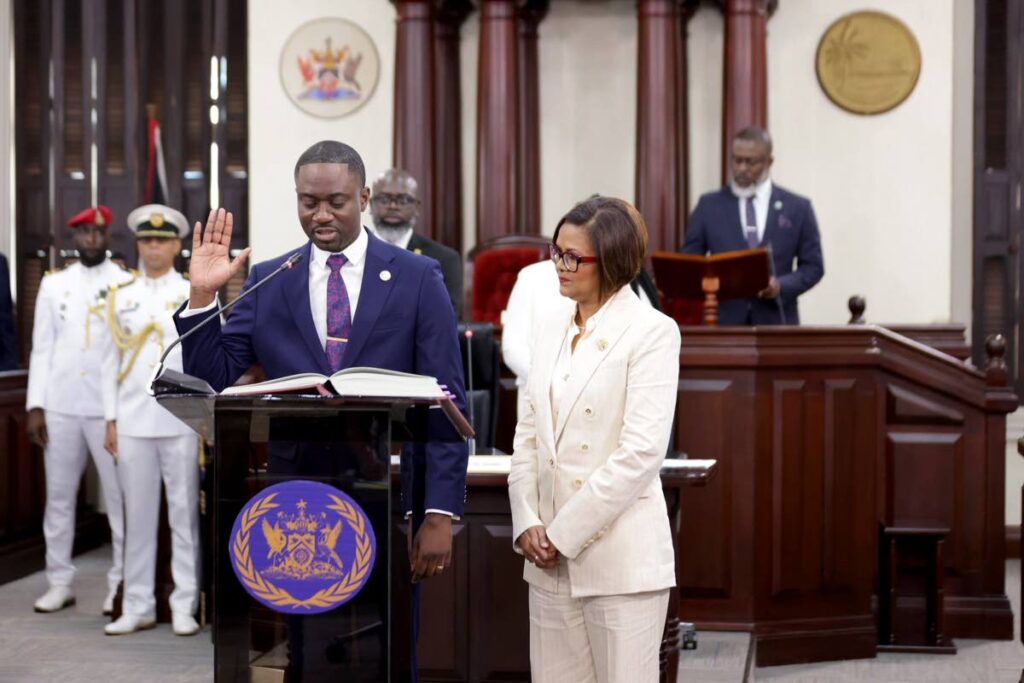
    In a sweeping post-election address from the Office of the Chief Secretary, Farley Augustine has declared a transformative governance agenda for Tobago that combines immediate administrative reforms with a strategic push for legislative autonomy. The newly sworn-in leader outlined a comprehensive vision addressing systemic inefficiencies, economic diversification, and self-determination for the island territory.

    Augustine announced a ‘zero-tolerance’ policy toward bureaucratic delays within the Tobago House of Assembly (THA), warning that public officers failing to execute lawful instructions would face accountability measures, even if resulting in legal challenges. This hardline approach comes alongside revelations that some tourism division employees haven’t received salaries since December, prompting an immediate investigation pledge from the Chief Secretary.

    The autonomy initiative represents a landmark constitutional effort, with Augustine targeting legislative changes by end-2026 that would grant Tobago independent lawmaking authority. This would be followed by island-wide consultations to determine Tobago’s preferred governance structure, including debates about legislative chambers, power separation, and electoral systems. Augustine emphasized that these structural matters should not require Trinidad’s approval for future modifications.

    Economic revitalization features prominently in the reform package. An Investment Commission will be established by February to evaluate both local and foreign investment proposals, reducing Tobago’s dependence on public-sector employment. Augustine defended foreign direct investment as essential for developing ports, parking facilities, and tourism infrastructure without risking taxpayer funds.

    The administration will address longstanding worker concerns, including salary increases for contracted employees and resolution of outstanding increments and gratuities for teachers and other public workers. A monitoring website is being developed to track critical projects and identify responsible officers for delays.

    Environmental and resource management also received attention, with Augustine criticizing Tobago’s slow adoption of solar energy despite abundant sunshine and reaffirming the island’s claim to authority over nearby maritime activities. The oil spill was cited as having delayed electric vehicle infrastructure projects.

    Legal autonomy measures include centralizing handling of claims against the THA, asserting the Assembly’s independent capacity to sue and be sued without central government involvement.

  • In defence of the increased fines

    In defence of the increased fines

    Trinidad and Tobago’s persistent crime problem represents a complex societal challenge that transcends economic conditions, according to expert analysis. Despite economic fluctuations from oil boom periods to times of hardship, criminal activity has remained consistently high, suggesting deeper systemic issues beyond mere poverty.

    The core issue identified is societal tolerance for minor infractions that gradually escalates into acceptance of more serious crimes. This phenomenon aligns with the established criminological “broken windows” theory, which posits that unchecked minor disorder signals absence of authority and encourages more severe criminal behavior.

    New York City’s successful crime reduction strategy in the 1990s serves as a compelling case study. Through rigorous enforcement of minor violations including fare evasion, vandalism, and public disorder, the city achieved a remarkable 70% reduction in homicides between 1990 and 2000. This demonstrated that consistent standards enforcement within the general population directly contributes to public safety.

    In contrast, Trinidad and Tobago exhibits concerning patterns of daily lawlessness: dangerous overtaking maneuvers, driving on road shoulders, excessive speeding, littering from vehicles, disregard for noise regulations, and treating traffic signals as optional. These behaviors collectively indicate a culture where enforcement remains sporadic and consequences uncertain.

    The analysis emphasizes that ignoring minor offenses creates a reactive rather than proactive law enforcement approach to major crimes. When citizens repeatedly witness unpunished violations, confidence in the rule of law diminishes, while criminals interpret the tolerance as permission for more serious offenses.

    Police statistics consistently reveal that many serious offenders have histories of multiple minor infractions, suggesting that early intervention opportunities could prevent escalation. Zero tolerance enforcement doesn’t imply brutality but rather consistent application of existing laws to create fairness and order.

    The path forward requires demonstrating through daily actions—not just speeches—that disorder will no longer be tolerated without consequence. Rebuilding trust necessitates stopping reckless drivers, fining illegal dumping, and enforcing traffic laws consistently rather than only responding to tragedies.

    Trinidad and Tobago possesses adequate legislation but lacks consistent implementation. Changing the crime narrative requires acknowledging that violence doesn’t exist in isolation but grows from cultivated neglect. The fundamental solution lies in clearly and consistently demonstrating that all disorder, regardless of scale, will face consequences.

  • Robinson-Regis returns to Parliament after health-related leave

    Robinson-Regis returns to Parliament after health-related leave

    After a six-month health-related absence, Trincity/Maloney Member of Parliament Camille Robinson-Regis resumed her duties in Trinidad and Tobago’s House of Representatives on January 16. The former housing minister and attorney general had been on medical leave since July 2025 following surgical procedures, during which time she focused on recovery.

    Upon her return to the Red House, Robinson-Regis engaged briefly with press representatives, noting this marked her first public appearance since her medical treatment. While confirming her physical presence in Parliament, she indicated she would not actively participate in the day’s legislative debates, citing concerns about the proposed bills that would be addressed through established party channels.

    The parliamentary session featured significant legislative items, including the Motor Vehicles and Road Traffic (Amendment) Bill 2026, which mandates drivers to rectify vehicle defects within three to seven days or face financial penalties. Simultaneously, the Law Reform (Zones of Special Operations) Bill 2026 proposes enhanced security measures and social development interventions in high-crime areas.

    Attorney General John Jeremie was scheduled to initiate discussions on these legislative measures. Meanwhile, Prime Minister Kamla Persad-Bissessar prepared to introduce the Tobago House of Assembly (Amendment) Bill 2026, which expands the administrative structure of Tobago’s governing body. This development follows the Tobago People’s Party’s decisive victory in the January 12 THA elections, where they secured all 15 assembly seats.

    The government has expressed commitment to collaborative governance with Tobago’s administration, emphasizing shared objectives in regional development and national progress.

  • The cost of what we ignored

    The cost of what we ignored

    The recent public outcry over stringent traffic penalties in Trinidad and Tobago has largely centered on the financial burden of fines, yet this reaction overlooks a more fundamental issue: these traffic violations are not newly invented offenses. Rather, they represent behaviors that were systematically ignored, normalized, and tacitly accepted over many years. The true damage occurred long before authorities began issuing tickets.

    For decades, enforcement agencies and previous administrations failed to consistently implement existing regulations or establish proper systems for vehicle ownership documentation, mandatory inspections, and insurance verification. This institutional neglect created an environment where speeding, reckless driving, and operating vehicles without valid credentials became commonplace practices.

    The current public response stems not from newly introduced legislation but from the abrupt termination of longstanding tolerance. Offenses frequently occur because drivers traditionally operated with the understanding that enforcement only happened during visible police presence. This pattern reveals critical weaknesses in the nation’s road safety management approach, which cannot rely exclusively on physical officer deployment.

    A proposed solution involves creating an anonymous online reporting portal managed by law enforcement, enabling responsible citizens to submit verified photographic or video evidence of dangerous driving, illegal parking, distracted operation, and hazardous overtaking maneuvers. Such a system would complement traditional policing methods by introducing an additional layer of accountability and deterrence. When motorists recognize that unsafe behavior can be documented and reported at any time—not merely when patrol vehicles are present—the culture of impunity dominating roadways may finally begin to diminish.

    The consequences of years of institutional neglect have proven fatal. Dangerous driving has resulted in preventable fatalities, leaving families in mourning and placing unnecessary strain on an already overburdened healthcare system. Road indiscipline has exacerbated traffic congestion, reduced national productivity, increased vehicle maintenance costs, and driven insurance premiums upward.

    These are not abstract policy concerns but daily realities for citizens who have suffered injuries, inconveniences, and financial hardships due to behaviors that persisted without consequence. While current fines are criticized as excessive, nations often admired for their development maintain strict enforcement standards. The discomfort arises from imposing first-world enforcement mechanisms upon a system historically characterized by inconsistency.

    Fines are fundamentally designed not for popularity but for deterrence and life protection. Trinidad and Tobago must confront a cultural reality where flexibility frequently supersedes urgency, rules became negotiable, and compliance remained optional. When authorities abruptly demand strict adherence after years of lax enforcement, public resistance becomes predictable.

    The core issue transcends monetary penalties and questions whether society is prepared to acknowledge and correct long-ignored behaviors. Achieving first-world standards requires more than financial disincentives—it demands consistent enforcement, institutional credibility, active citizen participation, and public trust. Until these elements align harmoniously, resistance will persist not as rebellion but as reaction to sudden discipline in a system that tolerated disorder for too long.

  • Kamla: SoE to end on January 31

    Kamla: SoE to end on January 31

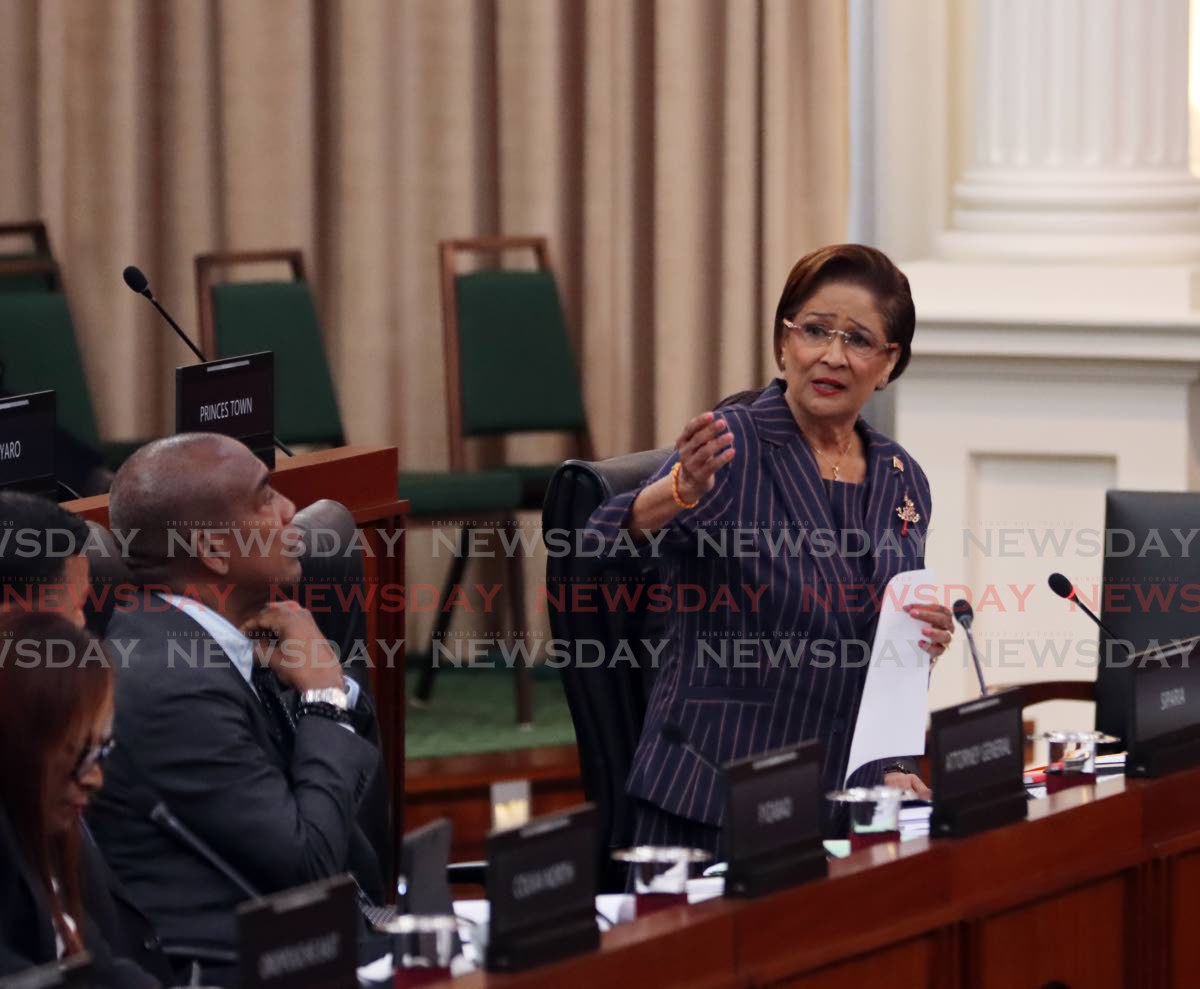
    In a major parliamentary address on January 16, Prime Minister Kamla Persad-Bissessar declared her government’s intention to terminate the nation’s prolonged state of emergency upon its scheduled expiration on January 31. The security measure, initially declared in July and subsequently extended twice, will be replaced by the implementation of targeted zones of special operation to maintain law and order.

    The Prime Minister delivered a comprehensive statement outlining her administration’s legislative agenda for the new parliamentary session, highlighting significant achievements in public safety. She revealed a dramatic 42% reduction in homicides, characterizing this statistic as one of the most substantial crime rate declines observed globally. Persad-Bissessar credited security forces for their efforts, stating: ‘From day one we have acted forcefully and decisively to frontally attack criminal organisations that have brought bloodshed, death, and terror to our citizens.’

    Addressing international controversy, the Prime Minister staunchly defended recent joint operations with US military forces that resulted in the destruction of alleged drug trafficking vessels. When challenged by opposition members regarding the legality of these actions, Persad-Bissessar retorted that she had received legal counsel confirming no international laws were breached, bluntly advising critics to ‘find a good international lawyer.’

    The government unveiled sweeping judicial reforms including a proposed constitutional amendment guaranteeing the right to a trial within a reasonable timeframe. Persad-Bissessar emphasized the injustice of defendants awaiting trial for periods exceeding their potential sentences, noting the severe damage to reputation such delays cause. Additional measures include restructuring homicide trials to feature three-judge panels instead of jury trials, establishing the new judicial position of Chancellor, and implementing plea bargaining mechanisms.

    Following her attendance at the swearing-in of re-elected Tobago House of Assembly leader Farley Augustine, the Prime Minister committed to advancing Tobago’s autonomy within the republic. She pledged to enact legislation establishing Tobago as ‘an equal, autonomous partner side by side with Trinidad,’ ending a decade of political stagnation on the issue.

    The administration also announced forthcoming regulations addressing noise pollution, with specific attention to fireworks and amplified music near residential areas. Firearms legislation will be strengthened to streamline the destruction of confiscated weapons, while age restrictions will be raised for alcohol consumption (from 18 to 21), cannabis use (18 to 21), and gambling (18 to 25).

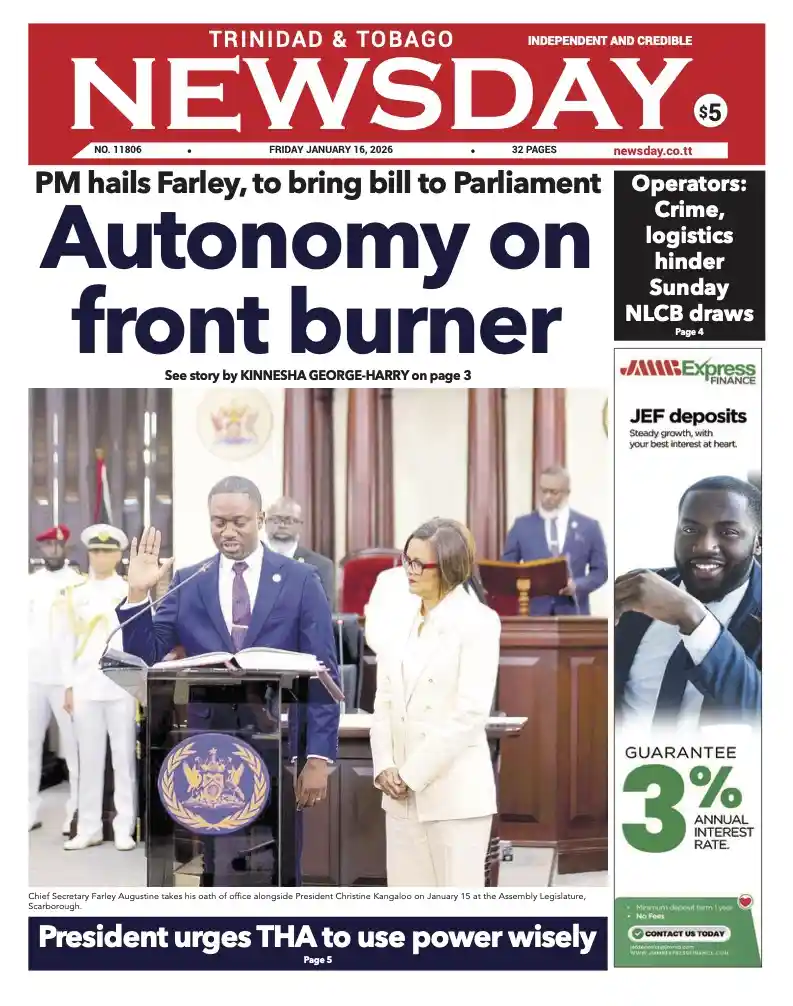
  • Trinidad and Tobago Newsday – Friday January 16th 2026

    Trinidad and Tobago Newsday – Friday January 16th 2026

    The multi-billion dollar dietary supplement industry continues to operate in a regulatory gray zone, leaving consumers to navigate a marketplace with limited oversight and substantial health risks. Unlike pharmaceutical drugs that undergo rigorous FDA testing before reaching consumers, supplements enter the market with minimal pre-approval requirements, creating potential dangers that often only surface after products have caused harm.

    The Dietary Supplement Health and Education Act (DSHEA) of 1994 established the current regulatory framework that treats supplements more like food than drugs. This legislation placed the burden of proving safety primarily on the FDA after products are already available to consumers, rather than requiring manufacturers to demonstrate efficacy and safety beforehand. The result is a marketplace where new products can be introduced with little more than notification to regulators.

    Recent analyses reveal alarming trends: contaminated products, undisclosed pharmaceutical ingredients, and exaggerated health claims proliferate across the industry. Weight loss supplements, sexual enhancement products, and pre-workout formulas consistently rank among the most problematic categories. Medical professionals report increasing cases of liver damage, cardiovascular issues, and dangerous interactions with prescription medications linked to supplement use.

    Consumer protection advocates are calling for significant reforms to the regulatory system, including mandatory third-party testing, stricter manufacturing standards, and increased authority for the FDA to remove dangerous products promptly. Meanwhile, healthcare providers recommend that consumers consult medical professionals before using supplements, research products through independent sources, and remain skeptical of miraculous health claims.