标签: Trinidad and Tobago

特立尼达和多巴哥

  • D’Bocas pub closes after 37 years

    D’Bocas pub closes after 37 years

    PORT OF SPAIN – After nearly four decades as a cultural landmark in Trinidad’s capital, the renowned D’Bocas pub has announced its permanent closure. The establishment, celebrated for its vibrant atmosphere, cold beers, lunch service, and legendary karaoke and live music events, made the emotional disclosure through social media channels on January 12.

    The venue, which operated across multiple locations including Town Centre Mall, Voyager Mall, Queen Street, Chacon Street, and Independence Square throughout its history, described Port of Spain as “more than a location – it has been our home.” In their farewell statement, management reflected on the establishment’s role as a community hub where “memories were made, friendships were formed, and generations of customers supported us through every chapter.”

    Citing significant economic pressures that have adversely impacted the bar industry, D’Bocas revealed that current market conditions have rendered their traditional business model unsustainable. The challenging economic landscape has compelled a strategic reorganization of operations.

    Rather than complete cessation, the company characterized the move as an evolutionary step toward a reimagined business approach. The new direction will focus on a food-centered, franchise-style concept that will position scaled-down operations in prime locations throughout Trinidad. This restructuring aims to ensure long-term sustainability while honoring the establishment’s considerable legacy.

    The management emphasized that this transition represents not an ending but rather a transformation – “a thoughtful step toward sustainability, growth, and honouring the legacy we’ve built.” The statement concluded with gratitude toward the Port of Spain community for 37 years of patronage and support, noting that the establishment’s next chapter awaits.


  • Talk Tent returns for Carnival at Queen’s Hall

    Talk Tent returns for Carnival at Queen’s Hall

    As Carnival season approaches, Trinidad and Tobago’s longest-running talk show performance, Talk Tent, prepares to captivate audiences with its unique blend of cultural storytelling, comedy, and social commentary. Established in 1983 by visionary producer Paul Keens-Douglas, this iconic event has evolved from its humble beginnings in a canvas tent on Victoria Avenue to becoming an institutionalized post-Carnival tradition at Queen’s Hall Conference Centre.

    The event’s foundation rests on bringing together distinguished ‘men of words’ – including midnight robbers, pierrot grenades, and black Indians – showcasing their verbal artistry during Carnival celebrations. Under the motto ‘Where Talk Is Art,’ the production maintains its commitment to quality family entertainment while emphasizing educational values through diverse oral traditions.

    This year’s lineup features an impressive roster of Caribbean performers: spoken word poet Seth Sylvester, performance poet Miguel Browne, pierrot grenades specialists Felix Edinborough and Keomi Serrette, calypsonian Llewellyn ‘Short Pants’ Mac Intosh, along with Farida Chapman, Avion Crooks, MC David Bereaux, and founder Keens-Douglas himself as master storyteller.

    The 2024 performances are scheduled for February 21-22 at Queen’s Hall Conference Centre in St. Ann’s. Tickets priced at $300 are available at multiple outlets including Crosby’s, RIK locations in Trincity and Gulf City, Domon’s Shoe Store in Long Circular Mall, Metropolitan Book Suppliers on Ariapita Avenue, and directly at Queen’s Hall. Attendees can also purchase exclusive show-priced books, CDs, and DVDs featuring the performing artists.

    Organizers emphasize that Talk Tent’s continued success relies on community support from patrons who recognize its vital role in preserving authentic Caribbean cultural expressions. As the release notably states: ‘There are many talk shows but only one Talk Tent!’ For additional information, interested parties can contact 632-1647, 684-1629, 376-5699, or visit the official Facebook page.

  • Mohit condemns elderly abuse, says all grants paid on time

    Mohit condemns elderly abuse, says all grants paid on time

    In the wake of the tragic discovery of 74-year-old Doodhani ‘Mary’ Sooknanan’s decomposing body at her Edinburgh 500 residence, Chaguanas East MP and Minister of People, Family Development and Social Services Vandana Mohit has issued a forceful condemnation against violence targeting senior citizens. Speaking at a UNC press conference on January 11, Minister Mohit emphasized that while specific details of the ongoing investigation remain undisclosed, her government maintains a zero-tolerance policy toward elder abuse and called for collective action to protect vulnerable elderly populations.

    Simultaneously, Minister Mohit presented a comprehensive overview of her ministry’s substantial social welfare initiatives, vehemently denying allegations of reduced grant funding. She confirmed that all January 2026 social services grants were processed and disbursed by January 1, acknowledging only a minor delay attributable to technical issues at the National Insurance Board.

    The minister revealed that approximately $3 billion in pension payments has been distributed to 100,000 senior citizens through these programs. Between May and December 2025, the government allocated millions in social assistance, including $60 million through the food support program (benefiting 275+ new recipients), over $1 million in home repair grants, and $4 million in disaster relief assistance.

    Notable innovations include the inaugural implementation of temporary food card support, with Members of Parliament across all 41 constituencies receiving 60 food cards valued at $550 each for distribution during the Divali season. This initiative expanded during Christmas with 250 food cards per constituency, representing a $5 million investment.

    Minister Mohit announced forthcoming reforms to the standard means test assessment, promising modernization that would enhance fairness and better reflect contemporary socio-economic conditions. Additional initiatives include examining child poverty studies, developing a $5 million women’s health fund to address period poverty, and creating structural support systems for disabled citizens.

    The ministry is also addressing administrative backlogs through collaboration between NIB and the Immigration Division, with formal mechanisms currently in development. In sports infrastructure, Cabinet has approved designs for an inclusive sporting arena to complement the National Therapeutic and Resource Centre for Persons with Disabilities, which began preliminary operations in December 2025 and is scheduled to open fully after staffing and equipment finalization.

  • The perfect storm

    The perfect storm

    After 32 years of operation and a remarkable journey from startup to market leader, Newsday newspaper has announced its permanent closure. The publication, which began in 1993 and achieved the status of Trinidad and Tobago’s highest-selling newspaper within two decades, succumbed to what management describes as ‘a perfect storm’ of industry challenges.

    The closure represents more than just the failure of a single publication—it symbolizes the severe pressures facing traditional print media globally. Unlike larger media conglomerates that can absorb losses across diversified portfolios, Newsday operated as a standalone entity with no corporate safety net to cushion year-on-year financial declines that have become endemic throughout the industry.

    Multiple converging factors contributed to the newspaper’s demise. The COVID-19 pandemic delivered a significant blow as nationwide shutdowns caused advertising revenue to plummet dramatically. However, management emphasizes that the pandemic was merely one element in a complex crisis that developed over more than a decade.

    Financial pressures mounted from multiple directions: raw material costs, particularly newsprint—the company’s largest expense—skyrocketed over the past ten years. Maintenance expenses for specialized printing equipment also increased substantially as manufacturers of crucial components went out of business due to industry contraction.

    The company also faced substantial legal challenges, emerging victorious from a prolonged court battle that reached the Privy Council level but left the organization over $3 million out of pocket. Despite winning costs at every judicial level, the slow pace of assessment procedures meant the company could not collect awarded funds while continuing to bear operational expenses.

    Consumer behavior shifts proved equally damaging. When Newsday increased its cover price from $2 to $3—still less than the cost of a local doubles snack—40% of readers abandoned the publication. This rejection came despite the hundreds of staff working around the clock to deliver news coverage.

    Most devastating has been the advertising collapse: print advertising revenue declined by 75% over the past decade, creating an unsustainable financial model when combined with rising production costs.

    In its farewell message, Newsday expressed pride in its legacy of ‘unwavering independence’ in serving the public and gratitude to loyal readers and dedicated staff who worked tirelessly for over two decades. The publication concluded with a warning about democracy itself being under threat when media organizations face existential crises, encouraging continued support for journalists and media colleagues throughout Trinidad and Tobago.

  • Wider protection for parents, retrenched workers

    Wider protection for parents, retrenched workers

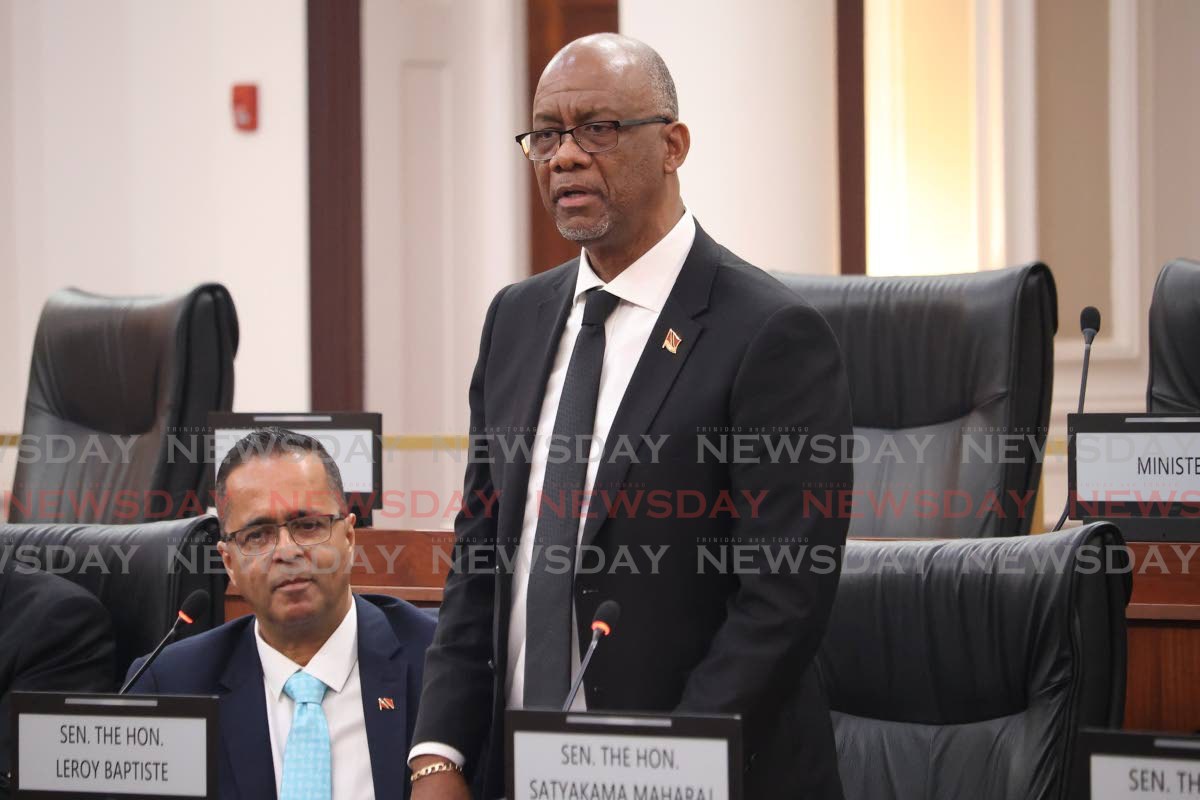
    The Trinidad and Tobago government is undertaking sweeping reforms to modernize labor legislation, offering enhanced protections for workers facing redundancy and expanding parental benefits. Minister of Labour, Small and Micro Enterprise Development Leroy Baptiste unveiled the comprehensive amendments during a January 11 press conference, addressing critical gaps in existing laws.

    The revisions to the Retrenchment and Severance Benefits Act of 1985 represent a significant expansion of worker safety nets. The proposed changes would increase severance pay calculations to three weeks’ wages per year of service for employees with one to five years of tenure, and one month’s pay per year for those exceeding five years of service—substantially improving upon current compensation structures.

    Crucially, the government is redefining ‘redundancy’ to include insolvency, receivership, and operational discontinuation, closing legal loopholes that allowed unscrupulous employers to evade severance obligations. ‘These activities would have rendered workers without any recourse under the act,’ Baptiste explained, emphasizing that the amendments would ensure compensation regardless of termination circumstances.

    Parallel reforms to the Maternity Protection Act of 1994 introduce groundbreaking parental benefits extending to fathers and adoptive parents. The amendments eliminate the 24-month limitation on leave benefits that previously penalized women for multiple pregnancies within a year. Nursing mothers will gain statutory protections for paid breastfeeding breaks, while explicit provisions prohibit termination, demotion, or reduced pay due to pregnancy, maternity, paternity, or parental leaves.

    The legal framework is also being strengthened through evidentiary shifts in discrimination cases, placing the burden of proof on employers. Industrial Court fines will be introduced for violations, and pregnancy testing for job applicants or employees will be prohibited. Contract workers gain protection against pregnancy-based non-renewal of contracts.

    Minister Baptiste confirmed the revisions are currently with the Attorney General and will be presented to Parliament shortly, reflecting the government’s urgency in addressing outdated compensation structures and procedural gaps affecting vulnerable workers.

  • TTFA boss laments gun violence: Footballers need clear path to going pro

    TTFA boss laments gun violence: Footballers need clear path to going pro

    The Trinidad and Tobago football community is confronting a devastating crisis as multiple young football talents have fallen victim to gun violence, prompting urgent calls for systemic reform. Within the past year alone, several promising players have been killed, including 27-year-old former national under-17 footballer Tekay Hoyce, 17-year-old Arima North Secondary player Zwade Alleyne, and 19-year-old Caledonia footballer Jayden Moore among others.

    TT Football Association president Kieron Edwards has identified inadequate career pathways and insufficient salaries as fundamental contributors to this tragedy. Edwards emphasizes that current compensation in the Trinidad and Tobago Premier Football League (TTPFL) fails to provide a viable livelihood, with many players earning wages that cannot support basic living expenses. “When you look at some of the salaries these young men are working for, they can’t look at it as a career,” Edwards stated in a January 11 interview.

    The association is now pursuing comprehensive restructuring to establish clear professional pathways, collaborating with international bodies for investment and engaging with government authorities. Edwards highlighted the timing is particularly appropriate as a Joint Select Committee prepares to examine the social impact of sports programs on youth delinquency and crime reduction on January 21.

    Former national women’s coach Jamaal Shabazz offered a contrasting perspective, asserting that professional football represents “a very narrow path” that requires individual assessment of financial viability. Shabazz noted that some TTPFL players earn between $5,500 and $9,000, comparable to many factory workers’ take-home pay of $4,000-$4,500 after taxes.

    Both leaders agree that addressing the crisis requires multifaceted solutions beyond football. Shabazz emphasized that criminal activity affects all societal sectors and called for politicians to ensure equitable distribution of state resources, stating that unequal allocation makes them “criminals too” in their own right. He advocated for strategic discussions with those involved in criminal activities to better understand root causes.

    The football community now seeks sustained investment in sports infrastructure, particularly in high-risk areas like La Horquetta where the establishment of La Horquetta Rangers and facility improvements have already demonstrated positive impact. Edwards stressed that investment must be continuous rather than limited to World Cup years, describing sports as “a vehicle to not only inspire the country but to save lives.”

  • Amendments to Maternity and Retrenchment acts — Kamla: Major wins for working families

    Amendments to Maternity and Retrenchment acts — Kamla: Major wins for working families

    The Trinidad and Tobago government has announced a comprehensive overhaul of labor legislation, introducing what Prime Minister Kamla Persad-Bissessar characterizes as “major wins for working families.” The reforms, approved by Cabinet and announced at a UNC press conference on Sunday, represent the most significant expansion of parental protections in recent history.

    Labor Minister Leroy Baptiste revealed that the amendments to the Maternity Protection Act and Retrenchment and Severance Benefits Act will introduce groundbreaking provisions including paid paternity leave, parental leave for adoptive parents and guardians, and protections for situations where a mother dies following childbirth. The legislative package, now before the Attorney General for drafting, eliminates the restrictive rule that previously limited maternity benefits to once every 24 months.

    The sweeping reforms will establish paid breastfeeding breaks, strengthen anti-discrimination protections in workplaces, and prohibit pregnancy testing for job applicants and employees. The legislation guarantees job security by ensuring employees can return to the same position after maternity, paternity, or parental leave. Notably, the burden of proof in discrimination cases will shift to employers, and protections will extend to contract workers previously excluded from such benefits. The reforms also include provisions to fast-track related cases through the Industrial Court.

    Prime Minister Persad-Bissessar complemented the policy announcements with personal reflections on motherhood, urging young women to consider starting families without fearing career consequences. “You do not have to choose between a career and a family—you can have both,” she asserted in a Facebook post that accompanied the policy reveal. Drawing from her own experiences, the Prime Minister described motherhood as “one of the most beautiful feelings in life” and emphasized that familial love provides meaning that professional achievements alone cannot offer in later years.

    The Prime Minister’s message particularly targeted young professional women, acknowledging that while focusing exclusively on careers might seem fulfilling initially, the absence of family could lead to loneliness in later life. “All humans need love and companionship to achieve their fullest potential; women, in particular, have an inherent drive to nurture and care,” she wrote, framing the policy changes as enabling both professional and personal fulfillment.

  • St James Children’s Carnival committee appeals for funds

    St James Children’s Carnival committee appeals for funds

    The highly anticipated 36th edition of the St James Children’s Carnival, scheduled for February 8, faces significant financial challenges that threaten its continuation. This beloved junior masquerade parade, which draws hundreds of young participants and thousands of spectators along Western Main Road, St James, requires urgent sponsorship to proceed.

    Organized jointly by the St James Community Improvement Committee and the St James Children’s Carnival Committee, the event has historically relied on funding from the National Carnival Commission’s Regional Carnival Committee with additional support from local businesses. Despite persistent financial obstacles, organizers are working diligently to preserve this cultural tradition.

    This year’s celebration, themed ‘Colour Wee Carnival,’ features multiple competitive categories including King & Queen of the Bands, Band of the Year in various size divisions, Male & Female Individual of the Year, Best Use of Local Materials, Best Traditional Mas, and the special Yvonne Mungal Challenge Trophy open category.

    Registration opened on January 12 at 16 Ranjit Kumar Street, St James, with additional forms available at TTCBA’s secretariat in Queen’s Park Savannah and Crosby’s on Western Main Road. The registration deadline is February 2, with no late entries permitted.

    The event’s historical significance was highlighted by former NCC chairman Winston Peters, who in 2020 emphasized that the carnival provides children with “an extra day to jump, exhibit, palance and ramajay.” Former NCC CEO Colin Lucas further noted that children’s carnival ensures the cultural tradition continues “from one generation to another.”

    The St James Children’s Carnival has grown to become an integral component of Trinidad and Tobago’s Carnival celebrations, now rivaling adult events in both costume artistry and attendance. With over 50 registered bands and 200+ individual participants, the event serves as both cultural preservation and community building opportunity, bringing together families, friends, and visitors for a day of creative expression and celebration.

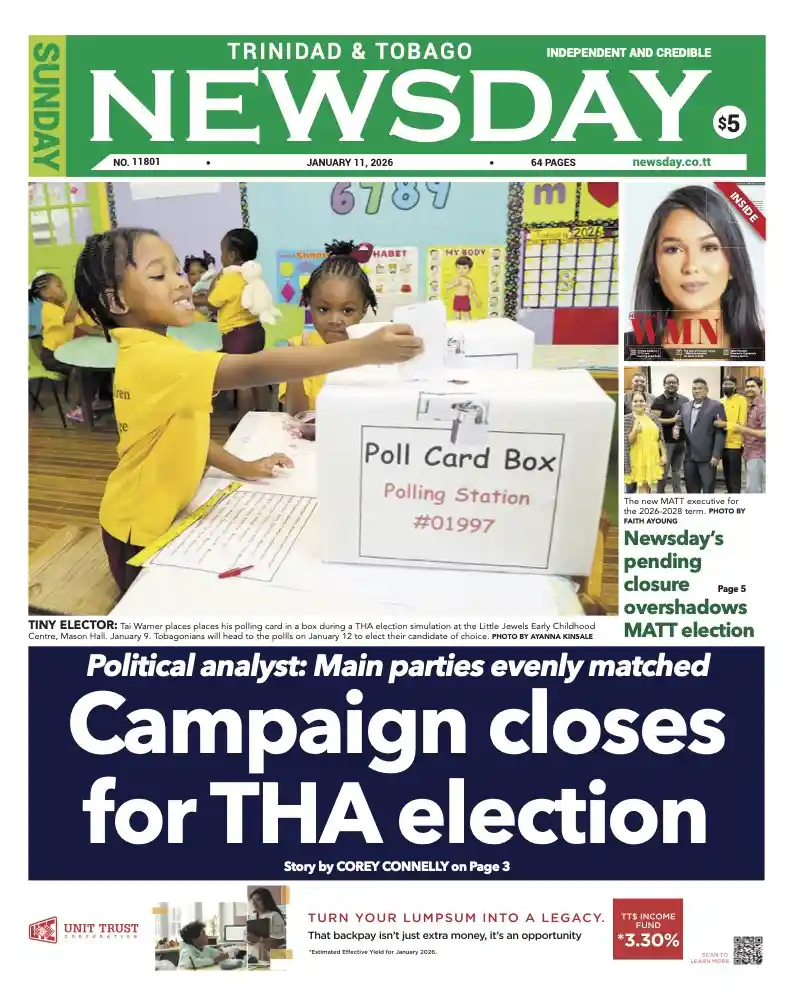
  • Trinidad and Tobago Newsday – Sunday January 11th 2026

    Trinidad and Tobago Newsday – Sunday January 11th 2026

    The global dietary supplement industry, valued at over $150 billion, is facing renewed scrutiny over regulatory oversight and consumer safety. Unlike pharmaceutical drugs, which undergo rigorous FDA testing for efficacy and safety before market release, supplements operate under the 1994 Dietary Supplement Health and Education Act (DSHEA). This legislation places the burden of proof on the FDA to demonstrate a product is unsafe after it has already reached consumers, fundamentally reversing the traditional drug approval process.

    This regulatory framework has created a market where new ingredients can be introduced without mandatory pre-market safety evaluations. While manufacturers are prohibited from making specific disease treatment claims, they frequently utilize structure/function claims that describe how a product may affect the body’s structure or functioning. The absence of stringent manufacturing standards has also led to issues with product purity, ingredient accuracy, and potential contamination.

    Healthcare professionals increasingly warn consumers to exercise critical judgment when selecting supplements. They recommend verifying products through third-party testing organizations like USP (United States Pharmacopeia) or NSF International, which provide independent quality verification. Consumers are advised to consult healthcare providers before beginning any new supplement regimen, particularly those with pre-existing conditions or taking prescription medications, due to potentially dangerous interactions.

  • Towards national conversation on pollution

    Towards national conversation on pollution

    Trinidad and Tobago’s recently enacted 2025 Summary Offences Amendment Act, designed to regulate fireworks usage through permit requirements, faces substantial criticism for its inherent contradictions and inadequate enforcement mechanisms. While the legislation aims to protect vulnerable populations and animals, experts identify significant flaws that may undermine its intended purpose.

    The amendment mandates that fireworks users obtain permits from the police commissioner, yet creates explicit exemptions during national holidays at 8-9 PM and on Old Year’s Eve from 11:30 PM to 12:30 AM. These waivers directly conflict with the legislation’s protective goals, as they authorize heightened fireworks activity precisely when traditional celebrations like Divali, Christmas, and Old Year’s observances occur—periods when pyrotechnic usage traditionally peaks.

    Environmental and health concerns present additional challenges. The law permits fireworks usage within 0.5 kilometers of sensitive areas including hospitals, farms, forests, parks, and zoos, potentially exposing humans and animals to dangerous pollutants. Scientific evidence indicates that fireworks emit strontium, barium, and aluminum particles that can trigger respiratory issues such as coughing and breathing difficulties. A 2020 Environmental Management Authority survey confirmed that fireworks exposure causes sleep deprivation, irritability, and anxiety in humans, while animals experience panic, trauma, and habitat displacement.

    The amendment’s enforcement mechanisms appear particularly insufficient. Violators face mere $450 fines—a sum unlikely to deter dedicated fireworks enthusiasts—while permits cost only $100, making legal compliance relatively inexpensive. This contrasts sharply with the United Kingdom’s model, which imposes fines equivalent to thousands of dollars for illegal fireworks usage.

    Legal experts question whether the amendment will achieve meaningful change, noting that Trinidad and Tobago already had fireworks regulations under the Explosives Act. The Supreme Court of India’s recent recognition that fireworks bans often create unpoliceable informal economies raises relevant concerns about enforcement practicality in the Trinidad and Tobago context.

    Commentators suggest that rather than implementing potentially redundant legislation, the government should convene a parliamentary joint committee to comprehensively examine human-induced noise and air pollution impacts on all living creatures. Such dialogue should include environmental NGOs, religious groups, and industry stakeholders to develop more effective solutions grounded in intelligent discourse rather than political expediency.