标签: Trinidad and Tobago

特立尼达和多巴哥

  • Destra shines at Reflections

    Destra shines at Reflections

    Soca sensation Destra Garcia delivered a transcendent performance at Queen’s Hall on Saturday night, receiving a standing ovation for her spiritually-charged concert “Reflections.” The acclaimed artist masterfully blended stirring vocals, handwritten spiritual narratives, and the mellifluous sounds of steelpan to create an unforgettable experience that transported attendees to a higher plane of consciousness.

    Dramatically departing from her Carnival persona, Garcia appeared resplendent in flowing brown robes and a golden tiara, abandoning her signature vibrant wigs and energetic dance moves. The audience, dressed in elegant white attire per the evening’s theme, witnessed Garcia’s metamorphosis from soca superstar to spiritual ambassador as she performed a carefully curated repertoire of inspirational music.

    The concert opened with spoken word artistry before legendary performer David Michael Rudder set the tone with a powerful rendition of “Hallelujah.” Garcia then captivated the audience with soul-stirring interpretations of Helen Baylor’s “The Sea of Forgetfulness,” Simon and Garfunkel’s “Bridge Over Troubled Water,” and CeCe Winans’ “Goodness of God”—notably omitting her classic soca hits entirely.

    Garcia incorporated significant cultural elements throughout the performance, honoring the Spiritual Shouter Baptist community by weaving their contributions into Trinidad and Tobago’s cultural tapestry. She evoked memories of late artist Brother Resistance while clutching an imaginary bell during “Ring The Bell” chants.

    The performance became a family affair as Garcia’s husband Brian Morris managed production logistics while daughter Xaiya Morris displayed impressive piano skills and joined her mother for a heartfelt duet. The Maria Regina Children’s Choir enhanced the spiritual atmosphere with their rendition of “Jesus Loves You.”

    Augustin Garcia, Destra’s 71-year-old father, described the concert as a “rich pre-birthday present,” expressing pride in his daughter’s artistic evolution and deep spiritual commitment. The elder Garcia, who helps orchestrate worship in their Spiritual Baptist tradition, noted how the performance revealed Destra’s authentic spiritual dimension to audiences.

    Distinguished attendees included Elizabeth Montano (mother of soca star Machel Montano), former PNM senator Laurel Lezama Lee Sing, entrepreneur Hannah Janoura, event planner Lisa Ghany, and Karega Mandela. The concert culminated in an elevated spiritual experience that left attendees profoundly moved by Garcia’s artistic and personal transformation.

  • Patients waiting for long hours, complain relatives

    Patients waiting for long hours, complain relatives

    A severe patient care crisis unfolded at the Eric Williams Medical Sciences Complex in Mount Hope, where relatives reported extreme delays in medical attention, with some patients waiting over seven hours without being seen. The situation deteriorated to the point where approximately 70 individuals crowded the hospital corridors, comprising both visitors and patients awaiting treatment. Distressing accounts emerged of elderly patients, including one man, remaining on the floor for hours due to the absence of available beds.

    One anonymous woman revealed she had been acting as the primary caregiver for her mother, hospitalized since Friday with a cardiac condition, expressing utter exhaustion from days of continuous care. She noted a visible reduction in support staff compared to the weekend, stating that while paramedics assisted nurses on Friday and Saturday, their presence had vanished by Monday. Another woman, identified as Ache, detailed her grandfather’s plight: after suffering heart failure and a subsequent stroke, he remained on an ambulance gurney in a hallway since 10 a.m., examined only briefly by a doctor in the corridor due to the bed shortage. She described the scene as ‘packed’ and ‘crazy,’ warning that the public would bear the brunt of this systemic failure.

    The crisis appears linked to an ongoing dispute over nurse overtime policies. Dr. Tim Gopeesingh, Chairman of the North Central Regional Health Authority (NCRHA), had previously labeled the overtime system a ‘racket,’ citing instances of nurses earning up to $80,000 in overtime and vowing to implement stricter protocols. He suggested that the current nursing pushback might be a reaction to this crackdown.

    However, Idi Stuart, President of the Trinidad and Tobago National Nursing Association, refuted these claims, accusing Dr. Gopeesingh of being ‘disingenuous.’ Stuart clarified that the cited $80,000 payment was for a specialist nurse over a three-month period, not one month, and was related to a life-saving procedure for a pregnant mother with complications. He asserted that the root cause of the turmoil is not overtime abuse but a critical shortage of 2,000 nursing personnel and the NCRHA’s decision to reduce overtime availability. He further highlighted that nurses have been working without a salary increase since 2013, compounding the staffing and morale issues leading to the current breakdown in patient services.

  • THA: Heinous act

    THA: Heinous act

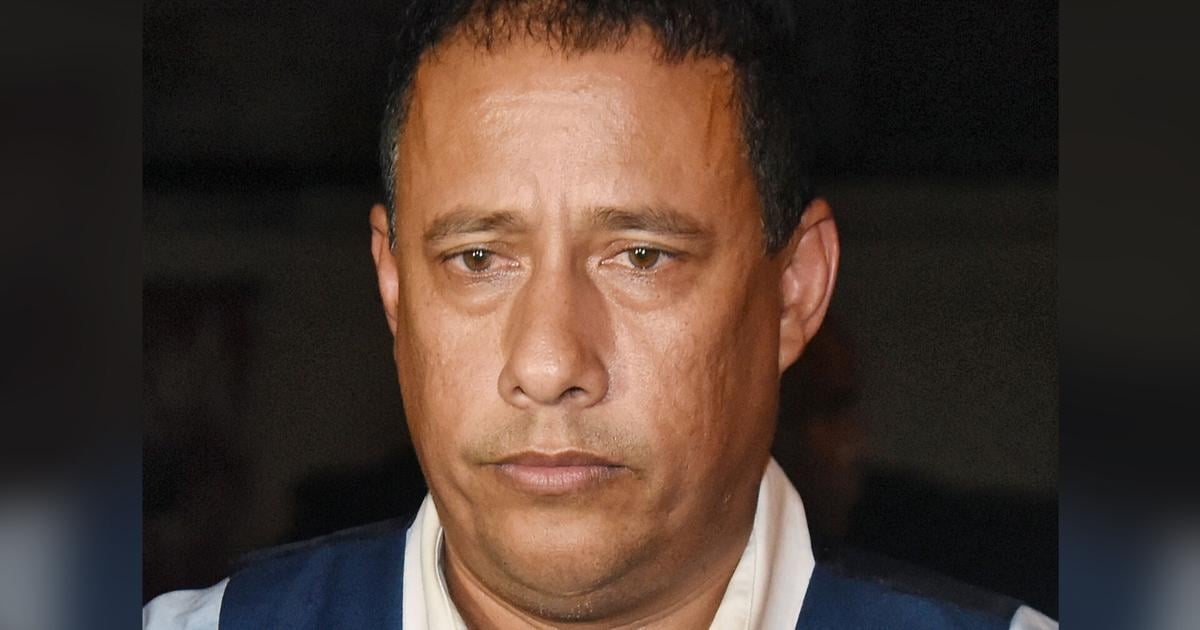
    Authorities in Tobago have declared a state of emergency following the deliberate sabotage of four critical water wells, an act being characterized as ‘domestic terrorism.’ The Water and Sewerage Authority (WASA) confirmed that coordinated vandalism targeting electrical systems at high-production facilities has resulted in the loss of 2.1 million gallons of daily water output, severely impacting seventeen communities across the island.

    The affected wells—Arnos Vale Well #4, Bacolet Well #3, Bloody Bay Well #1, and Claude Noel Highway Well—were systematically disabled between 11 p.m. and 3 a.m. on Saturday. WASA Chief Executive Dain Maharaj described the operation as ‘well-planned and well-coordinated,’ noting that perpetrators specifically targeted infrastructure vital to Tobago’s water distribution network.

    In response to the crisis, the Tobago House of Assembly (THA) has partnered with WASA to implement emergency restoration protocols and enhance security measures. Ricky Joefield, THA Secretary for Public Utilities, confirmed that technical teams are conducting repairs while truck-borne water supplies are being deployed to affected households, hotels, and businesses. Security patrols have been intensified around all WASA facilities, with plans to install additional CCTV surveillance systems.

    Law enforcement agencies are investigating the incident, with penalties for convicted saboteurs including substantial fines and imprisonment. WASA has established emergency hotlines (639-6850, 639-6853, 639-9272) for water requests and encourages citizens to report suspicious activity via 465-2949.

    As of last night, WASA reported successful restoration of three primary wells—Arnos Vale, Bacolet, and Claude Noel Highway—with water quality testing underway at Bloody Bay Well #1 before full reactivation. The authority is developing an interim distribution schedule to mitigate impacts during the upcoming Easter holiday period, though repair cost assessments remain pending.

  • Too broken for a hearse

    Too broken for a hearse

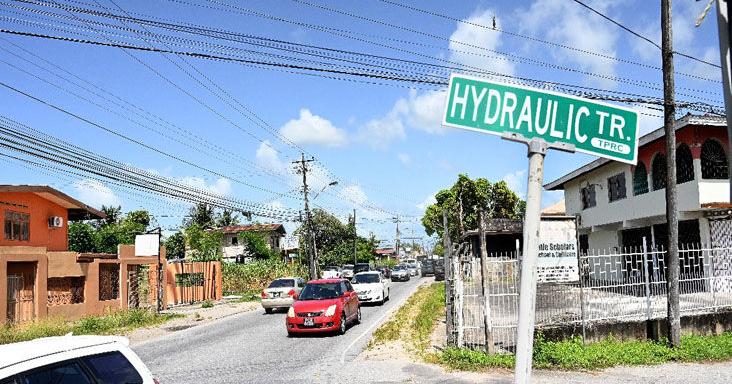
    The Ravine Sable community in Longdenville, Central Trinidad, faces an infrastructure crisis of such severity that it has fundamentally disrupted both life and death. The community’s main access road has deteriorated into an impassable hazard, recently forcing a funeral home to refuse hearse service. This left grieving residents unable to bring a deceased neighbor home for a final farewell, compelling them to hold services in a distant town center instead.

    This incident epitomizes a decades-long neglect. Senior citizen Madho Siew, a 30-year resident, confirmed the road was last properly paved in 1995. The situation has been severely exacerbated by over 50 daily ten-wheeler trucks accessing a local sandpit, traffic for which the road was never engineered. These heavy vehicles systematically destroy the pavement and generate suffocating dust clouds.

    The consequences are multifaceted and severe. Resident Sukdai Jogie, 72, suffers from chronic dust-induced coughing, a diagnosed medical condition directly attributed to her proximity to the road. The financial burden on residents is crushing; one newcomer reported spending nearly $30,000 on six separate vehicle repairs in just over a year. Local mechanic Darrion’s Automotive Mechanical Services confirms 75% of community vehicles require frequent suspension repairs, costing between $8,000-$15,000, leaving many cars abandoned as unaffordable fixtures.

    Public transport offers little relief. Taxis frequently refuse the route, and those that do charge exorbitant fares up to $50 for a single trip after dark. In the absence of government action for nearly a decade, community contractor Donny Parasram Sookdeo has become an unlikely guardian. He has personally absorbed thousands in costs to conduct patchwork repairs and clear overgrown vegetation, calling it his way of “giving back.”

    Residents now pin their hopes on a new government and their active MP, Dr. Rishad Seecheran, pleading for a permanent solution that will restore not just their road, but their dignity, health, and financial stability.

  • Expect patient delays at NCRHA facilities

    Expect patient delays at NCRHA facilities

    A severe nursing service disruption brought healthcare facilities under the North Central Regional Health Authority (NCRHA) to the brink of shutdown during the Easter weekend, prompting urgent patient diversions to neighboring regional health authorities. The Trinidad and Tobago National Nursing Association (TTNNA) issued a formal advisory urging the public to avoid NCRHA-operated hospitals and emergency facilities, recommending alternative care at institutions managed by the NWRA, ERHA, and SWRHA instead.

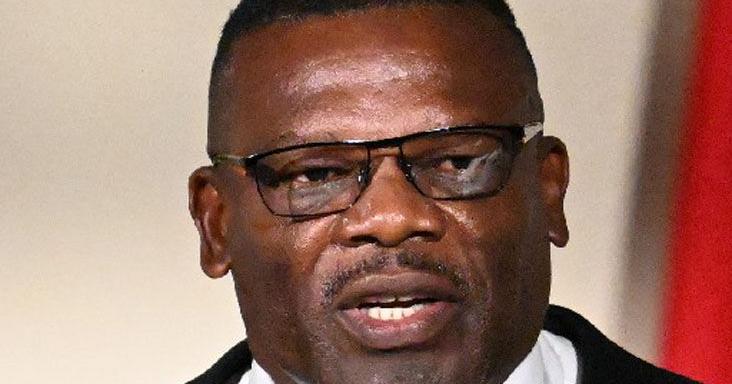
    TTNNA President Idi Stuart described the situation as “highly emotional and fluid,” identifying NCRHA Chairman Dr. Tim Gopeesingh’s removal as the critical requirement for restoring normal operations. The crisis most severely impacted major medical centers including the Eric Williams Medical Sciences Complex, Mount Hope Women’s Hospital, and Caura Hospital, with significant staff shortages also reported at Chaguanas and Arima District Health Facilities.

    The association outlined four primary grievances: unpaid February wages, reduction of overtime compensation from $75 to $60, demands for standardized overtime pay equivalent to other staff, and restricted extra duty opportunities despite persistent staffing shortages. Stuart attributed these directives directly to Chairman Gopeesingh, noting they have forced procedure cancellations, patient rerouting, and created life-threatening delays in medical care.

    Stuart escalated the matter to national leadership, calling directly on Prime Minister Kamla Persad-Bissessar to remove Gopeesingh from his position, characterizing him as a “loose cannon” whose actions are creating dangerous ripple effects throughout the healthcare system. The chairman had previously labeled Stuart a “lying coward” in public statements, though the nursing representative declined to engage in what he termed “gutter politics.”

    On-site observations at the EWMSC Emergency Department revealed dozens of patients experiencing extended wait times, with one individual reporting having navigated multiple facilities since 10 p.m. the previous evening. Another patient expressed frustration after waiting five hours without prior knowledge of the nursing action, while acknowledging understanding the nurses’ professional plight.

  • War over $21m land deal

    War over $21m land deal

    A contentious $21 million real estate transaction has been identified as the primary motive behind the assassination of prominent Trinidadian businessman Danny Guerra, who was fatally shot outside his DG Homes office in Sangre Grande on March 13. According to multiple investigative sources, the dispute centered on a strategically located parcel of land near Paharry Junction along Toco Main Road, originally intended for mixed commercial and residential development.

    Law enforcement officials confirm the killing exhibits all characteristics of a professionally executed contract murder, with the price tag believed to be approximately $600,000. The conflict emerged when Guerra allegedly seized complete control of the land acquisition from his business associate who initially brokered the deal. “He handled everything behind the man’s back and cut him out completely,” revealed an anonymous source close to the investigation. “From that point, it was war.”

    Investigators are focusing on the disgruntled business associate who possessed detailed knowledge of Guerra’s daily routines and movements. This individual is suspected of providing critical intelligence to the assassins, who reportedly tracked Guerra for several days prior to the shooting. On the day of his murder, Guerra had visited the US Embassy in Port of Spain, possibly to obtain travel documents, indicating he was aware of potential threats to his safety.

    The investigation has uncovered potential gang connections, with authorities suspecting the involvement of the Valencia-based Anybody Gets It (ABG) gang. Intelligence sources suggest the killing may have served dual purposes: settling the personal business dispute while simultaneously weakening the rival Resistance Gang, which Guerra was believed to financially support through his quarrying operations.

    While police initially considered alternative motives including previous equipment disputes and potential prison-orchestrated plots, these avenues have yielded minimal evidence. The land dispute remains the most substantiated theory, overshadowing speculation about political motivations or previous criminal associations.

    Guerra’s business empire, built through dominant control of the Eastern Division’s quarrying industry, had previously drawn law enforcement scrutiny. In November 2025, he was detained under a Preventative Detention Order for alleged connections to organized crime, including illegal quarrying, arms trafficking, and money laundering. Though released in January after legal challenges, investigators were reportedly preparing a new detention order based on intercepted communications discussing planned attacks at the time of his death.

    The aftermath continues to unfold with retaliatory violence already emerging, including the recent killing of quarry supervisor Rondell Adolphus. Intelligence sources warn additional targets connected to Guerra’s network have been identified, indicating the initial assassination may trigger further violence in the region.

  • ‘RANT LESS, WORK MORE’

    ‘RANT LESS, WORK MORE’

    A political confrontation has erupted in Trinidad and Tobago over the government’s controversial school policing program, with Opposition Leader Pennelope Beckles delivering a sharp critique of Prime Minister Kamla Persad-Bissessar’s leadership approach. The dispute centers on the Schools-Oriented Policing Programme implemented by the ruling UNC government.

    Beckles utilized social media platforms to challenge the Prime Minister directly, stating that the nation’s children deserve substantive policy rather than “hot air in a plastic bag” and social media rants. This response came after Persad-Bissessar accused the opposition PNM party of attempting to remove police protections from schools, describing their actions as demonstrating “neglect and hatred of our nation’s children.”

    The controversy stems from parliamentary debates initiated by former education minister Dr. Nyan Gadsby-Dolly, who characterized the armed police initiative as “poorly thought out” and “unsustainable.” During Friday’s parliamentary session, Education Minister Dr. Michael Dowlath and Homeland Security Minister Roger Alexander faced scrutiny over the program’s implementation details and alleged lack of stakeholder consultation.

    Beckles asserted that the policing initiative has proven ineffective, noting that “We cannot police our nation’s youth into righteousness.” She emphasized that school violence represents a complex societal issue requiring comprehensive solutions rather than reactive measures. The Opposition Leader particularly criticized the reduction of critical support staff including guidance counselors and school social workers while simultaneously deploying police officers without clear operational frameworks.

    The Opposition Leader called for evidence-based strategies addressing root causes of school violence, accusing the government of focusing exclusively on expulsions and arrests without developing preventive measures. Beckles condemned the Prime Minister for presiding over what she described as a failed initiative that has not reduced school violence, while highlighting the government’s responsibility to manage the education sector effectively.

    This political clash reflects deeper divisions regarding public safety approaches and educational policy in Trinidad and Tobago, with both leadership figures presenting contrasting visions for addressing school security concerns.

  • Alexander blames border failures for kidnapping surge

    Alexander blames border failures for kidnapping surge

    During a parliamentary session marked by intense questioning, Homeland Security Minister Roger Alexander attributed Trinidad and Tobago’s current kidnapping epidemic to the previous administration’s failure to secure national borders. While avoiding direct confirmation of Venezuelan involvement in kidnapping rings, Alexander emphasized that security forces are actively dismantling criminal gangs responsible for these activities.

    The parliamentary debate was triggered by Opposition MP Marvin Gonzales demanding government action against the surge in kidnappings. Minister Alexander defended current security measures, stating: ‘We inherited this crisis due to reckless border policies and registration processes. Our multi-agency approach involving Police Service, Coast Guard, Defence Force and Immigration authorities ensures such incidents won’t recur.’

    This response followed Wednesday’s successful maritime rescue operation of kidnap victim Tara Poliah, which Police Commissioner Allister Guevarro hailed as a breakthrough against cross-border criminal networks. Eleven suspects, predominantly Venezuelan nationals, were apprehended in connection with this case.

    Opposition MP Colm Imbert challenged Alexander to address growing concerns about Venezuelan kidnapping rings operating within Trinidad and Tobago. The minister cautiously responded that he intends to preserve police intelligence integrity while acknowledging evident patterns from recent maritime operations.

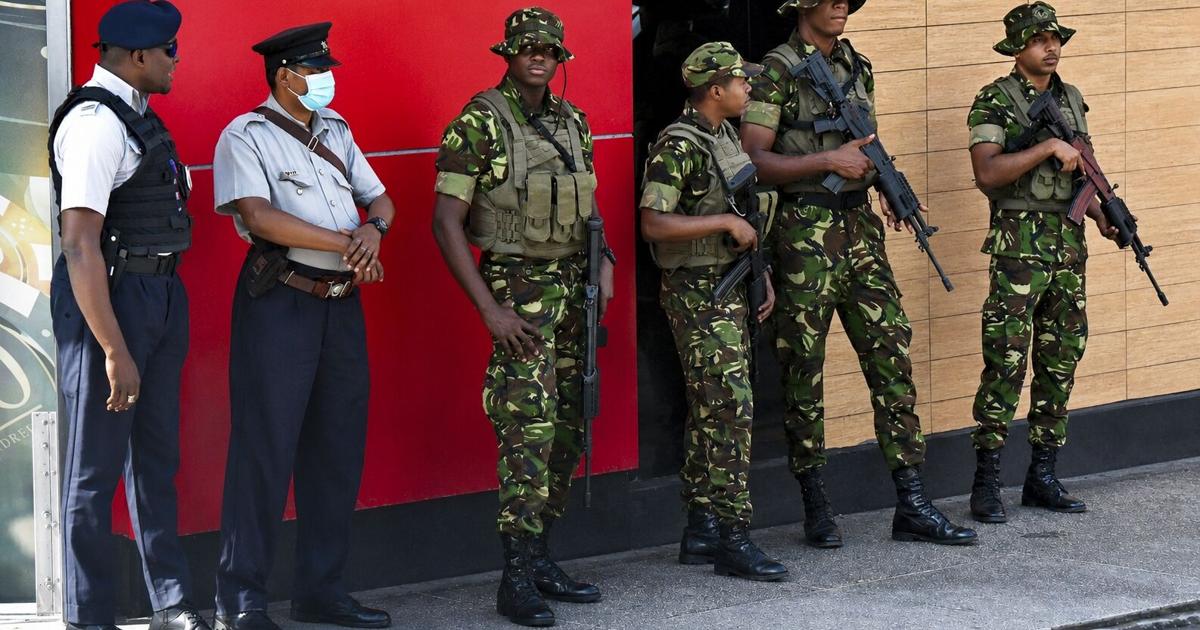
    The session expanded to include community security concerns when Opposition MP Stuart Young questioned protective measures for Belmont constituents following Thursday’s fatal shooting during the state of emergency. Alexander confirmed enhanced security deployments, increased preventive detention orders, and ongoing firearm seizures throughout Port of Spain.

    The minister notably revealed that 137 Belmont residents have petitioned for implementing Zones of Special Operations (ZOSO) in their area, indirectly criticizing Young’s representation. However, the Speaker blocked subsequent questions regarding canceled social programs and training initiatives in the constituency.

  • ‘Irreparable harm’ to Caricom

    ‘Irreparable harm’ to Caricom

    Trinidad and Tobago’s Foreign Minister Sean Sobers has launched a formal condemnation against the Caribbean Community (CARICOM), alleging procedural violations in the reappointment of Secretary-General Dr. Carla Barnett. During a parliamentary address on Thursday, Minister Sobers characterized the process as ‘surreptitious’ and fundamentally damaging to the regional body’s integrity.

    The controversy centers on claims that Trinidad and Tobago—CARICOM’s largest financial contributor—was systematically excluded from decision-making processes. Minister Sobers revealed that the nation provides approximately $127 million annually to various CARICOM institutions, representing 22% of the organization’s total budget. This substantial investment includes $35.5 million to the CARICOM Secretariat, $25 million to the Development Fund, and significant allocations to agencies including CARPHA ($14 million) and the Caribbean Examinations Council ($10.3 million).

    According to Sobers, the first indication of Dr. Barnett’s reappointment came via telephone on March 24, despite the matter never appearing on official agendas during February’s 50th Regular Meeting in St. Kitts. The minister emphasized that neither the preliminary Community Council discussions nor the final Plenary Session included this critical decision, with subsequent communiqués and decision summaries similarly omitting any reference to the reappointment.

    Prime Minister Kamla Persad-Bissessar has aligned with her minister’s position, publicly declaring non-support for Barnett’s continued leadership and signaling intentions to reduce Trinidad and Tobago’s financial commitments to CARICOM. The government maintains that any decisions made without proper participation of all member states violate Article 24 of the Revised Treaty of Chaguaramas, rendering them ‘ultra vires’ or beyond legal authority.

    Despite this confrontation, Minister Sobers reaffirmed Trinidad and Tobago’s commitment to CARICOM’s revitalization, particularly emphasizing the importance of the regional market where Trinidad serves as both largest importer and exporter of goods. The government has called for emergency discussions during the upcoming July meeting in St. Lucia, demanding increased transparency and adherence to established protocols for all future decisions.

  • Moonilal, Young apologise for name-calling

    Moonilal, Young apologise for name-calling

    Trinidad and Tobago’s Parliament witnessed a heated exchange between Energy Minister Dr. Roodal Moonilal and Opposition MP Stuart Young, culminating in mutual apologies after devolving into personal insults during official proceedings. The confrontation emerged during questioning about procurement practices at state-owned energy companies.

    MP Young initiated the inquiry by demanding transparency regarding Phoenix Park Gas Processors Ltd’s alleged acquisition of medical imaging equipment, specifically a GE MRI machine and CT scanner. He pressed for details including the supplier identity, individual item costs, and procurement methodology. Minister Moonilal categorically denied any such procurement activities by PPGPL.

    The exchange intensified when Young questioned whether PPGPL and National Gas Company (NGC) chairman Gerald Ramdeen had instructed staff to cancel orders from original manufacturer GE and redirect procurement to an inexperienced vendor. Moonilal’s dismissive response prompted Young to label him a “class clown,” triggering intervention from House Speaker Jagdeo Singh who mandated an apology.

    The scrutiny extended to NGC’s executive appointments, particularly the hiring of vice-president of Finance Shiva Ramnarine. Minister Moonilal detailed a rigorous September 2025 recruitment process involving five candidates, emphasizing compliance with NGC’s employment policies. Young attempted to question Ramnarine’s professional history, suggesting previous terminations from Caribbean Airlines and Telecommunications Services of Trinidad and Tobago, but the Speaker ruled these inquiries irrelevant.

    Further controversy arose regarding the Cabinet-appointed committee for reopening the Guaracara refinery. Moonilal disclosed that former energy minister Kevin Ramnarine chairs the committee, confirming that no members have received compensation to date. The minister clarified that Trinidad Petroleum Holdings Ltd would administer honoraria payments pending government and board approvals.