标签: Suriname

苏里南

  • China waarschuwt VS: Gebruik geen andere landen als voorwendsel voor Groenlandbeleid

    China waarschuwt VS: Gebruik geen andere landen als voorwendsel voor Groenlandbeleid

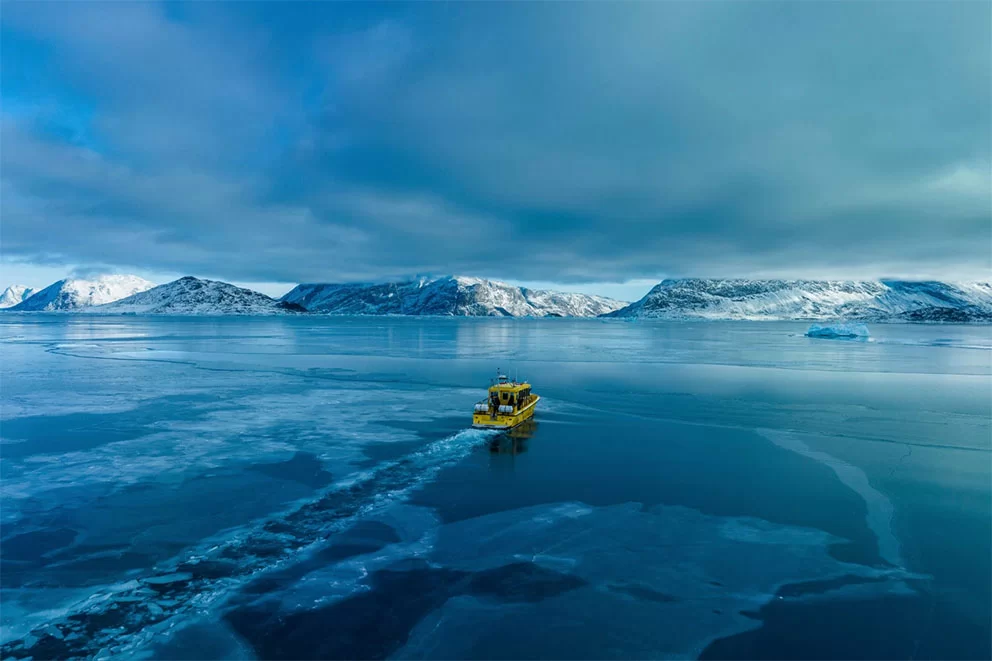
    China has issued a formal statement cautioning the United States against employing other countries as “pretexts” to advance its strategic interests in Greenland, while simultaneously affirming that Beijing’s Arctic activities strictly comply with international law. The diplomatic declaration came during a regular press briefing at China’s Foreign Ministry in response to growing tensions surrounding U.S. President Donald Trump’s expressed interest in acquiring the semi-autonomous Danish territory.

    The geopolitical landscape has intensified significantly this month as Washington pushes forward with its Arctic ambitions, even considering military options to secure control over the vast island. This aggressive posture has triggered strong reactions from both Danish and Greenlandic leadership. Danish Prime Minister Mette Frederiksen issued a stark warning that any American acquisition attempt could potentially spell the end of NATO itself.

    In a powerful show of unity, Greenland’s Premier Jens-Frederik Nielsen joined forces with leaders from four additional parliamentary parties to release a joint statement asserting that Greenland’s future must be determined exclusively by its own people. The declaration explicitly called for an end to what they characterized as “U.S. contempt for our nation.”

    President Trump reiterated his position aboard Air Force One on Sunday, maintaining that the United States “must take” Greenland to prevent Russian or Chinese acquisition, preferring a negotiated agreement while suggesting it would happen “one way or another.”

    China, which has positioned itself as a “near-Arctic state” since 2018 to expand its regional influence, has announced ambitious plans for a “Polar Silk Road” as part of its global Belt and Road Initiative. Foreign Ministry spokesperson Mao Ning emphasized that China’s Arctic activities focus exclusively on promoting peace, stability, and sustainable development in accordance with international law. While not explicitly mentioning Greenland, Mao stressed that the Arctic region holds significance for the entire international community and that all nations’ rights to operate in the area should be respected.

    The diplomatic developments set the stage for crucial talks this week between Danish and Greenlandic representatives and U.S. officials in Washington, complemented by planned visits of American senators to Denmark.
  • Dossier houtexport 5 – Advocaat Staat: rechter veroordeelt Suriname tot het plegen misdrijf

    Dossier houtexport 5 – Advocaat Staat: rechter veroordeelt Suriname tot het plegen misdrijf

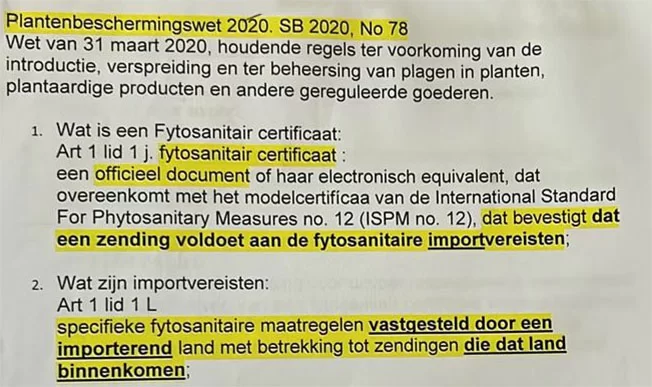
    In a landmark legal development that has sparked constitutional concerns, Suriname’s government has been ordered by a court to deliberately falsify phytosanitary certificates for timber exports, raising fundamental questions about judicial authority and administrative ethics.

    Attorney Diepak Jairam, representing the State in the timber export case, revealed that the court’s emergency ruling effectively compels the government to commit what constitutes a criminal offense. The court mandated that officials issue phytosanitary certificates – internationally recognized authentic documents – falsely identifying timber species as ‘Mora roundlogs’ when the exported wood actually comprises entirely different species.

    “This isn’t merely an administrative formality but the deliberate falsification of an official international document,” Jairam emphasized in discussions with Starnieuws. “The court has ordered the State to consciously place incorrect information on an authentic document, which transcends normal administrative action and enters the realm of criminal behavior.”

    During proceedings on December 30th, Jairam explicitly requested the judge distinguish between routine administrative actions – governed by general principles of proper administration – and actions constituting criminal offenses. “The court was essentially ordering the commission of a crime, not merely tolerating policy,” Jairam stated.

    Notably, the judge acknowledged that accurate timber identification would prevent export to India, yet proceeded to issue the controversial order on New Year’s Eve. Jairam characterized the verdict as “inherently contradictory and legally problematic,” comparing it to “allowing a burglary because the perpetrator has already invested in breaking in.”

    The attorney clarified that principles of proper administration cannot apply to criminal acts: “With offenses, there are no interest assessments or reasonableness tests. The simple rule applies: it must stop.”

    The State has now filed an appeal, transforming the dispute beyond timber exports into a constitutional question: Can courts legally compel governments to deliberately falsify information on internationally recognized certificates? This case establishes a precarious precedent regarding the separation of powers and the limits of judicial authority over administrative functions.

  • Trump waarschuwt voor oliecrisis; suggereert deal Cuba – VS

    Trump waarschuwt voor oliecrisis; suggereert deal Cuba – VS

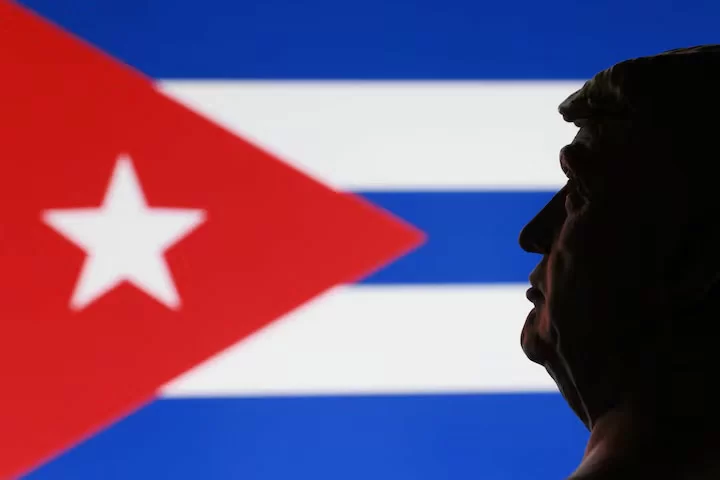
    President Donald Trump has issued a stark warning to Cuba through his Truth Social platform, declaring that the island nation will no longer receive oil or financial support from Venezuela and urging Cuban leadership to negotiate with Washington “before it’s too late.”

    The warning comes amid significant geopolitical shifts following the apprehension of Venezuelan President Nicolás Maduro by U.S. forces. Trump has since pressured Venezuela’s interim president Delcy Rodríguez to redirect Venezuelan oil exports to the United States, potentially cutting off Cuba’s primary energy supplier.

    “Cuba lived for many years receiving large amounts of oil and money from Venezuela,” Trump stated in his social media post. “No more oil or money is going to Cuba – Zero! I strongly recommend that they make a deal.”

    According to intelligence assessments reviewed by Reuters, U.S. intelligence agencies present a grim picture of Cuba’s economic and political stability, though their analyses stop short of fully endorsing Trump’s prediction that the island is “ready to fall.” Three sources familiar with confidential intelligence reports indicate that while Cuba faces severe challenges, the situation may not be immediately catastrophic.

    The CIA assessment highlights critical vulnerabilities in Cuba’s agricultural and tourism sectors, which have been battered by frequent power outages, trade sanctions, and other systemic issues. The potential loss of oil imports and other support from Venezuela—a decades-long ally—would significantly complicate governance for the administration that has ruled since Fidel Castro’s 1959 revolution.

    Shipping data and documents from Venezuela’s state oil company PDVSA reveal the devastating impact such a cutoff would have: between January and November of last year, Venezuela shipped an average of 27,000 barrels per day to Cuba, covering approximately 50% of the island’s oil deficit.

  • Column: De wereld draait om handel, maar de mens blijft gevangen in conflict

    Column: De wereld draait om handel, maar de mens blijft gevangen in conflict

    Amid escalating global tensions, a concerning pattern of selective international attention has emerged in conflict reporting. While Venezuela’s political crisis dominates headlines due to its substantial oil reserves, other humanitarian emergencies in Sudan and Syria remain largely overlooked by global media.

    The ongoing Russia-Ukraine conflict continues to destabilize European security, while simmering tensions in South Asia present additional threats to regional stability. These developments collectively demonstrate how economic considerations frequently dictate geopolitical priorities and media coverage.

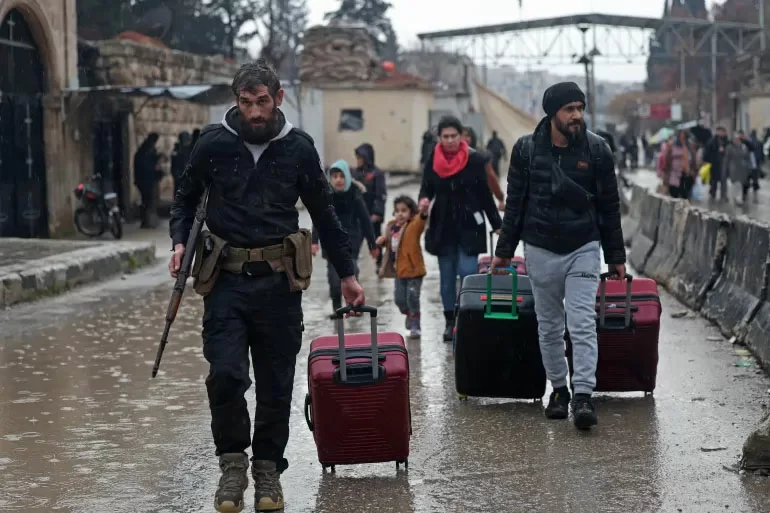
    Behind these strategic calculations lies profound human suffering. Civilian populations bear the ultimate cost of geopolitical maneuvering, experiencing displacement, economic hardship, and personal tragedy. In Syria, residents of Aleppo’s Sheikh Maqsoud district have been forced to evacuate following military warnings, adding to the country’s existing refugee crisis.

    The economic consequences extend beyond conflict zones, with rising global energy and food prices disproportionately affecting vulnerable communities worldwide. Daily life becomes increasingly challenging as educational opportunities diminish, healthcare systems deteriorate, and employment prospects vanish.

    This coverage disparity reveals an uncomfortable truth: conflicts involving significant economic interests receive disproportionate attention and resources, while humanitarian crises without clear economic implications often fade from public consciousness. The very mechanisms that should ensure balanced reporting instead reinforce existing power structures and economic priorities.

    Addressing this imbalance requires conscious effort to recognize human dignity beyond economic calculations. Sustainable peace and stability depend not on geopolitical strategy alone, but on consistent commitment to protecting fundamental human rights across all conflicts, regardless of their economic significance.

  • Dossier houtexport 4: Aangifte in houtzaak niet aangenomen na overleg met OM

    Dossier houtexport 4: Aangifte in houtzaak niet aangenomen na overleg met OM

    In a significant development within Suriname’s ongoing forestry sector controversy, the Public Prosecutor’s Office has refused to register a criminal complaint filed by representatives of the Ministry of Agriculture, Livestock and Fisheries (LVV) and state attorney Diepak Jairam regarding alleged document falsification in timber exports.

    The attempted complaint, targeting officials involved in issuing phytosanitary certificates with incorrect timber designations, was rejected following coordination between the Fraud Department and public prosecutors. Alice Saki, Head of the Fraud Department, engaged in extensive discussions with LVV representatives and made multiple attempts to obtain authorization from the Public Prosecutor’s Office, all of which were ultimately denied.

    According to attorney Jairam’s explanation to Starnieuws, the Public Prosecutor’s Office justified its refusal by considering the matter ‘settled’ due to a previous civil summary proceeding. In that case, the court had ordered the State to issue phytosanitary certificates on a one-time basis. Jairam strongly contests this interpretation, stating: ‘This is not a civil matter but involves potential criminal offenses, specifically the deliberate placement of false designations on authentic international documents.’

    The attorney expressed shock at the refusal, emphasizing that Suriname’s legal system contains no barriers to pursuing criminal prosecution alongside civil proceedings. ‘A civil judgment does not preclude criminal prosecution. On the contrary: when a crime has been committed, it must be investigated,’ Jairam argued, calling it ‘unthinkable’ that a potential criminal case could be averted by invoking a civil ruling.

    In a separate but related development, after intensive negotiations and repeated insistence, authorities granted permission to file a complaint against a specific timber company alleged to have used forged or misleading documentation. This company had initially received approval to treat wood destined for China but subsequently shipped it to India while making alterations to official documents. Notably, this company was not among the six exporters who had filed the summary proceeding against the State.

    Jairam confirmed that further actions are being prepared, including directly addressing the Attorney General. ‘This is a serious matter. We are determined to see this case through to the end,’ the attorney emphasized, indicating that the dossier will be forwarded to the leadership of the Public Prosecutor’s Office.

  • Bestuurder aangehouden met drugs na vlucht bij politiecontrole

    Bestuurder aangehouden met drugs na vlucht bij politiecontrole

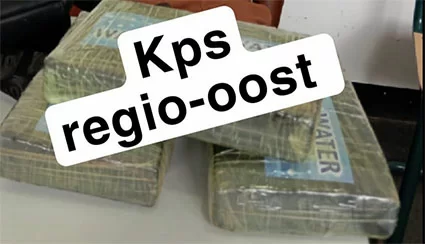
    In a significant law enforcement operation on Saturday, Moengo Station police successfully apprehended a suspect for alleged violations of the Netherlands’ Narcotics Law. The incident unfolded when authorities at the Stolkertsijver checkpoint reported that a driver operating a Toyota Vitz had refused vehicle inspection and fled at high speed toward Moengo.

    Acting swiftly on this intelligence, Moengo police established strategic positions along the East-West Connection roadway to intercept the suspect vehicle. According to Police Region East officials, the target vehicle was identified shortly thereafter, and the driver complied with police signals to stop.

    A comprehensive search of the automobile revealed a substantial quantity of illicit narcotics and associated drug paraphernalia concealed within the vehicle. The driver, identified by authorities as V.E.G., was immediately designated as a formal suspect and taken into custody.

    The suspect, along with all confiscated narcotics and related evidence, has been transferred to the Narcotics Division for further investigation. Following consultation with the Public Prosecutor’s Office, V.E.G. has been formally remanded into police custody pending further judicial proceedings.

  • Panka benadrukt gezamenlijke aanpak voor duurzame groei toerisme

    Panka benadrukt gezamenlijke aanpak voor duurzame groei toerisme

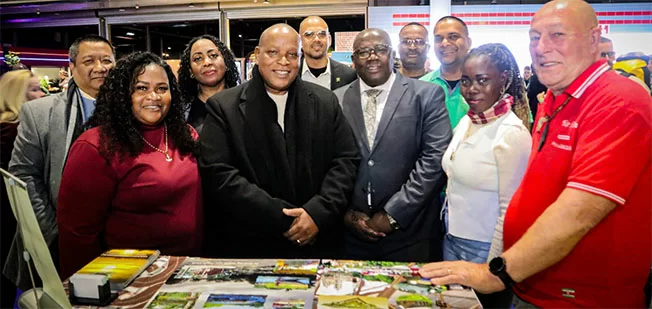
    Suriname has reinforced the strategic significance of the Dutch market for its tourism development following its successful participation in the recent Vakantiebeurs Utrecht travel exhibition. Ambassador Ricardo Panka, leading the Surinamese delegation, emphasized the critical importance of sustained public-private collaboration in driving the sector’s sustainable growth.

    During the event, Ambassador Panka articulated that the evolving global tourism landscape necessitates a redefined governmental role focused on facilitation and financial support, while private entities should spearhead innovation, implementation, and market alignment. “This synergistic approach consistently yields tangible outcomes within the tourism industry,” Panka stated, highlighting the successful joint presentation between government representatives and private entrepreneurs at the Surinamese pavilion.

    The ambassador underscored that the Netherlands remains Suriname’s primary source market for tourist arrivals, demanding consistent and targeted presence on international platforms. “With the majority of our visitors originating from the Netherlands, maintaining visibility, nurturing relationships, and continuously refining our tourism products according to market expectations becomes imperative,” he explained.

    Suriname’s exhibition strategy reflected this integrated vision, presenting the nation not merely as a travel destination but as a country committed to collaboration, sustainability, and quality. Tourism is increasingly approached as a comprehensive sector with strong linkages to cultural preservation, environmental conservation, local economic development, and job creation.

    The conclusion of the trade fair marks the beginning of deepened cooperation models, positioning the Vakantiebeurs Utrecht as both a promotional platform and a confirmation of Suriname’s strategic direction. Public-private partnerships now form a fundamental pillar supporting Suriname’s international positioning and the future trajectory of its tourism industry.

  • Guyana wijst bemiddeling VS over grensgeschil met Venezuela resoluut af

    Guyana wijst bemiddeling VS over grensgeschil met Venezuela resoluut af

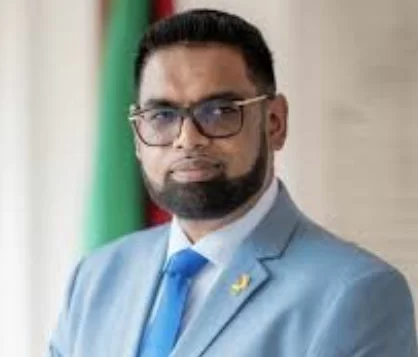
    President Irfaan Ali of Guyana has emphatically declared that his nation will not enter into any diplomatic agreements with the United States or other countries to amicably resolve its longstanding border dispute with Venezuela. The statement, delivered on Saturday during a press briefing following the inauguration of the AC Marriott Hotel near Eugene F. Correia International Airport, underscores Guyana’s unwavering position on territorial sovereignty.

    “My paramount commitment remains ensuring the security of the Guyanese people and safeguarding our borders, territorial integrity, and sovereignty,” President Ali asserted. “These fundamental principles are non-negotiable and will never be compromised.”

    The declaration comes amid growing international speculation that the Trump administration might pressure both nations toward a diplomatic resolution, partially motivated by potential access to oil and gas reserves in the contested Essequibo region. While no formal request has been made by the U.S. government, analysts suggest behind-the-scenes diplomatic maneuvers could be underway.

    Guyana maintains confidence in its legal position before the International Court of Justice, where the validity of the 1899 Arbitral Award forms the cornerstone of its case. Venezuela continues to claim sovereignty over the approximately 160,000-square-kilometer Essequibo territory and adjacent maritime zones, believed to contain substantial petroleum resources.

    President Ali also addressed broader regional security concerns, warning that recent geopolitical developments—including U.S. actions against Venezuelan leadership—could significantly alter the security and democratic landscape throughout Latin America. He emphasized that Guyana must remain vigilant against international criminal networks that exploit geopolitical instability.

    The president highlighted Guyana’s significant achievement in reducing serious crime by 25.5% in 2025—reaching the lowest level in a decade—attributing this success to technological innovations in law enforcement and enhanced community cooperation programs.

  • Iran dreigt terug te slaan als de VS aanvalt

    Iran dreigt terug te slaan als de VS aanvalt

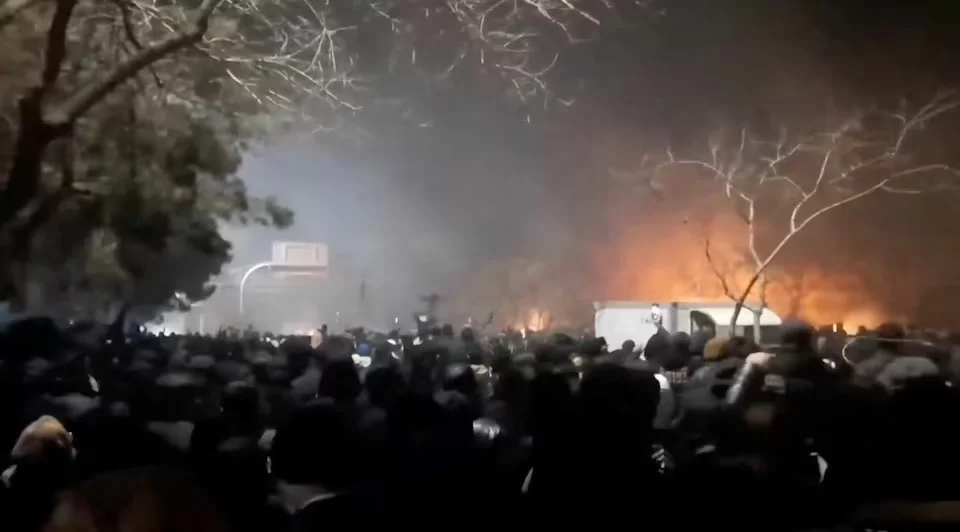
    Iran’s political leadership issued stark warnings on Sunday, threatening military retaliation against American bases and Israeli territories if provoked, as the nation grapples with its most significant anti-government demonstrations since 2022. Parliamentary Speaker Mohammad Baqer Qalibaf, a former Revolutionary Guard commander, declared that “occupied territories (Israel) and all US bases and ships will become our legitimate targets” in response to any external attack.

    The unrest originated on December 28th as economic protests against soaring prices but has rapidly evolved into direct opposition against the clerical establishment that has ruled since the 1979 Islamic Revolution. Iranian authorities have accused the United States and Israel of instigating the turmoil, with Police Chief Ahmad-Reza Radan confirming intensified security operations against what he termed “rioters.

    Human rights organization HRANA has documented 116 fatalities, primarily protesters but including 37 security personnel, though comprehensive verification remains challenging due to government-imposed internet restrictions. State television broadcast footage of dozens of body bags at a Tehran morgue, attributing the casualties to “armed terrorists” allegedly responsible for the violence.

    Israeli security officials confirmed elevated alert status amid potential US intervention scenarios, while maintaining that the protests represent an internal Iranian matter. The military establishment stated readiness to respond “with force if necessary” while monitoring developments defensively.

    The protests occur against a complex geopolitical backdrop, with Iran still recovering from last year’s twelve-day war with Israel that involved brief US intervention targeting nuclear facilities. Regional analysts note Tehran’s weakened position following setbacks to allies like Hezbollah since Hamas-led attacks on Israel in October 2023.

    President Masoud Pezeshkian utilized a televised interview to frame the unrest as foreign-engineered destabilization, pleading with families to prevent youth participation with what he characterized as “terrorists who behead people and kill others.” Simultaneously, he promised governmental willingness to address economic grievances.

    Social media circulated videos showing substantial nighttime gatherings in Tehran’s Punak district, where protesters drummed on bridge railings and metal objects in apparent defiance, while other footage captured massive crowds marching through streets with synchronized chanting. State television counter-programmed with funeral processions in western cities for security forces killed during the unrest.

  • ExxonMobil noemt Venezuela ‘niet investeerbaar’

    ExxonMobil noemt Venezuela ‘niet investeerbaar’

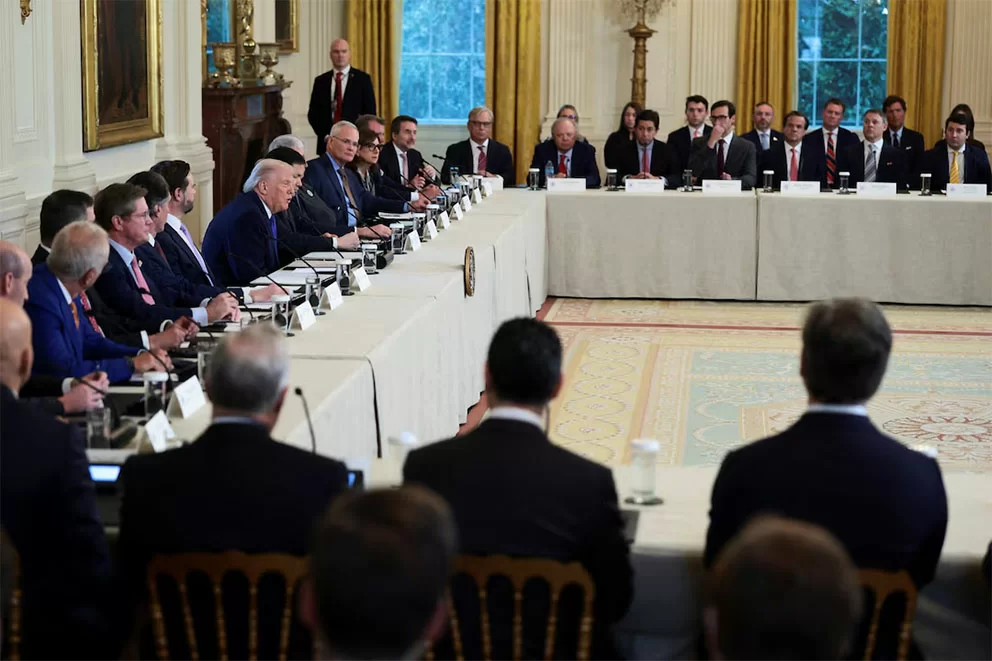
    In a high-stakes meeting at the White House, ExxonMobil CEO Darren Woods delivered a stark assessment of Venezuela’s investment climate during discussions with President Donald Trump, Vice President JD Vance, and Secretary of State Marco Rubio. Despite recent geopolitical shifts that saw the removal of Nicolás Maduro’s administration, Woods unequivocally stated that Venezuela remains ‘uninvestable’ without comprehensive legal and institutional reforms.

    Woods emphasized the necessity of robust investment protections, citing ExxonMobil’s two previous experiences with nationalization in the country. ‘We’ve lost our assets there twice through nationalization,’ Woods noted. ‘Returning for a third time requires significant changes from what we’ve observed historically and currently.’ The energy giant insists on fundamental modifications to Venezuela’s oil and gas legislation before considering reentry, contingent on deploying technical teams to evaluate industry infrastructure under adequate security conditions.

    The meeting revealed divergent perspectives among major energy corporations. Chevron, currently the only U.S. oil major operating in Venezuela, expressed optimism about rapidly scaling production. Vice Chairman Mark Nelson projected an immediate doubling of output through joint ventures with state-owned PDVSA, with further growth anticipated within 18-24 months, though acknowledging dependence on political and economic stability.

    Meanwhile, ConocoPhillips continues seeking billions in compensation from Venezuela for past nationalizations. CEO Ryan Lance emphasized the need for PDVSA reorganization and the crucial role of financial institutions in facilitating infrastructure investments.

    President Trump conveyed confidence in recovering investments and forging a new beginning, while industry leaders maintained that Venezuela’s substantial oil reserves remain inaccessible without fundamental reforms that guarantee investor protection and sustainable operational frameworks.