标签: Suriname

苏里南

  • Trump dreigt Iran over hardhandig optreden tegen protesten

    Trump dreigt Iran over hardhandig optreden tegen protesten

    Amid escalating civil unrest in Iran, U.S. President Donald Trump issued a stark warning on Friday, threatening to support Iranian protesters if security forces employ violence against them. This declaration comes as Iran faces its most severe domestic crisis in years, with widespread demonstrations against soaring inflation and economic hardship resulting in multiple casualties.

    “We stand ready and are fully prepared,” Trump declared via social media, echoing his administration’s previous military actions against Iranian nuclear facilities earlier this year in coordination with Israeli airstrikes targeting Tehran’s atomic program and military leadership.

    Iran’s influential senior official Ali Larijani swiftly condemned Trump’s statements, warning that American interference in Iran’s internal affairs jeopardizes Middle Eastern stability. The Iranian regime, which supports various proxy groups across Lebanon, Iraq, and Yemen, responded through its UN Ambassador Amir-Saeid Iravani, who formally requested condemnation of Trump’s remarks from the United Nations Secretary-General and Security Council president.

    Current protests, while smaller than the massive 2022 demonstrations that paralyzed the nation, have spread nationwide with particular intensity in western provinces. State media and human rights organizations report at least ten fatalities since Wednesday, including one paramilitary Basij militia member. A local official in western Iran warned through state media that any unauthorized protest would be dealt with “decisively and without mercy.”

    The clerical establishment has historically suppressed dissent through mass arrests and severe security measures, though the current economic crisis has rendered the government increasingly vulnerable. The situation represents the most significant challenge to Iranian authorities since the 2022 protests triggered by the death of a young woman in custody, which resulted in hundreds of casualties.

    Trump provided no specific details regarding potential American support for protesters, though Washington has maintained severe sanctions against Tehran since Trump withdrew from the nuclear deal in 2018 and initiated a ‘maximum pressure’ campaign.

    The timing of Trump’s threat follows his meeting with Israeli Prime Minister Benjamin Netanyahu, known for his hardline stance against Iran. U.S. and Israeli airstrikes in June 2025 further increased pressure on Iranian authorities amid regional conflicts including the Syrian civil war and tensions with Hezbollah in Lebanon.

    Domestically, Iran’s elected President Masoud Pezeshkian has adopted a more conciliatory tone, promising dialogue with protest leaders regarding living costs despite reports of security forces using tear gas and live ammunition against demonstrators. Iran’s persistent economic troubles, exacerbated by international sanctions, have created regular social unrest with high inflation diminishing purchasing power.

    The historical tensions between Iran and the United States, deepened by regional conflicts and Iran’s nuclear program, continue to present challenges for international diplomacy. The involvement of Iranian-backed proxy groups adds geopolitical complexity to the situation, creating potential for escalations with significant implications for regional and global security.

  • Oecumenische dienst sluit nationale rouwdag af na tragedie in Commewijne

    Oecumenische dienst sluit nationale rouwdag af na tragedie in Commewijne

    Suriname observed a National Day of Mourning on Friday with an ecumenical service at the Cathedral Basilica, addressing the profound grief following the devastating Commewijne tragedy that claimed nine lives, including five children. Bishop Karel Choennie led the solemn ceremony, delivering a powerful sermon that explored the incomprehensible nature of evil while emphasizing communal solidarity and spiritual comfort.

    Addressing a congregation united in sorrow, Bishop Choennie selected Matthew 11:27-30 as his scriptural foundation, highlighting Jesus’ invitation to those burdened by life’s heaviest loads. “Jesus speaks not to those who have everything in order,” Choennie articulated, “but precisely to people like us today: weary, broken, and heavily laden with grief.” He clarified that faith offers no simple explanations for such tragedies but creates space for mutual comfort and shared suffering.

    The bishop addressed the additional complexity arising from the subsequent suicide of perpetrator Dennis Aroma in police custody, acknowledging this development deepened the community’s confusion. “Some questions remain temporarily unanswered,” Choennie noted. “Rather than judging, we must carry our pain together. This isn’t weakness—it is humanity.”

    Central to his message was the Christian symbolism of the cross as representing both senseless suffering and divine proximity within that suffering. Choennie encouraged attendees to entrust their grief, helplessness, and unanswered questions to God, whom he described as “not absent in any tear, but intimately near.”

    While acknowledging persistent sorrow, the bishop simultaneously called for hope—not as an eliminator of pain but as a destination for carrying that pain. He specifically requested prayers for surviving victims still fighting for their lives in hospitals and for all families shattered by the violence.

    The service concluded with heartfelt gratitude expressed by victims’ family members toward the community for their moral support. Bishop Choennie ended with an urgent appeal for social cohesion, stating: “Let us look out for one another, remain vigilant for signals of distress, and build tightly-knit communities. Only together can we bear this grief and gradually rise again.”

  • UvAV herhaalt zorgen bij president over ontwikkelingen bij NV EBS

    UvAV herhaalt zorgen bij president over ontwikkelingen bij NV EBS

    In a formal communication addressed to President Jennifer Simons, the Union of Assertive Trade Unions (UvAV) has expressed profound concerns regarding escalating governance issues at N.V. Energiebedrijven Suriname (EBS), the national energy corporation. The labor organization contends that current operational practices within EBS are systematically eroding managerial credibility, disrupting workforce harmony, and diminishing public trust in both the state-owned enterprise and its fiscal management.

    Since July of the previous year, multiple correspondence attempts have been initiated by UvAV, all remaining unanswered by the presidential office. This includes urgent legal communications from the union’s legal counsel that similarly failed to elicit substantive response.

    The union’s allegations center on CEO Leo Brunswijk’s authoritarian leadership approach, accusing him of implementing unilateral decisions affecting collective labor agreements without consulting employee representatives. This management style has reportedly fostered significant internal unrest and created elevated risks of operational escalation.

    A particularly contentious development involves the recent termination of union chairman Marciano Hellings, which UvAV asserts constitutes retaliatory action for his critical stance toward management. Notably, this dismissal proceeded despite formal objections from the authorized termination commission, establishing what the union describes as an intimidating precedent for workforce representation.

    Further allegations include serious suspicions of fraudulent activities by senior leadership, unjustified employee terminations, and compromised salary distributions. These circumstances have allegedly resulted in both tangible and intangible damages to the state enterprise.

    The UvAV has urgently petitioned presidential intervention through comprehensive investigative measures by competent authorities. The union specifically requests potential temporary suspension of the CEO and entire executive board during any investigation to prevent potential evidence tampering or operational interference.

    Finally, the labor organization has formally requested presidential consultation to address both the EBS crisis and broader societal implications, expressing confidence that timely intervention could prevent further deterioration of the state enterprise and protect employee welfare.

  • Vuurwerk laat sporen na: acht slachtoffers rond jaarwisseling

    Vuurwerk laat sporen na: acht slachtoffers rond jaarwisseling

    The 2025-2026 fireworks period in Suriname has concluded with a total of eight registered fireworks-related accidents, according to official reports. This year’s casualty count shows a concerning increase from last year’s six documented cases, though it represents a significant improvement from two years prior when twelve incidents were recorded.

    The final incident occurred on Wednesday, January 1st, when a 48-year-old man presented himself at the Emergency Department of the Academic Hospital Paramaribo at approximately 9:00 PM. The individual sustained burns to his chest and abdomen but was discharged following medical treatment.

    In the Nickerie district, only one fireworks accident was registered on New Year’s Eve. A 50-year-old man received treatment at Mungra Medical Center (MMC) after sustaining injuries from a ‘pagara’ firecracker during fireworks festivities in the city center. The victim suffered second-degree burns to his lower lip.

    Notably, the youngest casualty during this fireworks season was merely six years old, while the oldest victim was 50. These statistics underscore the persistent risks associated with fireworks usage despite extensive public awareness campaigns and safety measures implemented during the year-end celebrations. The demographic spread of victims highlights that fireworks safety remains a universal concern affecting all age groups.

  • Advocaat ontwapend na gewapende confrontatie met politieman

    Advocaat ontwapend na gewapende confrontatie met politieman

    A dramatic confrontation at the Keizerstraat police station resulted in the disarming of a defense attorney who allegedly drew his service weapon toward a police officer. The incident, which occurred on January 2nd, stems from allegations of extortion involving the same officer.

    According to sources familiar with the case, the attorney’s clients reported being pressured and extorted by the police officer in question. The lawyer subsequently filed an official complaint with the officer’s superiors, leading to a arranged confrontation between both parties at the station.

    Tensions escalated rapidly when the attorney declined to engage in direct confrontation with the officer. Witness accounts indicate the police officer became agitated and allegedly attempted to physically assault the lawyer. In response, the attorney—a former police officer who maintains a valid firearm license—drew his service weapon to demonstrate he was armed.

    Following the altercation, the Public Prosecution Service (OM) was immediately notified. Under the OM’s directive, the attorney was arrested and transported for further questioning. Prosecutors will determine whether to pursue criminal charges against either party upon completion of the ongoing investigation.

    Parallel investigations are currently examining both the original extortion allegations against the police officer and the attorney’s decision to draw his weapon during the confrontation. Authorities have declined to release additional details while both inquiries remain active.

  • Olieprijzen dalen na grootste jaarlijkse verlies sinds 2020

    Olieprijzen dalen na grootste jaarlijkse verlies sinds 2020

    Global oil markets commenced 2026 with downward momentum as both Brent crude and West Texas Intermediate (WTI) extended losses following their most substantial annual decline since 2020. The benchmark contracts concluded 2025 with nearly 20% depreciation, reflecting market preoccupation with supply surplus concerns rather than geopolitical instability.

    As of Friday afternoon trading sessions, Brent crude futures stood at $60.29 per barrel, recording a decrease of 55 cents, while WTI contracts declined by 53 cents to $56.89 per barrel. This downward trajectory persists despite escalating tensions in Ukraine, where intensified Ukrainian attacks on Russian energy infrastructure aim to disrupt Moscow’s military financing capabilities. Similarly, recent US sanctions targeting Venezuelan oil enterprises and tanker operations have failed to generate upward pricing pressure.

    The Middle East presents additional complexities as diplomatic strains between OPEC members Saudi Arabia and the United Arab Emirates regarding Yemen’s situation have intensified, evidenced by suspended flights to Aden airport. These developments precede OPEC+’s virtual assembly scheduled for January 4th, where market observers anticipate extended production restraints through Q1 2026.

    Analysts project 2026 will prove pivotal for OPEC+ in managing global supply equilibriums, with Chinese crude inventory replenishment during the year’s first half expected to provide market support. The current price stability embodies the tension between short-term geopolitical risks and longer-term fundamental indicators suggesting persistent oversupply conditions.

    Market dynamics continue to be shaped by multifaceted influences: post-pandemic economic recovery patterns, energy transition investments, and evolving demand from major economies including China and India. The ongoing conflict in Ukraine since 2022 has introduced sustained volatility to energy markets, disrupting Russian supply chains while triggering price fluctuations. Concurrently, OPEC+ production agreements maintain regulated output to stabilize markets.

    The petroleum industry’s long-term outlook remains subject to structural pressures from renewable energy adoption and decarbonization initiatives, suggesting fundamental transformations in price formation mechanisms beyond immediate geopolitical considerations.

  • Venezuela: Maduro houdt VS olijftak voor

    Venezuela: Maduro houdt VS olijftak voor

    In a striking diplomatic overture, Venezuelan President Nicolás Maduro has proposed comprehensive dialogue with the United States regarding narcotics enforcement while offering American energy corporations expanded access to Venezuela’s substantial petroleum reserves. The unexpected conciliatory message was delivered during a New Year’s Day broadcast on state television, filmed within a militarized zone of Caracas.

    Maduro characterized Venezuela as a “brother nation” to the United States and referenced his November exchange with President Donald Trump, noting the American leader had formally acknowledged his presidency during their communication. This represents a notable tonal shift from Venezuela’s previous stance toward Washington amid escalating bilateral tensions.

    The televised interview featured Maduro demonstratively driving a vehicle with his wife Cilia Flores seated in the rear—a gesture analysts interpreted as projecting confidence despite recent reductions in his public appearances following U.S. threats of military intervention.

    Washington has recently intensified its Caribbean military presence while accusing Maduro’s administration of presiding over a “narco-state” and threatening regime change. The Venezuelan leader has consistently denied these allegations, maintaining that U.S. hostility stems from desires to control Venezuela’s extensive oil reserves and rare earth mineral deposits.

    Maduro’s proposal specifically mentioned readiness to accommodate investments from American energy giants like Chevron, stating: “Venezuela is prepared to accept U.S. investments wherever and whenever they choose to proceed.” Regarding narcotics cooperation, he emphasized: “If they seriously wish to discuss agreements to combat drug trafficking, we are prepared for that conversation.”

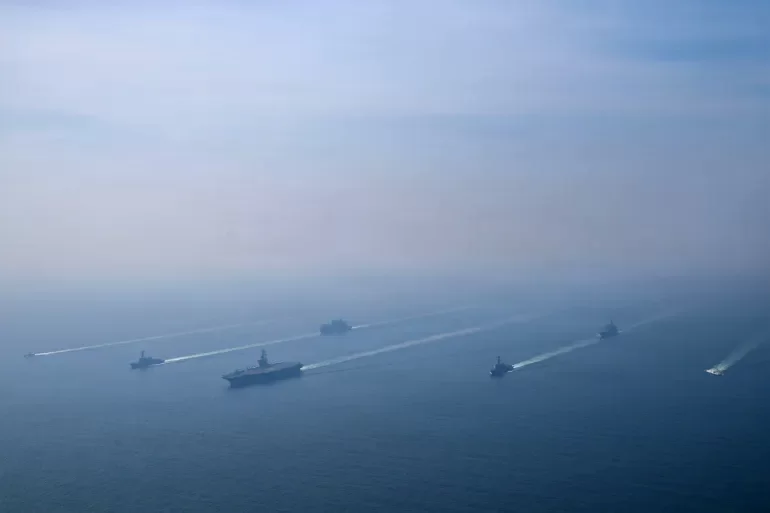
    This development occurs against the backdrop of increased U.S. naval deployments in the Caribbean and follows Maduro’s Christmas-season admonition that Trump should focus primarily on domestic challenges rather than Venezuelan affairs.

  • Klimaatrampen troffen afgelopen jaar miljoenen mensen en kostten miljarden dollars

    Klimaatrampen troffen afgelopen jaar miljoenen mensen en kostten miljarden dollars

    The year 2025 has witnessed an unprecedented surge in climate-related catastrophes, establishing itself as one of the most financially devastating periods in recorded history. According to comprehensive analyses by international research institutions and insurance agencies, extreme weather events including catastrophic floods, cyclones, heatwaves, and wildfires have generated economic losses reaching hundreds of billions of US dollars while directly or indirectly impacting millions worldwide.

    Multiple regions across the globe experienced severe humanitarian emergencies triggered by erratic weather patterns. Massive flooding events submerged entire villages throughout Asia and Africa following periods of intense rainfall. Simultaneously, Southern Europe, North America, and Australia confronted devastating wildfires that reduced thousands of homes to ashes and caused long-term ecological damage to fragile ecosystems.

    While wealthy nations reported substantial financial damages, developing countries bore the most severe consequences due to inadequate infrastructure, insufficient warning systems, and limited resources for disaster response and reconstruction. This vulnerability has translated into higher mortality rates, widespread food shortages, and prolonged economic disruption in less developed regions.

    International aid organizations highlight a widening gap between affluent and impoverished nations. Insurance coverage in developed economies typically absorbs significant portions of financial losses, whereas poorer countries face predominantly uninsured damages that hinder recovery efforts.

    The scientific community increasingly attributes the intensification of extreme weather phenomena to climate change. Rising global temperatures have catalyzed more powerful storms, intensified rainfall patterns, extended drought conditions, and accelerated sea-level rise—particularly threatening low-lying coastal communities.

    Caribbean and South American nations, including Suriname, face heightened vulnerability through river flooding, coastal erosion, and extreme precipitation events that jeopardize agricultural sustainability, critical infrastructure, and public health systems.

    United Nations agencies and other international bodies are urging governments to prioritize investments in climate adaptation and disaster prevention strategies. Recommended measures include enhanced water management systems, reinforced flood defenses, climate-resilient agricultural practices, and advanced early warning mechanisms.

    Concurrently, demands for climate financing from developed nations continue to grow. Developing countries argue they disproportionately suffer from a crisis they contributed little to creating. Without substantial financial support and technological transfer, climate-related casualties and damages are projected to escalate significantly in coming years.

  • Debipersad: Waar staan we, wat zijn de uitdagingen, wat geeft hoop in 2026?

    Debipersad: Waar staan we, wat zijn de uitdagingen, wat geeft hoop in 2026?

    Suriname enters 2026 navigating a delicate economic duality, according to Steven Debipersad, Chairman of the Association of Economists in Suriname (VES). While macroeconomic conditions show marked improvement from the crisis peaks of 2020-2021, significant social challenges persist beneath the surface stabilization.

    The nation currently experiences contrasting realities: greater monetary stability achieved through disciplined fiscal policies contrasts sharply with vulnerable household purchasing power and palpable poverty stress. Debipersad identifies four critical challenge domains for the coming year: safeguarding purchasing power and livelihood security, maintaining budgetary discipline and policy consistency, driving productive growth through exports and investments rather than credit consumption, and preparing strategically for the emerging oil and gas sector.

    Notable progress includes growing recognition among policymakers that macroeconomic stability forms the essential foundation for development, alongside improvements in policy systems encompassing planning, supervision, and reporting mechanisms. However, substantial concerns remain regarding potential undermining of stability through political pressures, sluggish pace of structural reforms, and public impatience with the delayed translation of macroeconomic gains into tangible household benefits.

    The VES outlines three measurable outcomes to define genuine progress by end-2026: maintained stability evidenced through predictable pricing and credible monetary policy; credible budgetary reform demonstrating clearer spending priorities and improved transparency; and concrete steps toward broad-based growth through job-creating investments and targeted social measures.

    Key economic indicators present a cautiously optimistic outlook contingent on policy consistency. Inflation could further decline if monetary and fiscal policies remain aligned, while exchange rate stability will depend on confidence levels, export earnings, and liquidity management. Purchasing power recovery is expected to proceed slowly and unevenly without parallel productivity gains.

    Critical policy choices include maintaining strict budgetary discipline with realistic estimates, avoiding liquidity-flooding measures, strengthening tax collection, and ensuring consistent policy communication. The emerging oil and gas sector presents both opportunity and risk—2026 should focus on institutional preparedness, genuine local content development beyond slogans, and building economic absorption capacity to prevent Dutch disease and enclave economics.

    Economic diversification remains crucial for risk management, particularly in agriculture, agro-processing, services, light industry, and tourism. While Suriname’s workforce demonstrates entrepreneurship and adaptability, acceleration requires improved governance, transparency, and institutional strength.

    The paramount priority for 2026 involves strengthening institutional and macroeconomic discipline to make stability irreversible while translating this stability into targeted purchasing power improvement and employment generation.

  • Xi: Hereniging China en Taiwan niet te stoppen

    Xi: Hereniging China en Taiwan niet te stoppen

    Chinese President Xi Jinping has emphatically declared that China’s reunification with Taiwan represents an “unstoppable trend of the times,” delivering this message during his New Year address just one day after Beijing concluded extensive military exercises around the self-governing island. The speech, which invoked the “bond of blood and kinship” between peoples on both sides of the Taiwan Strait, came in response to what Chinese officials characterized as escalating separatist activities and external interference.

    The military maneuvers, codenamed “Justice Mission 2025,” marked the largest-ever geographical scope of exercises conducted around Taiwan, simulating a comprehensive blockade of the island using live ammunition. These demonstrations followed Washington’s approval of its largest-ever weapons package to Taipei, valued at $11.1 billion, further complicating the already tense cross-strait dynamics.

    President Xi additionally highlighted the establishment of an annual “Taiwan Restoration Day” commencing in 2025, commemorating the end of Japanese colonial rule after World War II. While emphasizing peaceful reunification, Xi reiterated Beijing’s longstanding position that considers Taiwan an inalienable part of Chinese territory, maintaining the option of using force if necessary.

    In a parallel New Year address, Taiwanese President William Lai Ching-te asserted the need for enhanced security and resilience, stating that Taiwan must “powerfully defend national sovereignty” and strengthen its defense mechanisms. Lai emphasized that the international community is watching whether the Taiwanese people possess the determination to defend themselves against China’s “expanding expansionist ambitions.

    Despite operating with its own government, military, passport system, and currency, Taiwan maintains official diplomatic recognition from only 11 countries and the Vatican. The United States, while not formally recognizing Taiwan, remains committed to supporting the island’s self-defense capabilities under the 1979 Taiwan Relations Act, though this legislation does not mandate direct military intervention in case of Chinese aggression.

    Recent polling indicates that most Taiwanese citizens prefer maintaining the current status quo, with only minor segments advocating for immediate formal independence or reunification with mainland China.

    Beyond geopolitical matters, President Xi’s address also celebrated China’s technological advancements, particularly in artificial intelligence and semiconductor development, noting that numerous large AI models have emerged while breakthroughs in domestic chip research have positioned China among the world’s fastest-growing innovation economies.