标签: Suriname

苏里南

  • Visserijsector waarschuwt voor aantasting onafhankelijkheid Viskeuringsinstituut

    Visserijsector waarschuwt voor aantasting onafhankelijkheid Viskeuringsinstituut

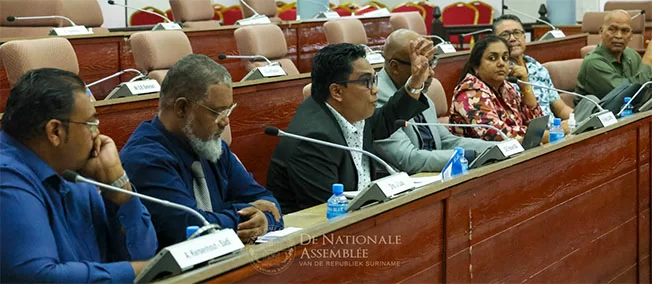
    Suriname’s parliamentary Committee on Agriculture, Livestock, and Fisheries recently convened to address growing concerns surrounding the Fish Inspection Institute (VKI), a critical regulatory body overseeing the nation’s seafood safety standards. During the session, Minister Mike Noersalim detailed the institution’s ongoing transformation and announced the appointment of a new supervisory board chaired by Emanuel Enjoem.

    The VKI maintains responsibility for monitoring fishery product safety throughout production, processing, import, and export operations, serving as a cornerstone in upholding international quality standards essential for Suriname’s global trade relationships. However, recent governmental moves have sparked significant apprehension within the fisheries sector.

    Udo Karg, President of the Suriname Seafood Association (SSA), expressed astonishment at the minister’s declarations, highlighting that the VKI has long been regarded as a model institution throughout the Caribbean region. Karg emphasized the institute’s international acclaim and recent commendations for its operational excellence. The sector further noted that the VKI operates with complete financial independence without relying on state funds—a crucial aspect that ensures its regulatory autonomy.

    Industry representatives warned that political interference could jeopardize Suriname’s standing in international markets, particularly the European Union. Any compromise to the inspection system’s independence might potentially affect the country’s export listings, with far-reaching economic consequences. The sector previously raised concerns about the supervisory board appointments, claiming initial selections disregarded legal requirements for industry representation, necessitating subsequent adjustments.

    Additional unease followed announcements of potential internal reorganization within VKI, prompting calls to prevent recurrence of issues experienced by other regulatory bodies. The fisheries sector has committed to vigilant monitoring of developments, emphasizing the imperative to preserve VKI’s autonomous status to maintain international credibility and market access.

  • Somohardjo bij Nationale Iftar: werk harder voor het land, niet voor groepen

    Somohardjo bij Nationale Iftar: werk harder voor het land, niet voor groepen

    Suriname witnessed a remarkable display of interfaith harmony during the second annual National Iftar gathering on Saturday evening, where thousands congregated to break fast collectively while reflecting on core principles of justice, respect, and national unity. The event, organized by initiator Bronto Somohardjo, transformed Roeli’s Event Centre into a vibrant tapestry of Suriname’s religious diversity.

    Addressing the substantial crowd, Somohardjo articulated the gathering’s fundamental purpose: bridging communities across cultural and religious divides. “The first edition represented initiative,” he stated. “This second edition demonstrates intention. We are building something enduring.” He highlighted Suriname’s unique religious synchrony, noting that while Muslims observe Ramadan, Christians concurrently undergo Lenten fasting, and Hindus recently celebrated Phagwa. “Different traditions, different rhythms, but one nation. That defines Suriname.”

    Bishop Karel Choennie, echoing sentiments from the previous year, emphasized the profound interconnectedness binding Suriname’s diverse populations. The ceremony transcended mere symbolic gesture, fostering genuine dialogue around shared societal values.

    Somohardjo further elaborated that principles like justice, responsibility, and respect transcend any single religion, instead forming the bedrock of effective leadership and robust civil society. “When I speak of justice,” he affirmed, “I advocate not solely for Muslims but for every Surinamese citizen—Christian, Hindu, Muslim, and all residents alike.”

    Issuing a compelling call to action, Somohardjo urged those in public service to rededicate themselves to national rather than partisan interests. “We who possess the privilege of serving the people must labor more diligently—not for a specific group or constituency, but for the entire nation.”

    The atmosphere within the venue radiated profound camaraderie as attendees, united in purpose, shared the transformative iftar moment, reinforcing the event’s role in strengthening the nation’s social fabric.

  • Suriname verkent samenwerking met VAE-bedrijf voor digitalisering overheid

    Suriname verkent samenwerking met VAE-bedrijf voor digitalisering overheid

    Surinamese President Jennifer Simons has engaged in high-level discussions with a delegation from United Arab Emirates-based technology firm Dalil to explore collaborative opportunities for the nation’s digital modernization initiatives. The meeting, held at the Presidential Cabinet, focused on accelerating the digital transformation of government services and enhancing the country’s digital infrastructure.

    During Friday’s meeting, President Simons outlined her administration’s policy objectives to digitize government operations and improve citizen service efficiency. The head of state emphasized that while this modernization represents a top government priority, the process must be implemented meticulously in accordance with established procedures and protocols.

    The Dalil delegation, representing an Abu Dhabi-based company specializing in secure identification systems and border management solutions, has conducted extensive site visits to multiple ministries and government institutions in recent days. Under the coordination of Suriname’s e-Government unit, a comprehensive assessment has been conducted to map the current state of digitalization across government agencies, according to the Communication Service Suriname.

    Llydion Dalfour, Director of e-Government, highlighted the significant learning opportunities for Suriname from the UAE’s expertise in digital government systems. “This is a highly regarded technical organization within the United Arab Emirates that plays a crucial role in their digital transformation journey and is now sharing their valuable experience with Suriname,” Dalfour stated.

    Ahmed Al Houti, Business Development Director at Dalil, expressed the company’s commitment to establishing a sustainable partnership with Suriname. He emphasized that the collaboration extends beyond technology implementation to strengthening government efficiency and enhancing citizen services. Dalil also identified potential cooperation opportunities in additional sectors, including aviation infrastructure.

    The productive discussions have resulted in the development of an initial action plan. Dalil is expected to submit a formal proposal in the near term based on the comprehensive data collected during their assessment. This proposal will undergo thorough evaluation by Surinamese authorities to determine feasibility and establish subsequent steps for the potential partnership.

  • Jagesar: Olieprijs stijgt ook in Suriname door oorlog rond Iran

    Jagesar: Olieprijs stijgt ook in Suriname door oorlog rond Iran

    Suriname’s state oil company anticipates significant economic repercussions from the Middle East conflict, with director Annand Jagesar confirming that rising global oil prices will directly impact domestic fuel costs. The escalating tensions between Iran, the United States, and Israel have triggered international market volatility, driving oil prices upward as investors anticipate potential supply disruptions from the critical oil-producing region.

    Jagesar explained that while increased oil prices will boost government revenues through the ‘government take’ mechanism—where approximately 68 cents of every dollar flows to state coffers—this financial gain comes with complex socioeconomic implications. The Staatsolie director dismissed suggestions that locally produced oil should translate to lower consumer prices, revealing that domestic refining capacity meets less than half of national gasoline demand. With daily consumption at 5,000 barrels versus a maximum production of 2,300 barrels, Suriname must import the substantial balance.

    The oil executive cautioned against artificial price suppression, citing Venezuela’s experience where decades of ultra-low fuel prices created unsustainable economic distortions. He emphasized that market-based pricing serves as crucial signals for energy transition, encouraging consumers and businesses to seek alternatives when prices rise. However, Jagesar advocated for targeted subsidies to protect vulnerable populations, particularly seniors living on fixed incomes, from bearing the brunt of energy cost increases.

    Global analysts warn that further disruptions to Middle Eastern oil trade could drive prices even higher, creating both revenue opportunities and affordability challenges for oil-producing nations like Suriname.

  • Trump lanceert militaire coalitie tegen drugskartels met Latijns-Amerikaanse leiders

    Trump lanceert militaire coalitie tegen drugskartels met Latijns-Amerikaanse leiders

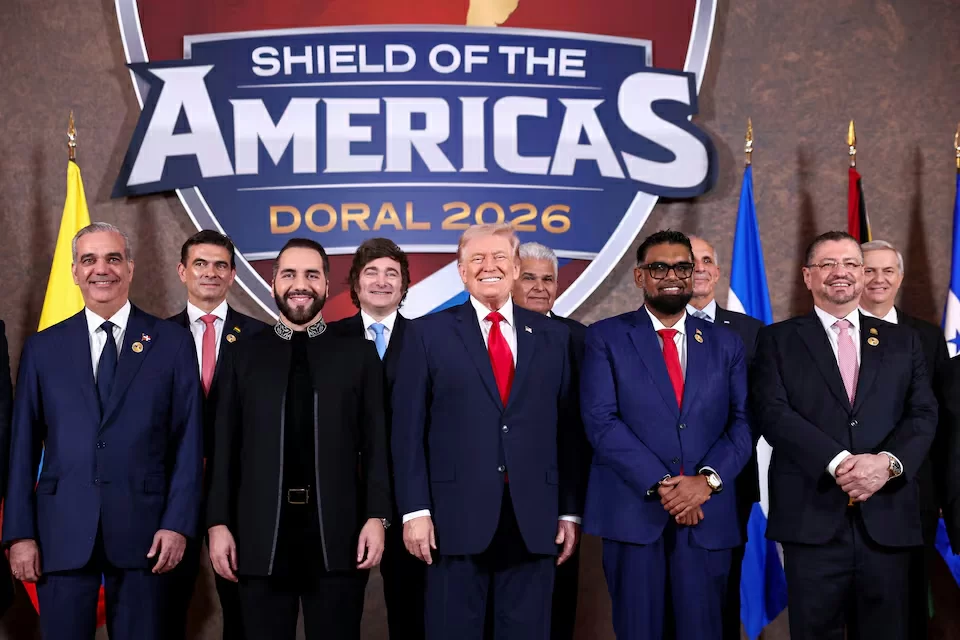
    In a significant strategic move following recent military operations in Iran, former U.S. President Donald Trump convened leaders from Latin America and the Caribbean in Miami, Florida, to formally establish a multinational military coalition targeting drug trafficking organizations. The Saturday summit, dubbed “Shield of the Americas,” represents a cornerstone of Trump’s broader regional security initiative aimed at dismantling criminal networks operating throughout the Western Hemisphere.

    The gathering brought together at least twelve heads of state, including Argentine President Javier Milei, Salvadoran President Nayib Bukele, Chilean President-elect José Antonio Kast, Honduran President Nasry Asfura, and Ecuadorean President Daniel Noboa. During the proceedings, Trump characterized drug cartels as “savage animals” and signed an official proclamation launching the coalition framework. The former president appointed recently resigned Homeland Security Secretary Kristi Noem as special envoy to the initiative, despite congressional criticism surrounding her prior tenure.

    Analysts view the coalition as serving dual purposes: demonstrating domestic strength amid Middle East instability affecting energy prices, and countering China’s expanding influence across Latin America. The development comes ahead of Trump’s planned March meetings with Chinese President Xi Jinping in Beijing.

    Participants predominantly share Trump’s right-leaning approach to security and migration, favoring aggressive law enforcement tactics over social reforms and promoting private enterprise rather than state intervention. This alignment reflects a broader conservative shift in several Latin American nations as the region navigates competing influences from Washington and Beijing.

    China’s growing economic footprint in the region has raised concerns in U.S. policy circles. bilateral trade reached a record $518 billion in 2024, while Beijing provided over $120 billion in loans supporting infrastructure projects from Argentine satellite stations to Peruvian ports. In response, the U.S. has pressured regional governments to restrict Chinese involvement in critical infrastructure, recently supporting Panamanian actions against a Hong Kong-based company operating in the vital Panama Canal waterway.

    Additional measures include the January capture of Venezuelan President Nicolas Maduro and strengthened sanctions against Cuba, signaling a determined U.S. effort to diminish Chinese regional influence and end what officials characterize as an era of cheap oil in exchange for debt financing.

  • Chikungunya-besmettingen stijgen; import chemicaliën vertraagd

    Chikungunya-besmettingen stijgen; import chemicaliën vertraagd

    Suriname’s public health crisis has intensified as health authorities reported 207 new Chikungunya virus infections in the past week, bringing the total case count to 1,357 since the initial outbreak began in January. The mosquito-borne disease continues to spread rapidly due to critical shortages of specialized chemicals needed for large-scale containment operations.

    Health and Welfare Minister André Misiekaba revealed during a government press conference that Brazil has only this week provided positive response to Suriname’s urgent request for importing the necessary insecticides. The minister acknowledged additional outreach to French Guiana authorities, from whom an informal positive response is anticipated regarding chemical supplies.

    Minister Misiekaba expressed unexpected difficulties in the procurement process, stating: “I was unaware of the complexities involved in importing these specialized chemicals. This knowledge will prevent similar situations during next year’s seasonal outbreak period.” He noted that according to the Bureau of Public Health (BOG), spraying operations occurred only once between 2020 and 2025, indicating insufficient prior attention to preventive measures.

    The health minister emphasized that logistical systems and professional contacts had to be reestablished from scratch, though communication channels are now properly organized. Authorities stand ready to commence spraying operations immediately upon chemical delivery.

    Meanwhile, health officials urge citizens to implement personal protective measures including eliminating mosquito breeding sites—particularly areas with stagnant water—sleeping under insecticide-treated nets, and strengthening immune systems through proper nutrition and hygiene practices.

  • Iran kondigt voorwaardelijke wapenstilstand aan buurlanden

    Iran kondigt voorwaardelijke wapenstilstand aan buurlanden

    Interim Iranian President Masoud Pezeshkian has declared that Iran will cease offensive operations against neighboring countries unless provoked by attacks from these nations. This significant announcement comes during the second week of intensified hostilities involving the United States, Israel, and Iran, marking a potential shift in regional dynamics.

    The interim government unanimously approved this policy measure on Friday, with Pezeshkian extending formal apologies to neighboring states for previous military actions. His televised address, broadcast through Iranian state media, represents a modest de-escalation gesture amid widespread devastation across more than 170 Iranian cities affected by aerial bombardments.

    In his pre-recorded statement, Pezeshkian strongly condemned attacks targeting residential areas, educational institutions, and medical facilities, emphasizing their violation of international legal standards. He called for national unity and solidarity among Iranians while delivering a firm message to the United States: unconditional surrender remains an illusion, and Iran remains committed to international law and humanitarian principles.

    Simultaneously, the Islamic Revolutionary Guard Corps (IRGC) issued a separate declaration affirming respect for neighboring nations’ sovereignty while maintaining their defensive posture. However, the powerful military organization warned that continued hostile actions would result in comprehensive targeting of all American and Israeli military assets throughout the region with overwhelming force.

    According to Al Jazeera analyst Resul Serdar, actual strategic security decisions reside with the IRGC rather than political figures like Pezeshkian. IRGC leader Ahmad Vahidi is recognized as one of the organization’s most radical commanders since its establishment.

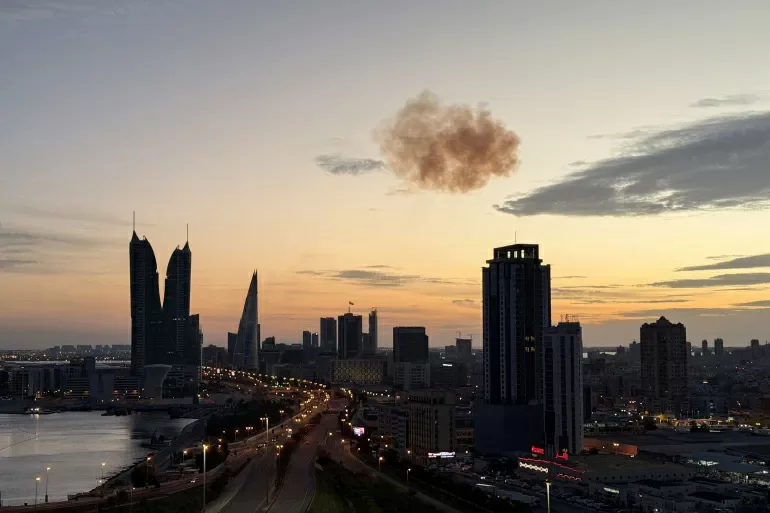
    The conflict has extensively impacted Gulf states including Saudi Arabia, Qatar, the United Arab Emirates, Kuwait, Bahrain, and Oman due to their hosting of American military installations. Nations including Iraq, Jordan, Azerbaijan, and Turkey have also experienced collateral damage from retaliatory strikes.

    These military operations have resulted in numerous casualties, significant infrastructure damage, widespread aviation disruptions, and temporary airspace closures. The confrontation has severely affected global energy markets, with Qatar’s Energy Minister Saad al-Kaabi warning that prolonged conflict could halt regional oil and gas exports within weeks, potentially triggering global economic repercussions through energy price surges, product shortages, and manufacturing supply chain disruptions.

    Current casualty figures include six American personnel killed in an Iranian strike on a U.S. command center in Kuwait, while over 1,200 Iranians have perished during the conflict’s initial week from American and Israeli attacks.

  • Regering wil woningbouw weer op gang brengen met goedkope hypotheken

    Regering wil woningbouw weer op gang brengen met goedkope hypotheken

    The Surinamese government has announced the revival of its national housing construction program to address the country’s critical shortage of approximately 30,000 homes. President Jennifer Simons revealed that the newly operational National Housing Fund will provide affordable mortgage financing to citizens at interest rates ranging from 3% to 5%, significantly below previous rates.

    During a government press conference, President Simons confirmed the fund’s operational status and the appointment of dedicated staff to implement the program. The initiative will involve collaboration between government entities, banking institutions, and private construction companies to ensure comprehensive execution.

    The fund currently holds approximately SRD 270 million (Surinamese dollars) for mortgage distribution through banking channels. This institutional approach aims to ensure transparency and prevent favoritism in housing and financing allocations. Significant regulatory changes include the elimination of the previous requirement for applicants to purchase land before seeking mortgages, following consultations with the Central Bank of Suriname.

    The government will also focus on existing housing projects where landowners haven’t begun construction. In these areas, authorities will first establish essential infrastructure including roads, water, and electricity systems, enabling residents to concentrate solely on building their homes.

    The program includes partnerships with construction firms developing complete residential projects featuring diverse housing types to accommodate both low and middle-income families within the same neighborhoods. President Simons emphasized the economic benefits, noting that increased construction activity will generate employment in both the construction sector and building materials industries.

    Social Affairs and Public Housing Minister Diana Pokie acknowledged initial data deficiencies regarding housing applicants. While a new digital portal has been established for citizen registration, the government will initially prioritize existing registrations in the system’s first phase of implementation.

  • President: Lagere goudroyalty kan juist meer inkomsten opleveren

    President: Lagere goudroyalty kan juist meer inkomsten opleveren

    Surinamese President Jennifer Simons has announced a strategic temporary reduction in gold royalties, outlining a calculated approach to stimulate legal gold sales and ultimately increase state revenues. The policy shift responds to persistent challenges in regulating the nation’s gold sector, where elevated taxation has historically driven transactions toward illegal channels.

    President Simons cited a successful precedent: a 50% temporary reduction in PSA license fees that resulted in application numbers surging from approximately 300 to 3,000 monthly. This previous intervention ultimately generated higher state revenues despite the lowered rate, demonstrating how strategic tax adjustments can expand the formal economic base.

    The gold sector presents similar dynamics. Historical data reveals that when royalties increased in previous years, legal gold exports declined despite rising global gold prices—clear evidence that significant quantities were diverted through illicit channels. The temporary royalty reduction aims to test whether lower rates can redirect gold flows back to legal export pathways, thereby increasing overall state income.

    Simultaneously, the government is implementing enhanced regulatory measures and strengthening oversight mechanisms. President Simons acknowledged that Suriname’s gold sector has suffered from insufficient organization and control for years. Multiple agencies, including police and specialized regulatory bodies, are now collaborating to improve tax collection and establish comprehensive sector oversight.

    The royalty collection currently occurs at points of sale and export. Additional measures are under development to combat smuggling and integrate more gold into the formal economy through official channels.

    President Simons emphasized the provisional nature of this intervention. Should the reduction fail to stimulate increased legal exports or higher revenues, the government stands ready to readjust royalty rates accordingly. This data-driven approach reflects a pragmatic strategy to optimize tax policy while addressing structural challenges in resource governance.

  • Cuba meldt vijfde dode na vuurgevecht met Florida-geregistreerde speedboot

    Cuba meldt vijfde dode na vuurgevecht met Florida-geregistreerde speedboot

    Cuban authorities have confirmed a fifth individual has died from injuries sustained during a violent maritime confrontation last month involving a Florida-registered speedboat. The incident, which occurred off Cuba’s northern coast, has escalated tensions between Havana and Washington while revealing alleged terrorist infiltration attempts.

    According to Cuba’s Ministry of the Interior, Roberto Alvarez Avila succumbed to his wounds on March 4th. The Ministry stated that remaining injured detainees continue receiving specialized medical treatment following the February 26th firefight that left four dead and six wounded.

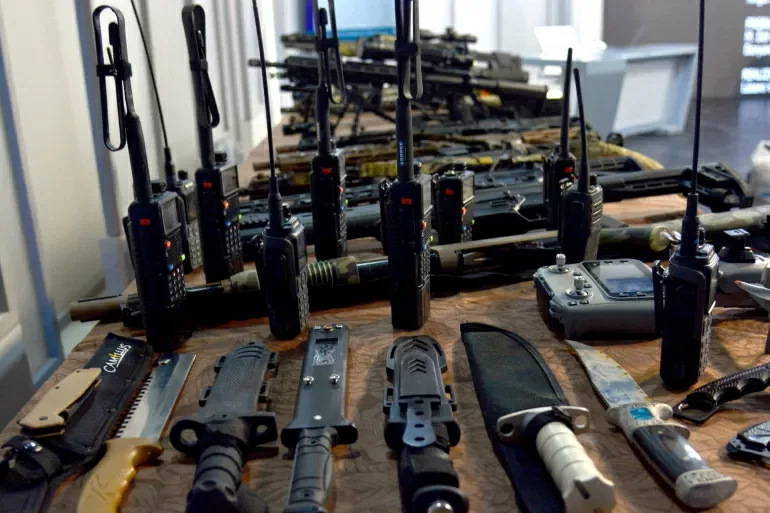
    The confrontation unfolded when Cuban naval patrols intercepted a vessel carrying ten armed individuals approaching the island northeast of Cayo Falcones, approximately one mile from shore. Cuban investigators assert the passengers were U.S.-based Cuban nationals attempting to “unleash terrorism” on the island nation. Authorities displayed seized weaponry including a dozen high-powered firearms, over 12,800 rounds of ammunition, and 11 pistols.

    Cuban officials emphasized that suspect statements and forensic evidence have strengthened the case against the detainees, while new leads suggest possible accomplices within the United States. Six suspects now face formal terrorism charges, though Havana has released limited operational details about the incident.

    The event occurs amid deteriorating Cuba-U.S. relations under the Trump administration and increasing economic pressure on Havana. Cuba’s economy faces additional strain due to uncertain oil supplies from Venezuela following the U.S. military operation that extracted Venezuelan President Nicolás Maduro to American territory.

    Notably, the vessel’s Florida registration number remains unverifiable as boat registrations in the state are not publicly accessible records, complicating independent investigation of the incident.