标签: Saint Kitts and Nevis

圣基茨和尼维斯

  • Afreximbank, St Kitts and Nevis sign ACTIF 2026 hosting agreement – Businessday NG

    Afreximbank, St Kitts and Nevis sign ACTIF 2026 hosting agreement – Businessday NG

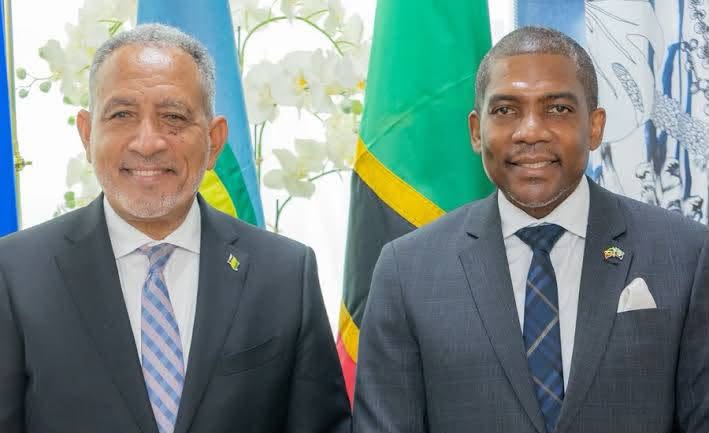
    In a major step forward for deepening transatlantic economic collaboration between Africa and the Caribbean, the African Export-Import Bank (Afreximbank) has formally signed a hosting agreement with the government of St Kitts and Nevis for the fifth iteration of the AfriCaribbean Trade and Investment Forum (ACTIF 2026), scheduled to run from July 29 to 31, 2026 at the St. Kitts Marriott Beach Resort, Casino & Spa in Basseterre.

    The signing ceremony cemented both parties’ shared commitment to expanding bilateral and multilateral trade ties, unlocking investment flows, and strengthening long-term partnerships between the two regions. Speaking at the event, George Elombi, President and Chairman of Afreximbank’s Board of Directors, emphasized that the forum would bring together African and Caribbean stakeholders to address common development challenges and advance shared goals of economic self-determination and resilience. “Through ACTIF 2026, we will identify priority projects and programmes and dedicate ourselves to effective execution. This will be the pathway to our shared economic development,” Elombi noted.

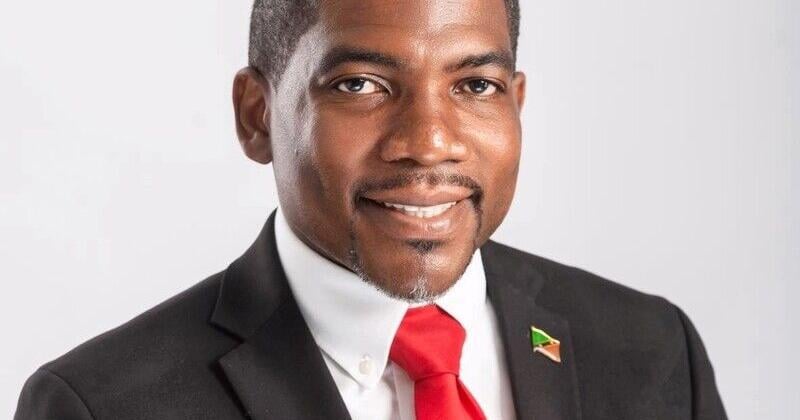
    Terrance M Drew, Prime Minister of St Kitts and Nevis, echoed this enthusiasm, underscoring his nation’s honor at taking on the hosting role. “This agreement signals our strong commitment to strengthening economic ties between Africa and the Caribbean. We are not just a beautiful destination; we are a gateway for investment, a hub for enterprise, and a proud partner in the Renaissance of Africans,” Drew said. He added that ACTIF 2026 would act as a powerful catalyst for inclusive growth, generating new opportunities for businesses and workers across both regions and building sustainable, long-term economic pathways that will benefit communities for generations.

    Attendees at the 2026 forum can expect a full schedule of engaging programming, including expert panel discussions on regional trade integration, targeted investment matchmaking sessions, networking opportunities with public and private sector leaders, and deep dives into innovative initiatives designed to boost cross-regional cooperation. Positioned as a high-level convening space, ACTIF 2026 will bring together heads of government, institutional investors, private sector executives, development finance leaders, entrepreneurs, and diaspora representatives to map out strategies for inclusive, resilient growth amid ongoing global economic uncertainty.

    Since its launch, ACTIF has emerged as the leading platform for mobilizing capital, forging strategic cross-border partnerships, and accelerating economic integration between Africa and the Caribbean. The event’s track record of delivering tangible outcomes was highlighted by results from ACTIF 2025, which secured five landmark Caribbean investment deals totaling $291.25 million across three countries, spanning sectors including trade and investment finance, corporate finance, project preparation, and export development.

    Afreximbank’s growing footprint in the Caribbean underscores its long-term commitment to the region. Two years ago, the institution opened a regional office in Barbados, and since that time, it has approved more than $700 million in critical financing across the CARICOM bloc. This financing has supported a diverse range of high-priority projects, including climate adaptation initiatives in Saint Lucia, sports infrastructure and tourism expansion in Barbados, small and medium enterprise (SME) lending programs in the Bahamas, tourism development in Grenada, and oil and gas development in Suriname, among other efforts.

  • Premier’s Trip To St Kitts & Nevis Cost $3,736.10 – Bernews

    Premier’s Trip To St Kitts & Nevis Cost $3,736.10 – Bernews

    Newly released public travel records posted to Bermuda’s official government travel transparency webpage have revealed the total cost of Premier David Burt’s February 2026 working trip to St. Kitts and Nevis, totaling exactly $3,736.10 — all of which covered the premier’s transoceanic air travel for the engagement.

    The four-day official visit ran from February 24 to February 27, 2026, and centered on Burt’s attendance at the 50th Meeting of the Conference of Heads of Government of the Caribbean Community (CARICOM), a landmark regional gathering marking five full decades of CARICOM’s work advancing integration across the Caribbean. This historic session was also the first CARICOM heads of government conference held under the new chairmanship of Dr. Terrance Drew, Prime Minister of host nation St. Kitts and Nevis. Burt was joined on the trip by Bermuda’s Minister of Home Affairs, Alexa Lightbourne.

    Over the course of the conference, Premier Burt took part in every scheduled plenary and working session, where regional leaders centered talks on pressing priorities for the bloc: deeper cross-border cooperation, improved coordinated security responses, broad-based economic diversification across member states, and expanded intra-regional trade flows. A key topic for Bermuda’s delegation was the territory’s ongoing accession process toward full membership in CARICOM; Bermuda currently holds associate member status and has steadily expanded its institutional and diplomatic engagement with the bloc in recent years.

    On the sidelines of the formal conference proceedings, Burt also held a series of one-on-one bilateral meetings with leaders from other Caribbean Overseas Territories, focusing on shared priorities and collaborative initiatives for smaller territories.

    Burt’s participation in the 50th CARICOM summit follows his attendance at the 49th heads of government meeting, a consistency that underscores Bermuda’s long-term commitment to active engagement in the highest levels of Caribbean regional governance, per the official government description of the trip.

    The St. Kitts and Nevis leg of Burt’s travel came immediately after a separate working visit to San Francisco, where he was invited to lead a high-profile session at NEARCON 2026. Titled “The ‘Bermuda Triangle’ Approach to Innovation and AI as the Next Regulatory Frontier,” the session explored how Bermuda’s unique tripartite collaboration framework between government, industry regulators, and private sector stakeholders can be adapted to build fit-for-purpose regulatory regimes for artificial intelligence in global financial services. While in San Francisco, Burt also held closed-door meetings with C-suite executives from leading digital asset and artificial intelligence firms.

    Following the conclusion of the CARICOM summit, Burt returned to Bermuda on February 27, 2026, in time to take his seat in the House of Assembly for the scheduled General Economic Debate.

    The full public disclosure of travel costs follows a growing pattern of proactive release of official travel expenses by the Bermuda government, with recent disclosures also published for other ministerial trips to destinations including Switzerland, Dubai, Barbados, and other global locations. The release also comes as the territory’s Auditor General carries out a broader review of official government travel expenses.

  • Deputy Prime Minister Hanley Meets with SKNOC on Transformative National Physical Education Initiative

    Deputy Prime Minister Hanley Meets with SKNOC on Transformative National Physical Education Initiative

    BASSETERRE, St. Kitts – In a landmark step toward reimagining youth development and education across the federation, St. Kitts and Nevis’ Deputy Prime Minister and Minister of Education Hon. Dr. Geoffrey Hanley held a strategic planning meeting Wednesday with senior leadership from the St. Kitts and Nevis Olympic Committee (SKNOC) to advance a groundbreaking national physical education transformation initiative. The proposed partnership, backed by regional sporting bodies, aims to embed high-quality physical training and Olympic values into the core of the nation’s school curricula over the next five years.

    The SKNOC delegation, headed by SKNOC President Dennis Knight, included Technical Director Lonzo Wilkinson and Brazil-based sports methodologist Léo Cursino, who contributed expertise to the program’s design. The comprehensive National School Physical Education Programme was developed in close collaboration with the Pan American Sports Organization (PASO), bringing regional resources and global best practices to the local education system.

    Slated to launch in August 2026 and roll out incrementally through August 2031 in two distinct phases, the initiative includes a wide-ranging set of interconnected components to build sustainable, long-term capacity for physical education across the country. Key provisions of the program include certified professional training for current and prospective physical education teachers, a standardized, licensed national physical education methodology aligned with international standards, a cloud-based digital platform to streamline lesson planning and student engagement, cutting-edge AI-powered pedagogical tools to personalize learning experiences, and a fully accredited undergraduate degree pathway specifically tailored for physical education educators to formalize professional qualifications.

    Beyond physical education infrastructure, the SKNOC also proposed integrating the International Olympic Committee’s global Olympic Values Education Programme (OVEP) into local school curricula. Knight explained that a locally customized OVEP syllabus would embed the three core Olympic values – excellence, friendship, and respect – into daily school activities, supporting holistic character development for students and strengthening grassroots sporting culture across St. Kitts and Nevis.

    Deputy Prime Minister Hanley praised the proposals as timely, visionary, and perfectly aligned with the government’s existing strategic priorities for education reform, youth empowerment, and community development. He expressed strong enthusiasm for deepening the ongoing partnership between the Ministry of Education and SKNOC to turn the outlined plans into actionable, on-the-ground programs for the nation’s youth.

    “These initiatives present a powerful opportunity to transform how we educate, inspire, and support our young people,” Hanley said in remarks following the meeting. “My Ministry looks forward to collaborating closely with the Olympic Committee to make these proposals a reality for the benefit of our students and our nation.”

    In the coming months, the Ministry of Education and SKNOC will hold a series of follow-up technical discussions to finalize formal implementation plans, secure resourcing, and prepare for the program’s launch in August 2026.

  • CDB Approves EU-Backed Grant ?To Strengthen Regional Disaster Agency

    CDB Approves EU-Backed Grant ?To Strengthen Regional Disaster Agency

    BRIDGETOWN, Barbados – April 17, 2026 – In a major step to strengthen climate and disaster resilience across the Caribbean, the Caribbean Development Bank (CDB) has greenlit a $346,000 technical assistance grant for the Caribbean Disaster Emergency Management Agency (CDEMA), the regional body tasked with coordinating cross-country disaster risk reduction and emergency response under the CARICOM umbrella.

    The funding, backed by the European Union through the Intra-African Caribbean Pacific European Union Natural Disaster Risk Reduction Programme and delivered under CDB’s Caribbean Action for Resilience Enhancement (CARE) initiative, will support a full institutional assessment of CDEMA to refine its operational and organizational framework. Specialist consultants contracted through the grant will conduct a deep dive into the agency’s current structure, operating systems, staffing models, and skills gaps to deliver actionable recommendations for long-term effectiveness and sustainability.

    Beyond core organizational review, the consultancy will also audit existing human resources policies through a gender equity lens, resulting in a dedicated Gender Policy and Operational Strategy that will guide equitable practices across recruitment, employee retention, promotion, and compensation structures.

    As climate change drives an increase in the frequency and intensity of extreme weather events across the Caribbean, regional disaster coordination systems face mounting pressure to adapt and scale their response. CDB Projects Director O’Reilly Lewis emphasized that the investment comes at a critical moment for the region. “Climate change is driving more intense natural hazards across the Caribbean, and that reality places growing demands on regional disaster management systems,” Lewis explained. “CDEMA is integral to how countries prepare for and respond to emergencies, and this technical assistance will help ensure the Agency has the right structure, skills, and systems to deliver on its mandate today and into the future.”

    European Union Ambassador to Barbados, the Eastern Caribbean States, and the OECS Fiona Ramsey noted that the initiative aligns with the EU’s longstanding commitment to partnership with the Caribbean on climate resilience. This commitment was recently reaffirmed as a core priority in discussions between CARICOM Chair (at the time) Mia Mottley and European Commission President Ursula von der Leyen. “As climate-related challenges intensify, enhancing CDEMA’s institutional capacity is essential to safeguarding lives, livelihoods, and sustainable development across the Caribbean,” Ramsey said. “Together, we are advancing a shared vision of resilience through a reliable partnership.”

    For CDEMA, the assessment marks a key milestone in the agency’s ongoing organizational transformation, which is outlined in its 2022–2027 Strategic Plan. “This consultancy marks a pivotal step in CDEMA’s evolution as we position the Agency for both present demands and future challenges,” said CDEMA Executive Director Elizabeth Riley. “We are committed to transforming CDEMA into a stronger, more agile, and technically driven organisation, equipped with the skills and systems required to meet the growing complexity of disaster risk management in the Caribbean. We are proud to partner with the European Union and the Caribbean Development Bank on this game-changing initiative, which will modernise our organisational structure and enhance our capacity to serve Participating States with excellence, innovation, and impact.”

    This institutional assessment is the first phase of a broader reform agenda designed to put CDEMA on a more stable, sustainable long-term footing. Its findings will also inform parallel ongoing work led by the World Bank to create a Multi-Source Trust Fund that will provide consistent, long-term financing for the agency. Combined, these initiatives will strengthen CDEMA’s ability to deliver on its full comprehensive disaster management mandate, spanning mitigation, preparedness, emergency response, and post-disaster recovery across the region.

    Implementation of the technical assistance project is scheduled to launch in May 2026, and aligns directly with CDB’s newly launched 10-Year Strategic Plan for 2026–2035, which identifies strengthening regional institutions as a critical driver for building community resilience, accelerating inclusive economic growth, and advancing sustainable development across the Caribbean.

  • Government, iSTEAM formalise agreement to strengthen intergenerational engagement

    Government, iSTEAM formalise agreement to strengthen intergenerational engagement

    BASSETERRE, Saint Kitts – In a move designed to deepen connections between young people and older community members, the Government of Saint Kitts and Nevis has formalized a formal partnership with youth-led nonprofit iSTEAM: The Academy of Arts and Sciences via a newly signed Memorandum of Understanding (MOU).

    The official signing ceremony took place April 15 at the headquarters of the Ministry of Youth Empowerment, Ageing, and Disabilities. Honourable Isalean Phillip, Minister of State, signed the agreement on behalf of the national government, while Clilia Davis, Managing Director of iSTEAM, signed for the organization.

    This binding agreement cements and expands the ongoing collaborative work between iSTEAM and the ministry, with a core focus on supporting Saddlers Home for the Elderly. For some time, iSTEAM’s young volunteers have carried out regular intergenerational engagement activities for the facility’s residents, alongside delivering critical supplies, personal gifts, and other donations to meet residents’ needs.

    In remarks following the signing, Minister Phillip praised the youth-led organization for its commitment to improving the quality of life for senior citizens across the federation. She emphasized that cross-sector partnerships with community groups are a cornerstone of policy delivery across the portfolios she oversees.

    “It is incredibly encouraging to see community stakeholders recognize the investments our government is making to support vulnerable groups, and step forward to contribute their own time and effort to that mission,” Phillip said.

    The minister added that the MOU holds particular significance because it aligns directly with the ministry’s strategic priority: strengthening intergenerational engagement to build a cohesive community culture where younger people both care for and learn from older generations. She specifically commended Davis for her longstanding leadership in this space, noting that iSTEAM has built a strong track record of empowering young people while delivering meaningful support to seniors across Saint Kitts and Nevis.

    Officials from both sides say the partnership highlights how intentional collaboration between government and community organizations can drive measurable positive social change and improve well-being for at-risk and vulnerable population groups.

  • St Kitts and Nevis cuts fuel tax and import duties to ease cost of living – WIC News

    St Kitts and Nevis cuts fuel tax and import duties to ease cost of living – WIC News

    Facing persistent global economic volatility that has pushed up everyday living costs for households across the Caribbean, the federation of St Kitts and Nevis has rolled out a targeted package of four tax and duty relief measures designed to put immediate savings back into consumers’ pockets. Prime Minister and Minister of Finance Dr. Terrance Drew outlined the new initiatives in a national address delivered on Tuesday, April 14, 2026, confirming all measures will enter into force on Monday, April 20, 2026.

    In framing the policy shift, Drew emphasized that the interventions respond directly to widespread household financial strain, noting, “These are genuine, targeted interventions to put money back in your pocket, to keep your lights on, to keep your vehicle moving and to help you breathe a little easier in a stormy world.” The government is absorbing more than EC $2 million in lost revenue to fund the relief package, a deliberate trade-off Drew defended as a critical investment in both household well-being and long-term economic growth: “Your Government chose relief over revenue – because when our people can breathe, our economy grows.”

    The first and largest component of the package is a 50% cut to the excise tax on gasoline, lowering the levy from EC$1.95 per gallon to just EC$0.98 per gallon. This temporary cut will remain in place through July 31, 2026, with the government covering EC$1.2 million in foregone revenue to deliver immediate savings to both private drivers and commercial consumers who rely on fuel for work and logistics. The second measure complements this cut with a reduction in customs import duty on gasoline, dropping the rate from 6% to 3% through the same end date of July 31. This additional cut, backed by EC$600,000 in government absorbed costs, will further reduce prices at the pump. “Every fill-up leaves a little more in your pocket,” Drew said of the fuel-focused cuts.

    To advance long-term energy affordability and the country’s transition to sustainable power, the third measure overhauls the federation’s alternative energy equipment policy. Through December 31, 2026, all imports of clean energy hardware, including solar panels, will be fully exempt from value-added tax (VAT), customs service charges, and import duties. The government will absorb EC$405,000 in revenue to support this initiative, which aims to lower barriers for households and businesses looking to invest in rooftop solar and reduce long-term reliance on costly imported fossil fuels.

    The fourth reform targets hidden consumer costs in cross-border trade. Moving forward, extra shipping fees charged by freight companies will no longer be included in the customs calculation base for import taxes and duties, eliminating what would otherwise be a “tax on a fee” and creating a more transparent pricing structure for imported consumer goods.

    In addition to the four permanent (temporary) new measures, Drew confirmed that the popular discounted VAT rate days will continue through 2026 to deliver additional targeted relief for major seasonal spending periods. The 2026 schedule includes an Easter discount day on April 17, back-to-school relief on August 28 and 29, and pre-Christmas season discounts (including for vehicle purchases) on December 11 and 19.

    Drew stressed that the entire relief package forms a core part of the administration’s broader Sustainable Island State Agenda (SISA) and SEED (Sustainability, Education, Empowerment, and Development) strategy. Beyond immediate household relief, the policy shift is part of a longer-term plan to reduce the federation’s economic dependence on the Citizenship by Investment programme and build a more diversified, resilient domestic economy that supports all residents.

    In a public Facebook post following the address, Drew called on local businesses to pass the full benefit of the government’s tax cuts through to end consumers, writing: “To our businesses: we ask not for charity but for fairness. When the Government reduces taxes, let those savings reach the people at the counter. Because when our people can breathe, our economy grows and that benefits everyone.”

  • NDMD to Host Faith-Based Geophysical Hazards Symposium

    NDMD to Host Faith-Based Geophysical Hazards Symposium

    As Caribbean communities continue to prioritize climate and disaster risk reduction, the Nevis Disaster Management Department (NDMD) is set to wrap up the first phase of its groundbreaking Multi-Hazard Awareness Calendar with a landmark Faith-Based Geophysical Hazards Symposium on April 28, 2026.

    The two-and-a-half-hour event will be held from 6:00 p.m. to 8:35 p.m. at Nevis’ Malcolm Guishard Recreational Park, bringing together a cross-sector group of stakeholders to advance a collaborative approach to disaster preparedness. Under the official theme “Faith, Science, and Preparedness: Strengthening Community Resilience to Geophysical Hazards”, the symposium caps four months of targeted community outreach that integrated faith institutions and local schools into NDMD’s national hazard education strategy.

    Between January and April 2026, NDMD rolled out a month-by-month hazard awareness campaign focused on the four primary geophysical risks facing Nevis: earthquakes, landslides, tsunamis, and volcanic activity. Each month, the department partnered with a local primary school and a regional faith organization to deliver tailored, community-accessible education. January’s earthquake awareness programming was delivered in partnership with Charlestown Primary School and the Wesleyan Holiness Church, while February’s landslide-focused activities were hosted by St. James Primary School and Ebenezer United Church of Jesus Christ Apostolic. March’s tsunami awareness initiative paired St. Thomas’/Lowlands Primary School with the Seventh-day Adventist Church, and April’s volcano outreach was led by Joycelyn Liburd Primary School alongside the Church of God of Prophecy.

    This model was built on the core recognition that schools and faith-based organizations are uniquely positioned as trusted community hubs that can drive sustained education, shape preparedness behaviors, and connect with residents far more effectively than top-down government outreach alone. Unlike traditional disaster awareness campaigns that often end with public awareness events, the NDMD’s strategy is designed to embed disaster preparedness into existing community institutions, creating long-term resilience rather than short-term awareness.

    The upcoming April 28 symposium will serve as a convening space for reflection, consolidation, and scaling of this collaborative model. Attendees will include local faith leaders, primary school educators, national disaster management officials, international development partners, and regional scientific experts. The agenda is designed to both deepen public understanding of Nevis’ geophysical hazard profile and equip community stakeholders with actionable preparedness tools.

    A central goal of the event is to formalize the role of faith-based organizations as core partners in national disaster communication and community resilience efforts. These organizations are integrated into existing NDMD infrastructure, including the network of District Disaster Chairs and Disaster Communications Ambassadors (DCA), which are designed to strengthen “last-mile” communication — ensuring that preparedness messaging reaches even remote, hard-to-access communities — and coordinate local emergency responses when hazards occur.

    The symposium’s varied program will highlight the intersection of faith, science, and public policy. Attendees will hear faith-led presentations that connect scriptural teachings to hazard awareness and proactive preparedness, alongside NDMD-led sessions covering national disaster communication systems and local community preparedness planning. Organizers will also formally introduce the newly expanded community-level disaster leadership structure that embeds faith and education partners into disaster planning. A featured segment will highlight ongoing resilience-building collaboration between NDMD and international development organization Mercy Corps, and the UWI Seismic Research Center will deliver a technical update on regional geophysical monitoring efforts. The event will close with an interactive public question-and-answer session to address local residents’ specific concerns.

    In its official press release announcing the symposium, NDMD emphasized that the event is far more than a one-off public education activity. Instead, it represents a deliberate, long-term step toward institutionalizing a community-centered approach to disaster communication that leverages the strengths of faith leadership, scientific expertise, and government governance to build a safer, more disaster-resilient Nevis for all residents.

  • Nevis Participates in High-level Geothermal Dialogue Ahead of Global Sustainable Islands Summit 2026

    Nevis Participates in High-level Geothermal Dialogue Ahead of Global Sustainable Islands Summit 2026

    As the 2026 Global Sustainable Islands Summit (GSIS) approaches, a three-member delegation from St. Kitts and Nevis, including Naftalie Errar, Project Coordinator at the Nevis Electricity Company (NEVLEC) and lead for Nevis’ transformative Geothermal Energy Project, is participating in a high-level regional geothermal study tour across Portugal. The trip, organized under the European Union’s landmark Global Gateway initiative, has sparked growing international attention on Nevis’ emerging potential to become a trailblazer for geothermal power across the Caribbean.

    The study visit kicked off in Lisbon with opening strategic discussions headlined by Portugal’s Secretary of State for Energy, Jean Barroca, bringing together senior energy officials from across the Caribbean. Participating island nations include Dominica, Grenada, St. Lucia, Saba, St. Vincent and the Grenadines, alongside St. Kitts and Nevis. Key regional governing bodies — the Organisation of Eastern Caribbean States (OECS), the Caribbean Centre for Renewable Energy and Energy Efficiency (CCREEE), and the Caribbean Electric Utility Services Corporation (CARILEC) — are also represented at the event, underscoring the widespread regional commitment to advancing accessible, scalable clean energy solutions for small island states.

    After wrapping up initial talks in Lisbon, the full delegation will travel to the Azores archipelago, stopping at the islands of São Miguel and Terceira for on-site engagement with local geothermal plant operators and energy institutions. These hands-on sessions are designed to give Caribbean stakeholders firsthand insight into proven geothermal operations, covering critical topics from grid integration strategies and sustainable resource management to innovative financing structures and risk mitigation frameworks.

    For Nevis, the lessons from the Azores hold particularly high stakes. Like most small Eastern Caribbean island nations, Nevis grapples with a constrained national power grid, some of the highest electricity costs in the world, and acute vulnerability to global energy market shocks. The Azores, a Portuguese island archipelago that has successfully integrated geothermal energy into its local energy system, offers a tested, economically viable model that aligns directly with Nevis’ unique geographic and energy challenges.

    Insights gained from the study tour will directly shape Nevis’ ongoing work to move its geothermal project from the development phase into full-scale commercial power generation. For the island, the project is far more than an energy infrastructure investment: it represents a cornerstone for long-term energy independence, downward pressure on household electricity costs, and strengthened overall economic resilience.

    The Portugal study visit will culminate at the GSIS 2026, set to take place April 20–22 in Gran Canaria, Spain, where delegation members will join a high-profile EU-Caribbean roundtable focused on expanding energy and infrastructure partnerships. The roundtable will create critical connections between Caribbean energy decision-makers and European public and private sector stakeholders, opening doors to new financing opportunities, tested policy frameworks, and targeted implementation support for regional geothermal projects.

    As global momentum accelerates around equitable sustainable development for small island states, Nevis has emerged as an active, forward-thinking leader through its geothermal ambitions and consistent participation in high-level international climate forums. Beyond the tangible benefits for Nevis residents, the island’s geothermal project has the potential to serve as a replicable blueprint for renewable baseload power across the Caribbean. If successful, it could also lay the groundwork for expanded cross-island energy collaboration, including the future export of surplus clean power to neighboring island nations.

  • Special Immigration Order 2025

    Special Immigration Order 2025

    On Thursday, April 16, 2026, the official online public notice portal of Jamaica published a brief official announcement directing readers to an external document containing the full text of the 2025 Special Immigration Order, released by the country’s Ministry of National Security. The notice, posted at 11:19 PM local time, provides a direct link to the portable document format (PDF) copy of the official order, enabling members of the public, immigration stakeholders, legal professionals, and affected individuals to access the full regulatory text for review and compliance.

    As a core regulatory document governing immigration matters within Jamaica’s jurisdiction, the Special Immigration Order outlines updated rules, entry requirements, residency provisions, and procedural adjustments for non-citizens seeking entry, stay, or status adjustment in the country. The public release of this order aligns with the government’s commitment to transparency around national security and immigration policy, allowing all impacted parties to familiarize themselves with new regulatory frameworks before any provisions take full effect.

    Immigration regulations are a key component of a country’s national security infrastructure, and public notice of updates to these rules ensures that all stakeholders, including travel operators, legal advisors, and prospective migrants, have sufficient time to adapt their processes and plans to meet the new requirements. The Ministry of National Security has not released additional commentary alongside the published notice, directing all inquiries to the official document linked in the portal announcement.

  • St. Kitts & Nevis Red Cross Society announces new Governing Board Leadership

    St. Kitts & Nevis Red Cross Society announces new Governing Board Leadership

    BASSETERRE, St. Kitts – The St. Kitts & Nevis Red Cross Society (SKNRCS) has formally confirmed the full roster of its newly elected Governing Board, following a quadrennial General Assembly held on October 19, 2025. The incoming leadership team will steer the national humanitarian organization through a two-year term, advancing its core mission to reduce human suffering and support vulnerable communities across the two-island federation.

    Heading the new board is President Dr. Kerdis Clarke, who will work alongside a cross-island leadership team that includes representatives from both St. Kitts and Nevis, combining long-serving volunteers with emerging community advocates. The full appointed and elected leadership for the 2025–2027 term includes Mrs. Vercelette Molyneaux as Vice President for St. Kitts, Mrs. Georgette Hanley as Vice President for Nevis, Mrs. Vernesia Walters as Treasurer, and Mr. Za Meire GiVace as Youth Director. Floor representatives for St. Kitts are Mrs. Corlis Hyligar and Ms. Kerine Warner, while Nevis is represented by Ms. Pearl Bartlette and Ms. Philicia Walters.

    In addition to the core Governing Board members, two Branch Directors were selected through separate 2025 Branch Assembly processes: Mrs. Shantell Pemberton-Chumney will lead the St. Kitts branch, and Mr. Chris Clarke will oversee operations for the Nevis branch. Two specialized appointed roles round out the leadership structure: Mrs. Shyra Manners serves as the board’s Legal Advisor, and Mr. Timothy Martin takes on the critical role of Disaster Coordinator, a key position for the Caribbean archipelago vulnerable to climate-driven extreme weather events.

    In his first remarks following the formal appointment, Dr. Clarke emphasized that the new leadership brings a balanced mix of seasoned expertise and innovative new outlooks, all aligned with the long-held fundamental principles of the global Red Cross movement. “We are entering a season of renewed commitment to our communities,” Dr. Clarke stated. “This board represents a blend of experienced leadership and fresh perspectives, all united by the fundamental principles of the Red Cross.”

    The SKNRCS also issued a public statement of gratitude to donor partners, community collaborators, and the general public of St. Kitts & Nevis for their sustained support, as the new board begins its term of service. Members of the media can reach Communications Officer Shelagh James at shelagh.james@sknrcs.org or 869-663-8036 for additional inquiries, or contact President Dr. Clarke directly at kerdis.clarke@sknrcs.org or 869-661-4174. A full recording of President Clarke’s address to the General Assembly is available via the link published alongside the original SKNRCS press release.