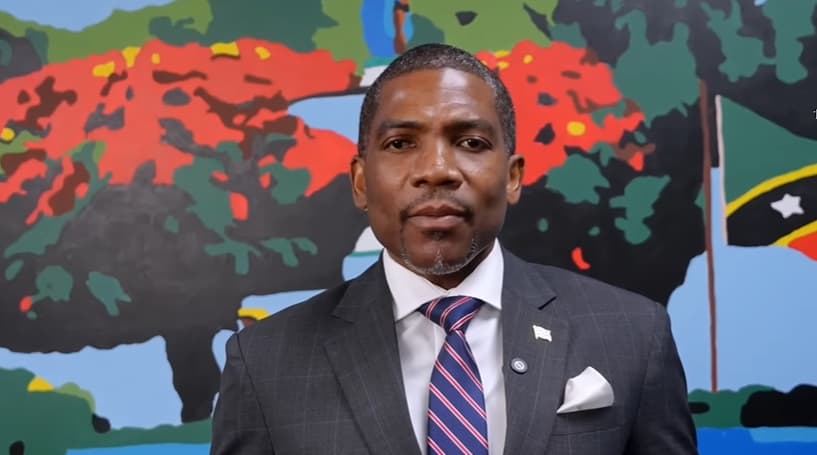
Facing persistent global economic volatility that has pushed up everyday living costs for households across the Caribbean, the federation of St Kitts and Nevis has rolled out a targeted package of four tax and duty relief measures designed to put immediate savings back into consumers’ pockets. Prime Minister and Minister of Finance Dr. Terrance Drew outlined the new initiatives in a national address delivered on Tuesday, April 14, 2026, confirming all measures will enter into force on Monday, April 20, 2026.
In framing the policy shift, Drew emphasized that the interventions respond directly to widespread household financial strain, noting, “These are genuine, targeted interventions to put money back in your pocket, to keep your lights on, to keep your vehicle moving and to help you breathe a little easier in a stormy world.” The government is absorbing more than EC $2 million in lost revenue to fund the relief package, a deliberate trade-off Drew defended as a critical investment in both household well-being and long-term economic growth: “Your Government chose relief over revenue – because when our people can breathe, our economy grows.”
The first and largest component of the package is a 50% cut to the excise tax on gasoline, lowering the levy from EC$1.95 per gallon to just EC$0.98 per gallon. This temporary cut will remain in place through July 31, 2026, with the government covering EC$1.2 million in foregone revenue to deliver immediate savings to both private drivers and commercial consumers who rely on fuel for work and logistics. The second measure complements this cut with a reduction in customs import duty on gasoline, dropping the rate from 6% to 3% through the same end date of July 31. This additional cut, backed by EC$600,000 in government absorbed costs, will further reduce prices at the pump. “Every fill-up leaves a little more in your pocket,” Drew said of the fuel-focused cuts.
To advance long-term energy affordability and the country’s transition to sustainable power, the third measure overhauls the federation’s alternative energy equipment policy. Through December 31, 2026, all imports of clean energy hardware, including solar panels, will be fully exempt from value-added tax (VAT), customs service charges, and import duties. The government will absorb EC$405,000 in revenue to support this initiative, which aims to lower barriers for households and businesses looking to invest in rooftop solar and reduce long-term reliance on costly imported fossil fuels.
The fourth reform targets hidden consumer costs in cross-border trade. Moving forward, extra shipping fees charged by freight companies will no longer be included in the customs calculation base for import taxes and duties, eliminating what would otherwise be a “tax on a fee” and creating a more transparent pricing structure for imported consumer goods.
In addition to the four permanent (temporary) new measures, Drew confirmed that the popular discounted VAT rate days will continue through 2026 to deliver additional targeted relief for major seasonal spending periods. The 2026 schedule includes an Easter discount day on April 17, back-to-school relief on August 28 and 29, and pre-Christmas season discounts (including for vehicle purchases) on December 11 and 19.
Drew stressed that the entire relief package forms a core part of the administration’s broader Sustainable Island State Agenda (SISA) and SEED (Sustainability, Education, Empowerment, and Development) strategy. Beyond immediate household relief, the policy shift is part of a longer-term plan to reduce the federation’s economic dependence on the Citizenship by Investment programme and build a more diversified, resilient domestic economy that supports all residents.
In a public Facebook post following the address, Drew called on local businesses to pass the full benefit of the government’s tax cuts through to end consumers, writing: “To our businesses: we ask not for charity but for fairness. When the Government reduces taxes, let those savings reach the people at the counter. Because when our people can breathe, our economy grows and that benefits everyone.”