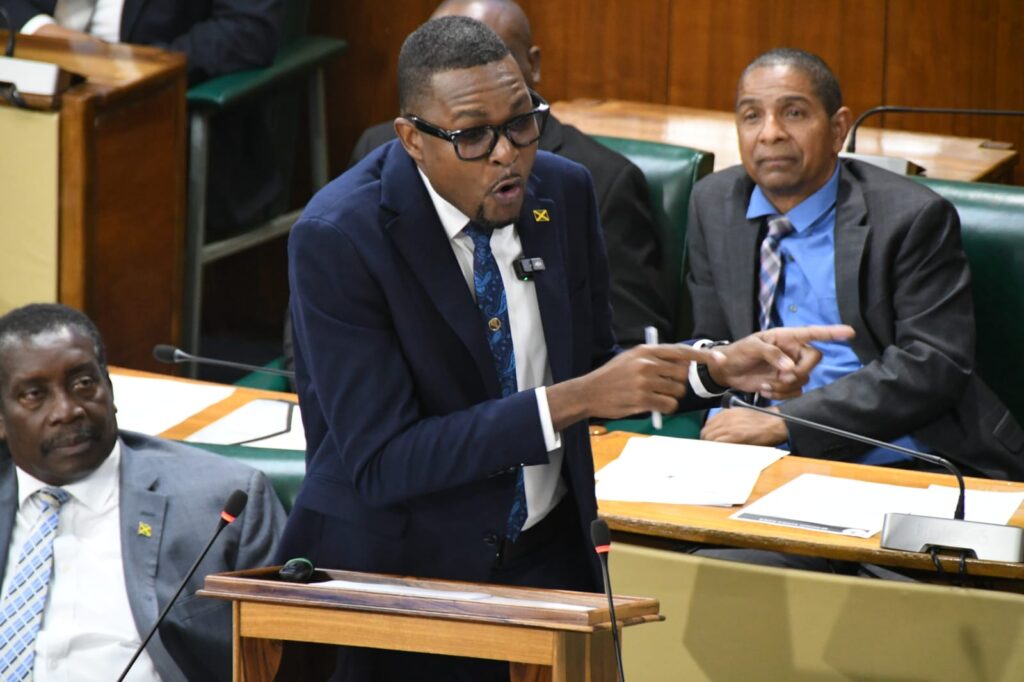
ST JAMES, Jamaica — The ongoing construction of the Montego Bay Perimeter Road has brought significant updates from Jamaica’s parliamentary floor, with officials announcing a nearly $80 million upward adjustment to the project’s total contract value. What was initially priced at US$274.5 million now stands at a finalized total of US$354.25 million, a shift that government leaders say aligns with improved project goals. Jamaican Minister with oversight of public works Robert Morgan broke down the details of the cost adjustment during his address Wednesday to the Sectoral Debate held in the country’s House of Representatives. Morgan explained that the extra funding is required to accommodate an expanded project scope and updated, more rigorous engineering standards that were added after the original contract was finalized. Beyond the cost update, Morgan shared key progress milestones for the transformative infrastructure initiative. As of the latest government update, the project is roughly 80% complete, and currently supports 525 on-site jobs. Critically, 87% of the entire workforce hired for the build are local Jamaican workers, delivering immediate economic benefits to the region alongside long-term transportation gains. Morgan emphasized that the initiative is far more than a standard roadway construction project: it is a comprehensive integrated transportation network that will reshape mobility across western Jamaica. The core of the project is a 15-kilometer Montego Bay Bypass, which will reroute through-traffic away from the city’s crowded urban core. This shift is expected to cut down on crippling local congestion, make travel times more predictable, boost overall road safety for both drivers and pedestrians, and unlock underutilized land for new commercial and residential development across the entire western region. In addition to the main bypass, the perimeter road project includes a complementary upgrade to the 10.5-kilometer Long Hill Bypass. The original design called for a two-lane corridor, but planners revised the plan to deliver a four-lane route equipped with protective median barriers. Morgan noted that this forward-looking change is intentional: it reflects the government’s commitment to building infrastructure that meets future demand, rather than only addressing current traffic needs. Within Montego Bay’s city limits, multiple critical upgrade projects are also moving forward. On West Green Avenue, crews are installing modernized intersections, paved pedestrian sidewalks, improved drainage systems, and updated traffic management technology to streamline local movement. At Barnett Street, a key bottleneck in the city’s busy commercial district is being addressed through road expansion and the construction of a new two-lane bridge spanning the Montego River. Once complete, the project is expected to deliver decades of improved mobility and economic growth to Jamaica’s tourist and commercial hub of Montego Bay.
标签: Jamaica
牙买加
-
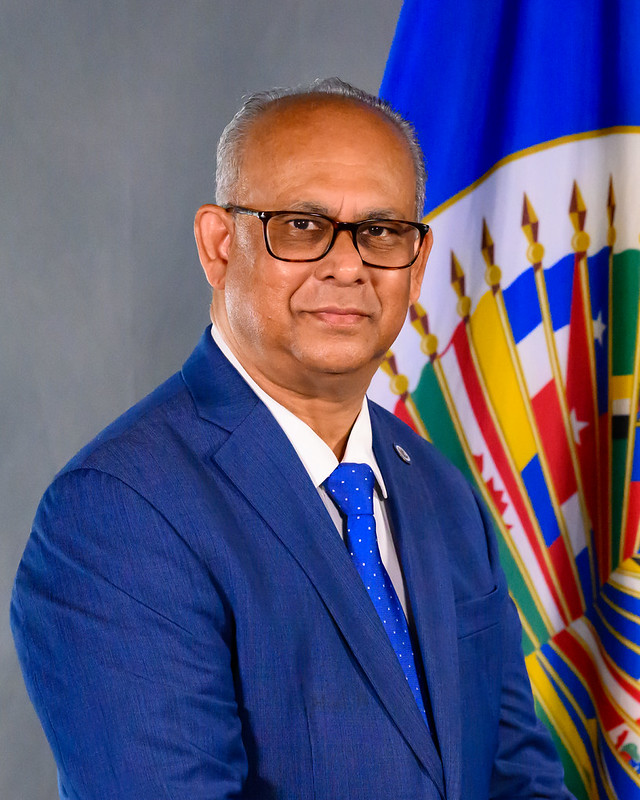
A vision for the Americas, a renewed commitment to the OAS
As the Organization of American States (OAS) prepares to convene its 56th General Assembly in Panama from June 22 to 24, the Americas find themselves at a critical crossroads. The region is grappling with an unprecedented confluence of challenges: democratic institutions are facing unprecedented pressure, election outcomes are facing widespread scrutiny and contestation, transnational organized crime preys on vulnerable communities, deep-rooted economic and social inequities continue to marginalize millions, and long-standing frameworks of international cooperation are being pushed to their breaking point. Few would argue that this turbulent juncture does not test the hemisphere’s ability to uphold the collective hope and optimism needed to overcome these interconnected hurdles.
However, OAS leadership emphasizes that multilateral cooperation is never more essential than during periods of crisis. Founded explicitly to navigate complexity rather than periods of calm, the OAS was built on the principle that dialogue, not division, is the only sustainable path forward, and that collective problem-solving must take precedence over unilateral action. Leadership expresses unwavering confidence in the OAS’s unique ability to bring diverse nations to the same negotiating table, turn shared core values into coordinated collective action, and deliver tangible policy solutions that lift the quality of life for all citizens across the region.
The OAS’s strategic vision is rooted in a hemispheric agenda for peace and security, anchored by the organization’s four non-negotiable core pillars: democracy, human rights, security, and integral development. These are not empty ideological concepts; they are mutually reinforcing foundations that underpin peace, stability, shared prosperity, and human dignity for every community across the Americas. Leadership also reaffirms a commitment to expanding democratic participation across the region and strengthening the core tenets and institutional structures of representative democracy at the local and national level. This work, leadership notes, requires inclusive national and regional engagement that strictly upholds every nation’s sovereignty, territorial integrity, and political independence.
Over the past 12 months, the OAS has moved to turn these guiding principles into tangible, on-the-ground action. To defend democratic processes across the hemisphere, the organization has deployed 16 independent electoral observation missions, working to reinforce electoral integrity and rebuild public trust in democratic governance at critical political junctures. These missions remain one of the OAS’s most high-impact and widely trusted contributions to strengthening democratic rule across the region. The organization has also taken decisive action when democratic order itself was at risk. A key example is the OAS Special Mission for the Strengthening of Democratic Institutions in Guatemala, active from 2025 to 2026, which played a key mediating and stabilizing role during a period of severe institutional tension, helping to preserve constitutional order and shore up the country’s fragile democratic structures.
On the security front, the OAS has worked closely with member states over the past year to upgrade their collective capacity to combat transnational organized crime. As leadership notes, defeating a transnational criminal network requires a coordinated transnational response – a structure the OAS is uniquely positioned to provide. By bringing all member states together with a clear political mandate to turn ad hoc cooperation into sustained, results-focused commitment, the organization has delivered measurable progress. Since 2019, for instance, seven member states have destroyed more than 90,000 illicit firearms and 219 tonnes of ammunition with OAS logistical and technical support. As drug trafficking networks expand the production and distribution of dangerous synthetic drugs across the region, the OAS Early Warning System of the Americas has scaled up its operations from just 4 participating countries to 18, helping nations respond rapidly to emerging drug threats.
Few challenges highlight the urgent need for coordinated hemispheric cooperation more vividly than the ongoing crisis in Haiti. When the mandate of Haiti’s Transitional Presidential Council expired in February, the OAS and its international partners played a central role in ensuring uninterrupted political continuity. The organization has restarted programs to support the issuance of national identification documents for Haitian citizens, and has maintained on-the-ground teams working to strengthen the operational capacity of the Haitian National Police. Leadership stresses that the Haitian people have long deserved peace, functional governing institutions, and the opportunity to select their own leaders through free and democratic elections. The OAS’s expectation is clear: Haiti must finally establish the secure conditions needed to hold long-delayed elections and expand access to life-saving humanitarian assistance – basic needs that Haitian citizens have been denied for more than a decade.
The OAS has also maintained active engagement with key stakeholders surrounding the ongoing political crisis in Venezuela, where a peaceful, inclusive democratic transition remains an urgent priority for the region. Sustainable recovery in Venezuela will require free, credible presidential and parliamentary elections, followed by a process of national re-institutionalization that includes representation for all segments of Venezuelan society. Just as in Haiti, the OAS stands ready to support an inclusive agenda for peace and democratic governance in Venezuela, one that rebuilds public trust, restores political legitimacy, and renews hope for the country’s future.
These ongoing initiatives underscore a simple but critical truth: the OAS exists as a purpose-built platform for collective problem-solving. Its ongoing relevance stems from its unique ability to convene stakeholders, mediate political disputes, accompany member states through institutional transitions, and deliver on-the-ground action – all in service of the people of the Americas.
This year’s General Assembly, hosted by Panama, carries special symbolic meaning for the region. Panama is marking the 200th anniversary of the 1826 Amphictyonic Congress, the landmark gathering convened by Simón Bolívar to begin turning his vision of hemispheric unity and cooperation into reality. Nearly two centuries later, that vision remains unfinished, but it is no less a core priority for the region. Bolívar’s legacy of pan-American unity shapes the OAS’s expectations for the 56th General Assembly. Leadership envisions a gathering that reinforces hemispheric unity and open political dialogue, advances practical cooperative agreements that deliver tangible benefits to regional populations, and strengthens the OAS’s role as the hemisphere’s central forum for multilateral cooperation and political engagement.
While the challenges facing the Americas are undeniably real and complex, the region’s inherent potential – among its leaders, its people, and its diverse communities – is equally substantial. The hemisphere is defined by extraordinary cultural diversity, enduring popular resilience, and a widespread shared aspiration for democratic self-governance. By working together through open dialogue, coordinated cooperation, and mutual respect for national differences, the region can build a future defined not by political division, but by shared peace and prosperity for all.
-

Trump, Iran’s president sign deal to end Mideast war
Two months after a US-Israeli military campaign sparked a regional conflict that disrupted global energy supplies, the United States and Iran have signed a preliminary agreement to end open hostilities, with Iran committing to roll back its nuclear enrichment activities in exchange for sweeping economic sanctions relief.
The historic signing took place on Wednesday evening, following the conclusion of the G7 summit in France. U.S. President Donald Trump put his signature to the memorandum of understanding during a working dinner with French President Emmanuel Macron at the Palace of Versailles, a senior U.S. official confirmed to Agence France-Presse. As he exited the palace, Trump simply told waiting reporters, “Just signed it.”
Iranian state news agency IRNA later confirmed the authentication of the document, quoting Foreign Ministry spokesman Esmaeil Baqaei who said the deal was finalized once both heads of state affixed their signatures.
The conflict that the agreement aims to resolve began on February 28, when the United States and Israel launched military operations against Iran. Iran responded with barrages of missiles and drones targeting regional interests linked to its adversaries, and effectively shut down the Strait of Hormuz — the strategic chokepoint through which roughly 20% of the world’s daily oil supplies pass, triggering immediate fears of a global energy crisis. “Now it is time to test the implementation of the agreement,” Baqaei noted.
The core terms of the preliminary deal lay out immediate, concrete measures for both sides. Washington has committed to immediately lift crippling oil sanctions that have gutted Iran’s economy for years. Once a permanent, comprehensive agreement is reached on Iran’s nuclear program, the deal also paves the way for the release of $300 billion in reconstruction funds backed by regional nations, though U.S. officials clarified Washington will not contribute any of its own money to the pool. For Iran’s part, the country has agreed to dilute its existing stockpiles of enriched uranium, a process expected to be carried out on site under direct supervision from the International Atomic Energy Agency, the United Nations’ nuclear watchdog.
The path to the signing saw a last-minute shift in protocol: the deal was originally scheduled to be signed by Iran’s chief nuclear negotiator and parliament speaker Mohammad Bagher Ghalibaf and U.S. Vice President JD Vance, but Iran scrapped plans for an in-person signing ceremony. Even as the agreement was finalized, Iranian officials framed the outcome as a strategic win for Tehran, with Ghalibaf stating on state television Wednesday night that the deal amounted to a U.S. “failure.” “People will see it and judge,” he added.
Global powers have already weighed in on the agreement, with China’s top diplomat emphasizing to Iranian counterparts Wednesday that full, genuine implementation of all commitments is the key to long-term stability. However, the deal has sparked sharp backlash even within U.S. political circles, as Trump’s decision to end a conflict that left 13 American service members dead and depleted massive U.S. ammunition stockpiles has split his own allies.
Crucially, the agreement is only an interim arrangement designed to create space for detailed negotiations on the most intractable issue: long-term curbs on Iran’s nuclear ambitions, which the U.S. has long argued conceal a secret nuclear weapons program. Trump warned earlier Wednesday that he remains prepared to “bomb the hell” out of Iran if the country violates the terms of the ceasefire. But Republican Senator Bill Cassidy offered a scathing rebuke of the deal, arguing it represents the worst foreign policy mistake in modern U.S. history. “Iran’s nuclear ambitions were not curbed, and they have learned that threatening the Strait of Hormuz works,” Cassidy said. “Sanctions will be lifted, and the bombing has stopped.”
Pro-Iranian regional groups have echoed Tehran’s positive framing of the deal. Naim Qassem, head of the Lebanese Shiite movement Hezbollah, described the agreement as a “great victory” for Iran Wednesday, thanking Tehran for securing a truce that includes Lebanon. Lebanon was dragged into the conflict after Hezbollah launched rocket attacks against Israel on March 2 in solidarity with Iran.
A 60-day negotiating window for a permanent agreement has now officially opened, with the immediate first step being the full reopening of the Strait of Hormuz. Global energy markets have already reacted to the news with significant volatility: oil prices had fallen steadily in recent days as optimism for a peace deal grew, but swung wildly Wednesday, jumping 5% at one point as uncertainty over the signing spread before stabilizing later in the day.
While violence has largely tapered off across the region following the truce announcement, sporadic clashes continue in southern Lebanon. Lebanese state media reported that at least five people have been killed in Israeli strikes since the deal was announced, and that Israeli forces carried out raids across southern Lebanon on Wednesday. The Israeli military confirmed that five of its soldiers were wounded, one critically, after an explosive drone struck positions in southern Lebanon — the first such casualty incident confirmed since the truce was signed. The military also added that its air defenses intercepted multiple rockets fired toward Israeli troops operating in the area, with no additional casualties reported.
-

Dunn’s River Falls earns 2026 TripAdvisor Travellers’ Choice Award
One of the Caribbean’s most iconic tourism landmarks has earned a prestigious international honor, solidifying Jamaica’s standing as a premier global travel destination. Dunn’s River Falls and Park, the popular St Ann-based natural attraction located in Ocho Rios, has been named a 2026 TripAdvisor Travellers’ Choice Awards winner, placing it among the top 10 percent of attractions worldwide based on aggregated visitor reviews and ratings.
The announcement came via an official statement released Wednesday by the Urban Development Corporation (UDC), the government entity that manages the iconic site. According to the UDC, the award reflects a full year of consistently positive traveler feedback, and recognizes the attraction’s excellence across four key pillars: customer experience, service delivery, environmental stewardship, and strategic destination management.
For Jamaica’s thriving tourism sector, this honor marks another major milestone that strengthens the country’s global brand, UDC officials emphasized. Sherlock Glenister, the UDC’s deputy general manager overseeing subsidiary management and revenue generation, noted that the recognition reinforces Jamaica’s long-held reputation as one of the Caribbean’s leading travel hotspots.
“What makes this award so meaningful is that it comes straight from the travelers themselves—people from every corner of the globe who have experienced the one-of-a-kind magic of Dunn’s River Falls in person,” Glenister explained. “Ranking among the top 10 percent of attractions worldwide is a powerful endorsement of the quality, authenticity, and excellence that Jamaica consistently delivers to international visitors.” He added that the falls remain one of Jamaica’s most treasured natural and cultural landmarks, drawing hundreds of thousands of visitors annually.
Matt Dacey, Chief Marketing Officer of TripAdvisor, also extended his congratulations to the attraction’s management team on the achievement. “Congratulations to Dunn’s River Falls and Park on earning a spot in the 2026 TripAdvisor Travellers’ Choice Awards,” Dacey said. “To rank among the top percentage of attractions globally means you have left such a lasting positive impression on your guests that countless visitors took time out of their schedules to go online and share glowing feedback about their experience. We hope this recognition drives even more visitor interest and growth for the attraction in 2026 and for years to come.”
Famous for its guided waterfall-climbing experiences, pristine beach access, and diverse eco-tourism offerings, Dunn’s River Falls and Park has long been one of the most visited attractions in the entire Caribbean. The UDC pointed out that the award arrives at a particularly opportune moment for Jamaica: the country is currently seeing sustained strong demand from international travelers, alongside a growing global appetite for authentic nature-focused and sustainable tourism experiences—two areas where Dunn’s River Falls has become a regional benchmark.
-
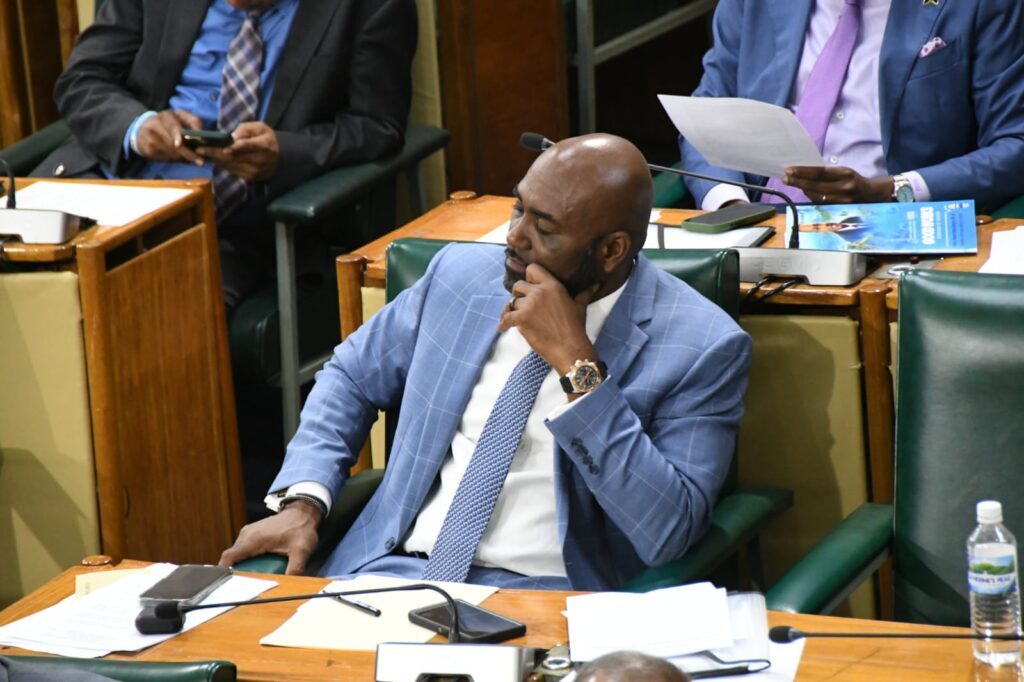
Wheatley rejects IC report as ‘false’, points to ‘ignored’ real estate earnings
KINGSTON, Jamaica — A sitting Jamaican cabinet minister has launched a forceful public rejection of damning findings from the country’s Integrity Commission (IC), which recommended criminal charges of illicit enrichment over a $164 million gap between his declared assets and documented lawful earnings across a nine-year investigative window.
Dr. Andrew Wheatley, a minister without portfolio assigned to the Office of the Prime Minister overseeing science, technology and special projects, and the sitting Member of Parliament for St Catherine South Central, pushed back hard against the allegations hours after the IC’s investigative report was formally tabled before Jamaica’s Parliament on Wednesday.
In a detailed media statement, Wheatley condemned the conclusions drawn by the IC’s Director of Investigations as “patently false, inaccurate and grossly misleading.” He says the investigation’s core calculation omitted more than $168 million in legitimate, properly declared rental income he accumulated from his private real estate ventures over the audit period spanning 2010 to 2022.
The IC’s probe, which reviewed Wheatley’s mandatory annual statutory asset declarations across the 12-year timeframe, found that assets acquired or held by the minister between 2013 and 2022 could not be matched to his reported legal income, resulting in the disputed $164 million unexplained disparity. Along with illicit enrichment, the commission has recommended multiple other charges be brought against the minister.
Beyond the excluded rental income, Wheatley argues investigators also failed to account for $50 million in verified loan repayments he made to financial institutions for financing tied to his real estate business. He told reporters that all relevant documentation, including signed lease agreements and bank statements confirming the regular deposit of the $168 million in rental earnings, was already turned over to the IC during the investigation.
“What is most concerning is that if investigators required additional evidence to verify the legitimacy of this income, they could have requested it — but they never did,” Wheatley said. “Drawing final conclusions without pursuing clarifying information is unreasonable and unfair, particularly given my full cooperation with the entire investigative process.”
Wheatley also addressed a separate allegation related to six residential apartments transferred to him and recorded as gifts on his asset declarations. He explained that the units were the result of a restructured 50/50 joint development deal with a private business partner. After he was unable to meet his original financial obligations for the land development project, the partnership agreement was renegotiated to a 70/30 split in the partner’s favor. Wheatley’s 30% stake was allocated as six finished apartments instead of a cash payout, a common legal practice in local real estate development that the IC investigator failed to recognize, he said.
Notably, the IC’s report did not include any finding that Wheatley improperly misused or profited from public funds. The minister emphasized that he has instructed his legal team to mount a robust challenge to the commission’s findings in court, and he remains confident he can prove every asset he holds was acquired through legal means.
“I will clear my name through the judicial process, and I am certain of a positive outcome,” Wheatley said. “I want to reassure Parliament and all Jamaicans that I can produce full, verifiable evidence that every dollar and every asset I own was obtained lawfully.”
-

Food in every fashion
Last Wednesday, Jamaica’s Terra Nova All Suite Hotel became a hub for culinary innovation and cultural celebration, as emerging young food enthusiasts and seasoned industry leaders gathered for the 2026 Foodie Seminar. Held under the evocative theme “Unbreakable Spirit”, the full-day event featured expert-led panel discussions spanning critical topics from food safety and national food security to small business resilience, artisanal confectionery craft, and the future of Jamaica’s booming culinary sector. The seminar serves as a lead-up to the 27th Jamaica Observer Table Talk Food Awards, the island’s most prestigious annual celebration of culinary excellence, bringing together a diverse roster of 9 expert panellists from across the industry and non-profit space.
Opening the seminar, veteran food regulatory inspector Allison Richards centered the conversation on one of Jamaica’s most pressing industry challenges: long-term food security. During her presentation, she challenged attendees and the broader public to question whether the island can truly achieve the capacity to feed its own population. Breaking down the four core pillars of food sustainability—availability, access, utilisation, and stability—Richards urged Jamaicans to align their local actions with the 2026 World Food Safety Day theme, “From burden to solution – safe food everywhere”. In a call to action that resonated across the room, she asked: “If every household grew just one thing, what do you think Jamaica would look like? Start with you.”
Food security and the unbreakable spirit highlighted by the seminar’s theme took center stage in the conversation from Romario Creary and Adrian Wilson, co-founders of the fast-growing Soup King food brand. Just one week before the brand’s planned grand opening in 2025, Category 5 Hurricane Melissa devastated the island, triggering widespread fresh produce shortages and skyrocketing ingredient costs that threatened to sink their new venture. Rather than abandoning their dream, the pair persevered through the crisis, and this year celebrated the launch of their first permanent retail location. Wilson shared the brand’s unlikely origin story: back in 2015, he was operating a local car wash, and began serving homemade soup to waiting customers as a small weekend perk. Today, the car wash is gone, but the soup business has grown into a recognizable local brand. “Opportunity does not always come from creating something new; it can come from something that was always right in front of you,” Wilson told attendees. “Sometimes it comes from improving something very familiar.” Creary emphasized that passion for both product and community, paired with unwavering consistency, are the foundation of long-term success: “In order to innovate, you have to be consistent first…and then you will recognise avenues to innovate; those will come.”
The conversation shifted to the intersection of food, community empowerment and mental wellbeing when Dr. Altreisha Foster, a former vaccine scientist who now owns boutique bakery Sugar Spoon Desserts, introduced her non-profit initiative “Cake Therapy”. The program provides a safe, supportive space for underprivileged young girls to build confidence and life direction through the art of baking. Foster explained that the initiative goes far beyond teaching baking skills: the kitchen acts as a metaphor for life, teaching participants to turn chaos into something meaningful, while offering a judgment-free space to create. “It is about human connection,” she said. “Food carries memories, it carries identity, it carries my culture.”
Attendees left with overwhelmingly positive impressions of the day’s discussions. Shelly-Ann Brown and Garfield Allen, both employees of the National Certification Body of Jamaica, which certifies local food businesses, called the event exceeding expectations. “It definitely exceeded my expectations, the presentations were superb. The organisers should be lauded, and I think the presenters should be lauded,” Allen said. Brown echoed the praise, noting: “Having that interconnection, looking at building your own business and also social responsibility being included, it was just a beautiful connection…coming together just talking about food and how it is evolving, it was excellent.”
Looking to the future of Jamaican culinary tourism and industry growth, Joseph Johnson, owner and CEO of popular Peckish restaurant, laid out his vision for downtown Kingston as the island’s next top culinary destination. Johnson argued that the area already has the foundational cultural and community infrastructure to grow into a world-class culinary hub, with an organic street food culture that mirrors the beloved open-air energy of Manhattan’s iconic street food scene. “What we are witnessing downtown is more than just restaurants. We don’t need to invent food culture downtown, we simply need to recognise it…downtown’s best days are ahead,” he predicted, outlining a vision of walkable streets lined with sidewalk cafes and open-air dining spots.
Additional presentations covered the craft of Jamaica’s award-winning artisanal chocolate from panellist Nadine Burie, while industry leaders Suedi Ann Hamilton, Kishauna Armstrong, and Robyn Fox shared their own stories of resilience amid industry challenges. Throughout the day, attendees actively engaged with every panel, asking questions about accessing capital, building successful business partnerships, effective networking, and navigating day-to-day industry operations. Creary urged young emerging entrepreneurs not to rely solely on industry connections, stressing that self-belief and unwillingness to compromise on core values are far more critical: “It is very important, especially for younger persons, links are nice…but let me tell you, we can do it without that, we can do it [by] believing we can do it and don’t ever compromise yourself to [do] it. Hard work and exposure are key to the future of the culinary industry, through youth.” He also praised the Jamaica Observer for creating collaborative forums that lift up the next generation of culinary professionals.
Jamaica Observer Managing Director Dominic Beaubrun, who attended the event with his son to expose the younger generation to industry opportunities, explained that the seminar was designed to highlight the full, complex ecosystem that supports the food Jamaicans enjoy every day. “We can’t really begin to pay homage to the level of service and effort and thought and ingenuity that goes into it, but here we are laying face to people and their experiences and stories, histories, successes, failures and learning, and all of that goes to inform and educate even more,” he said.
-

US serial killer jailed for life over Gilgo Beach murders
After a years-long investigation that gripped the American public and confounded law enforcement, the man known as the Gilgo Beach serial killer has been formally handed a permanent life sentence behind bars, closing a dark chapter of unsolved violence that haunted a New York coastal community for decades.
Rex Heuermann, a 62-year-old former architect, received three consecutive life terms with no eligibility for parole during a Wednesday sentencing hearing in Long Island, more than a year after his 2023 arrest. The conviction caps a string of brutal killings that stretched from 1993 to 2010, when Heuermann targeted and killed eight women, then dismembered their bodies and scattered their remains across Gilgo Beach and surrounding areas of Long Island, just outside New York City. In a surprising April 2024 court proceeding, Heuermann pleaded guilty to all seven murder charges brought against him, plus an eighth killing that had not yet been formally filed.
The Gilgo Beach murders stood as one of the most high-profile cold cases in U.S. history for more than a decade. Victims’ remains were first discovered between 2010 and 2011 along the protected barrier beach on Long Island’s South Shore, with one victim’s remains located as far as 70 miles away as early as 1993. For years, investigators had no viable leads, and the unsolved mystery drew widespread public attention, becoming the subject of multiple popular true crime documentaries.
Critics have long argued that delays in cracking the case stemmed from implicit bias: most of Heuermann’s victims were sex workers, and many observers claim law enforcement would have prioritized the investigation far earlier if the victims had come from more privileged backgrounds.
The break in the case finally came in 2022, when detectives connected a vehicle spotted with one of the victims to Heuermann, who was listed as the registered owner. From there, investigators built a robust case against the married father of two using cutting-edge forensic evidence: DNA recovered from a discarded pizza crust matched DNA found at the crime scene linked to the victims, and cell phone data directly tied Heuermann to locations connected to the killings. Additional evidence, including records of hundreds of internet searches about the ongoing Gilgo Beach investigation, was recovered from Heuermann’s suburban Massapequa Park family home. Searches recovered included chilling queries such as “Why hasn’t the Long Island serial killer been caught?”
Wednesday’s hearing brought raw, emotional testimony from the family members of Heuermann’s victims, who shared the devastating, lifelong impact of his crimes with the court. In a rare moment of accountability from the defendant, Heuermann also addressed the court, acknowledging full responsibility for all the acts outlined during the proceedings. He was arrested one year prior outside his Manhattan architecture office, ending decades of speculation about the killer’s identity.
-

Jamaican wellness coach aims to transform PMOS care with app tailored to Caribbean women
After a years-long, frustrating battle with undiagnosed Polyendocrine Metabolic Ovarian Syndrome (PMOS), Jamaican entrepreneur and coach Denesha Bailey turned her personal struggle into a solution for thousands of women across the Caribbean and beyond. What began as a quest to take control of her own health has evolved into *My Healing Notes*, a first-of-its-kind mobile wellness app built specifically to address gaps in PMOS education, support, and daily management that many women with the condition face globally.
Bailey’s journey to a formal diagnosis stretched across five years. As early as 2020, she experienced persistent, debilitating symptoms including chronic fatigue that caused midday energy crashes, unexplained weight gain despite regular exercise, brain fog, anxiety, and irregular menstrual cycles. Medical providers initially dismissed her concerns, attributing her symptoms to lingering COVID-19 fatigue, and a gynecologist rejected her self-suspected PMOS diagnosis before a second opinion finally confirmed the condition in 2025. Like thousands of women worldwide, Bailey soon discovered that even after receiving an official diagnosis, accessible, region-appropriate guidance for managing the chronic metabolic disorder was nearly impossible to find.
“A lot of women struggling with PMOS are not properly educated on what the condition is and how to manage it,” Bailey explained in an interview with Observer Online. “Many medical providers only tell patients to lose weight, and pay little attention to the condition if the woman isn’t currently trying to conceive. But PMOS worsens over time when left untreated, and even when you do learn the basics, practical, tailored resources are hard to come by. That’s the gap this app fills.”
Launched into beta testing on March 18, 2026, My Healing Notes centers on a simple five-step daily management framework focused on sleep, nutrition, movement, supplementation, and stress reduction. Unlike generic wellness apps built primarily for North American audiences, the platform is intentionally tailored to Caribbean lifestyles, offering region-specific meal plans across six Caribbean sub-regions, including inclusive vegan options that rely on local staples rather than imported, expensive ingredients. Bailey is already updating the app to add more budget-friendly local alternatives, such as swapping imported salmon for affordable local mackerel, in response to early user feedback.
The app combines core symptom tracking with educational resources and innovative AI-powered tools. Users can log and track daily meals, menstrual cycles, sleep patterns, mood fluctuations, and weight changes to identify personal symptom triggers. One of the app’s most groundbreaking features is its AI coach, which can scan packaged food labels to assess whether a product aligns with PMOS-friendly dietary guidelines, scan full plates of food to evaluate nutritional balance for PMOS management, answer user questions in real time, and suggest appropriate alternative products when an item is flagged as unsuitable. For context, PMOS is commonly linked to insulin resistance, which raises a person’s risk of developing type 2 diabetes, making dietary management a critical component of long-term health.
To help address the often-overlooked social and emotional impacts of PMOS, the app also includes a shareable educational one-pager that users can send to partners to help them understand how the condition affects energy, mood, fertility, and sexual health. Looking ahead, Bailey is developing an on-platform “Expert Hub” that will connect users directly to a network of gynecologists, endocrinologists, nutritionists, mental health therapists, and fitness coaches with specialized training in PMOS care.
Currently operating on a freemium model during its beta phase, the app will permanently keep all core educational resources free for users after June 15. Advanced premium features, including the AI-powered scanning tools, will be available via a $9.99 USD monthly subscription.
Since its beta launch in March, the app has already attracted 297 active users and earned an average user rating of 4.4 out of 5. Early users report that the platform provides consistent accountability and accessible answers that they were unable to find from medical providers or generic wellness tools.
Bailey’s own health transformation after following her five-step framework speaks to the app’s potential: she has lost 40 pounds, regained her energy, cleared the brain fog that impacted her work, and restored her confidence. After years of just surviving with undiagnosed PMOS, she wrote three books and built the app in a single month, crediting her management framework with giving her a new lease on life.
My Healing Notes will see its full official launch at the end of June 2026, ahead of Bailey’s presentation at the Jamaica Ladies’ Expo on July 4. For Bailey, the app is more than a business venture—it’s a mission to empower women. Her long-term goal is to ensure every woman struggling with PMOS has access to the affordable, practical tools and knowledge they need to manage the condition effectively and live life at their full potential.
PMOS, previously known as Polycystic Ovary Syndrome (PCOS), is a common hormonal disorder that affects an estimated 10 to 13 percent of women of reproductive age globally. Up to 70 percent of all cases remain undiagnosed, and the condition is one of the leading causes of infertility worldwide.
-
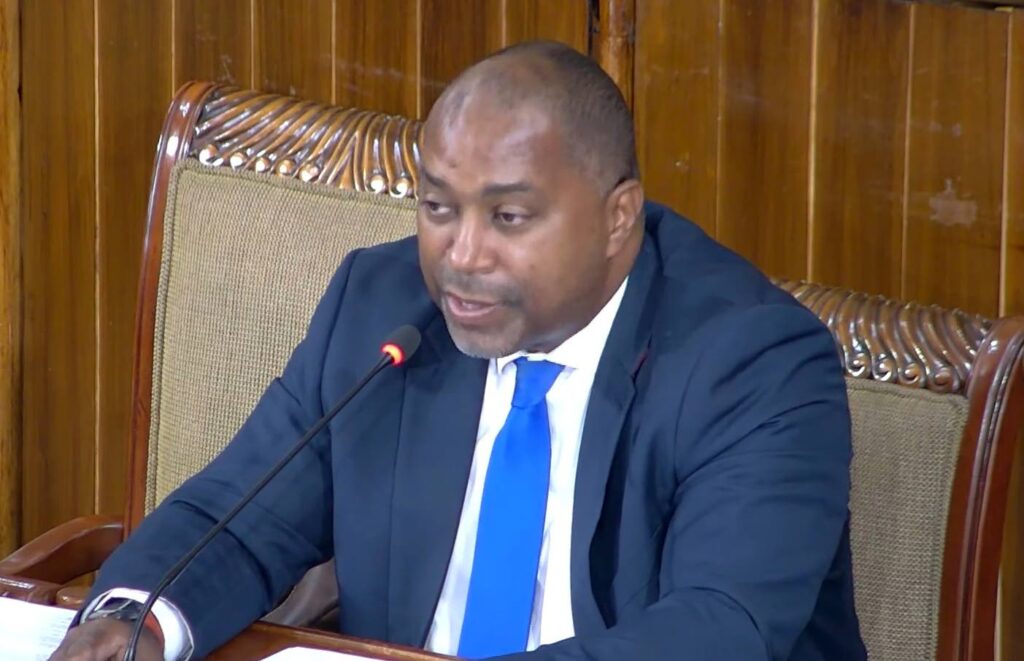
$200 JOKE
A high-profile standoff between Jamaica’s parliamentary oversight body and a top public hospital chief has thrust long-dormant flaws in the island’s contempt of Parliament legislation into the national spotlight, after University Hospital of the West Indies (UHWI) Chief Executive Officer Fitzgerald Mitchell failed to appear for a third summoned meeting of the Public Accounts Committee (PAC) on Tuesday.
Mitchell’s repeated absence is tied to a months-long PAC probe into a damning Auditor General’s report that uncovered widespread systemic failures at the prominent public medical facility, including broken procurement protocols, gaping governance gaps, and inadequate record-keeping practices. Lawmakers had already extended multiple informal invitations to Mitchell to answer questions about the irregularities outlined in the audit before issuing a formal summons, making his unexcused no-show on Tuesday an unprecedented break from protocol. To date, neither Mitchell nor his legal representation have submitted any correspondence to the committee explaining his failure to attend.
“It is very concerning that a public official who is in a position of authority – having been invited, first [to have] not responded, [then] having been summoned, [there was] no response either from himself nor his lawyer — is in contempt and in breach of the Parliament,” PAC Chairman Julian Robinson told members during Tuesday’s sitting at Gordon House. Robinson added that the committee had exhausted all reasonable alternative avenues to secure Mitchell’s voluntary attendance prior to moving forward with a formal summons, making his conduct particularly alarming.
Following Mitchell’s latest absence, the PAC voted unanimously to advance the matter to the Speaker of the House of Representatives, officially requesting that the case proceed under the existing Senate and House of Representatives Powers and Privileges Act. During the meeting, Senior Legislative Counsel Tiffany Stewart walked committee members through the current legal framework for addressing contempt of Parliament, and her confirmation of the law’s outdated penalties immediately sparked a wider debate about the urgent need for legislative reform.
Stewart confirmed that all procedural requirements for serving the summons to Mitchell had been fully met, and that his failure to comply legally qualifies as contempt of Parliament. But she also emphasized that the current legislation is woefully outdated, calling for a full comprehensive review led by the Ministry of Justice and Constitutional Affairs, the Law Reform Department, and the Office of the Parliamentary Council. Stewart specifically recommended amending Section 18 of the Act to strengthen penalties and expand available sanctions, a change she framed as critical to upholding public accountability for Jamaican public officials.
Under the 70-plus-year-old existing law, the maximum penalty for a conviction of contempt of Parliament is a fine of just $200, with a maximum 12-month prison sentence as an alternative for those who fail to pay the fine. For Robinson, this weak penalty scheme exposes a fundamental vulnerability in Parliament’s ability to compel compliance from public officials, threatening to erode the legislative body’s constitutionally mandated oversight role.
“It can’t be that a committee designed to ensure accountability, transparency, and good governance will have its work subverted simply because a public officer refuses to appear before it,” Robinson said. He noted that Mitchell’s refusal to cooperate stands in stark contrast to the full cooperation the committee has received from other senior UHWI officials tied to the audit, including former CEO Kevin Allen and former board Chairman Wayne Chai Chong, both of whom appeared voluntarily to answer questions about the audit’s findings.
Opposition MP for Manchester Southern Peter Bunting described Mitchell’s actions as a deliberate affront to parliamentary authority, arguing that the committee must pursue contempt proceedings even with the current limited penalties available. “This behaviour of the CEO is outrageous and unacceptable. It is contemptuous of Parliament’s role in giving oversight to the executive and it cannot be allowed to stand or we’re just wasting our time coming here to attend PAC and other standing committee meetings,” Bunting said. While he acknowledged that a $200 fine amounts to little more than a minor nuisance for a senior public official, Bunting argued that securing a contempt conviction remains a critical step to register the committee’s formal disapproval and set a precedent for future cases.
“The litany of mismanagement that we have read in the Auditor General’s report and for this level of contempt to be offered to this committee is just plain unacceptable. While the $200 may be a nuisance… I still think we should go through with the conviction for contempt. At least let that be on the person’s record if that is the only thing to signal to the public that this committee is completely dissatisfied and we find this behaviour absolutely unacceptable,” Bunting added.
Veteran PAC member Lothan Cousins, the Opposition MP for Clarendon South Western, echoed Bunting’s criticism, noting that Mitchell’s repeated unexcused absences are unprecedented during his years of service on the committee. “We’re speaking about a CEO serving the hospital and receiving compensation. We are dealing with serious matters that need interrogation and it’s not only about criticism but we are here to assist as well, as you have seen over the last couple of weeks… This is most unacceptable and I sincerely hope that the minister is looking on, the board is taking note and that serious disciplinary action must be taken as it relates to this particular individual and the office that he holds,” Cousins said.
Responding to the committee’s frustration, Errol Greene, Permanent Secretary for the Ministry of Health and Wellness, noted that the formal authority to discipline Mitchell rests with the UHWI board of directors. He nonetheless pledged to formally escalate the committee’s concerns to the board immediately following the meeting. “What I can assure you is that I will be writing as soon as I leave here to the chairman of the board to express the concerns and the angst of the PAC, and to ask that due diligence be done and whatever disciplinary actions can be taken by the board of directors of the University Hospital of the West Indies after they do their due diligence that that be done. That’s what I’m committing to do,” Greene said.
The PAC’s ongoing investigation was launched in response to the Auditor General’s 2024 report, which detailed significant operational and governance failures at UHWI, one of Jamaica’s leading public teaching hospitals. Over the past several weeks, the committee has interviewed a string of current and former senior UHWI officials, aiming to pinpoint the root causes of the irregularities and assign accountability for the documented mismanagement.
-
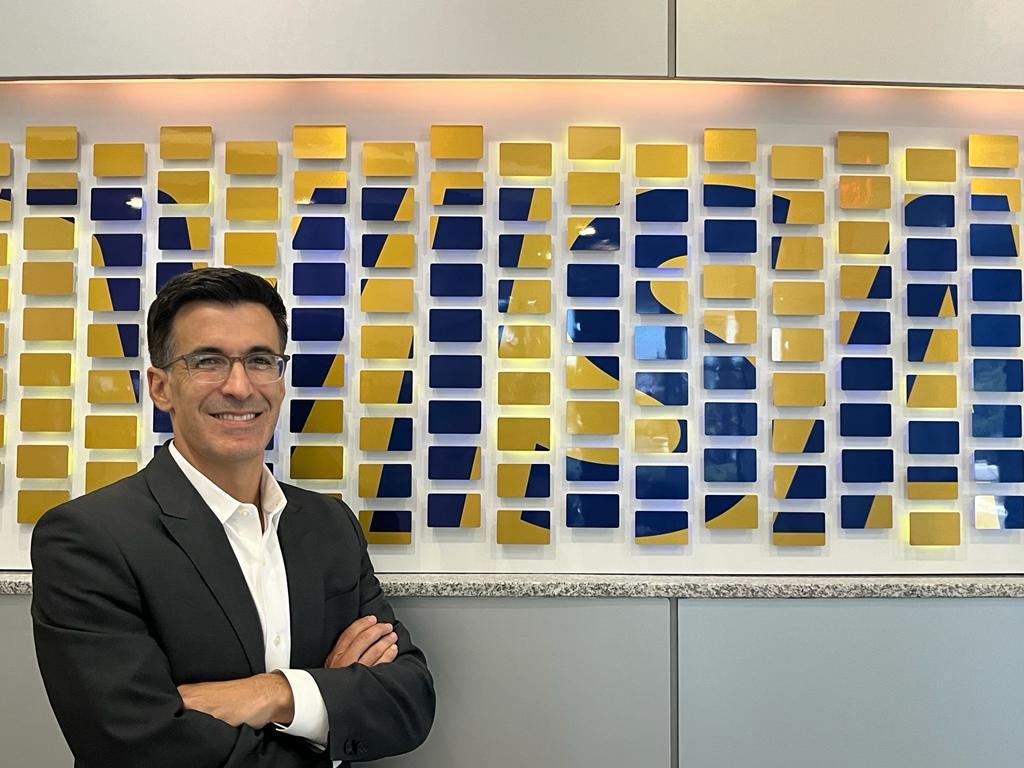
Visa names Jorge Salum to lead expanded Greater Caribbean operations
MIAMI – Global payments technology giant Visa has announced a key leadership appointment and regional restructuring for its Caribbean operations, tapping longtime regional executive Jorge Salum to serve as Vice President and Country Manager for the newly established Greater Caribbean Markets. This new role puts Salum at the helm of an expanded operational footprint covering 22 distinct markets across the region, following the consolidation of the company’s previously separate Northern and Southern Caribbean divisions. The restructured footprint excludes Puerto Rico and the Dominican Republic, which remain under separate management.