标签: Guyana

圭亚那

  • Police probe death of teen motorcyclist amid protest on Corentyne

    Police probe death of teen motorcyclist amid protest on Corentyne

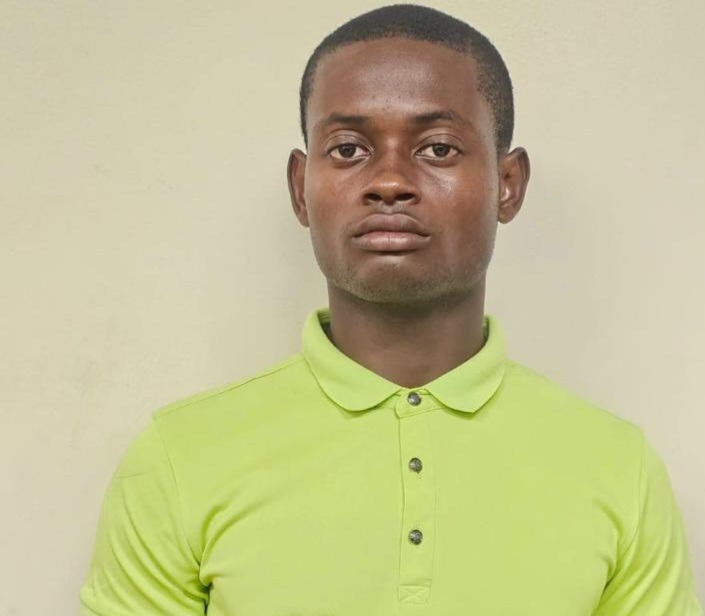
    On June 25, 2026, public outrage erupted across Corentyne, Berbice, after 16-year-old motorcyclist Aftaz King died following an encounter with local law enforcement, prompting widespread protests that saw demonstrators set fires along the Corentyne Public Road. By late Thursday night, the Guyana Police Force (GPF) bowed to mounting pressure from opposition political groups, announcing a formal investigation into the circumstances of the teenager’s death.

    According to the GPF’s initial account, King— a resident of Eliza Mary Race Course, Corentyne— was killed at approximately 6:45 p.m. on Princeton Access Road. Police investigators stated that King was operating motorcycle #CL 5607 when he attempted to evade a routine police patrol, lost control of his vehicle, and crashed head-on into a utility pole. King was rushed to the No. 75 Regional Public Hospital, where medical staff pronounced him dead on arrival, the force added.

    This official narrative has been directly challenged by opposition groups, who have alleged that police deliberately struck the teenager. The smaller opposition We Invest in Nationhood (WIN) party was the first to publicly dispute the police account, issuing a statement calling for “justice for young Altaf that was purposely hit by Police Officer in Corriverton.”

    Main opposition coalition A Partnership for National Unity (APNU), led by the People’s National Congress Reform (PNCR), amplified these calls hours later, demanding a full, independent, and transparent investigation. The coalition released a formal statement saying it was “deeply disturbed” by reports that King was being actively pursued by officers from the Springlands Police Station at the time of the crash. The PNCR-APNU called for immediate preservation of all relevant evidence, including internal police records, officer communications, and any available surveillance footage, and pushed for public release of investigation findings to uphold accountability and maintain public trust in law enforcement.

    “The PNCR/APNU stands with the grieving family in their pursuit of truth and justice. No family should have to endure the pain of losing a child under such circumstances without clear answers and accountability,” the coalition said in its statement.

    Just over two hours after APNU made its formal demand for an inquiry, the GPF announced that its Office of Professional Responsibility (OPR) had already launched an immediate probe into the incident. “The OPR investigation will examine all aspects of the incident and establish whether there was any criminal or disciplinary culpability,” the police force said in an official public statement.

    Acknowledging the profound public concern surrounding the case, GPF sought to reassure King’s family and the broader Guyanese public that it would handle the investigation with full impartiality. “Appropriate action would be taken should any criminal or disciplinary culpability be established,” the statement added.

    As of Thursday night, protests continued to disrupt traffic and daily life along the Corentyne Public Road, with local residents demanding swift and transparent answers about the teenager’s death.
  • Housing strategy for vulnerable, and low-income Guyanese- Pres Ali

    Housing strategy for vulnerable, and low-income Guyanese- Pres Ali

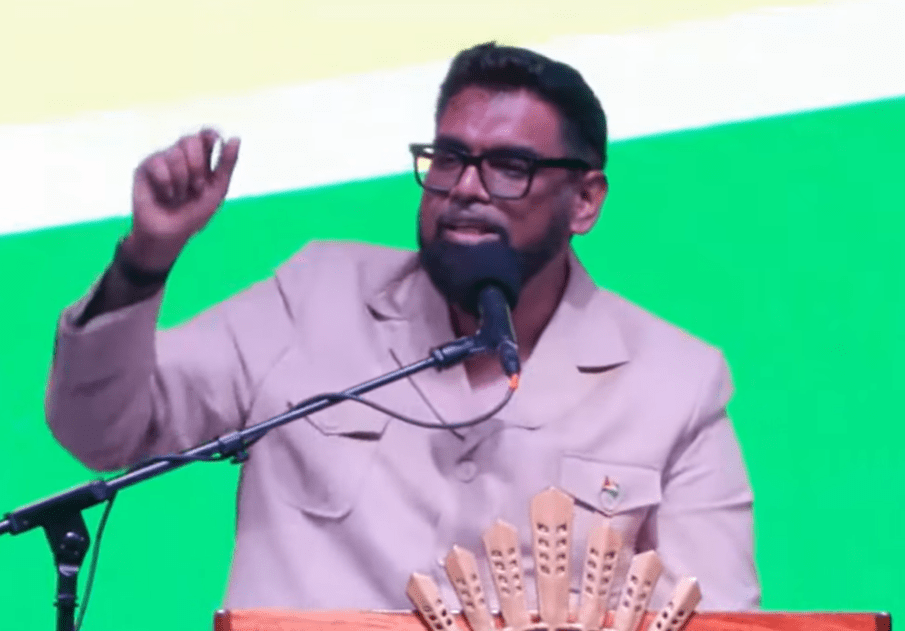
    Speaking at the opening ceremony of the 2026 International Business Expo held at Guyana’s Providence National Stadium on Thursday, June 25, 2026, President Irfaan Ali announced a landmark new social housing initiative tailored to meet the growing housing needs of the country’s most vulnerable populations.

    The flagship program, which is set to be formally launched with full details in the coming weeks, is designed to directly prioritize marginalized groups that have historically faced barriers to accessing safe, affordable housing, including people living with disabilities and single-parent households. Beyond these vulnerable segments, the strategy also extends support to low, moderate, and middle-income earners, aligning housing supply with the rising public expectations for quality residential property across the country.

    In his address to more than 500 participating exhibitors — spanning real estate developers, financial institutions, prefabricated construction specialists, green technology innovators, architects, and civil engineers — President Ali outlined the administration’s bold core goal: to completely eliminate Guyana’s national housing backlog within the next four years. “We are designing a system that will allow you to have a home in which you can live in dignity,” he told attendees, confirming that the upcoming full strategy will lay out clear roadmaps for delivering properties to eligible applicants and scaling up targeted investment in affordable housing stock.

    The President also highlighted the significant growth in housing and development financing that has already laid the groundwork for this ambitious expansion. Between 2020 and 2025, total real estate loan allocation in Guyana surged from GY$90 billion to GY$185 billion, he reported. Over the same five-year period, lending for private residential dwellings jumped from GY$82 billion to GY$141 billion, while financing for industrial development grew more than fivefold, rising from GY$7.9 billion to GY$41 billion.

  • Jamaican to explore collaboration with Guyana on housing development-  Jamaica’s PM

    Jamaican to explore collaboration with Guyana on housing development- Jamaica’s PM

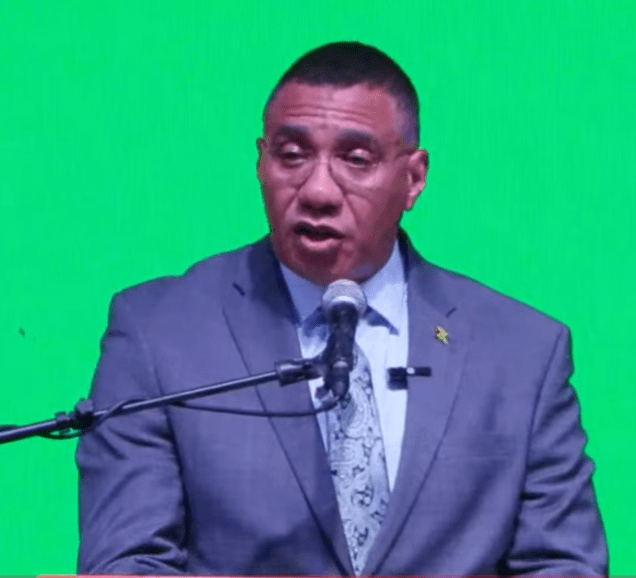
    On Thursday, during the opening ceremony of Guyana’s 2026 International Business Expo, Jamaican Prime Minister Andrew Holness announced plans to explore mutually beneficial partnerships in housing development between Jamaica and Guyana, during his two-day official working visit to the South American nation.

    In his keynote address, Holness outlined clear potential for cross-border cooperation, pointing specifically to two high-impact areas: construction labor mobility and the adoption of cutting-edge construction technologies. As two emerging developing economies, both nations share the common goal of expanding affordable, accessible housing for their populations, creating a natural foundation for aligned collaboration. Holness confirmed he planned to advance detailed discussions on the partnership framework with Guyana’s president before concluding his visit.

    The proposal comes as Jamaica grapples with a significant national housing challenge. Holness revealed the country currently faces an estimated deficit of 150,000 housing units. His administration has committed to delivering 70,000 of these units directly through government agencies, and work is already underway: 10,000 completed units have been finished out of the 42,000-unit targeted pipeline of public housing projects. However, systemic bottlenecks have slowed large-scale delivery. Holness noted that the single greatest constraint to ramping up construction is a shortage of qualified contractors, skilled labor, and technical professionals trained to work with innovative building materials and modern construction methods. He also cited slow bureaucratic processing of planning and construction approvals as an additional persistent challenge. Just recently, Holness told Jamaica’s Chamber of Commerce that the country will eventually need to open its doors to imported labor to keep its massive pipeline of development projects on schedule.

    During his address, Holness also highlighted policy lessons Jamaica can draw from Guyana’s progress in streamlining housing administration. He commended the Guyanese government for its bold reforms to cut bureaucratic red tape, specifically its one-stop approval service for housing projects. This reform has dramatically reduced processing wait times for planning and land approvals, slashing what once took up to three years down to just three months. Holness also praised Guyana’s accelerated program to issue land titles for housing plots, noting the reform has greatly sped up access to land for homebuilders and buyers.

    Beyond collaboration on future housing development, Holness used his address to extend sincere gratitude to Guyana for its critical emergency assistance last year. Following the widespread destruction caused by Hurricane Melissa, the Guyana Defence Force deployed personnel to support Jamaica’s post-storm reconstruction of residential homes and public infrastructure. Holness reported that beneficiaries of the reconstruction work have consistently praised the high quality of workmanship from Guyanese troops, saying their contribution was invaluable to early recovery efforts. He added that Jamaica’s post-hurricane recovery is already well underway, and the country is on track to fully rebuild.

    This update was originally published on June 25, 2026 at 20:16 UTC by correspondent Denis Chabrol.

  • Venezuela’s interim President welcomes Ali’s offer of earthquake relief

    Venezuela’s interim President welcomes Ali’s offer of earthquake relief

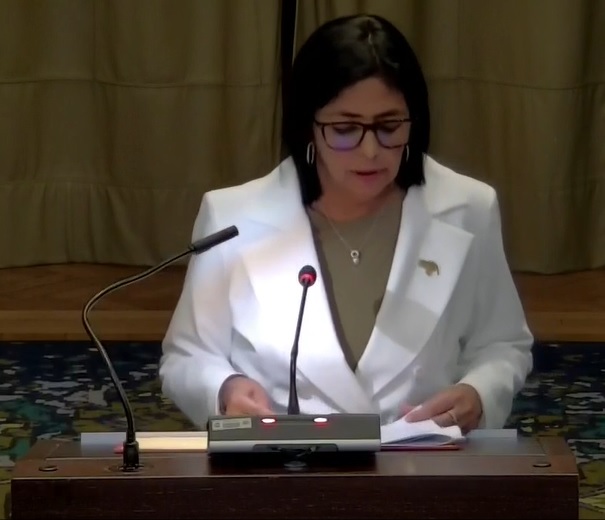
    On Thursday, June 25, 2026, Venezuela’s interim President Delcy Rodriguez publicly extended gratitude to Guyanese President Irfaan Ali for his rapid expression of solidarity in the wake of a catastrophic earthquake that devastated parts of Venezuela the previous day.

    Posting to X, the platform formerly known as Twitter, Rodriguez highlighted Ali’s proactive willingness to extend aid to the Venezuelan people amid one of the nation’s darkest recent moments. She noted that the message from the Guyanese head of state carried strong tones of solidarity, mutual respect, and regional neighborliness, cutting through longstanding geopolitical tensions between the two neighboring South American nations.

    As of Thursday’s update, the human cost of the powerful earthquake has climbed to 164 confirmed fatalities, with more than 970 people recorded as injured. The disaster, already classified as the most destructive seismic event to hit Venezuela since 1900, has left hundreds of structures collapsed and thousands more critically damaged across affected areas.

    The outreach marks a notable shift in diplomatic tone between the two leaders. For years, Rodriguez has been known for sharp, confrontational rhetoric against Ali and his administration as Venezuela pushes its longstanding territorial claim to Guyana’s resource-rich Essequibo Region. However, following the removal of former Venezuelan President Nicolas Maduro by United States forces in January 2026, Rodriguez has softened her public stance toward Guyana, the U.S., and energy giant ExxonMobil — a shift that holds even as Venezuela continues to formally assert its territorial claim.

    Guyana is not alone in offering support to crisis-struck Venezuela. Regional neighbors Cuba, Trinidad and Tobago, and Barbados have also extended offers of assistance to support rescue, recovery and relief efforts in the wake of the disaster.

  • Policeman used teddy bear in killing of Cuban woman

    Policeman used teddy bear in killing of Cuban woman

    On Thursday, June 25, 2026, senior law enforcement investigators in Guyana confirmed that a serving Guyana Police Force constable has admitted to carrying out the premeditated killing of a 26-year-old Cuban national working in the country’s public health sector.

    Twenty-year-old Randy Thomas, the suspect in the case, laid out a detailed timeline of his actions to investigators, confirming the killing was planned in advance ahead of the fatal encounter. According to Thomas’s confession, he purchased rope from a local Chinese-run supermarket in his home village of Mahaica, located on Guyana’s East Coast Demerara, days before the planned meeting with the victim, Dailen Paneque Gómez.

    The pair arranged to meet on June 18, 2026, the same day Gómez disappeared while en route to her scheduled shift at the Mon Repos Health Centre. After meeting in the community of Enmore, the pair traveled together in Thomas’s personal vehicle to the remote Enmore Backdam area. Thomas told investigators that a casual discussion in the car quickly escalated into a heated argument, claiming Gómez became furious and attacked him before he killed her.

    In his confession, Thomas described the chilling details of the murder: he placed a teddy bear against Gómez’s head before firing an unlicensed firearm to kill her. After the shooting, he used the pre-purchased rope to bind her body, dragged the remains into a dense thicket of bushes in the backdam, and left the corpse hidden there. Following the murder, Thomas systematically disposed of all evidence linking him to the crime:

    He threw the murder weapon, an unregistered gun, into separate bushes near the backdam, discarded the teddy bear along the access road leading to the remote area, tossed Gómez’s mobile phone and the spent bullet casing over a bridge in the Unity community on East Coast Demerara, and returned to his Mahaica residence to clean every trace of evidence from his vehicle using hand sanitizer.

    Gómez was officially reported missing to authorities on June 19, one day after her disappearance. Following Thomas’s arrest and confession, he led law enforcement officers directly to the thicket where he had dumped her body, closing a key gap in the missing person investigation that quickly turned into a homicide probe.

    The case has sent shockwaves through Guyana, drawing attention to the safety of foreign healthcare workers serving in local public health facilities and raising questions about oversight of serving police personnel accused of violent crime.

  • No word on minimum pension rise despite NIS “making surpluses”

    No word on minimum pension rise despite NIS “making surpluses”

    GEORGETOWN, Guyana – At a public event Wednesday announcing expanded digital payment options for National Insurance Scheme (NIS) pensioners, senior leadership of Guyana’s 57-year-old social security agency highlighted five consecutive years of investment surpluses and rapid contributor growth, but offered no clear timeline for a long-awaited increase to the agency’s minimum old-age pension.

    The event brought together NIS General Manager Holy Greaves, Guyana’s Finance Minister Dr. Ashni Singh, and members of the NIS Board of Directors to mark a key expansion of pension access: starting immediately, NIS pension payments can be received through popular local and global financial services including Mobile Money Guyana, MoneyGram, and Bill Express.

    During remarks at the ceremony, NIS Board Chairman Ramesh Persaud emphasized that the agency’s financial position has strengthened dramatically over the past half-decade. “The NIS…is in a very strong position today for the last five years. The NIS has been making surpluses that we are reinvesting for the future pensioners of the organisation, and again, I think that that’s a very well-meaning accomplishment,” Persaud said.

    Officials attributed the agency’s solid financial performance to broad-based economic expansion across Guyana’s traditional and emerging industries, which has driven a sharp rise in the number of active workers contributing to the social security system. Finance Minister Dr. Singh detailed that over the past five and a half years, NIS has added nearly 70,000 new contributors – a 38% jump from the 2020 baseline. The number of self-employed workers enrolled in the scheme has also doubled over the same period, reaching almost 9,000.

    “These numbers reflect the dynamics in the Guyanese economy because more persons are working, more persons are employed, more employment opportunities, there’s more investment, private investment, more employment opportunities are being created, more persons are working, more entrepreneurial opportunities are being created, and more persons are entering entrepreneurial activities and becoming self-employed persons,” Dr. Singh explained.

    When pressed by reporters on whether the agency’s improved financial standing would lead to an imminent increase to the NIS minimum pension, Persaud deferred all decision-making authority to the Finance Ministry, which oversees the NIS’s administrative and policy framework. “That is in the domain of the Minister of Finance to provide guidance on…The Board is independent but the structure of the NIS is that it is under the administration of the Ministry of Finance and those fiscal and policy decisions are guided by the Minister of Finance,” Persaud told Demerara Waves Online News. Dr. Singh declined to provide any comment on the question of a pension adjustment when approached.

    According to official data published on the NIS website, the last adjustment to the minimum old-age pension took effect on January 1, 2025, when the monthly rate was raised from GY$35,000 to GY$43,075. Today, that minimum payment is less than half of Guyana’s current minimum public sector salary, which stands at GY$102,346 per month, highlighting the gap between pension benefits and baseline living costs for many retirees.

    In an interview with reporters, President Irfaan Ali reaffirmed his administration’s broad commitment to expanding and strengthening social welfare programs across Guyana, which currently include universal cash grants for eligible adult residents, school-aged children, people living with disabilities, pensioners, and other vulnerable groups.

    “The ecosystem surrounding different segments of the population, including the pensioners, is being continuously analysed so I would say as the year’s analysis continues in the new budget and subsequent budgets, we will continue to look at ways in which we can improve and expand social benefits to the population,” President Ali said.

    While the government has already finalized all policy and spending measures for the 2026 national budget, President Ali did not rule out a future pension increase, but stopped short of confirming a specific timeline for the adjustment. He stressed that any change to pension rates would be implemented only once it fits within the government’s broader social support framework and is sustainable for the national economy.

    “We are not only looking at this from a single barrel perspective. We are looking at this from a wholistic perspective and whilst we have concluded our policy initiative for 2026, we are continuously looking at these issues and at the appropriate time, once the economy can afford it and once it falls in the broader framework of social support, we will be looking at it,” the President told Demerara Waves Online.

  • Jamaica’s Prime Minister on State visit to Guyana

    Jamaica’s Prime Minister on State visit to Guyana

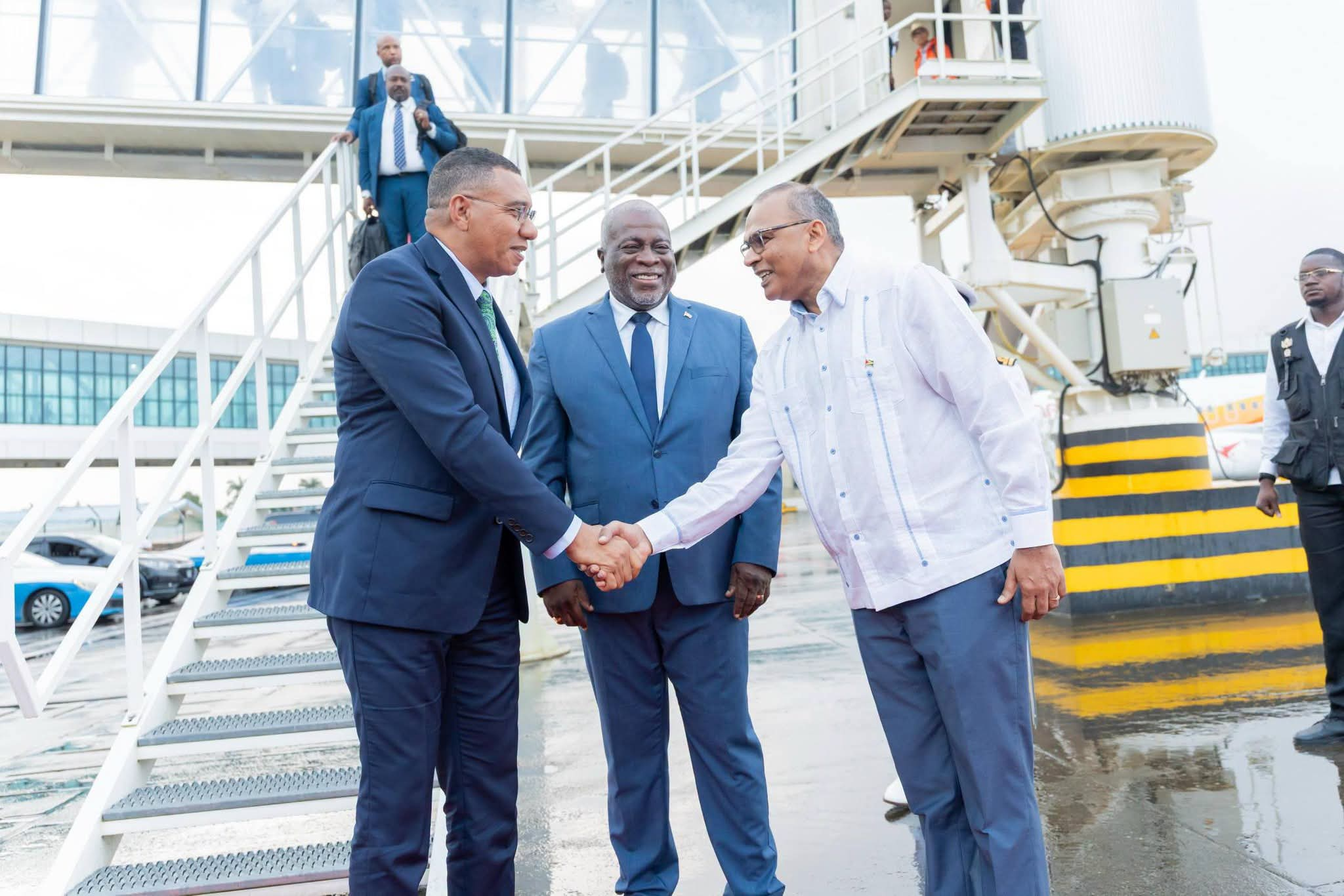
    On the morning of Thursday, June 25, 2026, Jamaica’s head of government Andrew Holness touched down at Guyana’s Cheddi Jagan International Airport, launching an official four-day state visit to the South American nation that had not been pre-announced to the public beyond a single social media post. Accompanying Holness on the trip is Jamaica’s Foreign Minister Kamina Johnson Smith, making for a high-level bilateral delegation focused on advancing cross-country cooperation.

    Holness was formally received at the airport by his Guyanese counterpart, Retired Brigadier Mark Phillips, and Dr Frank Anthony, Guyana’s Acting Minister of Foreign Affairs. A photo released with the announcement captures a cordial greeting between Holness and Anthony, with Phillips present to witness the welcome ceremony.

    The Jamaican prime minister travels to Georgetown directly from neighboring Suriname, where he recently participated in a major regional conference focused on the oil and gas sector. This stop follows his engagement on energy industry issues, hinting at potential energy cooperation discussions during his time in Guyana, a country that has seen rapid growth from its own offshore oil discoveries in recent years.

    Notably, the only public advance confirmation of the visit came via a post on the Facebook page of Guyana’s Department of Public Information (DPI) on Thursday morning. Beyond that single announcement, the Guyanese government released no prior details about the visit’s agenda, scheduled meetings, or expected policy outcomes, leading to lingering uncertainty about the specific priorities of the diplomatic trip. As the visit gets underway, observers are waiting for further official updates on the bilateral talks and any agreements that may emerge from the four-day engagement.

  • Guyana ready to assist earthquake-devastated Venezuela

    Guyana ready to assist earthquake-devastated Venezuela

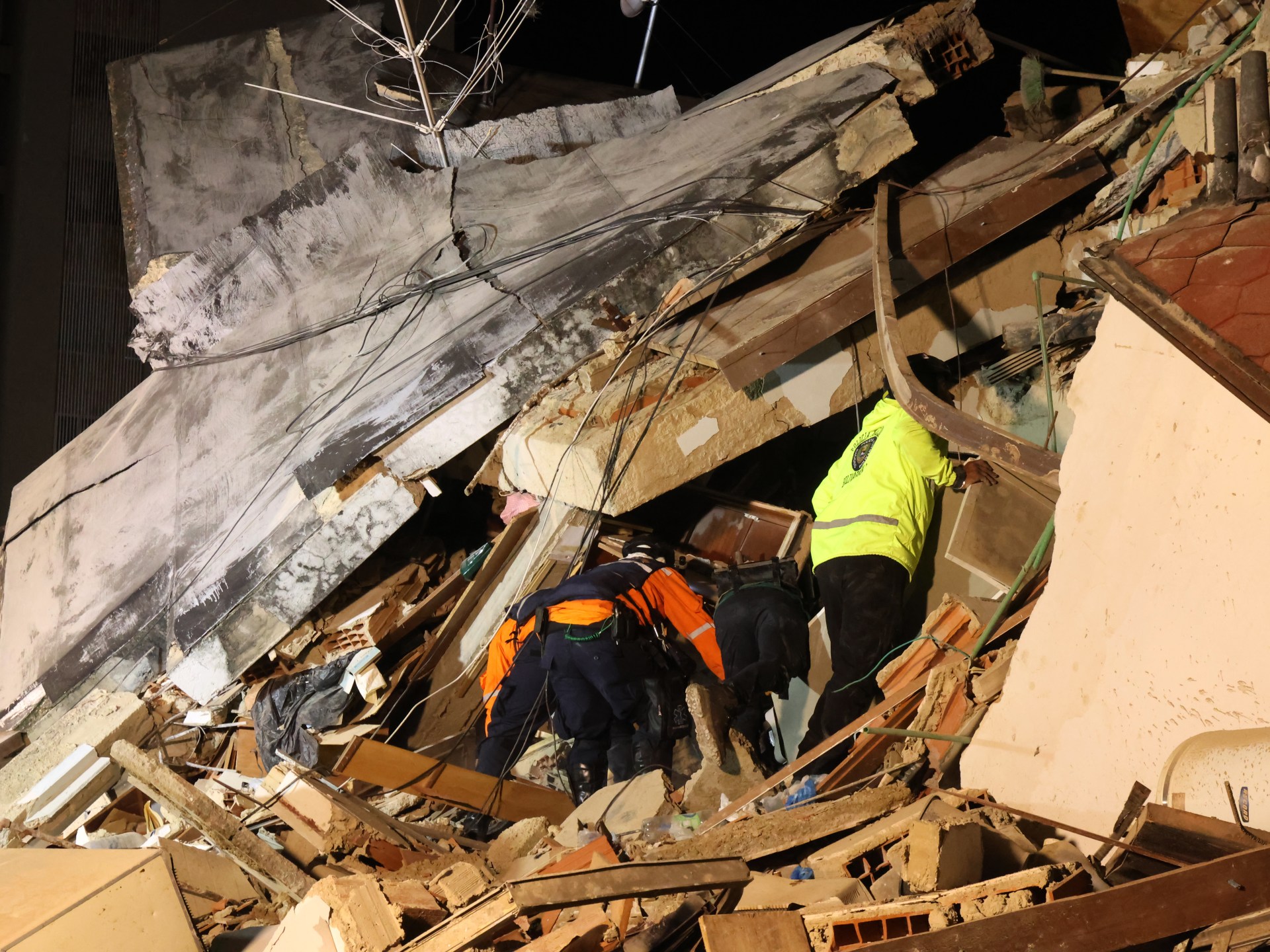
    On the afternoon of Wednesday, June 24, 2026, a rare pair of powerful back-to-back earthquakes hit central Venezuela, leaving a trail of destruction, dozens killed and hundreds injured that has shocked the region. Just hours after the disaster unfolded, Guyana’s President Irfaan Ali issued an early public statement Thursday extending a hand of solidarity and assistance to neighboring Venezuela, despite long-running territorial tensions between the two nations.

    According to updated international reporting as of Thursday morning, the two quakes struck just 60 seconds apart, registering magnitudes of 7.2 and 7.5 respectively. The second temblor marks the strongest seismic event to hit Venezuela since 1900, a record that underscores the rare intensity of the disaster. The tremors hit at 6:04 p.m. local time, when most Venezuelans were at home celebrating a national public holiday, amplifying the risk to human life.

    As of the latest official count from the BBC, at least 32 people have been confirmed killed, more than 700 others have sustained injuries, and hundreds of structures across the affected region have been reduced to rubble. The hardest-hit areas are the country’s capital, Caracas, and the coastal La Guaira state, where rescue teams have been working through the night to sift through collapsed buildings, with reports of survivors still calling for help trapped beneath debris.

    In his statement posted to Facebook early Thursday, President Ali emphasized the bond of neighborhood between the two South American nations. “As neighbours, we are ready to offer assistance within our capacity. Our love, prayers, and thoughts are with the families of those affected and the people of Venezuela,” Ali said. He added that Guyanese citizens across the country are deeply saddened by the scale of destruction brought by the powerful quakes, and that the entire nation stands in solidarity with Venezuela in the wake of the tragedy.

    The offer of aid comes against a backdrop of longstanding territorial dispute between Guyana and Venezuela. Since Guyana discovered significant commercially viable oil reserves in the Essequibo region in 2015, Venezuela has ramped up diplomatic and aggressive actions to assert its long-held claim to the resource-rich territory. The International Court of Justice is expected to issue a landmark ruling on the legal validity of the 1899 Arbitral Tribunal Award, which established the current border between the two nations, either by the end of this year or early 2027.

  • Dominican Republic has six months to find oil in Berbice Block

    Dominican Republic has six months to find oil in Berbice Block

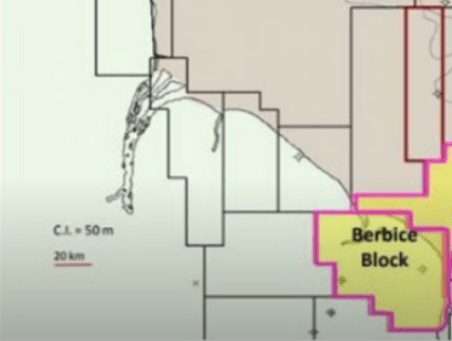
    Guyana’s Minister of Natural Resources Vickram Bharrat announced Wednesday that the Dominican Republic has been given a six-month deadline, requiring the Caribbean nation to launch on-the-ground oil and gas exploration operations in the country’s Berbice Block before the end of 2025. This timeline mandates that all preliminary site preparations and initial exploration activities get underway within the half-year window, closing a chapter of prolonged negotiations between the two nations.

    The Berbice Block, a 3,300-square-kilometer exploration area predominantly made up of onshore territory, was originally held by a joint venture between Canadian energy firm CGX Energy and ON Energy. The partnership relinquished all rights to the block in 2022 after failing to meet exploration commitments, opening the door for new stakeholders to acquire the exploration license. In a recent bilateral agreement struck last month between government representatives of Guyana and the Dominican Republic, the block was officially reassigned to the Dominican state, with Guyana retaining majority ownership of the asset.

    Under the terms of the finalized deal, the Dominican Republic’s state-owned national oil refining company Refineria Dominicana de Petróleo S.A. (Refidomsa) will hold a 10% non-operating stake in the exploration project. A key highlight of the agreement is that the Dominican side is not required to contribute any upfront capital investment toward exploration costs. If commercial volumes of oil or natural gas are discovered in the block, the Dominican Republic will secure long-term access to extracted hydrocarbons at preferential pricing, a provision designed to support the country’s energy security and deliver sustained economic benefits for its domestic market.

    Industry analysts note that the agreement marks a strategic expansion for the Dominican Republic’s national energy portfolio, while also allowing Guyana to leverage international partnership to advance under-explored acreage in its onshore basins, complementing the rapid growth of its offshore oil industry that has turned the South American nation into one of the hemisphere’s newest major oil producers.

  • Storm batters over 100 Essequibo Coast buildings; one injured

    Storm batters over 100 Essequibo Coast buildings; one injured

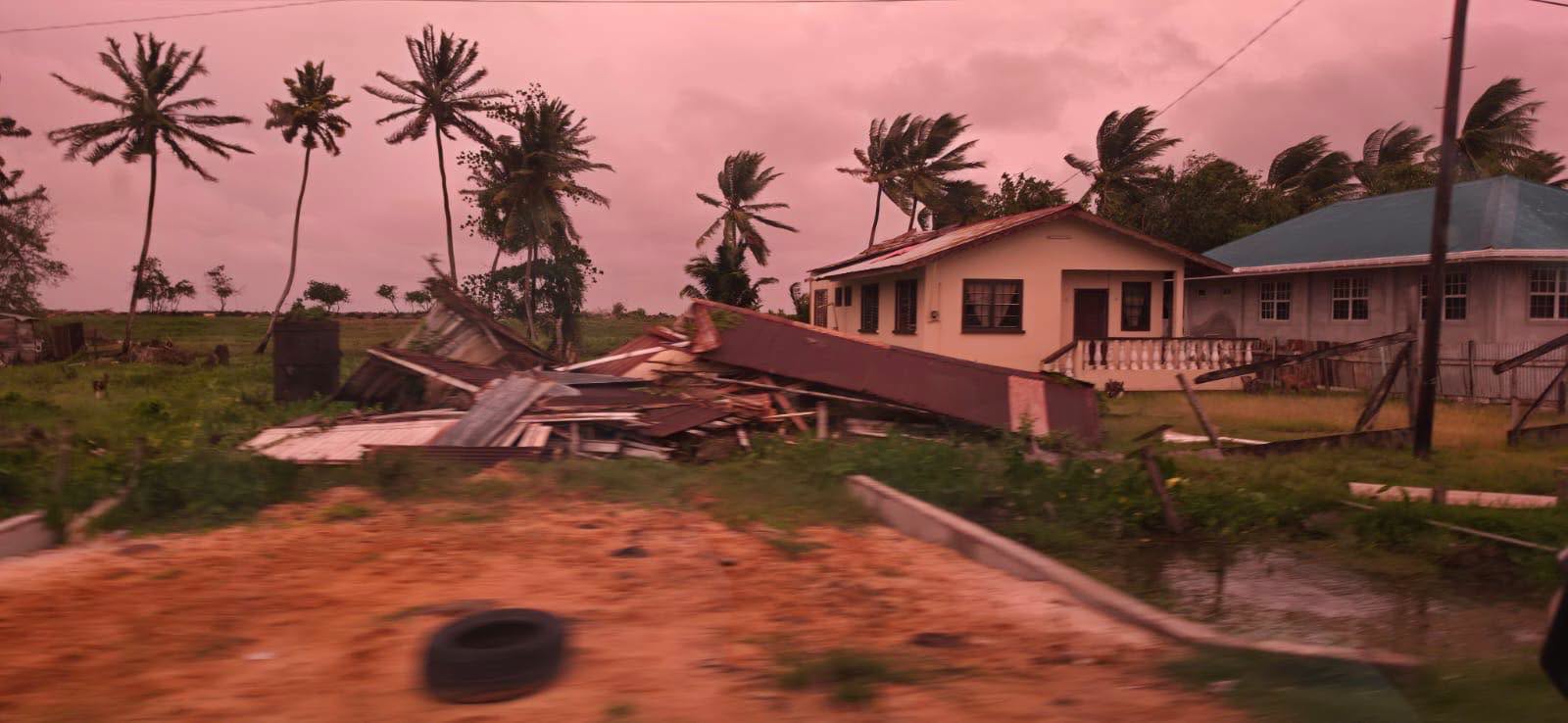
    On Wednesday, 24 June 2026, a severe windstorm with gusts exceeding 30 kilometres per hour swept across Guyana’s Essequibo Coast, leaving a trail of destruction across more than 100 public and private structures, local authorities confirmed. The extreme weather event left one person injured and forced four residents to temporarily leave their damaged homes in Henrietta village.

    Visual evidence shared on President Irfaan Ali’s official Facebook page shows multiple structures with their entire roofs torn away by the strong winds. One local resident described the sudden violence of the storm, recounting that wind combined with heavy rain lifted all the zinc roofing from his home and dragged it across the property, leaving all of his personal belongings destroyed with nothing salvageable.

    Retired Colonel Nazrul Hussain, head of Guyana’s Civil Defence Commission (CDC), told local outlet Demerara Waves Online News that the injured person was a teacher working at Riverstown Primary School, who was hurt when a section of the school’s wall collapsed under the wind. No other injuries were reported at the school, and the teacher has been placed under ongoing medical observation to monitor her recovery. “They are conducting all necessary precautionary tests to confirm she is out of danger and on track to recover,” Hussain stated.

    The four residents displaced by the storm, all elderly, have been moved to stay with relatives while repair works are carried out on their damaged properties. Regional administration for Pomeroon-Supenaam (Region Two) alongside Guyana’s central government have already launched full rehabilitation efforts, with the displaced residents’ homes prioritized for rapid repairs to allow them to return as soon as possible. Outside of the Essequibo Coast, damage across other parts of Guyana remained minimal, Hussain added.

    Among the damaged infrastructure was an under-construction regional stadium, which sustained mild to moderate damage from the gale-force winds. “Overall damage is not widespread across the region, but we have seen a partial structural collapse in Charity and measurable harm to the new stadium currently under development,” Hussain explained. A senior Region Two official briefing President Ali and Junior Public Works Minister Madanlall Ramraj confirmed that the storm caused severe damage to both government and privately owned properties along the entire Essequibo Coast, with 10 roofs destroyed in the village of Lima alone.

    In response to the disaster, President Ali announced that the Guyana Defence Force’s Engineering Corps has been deployed to support the CDC’s roof replacement and recovery operations. The storm also knocked out power across the entire Essequibo Coast, but utility crews from Guyana Power and Light quickly restored service after clearing fallen utility poles, downed power lines and wind-torn mangled zinc roofing that had tangled electrical infrastructure.