标签: Guyana

圭亚那

  • More land for small-scale gold miners

    More land for small-scale gold miners

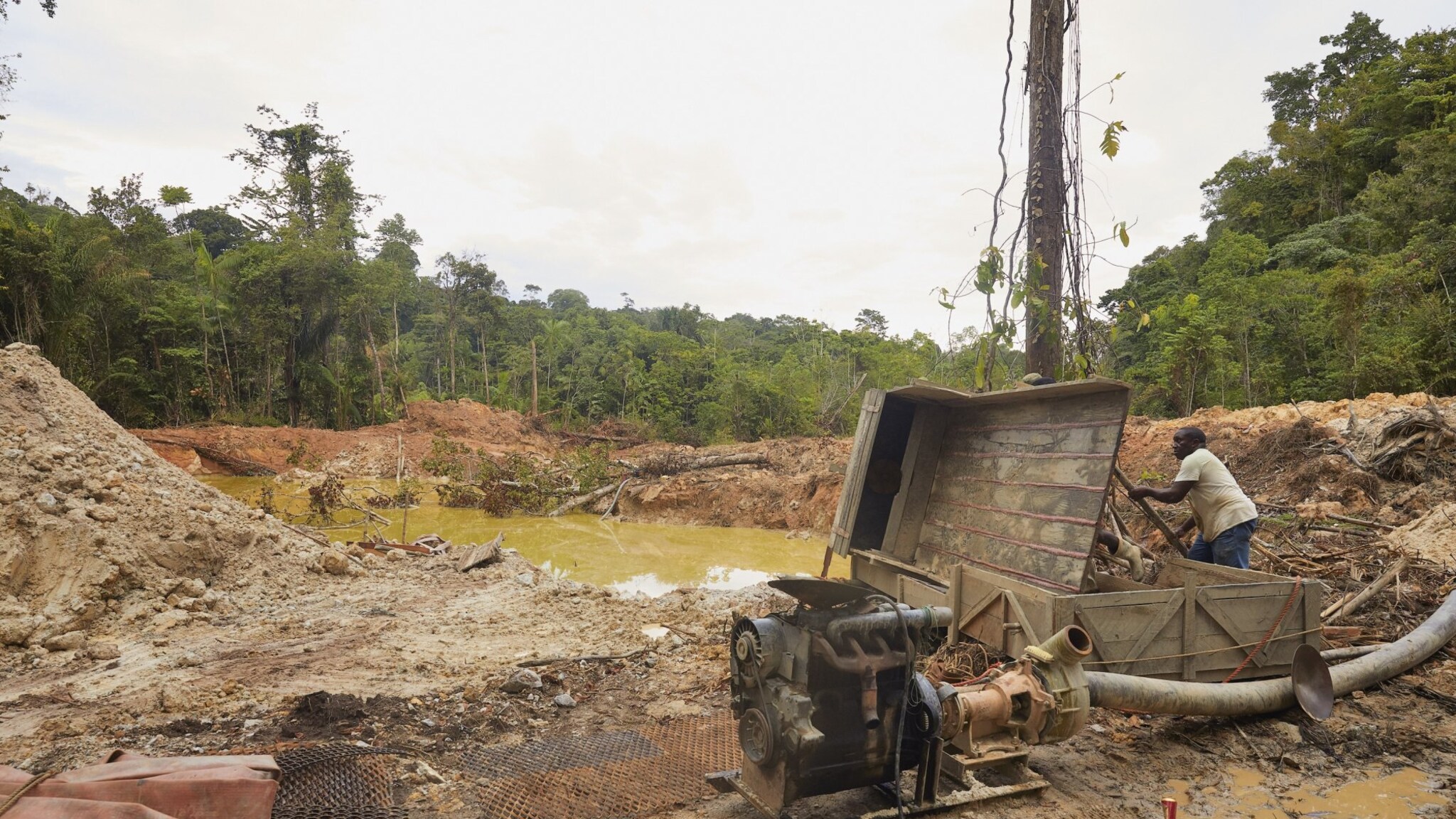
    The Guyanese government has unveiled a substantial expansion of land access for small-scale gold miners, marking a significant shift in the nation’s mining policy. The Ministry of Natural Resources announced that within the next two to three months, it will distribute at least 225 parcels of mining land across various regions, with each allocation increasing from 27 to 50 acres per miner.

    This strategic initiative, dubbed the ‘Troy-like’ allocation model, builds upon the successful framework previously implemented in the Issano 14 Mile area following Troy Resources’ closure. The program allows beneficiaries to relinquish exhausted parcels and apply for new 50-acre allocations, creating a sustainable cycle of mining opportunities.

    The government is complementing these measures with advanced geological surveying through U.S.-based company Global Venturing, whose aerial surveys are nearing completion. This data-driven approach aims to reduce prospecting costs, minimize environmental impact, and enhance operational efficiency across the mining sector.

    Simultaneously, authorities are intensifying enforcement against illegal mining operations. Joint exercises between the Guyana Geology and Mines Commission and police forces have resulted in the seizure of over 400 pieces of equipment and nearly 100 prosecutions since enforcement operations intensified in recent months.

    The Guyana Gold Board will further support miners through the introduction of mobile purchasing units to serve remote operations, while maintaining the legal requirement that all gold must be sold to the Board or licensed buyers.

    This comprehensive approach balances expanded access with strengthened regulation, aiming to build a transparent and sustainable mining sector while recognizing small and medium-scale miners as the backbone of Guyana’s gold industry.

  • Islam prohibits passing on wrongdoing to others- Irfaan Ali

    Islam prohibits passing on wrongdoing to others- Irfaan Ali

    President Irfaan Ali of Guyana invoked core Islamic principles during his address at the opening ceremony of the National Ramadan Village 2026 on Sunday. Speaking at the event hosted by the Muslim Youth Organisation (MYO) on Woolford Avenue, Georgetown, the Guyanese leader emphasized that Islamic theology strictly prohibits transferring one’s wrongdoing onto others or blaming others for personal misconduct.

    “Blaming others is considered a trait of the devil,” President Ali stated, characterizing such behavior as “an injustice that combines a minor sin into a major sin” according to Islamic teachings. The President’s remarks carried significant political undertones as they coincided with ongoing allegations from Azruddin Mohamed, leader of the We Invest in Nationhood (WIN) party and Guyana’s Opposition Leader.

    Mohamed has repeatedly claimed that he financially supported President Ali’s People’s Progressive Party Civic (PPPC) during its opposition period from 2015 to 2020. These allegations emerge amidst serious legal challenges facing Mohamed and his father, Nazar Mohamed, who face sanctions from the US Treasury Department’s Office of Foreign Assets Control (OFAC).

    The US authorities allege that between 2019 and 2023, Mohamed’s Enterprise omitted over 10,000 kilograms of gold from import and export declarations, evading approximately $50 million in duty taxes payable to the Guyanese government. The Mohameds are currently engaged in legal proceedings to avoid extradition to the United States, where they would face charges including wire fraud, mail fraud, and money laundering.

    Guyana’s Anti-Money Laundering and Countering of Financing Terrorism (AMLCFT) Act establishes severe penalties for money laundering offenses, including fines up to GY$1 million and seven years imprisonment for individuals, and fines ranging from GY$200 million to GY$500 million for corporate entities. The High Court of Guyana has previously ruled in unrelated cases that unincorporated political parties lack legal personality, adding complexity to potential proceedings involving political financing allegations.

  • Buxton labourer charged with robbing Montrose woman

    Buxton labourer charged with robbing Montrose woman

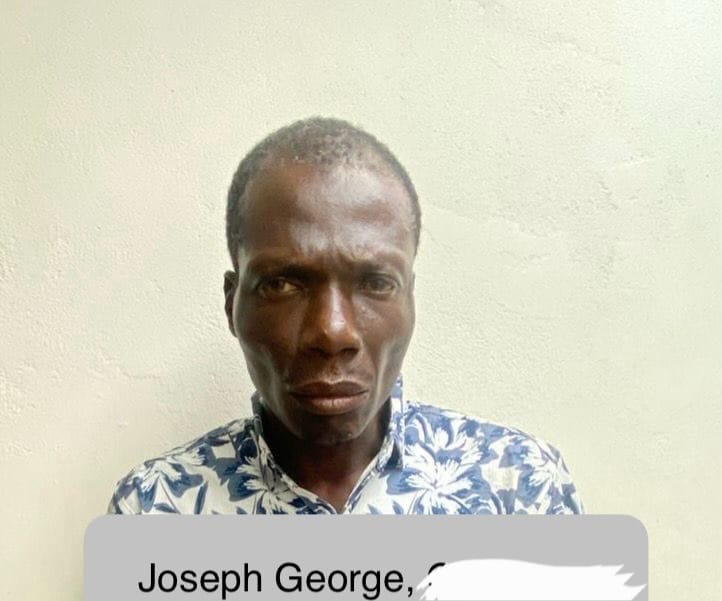
    A 53-year-old laborer from Brush Dam, Buxton has been formally charged with the armed robbery of a Montrose businesswoman in a case that has drawn attention to coastal criminal activity. Joseph George appeared before Senior Magistrate Clive Nurse at the Sparendaam Magistrate’s Court on Thursday, February 12, 2026, where he entered a plea of not guilty to the allegations.

    The alleged incident occurred on Monday, February 9, 2026, when the accused reportedly targeted a 47-year-old self-employed woman residing in Vryheid’s Lust, East Coast Demerara. While the Guyana Police Force has not disclosed specific details regarding the circumstances of the offense or the items stolen, the charge formally accuses George of robbery under arms—a serious criminal offense in Guyanese law.

    Magistrate Nurse granted the defendant bail set at GY$150,000 pending trial, allowing George to remain free under financial guarantee while awaiting judicial proceedings. The court has scheduled the matter for further hearing on March 17, 2026, when both prosecution and defense are expected to present their respective cases.

    The case represents another entry in the ongoing judicial processing of criminal activities along the East Coast Demerara corridor, highlighting the continuing challenges faced by law enforcement in the region. The relatively quick progression from alleged offense to formal charges—within three days of the reported incident—demonstrates the operational response capacity of local authorities in addressing serious criminal complaints.

  • Cattle owner charged with suffering animals

    Cattle owner charged with suffering animals

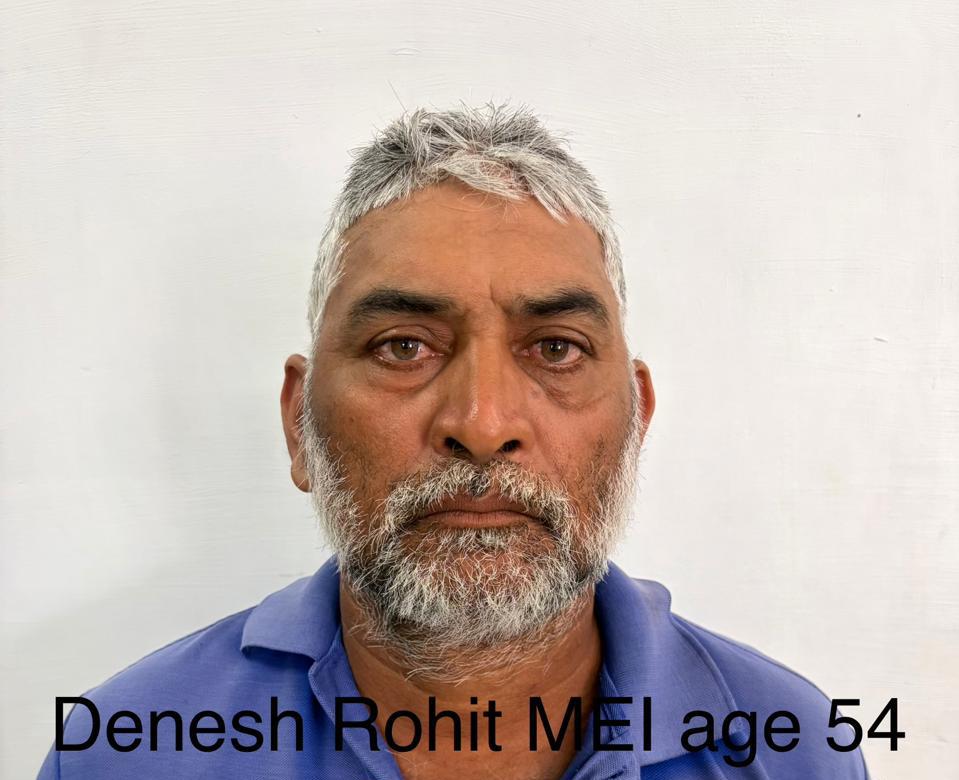
    A livestock proprietor from Garden of Eden, East Bank Demerara has been convicted on multiple animal welfare violations after admitting to charges of neglecting his cattle. The Guyana Police Force confirmed Saturday that 54-year-old Denesh Rohit entered guilty pleas for three distinct counts of permitting his bovines to stray unlawfully, contravening national road legislation.

    The judicial proceedings unfolded at the Diamond Magistrate’s Court on February 13, 2026, where Magistrate Dylon Bess presided over the case. Court records indicate the offenses occurred across three residential zones: Prospect Young Professional Housing Scheme, Herstelling Housing Scheme, and Farm Housing Scheme along the East Bank Demerara corridor.

    Following his admission of guilt, Rohit received financial penalties totaling GY$30,000—structured as GY$10,000 per individual count. Beyond monetary sanctions, the magistrate issued formal directives mandating the implementation of appropriate containment measures to prevent future incidents involving unrestrained livestock.

    Authorities emphasized this judgment serves as both punitive action and preventive measure, highlighting the legal responsibilities of animal owners to maintain proper control over their herds. The case represents ongoing efforts to address public safety concerns and animal welfare standards in developing residential communities where human-animal conflicts occasionally emerge.

  • Bartica man jailed for drugs trafficking

    Bartica man jailed for drugs trafficking

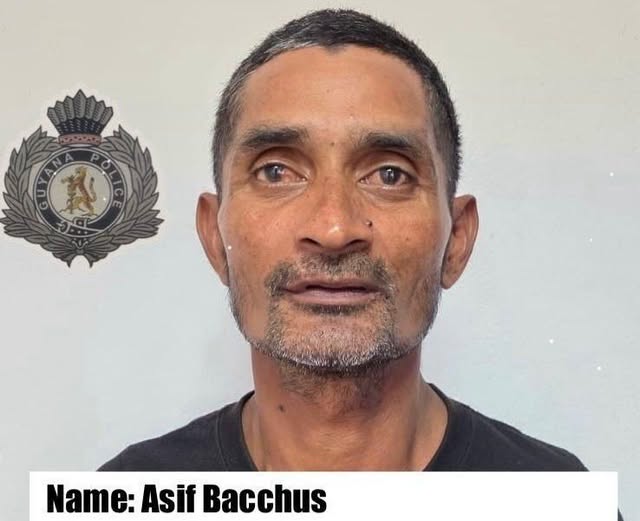
    In a significant judicial ruling from Guyana’s Bartica Magistrate’s Court, 43-year-old Asif Bacchus has been handed a substantial prison term for narcotics offenses. The unemployed Arcade Street resident faced charges under the stringent Narcotic Drugs and Psychotropic Substances (Control) Act for possession with intent to traffic.

    The case, prosecuted by the Guyana Police Force, reached its conclusion on February 14, 2026, following Bacchus’s virtual court appearance via Zoom technology. Presiding Magistrate Ravindra Mohabir formally presented the charges to the defendant, who subsequently entered a guilty plea.

    Court documents reveal that Bacchus’s arrest and conviction mark a continued effort by Guyanese authorities to combat drug trafficking in the mining-dependent region of Bartica. The case represents another successful prosecution under the country’s comprehensive anti-narcotics legislation.

    The four-year sentence reflects the seriousness with which the Guyanese judiciary treats drug-related crimes. Legal experts suggest this ruling may establish precedent for future narcotics cases in the region, particularly those involving trafficking quantities of controlled substances.

    Law enforcement officials have indicated that the conviction forms part of broader operations targeting drug distribution networks in the Bartica area, which has historically faced challenges related to illegal narcotics trade alongside its legitimate mining activities.

  • UK intermediate education agency refunding Guyana money for troubled scholarships

    UK intermediate education agency refunding Guyana money for troubled scholarships

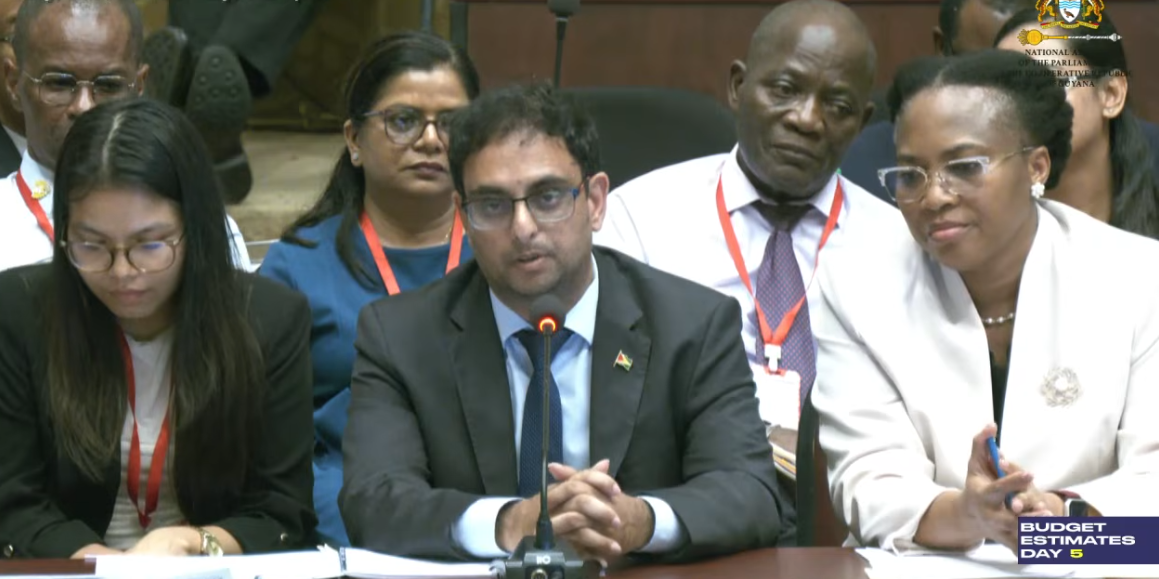
    The Guyana government has begun recovering US$1.5 million from UK-based intermediary International Skill Development Corporation (ISDC) following the collapse of a scholarship program with the University of Staffordshire. Public Service Minister Zulfikar Ally confirmed the reimbursement process during parliamentary questioning on Friday, February 13, 2026.

    The troubled scholarships, administered through the Guyana Online Academy for Learning (GOAL), involved more than 1,000 students. Minister Ally stated that partial payments have already been received, with the full amount expected to be refunded by the following week. The minister acknowledged he maintained “constant engagement” with relevant parties to ensure complete restitution.

    Parliamentary proceedings revealed additional complications within the GOAL program. Minister Ally admitted that numerous students pursuing degrees through Indira Gandhi University had completed three years of study without receiving degree status updates. The ministry has sought intervention from the Indian High Commission to resolve these credentialing issues.

    Regarding student attrition, Ally revealed that less than five percent of scholarship recipients had taken leaves of absence with intention to resume studies. The minister clarified refund policies, noting that universities only return payments if students withdraw before invoice issuance; otherwise, funds are credited toward alternative students.

    The GOAL secretariat continues monitoring program graduates to track employment outcomes and program effectiveness. Despite these challenges, the Public Service Ministry has allocated GY$5.7 billion for the scholarship initiative in the 2026 national budget.

  • Govt assisting Guyanese students in fuel-starved Cuba

    Govt assisting Guyanese students in fuel-starved Cuba

    The Guyanese government has initiated a comprehensive support program for its citizens studying in Cuba as the Caribbean nation grapples with a severe fuel shortage exacerbated by tightened international sanctions. Public Service Minister Zulfikar Ally confirmed the assistance measures during a Friday night session of the National Assembly’s Committee of Supply.

    Minister Ally revealed that Guyana’s Ambassador to Cuba, Halim Majeed, has been actively providing supplies and emergency support to the 45 registered Guyanese students across the island nation. The ambassador has established a direct communication channel, encouraging students to contact the embassy immediately for any urgent requirements.

    The government’s response comes amid growing concerns about deteriorating conditions in Cuba, where basic services including water distribution and transportation have been significantly impacted. The crisis intensified following Venezuela’s cessation of fuel exports to Cuba after the capture of socialist President Nicolas Maduro by United States authorities in early January.

    Minister Ally announced that a high-level delegation including himself, the Permanent Secretary, and ministry officials will convene with affected students this coming Monday to assess their situation firsthand. ‘The welfare and well-being of all our students remain our utmost priority,’ the minister emphasized during the parliamentary session.

    The current fuel shortage has reached critical levels, with multiple international airlines suspending flights to Cuba due to unavailability of aircraft refueling capabilities. Concurrently, the United States has issued warnings about imposing substantial tariffs on nations that attempt to provide fuel to the communist-led government.

    This development occurs against the backdrop of Guyana’s historical relationship with Cuba, which has spanned multiple administrations despite shifting political alliances. The South American nation maintained support for Cuba during previous embargo periods, providing essential commodities including rice during the 1960s.

  • Health Minister explains reason for delayed completion of paediatric and maternal hospital

    Health Minister explains reason for delayed completion of paediatric and maternal hospital

    Guyana’s ambitious €149 million pediatric and maternal hospital project in Ogle, East Coast Demerara has encountered significant construction delays exceeding two years, according to Health Minister Dr. Frank Anthony. The minister attributed the setbacks to multiple ownership changes involving the original Austria-based contractor VAMED Engineering.

    During Friday’s National Assembly Committee of Supply session addressing the 2026 budget, Dr. Anthony revealed that the project’s timeline has been substantially compromised since its ceremonial sod-turning on July 31, 2022. Initial projections indicated a two-year completion timeframe for the UK Export Finance-funded medical facility.

    The complexity emerged when VAMED, initially a majority state-owned Austrian company identified through a 2018 intergovernmental memorandum of understanding, underwent successive corporate transitions. The contractor was first acquired by Fresenius, a German dialysis equipment manufacturer, and subsequently passed to another German entity, creating managerial discontinuities that hampered project execution.

    Minister Anthony confirmed ongoing diplomatic engagements with the Austrian government to enforce contractual obligations under the original agreement. Simultaneously, the Health Ministry is conducting direct negotiations with VAMED’s current ownership to establish a revised, realistic construction schedule. Technical teams from the Guyanese government and the contractor are finalizing updated implementation plans pending public disclosure.

    Financial disclosures indicate €100 million has already been disbursed to the contractor, though opposition parliamentarian Dr. Terrence Campbell questioned the expenditure’s visible progress. For the 2026 fiscal year, the government has allocated GY$8 billion (approximately €32.2 million) to advance construction works at the strategically important healthcare facility.

  • Digitalised news and shift to Online advertising major reasons for Stabroek News’ closure- Editor-in-Chief

    Digitalised news and shift to Online advertising major reasons for Stabroek News’ closure- Editor-in-Chief

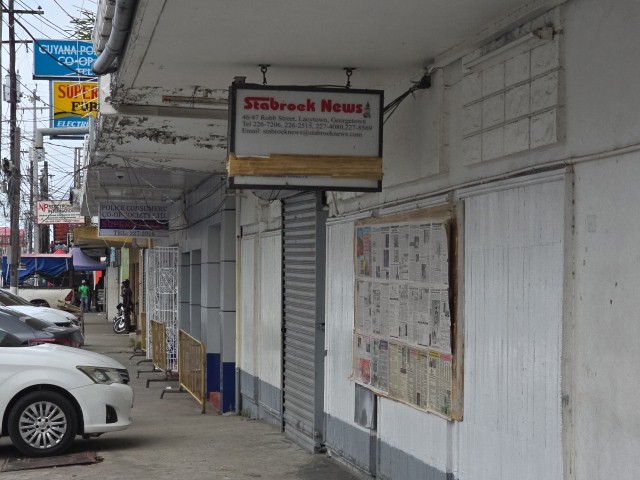
    Guyana’s renowned independent newspaper Stabroek News will cease operations in March 2026 after nearly four decades of publication, citing fundamental market shifts toward digital platforms as the primary cause. Editor-in-Chief Anand Persaud revealed that the convergence of digital news consumption and advertising migration to online channels has rendered the print business model unsustainable.

    The publication’s advertising revenue experienced catastrophic decline as major corporations including Digicel, Banks DIH, and Demerara Distillers Limited redirected marketing budgets toward digital platforms. This left the newspaper dependent primarily on statutory government advertising, occasional financial statements, and legal notices. Circulation numbers plummeted from historic peaks of 40,000 Sunday copies to a mere 4,000-5,000 copies currently.

    Persaud emphasized that while political considerations may have marginally influenced some advertisers’ decisions, the core issue remains irreversible consumer behavior transformation. “People were so engrossed on their phones and what they can see in live real time,” he noted, adding that newspapers providing next-day coverage became functionally obsolete.

    The publishing company, Guyana Publications Inc., maintains solvency and will fulfill all financial obligations to its 60 employees through severance packages and contributory pension schemes. The final edition will publish March 15, followed by voluntary liquidation proceedings.

    This development mirrors regional trends, occurring shortly after Trinidad’s Newsday announced its closure following 32 years of operation. Stabroek News, established in 1986 during Guyana’s political transition from socialism, initially received funding from the US National Endowment for Democracy but evolved into an independent voice.

    Despite exploring hybrid digital-print models over five years of evaluation, management determined that digital revenue streams proved too “ephemeral” to ensure long-term viability. Persaud concluded that the newspaper preferred “to leave with dignity” rather than compromise editorial independence through financial dependencies.

  • Stabroek News closes operations

    Stabroek News closes operations

    In a significant development for Guyanese media, the independent newspaper Stabroek News has announced its permanent closure after four decades of operation. The decision, described by the publication’s leadership as “extraordinarily difficult and painful,” marks the end of an era for one of Guyana’s most respected journalistic institutions.

    The newspaper’s demise stems from a complex confluence of factors including sustained financial pressure from state entities, an unlevel competitive landscape, and fundamental shifts in how audiences consume news. Most notably, the state-run Department of Public Information has accrued an outstanding debt exceeding G$80,000,000 for unpaid advertisements—a financial burden that has persisted despite repeated appeals for resolution. This substantial arrears represents what the publication characterizes as a deliberate tactic to starve the independent media outlet of crucial operating funds.

    Founded in the mid-1980s by David de Caires during an era of state-controlled media dominance, Stabroek News emerged as a pioneering voice in a media landscape previously limited to government-owned publications. The newspaper maintained its editorial independence despite numerous challenges, including a previous period when advertisements from state-owned companies were deliberately withheld in what was seen as an attempt to muzzle free press.

    The publication’s struggles reflect broader challenges facing traditional journalism in the digital age. As readers increasingly turn to algorithmic news feeds and online sources, the newspaper’s commitment to balanced coverage found itself at odds with contemporary click-driven metrics. Additionally, the company faced significant structural obstacles including repeated refusals for radio broadcasting licenses and a non-competitive environment where main competitors enjoyed substantial privileges.

    Beyond the political and market challenges, Stabroek News cultivated a remarkable legacy of staff loyalty through compassionate employment practices including childcare facilities, transportation services, and comprehensive benefit schemes. These measures resulted in extraordinary staff retention rates, with nearly half of employees remaining with the company for a decade or longer.

    The closure represents not just a business failure but the end of a institution that nurtured generations of readers, writers, and thinkers in Guyana. The newspaper’s leadership exits with heads “unbowed,” bequeathing a legacy of democratic discourse and civil public conversation to the nation.