标签: Guyana

圭亚那

  • PPP calls US congresswoman’s rebuke of Venezuela’s interim President “forceful”

    PPP calls US congresswoman’s rebuke of Venezuela’s interim President “forceful”

    On Tuesday, May 12, 2026, Guyana’s governing People’s Progressive Party Civic (PPPC) publicly praised a forceful statement from U.S. Republican Congresswoman María Elvira Salazar backing Guyana’s territorial sovereignty amid escalating tensions with Venezuela over a long-running border dispute. Salazar, who chairs the House Foreign Affairs Subcommittee on Western Hemisphere Affairs, made her remarks on the social platform X one day after Venezuelan interim president Delcy Rodriguez delivered a provocative address to the International Court of Justice (ICJ) during oral hearings on the merits of the border case.

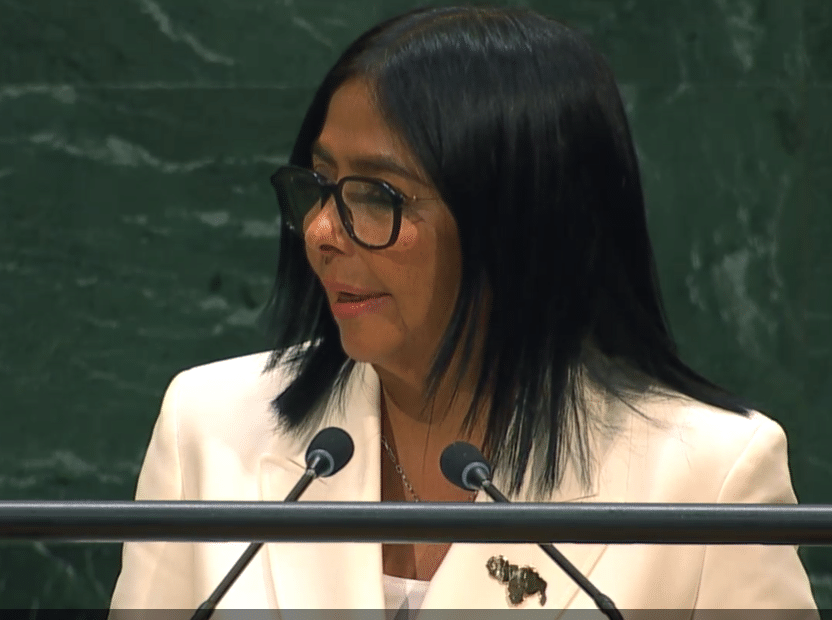
    During her Monday appearance before the United Nations’ highest judicial body, Rodriguez doubled down on Venezuela’s rejection of any ICJ ruling on the validity of the 1899 Arbitral Tribunal Award that established the current land boundary between the two South American nations. She insisted that the 1966 Geneva Agreement—signed by Venezuela and the United Kingdom shortly before Guyana gained independence—remains the only legally valid framework for resolving the dispute through bilateral negotiations. Rodriguez warned that any ICJ judgment on the 1899 award would not resolve tensions, stating, “No judgment by this court on the territorial controversy will provide a definitive solution acceptable to both parties. On the contrary, it will exacerbate the differences between the parties, and will lead the parties to entrench themselves in their respective positions, distancing them from the practical, satisfactory and mutually acceptable settlement to which they committed in 1966 by signing the Geneva agreement.”

    Salazar pushed back sharply against Rodriguez’s comments and her repeated threats to Guyana’s territorial integrity in her X post. She argued that Rodriguez mistakenly believes she can manipulate U.S. President Donald Trump the same way she and former ousted Venezuelan president Nicolás Maduro “tricked and destroyed” Venezuela. “Delcy should stop threatening Guyana and start learning from it,” Salazar wrote. She also warned Rodriguez against sending confidential correspondence to President Trump, emphasizing, “You don’t deal with him through secret letters while trying to steal territory from a free and sovereign nation like Guyana.”

    Beyond addressing the border dispute, Salazar commended Guyana’s prudent management of its new oil wealth, noting that in less than a decade, the South American nation has set a stark contrast with Maduro’s regime in Venezuela. “Unlike the Maduro regime, Guyana didn’t rob its people. They managed their oil wealth responsibly, created a sovereign wealth fund, and saw GDP per capita quadruple in just five years,” she added.

    As of Tuesday, Guyana’s national government had not issued an official public response to Salazar’s social media statement. The ICJ is on track to issue its binding ruling on the border dispute by the end of 2026 or in the first quarter of 2027, a decision that will shape the future of regional security and territorial claims in northeastern South America.

  • Dredging of Demerara River begins in June

    Dredging of Demerara River begins in June

    Guyana is set to launch a critical infrastructure upgrade for its key maritime trade route next month, after officials signed an $11.2 million contract with regional dredging firm Boskalis CPG Inc. this Tuesday.

    The project, first announced by Public Utilities and Aviation Minister Deodat Indar, will target a 9-kilometer stretch of the Demerara River’s navigational channel running between the communities of Houston and Golden Grove. Over a two-month construction period, crews will widen the channel to 100 meters and deepen it to 5 meters, addressing longstanding navigation challenges that have limited access for larger commercial vessels.

    The official contract signing ceremony was held this week, with MARAD Director-General Stephen Fraser putting pen to paper on behalf of Guyana’s Maritime Administration Department (MARAD), which falls under Indar’s ministry. Senior government officials including Permanent Secretary Vishal Ambedkar, alongside leadership from both MARAD and Boskalis CPG, were in attendance to witness the milestone agreement.

    In an official statement following the signing, the ministry outlined the far-reaching benefits the completed dredging work will deliver for Guyana’s economy. Once finished, deeper, wider waters will allow larger cargo vessels to access the Demerara channel safely and reliably, cutting wait times for shipping and boosting overall port efficiency. The upgrade is also expected to support the consistent, sustainable movement of domestic and international goods and services, strengthening the country’s entire maritime sector.

    Minister Indar emphasized that the project comes directly in response to feedback from Guyana’s shipping industry, which has repeatedly called for additional dredging work to unlock the Demerara River’s full trade potential after years of increasing commercial activity along the waterway. Construction is scheduled to kick off in June 2026, with completion targeted for the end of the third quarter of the year.

  • PNCR/APNU leader shrugs off more defections to PPP

    PNCR/APNU leader shrugs off more defections to PPP

    On Tuesday, 12 May 2026, People’s National Congress Reform (PNCR) and opposition bloc A Partnership for National Unity (APNU) leader Aubrey Norton pushed back against growing concerns over the party’s ongoing exodus of members, after the ruling People’s Progressive Party Civic (PPPC) announced the defection of seven current and former opposition-aligned politicians.

    The seven new PPPC recruits include three former APNU+AFC Members of Parliament: Rickly Ramsaroop, Shurwayne Holder, and Dinesh Jaiprashad, plus four sitting regional councillors: Ravoldo Birbal, Sheik Yaseen, Prince Holder, and Gangadai Lloyd. Shurwayne Holder, a former PNCR Chairman, had openly signaled his dissatisfaction with the party after being excluded from APNU’s 2025 parliamentary slate following September’s general and regional elections, while Ramsaroop had already split from coalition partner Alliance For Change (AFC) in mid-2025 before briefly aligning with PNCR-led APNU.

    In comments to Demerara Waves Online News, Norton framed the latest departures as an expected outcome that did not catch him off guard. “Everybody is free to go to whichever political party they want to go but even Stevie Wonder would have seen that that group was preparing to go to the PPP from the time most of them weren’t seeming to become members of parliament,” he noted. When pressed on whether he had detected disloyalty ahead of candidate nominations, he declined to speculate, saying that leaders can never fully predict the decisions of their members.

    This latest wave of defections is part of a years-long trend that has seen more than a dozen opposition politicians leave PNCR and APNU for either the ruling PPPC or the new opposition bloc We Invest in Nationhood. Over less than five years, high-profile departures to the PPPC include James Bond, Jermaine Figueira, Geeta Chandan-Edmond, Richard Van West Charles, Daniel Seeram, and Samuel Sandy, while three other former members have taken executive roles with the new opposition grouping.

    Addressing questions about how he will stem further departures, Norton acknowledged that sustained opposition status naturally creates this type of challenge for political parties. “When you’re in opposition for a while that happens. Don’t forget when we were in government- the PNC- many PPP people came and, of course, there are two different things. There is a difference between going to a political party based on principle and ideology and going for whatever personal reasons. You can’t stop people from going for their personal reasons,” he explained.

    Norton rejected criticism that the steady “bleeding” of the party is a failure of his leadership, noting that all leadership tenures face challenges. He pushed back against claims he should be held responsible for the defection of figures like former Region Four Chairman Daniel Seeram, saying many of the departing politicians were not selected by him for their current roles. “There are many people I didn’t choose that went so it’s a reality you have to face. We will just continue to organise ourselves and move forward,” he said.

    When asked if he was disappointed by the defection of young, rising politician Ravoldo Birbal, in whom he had previously expressed confidence, Norton described Birbal as young and inexperienced, framing his departure as a predictable outcome for less seasoned political actors.

    The PPPC’s announcement of the new defections came just one day after former PNCR central executive member Dr. Aubrey Armstrong warned the opposition that it risked losing more supporters if it failed to address the needs of its base. During a commemorative lecture for former PNCR Leader and President Desmond Hoyte, Armstrong urged the party: “You have to take care of your people. You have to find ways of feeding them and so on. If not, you open the door for somebody else to poach them.”

    In its official statement announcing the new recruits, the PPPC said the seven politicians requested a meeting with the party’s General Secretary to formalize their shift in affiliation. The group told PPPC leadership they wanted to contribute to Guyana’s ongoing period of unprecedented economic growth and modernization, while advancing the public interest. They praised the ruling party’s open, inclusive governance style, its successful implementation of its policy manifesto, and the tangible improvements it has delivered to communities across the country. The defectors also highlighted the PPPC’s effective economic stewardship, its commitment to inclusive governance that serves all Guyanese regardless of identity, and its proven capacity to sustain national growth.

    Notably, the four sitting regional councillors who have switched affiliation cannot be recalled from their posts under current Guyanese electoral law, as no existing statute allows list representatives to remove sitting elected regional councillors after they have taken office.

  • If party faithful doesn’t get support, they will go elsewhere – Aubrey Armstrong

    If party faithful doesn’t get support, they will go elsewhere – Aubrey Armstrong

    On May 11, 2026, former senior People’s National Congress Reform (PNCR) figure Dr. Aubrey Armstrong delivered the annual Hugh Desmond Hoyte commemorative lecture in Guyana, issuing a stark warning to his former party and laying out enduring leadership lessons drawn from the life and tenure of the nation’s second executive president. The event, held to honor the legacy of the PNCR icon who led the party from 1985 until his death in 2002, came amid a years-long trend of high-profile PNCR members crossing the aisle to join the governing People’s Progressive Party Civic (PPPC).

    Opening his address, which carried the theme “Strategic transformation from charismatic/hero-centered leadership: Some lessons from the leadership journey of Hugh Desmond Hoyte,” Dr. Armstrong centered his first critical warning on the need to prioritize the well-being of the party’s grassroots supporters. He emphasized that failing to deliver tangible support to loyal voters creates an open invitation for rival parties to poach disillusioned members. “You have to take care of your people. You have to find ways of feeding them and so on. If not, you open the door for somebody else to poach them,” he told the assembled audience.

    Dr. Armstrong rooted this advice in Hoyte’s own actions immediately after the PNCR’s historic 1992 electoral defeat, the first loss of national power for the party after decades in office. He recalled that within days of the result, Hoyte directed internal party policy experts to draft four landmark policy frameworks, one of which focused on expanding equitable access to credit and mainstream financial services for low-income Guyanese. At the time, Dr. Armstrong explained, Hoyte argued that formal banks and insurance institutions had long systematically excluded working-class Black and Indo-Guyanese citizens, and expanding financial access was core to both supporting the party’s base and advancing national equity. This initiative, Dr. Armstrong noted, grew directly from Hoyte’s core principle that parties must actively care for their supporters immediately after losing power, not only when holding office.

    Turning to his core analysis of Hoyte’s leadership style and the lessons it offers modern political actors, Dr. Armstrong argued that effective leadership relies on far more than raw intellectual intelligence. He stressed that emotional intelligence is equally critical: leaders must be able to self-reflect, publicly acknowledge mistakes, and deliberately recruit people with diverse skills — even those who do not personally align with the leader, or hold views that differ from their own. Other core pillars of strong leadership, he added, include creating space for constructive criticism from within, actively listening to grassroots feedback, systematically assessing and managing risk, solving problems pragmatically, and building teams that complement the leader’s gaps in skills and perspective.

    Dr. Armstrong specifically highlighted Hoyte’s personal commitment to this model of leadership, noting that the former president never felt threatened by colleagues with stronger expertise in specific areas. Confident in his own decision-making, Hoyte actively broke down long-standing barriers to bring more women and young people into senior party roles, making tough, unpopular choices to prioritize skills and representation over loyalty to existing party elites. Dr. Armstrong also celebrated Hoyte’s “iron will” to stand by difficult decisions, pointing to his landmark work on party reform that opened space for new generations of leaders to rise through the ranks. Above all, he emphasized Hoyte’s uncompromising “radical integrity,” noting that the former leader had zero tolerance for corruption and refused to tolerate any illicit financial connections to criminal activity in party or government affairs.

    Drawing another lesson from Hoyte’s observations during a visit to African National Congress (ANC) party branch activities in South Africa, Dr. Armstrong noted that Hoyte came away convinced of the need to strengthen local PNCR party chapters rather than keeping them weak and dependent on national leadership. “He began to understand the need for us to strengthen party groups. And they will talk back to you. When you strengthen them, they will talk back to you,” Dr. Armstrong said, adding that allowing local branches to retain financial and operational independence builds a more resilient party over the long term. Weak grassroots groups, he warned, cannot sustain a party through political struggles.

    For context, Hoyte assumed the Guyanese presidency in 1985 following the death of the nation’s first executive president, and won a disputed general election later that year widely condemned by international observers as rigged. Hoyte ultimately conceded to mounting local and international pressure for sweeping electoral reform, leading to the PNCR’s 1992 electoral defeat that ended the party’s decades hold on national power. The PNCR returned to government from 2015 to 2020 as the lead partner in the A Partnership for National Unity (APNU) coalition, but lost the 2020 general election and was relegated to the position of second-largest opposition party in parliament following the 2025 national polls.

  • Man jailed for 5.8 kilos cocaine

    Man jailed for 5.8 kilos cocaine

    More than four years after a major anti-drug seizure in Georgetown’s Tucville neighborhood, a Guyanese national has been handed a severe custodial sentence and fine for trafficking cocaine, law enforcement authorities confirmed Monday.

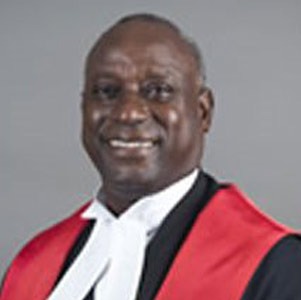
    Winston Hazel was convicted of trafficking 5.814 kilogrammes of cocaine by Magistrate Fabayo Azore on April 30, 2026, according to the Customs Anti-Narcotic Unit (CANU), the country’s lead agency for counter-narcotics enforcement. The conviction carries a three-year prison term and a GY$8.1 million fine, which equals approximately US$390,000 at current exchange rates.

    The case traces back to a targeted CANU enforcement operation conducted in March 2022 in the Guyhoc Park district of Tucville. During the operation, officers pulled over a private motor vehicle carrying two occupants, acting on intelligence related to suspected drug movement in the area. A systematic search of the stopped vehicle uncovered five sealed parcels containing cocaine, which tested positive for the controlled substance and logged a total net weight of 5.814 kilogrammes.

    CANU did not immediately release details on the status of the second individual who was in the vehicle at the time of the interception. The conviction marks a key win for Guyana’s ongoing crackdown on transnational drug trafficking, as the South American country remains a key transit route for cocaine moving from production hubs in the Andean region to global markets in North America and Europe.

    The verdict was first reported by Demerara Waves Online News, with the last update to the public record published on May 11, 2026, by correspondent Denis Chabrol.

  • Venezuela will not accept World Court’s ruling that Essequibo belongs to Guyana

    Venezuela will not accept World Court’s ruling that Essequibo belongs to Guyana

    On Monday, 11 May 2026, Venezuela’s interim President Delcy Rodriguez delivered closing oral arguments before the United Nations’ highest judicial body, the International Court of Justice (ICJ), and issued a clear statement that Caracas will reject any ICJ judgment that upholds the validity of the 1899 Arbitral Tribunal Award, which established the current border between Venezuela and Guyana over the resource-rich Essequibo Region.

    Rodriguez emphasized that Venezuela’s refusal to recognize ICJ jurisdiction over the decades-long territorial dispute extends to all possible outcomes of the current proceedings. “Even if the Court were to declare the 1899 award invalid, Venezuela would be unable to comply with such a ruling, as it would undermine the 1966 Geneva Agreement and core principles of international law,” she stated. “It follows very clearly that there is no legal basis for recognizing any decision resulting from this process, whatever that decision may be.”

    The interim president reaffirmed Venezuela’s long-held position that the 1966 Geneva Agreement, signed by Venezuela, the United Kingdom, and British Guiana ahead of Guyana’s independence, remains the only internationally valid framework for resolving the border dispute. She warned that any ICJ judgment on the controversy will not deliver a mutually acceptable definitive resolution, and will instead deepen divisions between the two South American nations.

    “Any ruling by this court will only push both sides to entrench themselves further in their opposing positions, moving us further away from the practical, mutually satisfactory settlement both parties committed to reaching when we signed the Geneva Agreement in 1966,” Rodriguez explained.

    Instead of ICJ adjudication, Rodriguez proposed an alternative path aligned with the peaceful goals of the 1966 accord: a high-level bilateral negotiation mediated by key regional stakeholders. She argued that this approach would be far more productive and effective than judicial proceedings in reaching a lasting resolution that works for both nations.

    Rodriguez also pushed back against claims that a ruling in Guyana’s favor would resolve the dispute permanently, noting that such an outcome would not end Venezuela’s territorial claims and would only return the conflict to the long-standing impasse the Geneva Agreement was designed to address.

    She further accused Guyana of abandoning the Geneva accord and acting in bad faith starting in 2015, when large oil reserves were discovered offshore of the Essequibo Region. Since that discovery, Rodriguez said, Guyana has deliberately sought to evade its obligations under the 1966 agreement by turning to the ICJ for a binding ruling.

    Outlining Venezuela’s historical claim to the territory, Rodriguez argued that irrefutable evidence confirms Essequibo has been part of Venezuela’s sovereign territory since the formation of the Captaincy General of Venezuela by the Spanish crown in 1777, which included the province of Essequibo as an official administrative unit. This administrative boundary, she said, forms the territorial foundation of the independent Republic of Venezuela declared in 1811, and every Venezuelan constitution since independence has explicitly enshrined Guayana Esequiba as Venezuelan territory. She added that the United Kingdom formally recognized Colombia’s eastern border as reaching Guayana Esequiba in 1825, meaning the UK never held legitimate legal title to the territory — a right that also cannot be claimed by its successor state Guyana today.

    “Beginning in 1840, after discovering immense gold reserves in the territory, the British Crown designed a deliberate strategy to seize and plunder the region, and now Guyana seeks to artificially forge a false legal title to the land through these misleading proceedings,” Rodriguez said.

    The interim president also condemned Guyana’s request that the ICJ order Venezuela to remove all references to Essequibo from national maps, remove it from history education, and eliminate national symbols that reference the territory — measures she described as an attempt to erase Venezuelan claims to the region. “The aim is to erase the memory of a people in order to nullify their future,” she said. “Annihilating history will never, never legitimise dispossession.”

    To counter Guyana’s argument that neither Spain nor Venezuela ever exercised effective control over any part of the Essequibo Region, Rodriguez presented newly submitted Venezuelan maps showing Spanish administrative control extended inland as far as the Pomeroon River within Essequibo.

    Guyana has maintained consistently that the 1899 Arbitral Tribunal, the treaty that established it, and its final boundary award are all fully legal and valid. It also rejects Venezuela’s claims, based on a posthumous memorandum from former arbitrator Mallet Prevost, that the tribunal’s president, Friedrich Martens, engaged in manipulative backroom dealing to sway tribunal members toward a ruling that favored British interests.

    Notably, Rodriguez avoided the harsh anti-American rhetoric that defined the previous administration of former President Nicolas Maduro, who often accused the U.S. government, U.S. Southern Command, and ExxonMobil of colluding with Guyana to seize Venezuelan territory. Following Maduro’s removal from office in a U.S.-backed military operation, bilateral relations between Washington and Caracas have improved significantly under Rodriguez’s interim government: U.S. sanctions on Venezuelan oil exports have been lifted, relevant domestic laws have been amended to align with bilateral cooperation, and major American oil companies have already begun returning to operate in Venezuela.

  • Woman arrested, car seized for probe into gunning down of Cuban man

    Woman arrested, car seized for probe into gunning down of Cuban man

    Authorities in Guyana have taken a key step forward in their investigation into a fatal early morning shooting that killed a 23-year-old Cuban national in Georgetown, announcing the arrest of a 45-year-old woman and the seizure of a vehicle connected to the attack.

    The incident unfolded just before 6 a.m. on Sunday outside a entertainment venue on Forshaw Street in Queenstown, Georgetown. According to official statements from the Guyana Police Force, the victim, identified as Dainier Vegas Infante, worked as a janitor at the club where the shooting took place.

    Witness accounts shared by law enforcement outline a sequence of escalating confrontation that ended in violence. Four male suspects arrived at the club in separate vehicles, with one armed man approaching two men who were seated outside the establishment to begin a conversation. When Infante stepped out of the club to approach the group of suspects, the armed gunman fired a single shot directly at him, striking him and causing him to collapse at the scene.

    Immediately after the shooting, the gunman fled the area in a motor vehicle along Forshaw Street, with the three other accomplices escaping in their own separate vehicles. First responders and investigators were called to the location quickly after the incident was reported, launching a city-wide manhunt for the suspects at large.

    Through coordinated investigative work leveraging the Guyana Police Force Command Center’s resources, law enforcement was able to rapidly track down a vehicle linked to the attack. The 45-year-old female suspect, a manager who resides in Little Diamond on the East Bank of Demerara, was taken into police custody following the vehicle interception. She remains in detention as of Sunday evening, as investigators continue to build their case against all involved parties.

    Authorities confirmed that they are currently reviewing closed-circuit television (CCTV) footage from the area surrounding the club to map out the sequence of events, identify all suspects involved, and gather additional evidence to support prosecution. The investigation remains active and ongoing, with law enforcement yet to announce additional charges or details on the four male suspects still at large.

  • Guyana collecting data for 20-year health forecast

    Guyana collecting data for 20-year health forecast

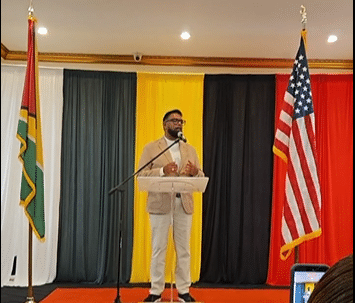
    During an address at the Canada-Guyana Business Forum held in Ontario on 10 May 2026, Guyana President Irfaan Ali outlined a pioneering proactive public health strategy designed to curb the growing threat of non-communicable diseases (NCDs) across the South American nation, built around large-scale data collection and AI-powered early intervention.

    At the core of the initiative is a national program that has the Ministry of Health gathering comprehensive health metrics from school-aged children to generate long-term forecasts of population health outcomes. Working in partnership with New York’s Mount Sinai Health System, the government has already completed a full anonymized data set covering all nursery and primary school students, which researchers have analyzed to project potential public health challenges the country will face over the next two decades. Data collection from secondary school students is currently in its final stages of completion, President Ali confirmed.

    “Our entire strategy will be evidence-based, rooted in the data we collect from across the population,” President Ali stated, noting that shifting unhealthy cultural norms and sedentary lifestyles remain the largest systemic barriers to reducing NCD prevalence. To expand access to routine testing outside of clinical settings, the government will roll out a network of mobile containerized testing hubs distributed to communities across Guyana. These facilities will allow residents to conduct free, convenient screenings for two of the most common NCD risk factors: high blood pressure and elevated blood sugar.

    All test results will be logged to a centralized national database monitored by an AI-powered backend system. The platform will automatically flag abnormal results, and at-risk individuals will be proactively contacted to connect them with urgent clinical care. Residents can also input personal test results directly into the system via a mobile app or on-site terminals at the testing hubs, expanding access to continuous health monitoring.

    In addition to school-based data collection, the government has already completed a nationwide prostate health screening program, offering free test vouchers to men that can be redeemed at participating private laboratories across the country. To date, hundreds of participants with abnormal results have been referred to care providers for follow-up treatment and ongoing management.

    President Ali also announced that a Canada-based cardiologist will join a national expert task force focused on examining the unintended public health consequences of rapid economic development in Guyana, particularly the growing prevalence of processed fast food and shifting commercial determinants of health. The task force was convened in response to warnings from local cardiologist Dr. Mahendra Carpen, who has documented a sharp rise in premature deaths from heart disease and diabetes among young Guyanese— a trend that is also visible among the large Guyanese diaspora in North America.

    “With Guyana’s current rapid development, we risk seeing these outcomes get worse if we do not act proactively. The spread of fast food culture, the commercial drivers of unhealthy choices, and shifting cultural norms around diet and activity all create major risks,” President Ali said, emphasizing that addressing the NCD crisis requires cross-ministerial coordination and integrated policy action, not just interventions from the health sector. To further expand community access to testing, religious institutions including churches, mosques, and temples will also be integrated into the national screening network to reach under-served populations in rural and remote regions.

  • PNCR says refused to give up part of Essequibo to Venezuela

    PNCR says refused to give up part of Essequibo to Venezuela

    GEORGETOWN, Guyana – In a press conference held Friday, Aubrey Norton, leader of Guyana’s main opposition party People’s National Congress Reform (PNCR), issued a forceful rebuttal of recent claims raised before the International Court of Justice (ICJ) that his party’s 1970s government considered ceding a portion of the disputed Essequibo Region to Venezuela to resolve the long-running border conflict between the two nations.

    Norton stressed that the allegation carried by Venezuela’s legal team at the ICJ is entirely unfounded. “This is untrue. When Venezuela made the proposal, it was rejected out of hand by the then PNC government,” Norton told reporters. The border dispute centers on the validity of the 1899 Arbitral Tribunal Award, which established the current boundary between Guyana and Venezuela and grants Guyana sovereignty over the 159,000-square-kilometer Essequibo Region, rich in offshore oil and mineral resources. Venezuela has for decades rejected the 1899 ruling and claims full sovereignty over the territory.

    Venezuela’s lead legal representative before the ICJ, international law professor Andreas Zimmermann, told the UN court last week that during 1977 bilateral negotiations, then-Guyanese foreign minister proposed a border adjustment at Punta Playa that would shift the existing borderline from its northwest orientation to a northeast route – a change that would cede territory to Venezuela. Zimmermann also told the court that during 1995 talks, both parties explored creative settlement options that included returning partial control of the disputed territory to Venezuela, including a potential lease arrangement that would leave Guyana administering some portions. He added that former Guyanese President Janet Jagan reaffirmed in an August 1998 letter that the UN Good Officer Process established under the 1966 Geneva Agreement was intended to explore all possible pathways to a negotiated settlement.

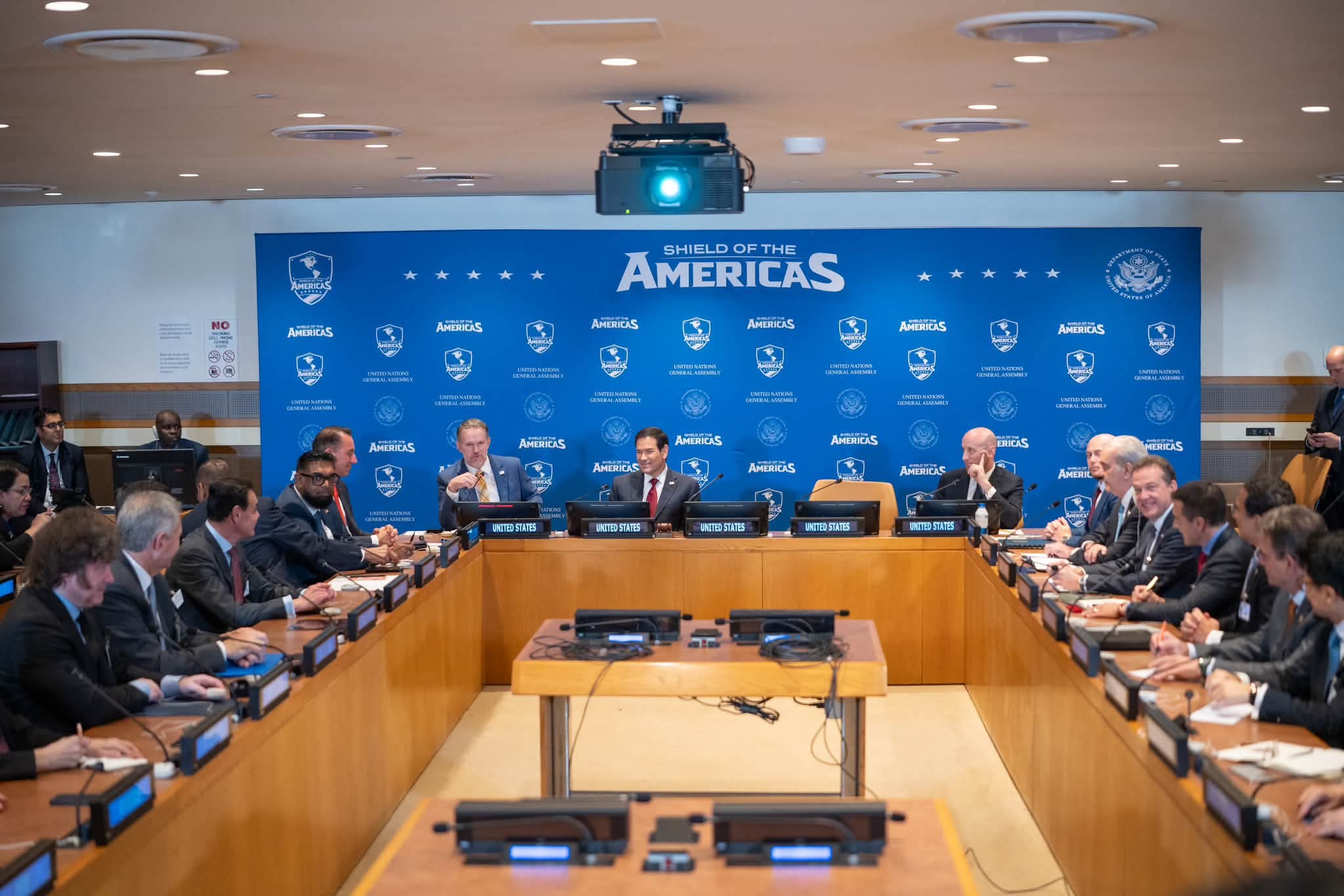
    Beyond refuting the 1970s concession claim, Norton pushed back against the Guyanese government’s current approach to the dispute, saying while he welcomes U.S. Secretary of State Marco Rubio’s recent pledge to defend Guyana from Venezuelan aggression, Guyana should have pursued a far more robust, proactive independent diplomatic strategy long before now. The comment comes amid Venezuela’s continued refusal to recognize the ICJ’s jurisdiction to rule on the validity of the 1899 award, a stance that has raised regional and international concerns over potential escalation.

    Norton outlined that a comprehensive Guyanese strategy should combine public education, targeted political influence, and proactive economic diplomacy that leverages the country’s valuable natural resources to build global support for its sovereignty claim, rather than relying on shallow transactional engagement with international partners. He also called for long-overdue formal recognition of Rashleigh Jackson, Guyana’s foreign minister during the 1970s talks, who Norton says was critical to securing resources for foundational research that underpins Guyana’s legal case. “It is unfair, and it should be rectified,” Norton said of the lack of public recognition for Jackson’s work.

    Joining the call for a more proactive public outreach strategy was Dr. David Hinds, co-leader of the Working People’s Alliance (WPA), who urged the Guyanese government to launch a large-scale, structured public education campaign to reinforce national awareness that Essequibo is an integral part of Guyana. Hinds noted that even at this late stage, an aggressive social media-focused campaign could not only educate Guyanese citizens about their country’s sovereign claim, but also reach audiences in Venezuela and across the Caribbean Community (CARICOM) to build broader regional and international understanding of Guyana’s position.

    Hinds added that such public outreach would also create grassroots pressure on the Guyanese government to prioritize protecting the country’s territorial integrity and embed a clear national understanding of the dispute across all segments of society, as tensions over the resource-rich region remain at a decades-long high.

  • CANU seizes Europe-bound cocaine in Corentyne

    CANU seizes Europe-bound cocaine in Corentyne

    In a major breakthrough against transnational drug trafficking, Guyana’s Customs Anti-Narcotic Unit (CANU) announced Saturday that it seized more than 45 kilograms of high-value cocaine and an illegal loaded firearm during a raid Thursday on a property in Springlands, Corentyne. Two individuals connected to the illicit shipment were taken into custody following the operation. Alongside the narcotics, which were packaged into 40 solid brick-shaped contraband units, CANU operatives recovered an Uzi submachine gun fully loaded with ammunition at the raid location. According to official estimates from the agency, the seized cocaine has a street value of approximately €1.575 million, equal to US$1.856 million, on European markets – a sharp contrast to its estimated GY$50 million value within Guyana. CANU confirmed the narcotics shipment was en route to consumer markets in Europe when the operation intercepted it. In an official statement released after the seizure, the agency emphasized that this successful operation underscores its unwavering commitment to dismantling cross-border drug trafficking networks, halting illicit drug consignments headed for global markets, and clearing dangerous illegal weapons from local communities. CANU officials added that intelligence-driven operational strategies and sustained collaborative partnerships with regional security partners continue to play an indispensable role in protecting Guyana’s national borders and upholding the country’s overall national security. The operation marks another key win for Guyanese security agencies working to stem the flow of illegal narcotics through the region to international consumer markets.