标签: Guyana

圭亚那

  • Natural Resources Minister denies Opposition Leader’s claim of ruptured natural gas pipeline

    Natural Resources Minister denies Opposition Leader’s claim of ruptured natural gas pipeline

    On Wednesday, 8 July 2026, a public dispute erupted between Guyana’s opposition leader and the ruling government’s natural resources minister over the status of the country’s high-profile US$1 billion natural gas pipeline project, triggering new scrutiny of the $1 billion infrastructure development tied to ExxonMobil’s energy operations in the region.

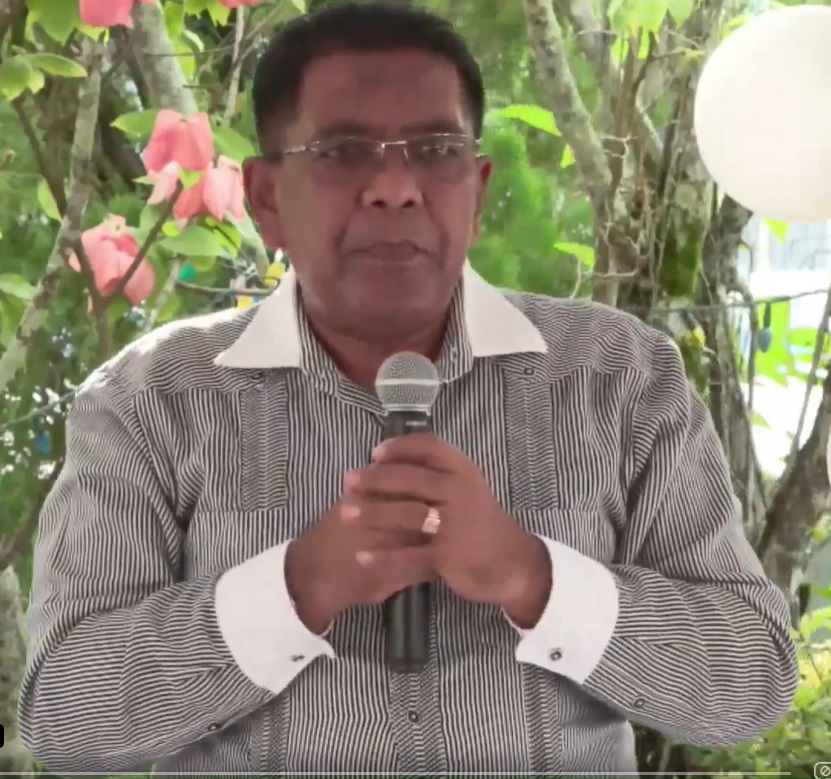
    Opposition Leader Azruddin Mohamed made the explosive allegation while aboard a vessel on the Atlantic Ocean off Guyana’s coast, claiming a major rupture had occurred on the undersea pipeline three months prior to his statement. According to Mohamed, the break sits approximately two miles offshore behind the Georgetown Marriott Hotel, at a depth of 30 feet near the pipeline’s route, and that the damage has already caused visible pollution in the surrounding waters. He pointed to the vessel he was aboard as positioned directly above the site of the alleged rupture.

    Natural Resources Minister Vickram Bharrat issued an immediate and full denial of the opposition’s claims just hours after Mohamed made the allegation public. In a statement released Wednesday night, Bharrat confirmed that there are no official reports of any rupture or damage to the pipeline infrastructure. He also added key context to the project’s current status: the pipeline is not yet activated, and no natural gas is currently flowing through the line. Bharrat noted that any activity at the site is likely related to routine pre-operational testing work being carried out ahead of the pipeline’s launch.

    The pipeline at the center of the dispute is a core component of Guyana’s expanding energy sector, designed to transport natural gas from offshore production sites to key onshore infrastructure at Wales on West Bank Demerara: a 300-megawatt power generation facility and a dedicated natural gas liquids processing plant. Prior project updates from ExxonMobil, the major energy operator leading the development, confirmed that the pipeline has been filled with inert nitrogen as a placeholder, in preparation for the transition to operational natural gas supply once construction and pre-launch checks are complete.

    An independent disaster response expert with knowledge of the project also told Demerara Waves Online News that they had no information confirming any damage to the pipeline, aligning with the minister’s denial. As of Wednesday evening, ExxonMobil had not yet issued an official response to requests for comment on the opposition’s allegation.

  • Tight restrictions on digital devices for very young children- Human Services Minister

    Tight restrictions on digital devices for very young children- Human Services Minister

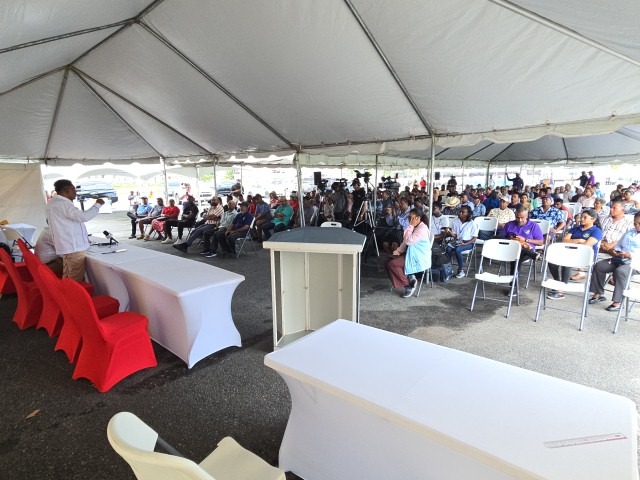
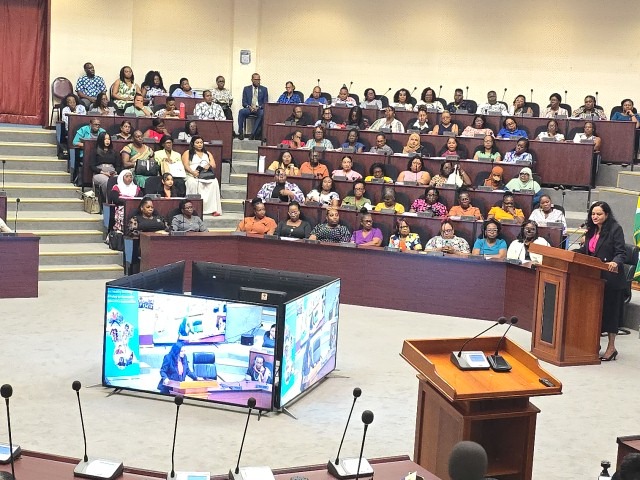
    On Wednesday, July 8, 2026, Guyana’s national Early Childhood Development Conference opened in Georgetown, bringing together policymakers, international partners, community caregivers and child welfare advocates to advance the country’s early childhood development (ECD) agenda. The event, hosted by Guyana’s Childcare and Protection Agency (CPA) in partnership with UNICEF and the Government of Canada, delivered new public health guidance for young children while highlighting progress on the country’s landmark National Integrated Early Childhood Development Policy.

    Speaking to attendees at the conference opening, Minister of Human Services and Social Security Dr. Vindhya Persaud issued a clear public warning: children under 2 years old must be completely barred from using smartphones, tablets and other personal digital devices, citing critical developmental risks during this period of early brain growth.

    “Many parents reach for a phone or tablet to calm an active or fussy young child, but this habit carries real long-term consequences,” Dr. Persaud told delegates. “The first two years of life are a foundational period for brain development. Every stimulus a child encounters shapes their long-term cognitive and social growth, and unregulated screen time from digital devices is not a healthy input. If you are giving young children these devices, it is time to stop.” For children older than two, the minister recommended capping total screen time to just two hours per week to balance exposure with healthy developmental activity.

    Beyond screen time guidance, the conference highlighted the government’s ongoing investment in accessible, high-quality community-based early childhood care across the country. A core pillar of this work is the GY$1.2 billion ECD co-investment initiative, which provides financing to local care centre owners to upgrade facilities, purchase child-friendly learning furniture, access professional training, and expand sustainable operations. To date, 700 care providers have already registered to access the funding, which is designed to build safe, welcoming learning and play spaces while keeping care affordable for working families.

    Dr. Persaud emphasized that the initiative’s core requirement for receiving public co-investment is that services remain accessible to all community members. “Locating these centres in the heart of local communities eliminates transportation barriers for parents, and lets families build trust with the caregivers looking after their children,” she explained. “Our goal is to make high-quality early care affordable and accessible for every family, regardless of income.”

    As of the conference, Guyana has formally licensed 352 early childhood care centres, with another 376 providers completing registration. Twenty-five facilities have been designated as Centres of Excellence, staffed by specially trained ECD professionals. The government has already disbursed the equivalent of GY$10 million to 100 centre owners to support their upgrade to the higher Centres of Excellence standards. Additionally, 460 families with children enrolled in registered, licensed care centres have received three months of financial support totaling GY$25 million, to help families access safe, regulated care arrangements.

    Levine Gouveia, Director of Children Services at CPA, outlined the five core pillars of Guyana’s National Integrated Early Childhood Development Policy: cross-sectoral collaboration and coordination, child safety and security, universal access, service quality, and inclusive care for all children. The policy also integrates targeted work across child health and nutrition, parenting and family support, ECD research, and infrastructure expansion, Gouveia explained. “All these work streams come together to build a robust child protection and development system for our youngest children, from birth through the pre-nursery years up to age three,” she said.

    Adam Loyer, Chargé D’Affaires at Canada’s High Commission to Guyana, noted that Canadian support has helped expand quality ECD services to more than 48,000 children and over 35,000 parents and caregivers across Guyana. ECD programming has now reached 156 Guyanese communities, exceeding the original outreach target set when the policy initiative launched. Loyer called the formal adoption of Guyana’s National Integrated Early Childhood Development Policy one of the most significant milestones of the partnership to date.

    Anna Azaryeva Valente, UNICEF Representative for Guyana and Suriname, echoed partners’ commitments to advancing ECD work, while noting that significant gaps remain to be addressed. While Guyana has made notable progress addressing systemic social challenges affecting children, Valente said many vulnerable communities still lack access to quality ECD services, and service quality can be improved across multiple regions.

    “There are still key milestones ahead of us: improving child health, nutrition and protection across all communities, empowering parents and caregivers with information and ongoing support rather than just assigning responsibility, grounding our work in evidence, and securing sustainable long-term public investment in early childhood services backed by clear policy and guidelines,” Valente said. She urged conference attendees, including ECD experts, caregivers, parents and service providers, to engage actively throughout the event: identify unmet needs, critique existing frameworks, ask critical questions, and help set collective priorities for future ECD investment across the country.

  • Trinidad offers ferry temporarily to help ease cost of living in several CARICOM member states

    Trinidad offers ferry temporarily to help ease cost of living in several CARICOM member states

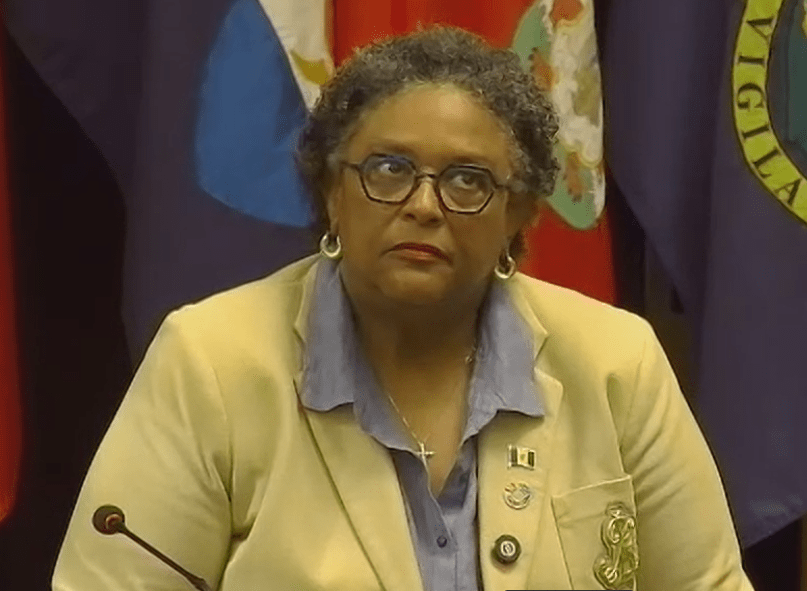
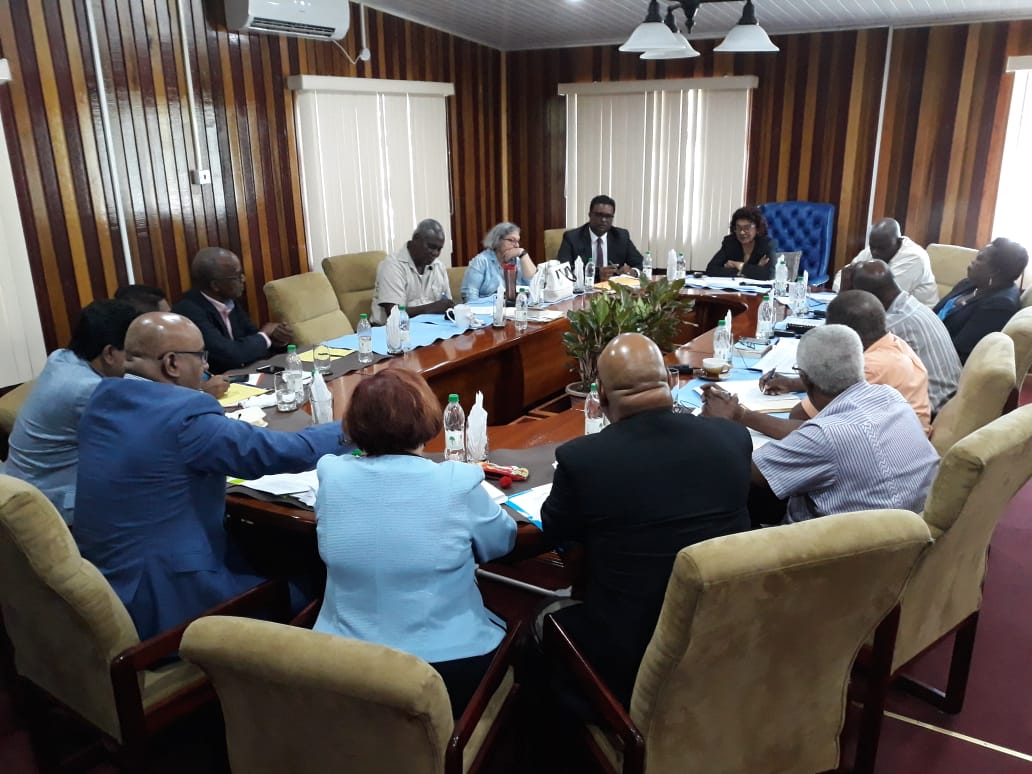
    At the closing press conference of the 51st regular Caribbean Community (CARICOM) Summit held in St. Lucia from July 5 to 8, 2026, Barbados Prime Minister Mia Mottley, who oversees the CARICOM Single Market and Economy within the regional quasi-cabinet, announced a key regional initiative to counter growing cost of living pressures driven by volatile global oil prices linked to ongoing Middle East conflicts.

    Mottley confirmed that Trinidad and Tobago Prime Minister Kamla Persad-Bissessar has offered one of the country’s five active ferries for temporary intra-regional cargo transport, filling a gap while the CARICOM private sector works to acquire a permanent dedicated regional vessel, a process expected to take roughly 12 months. The temporary service will launch as a proof-of-concept pilot focused on ports in the southern and eastern Caribbean, with leaders first conducting assessments of required port infrastructure modifications, including whether existing ramps can be adapted to accommodate the vessel.

    In the coming weeks, Mottley will hold tripartite discussions with Persad-Bissessar and Prime Minister Godwin Friday of St. Vincent and the Grenadines to finalize operational logistics for the pilot service. Beyond vessel deployment, Mottley announced plans to fast-track regulatory reforms, aiming to finalize mutual recognition agreements for trade licenses and cargo insurance within three months. These agreements will enable seamless cross-border movement of cargo vehicles between member states, cutting down on transit delays and associated costs.

    CARICOM Chair and St. Lucia Prime Minister Phillip J. Pierre framed the temporary ferry initiative as a notable step forward for regional integration. Pierre noted that the accelerated development of an affordable intra-regional ferry network will not only reduce trade costs but also improve connectivity, boost food security, and strengthen overall economic ties across the Caribbean bloc.

    The new temporary initiative marks a shift from earlier regional shipping plans. In April 2023, Guyanese President Irfaan Ali first proposed that CARICOM partner with India to develop a long-term solution for regional shipping needs, but no concrete progress has been announced on that proposal since it was tabled.

    In addition to the ferry plan, summit leaders agreed to share information across governments on the policy measures each has implemented to mitigate the impact of skyrocketing food and fuel prices. These measures range from targeted tax adjustments to expanded welfare allowances designed to ease household financial burdens. Guyana, for example, has already eliminated all excise taxes on retail fuel and maintains subsidies for state-owned power and water utility companies, keeping consumer utility costs locked at 2020 price levels.

  • Trinidad, Georgetown chambers of commerce to set up trade complaints desk, lobby govts

    Trinidad, Georgetown chambers of commerce to set up trade complaints desk, lobby govts

    On Wednesday, 8 July 2026, two leading regional business representative bodies – the Georgetown Chamber of Commerce and Industry (GCCI) of Guyana and the Trinidad and Tobago Chamber of Industry and Commerce (TTCIC) – formalized a landmark agreement to establish a joint trade complaints desk designed to eliminate long-standing non-tariff barriers that have hampered cross-border commerce between the two CARICOM member states.

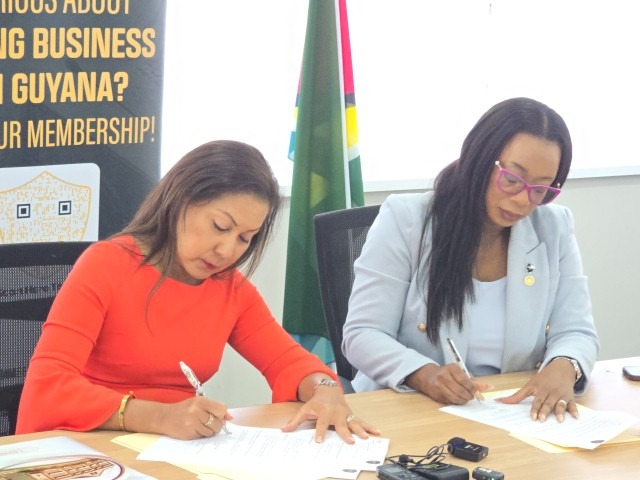
    The agreement, signed at a joint press briefing by TTCIC President Karen Yip Chuk and GCCI President Kathy Smith, establishes a structured framework for addressing persistent trade frictions that have blocked market access for producers on both sides. Speaking to reporters after the signing ceremony, TTCIC Chief Executive Officer Dr. Vashti Guyadeen outlined that the new mechanism will operate via a standardized data collection template, allowing business stakeholders from both countries to submit formal complaints about trade barriers. The joint desk will then track these issues and compile empirical evidence to inform targeted solutions.

    According to Dr. Guyadeen, the two organizations aim to fully launch the joint desk within a three-month timeline. Beyond the core complaint-handling function, TTCIC is prioritizing key updates to existing agricultural trade protocols, specifically those governing shipments of pineapple crowns, eddoes, and peppers. The new body will also develop a dedicated process to resolve cross-border taxation disputes, with Dr. Guyadeen emphasizing that addressing these long-running issues will require sustained, ongoing engagement rather than one-off interventions.

    GCCI President Kathy Smith echoed the urgency of the partnership, noting that the agreement itself would not have been necessary if cross-border trade for key Guyanese exports – including pineapples, honey, and red peppers – already operated without restrictions. A joint working group from both chambers is scheduled to convene in two weeks to aggregate data on outstanding trade issues before formal outreach to the Guyanese and Trinidad and Tobago national governments and relevant regulatory agencies. Smith added that the alliance will launch a cross-sector lobbying campaign to bring both public and private sector stakeholders on both sides of the border into alignment on the reform agenda.

    One of the most persistent disputes on the agenda dates back almost 20 years. Guyana has long pushed Trinidad and Tobago to revise its 1935 Beekeeping and Bee Products Act, a regulation that bans the transit of foreign-produced honey into the twin-island nation, introduced originally to prevent the spread of pathogens that could devastate local bee colonies. Successive Trinidad and Tobago governments, from both the People’s National Movement and the United National Congress, have pledged to amend the law following years of lobbying from Guyana, Grenada, and CARICOM leadership. However, TTCIC President Yip Chuk noted that the existing regulation has technical merit, pointing to the risk of catastrophic collapse of local bee populations if disease is introduced. She added that final decisions on the rule must be informed by technical assessments from Trinidad and Tobago’s Ministry of Agriculture and leading industry technical experts.

  • Guyana searching aggressively for new rice markets

    Guyana searching aggressively for new rice markets

    Against a backdrop of oversupplied global rice markets and persistently depressed international prices, Guyana is actively pursuing new export destinations to absorb a projected 2026 domestic rice output expected to hit 820,000 tonnes, the country’s Agriculture Minister Zulfikar Mustapha announced Tuesday. Speaking at a farmer subsidy distribution event held at the National Track and Field Facility in Leonora, West Coast Berbice, Mustapha outlined the government’s multi-pronged strategy to shore up the key national agricultural commodity sector, which has faced growing pressure from expanded production from major global rice exporters.

    Currently, Guyana’s largest regional export customers are member states of the Caribbean Community (CARICOM), with Jamaica and St. Lucia purchasing more Guyanese rice than any other Caribbean markets, the minister told Demerara Waves Online News in a post-event interview. To diversify its customer base, the government is actively negotiating access to three new key markets: Mexico, Haiti, and Cuba. Talks with Mexico’s ambassador to Guyana are already in an advanced stage, while a small initial shipment of paddy has already been sent to Haiti, with expectations for much larger volumes following the country’s 2026 second harvest, Mustapha added. The country will continue existing rice exports to Europe, though Mustapha acknowledged that prices on the continent remain unprofitably low due to global market conditions.

    As of mid-2026, Guyana has already harvested 414,000 tonnes of rice, putting the country on track to meet its full-year output target, according to the minister. The global rice glut, driven by increased production from large exporting nations including India, Indonesia, and Malaysia, has driven down farmgate prices dramatically: millers currently pay farmers just GY$2,500 per bag of paddy, down from GY$4,000 per bag in 2023. To offset this drop and keep the sector viable, the Guyanese government has rolled out an extensive package of subsidies and support measures totaling GY$2.763 billion.

    Under the support scheme, the state-owned Guyana Rice Development Board (GRDB) has waived the annual GY$650 million to GY$700 million export commission that millers are required to pay, with the government covering the resulting revenue shortfall. So far in 2026, the government has already transferred GY$430 million of the GY$807 million total required funding to GRDB. Additional direct support includes a GY$300 per bag subsidy paid to farmers for paddy sold to millers, plus one free bag of fertilizer per cultivated acre. For Region Three (West Demerara-Essequibo Islands) alone, 560 farmers who planted 15,636 acres in the last growing cycle will receive a total of GY$401,696,055 in support. Payments are tiered to prioritize smaller operations: farmers cultivating 50 acres or less receive GY$15,000, while operations over 50 acres receive GY$10,000.

    In addition to direct price supports, Mustapha called on private landowners to roll back what he described as exorbitant land rental rates that are driving up production costs for already strained farmers. While public land providers – the Mahaica-Mahaicony Abary Agricultural Development Authority (MMA/ADA) and the Guyana Lands and Surveys Commission – charge between GY$1,000 and GY$3,500 per acre including drainage and irrigation services, some private landowners are charging as much as GY$30,000 per acre in rent. Mustapha urged private owners to lower these rates to help reduce the overall cost burden on rice producers.

    To improve long-term sector productivity, the government is also investing heavily in agricultural infrastructure for key growing regions. Region Three has recently received seven new irrigation pumps, and plans are moving forward for construction of a large-scale drainage canal modeled after a successful existing facility on the East Coast Demerara, alongside upgrades to farm-to-market road networks. The government is also supporting producers to adopt more efficient practices including drone fertilizer application, and encouraging diversification by integrating paddy cultivation with livestock rearing and high-yield alternative crops. “We don’t want to see you only depend on rice,” Mustapha told farmers.

    Despite the market challenges, Guyana has seen consistent growth in rice output over the past five years, rising from 550,000 tonnes in 2020 to 825,000 tonnes in 2025. Unlike 2025, when Essequibo Coast farmers resorted to paddy dumping due to lack of off-take, Mustapha confirmed that no unprocessed paddy has been discarded this year. All surplus paddy has been purchased by the government, with some currently stored in Essequibo awaiting milling and future distribution. To expand national storage capacity, the government is constructing a new public storage facility in Onderneeming, Essequibo, to complement existing privately owned storage sites.

  • CARICOM leaders agree to send SG’s appointment to CCJ

    CARICOM leaders agree to send SG’s appointment to CCJ

    CASTRIES, St. Lucia – July 7, 2026 – Caribbean Community (CARICOM) leaders have reached a collective agreement to pursue an official advisory opinion from the Caribbean Court of Justice (CCJ) to resolve a long-running controversy surrounding the five-year reappointment of current CARICOM Secretary General Dr. Carla Barnett.

    The decision comes after the government of Trinidad and Tobago refused to drop its formal objection to the procedural framework used to approve Barnett’s reappointment. CARICOM chair and St. Lucia Prime Minister Phillip J. Pierre outlined the consensus in an official statement shared with reporters on Tuesday.

    “CARICOM acknowledged that the Republic of Trinidad and Tobago desires to have the issue of the reappointment of the Secretary General referred to the Caribbean Court of Justice to render an advisory opinion thereon,” Pierre said.

    To accommodate Trinidad and Tobago’s request, regional heads of government have authorized the launch of formal court proceedings under Article 212 of the revised Treaty of Chaguaramas, the foundational legal document governing CARICOM integration. Pierre emphasized that the process aligns perfectly with the core mandate the CCJ was created to fulfill.

    “This is the very purpose for which the CCJ was created, to be a treaty interpretation body,” Pierre added.

    In a 22-page formal correspondence sent to all CARICOM leaders ahead of the meeting, Trinidad and Tobago Prime Minister Kamla Persad-Bissessar argued that regional integration cannot be built on procedural shortcuts or unregulated practices framed as historical precedent. She stressed that the bloc’s unity must be rooted in consistent adherence to the rules all member states have voluntarily agreed to uphold.

    Persad-Bissessar pushed for the CCJ – which serves as the official interpreter of the Revised Treaty of Chaguaramas for the regional integration movement – to weigh in on the legality of the reappointment process. She also proposed that Barnett remain in office on a month-to-month interim basis only until the CCJ issues its ruling, with the arrangement explicitly stated to not undermine the legal positions of any member state or validate the disputed reappointment process.

    Under Persad-Bissessar’s proposal, Barnett would also fully recuse herself from any decisions directly or indirectly related to the advisory proceedings, with all relevant authority transferred to the CARICOM Deputy Secretary General or an independent third party.

    However, CARICOM leaders opted to maintain the current status quo surrounding Barnett’s reappointment, and the arrangement will remain in place until the bloc reviews and acts on the CCJ’s upcoming advisory opinion. Pierre noted that this path was chosen to resolve the dispute amicably, while allowing CARICOM to continue carrying out its core business without disruption to any member state’s legal standing.

    In tandem with this dispute resolution process, Pierre reaffirmed that CARICOM is moving forward with a long-planned review of its internal governance architecture, a mandate first agreed at the bloc’s previous conference held in St. Kitts and Nevis, aimed at strengthening institutional governance and boosting operational effectiveness across the community.

    Leaders also emphasized that the legal review process does not call into question the integrity of any member state, nor that of any individual involved in the controversy. Instead, Pierre said, the process reflects the bloc’s shared commitment to upholding the highest standards of good governance and pursuing continuous institutional improvement.

    In closing, Pierre reaffirmed that all heads of government remain committed to CARICOM’s core mission and regional integration objectives. Despite the current internal dispute and the wide range of economic and social challenges facing the bloc, leaders remain dedicated to advancing collective regional interests in unity, he added.

  • President should decide on public disclosure of assets- PPP Executive Secretary

    President should decide on public disclosure of assets- PPP Executive Secretary

    A heated political debate over asset transparency has erupted in Guyana, centered on claims surrounding President Irfaan Ali’s agricultural holdings and the origin of his investment capital. The controversy first took shape Sunday, when opposition leader Azruddin Mohamed of the A Partnership for National Unity/People’s National Congress Reform (APNU/AFC) made explosive allegations: that President Ali misused his executive office to secure a 150-acre plot of land along the popular Linden-Soesdyke Highway, and poured at least 2 billion Guyanese dollars into the development of the farm. Mohamed has since doubled down on these claims, calling for the president to step down immediately over the alleged improprieties.

    President Ali has forcefully pushed back against all accusations, pushing back on claims that he has hidden the true origin of his investment. He confirmed that the farm is indeed his property, noting this fact has never been kept secret from the Guyanese public. To counter claims of illicit funding, Ali explained that he has already complied with existing ethics rules by submitting all required financial disclosures to the country’s Integrity Commission annually, and his official banking records confirm he used legitimate borrowed capital to fund the agricultural project.

    The clash has drawn comment from the ruling People’s Progressive Party (PPP), with the party’s Executive Secretary Zulfikar Mustapha weighing in on the growing demand for public disclosure of the president’s full asset records. After initially declining to address the issue with Demerara Waves Online News, Mustapha clarified his stance when pressed on whether Ali should authorize the Integrity Commission to release his full financial documents to the public.

    “That is for the President to decide on that,” Mustapha stated, declining to pressure the country’s leader one way or the other on the disclosure question. He did, however, emphasize that the president has already met all legal obligations for financial transparency, noting that annual mandatory disclosures to the Integrity Commission signal the president has no undeclared assets or hidden misconduct to conceal.

    Mustapha’s comments came just under an hour after the main opposition bloc publicly reiterated its position that the president has a clear democratic duty to release his full financial records to the public in order to put all lingering concerns about alleged financial misbehavior to rest. As of Tuesday morning, no final decision on public disclosure has been announced from the president’s office, leaving the Guyanese public waiting for clarity amid intensifying political pressure.

  • FARMGATE: PNCR says Ali must make “full disclosure” of assets

    FARMGATE: PNCR says Ali must make “full disclosure” of assets

    GEORGETOWN, Guyana – July 7, 2026 – Guyana’s second-largest parliamentary opposition bloc, A Partnership for National Unity (APNU) led by the People’s National Congress Reform (PNCR), has publicly called on President Irfaan Ali to release a complete breakdown of his personal finances to verify that his acquisition of a sprawling 150-acre agricultural property along the Linden-Soesdyke Highway aligns with his reported income and documented borrowing.

    In an official statement released Tuesday, the 12-seat opposition coalition emphasized that in a functional democratic system, no public official – regardless of the highest office in the land – is exempt from public oversight. The group argued that Ali is obligated to address growing public questions and deliver the level of accountability that Guyanese citizens are entitled to expect from their head of state.

    “PNCR/APNU calls on the President to make full public disclosure of all his income, assets, liabilities, and the specific financial arrangements underpinning the acquisition and development of these lands,” the statement read. “Full transparency would serve to dispel existing doubts, strengthen public trust in government, and demonstrate a clear commitment to the core principles of good governance.”

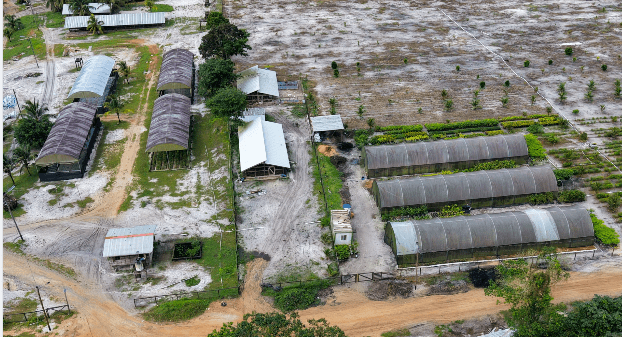
    The demand follows viral public scrutiny sparked earlier this week when Azruddin Mohamed, leader of the 16-seat main opposition party We Invest in Nationhood (WIN), published a video tour of the highly developed, modern agricultural operation on the site. Mohamed labeled the property a private ranch, noting it includes commercial livestock enclosures, fruit orchards, a private on-site electricity transmission network, climate-controlled ventilated poultry tunnel houses, shaded crop growing structures, cattle barns, and multi-level housing for sheep.

    Responding to the initial revelations over the weekend, President Ali confirmed he is the legal owner of the farm, but pushed back against allegations of impropriety. He stated that his asset declarations filed with Guyana’s Integrity Commission, paired with official banking records, confirm he funded the property and its development through personal borrowing. A former Minister of Housing and Water, Ali vehemently denied abusing his public office to acquire the land or secure the infrastructure for the project, adding that most long-time political observers and Guyanese citizens were already aware of his ownership of the farm.

    “There is absolutely no State involvement or no State financing for any single thing on my farm. It is in existence long before I became President and all of my assets have been declared to the Integrity Commission,” Ali told Demerara Waves Online in an interview Sunday. “Further to my assets being declared to the Integrity Commission, the financial system can verify and support every single investment I have made, and all my assets and liabilities which include my loan. So it is completely false that any part of this was supported by any State investment.”

    PNCR/APNU however pointed to a previous unresolved legal matter to back its call for full disclosure: the bloc noted that 19 fraud-related charges against Ali were ultimately dropped after he assumed the presidency, one of which specifically concerned parcels of land along the Linden-Soesdyke Highway. “The recent revelations regarding these lands are therefore not new and raise serious questions that demand clear and transparent answers,” the coalition said.

    The opposition is demanding Ali explicitly confirm whether he is the full beneficial owner of the farm land, and address questions over the property’s financing. Local reports put the annual lease payment for the land at approximately 25 million Guyanese dollars, a sum that PNCR/APNU argues demands public explanation. “The Guyanese people deserve to know how such payments are being financed and whether they are consistent with his declared sources of income,” the statement added.

    Ali’s monthly salary as President currently sits just under 4 million Guyanese dollars.

    The coalition stressed that as head of state, Ali holds a legal fiduciary responsibility to the people of Guyana and is required to uphold the highest standards of transparency and accountability. “The public is entitled to know how this wealth was acquired and whether all relevant declarations have been made in accordance with the law,” the statement concluded.

  • President, opposition should hold fresh “good faith” consultations to “agree” on substantive chancellor, chief justice- UWI law professor

    President, opposition should hold fresh “good faith” consultations to “agree” on substantive chancellor, chief justice- UWI law professor

    After nearly three decades without permanently filling Guyana’s two top judicial posts, a leading University of the West Indies constitutional law expert is calling on President Irfaan Ali and new Opposition Leader Azruddin Mohamed to launch fresh, constitutionally mandated consultations to finalize substantive appointments for Chancellor of the Judiciary and Chief Justice.

    In an interview with Demerara Waves Online News, Professor Tracy Robinson — who teaches law at UWI’s Mona campus in Jamaica — argued that prior consultation efforts have lapsed, so the process must start over with the current officeholders, not the outgoing opposition leadership that was originally approached in 2024. Last October, roughly one month after the September 2024 general and regional elections, President Ali sent a formal proposal to then-outgoing Opposition Leader Aubrey Norton to confirm the already-serving interim leaders: Acting Chancellor Roxane George-Wiltshire and Acting Chief Justice Navindra Singh. That proposal never moved forward, making new talks with Mohamed a constitutional necessity, Robinson said.

    Robinson emphasized that the permanent appointment of Guyana’s top judicial leaders, mandated under Article 127(1) of the nation’s constitution, is foundational to protecting judicial independence and upholding the rule of law. That constitutional requirement imposes a binding obligation on the sitting president and current opposition leader to reach a shared agreement through good-faith negotiation, she explained. “Given that earlier efforts have fallen into desuetude or become defunct, it is crucial that both political leaders restart consultations afresh, or begin anew, and in good faith,” she said.

    She noted that negotiations can sometimes stretch over long periods, fail to produce consensus, or become obsolete when the officials originally involved leave office — a reality that reinforces the need for the current leaders to take up the process now. To support her argument, Robinson referenced a 1999 Belizean judicial ruling from Justice George Meerabux, which addressed a problematic chief justice appointment made the day before an election, before opposition leaders were consulted. In that case, Meerabux stressed that good faith and appropriate timing are non-negotiable, and that caretaker governments should avoid making major, long-impact decisions that undermine parliamentary democracy.

    Robinson went on to draw on rulings from the Caribbean Court of Justice (CCJ) to lay out the legal framework for the required consultations. She cited CCJ Justice Peter Jamadar’s 2021 judgment in *Air Services v Attorney General*, which defined the core principles of what Jamadar termed “Guyanese consultation.” Per that ruling, any legitimate negotiation process must be rooted in transparency, openness, clarity, inclusivity, accountability and timeliness for all stakeholders involved.

    While Article 127(2) does allow the president to appoint interim officeholders when positions are vacant or other exceptional circumstances arise, following meaningful consultation with the opposition leader, Robinson stressed that the constitutional mandate for a permanent, substantive appointment remains binding. She argued that the shift from unilateral presidential appointment to shared, consensual decision-making outlined in the constitution means both leaders have a mutual duty to engage in good faith when the roles are held on an acting basis.

    Robinson also referenced the 2019 CCJ ruling in *Zulfikar Mustapha v The Attorney General and The Chairman of The Guyana Elections Commission*, in which the court invalidated the appointment of a Guyana Elections Commission chair made by former president David Granger. In that case, CCJ President Justice Adrian Saunders wrote that the Guyanese Constitution expects both the president and opposition leader to act reasonably and responsibly, set partisan interests aside, and prioritize the welfare of the Guyanese public.

    The current interim appointments were made in August 2025, when George-Wiltshire — previously serving as acting chief justice — was elevated to acting chancellor, and Singh was named acting chief justice. The last substantive appointments to these roles came decades ago: Desiree Bernard was confirmed as substantive chief justice in 1996, and later as substantive chancellor in 2001. Ever since, repeated failures by successive presidents and opposition leaders to reach consensus have left the top two judicial posts permanently filled by interim officials, creating an unprecedented gap in Guyana’s judicial governance.

    “In consultative and consensual decision-making processes involving the President and the Leader of the Opposition, good faith, fair and enabling processes, appropriate timing and timeliness, and political maturity matter enormously,” Robinson said. The leading constitutional scholar summed up the urgency of restarting talks with a memorable analogy: “Consultation is one dish that cannot be served cold.”

  • No vacancy at GECOM for president to act on opposition leader’s request

    No vacancy at GECOM for president to act on opposition leader’s request

    A months-long constitutional standoff over appointments to Guyana’s key elections oversight body has intensified after a senior ruling-party affiliated legal expert has confirmed that President Irfaan Ali lacks the authority to install three new opposition-nominated election commissioners, citing a critical lack of existing vacancies on the commission.

    Speaking to Demerara Waves Online News on condition of anonymity, the legal expert, who has publicly aligned with the governing People’s Progressive Party Civic (PPPC), framed the restriction as a clear requirement of Guyana’s governing law. “Once there is no vacancy, how can the President appoint? The President cannot unless somebody is removed – in other words, a vacancy must exist first. Even if the President wanted to move forward with the appointments, the Constitution does not allow it,” the expert explained.

    The dispute traces back to June 30, when current Opposition Leader Azruddin Mohamed submitted his three nominees – attorneys Roysdale Forde, Siand Dhurjon and Damien Da Silva – to President Ali for appointment. Citing Article 161(3)(b) of Guyana’s Constitution, Mohamed claimed he had completed required consultations with all opposition parties represented in the 65-seat National Assembly to finalize the selections.

    But the landscape of Guyana’s parliament shifted dramatically following the September 1, 2025 general and regional elections, which upended decades of political convention for the Guyana Elections Commission (GECOM). Since the return of democratic elections in 1992, the two largest political blocs – the PPPC and the People’s National Congress Reform (PNCR) and its coalition APNU – held a shared grip on National Assembly representation, a balance that was reflected in GECOM’s structure, with each side holding three commissioner seats.

    Last year’s election result broke this long-standing arrangement. The PNCR-led APNU, which previously held the position of main opposition, lost its status after securing only 12 seats. It was replaced by the We Invest in Nationhood party, which won 16 seats to become the new main opposition, with the Forward Guyana Movement claiming an additional single seat. Despite this seismic shift in parliamentary representation, the three incumbent PNCR/APNU-appointed GECOM commissioners have refused to step down, arguing that they can only be removed through resignation, a formal court order, or an amendment to Guyana’s constitution and electoral law.

    Strikingly, the ruling PPPC-affiliated legal expert’s interpretation of the constitution aligns fully with the position of the incumbent PNCR commissioners: Vincent Alexander, Charles Corbin and Desmond Trotman. “They are lawfully appointed commissioners who have not tendered their resignation,” the source confirmed. The legal expert added that the only viable path to resolving the deadlock is through judicial intervention, noting that the existing constitutional framework does not provide an alternative mechanism to adjust GECOM’s composition following the change in parliamentary opposition leadership.