标签: Grenada

格林纳达

  • Sandals Grenada’s Annual Prestige Awards: An Evening of Stars

    Sandals Grenada’s Annual Prestige Awards: An Evening of Stars

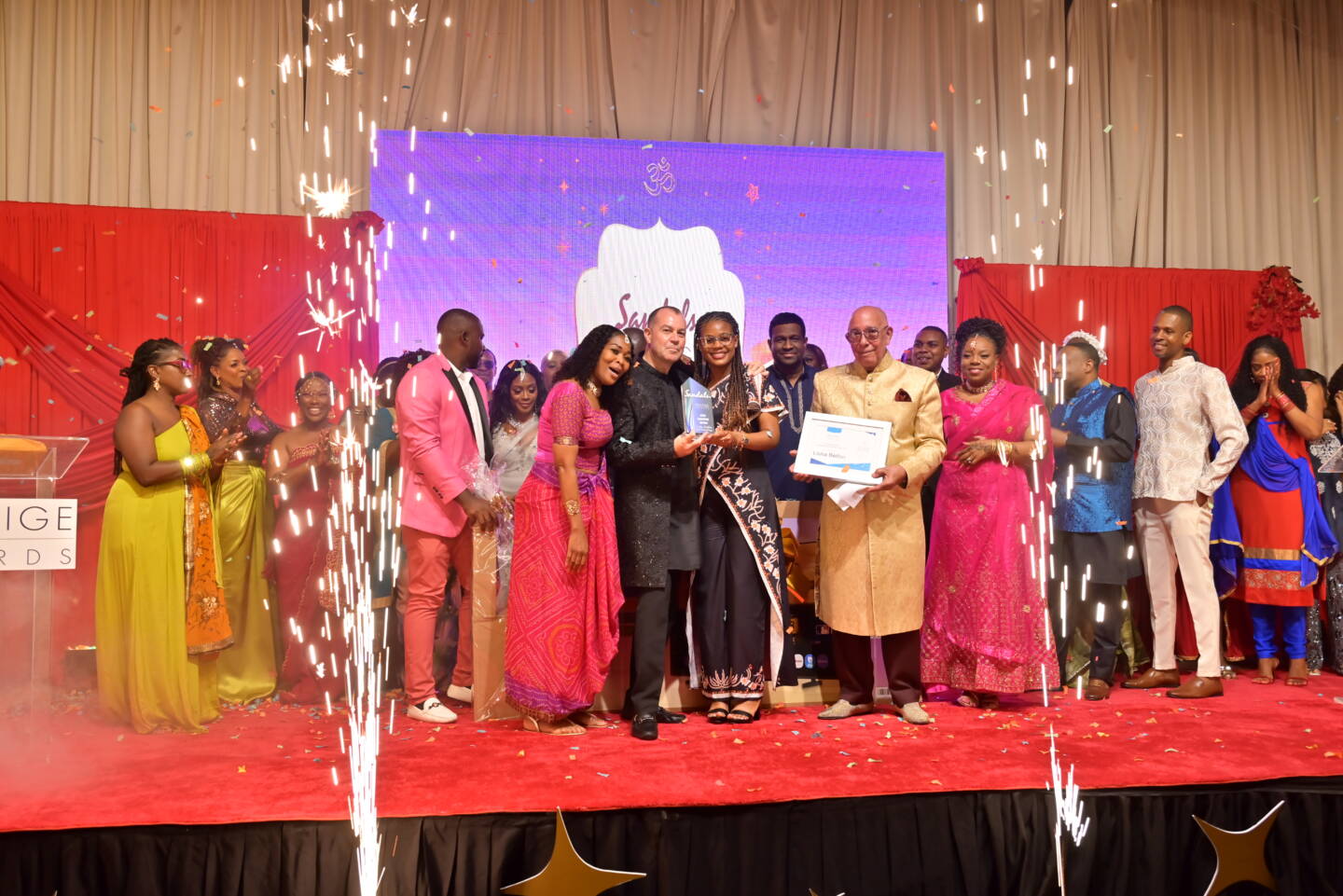
    Last week, the small town of Morne Rouge transformed into a vibrant Bollywood-inspired stage as Sandals Grenada hosted its most anticipated annual internal celebration: the 2025 Prestige Awards. Held on June 30, just one day ahead of Grenada’s annual Indian Arrival Day commemoration, this year’s ceremony embraced the nation’s rich East Indian cultural heritage under the thoughtful theme ‘Sitaare’ – a term translating to ‘Stars’ in Sanskrit-rooted vocabulary, chosen to reflect the shining impact of every team member. As the highest internal honor bestowed by Sandals Resorts, the Prestige Awards exist to recognize exceptional performance, dedication, and contributions across every department of the property.

    Team members turned out in their most glamorous formal wear, ready for a memorable evening of celebration, recognition, and gourmet feasting. Beyond the acclaim, winners walked away with a robust suite of prizes, ranging from cash rewards and professional development certificates to cutting-edge consumer electronics including smartphones and smart televisions. The most coveted reward, however, is an all-expenses-paid getaway to any other Sandals resort location around the Caribbean.

    The awards spanned 16 competitive categories, crafted to honor excellence across every corner of the resort’s operations. Categories included honors for outstanding contributions to guest experience, the staff-voted People’s Choice Award, and the most anticipated honor of the night: the Diamond Team Member of the Year Award, the resort’s highest internal accolade.

    This year’s top honor went to Lisha Belfon, Food & Beverage Administrative Assistant, whose victory came with a dramatic, stylish exit: she departed the ceremony in a Tesla Cybertruck, loaded down with her winnings. Senior leadership celebrated Belfon’s impressive upward career trajectory within the organization, which began when she joined as an entry-level restaurant server before climbing the ranks through consistent hard work and initiative.

    “It is an honour and privilege to serve alongside these amazing hospitality professionals. There are so many roles within the department, and each is only as strong as the other. Lisha is one of the anchors of our department. We couldn’t be prouder of her,” said Matthew Saunders, Food & Beverage Director, expressing his enthusiasm for Belfon’s win.

    General Manager Peter Fraser echoed this praise, noting: “She is poised, quietly confident, ambitious and well-educated. I know she will continue to soar.”

    A full slate of other standout team members took home honors across categories this year. Dennison Decoteau, Restaurants Service Manager, claimed the MVP/Manager of the Year title; butler Alex Frederick took second place honors with the Platinum Award; Jeniffer Phillip, Bars Supervisor, was named Supervisor of the Year; bartender Terrell Douglas received the Legendary Award; cook Sindy Ghatt won the Circle of Joy Award; junior concierge Rhys Ollivierre took home the Mover and Shaker Award; A/C Technician Floyd Gooding was honored as the Sandals Foundation Sentinel; landscaper Dellon Harriman received the Pacesetter Award; resort driver Kaylan Lewis claimed the Heart of the House Award; loyalty and travel concierge Shenique Decoteau won the Earth Guardian Award; payroll clerk Donnette Abraham took home the Standing Ovation Award; spa therapist Nadya Alexander claimed the Money Maker Award; Corene Felix, Stewarding Manager, won the Founder’s Circle Award; and housekeeping supervisor Lizann Frederick took home the staff-voted People’s Choice Award. The resort’s Photo Shop team rounded out the winners by earning the coveted Department of the Year title.

    The evening was filled with raw, heartfelt moments that captured the deep connection between team members and the resort community. Legendary Award winner Terrell Douglas brought the audience to tears when he video-called his mother live from the stage, shouting “Aye, mommy, we get through!” to celebrate his win with the woman who supported his journey. Sandals Foundation Sentinel winner Floyd Gooding reflected on his humble roots, sharing: “I didn’t grow up with much, but I have worked hard to uplift my family, and I appreciate all the opportunities provided through Sandals and the Sandals Foundation to uplift others.”

    Maxine Pierre, Human Resources Manager at Sandals Grenada, closed the evening by grounding the celebration in the year’s theme, telling attendees: “‘Sitaare an evening of stars’ was specifically chosen as our theme this year to represent how each of you can illuminate a room with your purpose, presence and passion. Thank you for going above and beyond to make our brand shine.”

  • Scholar-poet to headline Grenada Ifa Festival Symposium

    Scholar-poet to headline Grenada Ifa Festival Symposium

    As the countdown begins to the 2026 Grenada Ifa Festival, a leading Caribbean-born scholar and poet is amplifying a urgent, resonant call for people of African descent across the Caribbean and diaspora to reclaim their sacred ancestral heritage — one rooted in Indigenous African philosophies and spiritual practices that have survived centuries of colonial erasure.

    Liseli A. Fitzpatrick, PhD, a Trinidadian professor of Africana Studies at Wellesley College in Massachusetts, will take the stage as a keynote presenter at the festival’s symposium, hosted by the Shrine of the Seven Wonders of Africa Inc. Scheduled for July 2026, the gathering is already projected to draw hundreds of participants from across the Caribbean region and around the globe, united around the symposium’s core theme: Ancestral Wealth, Inheritance, and Abundance.

    For Fitzpatrick, this theme is not just an academic topic — it is the backbone of her life’s work. In an interview ahead of the event, she framed ancestral wealth not in material terms, but as the collective capacity of African people to reconnect with, embody, and grow the sacred wisdom, legacy, and gifts left by their ancestors, forged through centuries of love, intellectual labor, and unthinkable sacrifice.

    Fitzpatrick described her upcoming trip to Grenada as more than a professional engagement: it is a spiritual homecoming and act of reverence. “I feel a strong sense of spiritual obligation and oneness,” she explained, noting that the island nation holds immense, multilayered ancestral power — some acknowledged, some still waiting to be uncovered, that carries both weight and blessing for the diaspora.

    Fitzpatrick’s scholarly and creative practice is deeply integrated, rooted in African cosmology, ancestral knowledge, and the shared experience of diasporic identity. She argues that the most precious inheritance passed down to modern people of African descent is not material, but the sacred philosophies and communal practices that center self-worth, collective care, and stewardship of the natural world and the continuity of life.

    When asked what barriers still block the Caribbean from fully reclaiming these foundational traditions, Fitzpatrick pointed to ongoing reliance on Western political frameworks and the unaddressed intergenerational trauma of chattel slavery and colonialism. “The West was fabricated on and thrives off the disempowerment and disenfranchisement of African peoples, starting with the desecration of our sacred cosmologies,” she said. Western institutional structures, she argues, were intentionally designed to obstruct African self-determination and collective spiritual power, leaving many disconnected from their heritage.

    Yet Fitzpatrick remains steadfast in her belief in the resilience of African spiritual identity. Speaking at the 2023 second convening of the United Nations Permanent Forum on People of African Descent, she asserted, “you can shackle the body, but you cannot shackle spirit. The African spirit is unconquerable and ubiquitous.”

    To move forward, Fitzpatrick advises regional heritage practitioners to build deeper collaborative networks focused on collective reclamation. She calls for new, emancipatory education initiatives rooted in sensory, community-centered learning that fosters healing and awareness tied to ancestral traditions. Echoing activist and writer Audre Lorde, Fitzpatrick emphasizes that “the master’s tools will never dismantle the master’s house.” Western modes of thinking and education, she argues, cannot undo the harm Western colonial systems created — making a return to Indigenous epistemologies non-negotiable.

    Central to Fitzpatrick’s work is the blurring of lines between academia and art, which she says are inseparable. “Everything I do is intellectually and intuitively creative — born from the same source with the sole purpose of inspiring life,” she said. “As a Diasporic Trinidadian poet and professor of Africana Studies, there is a natural synergy between who I am and what I do. The two are inseparable.”

    Her work centers African cosmology, which she defines as the Indigenous framework African peoples on the continent and across the diaspora developed to make meaning of the world through lived sensory experience. Rooted in ecological balance and interconnectedness, cosmology ties the spiritual and physical realms inextricably together, she explains. “In every sense, I teach what I live and live what I teach, where art is intrinsic. African art is intellectual. Art articulates life. Black art is Black life.”

    Fitzpatrick also offers a sharp rebuke of Western definitions of wealth and success, which she calls exploitative, soulless, and rapacious, built on violent consumerism and extractive capitalism. In contrast, she notes, African cosmological perspectives frame abundance as wholeness, collective well-being, and alignment with the equitable natural order of life.

    Fitzpatrick’s forthcoming book, *Slavery and the Dis-Ori-entation of the African*, expands on this framework, exploring the deep spiritual and psychological disruption caused by chattel slavery through the lens of Yoruba philosophy. In Yoruba cosmology, *Ori* encompasses both the inner spiritual head (*ori inu*) and outer physical head (*ori ode*) — it is a person’s origin, compass, destiny, and core consciousness. Balance and goodness (*Iwa pele*) is only achieved when inner and outer Ori are aligned. When this alignment is broken by trauma, people lose their sense of purpose, direction, and self.

    Fitzpatrick coins the term “Dis-Ori-entation” to describe the widespread misalignment of spiritual and physical identity caused by the violence of slavery and its ongoing colonial legacies. Even so, she stresses that ancestral knowledge was never fully destroyed: “All was not lost or thrown overboard; our ancestors left us a rich inheritance — they found ways to preserve our sacred practices and persevere through their sheer ingenuities, Love, and indomitable spirits.”

    To heal this disconnection, Fitzpatrick advocates for what she calls “Re-Ori-entation”: a process of realignment rooted in ancestral knowledge and intentional self-reflection. Drawing on the Akan principle of Sankofa, which encourages communities to return to the past to retrieve wisdom for the future, she explains that this process requires both individual commitment and collective action, rooted in open-mindedness and radical vulnerability.

    Oral culture, language, storytelling, and poetry remain central to this work of reclamation, Fitzpatrick argues. When enslaved African people were forbidden from learning to read and write in the colonizer’s language, they turned to their traditional gift of orality, creating new languages, music, movement, and poetic forms that affirmed their humanity and preserved their heritage against all odds. Today, these practices remain critical tools for rebuilding collective consciousness and identity across the African diaspora.

    Moving beyond mere survival, Fitzpatrick calls for a full return to foundational ancestral values, rooted in love, wisdom, compassion, reverence, and harmony with nature. This, she says, is the only path to true collective abundance and alignment.

    For attendees of the 2026 symposium, Fitzpatrick has a clear message: our ancestors left a legacy of wisdom and sacred practice that we are entrusted to steward, not squander. As organizers prepare for the event, Fitzpatrick’s keynote is already expected to be a defining contribution to the festival’s mission of exploring African heritage, spiritual renewal, and collective empowerment across the diaspora.

  • SGU joins Global Biodiversity Alliance

    SGU joins Global Biodiversity Alliance

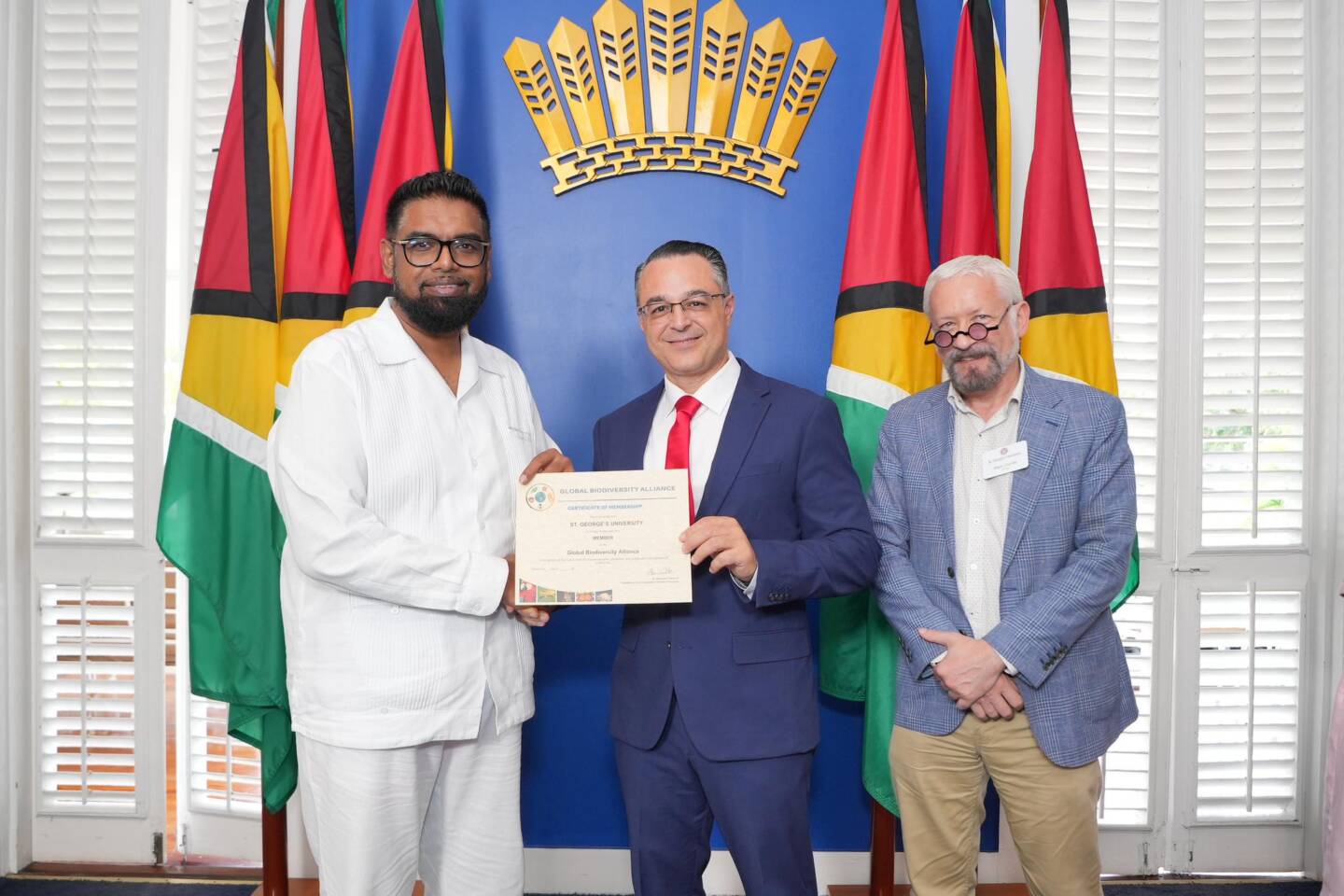
    In a formal ceremony held at Guyana’s State House, St George’s University (SGU) has formally been inducted as the newest non-governmental member of the Global Biodiversity Alliance (GBA), with Guyana’s President His Excellency Dr Mohamed Irfaan Ali presenting the official membership certificate to the institution. SGU’s admission to the alliance, which has already been formally confirmed by the GBA Secretariat, builds on a deepening collaborative partnership between the Grenada-based university and the Government of Guyana rooted in the Georgetown Declaration, a landmark global framework dedicated to halting and reversing global biodiversity loss through the advancement of sustainable, science-centered solutions.

    As a non-governmental institutional member, SGU now joins a rapidly expanding international coalition that brings together national governments, research institutions, and civil society organizations. All members of the alliance work in coordinated alignment with the Kunming-Montreal Global Biodiversity Framework to protect vulnerable ecosystems and speed up progress toward shared global biodiversity targets.

    Speaking on the occasion, Dr Marios Loukas, SGU President and Dean of the School of Medicine, highlighted the institution’s core strength in bridging academic disciplines to tackle pressing, complex global challenges. “Through the Global Biodiversity Alliance, we are expanding our ability to contribute actionable research and foster the kind of collaboration needed to drive measurable progress,” Loukas said, noting that membership opens new avenues for two-way learning and knowledge exchange between SGU scholars and a global network of leading conservation experts.

    Founded as a voluntary, inclusive multi-stakeholder platform, GBA was created to advance open knowledge sharing, scalable conservation financing, and coordinated collective action to protect global biodiversity. The alliance unites stakeholders from every sector—from government and academia to private industry and nonprofits—to accelerate the on-the-ground implementation of global biodiversity goals and advance inclusive, nature-positive sustainable development.

    GBA Secretariat representatives have emphasized that academic institutional partners are foundational to advancing the alliance’s core mission. Collaboration with universities, they note, strengthens global research capacity, expands cross-border knowledge exchange, and improves the delivery of effective conservation outcomes. Pradeepa Bholanath, Senior Director of Climate Change and REDD+ at Guyana’s Ministry of Natural Resources and a leading figure at the GBA Secretariat, welcomed SGU’s membership in a statement. “We are pleased to welcome St George’s University to the Global Biodiversity Alliance as a valued non-governmental member,” Bholanath said. “Through this collaboration, SGU will contribute to a dynamic platform dedicated to halting and reversing biodiversity loss, and we look forward to engaging the University in upcoming initiatives that support the Alliance’s shared global priorities.”

    As a GBA member, SGU will participate in a range of collaborative initiatives focused on advancing evidence-based conservation solutions, expanding interdisciplinary biodiversity research, and building global conservation capacity across under-resourced regions. The university’s entry into the alliance aligns with its long-standing institutional mission to address transboundary global challenges through integrated education, innovative research, and cross-sector partnership. The move also solidifies SGU’s growing role as a global leader in advancing the interconnected goals of global public health and environmental stewardship.

    Reaffirming the institution’s commitment to the alliance’s mission, Loukas added: “This partnership creates new opportunities for SGU to both contribute to and learn from a global network of experts and institutions. We are committed to applying our expertise in ways that strengthen capacity, expand knowledge, and support impactful, science-driven initiatives across regions.”

  • Consider our people

    Consider our people

    By Adrian Joseph, DBA

    Every generation of Grenadians carries a core responsibility: to nurture a stronger, more equitable nation while acting as responsible stewards of the country’s natural and social fabric for those who will come after. This mission demands people-centered progress rooted in innovation, robust protection of human rights, unwavering commitment to environmental sustainability, and thoughtful management of the complex, fast-shifting social dynamics shaping modern Grenada.

    Crucially, development must never come at the cost of public health, community safety, environmental integrity, or the long-term economic well-being of ordinary citizens. Today, that principle is being put to the test in Beausejour and its surrounding neighborhoods, where local residents’ calls for the government to enforce proper planning rules, deliver meaningful community consultations, and uphold environmental standards have been dismissed.

    At the center of the conflict is the Rayneau Group of Companies’ asphalt production facility, sited directly within a densely populated residential zone and just meters away from critical community infrastructure. The plant sits a mere 143 meters from a public playing field, 300 meters from a pre-primary school, 500 meters from a secondary school, 151 meters from a Seventh-day Adventist Church, and less than 100 meters from a local river – creating immediate, severe risks of toxic chemical runoff that could contaminate local water supplies.

    Public health advocates warn that it is only a matter of time before the facility’s industrial activity triggers a major environmental disaster and widespread chronic health issues, particularly among the most vulnerable residents: the elderly, young children, and people living with pre-existing health conditions. Too often, the full negative impact of unregulated industrial development only becomes visible once irreversible harm has been done, yet some officials have chosen to ignore the risk, hiding behind outdated, industry-friendly justifications for inaction. While the mistakes of the past cannot be undone, Grenadians have a collective duty to act now to build a better future for all, regardless of political affiliation or socioeconomic status. Every person in this country has an equal right to live in a clean, healthy environment.

    The ongoing disregard for the rights of affected communities around the Rayneau plant runs counter to both Grenada’s national legislation and its binding international obligations. Multiple international human rights and environmental frameworks explicitly require signatory states to take proactive action to protect public health and prevent environmental harm. As a party to the International Covenant on Economic, Social and Cultural Rights, Grenada is legally obligated to uphold the right to the highest attainable standard of health – a right that international legal bodies have explicitly interpreted to include protection from environmental hazards like industrial air pollution and toxic exposure. Similarly, the International Covenant on Civil and Political Rights guarantees the fundamental right to life, which modern international jurisprudence has expanded to require protection from life-threatening environmental conditions. The United Nations Human Rights Council’s recent formal recognition of the universal right to a clean, healthy, and sustainable environment further strengthens this binding obligation.

    These human rights commitments are reinforced by multilateral environmental agreements including the Basel Convention and the Stockholm Convention, which mandate that member states regulate industrial waste, limit toxic emissions, and prevent harm to human health and ecosystems. The unregulated, potentially dangerous emissions from the Beausejour asphalt facility clearly fail to meet Grenada’s obligations under these agreements.

    A core contradiction lies at the heart of this crisis: Grenada’s leaders frequently deliver bold speeches about global climate action and environmental protection on the international stage, but fail to enforce those same standards at home. One of the most critical gaps in this case is the absence of a required Environmental and Social Impact Assessment (ESIA) – a mandatory step under Grenadian law designed to identify risks to communities and ecosystems, facilitate stakeholder engagement, and implement mitigation measures to protect affected populations. While an ESIA is not the only consideration for development projects, it must be a non-negotiable part of planning and regulatory review. Developers like Rayneau must not be allowed to flout ESIA requirements with impunity, as the long-term consequences for local communities and the environment can be catastrophic.

    This crisis raises deeper questions about political leadership and accountability in Grenada: do the government’s commitments to climate action and public health only apply to international speeches, or will they be enforced at home for ordinary Grenadian communities? Time and again, Grenadian ministers take global stages to warn of the urgent threat of climate change and environmental harm, yet back home their words ring hollow. Across local communities, unregulated development, weak regulatory enforcement, and systemic failure to manage environmental and public health risks have become the norm.

    The old African proverb says it takes a village to raise a child – and it takes an engaged, united village to build a just nation. Today, that village must stand with the Beausejour residents who breathe polluted air every day, the parents who worry about their children’s long-term health, and all citizens who believe Grenada’s communities deserve better. If we stay silent while this violation continues, our public health, our natural environment, and the future of generations to come will pay the price. We must demand immediate action to review and reverse the decision to allow the Rayneau facility to operate at its current residential location.

    This campaign is not anti-development. It is a demand that all development in Grenada be responsible, compliant with national law, and aligned with the fundamental right to health and dignity that every community deserves. I am calling for an immediate suspension of all operations at the Rayneau industrial facility, pending a full, independent assessment of its environmental impact, public health risks, and compliance with national regulatory requirements. No Grenadian should be forced to endure illegal, unregulated disregard for their health and well-being, left to wonder what toxins they are inhaling with every breath they take.

    *Disclaimer: NOW Grenada is not responsible for the opinions, statements or media content presented by contributors. In case of abuse, click here to report.*

  • Ella-Rose Charles wins National Tourism Youth Congress 2026

    Ella-Rose Charles wins National Tourism Youth Congress 2026

    A 14-year-old student from St Joseph’s Convent St George’s has stepped into the national spotlight as Grenada’s newest Junior Minister for Tourism, after claiming top honors in the final round of the National Tourism Youth Congress.

    Organized by Grenada’s Ministry of Tourism, the Creative Economy and Culture, this annual initiative serves a dual purpose: it engages young people in discussions about the country’s core tourism industry, and selects the national delegate that will represent Grenada at the Caribbean Tourism Organisation Regional Tourism Youth Congress, scheduled to take place in Guyana this coming October.

    In this year’s final competition round, 15-year-old Leah Charles of Happy Hill Secondary School secured the runner-up position, while 15-year-old Micah Purcell-Munroe, also a student from St Joseph’s Convent St George’s, finished in third place.

    Speaking to gathered delegates at the Kirani James Athletics Stadium last Friday, Tourism Minister Hon. Adrian Thomas framed the youth congress as far more than a simple contest, calling it “a national investment in young minds.” He pushed participating students to reframe their relationship to Grenada’s tourism sector, urging them to see themselves not just as casual beneficiaries of the industry’s success, but as its future leaders and creative innovators. “Tourism can open doors for you to become entrepreneurs, managers, chefs, tour guides, event planners, content creators, marine experts, cultural ambassadors, hospitality professionals, policy advisers and even tourism ministers,” Thomas told the assembled students.

    Permanent Secretary Desiree Stephen echoed this framing, choosing to reject the label of “competition” for the event entirely. “It is more of a coming together of great young minds to discuss and present suggestions and recommendations on issues that are critical to the development, enhancement and sustainability of our tourism sector,” she explained. Stephen also commended all students from the four participating secondary schools — St Joseph’s Convent St George’s, Happy Hill Secondary School, Wesley College, and St Andrew’s Anglican Secondary School — for stepping up to the challenge, noting their standout creativity and sharp insight into tourism sector challenges.

    Beyond the title of Junior Minister, winner Ella-Rose Charles will take home a range of additional rewards, including cash prizes, other recognition gifts, and ongoing mentorship opportunities through the Ministry of Tourism, the Grenada Tourism Authority and the Grenada Hotel and Tourism Association. Second and third place finalists also received cash prizes and other awards, while every participating competitor left with a certificate of recognition and branded merchandise, donated by the Ministry of Tourism and the Grenada Tourism Authority. St Joseph’s Convent St George’s, as the winning school, was also awarded a custom commemorative plaque.

    Other competitors that took part in this year’s final round included Makaylah Ramsey and Dwight Thomas — the competition’s only male contestant — both from St Andrew’s Anglican Secondary School, Kitalia Modeste of Wesley College, and Mia Clovey and Anaiah Phillip of St Joseph’s Convent St George’s.

    This year’s event marks the second consecutive year the Ministry of Tourism has hosted the National Tourism Youth Congress, after the initiative was put on a six-year hiatus. The first qualifying round of this year’s competition was held back in April, and Friday’s final proceedings were chaired by Kealah Baptiste, Grenada’s 2025 Junior Minister for Tourism, who closed the event by encouraging all participants to continue pushing for growth and engagement in the tourism sector.

  • CARPHA media briefing on hantavirus (Andes strain)

    CARPHA media briefing on hantavirus (Andes strain)

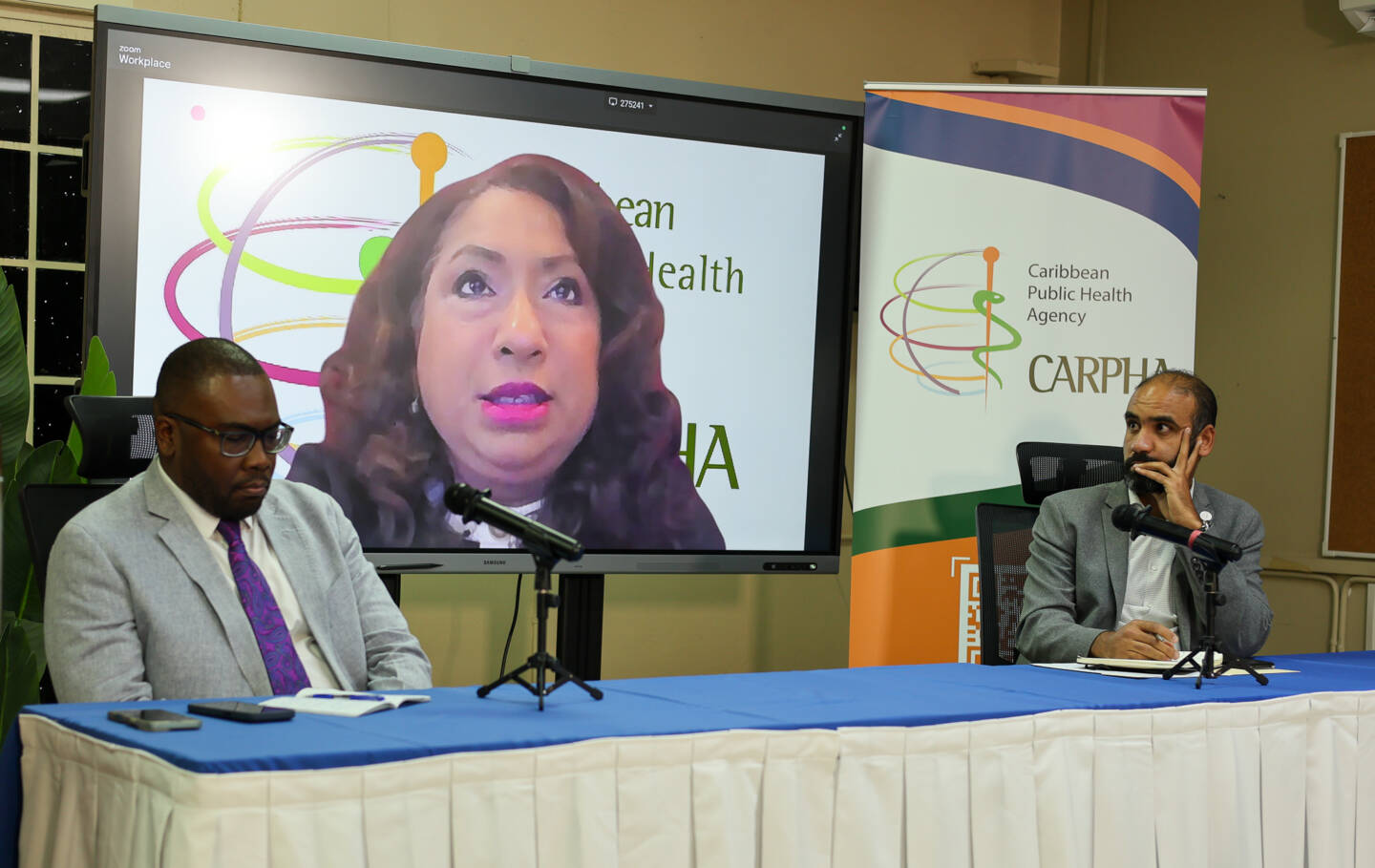
    On the morning of 11 May 2026, Dr. Lisa Indar, Executive Director of the Caribbean Public Health Agency (CARPHA), delivered a formal opening statement at a widely anticipated media briefing, addressing the ongoing hantavirus outbreak linked to the Dutch-registered expedition cruise ship MV Hondius. The briefing was convened to deliver transparent, evidence-based updates to regional governments, media outlets and the general public, dispelling growing misinformation around the emerging public health event.

    The outbreak traces back to 1 April 2026, when the MV Hondius departed Argentina for a South Atlantic expedition. On 2 May, the United Kingdom’s International Health Regulation (IHR) focal point notified the World Health Organization (WHO) of an unusual cluster of severe respiratory illness among passengers and crew on board. As of the 11 May briefing, nine confirmed and suspected hantavirus cases have been documented, with three fatalities reported. One additional passenger is awaiting retesting after an initial inconclusive result. With people on board originating from 28 countries—including the Philippines, the United States, the United Kingdom and the Netherlands—multiple passengers have already disembarked or been medically evacuated to different nations, triggering a large-scale multinational contact tracing operation coordinated by global health authorities. Following the initial notification, the WHO and Dutch public health officials placed the vessel under strict public health protocols, and all people on board have since undergone ongoing monitoring; many affected individuals have been transferred for medical care or repatriated to their home countries under controlled public health measures.

    Dr. Indar clarified that hantavirus is not a new or unknown pathogen. It is a well-documented rodent-borne zoonotic virus that has circulated in wild rodent populations across the globe for decades, with roughly 20 identified strains. The virus is naturally shed by infected rodents through urine, droppings and saliva, and primary transmission to humans occurs through contact with infected rodents or environments contaminated by their excreta. The specific strain driving the MV Hondius outbreak is the Andes virus, a variant predominantly found in parts of South America including Argentina, and the only hantavirus strain confirmed to cause limited human-to-human transmission. This rare person-to-person spread only occurs through intimate or prolonged close contact, and the virus has an incubation period of between one and six weeks. Critically, Dr. Indar emphasized that the rodent species that naturally hosts the Andes virus is not present in the Caribbean, meaning there is no established local transmission cycle in the region. Currently, there is no specific antiviral treatment or licensed vaccine for hantavirus infection; clinical care is limited to supportive interventions such as oxygen therapy and close intensive monitoring.

    Aligning its risk assessment with leading global health bodies including the WHO, the U.S. Centers for Disease Control and Prevention (CDC), and the UK Health Security Agency (UKHSA), CARPHA has concluded that the overall risk of widespread hantavirus transmission to the Caribbean public remains low. Dr. Indar outlined multiple scientific foundations for this assessment: the virus does not spread easily between people, even the Andes variant’s limited human-to-human transmission requires extremely close, prolonged contact and has never caused widespread community spread, the primary reservoir remains wild rodents, the virus cannot spread via airborne transmission like COVID-19 or seasonal influenza, it has a short lifespan when surviving in external environments, and its required natural habitat does not exist in the Caribbean. Dr. Indar also explicitly distinguished hantavirus from COVID-19, noting that COVID-19 caused a global pandemic because it spreads easily between people including those with asymptomatic or mild infections, while hantavirus is primarily rodent-borne with very limited, uncommon human spread that cannot drive large-scale outbreaks.

    Following the initial notification of the outbreak on 2 May, CARPHA activated its emergency response protocols immediately. Within three days, the agency disseminated a formal watching brief to all member states on 5 May, established ongoing coordination with international agencies, regional Chief Medical Officers, IHR national focal points and other key stakeholders, implemented daily situational monitoring, convened meetings of its Incident Management Team for Emergency Response (IMT-ER) and regional Chief Medical Officers, and hosted the current media briefing to ensure transparent public communication.

    CARPHA’s regionally adapted early warning surveillance systems and laboratory networks are already fully activated to monitor the evolving situation and are fully capable of detecting and responding to any imported cases should they arise. Dr. Indar emphasized that the agency remains committed to proactive, accurate information sharing with member states and the public to counter misinformation and strengthen regional situational awareness. CARPHA is also urging the public to maintain basic, effective preventive habits including frequent handwashing, avoiding close contact with unwell individuals, and taking appropriate precautions in areas where rodents may be present—measures that protect against a wide range of infectious diseases beyond hantavirus.

    In closing, CARPHA reiterated its core public messaging: hantavirus is a serious but rare and well-understood disease, the current risk to the Caribbean region remains low, CARPHA’s regional public health systems are fully prepared to detect and respond to any emerging threats, and global health authorities are continuing coordinated monitoring and containment efforts. Dr. Indar noted that this outbreak underscores the critical importance of rapid international coordination, robust contact tracing, and targeted isolation measures to prevent the further spread of rare but potentially deadly pathogens.

  • Grenada’s football quad selected for international friendly against Ireland

    Grenada’s football quad selected for international friendly against Ireland

    The Grenada Football Association (GFA) has formally revealed the full 24-man roster for its senior men’s national side, ahead of a groundbreaking international friendly fixture against the Republic of Ireland that has generated widespread excitement among football fans across the Caribbean nation.

    This landmark meeting between the two national teams is scheduled to kick off on May 16, 2026, at a host venue in Murcia, Spain. What makes this clash particularly notable is that it will stand as the first time Grenada and the Republic of Ireland have faced off against each other in men’s senior international football, a historic milestone that signals meaningful progress for Grenada’s program as it continues to seek competitive tests against high-caliber opposition from around the world.

    The selected squad strikes a careful balance between emerging domestic talent and experienced professionals plying their trade in top leagues across Europe and North America. Among the group are players based in English Football League clubs, as well as standouts from Grenada’s own domestic competition. Ahead of the fixture, the entire squad is set to depart the island nation of Grenada this coming Tuesday to begin final preparations in Spain.

    The full roster breakdown by position is as follows:
    **Goalkeepers**: Trishawn Thomas (RGPF FC), Shaquille Charles (St John’s Sports Club)
    **Defenders**: Benjamin Ettienne (Queen’s Park Rangers FC), Jacob Bedeau (Notts County), Dorrel Pierre (St David’s FC), Kayden Harrack (Dagenham & Redbridge), Greg Sandiford (Coventry City), Josh Gabriel (St David’s FC), Joshua Lett (Sunderland AFC)
    **Midfielders**: Narhson Sylvester (Hurricanes SC), Darius Johnson (Phoenix Rising Sun FC), Myles Hippolyte (AFC Wimbledon FC), Keston Williams (Paradise FC), Parish Muirhead (Lewes FC), Kane Vincent Young (Colchester United)
    **Forwards**: Lucas Akins (Mansfield Town), Shavon John Brown (Spokane Velocity), Jermaine Francis (Sutton United), Deanroy Phillip (Shamrock SC), Vijay Valcin (St John’s Sports Club)

    This announcement comes as part of the GFA’s ongoing push to raise the profile of Grenadian football and give its players valuable exposure to elite international competition, a strategy that organizers hope will fuel long-term growth for the sport at all levels across the country.

  • Public versus private, who owns Grenada’s beaches?

    Public versus private, who owns Grenada’s beaches?

    Last week, local land rights advocacy group Grenada Land Actors (GLA) received reports of a sudden disruption to public access at one of Grenada’s popular coastal spots: the Levera Beach entrance from the La Fortune route had been completely blocked by large boulders, with suspicious open burning underway just meters from the access point.

    When local contractor Dexter Forrester arrived at the scene to confront the development team working on the site, he formally notified the Heng Sheng personnel on duty that blocking a public beach access route violated Grenadian law and ordered them to clear the obstructions immediately. Initially, the team claimed they could not understand the instructions. But once the Royal Grenada Police Force (RGPF) was called in to respond to the unpermitted burning, the personnel suddenly understood all legal directives, quickly extinguishing the fires and removing the blocking boulders.

    For GLA, this isolated incident is far from an anomaly—it is the latest visible symptom of a troubling, repeated pattern unfolding across Grenada’s coastline. Time and again, foreign developers have encroached on public beach lands, acting as though these shared natural spaces are privately held, despite clear legal precedent confirming all Grenadian beaches are public domain. This principle was first firmly established decades ago during the high-profile ‘Brownlow saga’ and has since been enshrined in common law. It is further codified in the Integrated Coastal Zone Act (ICZA), which explicitly defines all beach land extending 165 feet from the high-tide mark as public property.

    Yet this long-standing legal standard is being quietly eroded across the island, with developers facing little to no accountability for violations. At La Sagesse, developers have repeatedly stacked boulders along the shoreline to cut off public access to large stretches of the beach. At the Silversands Beach House development, luxury villas have been built directly on public beach land: a GLA survey conducted in March 2026 found the closest villa sits just 50 feet from the high-tide mark, less than a third of the 165-foot minimum required by the ICZA. To add to this violation, the developers have even posted a “Private Property” sign at the beach access point just 21 feet from the high-tide line, barring public entry to land that is legally owned by all Grenadians.

    Recent community consultations have also raised new alarms: the Silversands development team, which already violated regulations at Beach House Beach, is now weighing a similar unlawful encroachment at Dr Groom’s Beach, another popular public coastal space.

    On another part of the island at Woodford, a beach that has served as a traditional landing site for local fishermen for generations—highlighted by journalist Arley Gill on *The Bubb Report* on April 26, 2026—the site is now marked for construction of a private jetty to support raw material imports for a nearby industrial complex. The project has moved forward despite fierce pushback from local communities and repeated demands that developers complete a mandatory full Environmental Impact Assessment before breaking ground, demands that have so far been ignored.

    Taken together, these overlapping incidents add up to a slow but steady loss of public beach access across Grenada, with most violations going unchallenged and unpunished. For generations, Grenadians have relied on these shared coastal spaces—from La Sagesse to Dr Groom’s to Beach House—for core cultural traditions: gathering to socialize, cook outdoors, and spend time with family and friends on weekends and public holidays. These are not luxury recreational spaces reserved for wealthy developers or foreign investors; they are a core part of Grenada’s national cultural fabric.

    For GLA, the debate is no longer whether public beach rights are being eroded. The urgent question now is: how much more public land will be taken before Grenadians mobilize to protect their legal rights and their cultural heritage, one beach at a time?

  • Temporary closure of Mont Tout Back Road

    Temporary closure of Mont Tout Back Road

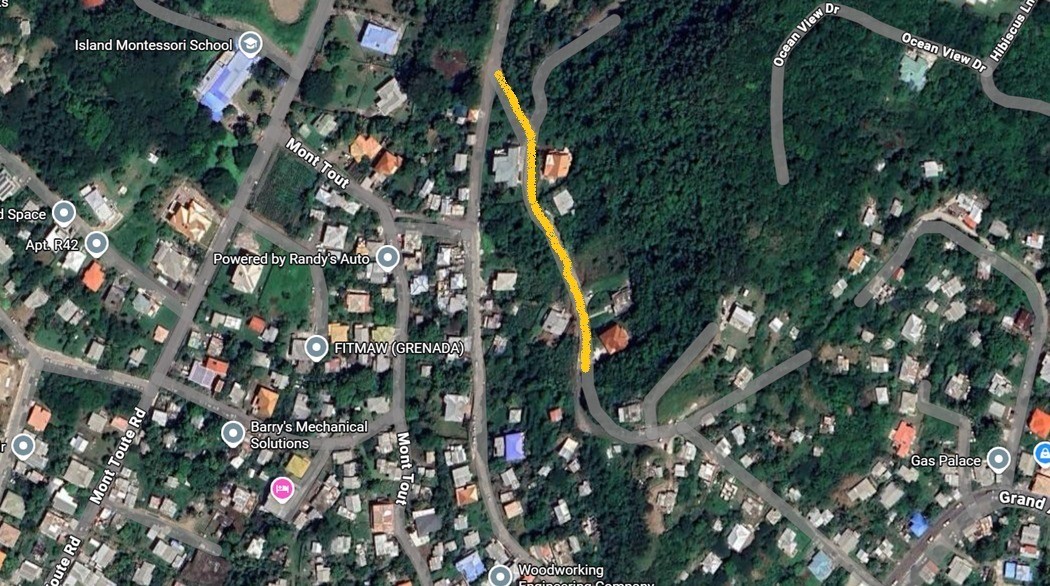
    Drivers and local commuters in St George, Grenada, are preparing for a major disruption to their daily travel routines, after the nation’s Ministry of Infrastructure, Public Utilities, Civil Aviation and Transportation announced a temporary indefinite closure of a key local roadway. Starting Monday, May 11, 2026, Mont Tout Back Road, located in the Grand Anse district of St George, will be completely closed to all motor vehicle traffic, with no confirmed reopening date released to the public as of the announcement.

    The government agency explained that the full closure is required to carry out critical infrastructure improvement projects along the stretch of road. The planned works include full resurfacing of the existing pavement, the installation of a new upgraded drainage system, and the construction of a new reinforced curb wall along the route. All three projects are designed to improve long-term road safety, reduce flood-related disruptions during heavy rain events, and extend the service life of the roadway for local residents and visitors.

    In its official statement, the Ministry extended a formal apology to residents, businesses, and daily commuters who will be affected by the travel disruption. Officials noted that while detours may add travel time for those relying on the route, the short-term inconvenience will result in a safer, more durable roadway for the community long-term. The agency also called on the general public to cooperate with traffic management measures during the construction period.

    This official announcement was originally issued by the Ministry of Infrastructure, Public Utilities, Civil Aviation and Transportation. NOW Grenada, the outlet publishing the notice, has clarified that it holds no responsibility for the content of statements released by third-party contributors, and provides a channel for users to report any abusive content related to its platform.

  • Grenada’s visit to China expected to yield significant benefits for Grenada

    Grenada’s visit to China expected to yield significant benefits for Grenada

    Grenada’s top tourism and culture official has returned from a high-profile visit to China that is poised to deliver far-reaching gains for the Caribbean nation across multiple key sectors, from foreign direct investment and tourism expansion to cultural exchange and heritage conservation.

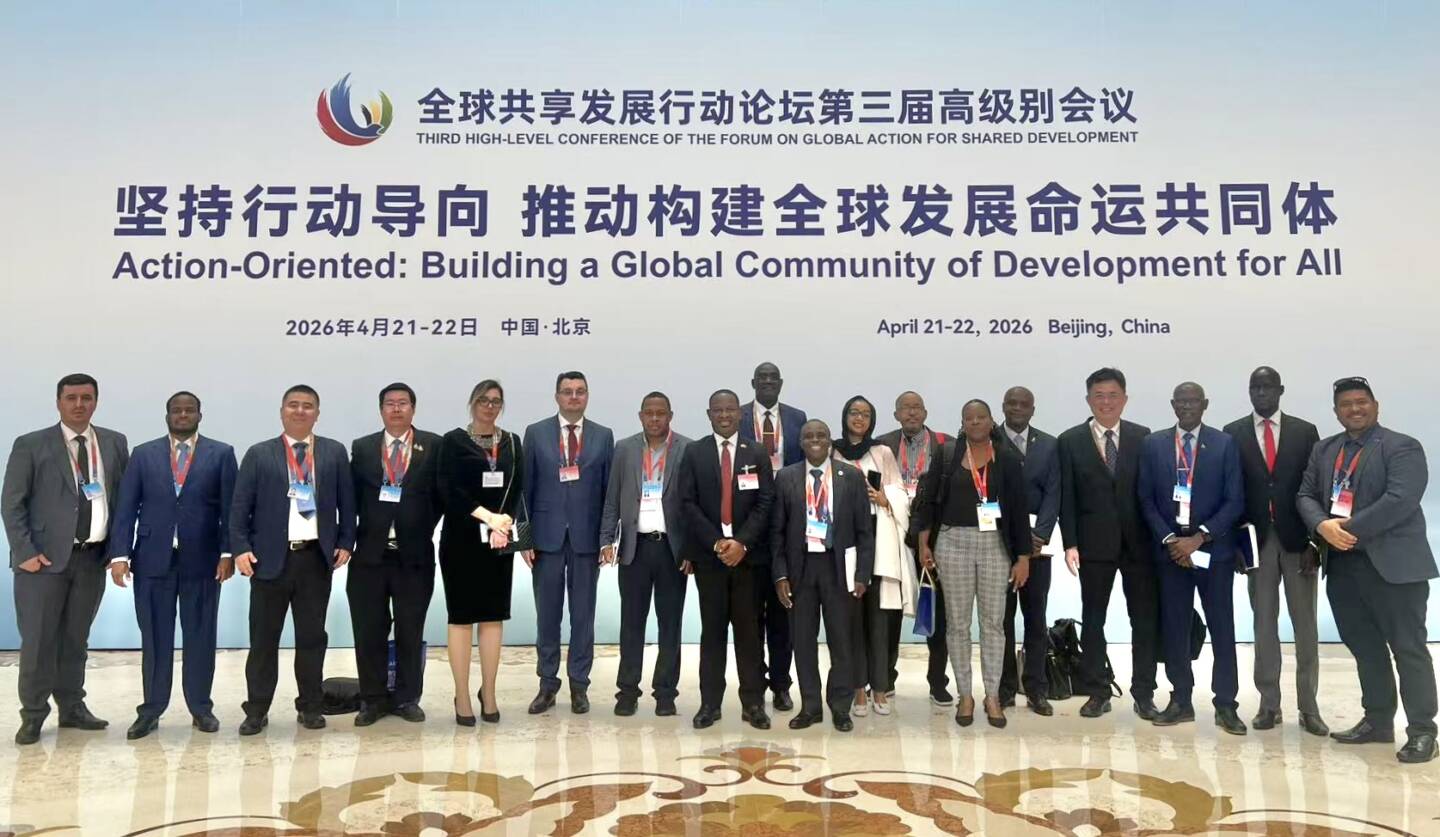
    Adrian Thomas, Grenada’s Minister for Tourism, the Creative Economy and Culture, traveled to China to participate in the Third High-Level Conference of the Forum on Global Action for Shared Development, an international gathering centered on the theme “Action-Oriented: Building a Global Community of Development for All.” As the sole delegate from the Caribbean region attending the conference, Thomas used the platform to shine a spotlight on the urgent need for targeted support for sustainable development among Small Island Developing States, using his own country’s ongoing efforts as a case study. He also updated global attendees on Grenada’s recent progress across critical social sectors, including public health and education.

    In the days following the conference, Thomas launched a packed schedule of bilateral engagements with senior Chinese government representatives and business leaders, focused on strengthening long-term ties between the two nations and uncovering new mutually beneficial investment opportunities. One of the most promising discussions came during a meeting with Zhang Shuke, a representative of Hebei Jinhuida Energy Equipment Technology Co. Ltd, a Chinese firm with diversified business interests spanning tourism, cultural development, renewable energy equipment and wind power generation. Zhang conveyed the company’s strong intention to pursue investment projects in Grenada, with trade and tourism identified as the first priority areas for potential collaboration.

    “Whatever investment opportunities exist in Grenada, they are interested in exploring the possibility of becoming involved,” Thomas confirmed of the company’s stance.

    Talks with a major Chinese travel organization also opened the door to a major potential boost for Grenada’s tourism sector: the introduction of seasonal charter flights from China to the Caribbean island during peak travel windows. Thomas noted that the Chinese travel agency views Grenada as an extremely appealing, underrated destination for Chinese travelers, and has committed to carrying out targeted promotional campaigns across China to drive visitor numbers to the island. To address the challenge of the long distance between the two countries, stakeholders have proposed a practical stopover in Mexico before flights complete their journey to Grenada.

    Beyond economic and tourism cooperation, the visit also advanced deep cultural and institutional ties between the two nations. Thomas included a study tour of Beijing’s iconic Forbidden City and Palace Museum, the world-renowned cultural institution founded in 1925 that holds a collection of more than 1.8 million (noted as over 10,000 major cultural relics in official briefings) priceless ancient artifacts. During a meeting with Su Yi, Deputy Director of the Palace Museum, Chinese authorities extended a formal offer of academic exchange and professional training to Grenadian cultural heritage professionals. Under the proposed program, Grenadian trainees would spend three to six months in-residence at the Palace Museum, conducting targeted research and gaining hands-on practical training in museum operation, artifact conservation, and national heritage management.

    “They have offered assistance to Grenada in terms of training. We will follow up on the proposal to send trainees to China for three to six months so they can gain firsthand knowledge and skills in establishing museums and preserving artefacts,” Thomas said of the planned partnership.

    Meetings with senior Chinese cultural officials further reinforced commitments to deeper cross-national collaboration. During discussions with Lu Yingchuan, Vice Minister of Culture and Tourism of the People’s Republic of China, Chinese officials reiterated calls for closer partnerships between cultural institutions across both countries, and highlighted the critical economic and social value of integrating traditional culture with fast-growing creative industries. Thomas confirmed that the two sides also discussed expanding cooperation in culinary arts as part of broader cultural exchange efforts.

    Overall, Minister Thomas’ visit to China marks a key milestone in Grenada’s ongoing strategy to expand its global partnerships, unlocking tangible new opportunities to drive economic growth, expand its tourism footprint, build local capacity in cultural heritage management, and deliver broad-based benefits to the Grenadian people.