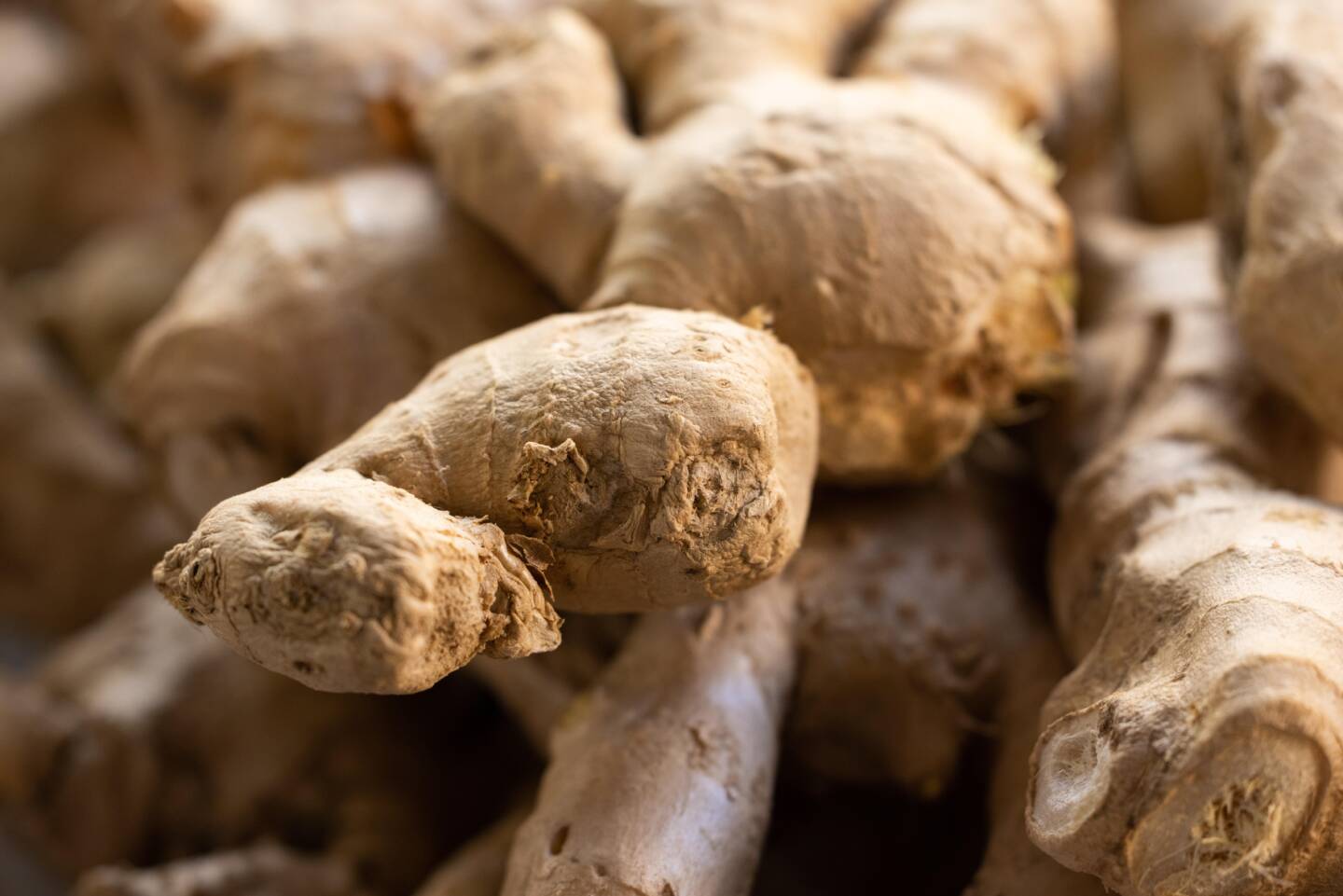
Grenada’s Ministry of Agriculture, Lands and Forestry has kicked off the first stage of a targeted Ginger Production Drive, a core component of the country’s broader Spice Replanting Programme, marking a major step forward in efforts to rebuild and grow the Caribbean nation’s iconic spice sector. This new initiative is designed to scale up domestic ginger output and stabilize local market prices to make the popular crop more affordable for consumers, according to Lauren St Louis, the ministry’s Chief Extension Officer.
To lay a solid foundation for the program, the ministry has already allocated funding to import 15,000 pounds of high-quality ginger planting material. As a versatile commodity with well-documented health benefits and steadily rising global and local consumer demand, ginger has long been a high-value crop for Grenada’s agricultural economy, making it a strategic priority for industry revitalization.
Only pre-vetted local farmers have been selected to take part in this initial phase, with a clear reciprocal requirement built into the program’s terms: participating growers must share a portion of the planting material harvested from their first crop to support the expansion of the initiative into future phases. Beyond just providing planting stock, the ministry is committed to equipping farmers with the skills they need to succeed, offering specialized training in evidence-based best agricultural practices. These training modules cover critical steps from pre-planting rhizome preparation and treatment to optimal spacing, planting density, and advanced crop management techniques that reduce the risk of fungal infections throughout the growing cycle.
The long-term vision of the program extends far beyond the first planting season: by boosting the domestic supply of locally grown ginger, officials aim to cut reliance on imported product and drive down market prices, making this essential spice more accessible for both ordinary households and local agro-processing businesses. The initiative forms part of the Grenadian government’s ongoing investment in broad-based agricultural development, overseen by the Ministry of Agriculture, Lands and Forestry, and senior officials have expressed cautious optimism about the program’s ability to deliver meaningful results.
“In return for the support we are providing, we are encouraging our farmers to pass those savings on by lowering their prices, so that the average person can afford fresh, local ginger,” St Louis explained. For this first phase, ginger cultivation will take place on agricultural plots of no less than half an acre, as the ministry works to steadily strengthen local production capacity and lay the groundwork for the sustainable long-term growth of Grenada’s entire spice industry.