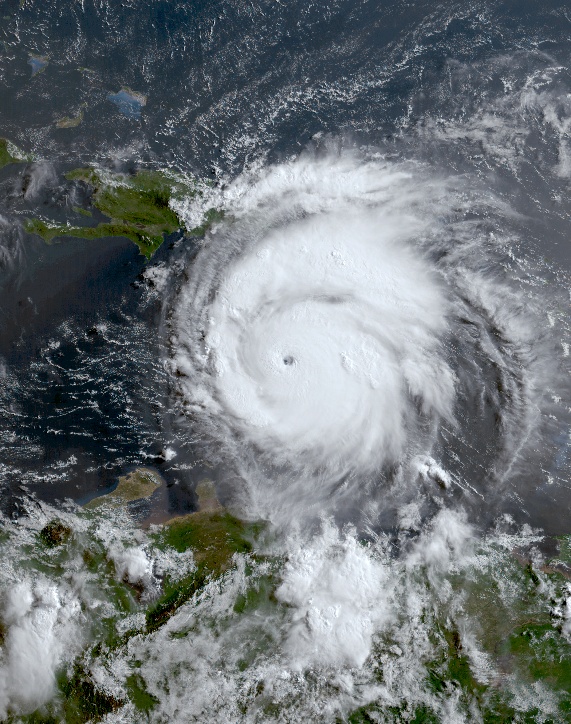
On July 1, 2024, a meteorological anomaly that would go down in Atlantic storm history tore through the eastern Caribbean, leaving irreversible early-season destruction in its wake. Hurricane Beryl, which defied all typical seasonal timelines to become the earliest Category 5 hurricane ever recorded in the Atlantic basin and the strongest storm to form before the start of July, made landfall directly across Grenada and its neighboring island chain of St. Vincent and the Grenadines.
Unlike the traditional Caribbean storm lore that holds “June too soon, August a must” for major hurricane activity, Beryl’s rapid, unexpected intensification caught the region off guard. Forecasters tracked the quickly strengthening storm’s trajectory toward northern Grenada and the small outlying sister isles of Carriacou and Petite Martinique through the early morning of July 1, and by mid-morning, the high-end Category 4 storm made its devastating direct hit on the two tiny islands.
While portions of mainland Grenada sustained severe damage, Beryl’s eye tracked directly over Carriacou and Petite Martinique, turning their postcard-perfect tropical landscapes into a scene of widespread catastrophe within hours. Grenadian government officials confirmed that roughly 95% of all structures across the two isles suffered damage or were completely destroyed, with the vast majority of remaining buildings losing their roofs. When Prime Minister Dickon Mitchell conducted an early aerial survey of the damage, he summed up the scene simply as “complete devastation.”
The storm claimed three lives in total, including one fatality on mainland Grenada when a falling tree collapsed onto a residential home. The near-total destruction of local communication networks delayed initial damage assessments for hours, leaving the central government unable to coordinate emergency response until lines of contact were finally reestablished. Once access was restored, first responders and assessment teams encountered a landscape stripped bare: uprooted, bare trees stood amid mountains of debris from collapsed buildings, and what had been a thriving community of cultural and natural beauty was left decimated.
One year on from the catastrophic storm, however, a quiet story of resilience is unfolding across Carriacou and Petite Martinique. With support from mainland Grenada and international partners, local residents have made measurable progress picking up the pieces and rebuilding their lives and communities. While vegetation has regrown across the scarred landscape, the work of recovery remains far from complete. Countless private homes still await full reconstruction, many local businesses have yet to reopen, damaged coastal mangrove ecosystems need replanting, and daily life has not fully returned to pre-storm norms.
Even amid the ongoing work, the islands’ vibrant cultural heritage has become a cornerstone of the recovery effort. Communities are looking forward to the return of beloved annual traditions, from Maroon Fest and Big Drum Dance to Sugaring the Piton, when the colorful performances of Shakespeare Mas will once again fill the streets of Hillsborough. These returning traditions stand as a testament to the enduring spirit of the islands, signaling that Carriacou and Petite Martinique are steadily working their way back to full strength.