
The Grenada Football Association (GFA) has officially commenced construction of its highly anticipated FIFA-funded Technical Development Centre in Simon, St Andrew. This milestone event signifies a transformative moment for football in Grenada, promising to enhance youth development, uplift communities, and elevate the sport both nationally and regionally. The groundbreaking ceremony, attended by FIFA representatives, government officials, community leaders, and national team members, heralds a new era in the GFA’s strategic vision to foster talent, build capacity, and achieve excellence in football. GFA President Marlon Glean emphasized the centre’s role as a cornerstone for sustainable football development, stating, ‘This facility is more than a building; it’s the heartbeat of our vision for Grenadian football, ensuring access, opportunity, and professionalism at every level.’ Funded through FIFA’s Forward Programme, the state-of-the-art complex will feature training fields, coaching classrooms, fitness and recovery areas, and administrative offices, serving as the hub for year-round development for athletes, coaches, referees, and administrators. Beyond its technical mandate, the centre is poised to become a community focal point, offering mentorship programs, educational outreach, and social activities. Minister for Sports Hon. Delma Thomas highlighted its broader impact, calling it ‘an investment in our people, youth, and communities.’ The project aligns with the GFA’s Strategic Development Framework, which prioritizes grassroots and youth football, coach and referee education, women’s football participation, and social development through the sport. FIFA Director of Member Associations (Americas) Jair Bertoni reaffirmed FIFA’s commitment to supporting sustainable football infrastructure globally. As construction begins, the GFA invites corporate and community partners to collaborate, ensuring the centre becomes a model for similar initiatives across the Caribbean.
标签: Grenada
格林纳达
-

Get ready to win big with Campari Red Passion Holiday Winningz
As the holiday season approaches, Campari is captivating the Caribbean with its dynamic ‘Red Passion Holiday Winningz’ campaign. The promotion, currently active in St Vincent and the Grenadines, Suriname, St Lucia, Grenada, and The Bahamas, offers consumers the opportunity to celebrate with a chance to win exciting prizes. Campari, known for its vibrant brand ethos, is not only setting the stage for memorable holiday experiences but also giving back to its loyal customers. Theresa Higgins-Edwards, Campari Export Manager, emphasized, ‘Campari is more than a brand; it’s an invitation to live passionately and celebrate boldly. This season, we’re rewarding that passion by giving back to our consumers who make every celebration unforgettable.’ From now until December 31, every purchase of Campari 750ml or 1 litre bottles from participating supermarkets and wholesalers enters consumers into a draw for weekly cash prizes, supermarket and gas vouchers, and phone cards. Monthly prizes include laptops, iPhones, and Samsung/Apple Watches. The grand prize, available in each market, offers a furniture and appliance shopping spree valued at US$3,500 or utility bills covered up to US$2,400. Higgins-Edwards added, ‘Across the Caribbean, Campari resonates with those who value culture, connection, and energy. This campaign transforms that connection into tangible rewards, ensuring every pour this holiday season comes with the chance to win big.’ Campari continues to embody passion, turning ordinary moments into extraordinary experiences, and invites Caribbean consumers to toast to togetherness, excitement, and bold living.
-
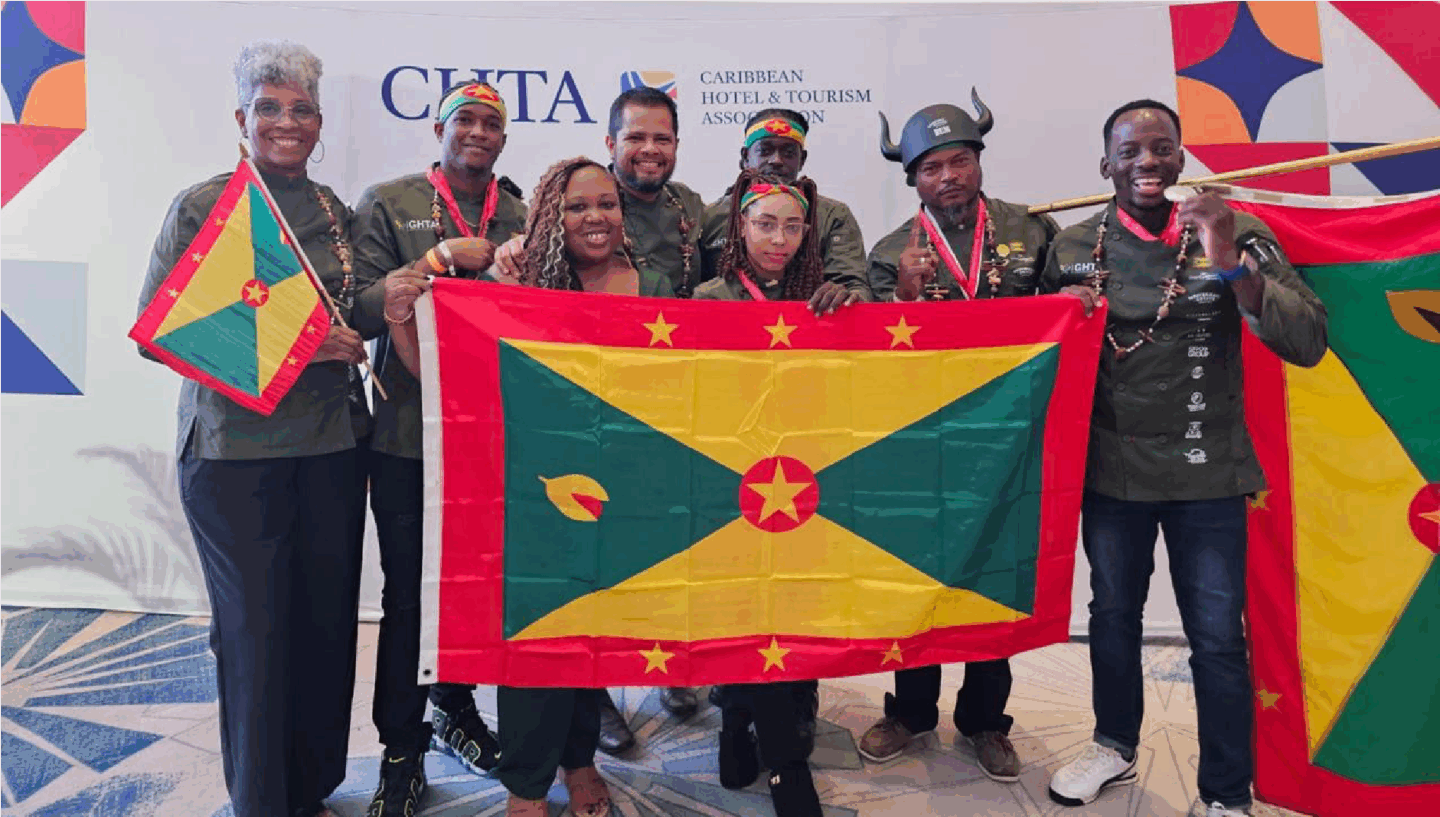
GHTA Culinary Team wins Silver at Taste of the Caribbean 2025
The Grenada Hotel & Tourism Association (GHTA) has proudly announced that its Culinary Team achieved Silver in the National Team of the Year category at the prestigious Taste of the Caribbean 2025 competition, held in Barbados. This remarkable feat underscores Grenada’s growing reputation for culinary excellence and the exceptional talent displayed by its team on one of the Caribbean’s most competitive gastronomic platforms.
-
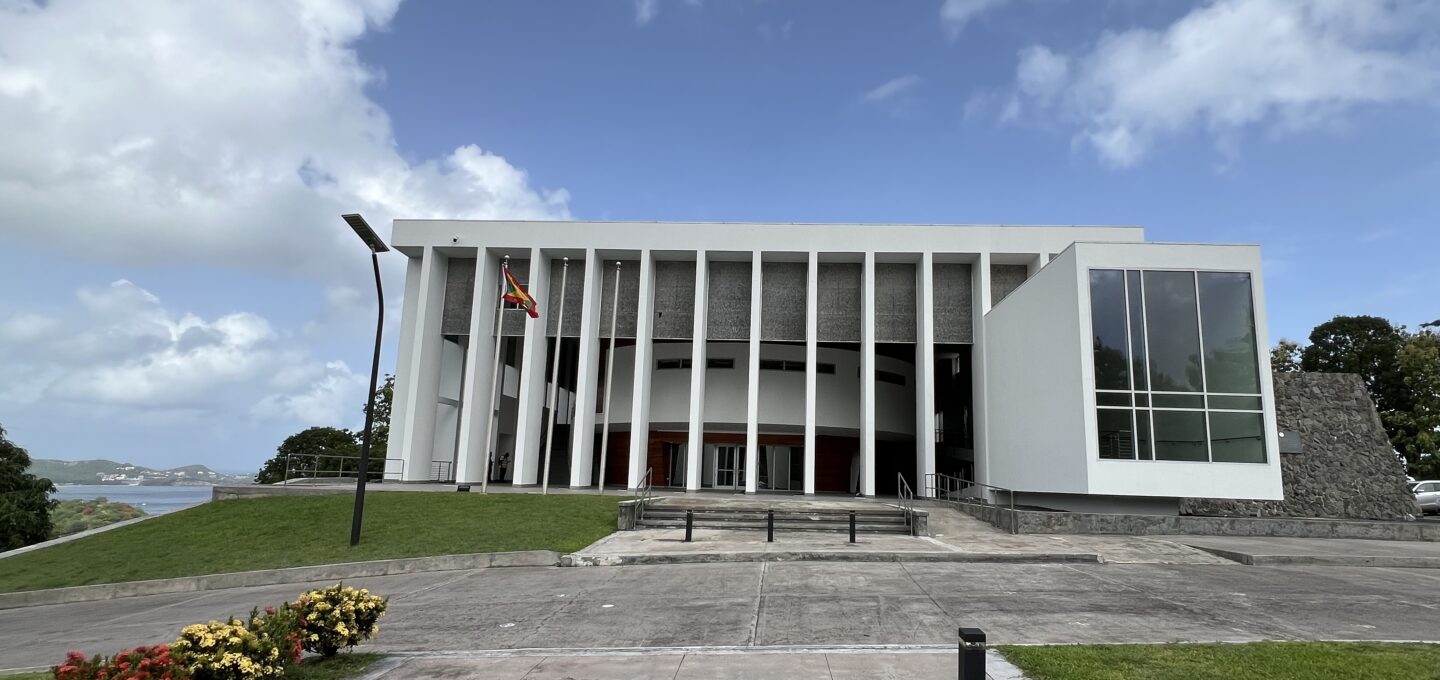
Government advances fisheries legislation
The Government of Grenada has taken decisive steps to bolster the sustainability and regulatory framework of its fisheries sector through critical legislative reforms. On November 19, 2025, the House of Representatives unanimously passed the Fisheries (Amendment) Bill 2025, which introduces comprehensive measures to enhance marine conservation and regulatory oversight. This legislative move is part of Grenada’s broader strategy to address compliance issues with the U.S. Marine Mammal Protection Act and avert a potential ban on fish imports to the United States set to take effect on January 1, 2026. The amendment includes updated provisions to align with the National Oceanic and Atmospheric Administration (NOAA) standards, aiming to reverse the U.S. decision announced on August 26, 2025. The bill comprises four key clauses: redefining terms such as ‘observer’ and ‘marine mammal,’ establishing an Observer and Monitoring Programme, empowering the Minister to enact marine mammal protection regulations, and imposing penalties of up to EC$100,000 or 12 months imprisonment for violations. To ensure stakeholder engagement, the Ministry of the Blue Economy and Marine Affairs conducted nationwide consultations, including a pivotal meeting on November 14, 2025, at the St George’s Fisheries Complex Conference Room. The discussions focused on export restrictions to the U.S. and the forthcoming Fisheries (Marine Mammals) Regulations, 2025, which aim to prohibit intentional harm to marine mammals, mandate reporting of incidental catches, restrict harmful fishing gear, and implement a Marine Mammals Management Plan. Additionally, Grenada is collaborating with Compete Caribbean Plus and the Inter-American Development Bank on a pilot initiative to introduce digital vessel monitoring and a fisheries data platform. This initiative includes installing 20 Remora Electronic Monitoring/Vessel Monitoring System (EMS/VMS) devices on longline vessels and providing training to stakeholders. Permanent Secretary Javan Williams emphasized the importance of balancing economic opportunities with environmental stewardship, ensuring the sustainability of Grenada’s fisheries for future generations.
-
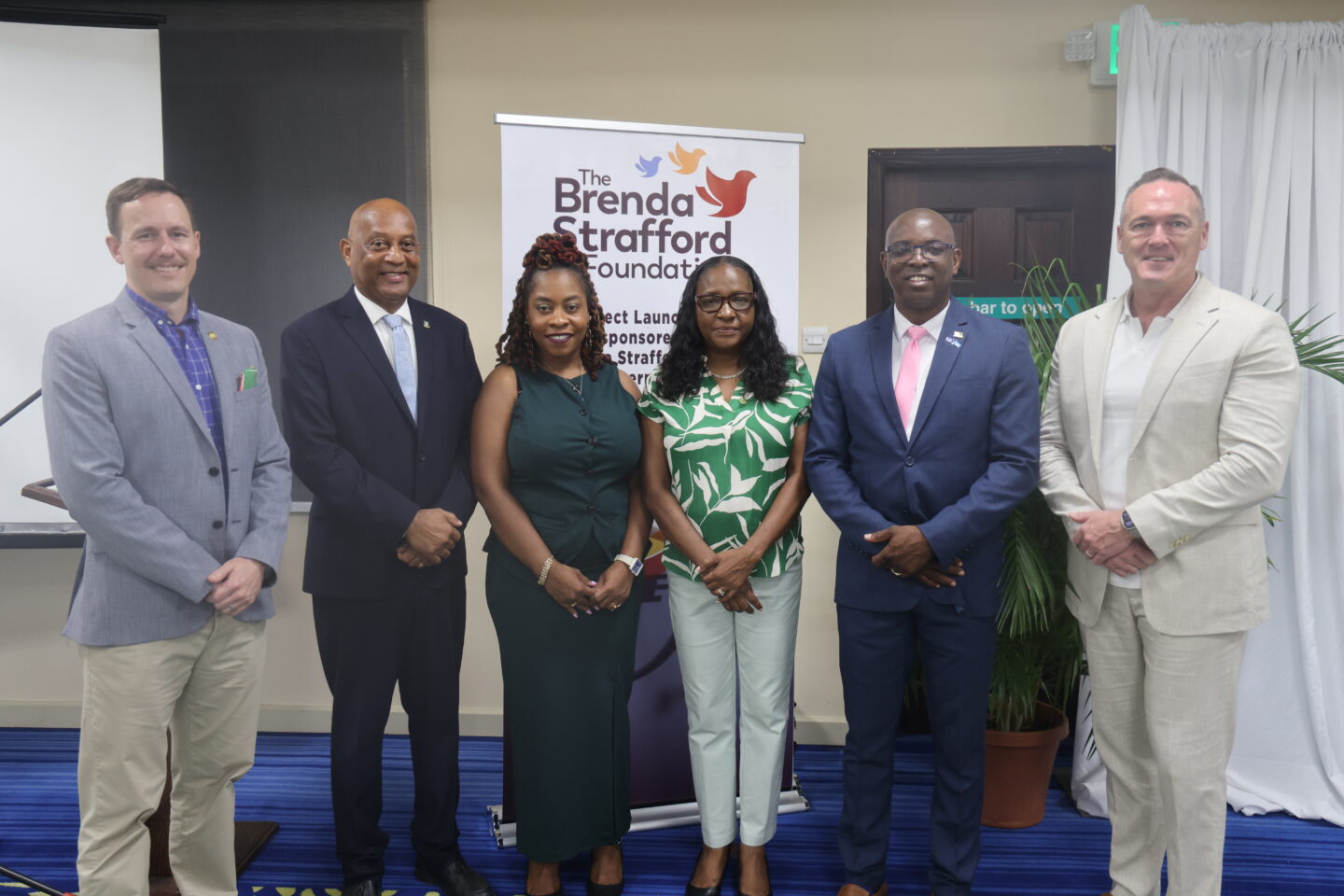
Regional Eye Health Strategic Plan Project launched
On October 23, 2025, the Organisation of Eastern Caribbean States (OECS) Commission, in partnership with the Brenda Strafford Foundation (BSF), unveiled the Regional Eye Health Strategic Plan Project during the 11th Council of Ministers: Health meeting. This initiative, supported by the International Agency for the Prevention of Blindness, aims to address critical challenges in eye care across the region, including limited resources, accessibility, and equity. The project aligns with the OECS Heads of Government’s mandate to establish Centres of Excellence in healthcare. A comprehensive fact-finding assessment will be conducted to evaluate eye care needs and capacities within member states, ensuring the development of an evidence-based Regional Eye Health Strategy. Guided by the World Health Organisation’s “Eye Care in Health Systems: Guide for Action,” the initiative will generate robust data to identify prevalent eye conditions, at-risk populations, and targeted interventions. Honourable Philip Telesford, Grenada’s Minister for Health and incoming Chair of the OECS PPS Board, endorsed the project, describing it as a “blueprint for action” that prioritizes equity and integrated, people-centred care. Sisera Simon, Head of the Human and Social Division at the OECS Commission, emphasized the strategy’s role in fostering long-term health resilience. Tony Weeks, President and CEO of the BSF, highlighted the foundation’s commitment to equitable healthcare access and the collaborative efforts to eliminate preventable blindness. The project’s findings will be showcased at the inaugural Global Summit for Eye Health in Antigua and Barbuda in 2026, aligning with Sustainable Development Goal 3 and OECS Strategic Priority 5: advancing Equity and Inclusion.
-

2025 Grenlec Debates final
On November 18, 2025, the Crown Ballroom at the Radisson Grenada Beach Resort hosted a spirited debate on the theme ‘Nationalism and Culture.’ The motion centered on whether sports heroes contribute more to Grenada’s national identity than musicians or artists. The event saw intense competition between The Anglican High School and St Andrew’s Anglican Secondary School, with the latter emerging victorious with 343 points. The Anglican High School secured second place with 322 points, while St Joseph’s Convent, St George, and Presentation Brothers College claimed third place. The debate featured talented debaters from both teams, with Jayna Caton, Jahzara Date, Courtnee James, Jinnah Morain, and Makiah Ramsey representing The Anglican High School, and Shemmicah Lindsey, Calvin Clyne, Jenee Andrew, Kheun Smart, and Desali Jones from St Andrew’s Anglican Secondary School. The audience, comprising over 4,500 social media voters, crowned Ethan Auguste from Presentation Brothers College and Kaina Carter from St George’s Institute as the favorite debaters. Coaches and principals from both schools expressed pride in their students’ performances, highlighting the event’s significance in fostering critical thinking and cultural discourse among Grenada’s youth.
-

Reclaiming our names; Reclaiming our minds
In the wake of the scandal surrounding Prince Andrew’s association with Jeffrey Epstein, communities in the United Kingdom are demanding the removal of his name from public spaces. This has sparked a broader reflection on the Caribbean’s colonial legacy, where the names of enslavers and colonial figures still dominate the landscape. Centuries after European enslavement and genocide, these names serve as painful reminders of injustice and subjugation. Research in psychogeography and intergenerational trauma reveals that constant exposure to such symbols can inflict deep psychological harm, a phenomenon Dr. Joy DeGruy terms “insidious trauma.” The celebration of these figures perpetuates a psychological landscape of pain and institutionalized racism. Addressing this imbalance is not about erasing history but reclaiming the present and inspiring future generations with stories of resilience and courage. The United Nations’ Second International Decade for People of African Descent (2025–2034), themed “Recognition, Justice, and Development,” provides a timely framework for this reckoning. Caribbean nations, including Grenada, are urged to honor indigenous and African-descended heroes and advocate for reparative justice. The removal of colonial monuments, as seen in the UK’s 2020 court case where the toppling of a statue was defended as a response to “hate,” offers a precedent for democratic action. Renaming public spaces is more than symbolic; it is an act of psychological liberation, fostering national pride, cultural validation, and collective healing. By replacing colonial names with those of ancestors who championed freedom and justice, the Caribbean can transform its soundscape from dissonance to harmony, embodying unity forged through struggle.
-

Reflecting on passage of PISLM CSIDS Bill 2025
On November 4, 2025, Grenada’s Parliament made a historic move by enacting the Partnership Initiative for Sustainable Land Management (PISLM) Bill for Caribbean Small Island Developing States (CSIDS). This legislation formalizes two critical agreements: the Agreement Establishing PISLM and the Headquarters Agreement between PISLM and the Government of Grenada. With this, Grenada becomes the official host of PISLM, an intergovernmental organization tasked with advancing the Caribbean’s commitments under the United Nations Convention to Combat Desertification (UNCCD) and related global frameworks on sustainable land and soil management. This decision places Grenada at the forefront of regional efforts to protect and sustainably manage its most vital natural resources. The bill arrives at a crucial time, as land degradation in Grenada and across the Caribbean accelerates due to deforestation, poor agricultural practices, overgrazing, and sand mining, exacerbated by extreme climate events. These practices undermine the land’s ability to provide essential ecosystem services, threatening food and water security, biodiversity, and community welfare. The legislation establishes a robust framework to combat land degradation, enhance climate resilience, and promote sustainable livelihoods, particularly in rural areas. It also aligns with Grenada’s National Sustainable Development Plan and Vision 75, reinforcing the nation’s commitment to environmental stewardship. Hosting PISLM’s headquarters offers Grenada significant advantages, including enhanced capacity in sustainable land management, opportunities for scientific research, and knowledge sharing. This positions Grenada as a regional leader in evidence-based environmental policies. The progress of PISLM, under the leadership of Dr. Ronen Francis and the Regional Council, marks a transformative step toward resilient development and underscores the importance of sustainable land management in achieving long-term environmental and socio-economic goals.
-

CPSO welcomes removal of US tariffs on key Caricom exports
The Caricom Private Sector Organisation (CPSO) has lauded the United States’ decision to eliminate tariffs on critical export sectors within the Caribbean Community (Caricom), marking a significant relief for regional industries. These tariffs, initially imposed in April 2025 and later updated in August 2025, had severely impacted Caricom’s export revenues, particularly in the Base Metals, Agriculture & Food, and Chemicals sectors. The CPSO had previously estimated that the reciprocal tariffs would result in an annual loss of US$653.6 million in export revenue for Caricom Member States. The Agriculture & Food and Chemicals sectors bore the brunt of these tariffs, with projected annual losses of US$117.7 million and US$86.1 million, respectively. The removal of these tariffs, enacted through an Executive Order on 14 November 2025 by President Donald Trump, is expected to stabilize key agricultural and agroprocessing supply chains across Caricom and enhance the competitiveness of Trinidad and Tobago’s chemical exports, including fertilizers and related products. Dr. Patrick Antoine, CPSO Chief Executive Officer and Technical Director, emphasized the pivotal role of coordinated advocacy by Caricom Heads of Government, including Jamaica’s Prime Minister Andrew Holness, Trinidad and Tobago’s Prime Minister Kamla Persad Bissessar, Guyana’s President Mohamed Irfaan Ali, and The Bahamas’ Prime Minister Philip Davis, in securing this outcome. The US remains Caricom’s principal trade partner, and the tariff removal is anticipated to strengthen the US-Caricom trade relationship. The CPSO continues to work towards eliminating remaining tariffs affecting Caricom’s exports to the US, reinforcing its commitment to advancing trade facilitation, competitiveness, and long-term economic resilience.
-
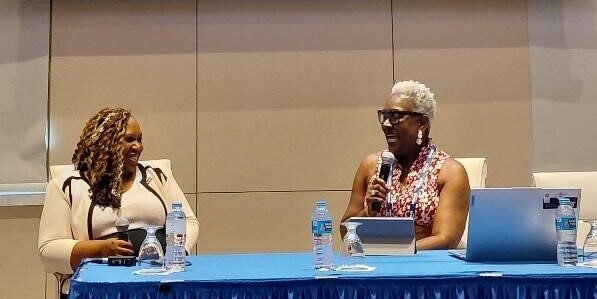
GHTA CEO shines as key panellist at CHTA CHIEF conference
Arlene Friday, CEO of the Grenada Hotel & Tourism Association (GHTA), emerged as a pivotal figure at this year’s Caribbean Hospitality Industry Exchange Forum (CHIEF) conference. As a key panellist on the forum titled ‘Tourism for Us,’ Friday captivated attendees with her profound insights and actionable strategies on community tourism across the Caribbean region. Her address underscored the indispensable role of local communities in crafting authentic and sustainable tourism experiences. She urged Caribbean communities to reclaim their narratives, ensuring that their unique histories, traditions, and voices remain central to tourism development. ‘Communities are not just part of the tourism product — they are the heartbeat of it,’ Friday asserted. ‘When we empower our people to tell their own stories and create genuine connections with visitors, tourism becomes not only sustainable but transformative.’ Friday also emphasized the importance of fostering stronger linkages between hospitality stakeholders and local communities. She highlighted that such collaborations not only drive economic opportunities but also preserve cultural identity. Her message of empowerment and inclusion resonated deeply with industry professionals, policymakers, and delegates, all of whom are committed to a more community-centred approach to tourism. The CHIEF Conference continues to serve as a dynamic platform for tourism leaders to connect, share innovations, and chart the future of the region’s hospitality sector. Arlene Friday’s contributions at the conference reinforce the critical importance of placing people and place at the heart of tourism growth throughout the Caribbean.