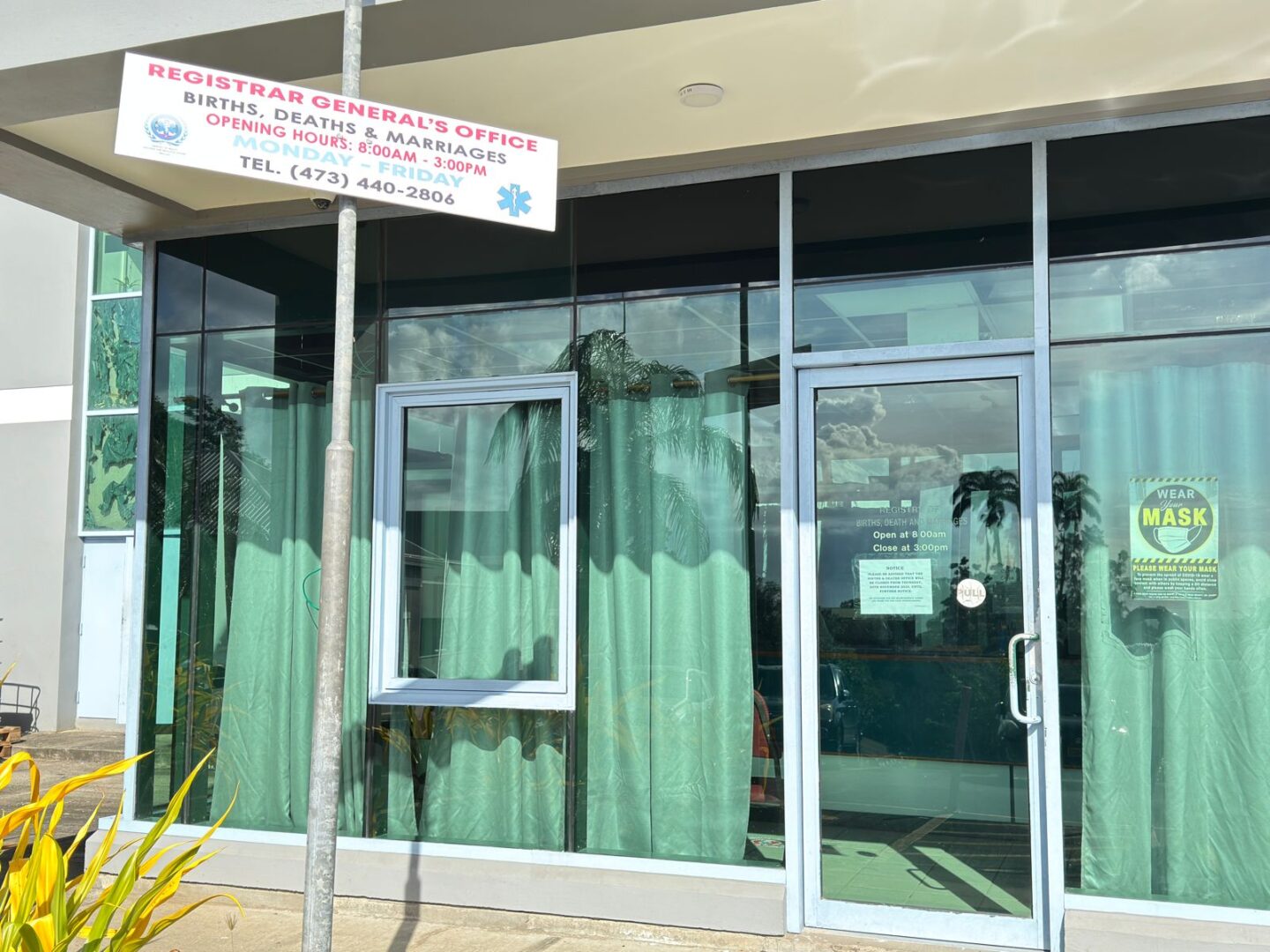
The Ministry of Health has issued a public notice regarding the immediate relocation of the Department of Births, Deaths, and Marriages. The department has been moved to the Second Floor of the Ministerial Complex, a change that will remain in place until further notice. This strategic shift aims to address staff concerns and enhance the efficiency of public services. The Ministry expressed gratitude for the public’s cooperation and understanding during this transitional period. For additional details or assistance, individuals are encouraged to reach out to the Ministry of Health directly. This update was disseminated through the Government Information Service (GIS).
标签: Grenada
格林纳达
-

When one person holds everything
In workplaces across Grenada, there is often one individual who becomes the linchpin of operations. This person, often referred to as the ‘Single Point of Failure’ (SPOF), holds critical knowledge, fixes issues, and ensures smooth functioning. While their reliability is invaluable, it also poses significant risks. When too much information is concentrated in one person, the entire operation becomes vulnerable to disruptions if they are unavailable. This issue is not a reflection of the employee’s effort but rather a structural problem that affects both the business and the individual. For businesses, the absence of a SPOF can lead to stalled operations, lack of clear handover processes, and difficulties in training new staff. For the employee, it can result in increased stress, burnout, and limited career progression. The solution lies in documentation. Contrary to fears that documentation might phase out roles, it actually validates an employee’s contributions, reduces pressure, and enables growth. Documentation makes expertise visible, reduces the need for constant availability, and fosters teamwork. Employers in Grenada are encouraged to document core tasks, cross-train employees, and integrate documentation into the work culture. This approach not only strengthens the workplace but also shifts businesses from reactive to proactive strategies. Documentation is not about replacing employees but about recognizing and preserving their knowledge. By building systems that support employees rather than relying on individual heroes, businesses can achieve sustainable success. Paperclip, a strategic HR consultancy in Grenada, specializes in helping organizations build resilient, people-centered systems through HR audits, policy development, and leadership support.
-

Temporary suspension of traffic arrangements in south of island
In a recent development, the authorities have announced the suspension of all traffic measures in the southern region of the island, effective immediately as of Friday, 21 November 2025. This decision comes after a thorough review of the existing traffic arrangements, aimed at ensuring the safety and efficiency of movement for residents, commuters, and local businesses. The suspension is a temporary measure to allow for a comprehensive evaluation of the current system, with potential adjustments to be made based on the findings. The public is advised to stay updated through official channels and to remain cautious while traveling during this period. The relevant authorities are committed to providing further updates as the assessment progresses. This initiative underscores the government’s dedication to enhancing public safety and optimizing traffic management in the region.
-

Opposition MP: Constituency allowance cannot be used for self-indulgence
In a significant move to ensure transparency and accountability, Grenada’s House of Representatives has implemented stringent measures for the disbursement and utilization of constituency allowances. Starting January 2024, Members of Parliament (MPs) receiving the EC$10,000 monthly constituency allowance are required to submit verifiable bills and receipts to Parliament, detailing how the funds were allocated for constituency activities. This development was highlighted by Dr. Clarice Modeste, an Opposition Member representing St. Mark, during the adjournment of the 19 November parliamentary session. Dr. Modeste emphasized that the allowance is strictly for constituency purposes and is deposited into dedicated constituency accounts, not personal bank accounts. MPs must also present quarterly expenditure reports to ensure public funds are used appropriately. This initiative follows the approval of a separate EC$5,000 increase in personal allowance by the House Committee on 22 November 2023. The measures aim to foster greater public trust and ensure that taxpayer money is utilized effectively for community development.
-

Foreign Affairs Minister: Unemployment at 7.5%
Grenada’s unemployment rate for the second quarter of 2025 has been reported at 10.8%, according to the latest labour force survey published by the Central Statistics Department. This figure stands in stark contrast to the claims made by Foreign Affairs Minister Joseph Andall, who recently asserted that the unemployment rate had reached a historic low of 7.5%. Andall attributed the low unemployment rate to individuals either being unqualified for available jobs or choosing not to seek employment voluntarily. He even drew a historical parallel, stating that the only period in Grenada’s history with lower employment levels was during the era of slavery or forced labour. The survey, however, reveals that the economically active labour force, comprising individuals aged 15 to 65 and above, stood at 57,359, while the economically inactive population was 32,366. The total working-age population was recorded at 89,745. Economically inactive individuals include those not seeking employment due to reasons such as education, caregiving, retirement, or long-term illness. This discrepancy between government claims and official statistics raises questions about the accuracy of public statements regarding the nation’s economic health.
-

Grenadian Culinary Delegation at Festival de la Gastronomie 2025
Grenada is set to make a remarkable culinary statement at the grand finale of the 2025 Festival de la Gastronomie in Marigot, St Martin. Organized by the Grenada Office of Creative Affairs (GOCA), the event titled ‘From the Roots to the Horizon: A Journey of Grenadian History Through Flavours’ will take place on November 22. The Grenadian delegation, led by renowned chefs Anthony Johnson and Joachim Joseph, aims to highlight the island’s rich culinary traditions and innovative gastronomy. Johnson, President of the Grenada Gastronomy and Culinary Arts Association (GGCAA) Inc., expressed pride in representing Grenada and sharing its unique culinary narrative. The presentation will feature two signature dishes: Tri-Island Oil Down, presented in chicken/pork, seafood, and vegan variations, and Sweet Potato Pone with a Twist, incorporating passion fruit as a nod to the festival’s theme. This participation underscores GOCA’s commitment to developing gastronomy as a key sector within Grenada’s creative economy, with significant investments planned for 2026. Senator Adrian Thomas, Minister for Tourism, Creative Economy and Culture, emphasized the importance of supporting culinary creatives through advanced training and infrastructure. The 12-day festival, now in its fifth edition, celebrates Caribbean collaboration, bringing together chefs from Grenada, Dominica, Barbados, Haiti, and Curaçao to showcase the region’s diverse flavors and culinary artistry.
-

Grenada to launch Revised National Adaptation Plan 2025–2030
The Government of Grenada is set to launch its Revised National Adaptation Plan (NAP) for 2025–2030 on November 26, 2025, at the Grenada Trade Centre Annex. The event, led by Hon. Kerryne James, Minister for Climate Resilience, the Environment & Renewable Energy, will commence at 8:30 am with registration, followed by the official launch at 9 am. This updated NAP represents a pivotal step in fortifying Grenada’s resilience against escalating climate challenges. Building on extensive research, national consultations, and lessons from recent climate events, including the catastrophic Hurricane Beryl in 2024, the plan is Grenada’s most comprehensive adaptation strategy to date. Minister James emphasized the plan’s significance, stating, ‘This is Grenada’s commitment to safeguarding our people, economy, and way of life. The climate crisis is urgent, and this plan empowers us to act decisively.’ The revised NAP aligns with national development strategies like Vision 75 and the National Sustainable Development Plan (NSDP 2020–2035), ensuring a unified approach to sustainable growth. It incorporates insights from the 2021 Midterm Review, the 2022 First NAP Progress Report, and extensive 2024 consultations. The plan also aligns with international frameworks such as the Paris Agreement and the Sendai Framework. Key features include a dedicated NAP Implementation Team, expanded community engagement, gender-responsive approaches, and a strengthened Monitoring, Evaluation, and Learning (MEL) system. The NAP outlines six priority areas: strengthening health systems, advancing sustainable infrastructure, enhancing disaster risk reduction, securing water resources, promoting nature-based solutions, and ensuring climate-resilient agriculture. Implementation, set to begin in 2025, will enhance Grenada’s access to international climate finance, institutional readiness, and community resilience, safeguarding lives, livelihoods, and ecosystems for a more equitable future.
-
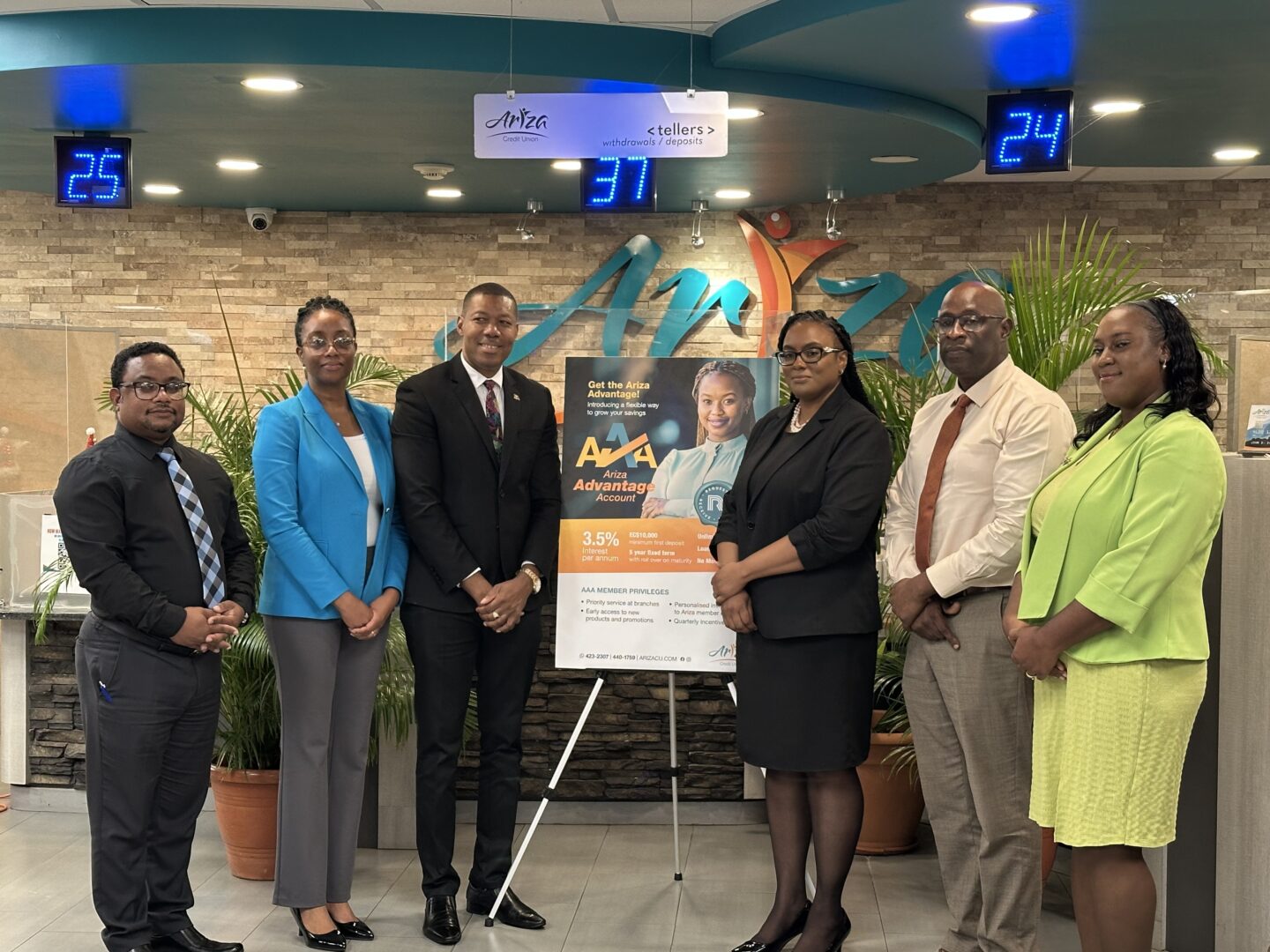
Ariza Credit Union launches “Triple R Promise”
In a significant step toward prioritizing its members’ needs, Ariza Credit Union has introduced the ‘Triple R Promise,’ a comprehensive suite of benefits crafted in direct response to member feedback. The initiative, announced by CEO Mervyn Lord at a press conference, underscores the credit union’s commitment to enhancing mortgage and savings products based on member suggestions. ‘Our goal is not merely to maximize profit but to maximize the quality of life for our members,’ Lord emphasized. The Triple R Promise includes lower mortgage rates, increased deposit interest, and new savings products, reflecting Ariza’s dedication to sharing its success with its members. In 2024, the credit union plans to return over $2 million to members through dividends and interest. A key feature of the initiative is the reintroduction of the Switch Mortgage, offering interest rates as low as 3.99%, 100% financing, and reduced fees. Additionally, Ariza has expanded vehicle loan options and increased interest rates across various savings products, including secondary savings (2%), lifetime savings (3%), and retirement savings (4.25%). The newly launched Ariza Advantage Account, a long-term savings product, allows members to start with $10,000, earn 3.5% interest quarterly, and secure loans. Lord also highlighted the importance of service enhancement, promising daily efforts to improve member experience. The Triple R Promise marks a new chapter in Ariza’s member-centered approach to financial services.
-
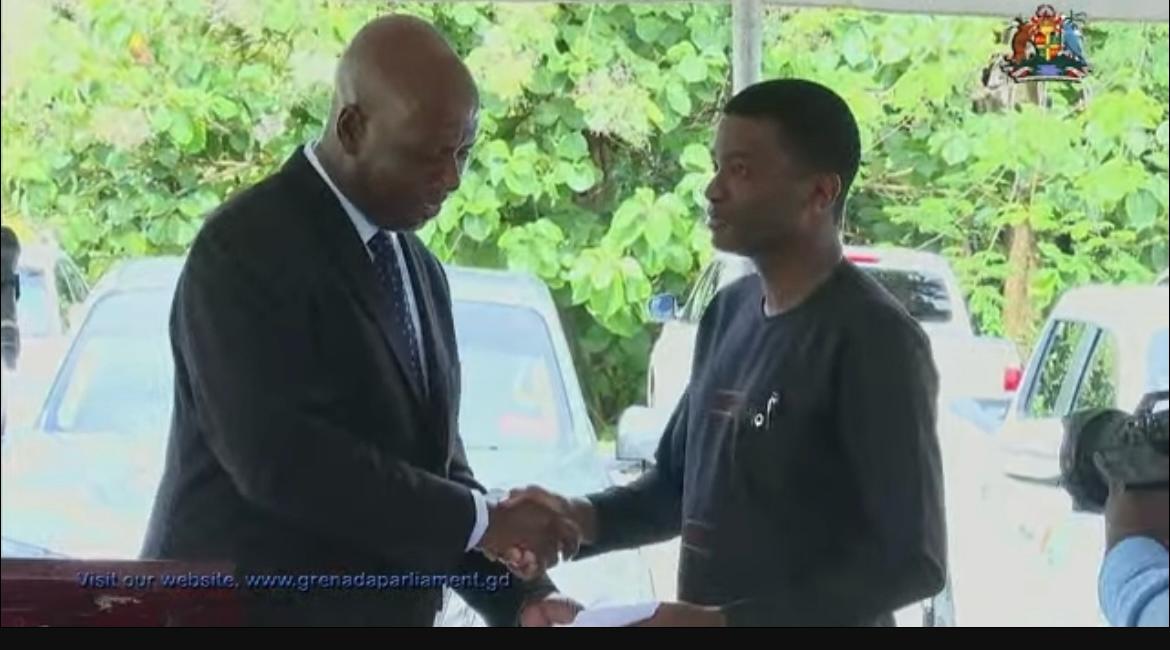
Dr Mitchell: Gift of vehicles to MPs is abuse of privileges
In a heated session of the Lower House on November 19, 2025, former Prime Minister and Opposition Leader Dr. Keith Mitchell criticized the Government’s decision to purchase and distribute vehicles to Members of Parliament (MPs), labeling it as an abuse of parliamentary privileges. Dr. Mitchell, a seasoned legislator since 1984, argued that MPs already benefit from a 100% concession on vehicles, making the additional provision unnecessary. He emphasized the dire economic conditions faced by constituents and suggested that the funds allocated for these vehicles could be better utilized to address pressing community needs. ‘I will not accept any vehicle from the taxpayers of this country,’ Dr. Mitchell declared, urging the Government to sell the vehicles and redirect the funds to support the North-West constituency. His stance was echoed by other Opposition MPs, who questioned the necessity of the initiative. However, Joseph Andall, MP for St. Patrick West, defended the decision, stating that the House Committee, comprising members from both the Government and Opposition, had unanimously agreed in 2024 to provide vehicles to each constituency. Andall clarified that the vehicles were intended to facilitate MPs’ duties rather than for personal use. Following the adjournment of the session, Government MPs were presented with the keys to their constituency vehicles by Speaker Leo Cato. The debate underscores the ongoing tension between the Government and Opposition over resource allocation and parliamentary privileges.
-

Grenadian Diaspora Meet & Greet in Montreal, Québec, Canada
The High Commission for Grenada to Canada held its inaugural Diaspora Meet & Greet Engagement in Montreal on November 15, 2025, marking a significant step in fostering connections with the Grenadian community abroad. The event was attended by Honourable Joseph Andall, Minister for Foreign Affairs, Trade and Export Development, His Excellency Sylvester Quarless, High Commissioner for Grenada to Canada, and Gerry Hopkin, Consul General for Grenada in Toronto. Minister Andall emphasized the role of Grenadians as ambassadors for their homeland, urging them to take pride in their identity and contribute to Grenada’s development. He praised the diaspora for their resilience and dedication, particularly in the face of Canada’s challenging winters. High Commissioner Quarless called for increased engagement from younger generations of Grenadians, highlighting the High Commission’s commitment to fostering dialogue and creating civic groups to strengthen ties. The event concluded Minister Andall’s Canadian tour, which included meetings with the diaspora in Toronto and the official reopening of the Grenada High Commission in Ottawa. The re-established High Commission is poised to serve as a vital platform for political dialogue between Grenada and Canada, ensuring the interests of Grenadian citizens are well-represented.