标签: Grenada

格林纳达

  • Christmas at the Point: Open 22 and 23 December

    Christmas at the Point: Open 22 and 23 December

    The Rotary Club of Grenada is transforming Quarantine Point Recreational Park into a winter wonderland with its ongoing ‘Christmas at the Point’ festival, running nightly through Christmas week. This immersive holiday experience offers a diverse array of attractions designed to captivate visitors of all ages.

    Each evening from 5 pm, the park comes alive with festive activities including open-air cinema screenings under the ‘Movies Under the Stars’ program and enchanting Tuk Tuk rides through the spectacular Monica Benoit Wonderland of Lights display. The event also features special programming such as karaoke sessions hosted by Michael Hutchinson, ensuring continuous entertainment throughout the week.

    Culinary delights form an integral part of the experience, with local vendors like Earth’s Flavours serving an assortment of flavorful dishes to satisfy seasonal cravings. The festival employs a tiered admission system: $5 for individual walk-in visitors, $10 per standard vehicle, and $20 for premium carload placement, making the event accessible through various transportation options.

    The organizers emphasize that the festival offers distinct experiences for different visitor groups, whether families seeking wholesome entertainment, couples on romantic dates, or friends gathering for seasonal celebrations. As the countdown to Christmas Day continues, the Rotary Club encourages attendees to monitor their channels for detailed scheduling information regarding the final nights of this magical holiday tradition.

  • Why do libraries still matter today? Part 2

    Why do libraries still matter today? Part 2

    In an era of information overload, libraries maintain their critical role as guardians of knowledge and facilitators of continuous learning. This analysis, the second in a four-part series examining the enduring relevance of libraries, focuses specifically on how these institutions cultivate information literacy and support educational advancement in contemporary society.

    Information literacy represents a multifaceted skillset encompassing the ability to identify, evaluate, and effectively utilize information—a competency increasingly vital in both personal and professional contexts. The American Library Association defines this as recognizing when information is needed and possessing the capability to locate, assess, and employ it appropriately. Libraries worldwide champion freedom of information access while implementing careful curation policies to combat misinformation, with their specific approaches varying based on institutional type (academic, public, national, or special).

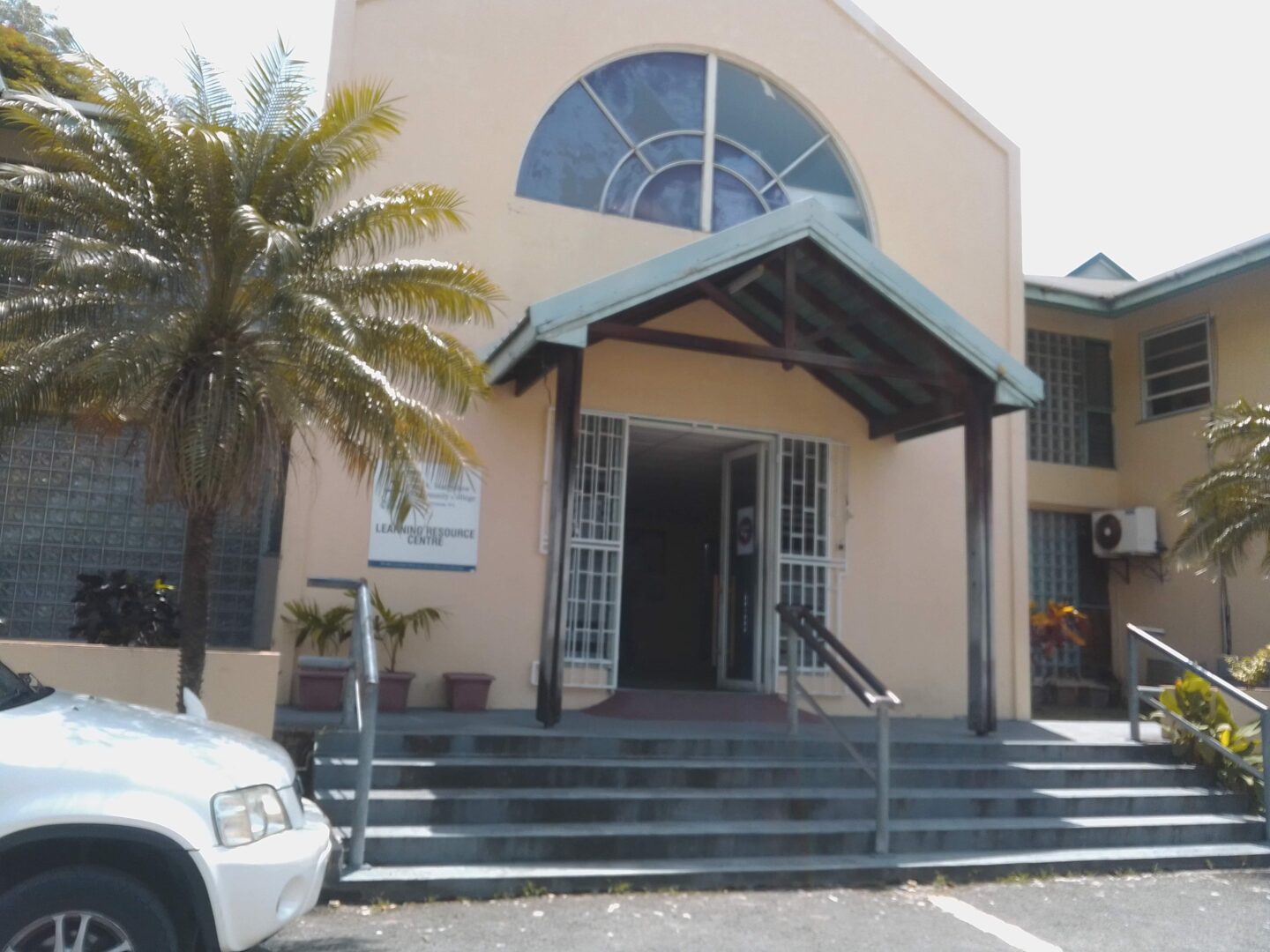
    The T A Marryshow Community College Library (TAMCCL) exemplifies how academic libraries serve their communities. Despite resource constraints common in developing nations, TAMCCL provides carefully vetted materials in both digital and physical formats to support the college’s curriculum. Beyond mere resource provision, library staff actively enhance student capabilities through classroom research sessions demonstrating advanced database techniques, including scholarly filters and peer-review identification.

    TAMCCL’s innovative programming extends to interdisciplinary education, hosting expert-led sessions on diverse topics from recycling initiatives to nutritional health and United Nations Sustainable Development Goals. These sessions feature collaborations with authoritative organizations including Grenada Solid Waste Management Authority, Grenada Food and Nutrition Council, and UN representatives in Grenada. The library employs creative multimedia and sensory experiences to engage students, exemplified by World Food Day 2025 celebrations that combined educational presentations with healthy food sampling in the library lobby.

    The modern concept of continuous learning has dramatically evolved from traditional education models. Information now transcends physical books, requiring ongoing skill development throughout one’s career and personal life. Public libraries design programs for all age groups, while academic institutions like TAMCC, The UWI Global Campus, and St. George’s University offer continuing education opportunities. Their supporting libraries provide essential resources for adult learners seeking professional development or technological upskilling.

    Technology’s pervasive influence on daily life creates digital literacy requirements that libraries uniquely address. For those lacking technological access or proficiency, libraries offer non-discriminatory, cost-free skill development regardless of age or background. This function proves particularly crucial in resource-limited environments like Grenada and other small island developing states, where libraries serve as vital hubs combating outdated educational notions while promoting information literacy as a fundamental societal value.

  • Temporary closure: Licensing and Inspection centre, Dusty Highway

    Temporary closure: Licensing and Inspection centre, Dusty Highway

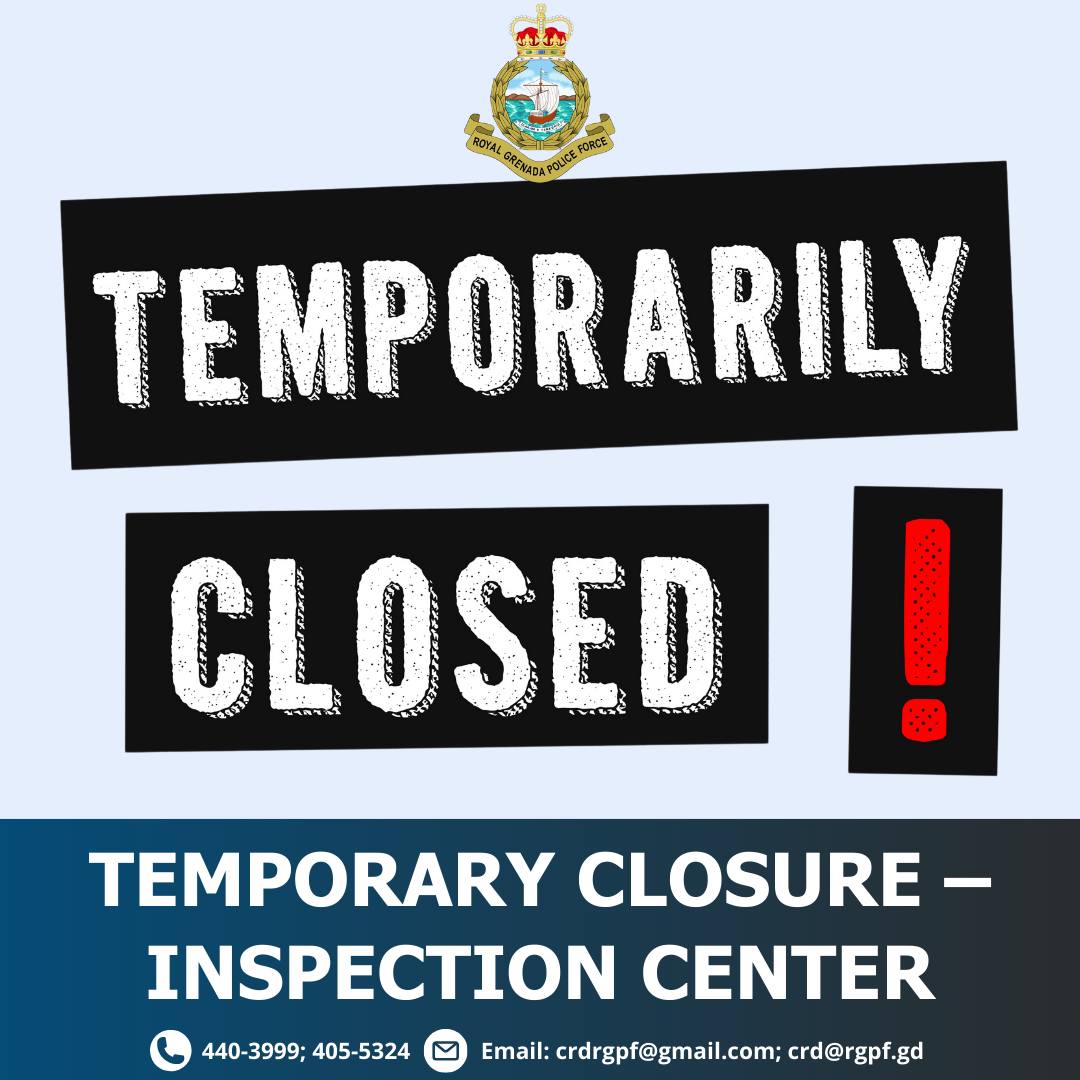
    The Royal Grenada Police Force (RGPF) Traffic Division has announced a scheduled temporary closure of its primary Motor Vehicle Inspection Center located along Dusty Highway in St. George. The facility will suspend operations commencing Monday, December 22nd, 2025.

    Regular services at the Dusty Highway location are scheduled to recommence on Monday, January 5th, 2026, at 8:00 AM. To ensure continuity of essential vehicle inspection services during this two-week period, the RGPF has established an alternative operational center.

    From December 22nd, 2025, through January 4th, 2026, mandatory vehicle inspections will be conducted at the Traffic Department headquarters on The Carenage in St. George. The temporary facility will maintain operational hours from 8:00 AM to 4:00 PM daily to accommodate public needs.

    Police authorities have issued a formal apology for any disruptions this necessary temporary relocation may cause to motorists and vehicle owners. The RGPF simultaneously expressed gratitude for the public’s anticipated cooperation and understanding during this transitional period, emphasizing their commitment to maintaining road safety standards.

    The Office of the Commissioner of Police confirmed these operational changes as part of scheduled maintenance or administrative improvements, though specific reasons for the temporary closure were not detailed in the public announcement.

  • Grenada’s IMA moment of truth: A warning we should not ignore

    Grenada’s IMA moment of truth: A warning we should not ignore

    Dr. Adrian Joseph highlights growing concerns over Grenada’s economic stability as Citizenship by Investment (CBI) revenues become increasingly integral to the nation’s fiscal framework. Recent travel restrictions imposed by the United States on Caribbean nations utilizing CBI programs have amplified scrutiny on these revenue streams, prompting urgent calls for policy reassessment.

    Financial data from January to July 2025 reveals IMA/CBI contributions reached EC$117 million, accounting for approximately 14% of Grenada’s total revenue of EC$540 million. This places CBI revenues nearly equivalent to import duties and exceeds combined revenues from petrol tax, stamp tax, excise tax, and environmental levies. Despite overall revenue performance remaining on target, the country continues operating under deficit conditions, with CBI funds increasingly supporting recurrent expenditures rather than strategic investments.

    The article presents a household budget analogy: traditional tax revenues (VAT, income tax, import duties) represent stable employment income, while CBI revenues resemble unpredictable windfalls. This dependency creates significant vulnerability to external factors including geopolitical shifts, regulatory changes, and international policy decisions beyond Grenada’s control.

    Analysis demonstrates concerning scenarios: a 10% reduction in CBI revenues would decrease total revenue by 1.4%, while a 50% reduction would result in a 6.9% overall revenue decline. Recent regional developments suggest these are not hypothetical concerns, as increased scrutiny affects all Caribbean CBI programs regardless of individual management quality.

    Dr. Joseph proposes a five-point strategy for fiscal resilience: ring-fencing CBI revenues for capital investment and debt reduction; establishing stabilization buffers for revenue shocks; improving domestic revenue mobilization through compliance rather than increased burden on vulnerable populations; pursuing genuine economic diversification through agriculture, tourism, digital services, and renewable energy development; and maintaining rigorous transparency and international engagement.

    The conclusion emphasizes that nations relying on exceptional revenues for recurrent obligations lack true fiscal security. While not advocating CBI program abandonment, the analysis urges immediate policy introspection to build economic resilience before external pressures force abrupt adjustments.

  • Rotary Club of Grenada brings holiday cheer to Grenada School for Special Education

    Rotary Club of Grenada brings holiday cheer to Grenada School for Special Education

    On December 11, 2025, the Rotary Club of Grenada reaffirmed its enduring commitment to community service by hosting a festive Christmas gathering for 71 students and staff members of the Grenada School for Special Education. The event, held at Quarantine Recreational Park, embodied the spirit of seasonal generosity and inclusive community engagement.

    The celebration featured a memorable appearance by Santa Claus, who spread holiday cheer among the enthusiastic students. The Rotary Club of Grenada generously provided gifts for all children, while Honourable Andy Williams, Parliamentary Representative for South St George, made a surprise visit bearing additional presents, creating a doubly joyful experience for the attendees.

    This annual event represents just one aspect of the Rotary Club’s profound, long-standing relationship with the special education institution. The organization played an instrumental role in establishing the school in 1976 through collaboration with Canadian Rotary clubs and has maintained unwavering support for nearly five decades. Throughout this period, the club has consistently championed initiatives focused on improving welfare, education, and social inclusion for students with special needs.

    Rotary President Julia Lawrence emphasized the significance of the event, stating: ‘This gathering truly captures the essence of Rotary’s mission. We are dedicated to enhancing and brightening lives. Sharing the Christmas season with these remarkable students and dedicated staff remains a cherished privilege that has been central to our club’s humanitarian work for generations.’

    The successful execution of this heartwarming event was made possible through the generous support of corporate sponsors and community partners, including Tropical Catering, Waggy T Rentals, St George’s University, Sugar and Spice, S Kumar, and Deloni Edwards, among other contributors.

    The Rotary Club of Grenada continues to uphold its founding principle of ‘service above self’ and remains actively committed to advancing educational opportunities, fostering inclusion, and supporting community development initiatives throughout Grenada.

  • Fisherman proves punishment does not work

    Fisherman proves punishment does not work

    A recent child sexual abuse case in Grenada has intensified calls for legislative reform regarding the age of consent for reproductive healthcare. Roy Jude Aki, a 40-year-old fisherman from Carriacou, received a criminal sentence for repeatedly abusing a child under 10 years old, highlighting systemic failures in both legal protection and preventive education.

    The Grenada Planned Parenthood Association (GPPA) and Advocates for Safe Parenthood: Improving Reproductive Equity (ASPIRE) have formally endorsed proposed amendments to the Age of Civil Legal Responsibility Bill. The current proposal would lower the age of autonomous access to sexual and reproductive health services from 18 to 16, with provisions for further reduction given sufficient justification.

    Citing comprehensive regional data, these organizations argue that compelling evidence already exists to justify immediate reduction below the proposed age threshold. They reference Guyana’s existing policy permitting HIV testing without parental consent at any age as a regional precedent worth emulating for all sexual health services.

    Beyond age restrictions, advocates question the effectiveness of punitive measures alone in addressing systemic sexual violence. The case of Mr. Aki—a repeat offender—demonstrates the limitations of incarceration as both deterrent and solution. Instead, organizations emphasize the need for earlier sexual education and cultural prevention strategies rather than relying exclusively on punishment after offenses occur.

    The organizations have recommended complete elimination of age barriers for sexual health services, asserting confidence in healthcare professionals’ ability to provide appropriate care regardless of patient age. They stress that legal reform must accompany educational initiatives to create meaningful protection for vulnerable youth.

  • PISLM Executive Director calls on Jamaica’s Minister of Local Government

    PISLM Executive Director calls on Jamaica’s Minister of Local Government

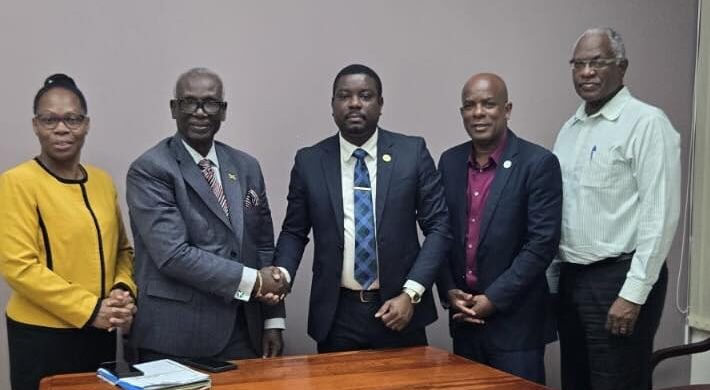
    Senior officials from the Partnership Initiative for Sustainable Land Management (PISLM) convened with Jamaican government leaders on December 8, 2025, to strengthen collaborative efforts addressing environmental challenges. The delegation, led by PISLM Executive Director Dr. Ronen C.A. Francis and CSIDS SOILCARE Project Manager Trevor Thompson, met with Jamaica’s Minister of Local Government and Community Development Desmond McKenzie, Permanent Secretary Marsha Henry-Martin, and Senior Director of Hazard Mitigation Patrick Watson.

    The high-level discussions centered on accelerating implementation of the SOILCARE Project, enhancing drought resilience strategies, and supporting recovery initiatives in regions devastated by Hurricane Melissa. Particular attention was given to two critical land degradation zones—Holland Estate and Lowe River intervention sites—identified under Jamaica’s Land Degradation Neutrality Target Setting Programme.

    The meeting also addressed broader regional environmental initiatives endorsed at the June 2025 Ministerial Forum in Grenada, including the Caribbean Land Degradation Neutrality Transformative Project, Caribbean Drought Initiative, and Caribbean Sand and Dust Storms Initiative. Minister McKenzie highlighted growing concerns about intensifying dry season droughts and their impact on Jamaica’s water security, especially noting vulnerabilities in Kingston’s water supply infrastructure and agricultural drought effects.

    Representing civil society involvement, Reginald Burke of the Caribbean Youth Environment Network attended as part of the Global Water Partnership-Caribbean, demonstrating PISLM’s commitment to multi-stakeholder engagement. PISLM reaffirmed its dedication to supporting Jamaican farmers and collaborating with national and regional partners to address climate variability challenges.

  • Building climate resilience through Rainwater Harvesting regulations

    Building climate resilience through Rainwater Harvesting regulations

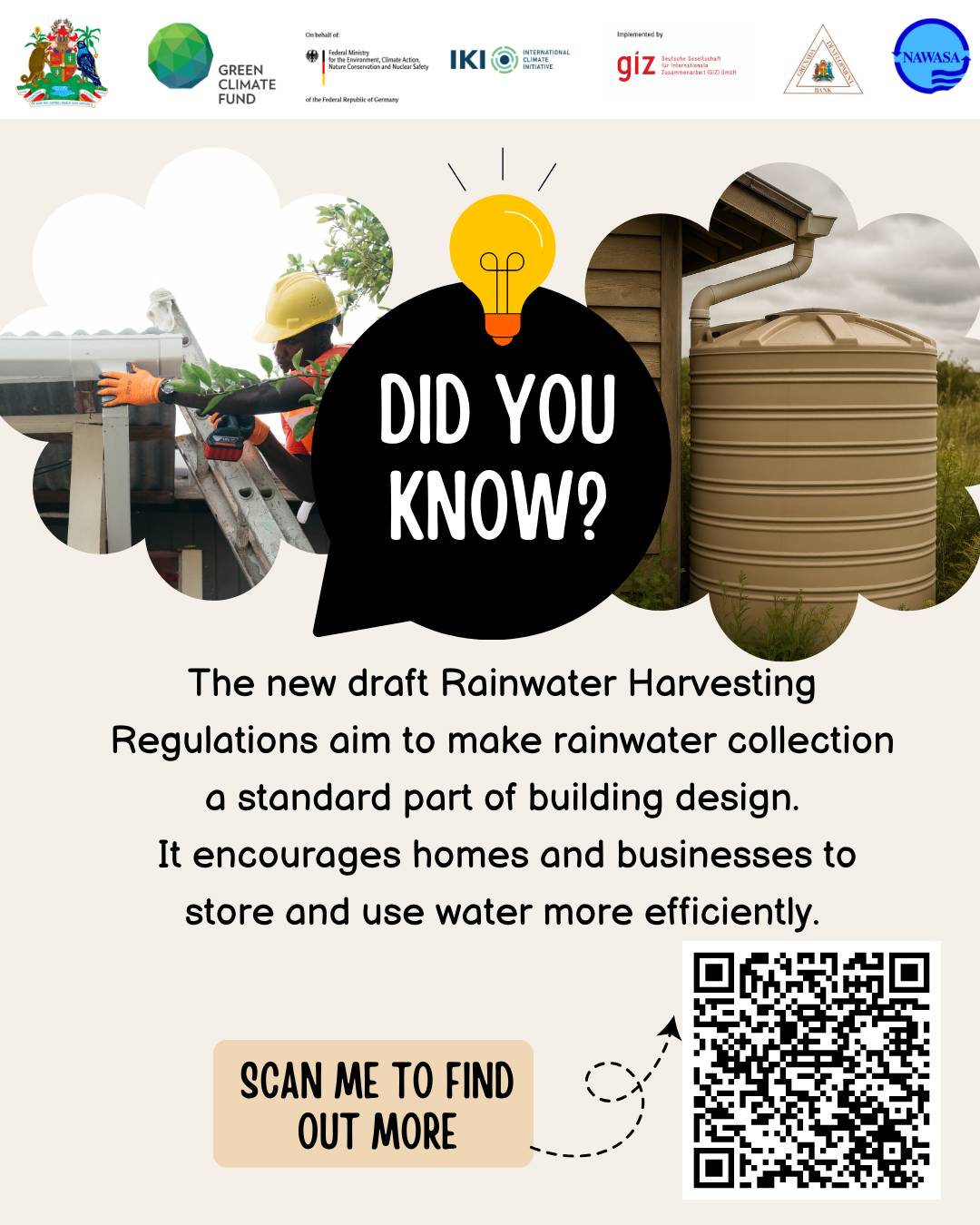
    Grenada is embarking on a groundbreaking initiative to establish its first-ever mandatory rainwater harvesting regulations, marking a significant advancement in climate resilience and water security for the island nation. The proposed legislation would require both new constructions and existing buildings exceeding specific size thresholds to install rainwater collection systems where technically feasible.

    This transformative policy emerges from an extensive collaborative framework involving the Physical Planning and Development Authority (PDA), the Ministry of Implementation and Infrastructure Development (MOIID), and the National Water and Sewerage Authority (NAWASA). The initiative operates under the Climate-Resilient Water Sector in Grenada (G-CREWS) Project, which receives substantial financial backing from the Green Climate Fund, Germany’s Federal Ministry for the Environment through its International Climate Initiative, and the Grenadian government.

    The regulatory development process commenced with a formal Memorandum of Understanding between PDA, MOIID, and the German Development Cooperation (GIZ), establishing a commitment to creating equitable, transparent, and implementable legislation. A dedicated Technical Working Group comprising representatives from NAWASA, the Ministry of Health, the Ministry of Legal Affairs, and the Grenada Bureau of Standards has spent months refining technical specifications, legal frameworks, and public health safeguards.

    Addressing Grenada’s escalating water demands and climate vulnerabilities, the regulations incorporate strategic provisions including a grace period for property owners to facilitate financial planning and compliance. The framework establishes comprehensive safety protocols covering approved roofing materials, water quality parameters, and sanitation measures to ensure public health protection.

    With technical preparations finalized, the government will conduct a final round of public consultations from February 19-25, 2026. Stakeholders can submit feedback through official channels until January 23, 2026, with all input being considered in the finalization of regulations aimed at creating a sustainable, climate-resilient water future for Grenada.

  • US Technical Assistance Field Team supports Grenada’s Maritime Security

    US Technical Assistance Field Team supports Grenada’s Maritime Security

    A specialized team from the United States Southern Command has arrived in Grenada this week to provide crucial technical assistance for repairing maritime assets utilized by the Royal Grenada Police Force Coast Guard. This deployment responds to an official request from the Grenadian government under the framework of the Caribbean Basin Security Initiative Technical Assistance Field Team (CBSI-TAFT) program.

    The technical assistance mission brings together a multidisciplinary team of U.S. Coast Guard and Army engineers and logistics experts who are collaborating directly with their Grenadian counterparts. This cooperative engagement highlights the ongoing security partnership between the two nations and demonstrates Grenada’s proactive approach to maintaining regional security capabilities.

    Grenada has established itself as a valuable partner for the United States in Caribbean security matters. The current technical assistance visit represents the latest in a series of collaborative efforts aimed at enhancing maritime security operations and counter-trafficking capabilities throughout the region. These joint initiatives contribute to creating a safer Caribbean environment while reinforcing the enduring diplomatic and security relationship between the United States and Grenada.

    The maritime asset repair program forms part of broader regional security cooperation efforts that address shared challenges and promote operational readiness. Both nations have expressed mutual appreciation for the opportunity to work collaboratively on these security enhancements, recognizing the importance of maintained and fully operational maritime resources for effective law enforcement and border protection operations.

  • NAGICO Insurances upgraded to A- (Excellent) by AM Best

    NAGICO Insurances upgraded to A- (Excellent) by AM Best

    In a significant development for the Caribbean insurance sector, NAGICO Insurances has received a substantial credit rating upgrade from globally recognized agency AM Best. The Group’s Financial Strength Rating has been elevated from BBB+ to A- (Excellent), positioning the company among the top-tier insurance providers in the region.

    The upgraded rating reflects AM Best’s comprehensive evaluation of NAGICO’s reinforced balance sheet, consistently enhanced operational performance, rigorous risk management protocols, and successful implementation of its strategic vision across diverse Caribbean markets. This assessment acknowledges the insurer’s strengthened financial resilience and disciplined business approach.

    For policyholders, business partners, and regulatory authorities, the A- designation serves as an independent validation of NAGICO’s capacity to honor its commitments, particularly crucial in a geographic area susceptible to natural disasters and economic fluctuations.

    Kyria Ali, Chief Executive Officer of NAGICO Insurances, expressed considerable pride in this achievement, stating: “This AM Best rating upgrade represents an independent endorsement of our financial robustness and strategic management. For our clients throughout the Caribbean and France, it confirms the trust they have placed in our ability to support their families and businesses during critical moments.”

    The A- (Excellent) rating from AM Best, a specialized insurance industry rating agency, signifies exceptional capital strength, sustained financial improvement, prudent underwriting standards, and a viable long-term business strategy. This classification establishes NAGICO as a premier insurance group with demonstrated stability and reliability.

    Operating effectively in the Caribbean demands exceptional resilience and forward-thinking risk management. NAGICO has established its credibility through billions of US dollars in claims payments following natural catastrophes, including hurricanes and volcanic eruptions. Recent strategic investments in reinsurance protection, governance frameworks, and talent acquisition have further strengthened its operational foundation.

    Imran McSood Amjad, Executive Chairman of NAGICO Insurances, emphasized: “Our region faces distinctive challenges from climate vulnerabilities to economic instability. This rating enhancement mirrors the deliberate actions taken by our leadership to fortify the Group’s financial position, governance structures, and risk mitigation capabilities.”

    The rating improvement represents a collective accomplishment involving NAGICO’s employees, partners, and stakeholders throughout its operational network. It highlights the Group’s dedication to sustainable expansion, robust governance, and consistent value delivery to clients and partners.

    Looking forward, NAGICO remains committed to leveraging technological advancements to enhance customer experiences, introducing innovative insurance products, and contributing to regional development initiatives.

    Established in 1982, the NAGICO Group delivers comprehensive property, casualty, life, and health insurance solutions across 32 locations in the Caribbean and Metropolitan France.