标签: Grenada

格林纳达

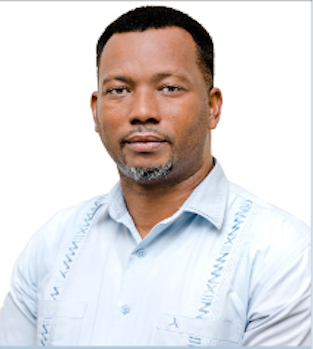
  • Leon Radix outlines reform agenda as GFA election nears

    Leon Radix outlines reform agenda as GFA election nears

    Grenada’s national governing body for soccer, the Grenada Football Association (GFA), has scheduled its upcoming presidential election for May 9, 2026. Three candidates will contest the leadership position: incumbent Marlon Glean, challenger Roger Duncan, a veteran banking professional, and third contender Leon Radix, an academic and long-time football administrator who currently serves as Course Director of the Marine and Wildlife Conservation Department at St George’s University’s School of Arts and Sciences.

    Radix has already formally introduced his full proposed executive slate for the GFA, naming Allan James, Lincoln Elcock, Amanda Scott, Clinton Hamilton, Geverson David, and Denroy Lewis as the team that would join him in leadership should he secure victory at the polls. In outlining his credentials for the role, Radix emphasized his deep, multi-decade roots in football governance across all levels of the sport in Grenada. Beyond his current academic and administrative career, he has previously managed both football and cricket teams for St David’s, held leadership roles with the St David’s Football Club and the St David’s Football League, and advocated for stronger institutional structures and greater accountability in Grenadian football for years. “I’m an educator and administrator with over 20 years of experience in leadership and governance,” Radix noted. “In football, I’ve worked at the club and national level advocating for better structure and accountability. I bring systems thinking and proven leadership to football development.”

    At the core of Radix’s campaign platform is a commitment to building a organized, inclusive, and sustainable football ecosystem across the island, replacing the current instability and inconsistency that he says has held the sport back. His vision calls for a clear, connected development pipeline that supports players from grassroots entry-level play all the way to elite national team competition, paired with robust institutional governance, competitive local leagues, and long-term stable financing. “Structure and sustainability must replace uncertainty and inconsistency,” he said.

    If elected, Radix has laid out three clear priorities for his first 100 days in office to reset the GFA’s operations. First, his administration would launch full financial, technical, and administrative audits of the association to map existing gaps and challenges. Second, it would host widespread engagement sessions with football stakeholders across every region of Grenada to center community input in future planning. Third, it would roll out a standardized national football calendar and a technical development plan aligned with global FIFA and CONCACAF standards. “The priority is restoring order and building confidence in the system,” Radix explained.

    To address longstanding divisions within Grenada’s football community, Radix proposes expanding inclusive decision-making through the creation of a new Football Advisory Council, which would reserve formal seats for representatives from clubs, players, referees, and corporate sponsors to ensure all groups have a voice in shaping the sport’s future. “Inclusion builds trust, and trust builds strong institutions,” he said.

    Grassroots development is another central pillar of Radix’s agenda, with two key focus areas: growing investment in youth player development and expanding access and opportunity for women in football. He plans to upgrade youth academies, increase access to certified professional coaching, and build clear pathways that connect school football programs to club development systems. For women’s football, he pledged consistent sustained investment, organized formal leagues, and equal opportunity for advancement. “Development must be inclusive or it will fail,” he stressed.

    Radix also committed to decentralizing football development to ensure talent in rural communities is not overlooked, saying he will establish regional zonal development hubs, expand national scouting networks, and provide greater support for local community-level competitions. “Talent is everywhere — opportunity must be too,” he noted.

    To scale the GFA’s capacity and secure additional resources, Radix says he will prioritize expanding strategic partnerships with regional and international football governing bodies, the local private sector, and the Grenadian national government. “Partnerships are critical to scaling resources and expertise,” he explained.

    For Grenada’s national teams, Radix argues that improved competitive performance will come from intentional structural reform, not luck. He plans to implement a standardized national talent identification system, reach out to engage Grenadian football talent living in the diaspora, and integrate modern coaching practices, sports science, and performance analytics into national team programming. “Performance is the outcome of good systems — not chance,” he said.

    Radix also made full institutional transparency a non-negotiable part of his platform, promising to publish annual audited financial statements, enforce strict governance policies, and maintain open, consistent communication with all football stakeholders. “Transparency is not optional; it is the foundation of trust,” he said.

    When asked about the most pressing challenges facing Grenadian football today, Radix acknowledged longstanding issues including limited funding gaps, inconsistent institutional systems, and insufficient infrastructure across much of the island. Even so, he expressed confidence that these problems can be resolved with intentional leadership and long-term planning. “But with proper leadership and planning, these are solvable problems,” he said.

    Closing his campaign outline, Radix emphasized that Grenada’s football community holds tremendous untapped potential, and that with the right leadership, structural reform, and accountability, the sport can be transformed to create life-changing opportunities for young Grenadians and benefit the entire nation. “Football in Grenada has tremendous potential. With the right leadership, structure, and accountability, we can transform the game and create opportunities for our youth and our nation. I’m ready to lead that transformation.”

    As candidates prepare for the vote, the 2026 GFA presidential election is expected to draw close attention from across Grenada’s football community, as stakeholders evaluate three competing visions for the future of the sport on the island.

  • PAHO supports regional dialogue on equitable cancer care at ICCGIP 2026 in Grenada

    PAHO supports regional dialogue on equitable cancer care at ICCGIP 2026 in Grenada

    On March 20, 2026, the Caribbean nation of Grenada played host to a pivotal international gathering addressing one of the most pressing gaps in global public health: cancer care access for populations living in geographically isolated regions. The International Conference on Cancer in Geographically Isolated Populations (ICCGIP), convened this year under the core theme “Medical Travel for Cancer Care — Navigating Access, Quality, and Equity,” drew participation from dozens of regional and global health stakeholders, including the Pan American Health Organization (PAHO), a leading public health body for the Americas region.

    The conference was structured to unpack the unique set of systemic, economic and social challenges that shape cancer outcomes in small island nations and remote, isolated communities, while also identifying untapped opportunities to expand care access through collaborative action. In opening remarks delivered on behalf of Dr Amalia Del Riego, PAHO/WHO Representative to Barbados and the Eastern Caribbean Countries, Dr Taraleen Malcolm, Noncommunicable Diseases and Mental Health Advisor at the PAHO/WHO Office for Barbados and the Eastern Caribbean, reaffirmed PAHO’s longstanding commitment to supporting its member states in expanding equitable access to every stage of cancer care, from prevention and early diagnosis through to ongoing treatment and survivorship support.

    During her address, Dr Malcolm centered the lived realities of cancer patients across the Caribbean, a region made up almost entirely of small island developing states. She explained that limited local specialized medical infrastructure and small national patient populations mean the majority of advanced cancer diagnoses require cross-border medical travel to access life-saving treatment. While this medical travel is often essential, Dr Malcolm emphasized that it imposes crippling financial, logistical, and emotional strain on patients and their families, barriers that widen already existing health inequities, particularly for low-income and otherwise vulnerable groups.

    To address these gaps, Dr Malcolm called for a coordinated, region-wide response rooted in a people-first care model. Key priorities she outlined include strengthening local early detection and patient referral systems within individual countries, streamlining coordination and quality assurance for care accessed outside national borders, and guaranteeing uninterrupted continuity of care when patients return to their home countries after receiving treatment abroad. She also stressed the urgent need for expanded cross-country collaboration, including shared service arrangements, expanded access to tele-oncology, and targeted investment in training and retaining a robust local health workforce — all steps that would gradually reduce regional reliance on overseas cancer care over time.

    Joining the conference proceedings virtually, Dr Frederique Dorleans, Advisor for Social and Environmental Determinants for Health Equity and Focal Point for the French Territories of the Americas at the PAHO/WHO Barbados and Eastern Caribbean office, highlighted existing diagnostic and treatment capacity in the French Caribbean territories of Martinique and Guadeloupe. She positioned these territories as valuable regional partners, with the existing expertise to support neighboring isolated communities in expanding access to high-quality cancer care. Dr Dorleans also outlined PAHO’s ongoing work to foster closer cross-Caribbean cooperation, including facilitating the exchange of evidence-based best practices, supporting cross-border knowledge sharing, and advancing more integrated regional models of cancer care delivery — all work aligned with PAHO’s broader mandate to advance equitable health outcomes and strengthen health system resilience across the entire Americas region.

    In closing comments, Dr Del Riego noted that convenings like ICCGIP fill a critical gap in global health governance, providing a dedicated platform for small island states to share lived experiences and co-develop collaborative, people-centered approaches to cancer care that keep equity and quality at the forefront, even in resource-limited small island developing contexts.

    The conference concluded as a key milestone for regional public health, offering a valuable space to align policy frameworks, on-the-ground practice, and cross-sector partnerships to address the unique barriers to cancer care in geographically isolated small island developing states. PAHO’s participation in the event reinforced the organization’s ongoing commitment to working with national governments and global partners to ensure geographic location does not predetermine cancer outcomes, and that all people, regardless of where they live, can access timely, high-quality, and equitable cancer care.

  • Acting Venezuelan president ends “successful” visit to Grenada

    Acting Venezuelan president ends “successful” visit to Grenada

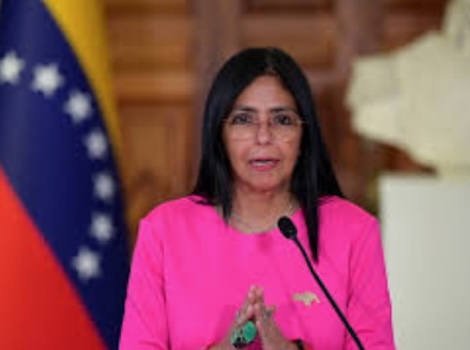
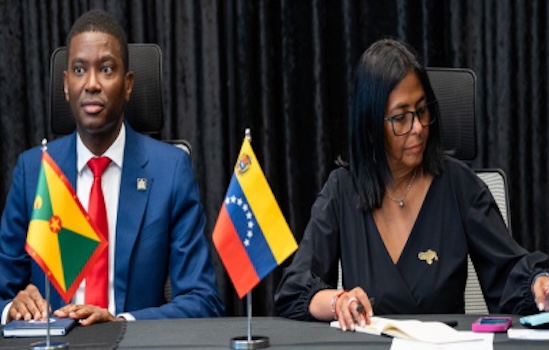
    On 9 April, Venezuela’s interim leader Delcy Rodríguez wrapped up a short official visit to the Caribbean nation of Grenada, a trip timed to align with the 49th year of formal diplomatic relations between the two states. This visit marked Rodríguez’s first international official engagement since she assumed the role of acting president in early January 2026, following a United States military incursion into Venezuela that removed and detained long-time sitting president Nicolas Maduro.

    Rodríguez, who previously served as Venezuela’s executive vice president, was sworn into office on 5 January, just two days after US forces took Maduro into custody. Since taking power, she has publicly committed to guiding Venezuela toward domestic stability while signaling a potential shift in the country’s long-strained relations with Washington. She has already complied with US pressure by cutting off oil shipments to Cuba and ordering Cuban professionals based in Caracas to leave the country.

    According to an official statement released by the Venezuelan government during the visit, Rodríguez’s itinerary included a formal courtesy meeting with Grenada’s Governor-General Dame Cécile Ellen Fleurette La Grenade, followed by in-depth working talks with Grenadian Prime Minister Dickon Mitchell and his full cabinet. Officials noted that a joint communique would be published following the conclusion of the cabinet-level discussions, though no document has been released to date.

    The trip comes against a backdrop of growing geopolitical tension across the Caribbean, where US President Donald Trump has ramped up pressure on regional governments over a range of issues, most notably their long-standing diplomatic and economic ties to Cuba. For Grenada specifically, the visit follows a recent high-stakes standoff with Washington over a US request to deploy a military radar system at Grenada’s Maurice Bishop International Airport. Grenada has so far refused to approve the request, citing unresolved technical questions, public safety risks, and concerns that the installation would violate regional sovereignty principles. The rejection came after thousands of Grenadian residents held peaceful public demonstrations urging their government to turn down the US proposal.

    Speaking to reporters after the closed working talks, Prime Minister Mitchell emphasized that he was honored that Rodríguez chose Grenada as the destination for her first international trip since taking office. “Our discussions this afternoon focus exclusively on strengthening the bilateral cooperation between Grenada and Venezuela,” Mitchell stated. He added that talks covered a broad cross-section of mutually beneficial areas, including energy, agriculture, education, trade, tourism, transport, and logistics infrastructure. Moving forward, Mitchell said both nations will establish dedicated working groups from each side to advance concrete action on the agreed priorities, noting that “we are quite happy with the outcome of this working meeting, and we look forward to actioning and implementing those areas for the benefit of the Venezuelan and the people of Grenada.” Mitchell also clarified that media questions following the meeting would be limited strictly to topics related to bilateral cooperation, with no off-agenda issues permitted.

    In her brief public remarks, Rodríguez echoed Mitchell’s positive assessment of the visit, saying she was deeply honored to be received in Grenada as her first international stop. “The history of Grenada is a true example to the peoples of the Caribbean and Latin America that, overcoming all difficulties, persevered in their self-determination and sovereignty,” she said. Rodríguez added that the talks allowed the two sides to update a bilateral cooperation roadmap first established last year during Maduro’s presidency, with new commitments to expand people-to-people and sectoral partnerships.

    Key initiatives agreed to during the visit include expanded educational exchange programs: the arrangement will allow Grenadian students to pursue studies in Venezuela, while enabling reciprocal teacher exchanges between the two nations. The sides also discussed progress on developing new maritime and air transport links, which Rodríguez said will support expanded bilateral trade and create new trade corridors that can include other Caribbean nations. Talks also covered shared experiences in communal food production systems, as well as ongoing negotiations over the two countries’ shared maritime borders.

    In a closing statement, the Venezuelan government reiterated that the visit successfully advanced core goals: reinforcing long-standing diplomatic ties, identifying new areas of shared economic interest, and nurturing bilateral partnerships designed to drive inclusive development for both nations.

  • Andersen Global expands Caribbean presence with member firm launch in Grenada

    Andersen Global expands Caribbean presence with member firm launch in Grenada

    International professional services network Andersen Global has pressed forward with its strategic regional expansion in the Caribbean, after local firm JD Consulting formally rebranded under the Andersen name and joined the network as an official member firm, establishing a new branded presence in Grenada.

    The newly launched Andersen in Grenada delivers a full suite of professional services spanning accounting, tax planning and compliance, and bespoke business advisory, serving a diverse client base that includes high-net-worth private clients, owner-operated enterprises, small and medium-sized businesses (SMEs), and organizations across a wide cross-section of local industries. At the helm of the new member firm is Managing Director and Partner Johnson Dion, who leads a team that blends deep, on-the-ground market expertise with the global reach and specialized resources of the broader Andersen network. This combination allows the firm to craft customized, pragmatic solutions that help clients strengthen financial stability, streamline operational efficiency, and advance long-term sustainable growth.

    In a statement marking the rebranding and membership launch, Dion emphasized that aligning with the Andersen brand represents a major milestone in the firm’s developmental journey. “Our practice has always centered on delivering high-quality, client-centric advisory services rooted in core values of integrity and professional excellence,” Dion explained. “Becoming part of the Andersen Global network expands our collective capabilities to serve clients more comprehensively, while allowing us to retain the personalized, hands-on approach that has always been the cornerstone of our work with the Grenadian community.”

    Mark L Vorsatz, Global Chairman and Chief Executive Officer of Andersen Global, noted that the launch of the Grenada member firm is a natural reflection of the local practice’s longstanding standing in the Grenadian market and its steady evolution over years of operation. “Johnson Dion has built a practice defined by unwavering integrity and consistent delivery of quality service,” Vorsatz said. “Under his leadership, this new member firm will directly advance our shared goal of growing our footprint across the Caribbean region.”

    Founded in 2013 by U.S. member firm Andersen Tax LLC, Andersen Global operates as an international association of independently owned, legally distinct member firms, bringing together more than 50,000 tax, legal, and valuation professionals across the globe. Through its network of member firms and collaborating entities, the organization now maintains a physical presence in more than 1,000 locations worldwide.

  • GBSS runner up in Regional Schools Investment Competition

    GBSS runner up in Regional Schools Investment Competition

    On March 26, 2026, St. Lucia hosted the official awards ceremony to honor top-performing teams from the 3rd Annual Regional Schools Investment Competition (RSIC), an innovative educational initiative designed to introduce secondary school students across the Eastern Caribbean to the world of securities investing. To ensure broad participation and recognition, the entire event was broadcast via live virtual stream, allowing standout competitors from Grenada and St. Vincent and the Grenadines to be celebrated in real time while giving students and community members across the region access to the celebration.

    Launched in October 2025 and concluding in November of the same year, the RSIC was spearheaded by the Eastern Caribbean Securities Exchange (ECSE), with collaboration from the Eastern Caribbean Securities Regulatory Commission (ECSRC) and licensed member broker-dealers. Unlike traditional academic competitions, the RSIC combines practical financial experience with academic reflection: participating student teams were evaluated on two core metrics: the final value of their simulated investment portfolios, and pre-recorded video submissions that detailed their strategic decision-making processes and key lessons learned throughout the competition.

    Four top teams walked away with major awards at the ceremony. Alite Investors, representing St. Lucia’s Choiseul Secondary School, claimed the title of Regional Champion, taking home the prestigious Sir K Dwight Venner Champion Trophy. The runner-up position went to Boys on the Hill Investment from Grenada Boys Secondary School (GBSS) in Grenada. Additional specialty awards went to N’Oct’urnal Invests of Vieux-Fort Comprehensive Secondary School (St. Lucia), which won the Most Creative Video Submission prize, and SMSS Prosperity Pioneers of St. Martin’s Secondary School (St. Vincent and the Grenadines), recognized for the Most Well-Presented Strategic Approach.

    Prizes for the winning teams and their supporting advisors reflected the initiative’s focus on encouraging long-term engagement with finance. Champion team members each received gold medals, personalized certificates of achievement, an investment gift voucher worth EC$540, and branded partner gift backpacks. The school itself took home a champion plaque and a cash prize of EC$6,500. Supporting teachers also earned recognition: each received a certificate of achievement, a gift certificate waiving broker fees for their first personal investment, a branded tote bag filled with partner gifts, and a special dedication award from the ECSRC for their commitment to student development.

    For the runner-up GBSS team, the school received a plaque and EC$3,000 cash prize. Individual student members earned silver medals, achievement certificates, EC$270 investment vouchers, and branded gift backpacks. Their teachers received comparable recognition to the champion team’s advisors, including the broker fee waiver voucher and partner gifts. Recipients of the specialty video award each took home a participation certificate and an EC$250 cash prize.

    Organizers extended congratulations to all winning teams and expressed sincere gratitude to every participating school across the region for their engagement. Launched as a developmental educational program, the RSIC continues to fulfill its core mission: giving young people across the Eastern Caribbean hands-on exposure to core investment principles and direct experience with how regional securities markets operate, building a foundation for future financial literacy and economic participation.

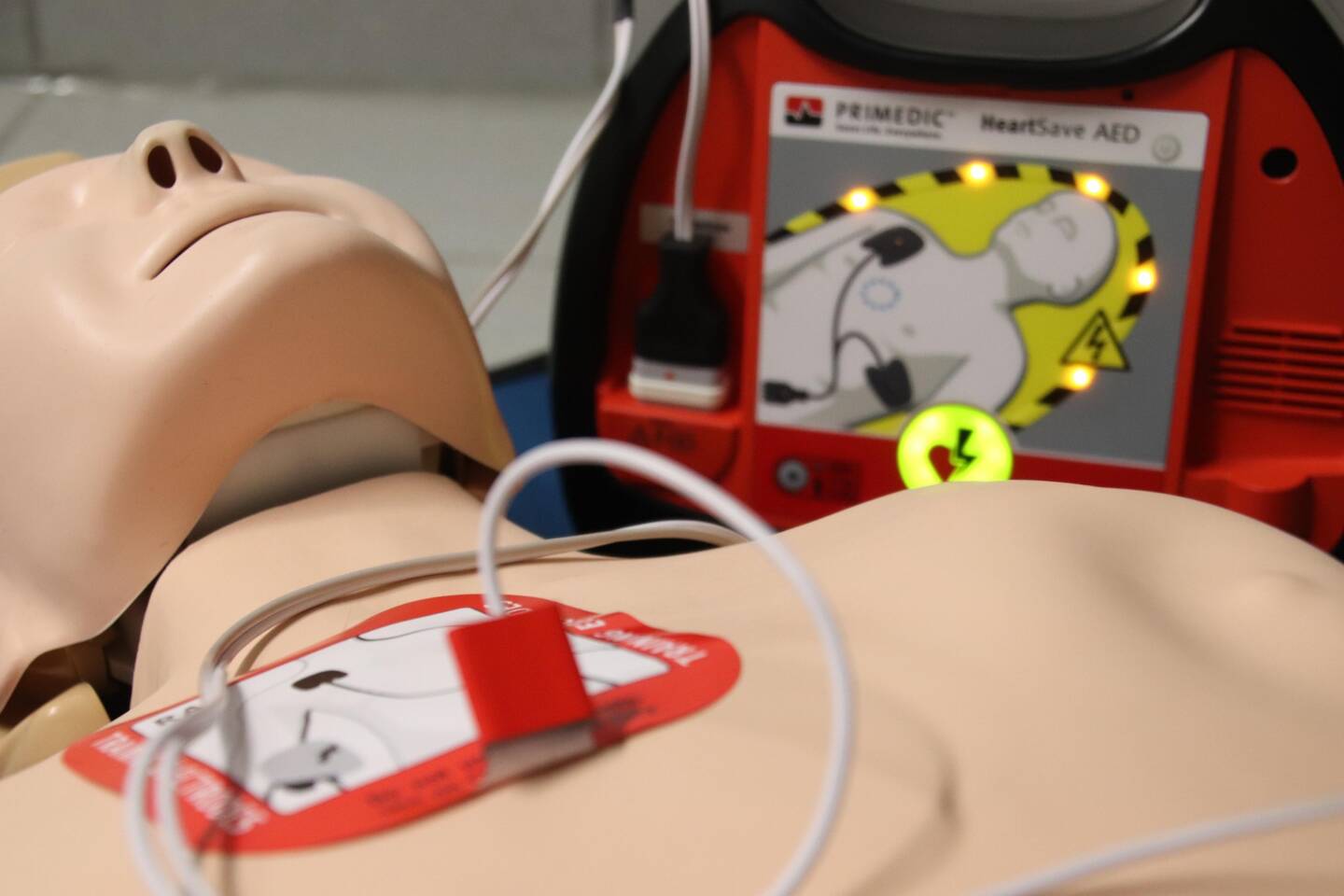
  • GNSC and Parish Councils undertake CPR, First Aid and AED Training

    GNSC and Parish Councils undertake CPR, First Aid and AED Training

    Grenada’s leading sports governing body is taking proactive steps to boost safety across the country’s sporting ecosystem, with a new specialized training initiative focused on life-saving emergency skills set to launch next spring.

    The Grenada National Sports Council (GNSC), working in coordination with its regional Parish Sports Councils and the Grenada Red Cross, has announced that it will host a comprehensive training program covering cardiopulmonary resuscitation (CPR), basic first aid, and automated external defibrillator (AED) operation on April 9, 2026. The full-day training session will be held at the Grenada Red Cross headquarters building.

    This new training program is the latest in a series of ongoing capacity-building efforts by GNSC, aimed at equipping sports administrators, council staff, and development personnel with the critical skills needed to handle unexpected medical crises. Recognizing that organized sports inherently involve intense physical exertion and regularly draw large crowds of spectators to venues and events, GNSC leaders note that the initiative is specifically designed to strengthen the organization’s ability to deliver fast, effective medical responses when emergencies occur at sporting facilities, competitions, and daily workplaces across the island.

    Unlike passive, lecture-only safety courses, the upcoming program will provide all participants with hands-on, practical instruction. Attendees will have the opportunity to practice CPR techniques under expert supervision, master core first aid protocols for common sports-related injuries, and learn to correctly and confidently operate AED devices, which are critical for responding to sudden cardiac arrest events.

    Alvin Clouden, Chief Executive Officer of the Grenada National Sports Council, emphasized that the training reflects the organization’s unwavering commitment to prioritizing safety and preparedness for everyone involved in local sports. “By ensuring our staff and council members are properly trained, we are taking proactive steps to safeguard athletes, officials, and the general public who gather for sporting activities across Grenada,” Clouden said in a statement announcing the program.

    GNSC has publicly expressed its sincere gratitude to the Grenada Red Cross for partnering on the initiative and contributing its specialized emergency response expertise to make the training possible. Both organizations share a core commitment to advancing public safety, expanding professional capacity in the sports sector, and raising awareness of the importance of emergency preparedness across all areas of community life.

    Looking forward, GNSC leaders confirmed the organization will remain dedicated to fostering a safer, more resilient sports environment for all Grenadians. The council says it will continue pursuing collaborative partnerships and expanding access to specialized training opportunities that strengthen national emergency preparedness for sporting events and public gatherings.

    This announcement was shared via NOW Grenada, which notes it is not responsible for opinions or content shared by contributing organizations. Users can report any abusive content through the platform’s official reporting channels.

  • 16 RSS Officers complete International Leadership and Management (Gold) Course

    16 RSS Officers complete International Leadership and Management (Gold) Course

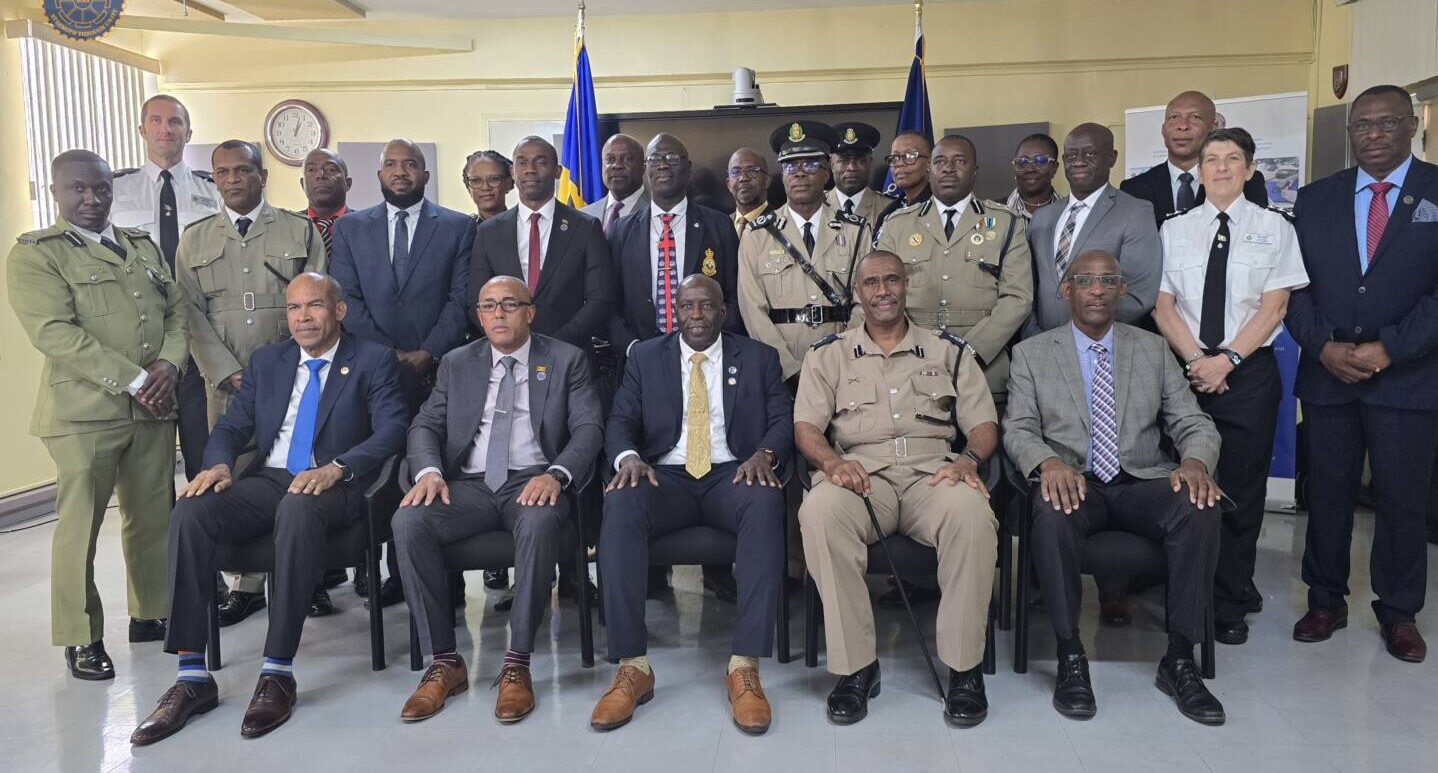
    Sixteen senior law enforcement officers drawn from member countries of the Caribbean Regional Security System (RSS) have crossed the finish line of a rigorous elite International Leadership and Management (Gold) Course, a joint initiative between the RSS Training Institute and the United Kingdom’s Durham Constabulary.

    The three-week intensive training programme was tailored exclusively for top-tier policing leaders, including Senior Superintendents, Division Commanders and Assistant Commissioners, with a core mission to elevate strategic leadership capacity across the entire regional security network. For senior officers stepping into the highest executive ranks of their respective agencies, the course filled critical gaps in skills needed to navigate modern, complex security challenges.

    A formal closing ceremony to mark the milestone took place Thursday, April 2 at RSS headquarters, where graduating officers received their completion certificates and official commendations from senior RSS leadership. Addressing the cohort during the ceremony, RSS Deputy Executive Director Atlee Rodney urged the new graduates to carry forward the skills and values they gained to continue serving regional populations with unwavering commitment and dedication.

    Rodney stressed that the leadership capabilities these officers developed will be a cornerstone for both their individual agencies and the RSS collective as a whole, as the region works to tackle growing social challenges and advance the well-being of all citizens. He also reaffirmed the RSS Training Institute’s long-term commitment to rolling out programming that adapts to the changing security needs of member states, while deepening strategic partnerships like its ongoing collaboration with Durham Constabulary to continuously improve regional policing standards.

    The featured keynote address for the ceremony was delivered by Randy Connaught, Commissioner of the Royal Grenada Police Force, who centered his remarks on the intricate strategic and political landscape that senior police executives must navigate while carrying out their public duties.

    “My charge to you is to master what is perhaps the most delicate and critical skill of executive leadership — managing the expectations of the political directorate,” Connaught told the graduates. “This is not about being political. It is not about partisanship. It is about managing a relationship that is constitutionally vital, operationally impactful and perpetually challenging. As Gold leaders, you are no longer just guardians of public safety; you are also stewards of public trust and key advisors to the government of the day.”

    Connaught went on to outline three core pillars of ethical, effective senior policing leadership grounded in the curriculum the cohort completed during the course. The first pillar, he said, is “Educate, Don’t Just Execute.” As policing experts, senior leaders are not meant to blindly carry out politically motivated directives, but to act as expert guides. When a new minister calls for a rapid, high-visibility crackdown on complex issues such as gang violence or youth offending, officers must resist the impulse to simply comply. Instead, they should lean into the problem-solving ethos Durham Constabulary calls the “Durham Difference,” explaining the necessity of threat assessments, community impact evaluations, and ethical decision-making to deliver legitimate, long-lasting public safety outcomes.

    “You are not there to decide national policy that belongs to the government, but you are constitutionally bound to ensure that any such decision is made with the full understanding of the policing consequences. Your advice may be the difference between a politically expedient decision and a sustainable, safe outcome,” Connaught argued.

    The second pillar Connaught introduced is “Be the Corporate Memory, not the Political Actor,” which highlights the non-partisan nature of policing and the importance of institutional integrity and continuity. “Integrity is your shield. Politicians come and go. Elections are cyclical. But the police service is an enduring institution. Your loyalty is not to the individual in the ministerial office, but to the office itself, to the law, and to the people you serve,” he said.

    Finally, Connaught addressed the persistent challenge of balancing external expectations with limited operational resources in his third pillar: “Manage the Cycle of Expectations vs Capability.” “Perhaps the greatest source of tension lies in the mismatch between political expectation and operational capability. A political promise made during a campaign can create an expectation in the public that the police have a magic wand. Your job is to be an honest broker of capability… You must be able to demonstrate, with data and candour, the direct link between resources, funding, personnel, technology, well-being support and outcomes.”

    In closing, he encouraged graduates to bring a spirit of innovation and critical thinking to their leadership roles, noting that the “Durham Difference” centers on rethinking outdated approaches and using problem-solving to drive tangible, positive change. He urged the cohort to bring this approach to the critical relationship between police institutions and political leadership across the region.

    This report was originally published by NOW Grenada, which notes that it is not responsible for the opinions and statements shared by contributors to its platform.

  • Economic Impact Assessment Survey for CARIFTA Track and Field Championships 2026

    Economic Impact Assessment Survey for CARIFTA Track and Field Championships 2026

    As Grenada vies to host the 53rd edition of the CARIFTA Track & Field Championships in 2026, local authorities have launched a comprehensive Economic Impact Assessment (EIA) Survey during ongoing preliminary championship activities to evaluate the potential full-range benefits of welcoming the premier regional sporting event.

    The collaborative survey initiative brings together three key national stakeholders: the Macroeconomic Policy Unit within Grenada’s Ministry of Finance, the Grenada National Sports Council (GNSC), and the 2026 CARIFTA National Organising Committee (NOC). This effort is a clear reflection of the Government of Grenada’s dedication to transparent, data-driven planning and public accountability, particularly as the nation works to meet the formal hosting requirements and commitments laid out for the 2026 championships.

    The core mission of the EIA Survey is to systematically quantify and examine both the direct and indirect economic ramifications of staging the 2026 CARIFTA event on Grenada’s economy. The scope of analysis spans multiple impact areas, including measuring total spending from inbound visitors, participating athletic teams, event officials, international media and on-site spectators, alongside assessing broader knock-on effects for local employment levels, cross-sector business activity and overall national revenue growth.

    Aaron Moses, chairperson of the 2026 CARIFTA NOC, explained that the data gathered through the assessment will act as a foundational resource for national and sector-level strategic planning across sport, tourism, transport and hospitality. Beyond immediate planning, Moses noted that the survey findings will also shape future policy development, guide critical fiscal decision-making, and strengthen Grenada’s prospects for bidding on other large-scale international sporting events in years to come. As the assessment remains ongoing, the final results will also establish key performance benchmarks that allow policymakers to compare the economic outcomes of major sporting events hosted in Grenada across different time periods.

    To guarantee a holistic and accurate evaluation, research teams have collected data from a diverse cross-section of stakeholders touched by the event. These groups include casual visitors and event spectators, local and international competing athletes, team officials and accredited event delegates, hotels and small guesthouse accommodation providers, local restaurants, street vendors and small business operators, ground and air transport service providers, as well as event volunteers and temporary event staff. By gathering input from across these varied groups, organisers aim to build a granular, accurate picture of spending trends, service utilisation rates, and how economic benefits circulate through multiple sectors of Grenada’s economy.

    In a public appeal, Moses has urged all selected participants to share open, complete responses throughout the survey process, stressing that broad public cooperation is the only way to capture an accurate, unfiltered picture of the full impact that hosting the 2026 CARIFTA Championships will deliver for the island nation.

  • Acting Venezuelan President to visit Grenada

    Acting Venezuelan President to visit Grenada

    In a landmark diplomatic move marking her first official state visit since the January 2026 U.S. invasion of Venezuela removed longtime leader Nicolás Maduro from power, acting Venezuelan President Delcy Rodríguez is set to arrive in Grenada on Thursday.

    Rodríguez’s ascent to the nation’s top office came just two days after U.S. forces detained Maduro on January 3, 2026. As Venezuela’s former executive vice president, she was sworn in as acting head of state on January 5, taking office with a public pledge to prioritize domestic stability and hint at a potential reorientation of Venezuela’s long-fractious relationship with Washington.

    During her one-day engagement in Grenada, Rodríguez will follow a structured official itinerary laid out in a statement released by the Grenadian government. She will first attend a formal courtesy meeting with Governor-General Dame Cécile Ellen Fleurette La Grenade, before moving on to high-level talks with Prime Minister Dickon Mitchell and his full cabinet. At the conclusion of these bilateral discussions, the two sides will release a joint communiqué to outline the outcomes of their negotiations, the statement confirmed.

    The visit comes against a charged regional backdrop that has already put Grenada’s relationship with both the U.S. and Venezuela under scrutiny. Before the U.S. launched its invasion of Venezuela, the Grenadian government had approved a U.S. request to deploy a military radar system at Maurice Bishop International Airport. Grenadian authorities justified the approval by referencing ongoing technical evaluations, public safety claims, and alleged sovereignty violations from Venezuelan activities in the region.

    The decision sparked immediate public pushback across Grenada, with thousands of citizens gathering for a peaceful mass protest organized by the Grenada Coalition Zone of Peace and Concerned Citizens. Protesters took to the streets to demand their government reject the U.S. proposal and preserve the Caribbean as a demilitarized zone of peace. Speaking at the demonstration, former Grenadian foreign affairs minister Peter David reinforced the crowd’s core demand, emphasizing the region’s longstanding commitment to avoiding great power conflict.

    This visit marks Rodríguez’s first step onto the international diplomatic stage since taking office, and it is being closely watched by regional powers for signs of how Venezuela’s new leadership will navigate its relationships with Caribbean neighbors and the United States moving forward.

  • GFA’s Referee Academy to elevate officiating standards

    GFA’s Referee Academy to elevate officiating standards

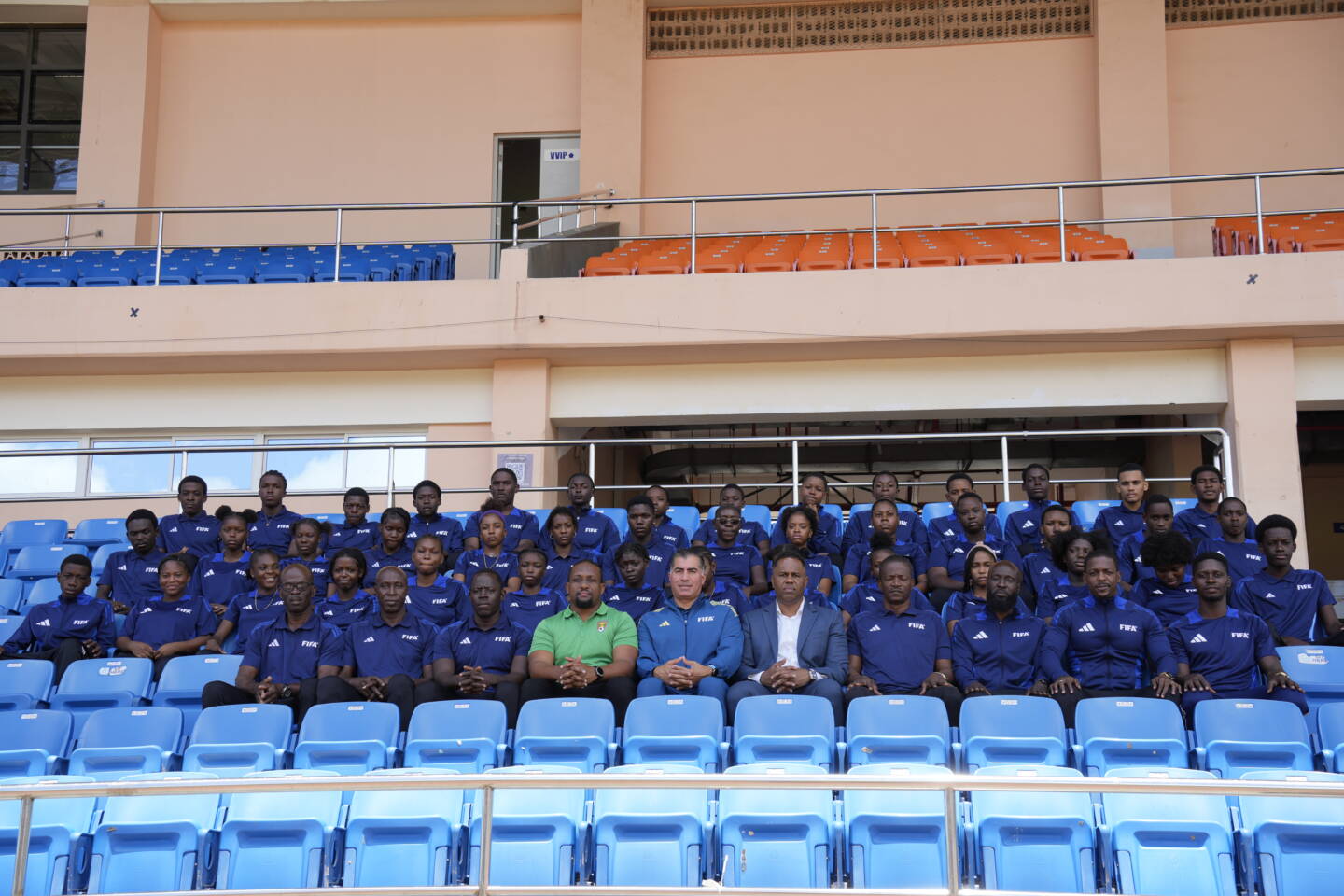
    In a landmark step for football development across the Caribbean island nation, the Grenada Football Association (GFA) formally launched its specialized Referee Academy during an official ceremony hosted April 8 at the VIP Conference Room of the Kirani James Athletics Stadium.

    The creation of this new institution marks a defining milestone in the GFA’s ongoing pledge to professionalize every tier of Grenada’s football ecosystem. For years, the local governing body has identified inconsistent officiating quality and a limited pool of certified match officials as key bottlenecks holding back the growth of both domestic leagues and national team competition. By establishing a dedicated training academy, the GFA aims to address these gaps directly, creating a clear, structured progression route for emerging referees looking to build careers in the sport. The initiative’s core objectives include boosting the overall standard of in-match officiating, supporting continuous professional development for new and existing officials, and expanding the pipeline of qualified referees eligible to oversee matches at both local and international levels.

    The launch ceremony opened with keynote remarks from GFA President Marlon Glean, who centered his address on the underrecognized critical role referees play in upholding the sport’s integrity and driving its forward progress. “This academy is far more than a new training program – it is a strategic investment in the future of Grenadian football,” Glean stated during the event. “Our core goal is to arm up-and-coming and current referees with all the technical knowledge, practical tools, and physical conditioning they need to thrive at the highest levels of the global game.”

    A highlight of the event was the attendance of Javier Santos, FIFA’s regional Referee Development Officer, whose participation highlighted the global governing body’s backing for Grenada’s efforts to bring its referee training framework in line with international best practices.

    Moving forward, the Referee Academy will deliver a holistic, multi-faceted training curriculum that combines in-depth theoretical classroom instruction with hands-on practical on-field training sessions. This blended approach is designed to ensure trainees master both the rules of the game and the on-pitch decision-making skills required at competitive levels. For the GFA, this initiative solidifies capacity building as a central pillar of the association’s long-term strategic vision to grow and elevate football across Grenada.

    Disclaimer: NOW Grenada does not take responsibility for opinions, statements, or third-party contributed media content published on its platform. Users may report content that violates platform guidelines through the official abuse reporting channel.