标签: Grenada

格林纳达

  • No one is coming to save us

    No one is coming to save us

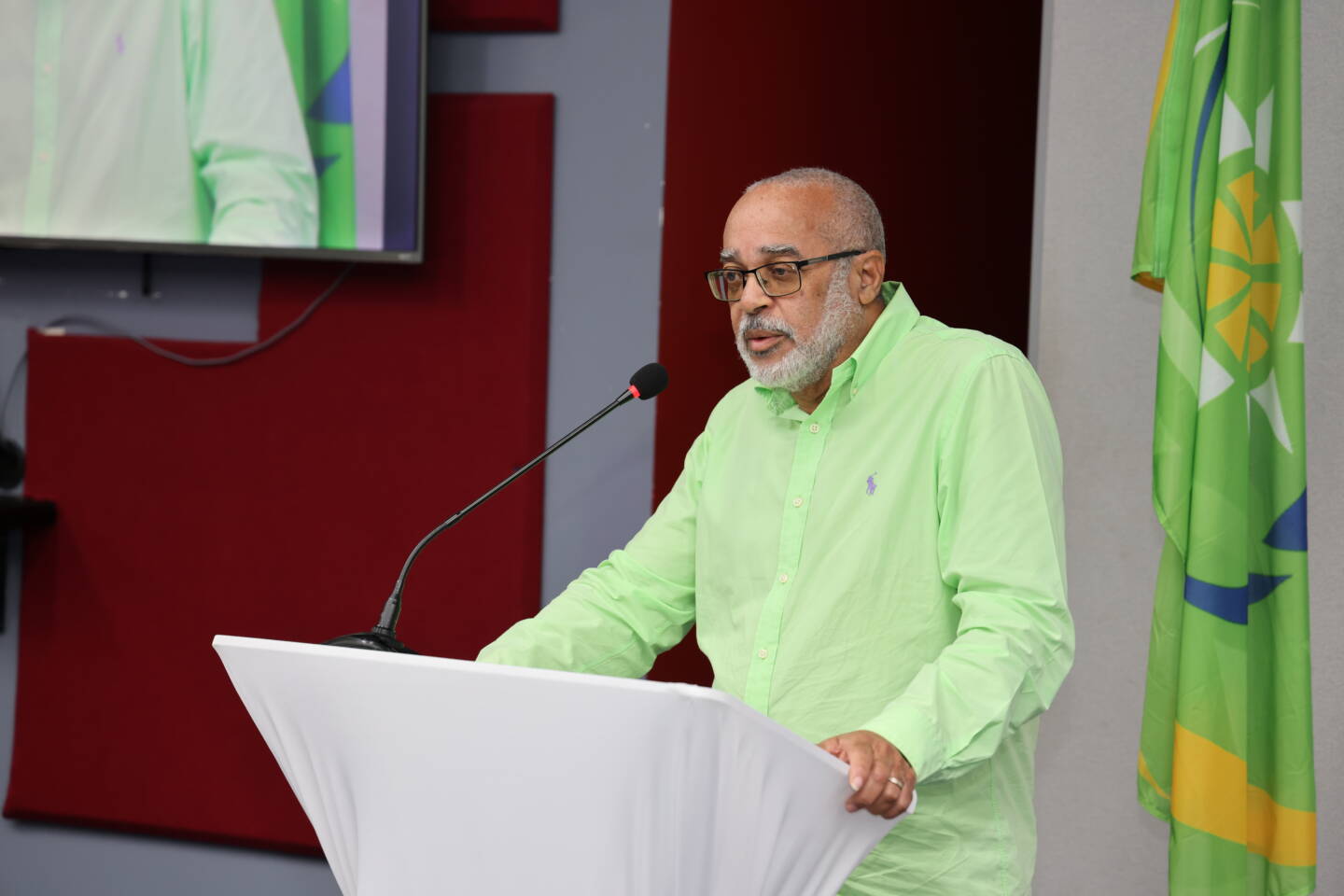
    In a profound address resonating across the Eastern Caribbean, Dr. Didacus Jules, Director General of the Organisation of Eastern Caribbean States (OECS), has amplified Professor Justin Robinson’s stark declaration that ‘No One is Coming to Save Us.’ This statement, originally articulated in a widely circulated article, serves as a catalyst for redefining regional sovereignty and self-reliance in an increasingly fragmented global landscape.

    Dr. Jules contextualizes this realization not as a cause for despair but as a necessary awakening from long-held illusions. The past year has dismantled the Caribbean’s enduring belief that international systems, historical partnerships, or benevolent allies would provide sanctuary during crises. Major powers are recalibrating strategies to serve their own interests, concessional finance is diminishing, migration pathways are constricting, and the rules-based international order proves malleable to the whims of the powerful. This represents a fundamental structural shift, not a temporary disruption.

    For the OECS, the path forward is neither isolation nor empty bravado, but deliberate design. True sovereignty for small states, argues Jules, is not achieved through solitary defiance but through strategic pooling of capacities where size is a disadvantage and collective action where fragmentation weakens influence. The Eastern Caribbean already demonstrates this principle through functional realities: a common currency, a unified Supreme Court, free movement of people, and coordinated diplomatic representation. These are not theoretical constructs but operational systems that enhance, rather than dilute, national sovereignty.

    The contemporary geopolitical environment demands an evolved operational model. Incremental reform is insufficient in a world where geopolitics directly governs access to finance, trade, data, energy, and mobility. In this context, fragmentation across countries and sectors has transitioned from a manageable inconvenience to a strategic liability.

    Dr. Jules outlines a concrete framework for actionable self-reliance:

    1. Treating regional systems—education, digital infrastructure, climate resilience, energy, and data governance—as strategic assets that generate competitiveness and bargaining power, not merely as social expenditures.

    2. Making fragmentation economically and politically costly by strengthening regional platforms that reduce transaction costs, attract capital, and amplify collective voice. This requires unprecedented political discipline, establishing national-interest red lines on core matters like regional integration, citizenship, and external alignment that transcend electoral cycles.

    3. Replacing rigid planning with disciplined adaptability, designing institutions capable of learning, adjusting, and course-correcting amid perpetual uncertainty.

    4. Converting vulnerability into exportable expertise by developing climate resilience, disaster management, renewable energy, and digital services at regional scale rather than as isolated national experiments.

    5. Speaking with one coherent, data-grounded voice or accepting the consequence of being spoken for in international forums.

    Ultimately, Dr. Jules reframes development as a political and institutional choice rather than a technical problem awaiting external solutions. The OECS experience proves that self-preservation is within regional capacity—requiring clarity of purpose, courage for deeper integration, and discipline to build enduring systems. This moment represents not a rejection of global engagement, but a determination to engage the world on terms that protect agency, dignity, and future sovereignty.

  • Ariza National Championships set to ignite track and field excitement

    Ariza National Championships set to ignite track and field excitement

    Grenada’s premier athletics event, the Ariza National Championships, is set to showcase the nation’s top track and field talent on February 28th and March 1st, 2026, at the renowned Kirani James Athletics Stadium. The competition will feature athletes from across the island vying for national honors while simultaneously serving as a qualifying pathway for the prestigious CARIFTA Games.

    This year’s championships carry special significance as Grenada prepares to host the regional CARIFTA competition, offering local athletes the exceptional opportunity to compete on home turf while representing their nation. The event promises to be a spectacular display of emerging athletic excellence and competitive spirit.

    Marking over a decade of sustained partnership, Ariza Credit Union has reinforced its commitment to youth development through sports by presenting the Grenada Athletics Association (GAA) with a substantial sponsorship cheque of EC$50,000. This continued investment underscores the financial institution’s dedication to nurturing athletic talent and community development initiatives.

    Mervyn Lord, Chief Executive Officer of Ariza, emphasized the organization’s philosophy: “Our ongoing investment initiatives specifically target youth empowerment and community strengthening through athletic programs. Sports serve as a fundamental platform for developing discipline, building confidence, and creating meaningful opportunities for young Grenadians.”

    Conrad Francis, President of the Grenada Athletics Association, acknowledged the vital support: “We deeply appreciate Ariza’s consistent partnership and their unwavering commitment to one of our nation’s most anticipated sporting events. This sponsorship enables us to maintain the high standards of competition and athlete development that define these championships.”

    The collaboration between Ariza Credit Union and the GAA continues to demonstrate how corporate sponsorship can effectively drive sports development while creating pathways for athletic excellence and national pride.

  • 15 Youth Leaders named to 2026 UN Advisory Group for Barbados and Eastern Caribbean

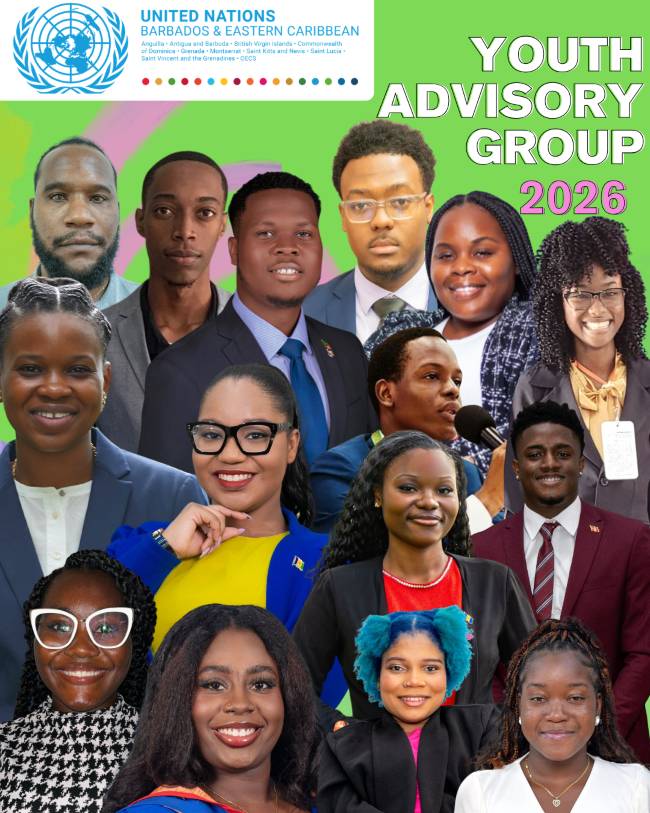
    15 Youth Leaders named to 2026 UN Advisory Group for Barbados and Eastern Caribbean

    In a significant move to amplify youth voices in regional development, fifteen emerging leaders from across the Eastern Caribbean have been selected to join the 2026 United Nations Youth Advisory Group (YAG). This strategic appointment reinforces the UN’s dedication to positioning young visionaries at the core of sustainable development initiatives throughout the sub-region.

    The newly formed cohort, marking the fifth installation of this initiative, represents a diverse cross-section of nations including Anguilla, Antigua and Barbuda, Barbados, the British Virgin Islands, Dominica, Grenada, St Kitts and Nevis, St Lucia, and St Vincent and the Grenadines. These dynamic individuals, aged between 18 and 30, bring substantial expertise across critical development areas including climate action, mental health advocacy, gender equality, disability inclusion, educational reform, food security, crime prevention, and indigenous rights protection.

    UN Resident Coordinator for Barbados and the Eastern Caribbean Simon Springett emphasized the transformative potential of youth engagement, stating: ‘Our youth represent both our present and future. We’ve merely scratched the surface of what young people can contribute to governmental and international institutions. Their increased involvement is crucial for driving meaningful transformation.’

    Rianka Chance of St Vincent and the Grenadines returns for her third term, assuming the role of Chair. She articulated the group’s ambitious vision: ‘I envision the YAG evolving into a unifying force across Barbados and the Eastern Caribbean—propelling collaboration, advancing the Sustainable Development Goals, and ensuring inclusive youth engagement at all decision-making levels. Our objective extends beyond participation to actively shaping policies, influencing systems, and leading sustainable change locally, regionally, and globally.’

    The selection process adhered to the UN’s Leave No One Behind principle, ensuring substantial representation from marginalized and underserved youth communities. This year’s cohort includes advocates working on indigenous identity recognition and social justice, alongside young leaders with notable accomplishments at national and international levels.

    Throughout their one-year mandate, YAG members will serve as UN Youth Advocates, collaborating with other ambassadors to implement critical policy frameworks including the Youth Development Strategy for Barbados and the Eastern Caribbean, the UN Multi-Country Sustainable Development Cooperation Framework, and respective Country Implementation Plans. Their engagement will encompass advocacy campaigns, outreach initiatives, and regional forums aimed at advancing the 2030 Agenda for Sustainable Development.

    The United Nations anticipates productive collaboration with these emerging leaders to drive inclusive, youth-centered development outcomes across the Eastern Caribbean region.

    2026 YAG Country Representatives:
    – St Vincent and the Grenadines: Rianka Chance (Chair)
    – Anguilla: Melissa Edwards
    – Antigua and Barbuda: Amelia Williams and Shaquan O’Neil
    – Barbados: Kalan Alleyne and Jovanaa Ifill
    – British Virgin Islands: Angeleah Cupid
    – Dominica: Loik Charles and Emmana Jeffers
    – Grenada: Kerri-Ann Marrast, Zinzee Noel, and Raheem Smith
    – St Kitts and Nevis: Hasani McDonald
    – St Lucia: Davianne Alexander and Ethan Leandre

  • Ministry of Tourism launches 2026 Immersive Edutainment Tours

    Ministry of Tourism launches 2026 Immersive Edutainment Tours

    The Grenada Ministry of Tourism, Creative Economy and Culture has inaugurated its 2026 Immersive Edutainment Tours initiative, marking a significant expansion of its youth engagement strategy within the tourism sector. This innovative program aims to foster greater industry appreciation and illuminate diverse career pathways among students across primary, secondary, and tertiary educational levels.

    The inaugural tour occurred on Friday, February 20th, featuring participation from twenty Grade Five and Six students accompanied by educators from four distinguished institutions: St George’s Methodist School, St Louis Girls RC School, St George’s Anglican Senior School, and Uganda Martyrs Catholic School.

    Participants embarked on an educational journey through two premier agro-tourism establishments in Beaulieu. The George Brizan House of Nutmeg, operated by the Grenada Cooperative Nutmeg Association (GCNA), provided students with comprehensive insights into nutmeg cultivation techniques, harvesting methods, and production processes. Simultaneously, the Tri-Island Chocolate Factory—recognized as Grenada’s first publicly accessible ‘tree-to-bar’ chocolate facility—offered an immersive understanding of artisanal chocolate production.

    The second scheduled tour, set for Friday, February 27th at Coyaba Beach Resort in Grand Anse, will engage twenty Form Three students and teachers from Wesley College, Anglican High School, JW Fletcher Catholic Secondary School, and Grenada Boys’ Secondary School.

    These experiential learning expeditions form part of a broader strategic initiative launched in March 2023 to build tourism awareness through firsthand industry exposure. The program specifically aims to enhance student comprehension of Grenada’s hotel and cruise sectors while highlighting the developmental significance of agro-tourism and community-based tourism models. By connecting classroom learning with real-world industry applications, the ministry seeks to inspire future professionals and strengthen the long-term sustainability of Grenada’s vital tourism economy.

  • Grenada opens FIFA Series 2026 campaign against host nation Rwanda

    Grenada opens FIFA Series 2026 campaign against host nation Rwanda

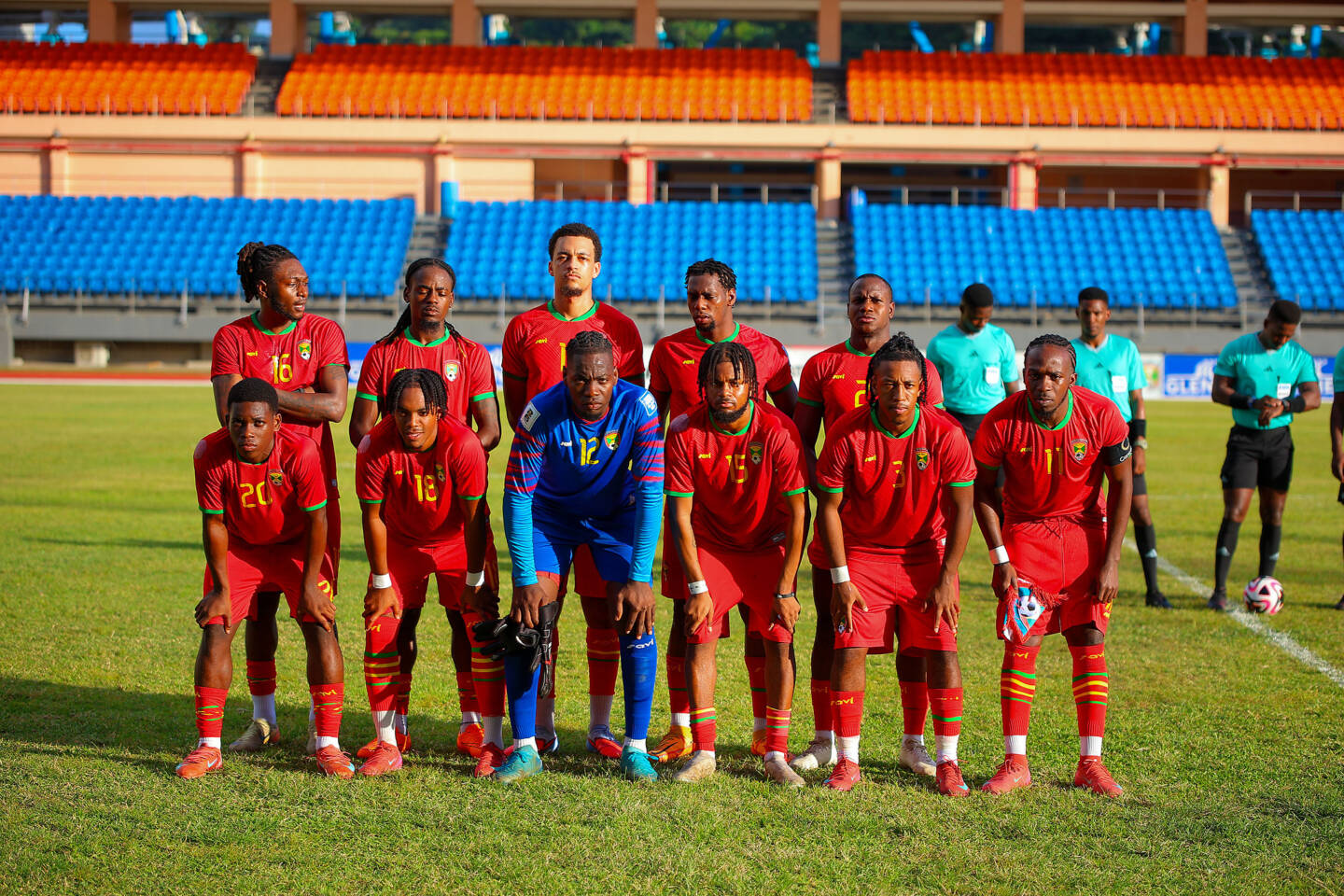
    Grenada’s national football team is poised to make history on March 27, 2026, when they face host nation Rwanda in their inaugural FIFA Series match at the newly inaugurated Amahoro National Stadium in Kigali. This landmark event will feature President Paul Kagame of Rwanda presiding over the stadium’s official opening ceremony, elevating the occasion beyond mere competition to a significant diplomatic and sporting spectacle.

    The Group A tournament structure pairs Grenada with Rwanda, Estonia, and Kenya in a compact schedule that sees winners and losers of the opening matches facing each other on March 30. This FIFA Series initiative brings together 48 national teams across all six FIFA confederations, with Rwanda serving as one of eleven host nations during the March international window.

    Competitive dynamics present both challenge and opportunity for Grenada, currently ranked 164th in FIFA standings compared to Kenya (113th), Estonia (129th), and Rwanda (130th). Despite the ranking gap, Grenada enters the tournament with momentum from an undefeated friendly match record in 2025 that propelled them ten places upward in global rankings.

    The invitation to participate reflects Grenada Football Association’s strategic progress under President Marlon Glean’s leadership, emphasizing improved technical preparation and international engagement. Glean characterized the opportunity as “invaluable for our development” and affirmation that “Grenada is moving in the right direction, strategically, technically, and institutionally.”

    Beyond competitive considerations, the tournament offers unprecedented global broadcast exposure, enhanced player scouting opportunities, and operational experience in tournament settings. Grenada’s selection among limited Caribbean participants underscores the nation’s growing stature within global football circles.

    The GFA has issued a call for national support from Grenadians worldwide as the team prepares to represent Caribbean football on this prestigious international platform. Further match details and broadcast information will be communicated following final confirmation from FIFA and host organizations.

  • Ministry of Youth and Sports resumes operations at Ministerial Complex

    Ministry of Youth and Sports resumes operations at Ministerial Complex

    Grenada’s Ministry of Youth and Sports has completed its operational relocation back to its original headquarters at the Ministerial Complex in Tanteen, St. George. The ministry has officially vacated the Kirani James Athletic Stadium and resumed full operations from its previous offices situated on the third floor of the government complex within the Sir Eric Matthew Gairy Botanical Gardens precinct.

    Effective Monday, February 23, 2026, all public services have been fully restored at the Ministerial Complex location. The transition marks a significant operational shift for the ministry, which had been temporarily based at the athletic stadium named after Grenadian Olympic champion Kirani James.

    The ministry expressed gratitude to citizens for their cooperation and understanding throughout the relocation process. This move represents a strategic return to the ministry’s traditional administrative home while maintaining its commitment to serving Grenada’s youth development and sports advancement initiatives.

    The Ministerial Complex, located within the picturesque botanical gardens named after Grenada’s first prime minister, continues to serve as a central hub for government operations and public services.

  • Grenada Bar Association stands in solidarity with Grenadians

    Grenada Bar Association stands in solidarity with Grenadians

    The Grenada Bar Association (GBA) has issued a powerful statement expressing profound grief and grave concern over escalating violent crimes targeting women across the nation. This declaration follows two particularly brutal murders that have shocked the Caribbean nation: 22-year-old Aleandra Lett-Hypolite, described as a promising student with a vibrant future, and 18-year-old Terrecheal Sebastian from Tivoli, St Andrew.

    The legal body characterized these incidents as indicative of a disturbing societal trend that fundamentally contradicts Grenada’s established principles of human dignity and gender respect. The Association positioned itself in solidarity with victims, their families, and all law-abiding citizens while condemning the prevalence of domestic violence specifically.

    Outlining a comprehensive strategy, the GBA called for multidimensional interventions spanning psychosocial support, criminal justice reform, and victim protection systems. Key recommendations include psychological evaluations for young offenders, establishment of a sex offender registry with GPS monitoring, and significant prison reforms focused on rehabilitation and reintegration programs.

    The proposal emphasizes victim protection measures including confidentiality safeguards against social media exposure, counseling services, and physical relocation when necessary. The Association also stressed the critical need for ongoing public education campaigns addressing safety for women and vulnerable populations.

    Among urgent institutional reforms, the GBA advocated for enhanced post-release monitoring, expedited police apprehension of violent repeat offenders, and specialized GBV courts with trained judicial staff. The legal body specifically highlighted the need to pass the Domestic Violence (Amendment) Bill 2026, which would broaden the definition of abuse to include harassment and property damage while mandating professional counseling for offenders.

    The Association committed to continuing its public legal education initiatives through multimedia programming and pro bono assistance for GBV victims, offering legal expertise to implement mechanisms aimed at substantially reducing gender-based violence in Grenada.

  • Grenada mobilises national taskforce

    Grenada mobilises national taskforce

    Grenada is implementing a multifaceted national strategy to address the mounting challenge of seasonal sargassum seaweed influxes while simultaneously creating economic value from this environmental phenomenon. The initiative represents a paradigm shift from reactive cleanup to proactive valorization of the seaweed biomass.

    The cornerstone of this effort is the Grenada National Sargassum Taskforce (GNST), established in September 2025 alongside a dedicated Sargassum Secretariat. This institutional framework provides a structured approach to stakeholder coordination, public-private partnerships, and comprehensive sargassum management. Recently activated multi-stakeholder working groups have begun addressing critical challenges through targeted workshops and collaborative problem-solving sessions.

    Operational measures are already underway with the Ministry of the Blue Economy and Marine Affairs partnering with the Grenada Solid Waste Management Authority to deploy contractors in vulnerable coastal communities. These teams conduct daily shoreline clean-up operations while implementing innovative offshore interception techniques. Specialized vessels equipped with pelagic trawl nets and oil containment booms are being utilized to capture sargassum masses before they reach Grenada’s shores.

    Concurrently, the EU Global Gateway Sargassum Valorisation Initiative is facilitating the development of a complete sargassum value chain. This ambitious program aims to transform environmental challenges into tangible economic and ecological opportunities. On February 5, 2026, government representatives, international partners, and private sector stakeholders engaged directly with coastal communities through site visits to Soubise and Grenville Fish Market, grounding discussions in local realities and practical value-creation potential.

    A subsequent thematic roundtable and strategic networking session brought together diverse partners to review progress and align policy, investment, and value-chain development pathways. Participants examined the entire process from collection and management to valorization and market development, prioritizing actionable measures to advance sargassum utilization.

    Multiple government ministries have reaffirmed their shared commitment to three core objectives: transitioning from response to valorization, attracting investment and innovation, and building sustainable, inclusive value chains that enhance economic resilience. These efforts are expected to contribute to improved food and energy security while supporting coastal livelihoods and tourism.

    Sargassum inundations have affected the Eastern Caribbean since 2011, presenting complex challenges that require coordinated responses at national, regional, and international levels. Grenada’s vision encompasses a resilient, climate-informed sargassum management system that protects public health and coastal ecosystems while transforming the seaweed into a strategic bioresource within a diversified blue economy.

  • DPM backs sex offender registry

    DPM backs sex offender registry

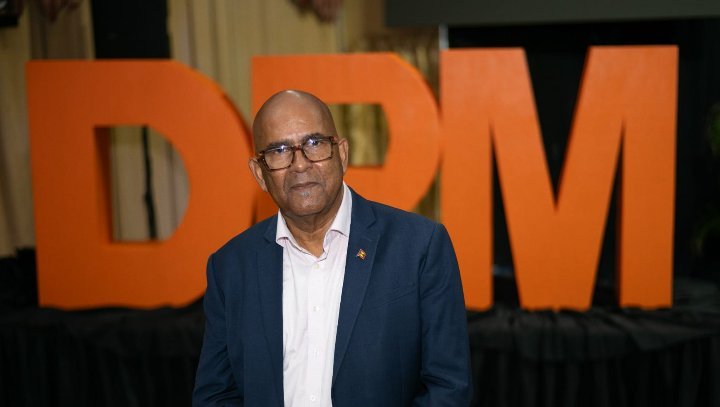
    In response to two recent killings and escalating concerns over domestic and sexual violence, the Democratic People’s Movement (DPM) under Peter David’s leadership is urgently advocating for the creation of a National Sex Offenders’ Registry in Grenada. David, a seasoned parliamentarian and father of three daughters, characterized the situation as a “national emergency” that demands immediate concrete action rather than continued outrage.

    David emphasized that safeguarding women, girls, and vulnerable populations requires a comprehensive national strategy rather than fragmented responses. During an appearance on GBN’s ‘To The Point’ program, he articulated that convicted offenders meeting legal thresholds should be required to register, enabling communities to be aware when known predators reside among them.

    As a legal professional, David argued that the registry must form part of an integrated legal and social framework. His recommendations include establishing specialized courts or court sessions dedicated to sexual offenses, implementing psychological assessment and treatment programs for incarcerated offenders, and maintaining post-release monitoring of high-risk individuals through electronic surveillance when necessary.

    The DPM leader further stressed the importance of developing community-based mechanisms in coordination with law enforcement to track and supervise offenders, ensuring neighborhoods remain informed rather than left in darkness when known predators return.

    Central to any reform, David insisted, must be the needs of victims. He called for substantial resource allocation toward counseling services, safe housing, shelters, and practical support systems for those attempting to escape abusive situations, noting the frequent pleas he receives from young women trapped without alternatives.

    David also highlighted the preventive role of families and communities, advocating for grassroots investment through regular community sessions that address youth needs and violence prevention. The DPM fully endorses the longstanding public demand for a Sex Offenders’ Registry, maintaining that Grenada must construct a protective system across legal, judicial, and community domains before tragedies occur rather than afterward.

  • ECCB to introduce banknotes honouring Caribbean Heroes by 2027

    ECCB to introduce banknotes honouring Caribbean Heroes by 2027

    The Eastern Caribbean Central Bank (ECCB) has embarked on a transformative journey to redefine regional identity and financial modernization through two significant initiatives: a historic currency redesign and strategic financial policy adjustments.

    In a landmark decision following its 112th Monetary Council meeting, the ECCB announced the gradual replacement of Queen Elizabeth II’s portrait on EC dollar banknotes with images of Caribbean national heroes. Governor Timothy Antoine characterized this move as “a historic step toward strengthening regional identity” that will commence circulation in 2027. The phased approach ensures economic prudence by allowing newer banknotes to remain in circulation until natural wear necessitates replacement.

    Concurrently, the ECCB addressed monetary policy concerns regarding the region’s savings landscape. With excess liquidity reaching unprecedented levels—deposits across the Eastern Caribbean Currency Union (ECCU) have surpassed EC$28 billion and are growing faster than loans—the minimum savings rate remains anchored at 2%. Governor Antoine clarified that market liberalization would likely drive rates below 1%, stating definitively: “There should be no expectation that the minimum savings rate will go up.”

    Rather than promoting traditional savings, the ECCB is championing investment diversification through newly introduced financial products. Recent innovations include mutual funds and retail bond programs that have already attracted nearly 350 new investors across the currency union. The bank’s ambitious goal aims to increase regional investment participation from the current 4% to 20% within the next decade.

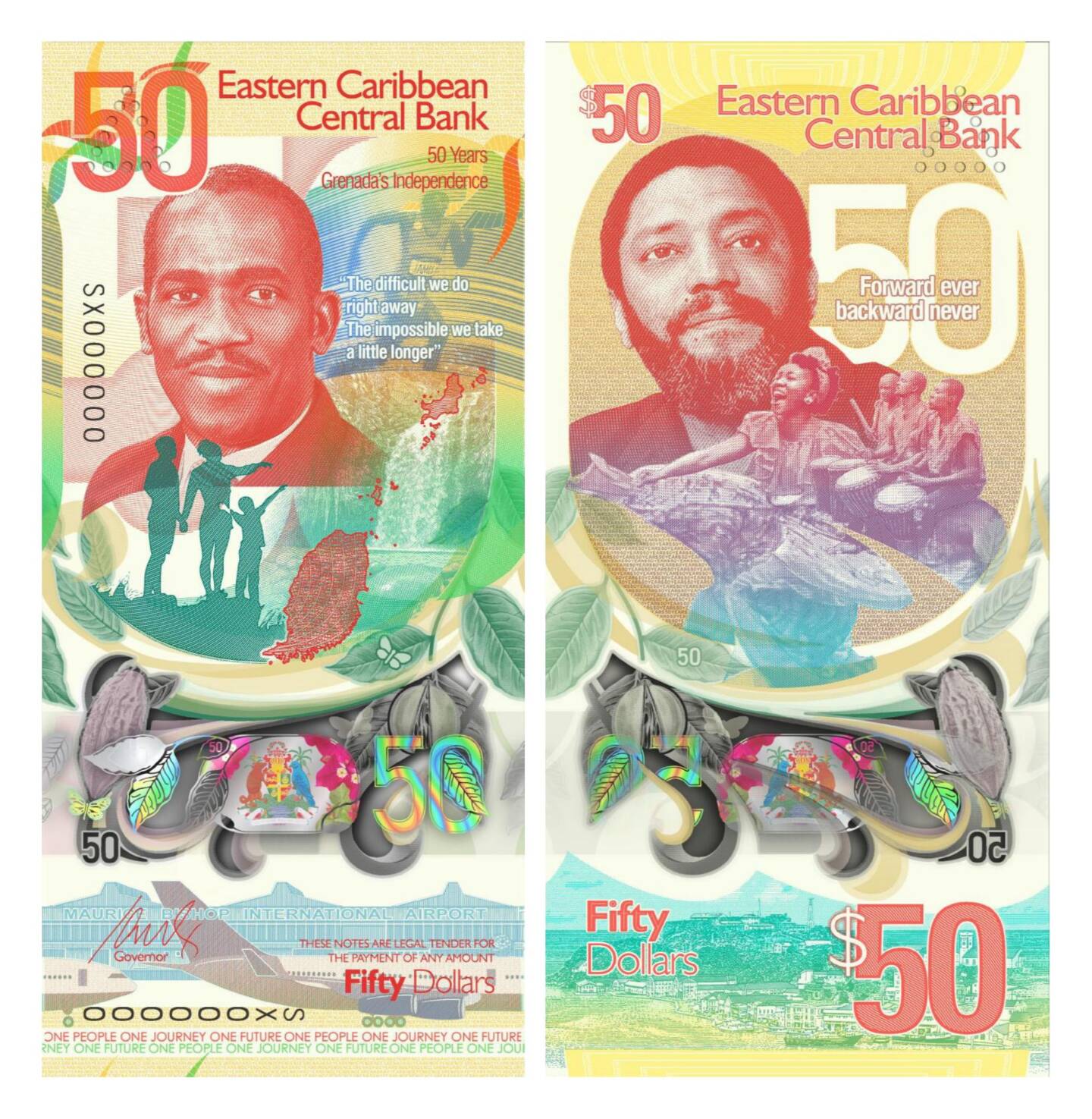
    These developments build upon the ECCB’s ongoing modernization efforts, including the 2024 commemorative EC$50 note celebrating Grenada’s independence anniversary and the recent EC$2 polymer banknote honoring cricket legend Sir Vivian Richards. The integration of cultural heritage with financial innovation represents a comprehensive strategy to strengthen both economic resilience and regional identity across the Eastern Caribbean.