标签: Grenada

格林纳达

  • EC$1 million earmarked for Agricultural Development Assistance Programme

    EC$1 million earmarked for Agricultural Development Assistance Programme

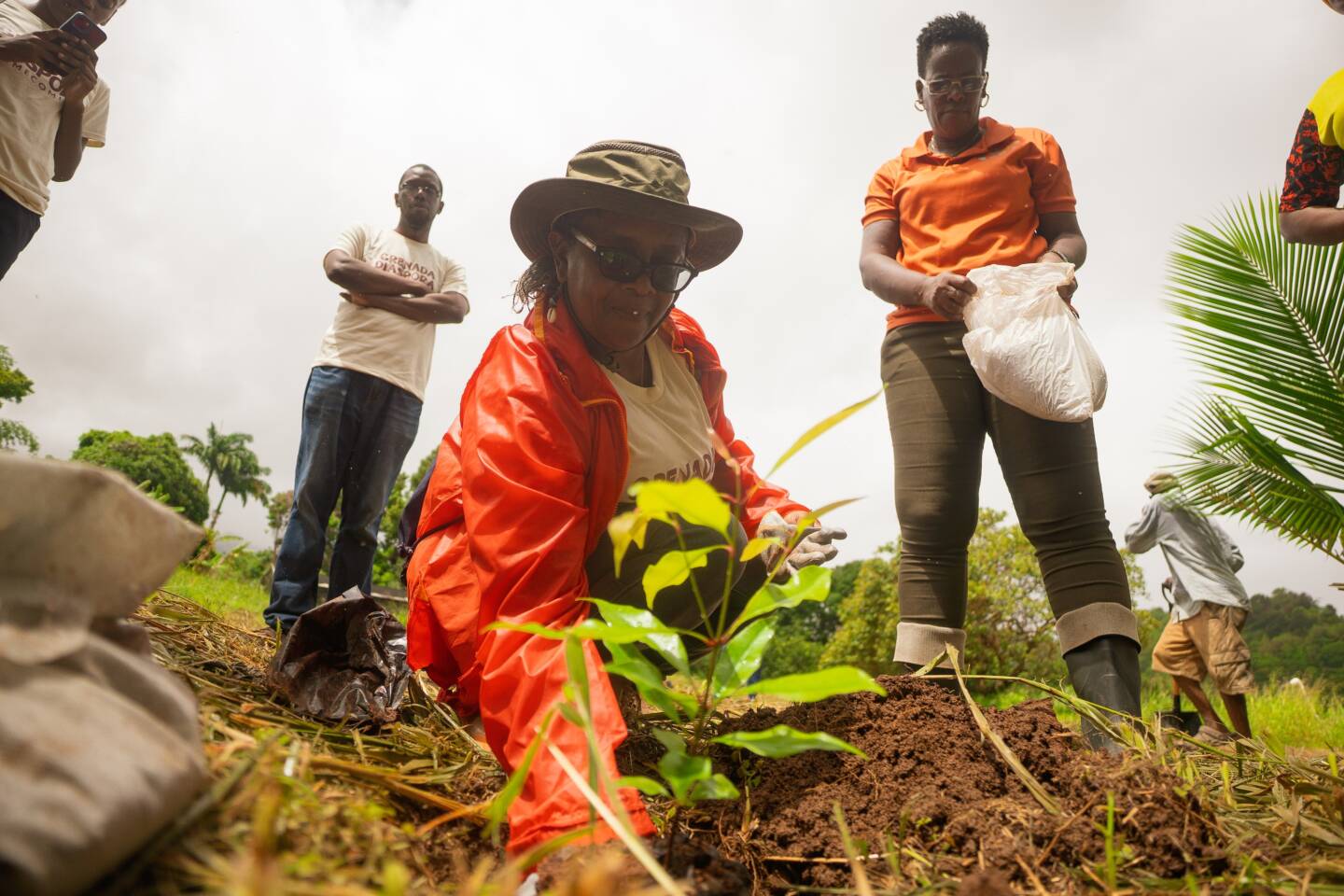
    Grenada’s Ministry of Agriculture, Lands and Forestry has officially unveiled the 2026 iteration of the Agricultural Development Assistance Programme (ADAP), an updated iteration of the country’s core farm labor and production support initiative. The new phase of the program comes with a boost in funding, adding approximately EC$1 million to the existing budget to expand assistance to local producers.

    Designed to shore up domestic agricultural output and set farmers up for long-term success, ADAP 2026 delivers targeted support for both labor and critical production inputs to small and medium-sized producers across the island. Lauren St Louis, Chief Extension Officer at the ministry, confirmed that the program will be led by the department’s Extension Division — the government body tasked with bridging policy development and on-the-ground farmer needs. “The Extension Division is responsible for rolling out all of the ministry’s policies and programs, so it will spearhead ADAP 2026 with coordination and support from program coordinator John Andrew and his team,” St Louis explained.

    Per St Louis, Extension Officers will take charge of two core ongoing responsibilities for the initiative: conducting on-site farm assessments for all applicants, and carrying out continuous monitoring to guarantee public funds deliver maximum value and that all program targets are met.

    A key priority of the 2026 ADAP rollout is alignment with regional food security goals, St Louis emphasized. The initiative matches the objectives of two major regional frameworks: the Caricom 25 by 25 + 5 Initiative and the Organization of Eastern Caribbean States (OECS) Food and Agricultural Systems Transformation Strategy (FAST), both of which set clear targets to expand regional food production. “This program puts the systems in place to boost regional trade and advance the entire Caribbean’s collective push for food security,” St Louis noted.

    ADAP was first launched in 2023, with a total combined allocation of EC$1.8 million for its 2023 and 2024 phases. An additional EC$800,000 was allocated to the program in 2025, marking consistent year-over-year growth in government investment in local agriculture.

    Outlining eligibility requirements for the 2026 cycle, ADAP Supervisor John Andrew explained that the program is tailored to meet the needs of active, registered producers. To qualify, farmers must hold legal access to farm plots of at least a quarter acre, and commit to participating in the Ministry of Agriculture’s broader programs and outreach activities. The core overarching goal of ADAP 2026 is to increase total domestic agricultural output through three key avenues: supporting the development of new farm plots, funding the rehabilitation of underperforming existing fields, and expanding production of priority staple and commercial crops.

    The 2026 program prioritizes support for nine key crops: bananas, plantains, sweet potatoes, yams, dasheen, corn, peas, carrots, sweet peppers, and hot peppers. To encourage scalable commercial production, ADAP 2026 sets targeted size caps for supported plots based on crop type: up to one acre for banana cultivation, half an acre for plantains, corn, peas, sweet potatoes, carrots and hot peppers, and a quarter acre for tomatoes, sweet peppers, yams, and dasheen.

    Approved farmer participants can access support across four critical production areas: fully or partially subsidized labor for land clearing, planting, crop maintenance, and harvesting; certified seeds and seedlings for priority crops; discounted tractor services for land preparation; and subsidized material inputs including insecticides, weedicides, and crop growth boosters.

    Interested eligible farmers can submit applications through two accessible channels: online via the Ministry of Agriculture, Lands and Forestry’s official Facebook page, or in person at any district extension office across Grenada. The ministry framed the launch of ADAP 2026 as a core step toward its foundational mission: ensuring food and nutrition security for all residents of Grenada.

  • Sleep: The root of Grenada’s chronic disease crisis

    Sleep: The root of Grenada’s chronic disease crisis

    The Caribbean island nation of Grenada is facing a growing public health emergency of non-communicable diseases (NCDs), and a critical contributing factor has long flown under the radar of clinical care and public health planning: undiagnosed obstructive sleep apnea (OSA).

    For anyone walking through a local health center in Grenada, the prevalence of two of the most common NCDs — hypertension and type 2 diabetes — is immediately apparent. At Grenada General Hospital, the devastating long-term outcomes of uncontrolled conditions are on full display: patients recovering from strokes, living with heart disease, or undergoing dialysis to treat kidney failure. What makes these outcomes particularly frustrating for clinicians is that many patients have already taken the recommended steps: they follow medication regimens, adjust their diets, and modify other daily habits, yet their blood pressure continues to rise, and their blood sugar levels remain unregulated.

    The national statistics paint an alarming picture of the NCD crisis for the 120,000 residents of the so-called Spice Isle. Data from the 2012 Grenada Heart Project shows that 57.7% of the population is overweight or obese, 29.7% live with hypertension, and 13.3% have been diagnosed with diabetes. A 2022 progress monitoring report from the World Health Organization (WHO) adds more context: 83% of all deaths in Grenada are caused by NCDs, and 23% of people will die prematurely from one of these chronic conditions. The human and economic toll is devastating, with families reeling from the financial and emotional stress of caring for a loved one after a stroke, and many patients facing amputation due to complications from unmanaged diabetes.

    A recent joint review conducted by the World Bank and Grenada’s Ministry of Health, Wellness and Religious Affairs analyzed patient medical records across the country and confirmed what local clinicians have observed: at least 40% of patients undergoing treatment for hypertension or diabetes still do not have their conditions under control. The review identified several common barriers to effective management: gaps in patient health education, inconsistent clinical care standards, frequent medication shortages, and widespread preference for traditional herbal remedies over conventional medical treatment. However, the review failed to address one critical, understudied factor that may be driving poor outcomes: sleep health.

    No analysis was done of patients’ sleep quality, the prevalence of OSA, or the possibility that nocturnal sleep disturbances are quietly undermining all the clinical work done to manage chronic conditions during the day. OSA is a chronic physiological condition in which the upper airway partially or fully collapses repeatedly during sleep, setting off a chain of harmful biological responses. People living with untreated OSA experience persistent overnight elevated blood pressure, chronic systemic inflammation, and disruption of critical hormonal balances. Beyond these internal effects, OSA leaves patients waking up exhausted and unrefreshed, cutting into daily productivity and increasing the risk of car accidents due to drowsy driving. The single largest modifiable risk factor for OSA is obesity, meaning Grenada’s already widespread obesity epidemic is almost certainly driving a parallel, unrecognized growth in OSA rates across the country.

    Rigorous clinical research already supports the link between OSA and uncontrolled chronic disease. The Jackson Heart Sleep Study, a landmark investigation focused exclusively on African American participants, found that people with moderate to severe OSA were twice as likely to develop resistant hypertension — defined as blood pressure that remains above 130/80 mmHg even when a patient takes three or more different hypertension medications. This finding is particularly relevant to Grenada’s public health context, where 40% of treated hypertension patients still fail to hit their blood pressure targets. The study’s results raise a pressing clinical question: how many patients are being prescribed additional, unnecessary blood pressure medication when the root cause of their uncontrolled condition is actually undiagnosed OSA that requires sleep testing and targeted treatment?

    The racial and ancestral context of this crisis also cannot be ignored. The vast majority of Grenada’s population traces their ancestry to West Africa, and existing research confirms that people of African descent face a disproportionately high burden of OSA and its related cardiovascular complications. While most of this research has been conducted in the United States, the biological links hold across geographic boundaries. Early regional research in the Caribbean already supports this conclusion: a groundbreaking study conducted in Haiti found that nearly three-quarters of participants reported excessive daytime sleepiness, the most common hallmark symptom of OSA. These preliminary results make clear that more regional research is urgently needed to map the true prevalence of sleep disorders across Caribbean nations.

    OSA is a treatable condition, but it has been overlooked for decades, even as it contributes to the chronic disease burden that is overwhelming Grenada’s health system. Broadly speaking, healthy sleep is not an optional luxury — it is a foundational requirement for the body’s daily repair and restoration processes. A growing body of global research has confirmed the direct links between untreated OSA and hypertension, type 2 diabetes, and heart disease, making increased awareness among both clinicians and patients an urgent public health priority. For Grenada, as it works to turn the tide on its growing NCD crisis, one of the most impactful first steps toward better population health may turn out to be as simple, and as transformative, as helping more patients get a healthy night of sleep.

    This commentary was written by Dr. Kamilah Spencer, a board-certified Sleep Medicine and Internal Medicine physician who is developing a virtual medical practice to serve patients across the Caribbean.

  • Weather Advisory: Tuesday, 26 May (7:30 am)

    Weather Advisory: Tuesday, 26 May (7:30 am)

    The Grenada Meteorological Service has issued an official public advisory confirming it is actively tracking a large plume of Saharan dust that has traveled thousands of miles across the Atlantic Ocean to reach the Eastern Caribbean. This moderate-to-dense cloud of dust originates from the Sahara Desert in North Africa, carried westward by persistent trade winds across the Atlantic basin. According to official forecasts, the dust plume will continue to impact air quality and atmospheric conditions across Grenada and neighboring Eastern Caribbean islands from the current date through Thursday, May 28, 2026. Based on continuous readings from satellite imagery and cutting-edge atmospheric modeling data, the national meteorological agency confirms the dust layer will remain in place for the duration of the advisory period. Air quality across the island is projected to stay at moderate levels throughout this timeframe. Officials have outlined the two most significant expected impacts from the dust event. First, the suspended particulate matter will lead to reduced horizontal visibility across the island, which may pose risks for ground transportation and air travel operations. Second, public health officials are urging extra precaution for vulnerable populations, specifically individuals living with chronic respiratory conditions, who may experience worsened symptoms when exposed to the dust. The Grenada Meteorological Service has committed to maintaining constant surveillance of the dust plume’s movement and intensity. Updates will only be issued if atmospheric conditions deteriorate beyond current projections, or if new information requires adjustments to the existing advisory. This official notice will remain in effect through the end of the advisory period on May 28. A disclaimer from local outlet NOW Grenada notes that the outlet is not liable for opinions or content shared by contributing agencies, and invites residents to report any content that violates community guidelines through official reporting channels.

  • US$8 million in new support for Caribbean forensic capabilities

    US$8 million in new support for Caribbean forensic capabilities

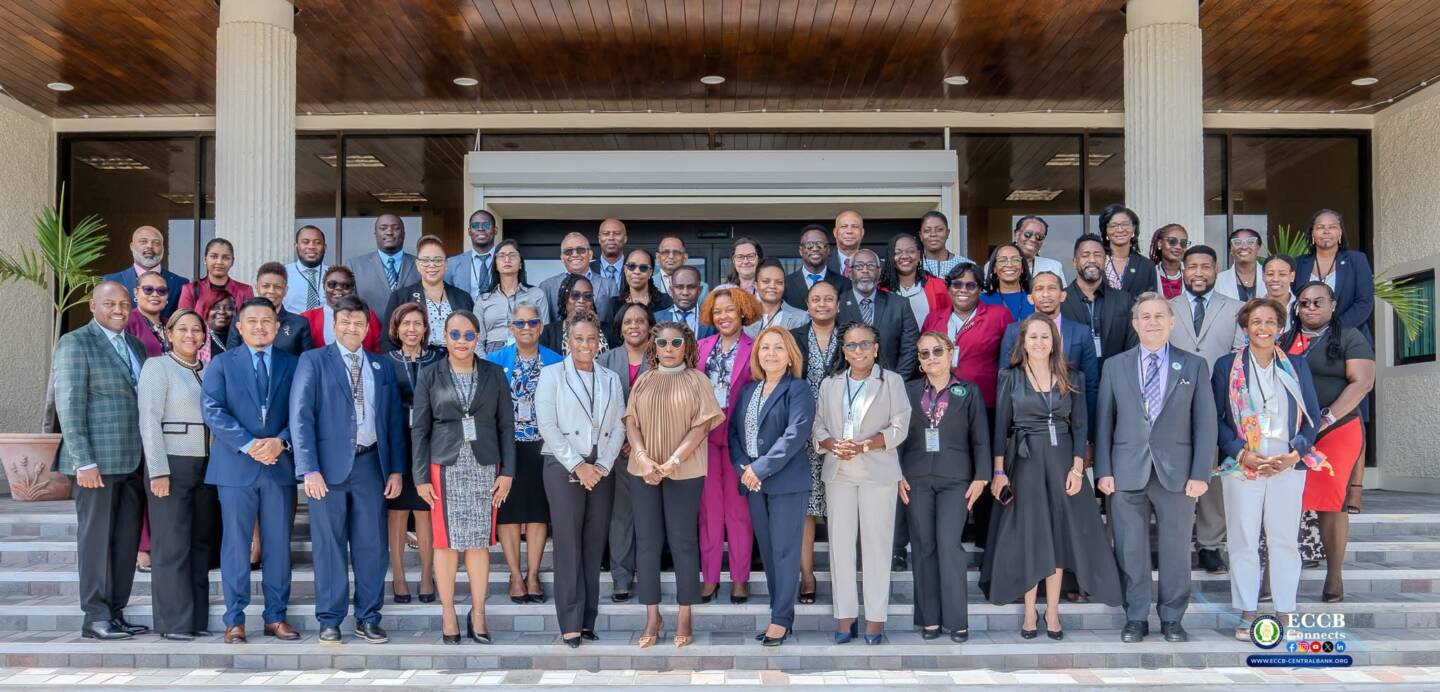
    Against a growing backdrop of transnational synthetic drug trafficking plaguing the Caribbean region, the United States has unveiled over $8 million in fresh assistance to strengthen the area’s forensic science infrastructure, announced during the second Caribbean Regional Forensic Leadership Summit held in St. Lucia from May 20 to 22.

    Hosted jointly by the St. Lucia Forensic Science Laboratory and the U.S. Department of State under the long-running Caribbean Basin Security Initiative (CBSI), the summit brought together forensic, prosecutorial and national security leaders from 14 Caribbean nations—including a delegation from the Royal Grenada Police Force—alongside representatives from the Regional Security System and Caricom’s Implementation Agency for Crime and Security (IMPACS). The three-day gathering centered on aligning regional strategies to counter the expanding spread of transnational organized crime and illicit synthetic drug networks.

    The new U.S. funding will be allocated to three core priorities: delivering cutting-edge synthetic drug detection equipment to regional forensic laboratories, rolling out specialized technical training for local forensic staff, and deepening coordinated operational ties between Caribbean agencies and the U.S. Drug Enforcement Administration (DEA). The ultimate goals of the investment are to boost regional capacity to detect fentanyl and other dangerous synthetic opioids, clear crippling backlogs of forensic testing that have delayed criminal prosecutions, and ensure that forensic evidence collected meets strict admissibility standards in regional court proceedings.

    In remarks at the summit, U.S. Chargé d’Affaires Sarah Nelson emphasized that this expanded security partnership reflects a mutual dedication to dismantling transnational criminal networks and countering the rapidly evolving threats posed by synthetic drug trafficking across the Caribbean.

    The summit also delivered two landmark institutional milestones for regional security cooperation. Attendees formally launched the Caribbean Forensic Scientific Working Group, the first region-wide coordinated platform that connects forensic practitioners across the Caribbean with leading U.S. forensic experts. The new working group will focus on raising professional standards, standardizing forensic reporting practices, and streamlining cross-border information sharing to speed up criminal investigations. Separately, St. Lucia and Guyana made history as the first Caribbean nations to roll out the DEA’s Global Uniform Alcohol and Drug Reporting System (GUARDS), a standardized program for the analysis and documentation of seized drug-related substances.

    This latest round of support builds on more than a decade of security collaboration between the U.S. and Caribbean nations. Since the launch of CBSI in 2010, partner countries including Grenada have worked alongside the U.S. to shore up regional security frameworks, disrupt drug trafficking routes, and dismantle transnational criminal organizations operating in the region.

  • Temporary parking restrictions at the General Hospital

    Temporary parking restrictions at the General Hospital

    The Ministry of Health has issued an immediate public announcement outlining sweeping temporary parking restrictions at the General Hospital campus, which will remain in place for an estimated six months while critical infrastructure improvement projects move forward. The restrictions are tied to two major developments that form the second phase of the hospital’s multi-year expansion and modernization initiative: a full retrofit and upgrade of the facility’s Intensive Care Unit (ICU), and the construction of a dedicated, new Ophthalmic Outpatient Clinic. Both projects are designed to raise the overall standard of clinical care delivered at the hospital, while also improving outcomes, comfort, and safety for patients accessing services.

    Under the new parking rules, most public vehicle access to on-campus parking spots will be suspended for the duration of construction. Only two specific exceptions to the restriction will be permitted. The first allows for brief stop-and-go access to drop off or collect patients and accompanying visitors. The second permits only emergency short-term parking in a designated zone opposite the Accident & Emergency (Casualty) entrance, and even this allocation will be extremely limited, with only a small number of spots available for urgent use.

    Hospital leadership is urging all patients and visitors to plan ahead for their trips to the facility by making alternative transportation arrangements whenever possible. For those who must bring a private vehicle, management advises utilizing public parking lots situated in close proximity to the hospital campus, outside of the restricted construction zone.

    Hospital administration recognizes that these temporary changes to access will create some degree of inconvenience for community members relying on the facility’s services, and has expressed sincere gratitude in advance for the public’s patience, understanding, and cooperation throughout the upgrade process. Construction teams have committed to making every possible effort to minimize disruption to daily hospital operations, and guarantee that full access to all essential clinical services will be maintained for the entire duration of the six-month work period. The hospital’s management closed its statement by thanking the public for their ongoing support as these critical improvements to local healthcare are completed.

    This announcement was published via NOW Grenada, which notes that it does not take responsibility for opinions or content shared by third-party contributors, and provides a reporting channel for any content that violates platform guidelines.

  • University Chancellor tells students leverage their education

    University Chancellor tells students leverage their education

    A Grenada-born entrepreneur and philanthropist has formally taken up his post as Chancellor of Canada’s McMaster University, capping a week of celebratory events that saw him deliver a rousing call to action for new graduates to harness the power of their education to drive meaningful change.

    Dr. Nicholas Earle Brathwaite, who was first appointed to the honorary leadership role last October, was officially installed at a convocation ceremony held on the university’s Hamilton campus on Wednesday. The milestone followed his keynote address a day earlier at the 5th Annual Black Excellence Graduation Celebration, an event organized by McMaster’s Black Student Success Centre — a campus body focused on advancing the academic, personal, and professional growth of Black and African descent students at the institution.

    During his keynote, Brathwaite emphasized to graduating students that education is far more than a short-term credential. “Education is not a one-time payoff. It’s an asset. Invest it wisely,” he told the crowd, urging young alumni to “leverage” their degrees and “deploy” that knowledge to make a tangible difference for their families, communities, and future generations. Brathwaite noted that new graduates are the product of extraordinary collective investment in their growth, and carry a responsibility to pay that investment forward.

    A wide range of distinguished guests from across North America, the Caribbean, and Africa traveled to McMaster to attend the two days of celebrations, invited by Brathwaite and his family. Attendees included Olympic champion Grenadian sprinter Dr. Kirani James and award-winning Grenadian-Canadian musician Eddie Bullen. During a Tuesday reception, pre-recorded video tributes were shared by two regional heads of government: Grenada Prime Minister Dickon Mitchell and Mia Mottley, Prime Minister of Barbados.

    Brathwaite, who traced his roots to working-class beginnings with family connections to both Barbados and Grenada, called his appointment as chancellor the “greatest gift” he has ever received. The new chancellor has deep existing ties to McMaster: he earned his undergraduate degree in Applied Chemistry and Polymer Engineering from the institution, and was awarded an honorary doctorate in 2018. “It is with profound gratitude and a deep sense of humility that I accept this great honour of serving as chancellor of McMaster University,” he said. “I am a dreamer by nature; yet, not in my wildest dreams did I imagine that one day I would stand here as chancellor of one of the most prestigious universities in Canada and, indeed, the world.”

    His path to the chancellorship is rooted in both business success and a lifelong commitment to public good. Alongside his wife Janice, Brathwaite co-founded the PETNA Foundation in 2007, a nonprofit that provides funding for education, youth empowerment, and community development projects across the Caribbean, Africa, and North America. His business career includes founding early-stage tech firm nCHIP, which pioneered a leading multi-chip module assembly process before its acquisition by Silicon Valley’s Flextronics in 1995, when he was named the company’s chief technology officer. Today, he serves as a founding managing partner of Celesta Capital, a global venture capital firm focused on deep tech innovation.

    Speaking at Wednesday’s installation ceremony, Donette Chin-Loy Chang — Chancellor of Toronto Metropolitan University and a Jamaican-Canadian community leader — praised Brathwaite as a model for purpose-driven leadership. She noted that Brathwaite is one of only five Caribbean-born people to ever hold a chancellorship at any Ontario university. “If you want a roadmap for what a life well-lived looks like, you don’t have to look much further than Nicholas Brathwaite,” Chin-Loy Chang said. “His career, his philanthropy, his relentless focus on our young people, that’s not just a success story; that is an instruction manual for what it means to be a citizen and a friend.” She urged graduating students to follow Brathwaite’s example and work to leave the world better than they found it.

    For Brathwaite, the role also carries deep personal meaning, rooted in his family’s legacy. Both his parents were educators, and his late father, Sir Nicholas Brathwaite, previously served as Prime Minister of Grenada. Brathwaite said that given his parents’ lifelong belief in the transformative power of education, the title of chancellor would be their favorite of all the professional accomplishments he has earned across his tech and business career. “They started their careers as educators, which is a profession I think is the most noble of all,” he said. “Throughout my career I have been blessed to earn various titles across tech and business worlds. But knowing how deeply they believed in the power of education, and their reverence for the role of academic institutions, I know for a fact that of all my titles, chancellor would have been their absolute favourite.” He added that McMaster itself stands as a “national treasure” and a global asset that acts as an engine for positive global impact.

  • Government signs Administration and Investment Management Agreements

    Government signs Administration and Investment Management Agreements

    On May 20, 2026, the Government of Grenada celebrated a transformative milestone in its public sector pension overhaul, hosting an official signing ceremony for the Administration and Investment Management Agreements at the Trade Centre Annex. Held under the banner “Securing Tomorrow, Today”, the event marked the transition of the Public Sector Employees Defined Contribution Pension Plan from its formal legislative establishment to an advanced phase of active operational rollout and structured institutional governance.

    This pension reform initiative lies at the core of the administration’s broader public sector modernization strategy, which prioritizes strengthened governance frameworks, long-term national fiscal stability, and guaranteed retirement security for all current and future public sector workers. First launched into operation on January 1, 2025, implementation of the plan has progressed steadily since its launch, following years of evidence-based policy development that included rigorous independent research, actuarial impact assessments, cross-sector technical consultations, and inclusive engagement with diverse stakeholders to design a framework that balances worker protections with long-term national fiscal sustainability.

    During the ceremony, government officials reaffirmed the state’s unwavering commitment to honoring all existing obligations to eligible workers covered by the legacy defined benefit pension system, while moving forward responsibly to build a durable pension model for generations of public employees yet to join the workforce.

    Acting Prime Minister Hon. Andy Williams, delivering the event’s keynote address, framed the reform as a defining turning point in Grenada’s ongoing work to build a stronger, more modern, and fiscally sustainable public service. He emphasized that the overhaul reflects the government’s intentional, balanced approach to upholding both long-term fiscal sustainability and worker retirement security, ensuring that public employees can retire with dignity under a modern, responsibly managed pension system.

    Williams further noted that the government could not responsibly ignore mounting unsustainable obligations, shifting workforce demographics, evolving labor market dynamics, and growing long-term fiscal pressures created by the outdated legacy pension structure. He stressed that embedding long-term sustainability into the pension system is not merely a fiscal priority, but a core social responsibility that protects the interests of both current and future generations of public servants.

    The ceremony also marked the official launch of the fully constituted Board of Trustees, the independent fiduciary body tasked with overseeing the pension fund. The board will serve as guardian of the fund, with a mandate to ensure that contributors’ assets are managed prudently, transparently, and exclusively in the best interests of plan members. Comprising leading experts across finance, actuarial science, governance, law, investment management, public administration, human resources, and including formal trade union representation, the board is structured as an independent, nonpartisan body. The government emphasized that its autonomy is designed to protect contributors’ interests through robust fiduciary oversight, clear accountability mechanisms, and full operational transparency.

    Attendees also paid formal recognition to the cross-functional team that brought the reform to fruition, including the Pension Reform Committee, lead technical consultant Derick Osborne, institutional partners, and key government ministries that shaped and implemented the initiative. Special recognition was extended to Prime Minister and the Cabinet of Grenada for their leadership in approving 100% recognition of past service credits, despite expert recommendations to adopt a reduced allocation. This policy decision was widely highlighted as a clear demonstration of the government’s commitment to upholding the retirement security and dignity of current public servants.

    Lyndonna Hillaire Marshall, Permanent Secretary for Public Administration, noted that the reform was intentionally designed as a scalable national framework, strengthening retirement outcomes through broader participation, shared administrative efficiencies, and embedded long-term sustainability. This forward-looking design aligns with the government’s vision to build a modern, adaptable pension system that can first expand security across the entire public sector, and eventually extend coverage to the broader national workforce through increased participation and shared operational efficiencies.

    The newly signed agreements name Bacon Woodrow & De Souza Ltd. as the official Pension Fund Administrator and Sheppard Securities Limited as the exclusive Investment Manager for the fund. The partnerships mark a critical step forward in strengthening core administrative operations, professional investment governance, member support services, regulatory compliance systems, and the fund’s overall long-term operational readiness.

    Government officials reaffirmed that ongoing implementation work, including contributor onboarding, public education campaigns, and continued stakeholder engagement, will continue as the plan moves toward full operational maturity. Reflecting on the milestone, officials noted: “Today, Grenada demonstrates that responsible fiscal reform and robust worker protection can coexist. We are securing tomorrow, responsibly, transparently, and together.”

    This report was issued by the Office of the Prime Minister of Grenada.

  • Grenada launches Flower and Garden Festival

    Grenada launches Flower and Garden Festival

    Against the backdrop of international horticultural acclaim at the 2026 RHS Chelsea Flower Show, Grenada has officially launched its much-anticipated inaugural Grenada Flower and Garden Festival, branded ‘Grenada in Bloom’, during a formal reception in London hosted by Grenada’s Governor-General, Her Excellency Dame Cécile La Grenade.

    The launch event aligned perfectly with Grenada’s latest award-winning floral exhibit at Chelsea, a milestone that once again put the Caribbean nation’s horticultural mastery in the global spotlight. Beyond celebrating the country’s longstanding skill in flower cultivation, the gathering also served to unveil a new national initiative that ties together floriculture, environmental sustainability, tourism, cultural preservation, and cross-border investment. Key stakeholders from multiple sectors gathered for the occasion, including Randall Dolland, Chairman of the Grenada Tourism Authority, UK-based media representatives and tour operators, leading business figures, members of the Grenadian diaspora based in Europe, and senior staff from the Grenada High Commission.

    In her keynote address to attendees, Dame Cécile framed the upcoming November festival as far more than a simple display of plants and flowers. She described ‘Grenada in Bloom’ as a dynamic ‘ecosystem of ideas’—a unique crossroads where cultural heritage intersects with commercial opportunity, where sustainable practices drive innovative growth, and where the nation’s centuries-old botanical legacy opens doors to deeper global engagement.

    Reflecting on Grenada’s consistent record of excellence at the Chelsea Flower Show, the Governor-General noted that the country’s repeated awards are no accident. They reflect, she explained, ‘patience, precision, creativity, and pride’—core values that position Grenada to turn its international recognition into tangible, long-term economic gains for local communities.

    Dame Cécile went on to highlight the unique advantages that underpin Grenada’s growing floriculture and botanical sector. The country’s extraordinary biodiversity, year-round favorable climate, and increasing commitment to sustainable agricultural practices create ideal conditions for expanded investment across a range of high-value segments, including cut flower production, essential oils, natural botanical products, specialty exotic foods, and health and wellness goods. ‘Grenada is not merely cultivating crops, we are cultivating a future,’ she emphasized.

    Following the keynote address, GTA Chairman Randall Dolland officially opened the festival launch with the premiere of a commemorative promotional video. Rachér Croney, Grenada’s High Commissioner to the UK, also offered remarks, praising the nation’s ongoing success at Chelsea and noting that the island’s distinctive native flora is ‘a living expression of the island’s identity.’

    The launch event also doubled as an opportunity to promote a second major 2026 initiative for the nation: the Grenada Diaspora Homecoming 2026, scheduled to run from June 21 to July 5. Dame Cécile issued a call to Grenadians living abroad to return to their home country next year, framing the homecoming not just as a personal visit, but as a chance for the diaspora to become ‘architects of what comes next’ for the nation. She encouraged diaspora community members to engage with the country through investment, knowledge sharing, innovative partnerships, and collaborative projects.

    In closing, the Governor-General extended a formal invitation to the entire international community to visit Grenada this coming November for the first-ever Grenada Flower and Garden Festival. The eight-day event will celebrate the nation’s extraordinary botanical richness, vibrant living culture, and entrepreneurial creative spirit. Ending with a toast to the Grenadian team that earned acclaim at the 2026 RHS Chelsea Flower Show and to mark the official launch of ‘Grenada in Bloom’, Dame Cécile shared a powerful vision for the event and the nation’s future: ‘From small islands can emerge great ideas; from humble seeds can grow extraordinary achievements; and from shared vision can arise a future of boundless promise.’

    The Grenada Flower and Garden Festival, set to run November 8 to 15 2026, was developed to highlight the country’s globally recognized flora, horticultural expertise, sustainable agricultural practices, and cultural heritage, while opening new pathways for tourism growth, inbound investment, and international collaborative projects. More information about the festival, including ticketing and scheduling, is available on the event’s official website.

  • Ariza Credit Union promotes staff wellness

    Ariza Credit Union promotes staff wellness

    As part of global observances for Hypertension Awareness Month, Grenada-based Ariza Credit Union has partnered with the country’s Ministry of Health to roll out community-focused health clinics across all its branch locations, marking the centerpiece of the organization’s annual Know Your Numbers Week held from May 11 to 15, 2026. The flagship screening event was held on Friday, May 15, bringing free preventive health services directly to credit union staff and member-owners. Dedicated nursing stations were set up at three of the union’s highest-traffic locations: the Grand Anse, Bruce Street, and Carriacou branches, where attendees could access three core preventive tests at no cost: blood pressure monitoring for hypertension, body mass index (BMI) assessments to flag weight-related health risks, and diabetes screenings.

    Organized through Ariza Credit Union’s Human Resources Unit, the large-scale screening initiative forms a core part of the financial institution’s ongoing, holistic workplace health and wellness strategy, which has been expanded in recent years to address both physical and mental wellbeing for all team members. Keriann St Louis-Telesford, Executive of Human Resources at Ariza, emphasized that the organization’s commitment to worker health extends far beyond basic employment benefits. “We care about our staff in a holistic way. Their well-being is our priority, which is why we made the testing available to them,” she explained.

    Beyond the one-week screening event, Ariza Credit Union maintains a year-round roster of wellness programming designed to support long-term healthy habits for its workforce. Three times weekly, the organization hosts guided after-work dancercise and general exercise sessions on its premises, led by certified, well-regarded local fitness professionals. To address growing awareness of workplace mental health needs, the institution also runs a unique monthly Mental Health Day initiative, which requires all staff to step away from their daily tasks for 30 minutes to participate in guided relaxation and restorative activities.

    Leadership at Ariza Credit Union holds that investing in a comprehensive workplace wellness culture delivers dual benefits: it supports longer, healthier lives for employees, while also cultivating a more productive, collaborative and supportive work environment for the entire organization. To wrap up Know Your Numbers Week, the institution issued a public call to action, encouraging all its staff, members, and members of the wider Grenadian community to take proactive control of their cardiovascular and overall health. The guidance urged consistent adoption of healthy lifestyle habits, regular at-home and clinical blood pressure monitoring, and ongoing participation in free and low-cost preventive health checks to catch chronic conditions early when they are most treatable.

    This report was featured in NOW Grenada, which notes it holds no responsibility for opinions, statements, or media content shared by contributing organizations, and provides a channel for the public to report any abusive content hosted on its platform.

  • Why is political outrage moving faster than progress?

    Why is political outrage moving faster than progress?

    Across Grenada, contemporary political dialogue has coalesced around two pressing, growing challenges: rising hopelessness among young people and the ongoing fight for survival of the nation’s core productive sectors. In recent public remarks, opposition leaders – including St. David’s candidate Noleen Thompson and Opposition Leader Hon. Emmalin Pierre – have highlighted the deepening emotional and social unraveling impacting the country’s youth, as well as the grueling day-to-day survival struggle facing local farmers and working families.

    Their concerns are not rooted in baseless criticism. From one end of the Caribbean to the other, households and producers are grappling with sustained economic pressure and pervasive feelings of long-term instability. But if this crisis is as severe as political rhetoric frames it, an uncomfortable but critical question demands asking: What responsibility do established political organizations and influential national leaders hold for actively connecting ordinary citizens to the existing opportunities that can improve their circumstances?

    As a researcher who regularly tracks national legislative updates and administrative public notices, one consistent observation is impossible to ignore: the opportunities political discourse claims are out of reach are not imaginary. While political messaging centers heavily on accusations of disconnected policy planning and a collapsing economy, a recent review of national and regional agency programs reveals a consistent pipeline of legitimate, accessible pathways for skills training, higher education, and economic advancement already available in 2026.

    A number of active, public resources posted to official government and regional agency boards rarely find their way into mainstream political discourse or public newsfeeds, for both youth and established producers:

    For unemployed and underemployed young people, the Grenada National Training Agency (GNTA) is currently delivering vocational training placements to more than 160 youth out of work, while the Ministry of Education maintains open applications for fully funded international scholarships in China and other countries across the globe.

    For local farmers, just this week the Ministry of Agriculture opened candidate applications for Agriculture and Fisheries extension assistant roles – positions created explicitly to bring on-the-ground technical guidance and climate resilience support directly to rural farming communities. The ministry has also allocated $500,000 for the second phase of the National Spice Replanting Programme, providing financial grants and tailored technical support to farmers operating holdings between 10 and 20 acres.

    For small and micro business owners, the OECS Commission is preparing to launch the next round of its Regional MSME Matching Grants Programme, offering collaborative grants ranging from $100,000 to $150,000 USD for local fisheries operators and marine tourism small businesses. In tandem, the Grenada Development Bank’s Small Business Development Fund offers microloans up to EC$40,000 to help young entrepreneurs cover the cost of new equipment and inventory.

    For producers focused on climate adaptation, the G-CREWS project and SAEP continue to offer specialized skills training and targeted grants for climate-smart agricultural practices and community rainwater harvesting infrastructure.

    These opportunities do, in fact, exist. Yet far too many struggling young people and farmers never receive notification of these programs, or learn of application deadlines long after they have closed. This gap is not an accident – it is a product of how modern political communication operates in Grenada.

    In recent years, national political discourse has become overwhelmingly centered on outrage. Political channels flood social media and news cycles with rapid-fire criticisms of government budgets and viral coverage of farmers facing financial ruin. While these stories highlight very real, serious challenges facing the country, practical information sharing about existing support programs has increasingly been pushed to the margins of political content.

    Today’s political parties are far more than election campaign organizations – they function as the largest, most widely followed information hubs in the country, with tens of thousands of engaged followers across social and community networks. If political leaders truly believe that farmers are on the brink of collapse and that youth have lost all hope for the future, then systematic opportunity sharing should be a core part of political culture, not an afterthought added after a critical speech.

    Widespread hopelessness is not only an emotional crisis. Often, it is an information crisis. A farmer who only hears political speeches about how unbearable the cost of living has become, but never receives a link or announcement for available agricultural grants or technical support programs, will inevitably begin to believe there is no path forward. When leaders frame public despair as a political talking point without sharing information about existing resources that can ease that hardship, we have to ask: Are we documenting the struggle to solve it, or are we just amplifying despair for political gain?

    This critique does not target any single political party. Across the entire political spectrum, far more effort is invested in amplifying public despair than in systematically connecting citizens to existing pathways for advancement. While sharing a single link to a training workshop will not solve Grenada’s unemployment crisis overnight, it is a practical, immediate action that political leaders can take right now to advance national development. True leadership is not only about identifying critical problems – it is about helping ordinary people navigate the existing pathways to improve their own lives.

    In a nation where so many young people feel uncertain about their futures, the information that leaders choose to amplify carries profound consequences. If political networks can mobilize public dissatisfaction with the current state of affairs, they certainly have the capacity to mobilize greater access to existing opportunity. Because a sharp political critique may win one news cycle, but sharing a life-changing opportunity can help build a stronger future for the entire country.