标签: Dominican Republic

多米尼加共和国

  • Council of Captains calls for NTSB to lead La Romana plane crash investigation

    Council of Captains calls for NTSB to lead La Romana plane crash investigation

    In the wake of a deadly private plane crash near the Dominican Republic’s La Romana International Airport, the country’s Council of Captains is pushing for a radical shift in how the incident is investigated: the union is formally requesting that the U.S. National Transportation Safety Board (NTSB) take the lead on the probe, arguing that only an independent international process can deliver transparent, trusted results for victims’ families and the aviation community at large.

    The Sunday crash claimed the lives of two pilots flying a Gulfstream G200 business jet registered as N318JF. In an official statement released this week, the Council of Captains first extended its deepest condolences to the families and loved ones of the deceased pilots, before laying out its formal request for international oversight of the investigation.
    Union leaders say their demand is grounded in existing international aviation regulations: recent updates to Annex 13 of the International Civil Aviation Organization (ICAO) framework explicitly permit the transfer of accident investigation authority to another nation or independent body when specific conditions are met. Those conditions are satisfied in this case, the union argues, not only because of longstanding local credibility issues but also because the crashed jet carries United States registration.

    The core of the union’s concern stems from a years-long unresolved aviation disaster in the Dominican Republic. In December 2021, a fatal crash involving a Helidosa aircraft claimed lives, and more than four years later, no final public investigative report has been released. That lack of closure, the Council of Captains says, has sown widespread doubt across the country’s aviation sector and left victims’ relatives without answers, eroding trust in local investigative capacity.
    This case is not an isolated exception either, the union notes. It would mark the second fatal aviation accident involving U.S. citizens in the Dominican Republic that remains under active investigation, making independent oversight even more critical to upholding global standards.

    The Council of Captains has made clear that it will maintain close, ongoing monitoring of the crash investigation process, and will continue pressing for a probe that adheres to the core principles of full transparency, complete independence, and public accountability. The union’s call has put a spotlight on longstanding concerns over investigative accountability in Dominican aviation, and sets up a potential decision for Dominican authorities on whether to cede lead investigation authority to the U.S. NTSB.

  • DNCD seizes over 3,000 suspected Marijuana plants in Ocoa operation

    DNCD seizes over 3,000 suspected Marijuana plants in Ocoa operation

    In a coordinated multi-agency anti-narcotics raid, law enforcement officials have taken down a massive illegal marijuana growing operation tucked away in the rugged remote highlands of the Dominican Republic’s San José de Ocoa province, arresting three people connected to the drug ring, the country’s National Drug Control Directorate (DNCD) announced this week.

    The operation, which brought together DNCD enforcement agents, public prosecutors, air support from the Dominican Air Force, and tactical intelligence from national intelligence agencies, targeted an active agricultural plot located in El Pinar, a semi-rural municipal district in the province. When agents moved in on the target property, they uncovered more than 3,000 mature cannabis plants already in cultivation, alongside five pre-packaged containers of processed marijuana, batches of young germinating seedlings, and a full suite of gear purpose-built for every stage of the drug’s production chain.

    Investigators detailed that the remote property included a permanent residential structure that the operation’s leaders had repurposed into a dedicated storage and processing hub. Confiscated assets found on site range from off-grid power infrastructure (solar panels to support the operation in its isolated location) to specialized cultivation and processing equipment: fans for ventilation, a functional water pump for crop irrigation, commercial drying racks and tools, vacuum-seal packaging supplies for distribution, encrypted communication devices, a personal cellphone, and a motorcycle used for navigating the area’s rough terrain.

    Three individuals suspected of involvement in the ring were taken into custody at the scene, with two of the detainees confirmed to be Haitian nationals. All three suspects have already been transferred to the Dominican Public Ministry to face formal criminal prosecution. DNCD officials confirmed that the investigation is far from over, with active work ongoing to track down and apprehend additional co-conspirators who may be tied to the large-scale growing operation.

    Due to the extremely challenging, mountainous terrain where the plantation was hidden, DNCD teams reported that removing the thousands of seized plants and transporting all evidence back for processing took more than 12 full hours of work. Mules and horses had to be used to move the large volume of contraband out of the remote site, as standard motorized vehicles could not access the location. All seized cannabis plants have been shipped to the National Institute of Forensic Sciences (INACIF), where forensic analysts will conduct official testing to confirm the exact total weight and count of the contraband.

  • Dominican Republic strengthens climate leadership by assuming presidency of SBSTA 64

    Dominican Republic strengthens climate leadership by assuming presidency of SBSTA 64

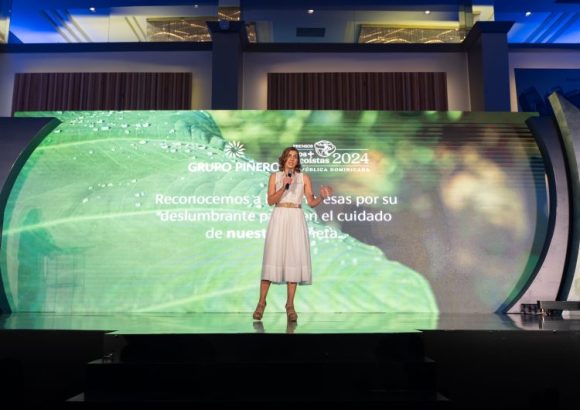
    In a landmark moment for Caribbean and small island state engagement in global climate governance, the Dominican Republic has secured the chairmanship of the 64th session of the Subsidiary Body for Scientific and Technological Advice (SBSTA 64), a core subsidiary body of the United Nations Framework Convention on Climate Change (UNFCCC). This appointment marks an unprecedented milestone in the country’s decades-long participation in international climate diplomacy.

    The critical leadership role will be filled by Dr. Carol Franco, a seasoned technical advisor to the Dominican Republic’s Ministry of Environment and Natural Resources. A leading specialist in ecosystem services, climate adaptation and nature-based solutions, Dr. Franco will steer all technical discussions and multilateral negotiations for the UNFCCC body during the upcoming session to be held in Bonn, Germany.

    International climate policy observers and Dominican officials alike frame the appointment as a formal international recognition of the Dominican Republic’s expanding leadership and growing technical proficiency in global climate negotiations. As one of the UNFCCC’s two primary permanent subsidiary bodies, SBSTA carries a foundational responsibility: it provides evidence-based scientific, technical and methodological guidance on a full spectrum of core climate issues, ranging from adaptation and greenhouse gas mitigation to technology development, climate action transparency, and global climate research collaboration.

    Dominican Environment Minister Paíno Henríquez emphasized that the designation underscores the country’s long-standing commitment to centering science-driven solutions in climate action, while also amplifying the nation’s voice in shaping the future of international climate governance. Henríquez added that the appointment also serves as a global acknowledgment of the Dominican Republic’s skilled technical workforce and the meaningful contributions national experts have already made to global efforts to counter the accelerating climate crisis.

    As the official national focal point for UNFCCC engagement, the Dominican Ministry of Environment will lead the country’s delegation to not just SBSTA 64, but also the 31st Conference of the Parties (COP31), scheduled to take place this November in Antalya, Türkiye. Throughout both events, the Dominican delegation will prioritize advancing action on a set of core priorities aligned with the needs of climate-vulnerable small island developing states: scaled-up climate adaptation, sufficient and accessible climate finance, robust action transparency frameworks, equitable technology transfer to developing nations, targeted capacity building support, and full implementation of national Nationally Determined Contributions (NDCs) under the Paris Agreement.

    Senior Dominican officials note that holding the SBSTA 64 presidency further solidifies the country’s active presence in global climate governance forums and reinforces its ongoing commitment to advancing collaborative, inclusive international solutions to the shared challenge of climate change.

  • Yadier Molina reveals crashed jet in La Romana was en route to pick him up in Texas

    Yadier Molina reveals crashed jet in La Romana was en route to pick him up in Texas

    A deadly plane crash at the Dominican Republic’s La Romana International Airport has sent ripples of grief through the global baseball community, after former St. Louis Cardinals All-Star catcher Yadier Molina revealed the aircraft was traveling to Texas to collect him, his family, and friends before the group’s return flight to Puerto Rico.

    The crash unfolded on Sunday afternoon at the La Romana airport, when the Gulfstream G200 private jet, registered as N318JF, went down during operations at the facility, killing both pilots on board. Molina, who also served as manager of the Dominican Winter League’s Águilas Cibaeñas for the 2024-2025 season, broke his silence on the tragedy via an Instagram post shared with his hundreds of thousands of followers, confirming the jet’s intended mission and expressing profound sorrow over the loss of life.

    “My condolences to the pilots and their families. This plane was on its way to pick me, my family, and friends up in Texas to bring us back to Puerto Rico. Very sad about everything,” Molina wrote in the post. He added an expression of solidarity with the grieving families and loved ones left behind by the two crew members.

    Official investigations into the crash are still ongoing, and local authorities have not yet formally verified the jet’s planned route or released any detailed findings on what caused the accident. The incident has sparked widespread shock across international aviation circles, with tributes and condolences flooding social media platforms from members of both the aviation and baseball communities in the days since the crash.

    As the probe continues, unanswered questions remain about the technical or environmental factors that contributed to the fatal incident, which has struck a heavy chord among baseball fans across the Caribbean and the United States. The tragedy has underscored the sudden, unforeseen nature of aviation accidents, even as the baseball community rallies around the families affected by the loss.

  • Canadian tourism to the Dominican Republic is strengthening

    Canadian tourism to the Dominican Republic is strengthening

    Global travel patterns are undergoing quiet but noticeable shifts across the Caribbean and North America, and one island nation is emerging as a clear winner amid these changes. The Dominican Republic has rapidly strengthened its hold on the Canadian travel market, cementing its reputation as one of the most sought-after Caribbean getaways for North American vacationers — a shift that aligns with two parallel industry developments: a steady drop in Canadian travel to the United States and ongoing operational turmoil that has hit Cuba’s tourism sector hard.

    This growing momentum comes as Dominican Republic Tourism Minister David Collado led a national promotional roadshow through Montreal, Canada this week, where he shared key milestone data about the country’s performance in the Canadian market. Official figures released by the Ministry of Tourism (Mitur) and published by local outlet Diario Libre show that the Dominican Republic is on track to welcome more than 1.1 million Canadian visitors by the end of 2025. Breaking down the regional demand, Canada’s two most populous provinces — Ontario and Quebec — alone generated nearly 1 million of these arrivals, with 544,833 visitors coming from Ontario and a further 446,731 hailing from Quebec.

    During the Montreal promotional event, Collado emphasized that Quebec alone contributes 39% of all Canadian tourist arrivals to the Dominican Republic, marking the province as one of the most critical source markets for the country’s $10 billion-plus tourism industry. This growth is not an isolated trend, according to Mitur’s latest regional performance report published this past March. The report outlines that North America as a whole accounts for 63% of all international tourist arrivals in the Dominican Republic. When compared to February 2025, visitor numbers from Canada jumped 14% year-over-year, outpacing the 6% growth recorded in the neighboring U.S. market, though Mexico posted even stronger growth of 47% over the same period.

    Industry analysts note that this sustained growth positions the Dominican Republic to capture an even larger share of North American Caribbean travel in the coming years, as changing travel preferences and regional disruptions continue to reshape vacationer choices across the continent.

  • Gender-based violence: Here are the emergency and support hotlines available nationwide

    Gender-based violence: Here are the emergency and support hotlines available nationwide

    Gender-based violence remains a devastating public safety and human rights crisis in the Dominican Republic, where dozens of women lose their lives to femicide every year. Each killing is the tragic endpoint of a pattern of abuse: many victims endure repeated threats, physical assaults, and crippling fear, often trapped in silence by systemic or social barriers that prevent them from seeking help early.

    To address this ongoing emergency, multiple national institutions have built out a coordinated network of support mechanisms designed to guide, protect, and empower survivors of gender-based and domestic violence. These resources range from immediate emergency response to long-term guidance, creating multiple entry points for women in danger regardless of their circumstances.

    At the core of the national response is the 212 confidential emergency hotline run by the country’s Ministry of Women, a service that operates around the clock to connect victims with urgent support. Callers gain immediate access to free psychological counseling, personalized legal guidance, and assistance activating formal protection protocols when their lives are under immediate threat. A senior staff member from the Ministry explained that any woman calling to report an active attack or ongoing dangerous situation triggers an immediate dispatch of a specialized police unit to intervene.

    “If she is a victim of violence, we send a police unit so they can come to her rescue,” the staff member shared in an interview.
    Beyond emergency response, the Ministry also manages a system of referral and ongoing support, including access to dedicated shelter homes for survivors who have nowhere else safe to go. “We provide shelter; the prosecutor’s office determines whether the woman qualifies for shelter, and we, as the Ministry of Women, provide it. The shelters are for women who are victims of violence and do not have a safe haven. So, the woman stays there temporarily until the danger has passed,” she added.
    To support the large community of Dominican women residing overseas, the Ministry has also launched a dedicated remote support line at 829-421-3242, which connects callers to confidential virtual telepsychology counseling and therapy services regardless of their location.
    Complementing the Ministry’s work is a second reporting and support channel called Línea Vida, operated by the Office of the Attorney General of the Dominican Republic and reachable at 809-200-1202. While the hotline prioritizes reports of gender-based violence and domestic abuse, it also accepts reports of a wide range of other harms, including child abuse, minors in conflict with the law, inappropriate interpersonal behavior, and suspected sexual abuse, according to Génesis Hackers, a long-time telephone operator for the service.
    When a call comes in, trained staff first collect comprehensive details about the incident: the specific nature of the abuse, the location of the survivor, and other key context needed to formally document the case. This documented report is then immediately forwarded to the relevant regional prosecutor’s office, the government entity tasked with investigating the claims, contacting all involved parties, and determining the next legal and protective steps. Once the report is formally registered, the complainant receives a unique case number and direct contact information for the assigned prosecutor’s office, making it easy for them to follow up on their case as it moves through the system.

  • Experts warn of a lack of awareness about lightning safety

    Experts warn of a lack of awareness about lightning safety

    Each year across the globe, thunderstorms claim human lives, destroy residential properties, disrupt critical public services and trigger billions in cumulative economic losses. Yet according to regional lightning protection specialists, the vast majority of these tragedies and damages are entirely preventable – if communities prioritize public education, enforce internationally recognized safety standards and close gaps in systemic preparedness. At a recent international seminar focused on lightning protection best practices, three electrical engineers affiliated with the US-based Latin American Association for Lightning Protection Education sounded the alarm on systemic underpreparation, particularly in the Dominican Republic, where the threat of lightning remains widely underestimated by the public and regulatory bodies alike.

    Speaking to attendees at the “Theoretical and practical foundations of lightning protection” event, José González, Lizardo López and Jorge Noé outlined the key gaps that put Dominican residents at unnecessary risk. First, they noted, a large share of public and private buildings across the country lack properly engineered lightning protection systems that meet global safety benchmarks. Even when protection systems are installed, many fail to meet standards because they are designed and fitted by workers without sufficient technical training, who often use unregulated commercial devices with no proven effectiveness. The experts explicitly debunked widespread marketing claims for products advertised as being able to “dissipate” or “cancel” lightning strikes, emphasizing no existing technology can eliminate the natural risk, only mitigate its impact.

    International standards such as the U.S. NFPA 780, IEC 62305, and LPI 175 already outline clear, tested criteria for the design, placement and specifications of effective protection systems, the specialists noted, but these rules are rarely enforced consistently across the Dominican Republic. López, one of the association’s members, explained that being outdoors during an active thunderstorm is the deadliest behavior, as risk does not only come from a direct strike. The phenomenon of step voltage, he noted, can create lethal high voltage waves in the ground even from a lightning strike that lands a full kilometer away. Contrary to another common misconception, Jorge Noé added, damage and risk extend far beyond the direct point of impact, with dangerous surges capable of affecting any location within a five-kilometer radius of a strike – a fact that most of the public and many regional authorities do not understand.

    When thunderstorms do form, the core protective action is simple: seek shelter in a solid enclosed building immediately, and avoid the dangerous habit of lingering outdoors to watch or photograph lightning storms. Even a building without a dedicated protection system dramatically reduces risk of lethal injury, the experts confirmed – while infrastructure may suffer damage, people inside are far more likely to survive without severe harm. For those trapped outdoors with no access to a safe building, specialists advise closing legs tightly together, minimizing contact with the ground, and avoiding elevated open areas to reduce the risk of fatal voltage differences.

    Beyond public behavior gaps, the Dominican Republic also lacks a nationally implemented early warning system for thunderstorms, a tool that González calls essential to reducing population risk. While large-scale mining operations in the country currently use either satellite or local detection systems, and existing regional infrastructure can monitor atmospheric electrical activity, no widespread public alert framework is in place. Early warning systems, already successfully deployed in Colombia and Germany, give communities critical time to activate safety protocols and move to shelter before a storm hits. Past fatalities recorded at tourist beaches and outdoor recreation areas in Brazil and Peru could have been avoided, Noé noted, if adequate warnings had been issued and heeded.

    The rapid growth of solar energy installations across Latin America has also created new, underaddressed risks, the specialists warned. Solar panels, mounted as elevated metal structures on rooftops, act as natural lightning rods, and unprotected installations face a far higher risk of strikes. In addition to damaging the panels themselves, lightning strikes generate destructive power surges that can destroy expensive inverters and other electronic components tied to photovoltaic systems. All new and existing solar installations, the experts recommend, should be assessed by qualified specialists and fitted with code-compliant surge protection devices.

    Moving forward, the group called on Dominican authorities to prioritize lightning protection for high-occupancy sensitive infrastructure, including hospitals, schools, and churches, particularly in regions with frequent thunderstorm activity. Any protection project should begin with a evidence-based scientific risk assessment aligned with international standards, they emphasized, rather than installing one-size-fits-all systems without prior analysis. Beyond infrastructure upgrades, the specialists called for expanded technical training for professionals working on protection systems, and widespread public education campaigns to correct common misconceptions and teach life-saving safety protocols.

    Contrary to popular belief, the experts emphasized, the leading cause of lightning-related deaths and accidents is not a lack of available technology, but unnecessary human exposure during storms. “Everyone is responsible for their own safety,” Noé reminded, stressing that the ultimate goal of all prevention infrastructure and policy is to protect the most valuable asset: human life.

  • Citizen security Homicide rate falls to 7.16, marking one of its lowest levels in decades

    Citizen security Homicide rate falls to 7.16, marking one of its lowest levels in decades

    A multi-agency national citizen security initiative has delivered landmark progress in curbing violent crime across the country, with official data confirming the lowest cumulative homicide rate in decades by the end of May 2026. The National Police has confirmed that coordinated prevention, prosecution, and intelligence-driven strategies rolled out by the national Joint Task Force continue to drive consistent improvements in nationwide citizen security metrics.

    As of May 29, 2026, the country’s accumulated homicide rate stands at 7.16 per 100,000 inhabitants, extending a years-long sustained downward trend for lethal violent crime. The latest 150th edition of the institution’s weekly crime statistics report notes that the homicide rate for the month of May alone hit 6.43 per 100,000, bringing the year-to-date cumulative figure to 7.16 — one of the lowest recorded national homicide rates in more than 30 years.

    A breakdown of regional data underscores the broad-based nature of this progress. Out of the 34 national territories included in the analysis, 27 now maintain single-digit homicide rates, with one jurisdiction recording zero homicides so far this year. Only seven regions across the country still report double-digit homicide rates, meaning nearly 80% (79.4%, to be precise) of all national territories now hold a rate of 9.99 homicides per 100,000 inhabitants or lower.

    Historical comparative data confirms that this decline is neither accidental nor temporary: it reflects a consistent, progressive reduction in homicidal violence stretching back several years. Three years ago, in May 2023, the year-to-date cumulative homicide rate was 12.77 per 100,000. That figure fell to 10.05 in 2024, dropped further to 8.40 in 2025, and has now fallen again to 7.16 in 2026. Compared to the same period in 2025, this represents a 14.76% year-over-year reduction. Over the full three-year period from 2023 to 2026, the cumulative homicide rate has plummeted by 43.93% overall.

    National security officials attribute this sweeping reduction in violent crime to the integrated, coordinated comprehensive actions of the Joint Task Force, which operates under the joint direction of all state security institutions. The results stem from a layered strategy that combines expanded preventive patrol operations, strengthened intelligence gathering and analysis, targeted prosecution of high-priority criminal groups, and close inter-institutional coordination. Partners in the strategy include the National Police, the national Armed Forces, the Public Prosecutor’s Office, and multiple additional state and local agencies, all aligned to advance the national citizen security agenda.

  • Six price hikes bring gasoline prices to almost RD$400.00 per gallon

    Six price hikes bring gasoline prices to almost RD$400.00 per gallon

    After a streak of six consecutive price hikes over three months that pushed the country’s most consumed fuels near the RD$400 per gallon threshold, the Dominican Republic has put a temporary stop to rising gasoline costs as of the first week of June.

    To start 2026, Premium gasoline was priced at RD$290.10 per gallon, while Regular gasoline retailed for RD$272.50. Prices held steady through January and February, supported by a RD$71.9 million government subsidy that carried over 2025’s closing rates into the new year. That stability ended in March, when shifting global crude oil market conditions forced regulators to pass international cost increases onto domestic consumers.

    The first wave of increases hit in the second week of March, when the Ministry of Industry, Commerce, and MSMEs (MICM) implemented a RD$5 per gallon rise for both fuel grades. A second RD$10 per gallon hike followed just one week later, bringing total March increases to RD$15 for both Premium and Regular gasoline.

    In April, regulators approved one additional adjustment: a RD$9 per gallon rise for Premium and a RD$7 per gallon rise for Regular. After this increase, Premium climbed to RD$314.10 per gallon, while Regular reached RD$294.50.

    May brought the steepest monthly gains, even as public outcry grew over the spillover effects of rising fuel costs on transportation, food prices, and other core consumer sectors. Over the course of the month, MICM ordered three separate hikes, adding a cumulative RD$21 per gallon to Premium and RD$13 per gallon to Regular. The step-by-step increases broke down to RD$9, RD$8, and RD$4 for Premium, and RD$7, RD$4, and RD$2 for Regular. By the end of May, cumulative increases from March had reached RD$45 per gallon for Premium and RD$35 per gallon for Regular, putting both grades on a clear trajectory toward the RD$400 per gallon mark.

    When the new pricing round took effect this week, the government announced an unexpected pause: Premium and Regular gasoline will remain frozen at RD$335.10 and RD$307.50 per gallon, respectively. The price freeze also extends to other common fuels, including premium and regular diesel, liquefied petroleum gas (LPG), and natural gas, all of which will hold at their late May rates. LPG will continue to retail for RD$137.20 per gallon.

    Alongside the gasoline price freeze, MICM ordered targeted price cuts for four lesser-used fuel products: aviation fuel (Aatur), kerosene, fuel oil, and 1% sulfur fuel oil. Starting June 2, aviation fuel will drop by RD$5.90 to a new price of RD$271.12 per gallon, while kerosene will decrease by RD$6.40 to RD$308.30 per gallon.

  • Take precautions: Here are some ailments Saharan dust can cause.

    Take precautions: Here are some ailments Saharan dust can cause.

    As the annual wave of Saharan dust descends on the Caribbean nation alongside early hurricane season heatwaves, the country’s Ministry of Health has rolled out a series of urgent public health guidelines to protect vulnerable populations from avoidable respiratory and heat-related complications.

    This recurring atmospheric event, which originates from wind-eroded particles in the Sahara Desert, follows consistent seasonal patterns, arriving in the Caribbean between May and August each year and overlapping with the start of Atlantic hurricane season. While intensity fluctuates annually, the current surge in dust concentrations paired with unseasonably high temperatures has prompted health officials to step up public outreach.

    Saharan dust particles suspended in the air pose the greatest risk to people with preexisting respiratory conditions, including asthma, allergies, chronic obstructive pulmonary disease (COPD), pulmonary fibrosis, and pneumonia. The tiny irritants can easily aggravate underlying symptoms, trigger sudden flare-ups, and even lead to severe complications that require medical intervention for at-risk groups. In addition to respiratory impacts, the dust also frequently causes temporary eye irritation, and can amplify regional temperatures by trapping heat in the lower atmosphere, worsening heat-related health risks.

    Addressing the public this week, Health Minister Victor Atallah emphasized the importance of proactive prevention, particularly for high-vulnerability demographics. “Right now, we are navigating a period of elevated temperatures and unusually high Saharan dust concentrations, both of which put respiratory health at risk,” Atallah stated. “We urge all residents to take simple precautions, stay properly hydrated, and limit unnecessary sun exposure—this advice is especially critical for anyone living with chronic respiratory conditions.”

    The Ministry of Health has identified five key vulnerable groups that require extra monitoring and precaution: older adults, young children, pregnant and postpartum people, immunocompromised patients, and individuals living with any chronic long-term health condition.

    To address both dust and heat risks, health officials have outlined a clear set of actionable recommendations for the public. For respiratory protection, people with preexisting conditions are instructed to strictly adhere to their prescribed treatment plans and intensify protective measures to avoid exposure. For eye health, officials advise avoiding rubbing irritated eyes and maintaining consistent hand and eye hygiene to reduce irritation and prevent secondary infection.

    To combat rising temperatures, the Ministry recommends drinking sufficient water throughout the day to stay hydrated, wearing loose, light-colored lightweight clothing that reflects heat, and limiting extended outdoor activity between 10 a.m. and 4 p.m., when temperatures and UV exposure are at their peak. The guidance also encourages eating a balanced diet low in excess fat, salt, and sugar to support overall health during extreme heat, and regularly wiping down indoor surfaces with damp cloths to reduce accumulated dust particles inside homes and public spaces.

    Officials note that while Saharan dust intrusions are a normal seasonal occurrence in the Caribbean, the combination of high dust concentrations and heat can create significant public health risks when communities fail to take basic precautions. The Ministry is urging all residents to monitor official public health updates for changing conditions and follow all guidance from local health authorities to protect themselves and their families.