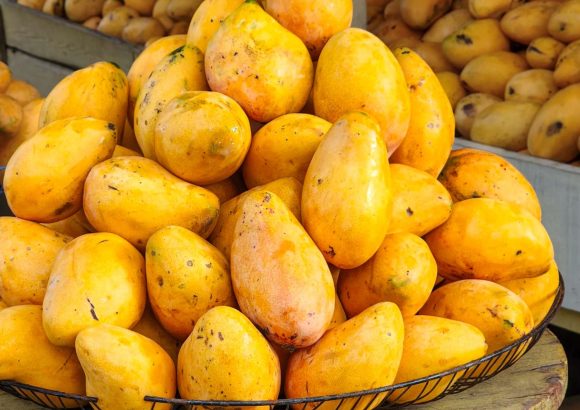
The Dominican Republic’s mango production sector, centered in the southwestern province of Peravia, is grappling with projected losses of $1.5 million—equivalent to roughly 90 million Dominican pesos—after U.S. authorities halted imports of the country’s mangoes over confirmed fruit fly phytosanitary violations. The trade restriction has upended operations in the final weeks of the 2025 harvest, sending ripples through the local market and leaving nearly 100 small and medium producers in Baní, Peravia’s capital, facing severe financial uncertainty.
German Báez, who leads the Banileja Association of Mango Producers (Abapromango), explained that the suspension has frozen all shipments from one of the nation’s six licensed mango packing facilities. Held up in the logjam are 55 containers of the popular Mingolo mango variety, scheduled for shipment to the U.S. in July and August, plus a separate 30-container order of Keitt mangoes earmarked for major U.S. importer Woodman. Beyond blocked exports, the sudden loss of access to the large American market has flooded local supply chains, pushing domestic mango prices down by nearly 50% in recent weeks.
Details from a U.S. Department of Agriculture plant health inspection report, shared by industry insiders, reveal that the import ban stemmed from deep structural weaknesses in the Dominican Republic’s national phytosanitary monitoring system. Inspectors documented alarming discrepancies between on-the-ground field conditions and official government pest activity reports: multiple insect traps tested positive for fruit fly presence, despite official logs that claimed no pest activity in the monitored orchards. Additional violations included poorly maintained, outdated pest traps and inadequate orchard sanitation, with large piles of rotting fallen fruit left on the ground—conditions that drastically accelerate fruit fly reproduction and spread.
Mango producers say the current crisis was entirely preventable. Báez and other sector leaders note that they flagged contamination hotspots to Dominican agricultural authorities as early as 2024, but no targeted preventive measures were ever implemented. Producers also point to systemic under-resourcing of the country’s plant health monitoring network, alleging chronic staffing shortages, months of unpaid back wages for field technicians, and a lack of basic transportation support to carry out routine inspections and pest control work.
The sudden trade shutdown has sparked urgent fears over the long-term financial stability of Peravia’s mango sector, which supports thousands of working families across the province. Data from the Dominican Agricultural Bank shows that Peravia mango producers currently hold 496.4 million Dominican pesos in outstanding agricultural loans. Growers warn that an extended import suspension will leave many unable to meet their debt obligations, triggering widespread defaults that could put hundreds of small farms out of business and push dependent households into financial hardship.
Amid the crisis, there is a small bright spot for producers: exports of Keitt and Kent mango varieties to the European Union remain fully open, with total annual shipments to the region on track to hit 9 million boxes in 2025. Even so, producers note that the U.S. market remains one of their largest and most profitable outlets, so the suspension cannot be offset by European demand alone.
In response to the outbreak and subsequent trade ban, the Dominican Ministry of Agriculture has unveiled a 12-month Integrated Fruit Fly Management Plan, built on frameworks of Good Agricultural Practices and community-focused Integrated Pest Management. Scheduled to run from July 2026 to July 2027, the plan aims to suppress fruit fly populations, overhaul and strengthen national phytosanitary surveillance protocols, and rebuild trust with U.S. agricultural regulators and trading partners.
Producer organizations, however, are calling for faster, more comprehensive action to address the crisis in the near term. Their proposed additional measures include rolling out georeferenced digital pest tracking for all traps, organizing community-wide cleanup campaigns to remove fallen and rotting fruit from orchards, and expanding government support to process surplus mangoes into value-added products such as purees, juices, and preserves. Producers argue that diversifying into processed goods will reduce the sector’s overreliance on the volatile U.S. fresh export market and create a more stable revenue buffer for small growers against future trade disruptions.