标签: Dominican Republic

多米尼加共和国

  • Dominican Republic hosts CLAC aviation summit to strengthen regional air connectivity

    Dominican Republic hosts CLAC aviation summit to strengthen regional air connectivity

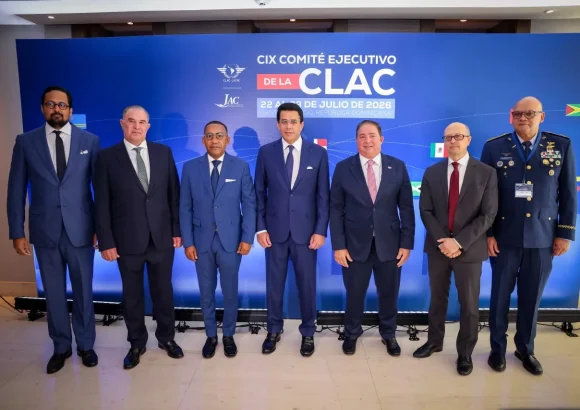
    The Dominican capital of Santo Domingo opened its doors this Wednesday to a pivotal regional aviation gathering, hosting the 19th Meeting of the Executive Committee of the Latin American Civil Aviation Commission (CLAC). The event brings together top civil aviation regulators and leaders from across Latin America and the Caribbean, centered on three core priorities: boosting cross-regional air connectivity, advancing aviation market liberalization, and aligning regional preparations for the upcoming ICAO World Air Transport Conference.

    Presiding over the two-day summit is Héctor Porcella, who leads both the Dominican Republic’s Civil Aviation Board (JAC) and currently holds the CLAC presidency. In his opening remarks, Porcella emphasized that the meeting will serve as a critical platform to shape the commission’s strategic agenda for the next two years. Under the agreed framework, the organization will prioritize expanding accessible air travel across the region, deepening institutional and regulatory collaboration between member states, and closing gaps in regional connectivity that have long hindered economic and tourism growth.

    Porcella outlined the Dominican Republic’s own proactive approach to aviation development, noting that the country has implemented a series of market-opening policies designed to streamline airline operations, expand cross-carrier codeshare partnerships, and build stronger air links with major global markets including South America, Canada, Europe, and Asia. He added that the coordinated partnership between the country’s public sector regulators and private aviation and tourism stakeholders has driven consistent growth, with the Dominican Republic consistently hitting new records for both passenger volumes and total flight operations in recent months.

    david Collado, the Dominican Republic’s Minister of Tourism, reinforced the interconnected nature of aviation and national economic growth, noting that robust air connectivity is the fundamental bedrock of the country’s booming tourism sector. Collado confirmed that the national government will maintain close collaboration with civil aviation authorities, airport operators, and commercial airlines to continue expanding the country’s network of international routes. This ongoing effort is designed to cement the Dominican Republic’s standing as the top tourism destination in the Caribbean, attracting record numbers of leisure and business travelers from across the globe.

    Over the course of the two-day meeting, participating delegates will conduct in-depth reviews of a wide range of pressing industry issues, ranging from the negotiation and implementation of open skies agreements to global aviation safety standards, cross-border technical cooperation programs, industry sustainability initiatives, and the modernization of outdated civil aviation regulatory frameworks across the region. In a key announcement, Porcella confirmed that delegates are set to sign more than eight new regional air transport agreements before the meeting concludes, a development that will significantly deepen institutional and operational aviation ties across Latin America and the Caribbean.

  • Trump imposes 12.5% tariff on Dominican Republic imports

    Trump imposes 12.5% tariff on Dominican Republic imports

    In a major escalation of its trade policy agenda, the second Trump administration unveiled new tariffs Thursday that will impose a 12.5% duty on imports arriving from the Dominican Republic. The measure is part of a sweeping trade enforcement initiative targeting 60 countries and economies worldwide, with the U.S. government justifying the move by claiming these nations have not done enough to crack down on forced labor in global supply chains.

    Announced by U.S. Trade Representative Jamieson Greer, the new tariff will replace an expiring temporary 10% global tariff that is set to lapse this Friday. This updated duty marks the latest step in the administration’s aggressive reshaping of U.S. trade relations after returning to power in January 2025.

    The tariffs stem from formal investigations launched this past March under Section 301 of the U.S. Trade Act. These probes were tasked with determining whether inadequate policies to block forced-labor-produced imports from the affected countries have caused harm to American workers and domestic businesses. Across Latin America, the new tariff structure varies by nation: Mexico, Guatemala, Honduras, and El Salvador will face a 10% import duty, while Costa Rica, Panama, and the Dominican Republic will shoulder the higher 12.5% rate. For other countries included in the action, tariff rates are adjusted based on product category and national origin.

    U.S. trade officials confirmed that investigation outcomes confirmed the need for new trade restrictions, noting the policy shift came after the U.S. Supreme Court struck down the majority of Trump’s earlier round of global tariffs. That ruling forced the White House to reframe its trade agenda, leaning on Section 301 as the new legal foundation for imposing additional import duties. This latest round of tariffs aligns with President Trump’s long-stated broader trade goals, which prioritize targeted pressure on trading partners to rewrite trade rules and advance what the administration frames as U.S. economic interests.

  • Abinader inaugurates Porto Town Center, expected to strengthen commerce in Arroyo Hondo

    Abinader inaugurates Porto Town Center, expected to strengthen commerce in Arroyo Hondo

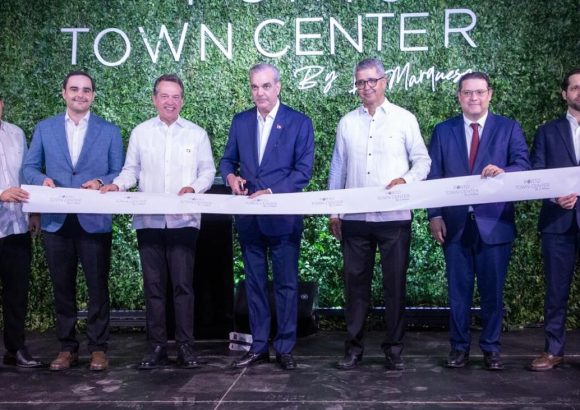
    On a formal inauguration ceremony held in Santo Domingo, Dominican Republic President Luis Abinader officially opened Porto Town Center by La Marquesa, a newly built mixed-use commercial hub located in the Arroyo Hondo district. This development has been widely framed as a clear indicator of strengthening private sector trust in the country’s national investment landscape.

    Spanning across 7,200 square meters of purpose-built space, the plaza houses 71 distinct commercial units designed to accommodate a diverse range of tenants, including retail outlets, casual and fine dining restaurants, professional service providers, and both global brand names and local Dominican businesses. Beyond its commercial function, the project is projected to deliver substantial employment benefits to the local economy: it will generate over 350 direct job positions, alongside an additional 100 indirect roles, injecting new momentum into regional employment rates and overall economic activity.

    Speaking at the opening event, Dominican Housing Minister Víctor “Ito” Bisonó emphasized that the completion of Porto Town Center serves as tangible proof of growing investor confidence in the current economic stability, consistent legal framework, and pro-business regulatory ecosystem that the Abinader administration has cultivated over recent years. Echoing this positive assessment, both developer representatives and leadership from the Juan Valdez coffee franchise, one of the plaza’s anchor tenants, pointed to targeted government support and forward-thinking policies designed to stimulate private investment as critical enabling factors that made the large-scale development possible.

    Local government officials further noted that the new commercial center will fill gaps in Arroyo Hondo’s existing retail and service infrastructure. By offering area residents a modern, environmentally sustainable, and easily accessible destination for shopping, leisure dining, and daily services, the plaza is set to become a key community gathering space while elevating the district’s overall commercial appeal.

  • Dominican Migration investigates agents after viral video of migrant transport in San Juan

    Dominican Migration investigates agents after viral video of migrant transport in San Juan

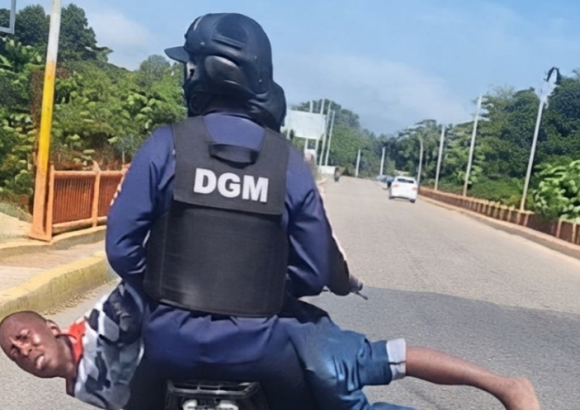
    In the Dominican Republic, the country’s General Directorate of Migration (DGM) has opened an internal disciplinary investigation against two of its uniformed officers, following the rapid spread of a user-recorded video across social media platforms that captures an unusual and controversial detainee transport operation in the southwestern city of San Juan de la Maguana.

    The 15-second clip, which was widely shared by users starting July 21, shows the arrested Haitian migrant strapped between the two immigration agents on a single motorcycle, with no visible secure restraints or safety measures in place. The footage quickly triggered widespread public criticism, with migration policy analysts and human rights observers questioning whether the transport method violated existing DGM safety protocols designed for detention and enforcement operations.

    In an official statement released to the public following the viral spread of the video, DGM officials provided context for the incident. According to the agency, the two agents were dispatched to respond to a disturbance report at the Plaza Líbano commercial area, where the undocumented migrant was accused of stealing goods from local retailers. DGM representatives said the man actively resisted the arrest attempt and acted aggressively toward responding officers, forcing the agents to restrain him before moving him to a nearby immigration detention center. With no official department transport vehicle immediately available, the agents made the decision to move him on their service motorcycle.

    The agency further confirmed that during the short trip to the detention facility, the detainee made sudden, unexpected movements that caused the motorcycle to tip over and crash. Even after the fall, the officers chose to continue transporting the man using the same motorcycle method — a decision that was recorded by a bystander and ultimately led to the agency’s internal investigation into potential policy violations.

  • Abinader creates citizen oversight commission for DO Sostenible Trust

    Abinader creates citizen oversight commission for DO Sostenible Trust

    In a move designed to embed greater transparency and public accountability into the country’s evolving solid waste management framework, Dominican Republic President Luis Abinader has signed Decree No. 498-26, formally creating a new Citizen Oversight Commission tasked with monitoring the DO Sostenible Trust. This initiative marks a key step forward in the government’s commitment to delivering ethical, rule-compliant management of public resources dedicated to improving waste infrastructure across the nation.

    The newly formed commission operates as an independent advisory and honorary body, with a core mandate to track both the on-ground implementation and financial management of all projects funded through the DO Sostenible Trust. Its core responsibilities include verifying that all spending and program activities align with the Dominican Republic’s existing solid waste management legislation, as well as publishing regular periodic oversight updates and a comprehensive annual public report on the trust’s operations. This level of public reporting is intended to give civil society and ordinary citizens clear visibility into how public and donor resources are being used for waste management improvements.

    Five experienced professionals have been appointed to serve on the commission, selected specifically for their demonstrated independence, established reputation for integrity, and confirmed lack of conflicts of interest related to the trust’s activities. Alliet Ortega will lead coordination of the commission’s work, joined by fellow members Manuel García Arévalo, Giselle Pérez Reyes, Roberto Despradel Catrain, and Ruth de los Santos. Before taking office, all commission members are required to sign a formal ethical commitment that formalizes pledges to maintain their independence, uphold strict confidentiality for sensitive information, and disclose any potential conflicts of interest that may arise during their tenure.

    Under the terms of the presidential decree, the commission holds broad authority to fulfill its oversight mandate: it may formally request any necessary information from trust administrators, accept input and recommendations from ordinary citizens and relevant industry stakeholders, and propose targeted policy and operational adjustments to strengthen transparency, institutional integrity, and overall management of the DO Sostenible Trust.

    This new oversight body directly supports the full implementation of the country’s General Law on Integrated Solid Waste Management, reinforcing the current administration’s ongoing efforts to build a more sustainable, transparent system for handling solid waste across the Dominican Republic. By creating a formal role for independent citizen oversight, the government has signaled its intent to address longstanding concerns about resource mismanagement in public environmental projects, while creating a new channel for public participation in sustainability initiatives.

  • Blaze damages Comatillo Camp in Monte Plata; no injuries reported

    Blaze damages Comatillo Camp in Monte Plata; no injuries reported

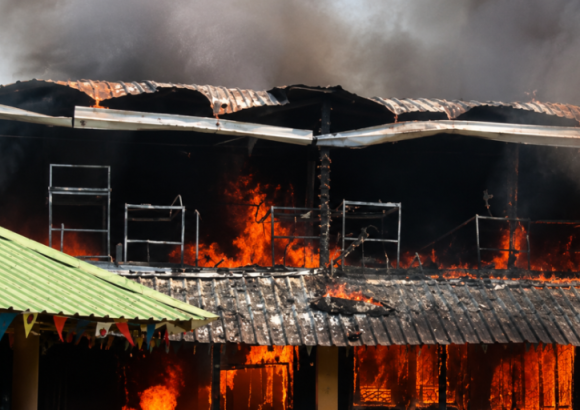
    On a Wednesday morning, an unexpected blaze broke out at the Comatillo recreational camp, nestled in the namesake community of Bayaguana municipality, Monte Plata province. Early preliminary official statements confirm that while the fire has left a trail of extensive material destruction across the site, it has fortunately not resulted in any recorded injuries or loss of life.

    At the time the fire ignited, the popular summer campsite was playing host to hundreds of vacationers who had gathered to take part in a series of pre-organized seasonal activities. In the immediate aftermath of the blaze being detected, site managers and local emergency personnel moved quickly to initiate a full precautionary evacuation, guiding all camp occupants away from the danger zone and moving them to pre-designated safe locations off-site. This rapid, coordinated response was directly credited for the complete absence of injuries among visitors and staff.

    Local law enforcement and emergency management authorities have formally verified that the incident has only caused damage to physical property and infrastructure. First responders from regional fire and emergency services have already completed work to secure the perimeter of the affected area, preventing the fire from spreading to adjacent woodlands or neighboring residential properties. Administrative officials have now launched an official process to survey the damage and document the full scope of losses to the camp.

    At present, official investigators are conducting a thorough on-site probe to pinpoint the exact origin and root cause of the fire. As of the latest update, authorities have not published any additional details about how the blaze started, nor have they released a public estimate of the total financial cost of the damage sustained by the camp.

  • Santo Domingo Metro temporarily closes platform after person enters tracks

    Santo Domingo Metro temporarily closes platform after person enters tracks

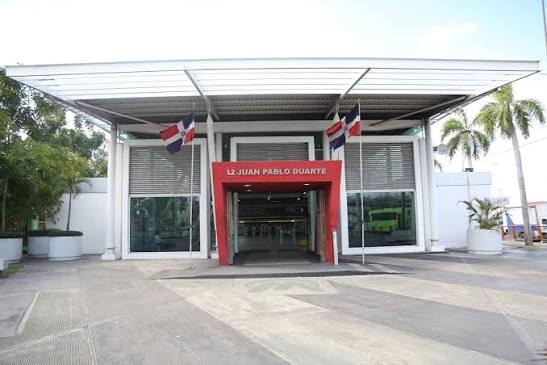
    A sudden safety incident shut down part of Santo Domingo’s metro network late Tuesday, after an individual trespassed onto active train tracks as a service was pulling into Juan Pablo Duarte Station’s first platform. The Metropolitan Transportation Company (EMT), the government entity that oversees the capital’s metro system, confirmed the event triggered an immediate activation of the transit network’s built-in emergency safety protocols.

    The incident unfolded at roughly 10:15 p.m., according to official statements from EMT. In line with established safety procedures, first responders oversaw a full evacuation of the affected platform within minutes of the trespasser entering the tracks, and the National Emergency and Security System (9-1-1) was alerted right away to deploy response teams to the scene.

    To allow emergency personnel to conduct their work safely and without disruption, all regular metro service through Juan Pablo Duarte Station was put on a temporary hold while responders assessed the situation and secured the tracks. As of the latest official update, regional authorities have not released any additional details about the trespasser’s medical condition, nor have they shared context around what led the person to enter the restricted track area.

    In the wake of the incident, EMT reaffirmed its longstanding commitment to prioritizing the safety and well-being of every passenger using the Santo Domingo Metro. The agency also issued a public reminder urging all transit users to abide by posted metro regulations and follow any guidance provided by operational on-site staff, a step that helps mitigate safety risks and protect everyone in the transit system.

  • Dominican Republic and Chile sign agreement to fight human trafficking

    Dominican Republic and Chile sign agreement to fight human trafficking

    In a historic step toward confronting global organized criminal activity, the Dominican Republic and Chile have formalized a partnership to create a specialized joint investigation unit focused on cracking down on human trafficking, migrant smuggling, money laundering and a range of other cross-border criminal enterprises. The landmark agreement was signed this week in Santo Domingo by Dominican Attorney General Yeni Berenice Reynoso and Chilean National Prosecutor Ángel Valencia Vásquez, both of whom emphasized that deeper cross-border collaboration is critical to dismantling sprawling, networked criminal groups that operate beyond individual national jurisdictions.

    Officials from the Dominican Attorney General’s Office confirmed that this agreement marks the first time the Caribbean nation has established such a joint investigation body in full alignment with the terms of the United Nations Palermo Convention against Transnational Organized Crime, the global framework guiding international cooperation against transnational criminal activity.

    Reynoso outlined that the new partnership strengthens the Dominican Public Prosecutor’s long-running strategy to combat human trafficking, which she characterized as a contemporary form of slavery. The initiative builds on existing coordination between multiple Dominican domestic institutions, including the Ministry of Foreign Affairs, General Directorate of Migration, National Intelligence Directorate and Ministry of Defense. She added that investigative teams from both countries had already been working together informally for some time ahead of the formal signing of the agreement, laying a solid foundation for future coordinated action.

    For his part, Valencia explained that the pact creates a clear, practical operating framework that allows prosecutors and law enforcement officers from both nations to work side-by-side on investigations, share real-time intelligence and exchange proven law enforcement best practices. These coordinated efforts, he noted, will significantly boost both countries’ capacity to break apart criminal organizations that profit from human trafficking and the smuggling of irregular migrants.

    The agreement, which will remain in force for an initial one-year term, also expands cooperation to cover linked criminal activities including money laundering, public corruption and various economic crimes tied to transnational organized networks. Under the terms of the pact, authorities from both countries will coordinate investigation planning, exchange sensitive information and evidence, track down and prosecute criminal ringleaders and other offenders, seize assets gained through illegal activity, and prioritize the safety and support of victims of human trafficking throughout all investigative and judicial processes.

  • Roberto Álvarez receives update on Haiti’s Gang Suppression Force deployment

    Roberto Álvarez receives update on Haiti’s Gang Suppression Force deployment

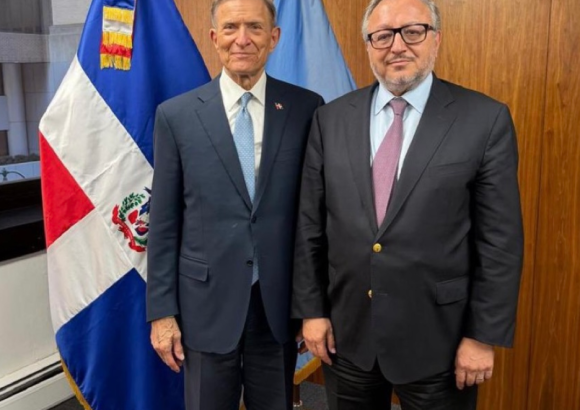
    On the sidelines of a high-stakes United Nations Security Council session focused on the worsening crisis in Haiti, senior diplomatic officials from the Dominican Republic and Haiti’s transitional security mission gathered this Tuesday to advance coordination on a landmark effort to curb gang violence across the border. Dominican Foreign Minister Roberto Álvarez sat down with Jack Christofides, the special representative leading Haiti’s newly established Gang Suppression Force (GSF), for a working meeting centered on the mission’s ongoing deployment and critical capacity-building initiatives.

    According to an official statement released by the Dominican Foreign Ministry following the closed-door discussion, Christofides provided a comprehensive update to Álvarez on the GSF’s institutional development progress. This included a breakdown of work to establish the mission’s core command framework, strategic planning mechanisms, and inter-agency coordination structures that will underpin all field operations. Christofides also confirmed that the GSF has already launched its first targeted operations, moving to dismantle criminal gang strongholds and infrastructure across gang-controlled areas of Haiti.

    Beyond reviewing current progress, the two officials delved into actionable next steps designed to boost the GSF’s operational effectiveness. As Haiti’s immediate neighbor, the Dominican Republic has a direct stake in stabilizing the security situation, as widespread violence and displacement in Haiti has spilled across the border in recent years, creating humanitarian and security challenges for Dominican communities. The talks closed with a renewed focus on aligning efforts to support the broader goal of restoring lasting public security to Haiti, a priority that has gained growing international attention through the United Nations’ ongoing engagement with the crisis.

  • Transparency International praises Dominican Republic’s anti-corruption efforts

    Transparency International praises Dominican Republic’s anti-corruption efforts

    Santo Domingo — The head of one of the world’s leading anti-corruption watchdogs has highlighted the Dominican Republic’s robust progress in rooting out public sector graft, positioning the Caribbean nation as a standout global example for tangible action on transparency and governance reform.

    In a conversation with Dominican local media outlets, Transparency International President François Valérian emphasized what sets the country apart from many other nations: while dozens of states have comprehensive, well-written anti-corruption legislation on their books, few follow through with consistent enforcement. In the Dominican Republic, by contrast, three core pillars of government — the executive branch, public prosecution service, and national judiciary — are actively moving forward with corruption investigations and trials, Valérian explained.

    “The Dominican Republic is not just talking about fighting corruption — it is delivering on that promise,” Valérian said, acknowledging that the country still faces persistent challenges in fully eradicating graft. Even so, he underscored that national authorities have demonstrated clear, unwavering commitment to opening high-profile corruption cases and holding influential actors accountable under the law.

    Valérian’s positive assessment arrives ahead of a major global governance milestone for the country: the Dominican Republic is slated to host the 18th International Anti-Corruption Conference (IACC) from December 1 to 4, 2026. The quadrennial event, one of the largest global gatherings focused on transparency reform, is expected to draw more than 2,000 attendees from 140 nations. Participants will span sectors and include sitting government officials, civil society activists, leaders of multilateral international organizations, academic researchers, and private sector executives, all coming together to refine shared global strategies for advancing openness and combating transnational corruption networks.