
A major public safety operation staged over the 2026 Holy Week holiday in the Dominican Republic has revealed alarming rates of alcohol and food poisoning among revelers, including three underage people affected by excessive alcohol consumption. The country’s Emergency Operations Center (COE) published its latest update on Holy Saturday, confirming that 145 individuals have required medical treatment for alcohol poisoning. Among those impacted are three minors between the ages of 11 and 17, raising new concerns about underage access to alcohol during seasonal holiday gatherings. In addition to the alcohol poisoning cases, COE data also shows 86 people have sought and received medical care for food poisoning over the course of the holiday celebrations so far. The cross-agency safety operation, dubbed “Conscience for Life, Holy Week 2026,” was launched on the order of Dominican President Luis Abinader, kicking off on Thursday, April 2. A core component of the deployment is a dedicated road safety and public health prevention unit, which went active at 2:00 p.m. on opening day and is scheduled to remain in service until 6:00 p.m. on Sunday, April 5, when the full operation will wrap up. The operation was designed to mitigate common risks associated with Holy Week, a major holiday period that draws large public gatherings, increased travel, and widespread social celebrations across the country. The early poisoning data underscores the ongoing public health challenges facing authorities during peak seasonal holiday events, even with proactive prevention measures in place.
标签: Dominican Republic
多米尼加共和国
-
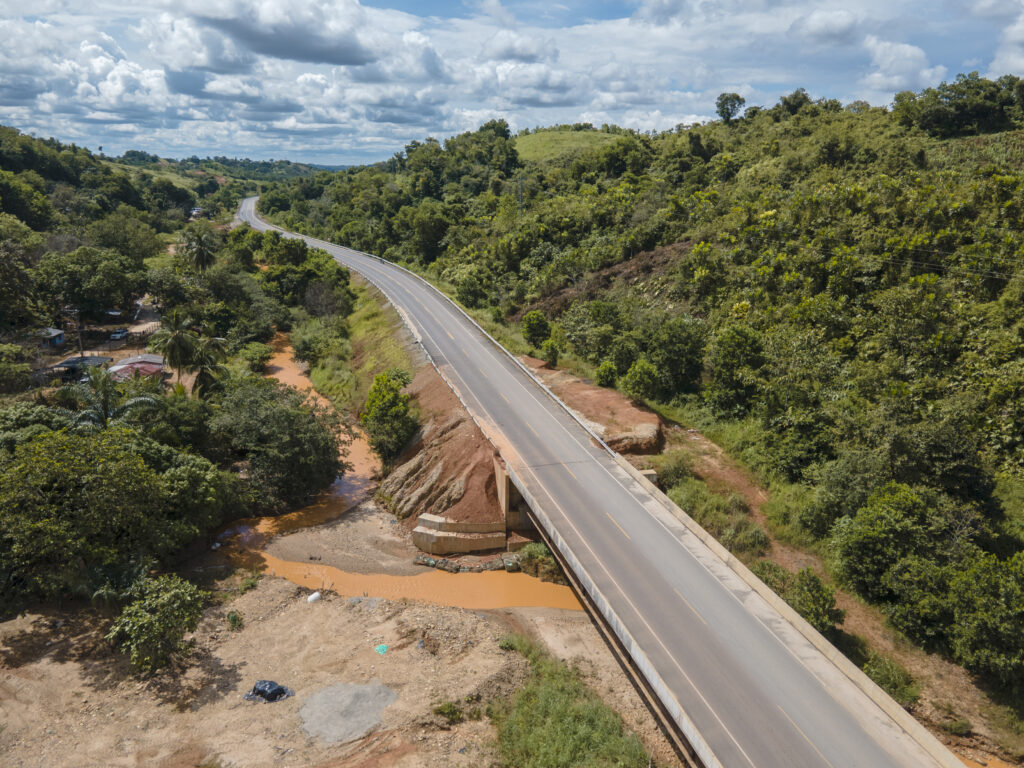
Businessman proposes road projects to Abinader to boost tourism in the Northeast
A prominent Dominican business figure has joined President Luis Abinader in calling for accelerated action on targeted road infrastructure projects that stand as critical building blocks for expanding the nation’s economic and tourism sectors, with a specific focus on unlocking growth in the country’s underdeveloped Northeast region.
Leading the push is businessman Jhonny Cabrera, who has identified the modernization of the Las Américas entrance — the primary gateway to the Greater Santo Domingo metropolitan area — as a top urgent priority. Cabrera explains that upgrading this key arterial route will deliver multiple interconnected benefits: it will cut through persistent traffic congestion, drastically reduce the risk of road accidents to improve overall safety, and create a more polished, welcoming first impression for both domestic travelers and international tourists arriving to the country.
Beyond the capital region’s access point, Cabrera has also stressed the critical need for upgrades to the main access road leading to Las Terrenas, one of the Dominican Republic’s most popular and fastest-growing coastal tourism hubs. He notes that the steady, long-term expansion of Las Terrenas’ tourism industry is inextricably linked to the quality of its transportation links; without efficient, modern, and reliable road connectivity, the destination cannot reach its full potential.
To further amplify regional tourism development, Cabrera has put forward a new proposal: the construction of a strategic interconnected road network that would link the popular destinations of Las Terrenas, El Limón, and Las Galeras. The overarching goal of this initiative is to create a cohesive, integrated tourist circuit across Samaná Province, streamlining travel between key attractions for visitors and opening up new economic opportunities for local communities across the region.
Cabrera emphasizes that these infrastructure projects deliver far more than just improved transportation. For local residents, upgraded roads will directly translate to a higher quality of life, shortening commute times and improving access to essential services. For the broader regional economy, the projects are projected to draw in new domestic and foreign private investment, create thousands of new local jobs, and help position the Samaná region and the broader Dominican Northeast as a top-tier competitive international tourism destination.
Wrapping up his advocacy, Cabrera has issued a formal call for national government authorities to formally incorporate all of these proposed projects into the country’s official national infrastructure planning framework, underscoring that the investments are essential to advancing long-term inclusive and sustainable economic growth across the Dominican Republic.
-

The top 5 European tourist origins to the Dominican Republic: Spain continues to lead
The Dominican Republic’s civil aviation regulator has released full-year 2025 data on transatlantic air travel, showing slow but consistent expansion in passenger volumes between the Caribbean nation and European markets. Total European-origin and -bound air passengers reached 2,172,458 last year, marking a 2% uptick from the 2024 total of 2,126,954, representing an increase of 45,504 passengers year-over-year. The Civil Aviation Board (JAC) characterized the overall trajectory as “slow but sustained growth”, a trend that aligns with broader post-pandemic recovery patterns in Caribbean tourism. Spain retained its position as the Dominican Republic’s largest European air travel market, closing 2025 with 912,177 total passengers, a solid 7% increase compared to 2024 figures. This leading market position is backed by strong airline connectivity: four of the 10 carriers with the most frequent service between the two countries are Spanish-based, including major players Air Europa, Iberia, Iberojet, and leisure-focused World2Fly. The United Kingdom claimed the second spot in the European market rankings, recording 354,892 total passengers in 2025, a 4% annual increase. JAC analysts highlighted this uptick as evidence of stable, consistent travel demand between the Dominican Republic and the UK, with air connectivity holding steady throughout the year. Germany remained the third-largest market for the Dominican Republic’s European air routes, even as the country recorded a 9% year-over-year drop in passenger volumes, falling from 302,186 in 2024 to 276,208 in 2025. France also faced a mild decline, with passenger numbers falling 6% from 153,414 in 2024 to 144,043 last year. Rounding out the top five European markets was Portugal, which posted a 7% year-over-year growth in passenger volumes, climbing from 80,274 travelers in 2024 to 86,038 in 2025 to secure the fifth position. While a handful of key markets saw minor contractions, the overall 2% growth across all European routes confirms the Dominican Republic’s gradual, steady recovery of its transatlantic travel sector.
-
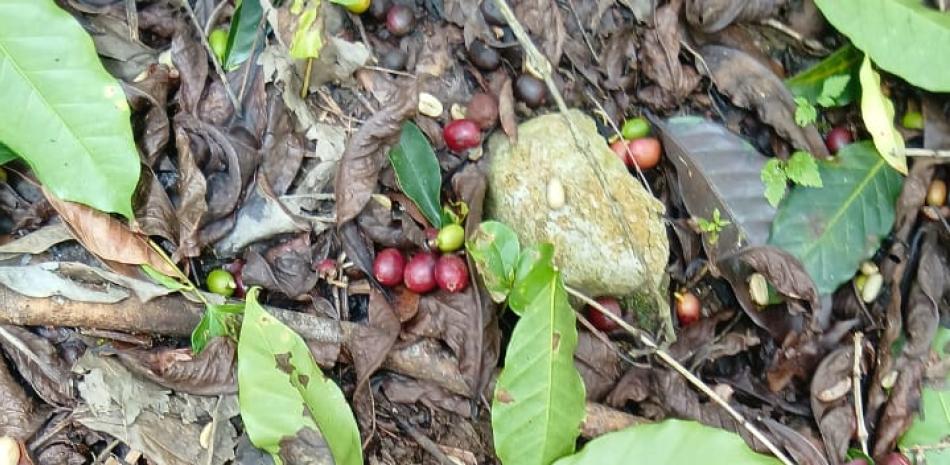
Abinader will deliver support to coffee growers affected by Hurricane Melissa
In the southwestern Dominican province of Bahoruco, hundreds of coffee farmers who suffered catastrophic losses from 2023’s Hurricane Melissa are waiting for long-promised compensation from President Luis Abinader’s administration—but the rollout of the aid program has already been overshadowed by secrecy, inter-agency friction, and fears that eligible growers will be left out.
The disbursement of relief funds is scheduled to take place April 7 and 8 at the headquarters of the Dominican Coffee Institute (INDOCAFE) in Neyba, the province’s largest municipality. The distribution will be led by a joint delegation of INDOCAFE staff and officials from the Dominican Republic’s Office of the Comptroller General, tasked with overseeing the transfer of public funds to affected producers.
But basic details about the program remain undisclosed to the public: the total size of the relief package, and the full list of growers approved to receive compensation, have not been made available. Teodoro Peña Rivas, INDOCAFE’s interprovincial director for the region, has declined to share the roster of beneficiaries, stating he is following orders from the institute’s senior leadership in Santo Domingo.
Peña Rivas—widely known by his nickname “Carlos Café” among local growing communities—has also refused to partner with the NUCASNE, the local advocacy group representing coffee and crop farmers in the Sierra de Neyba mountain region, where much of Bahoruco’s coffee cultivation is concentrated. Peña Rivas claimed he could not collaborate with the group because he had not received authorization from INDOCAFE’s national director, Leonidas Batista Díaz.
This refusal directly contradicts communications shared directly with NUCASNE, however: Peña Rivas himself read a text message and played an audio recording from Batista Díaz that instructed the institute’s regional team to meet with Faustino Reyes Díaz, NUCASNE’s coordinator, to coordinate support for the affected producers.
The conflicting directions and secrecy have fueled growing suspicion among local growers about the transparency of the relief program. Reyes Díaz told reporters he believes mid-level INDOCAFE technicians, with backing from the institute’s national leadership, have deliberately declined to complete official damage assessments for many affected farms, even when clear evidence of storm destruction exists. He warned that growers who suffered severe losses during Hurricane Melissa will be locked out of the compensation program entirely, and says he is already bracing for anger and disappointment among the farming community when aid is distributed.
For Bahoruco’s coffee sector, which is a core source of employment and economic activity for the region, Hurricane Melissa caused widespread damage to crops and growing infrastructure in 2023. The promised compensation from the national government was intended to help small-scale producers rebuild their operations, but the emerging controversies have cast doubt on whether the aid will reach those who need it most.
-
Alcohol poisoning in children: the NHS reports 52 cases treated in hospitals
Over the recent Christmas and New Year holiday period, 52 minors across the Dominican Republic received emergency hospital care for alcohol poisoning, according to official data released by the country’s National Health Service (SNS). In line with mandatory protocols for protecting minors’ rights, the SNS has formally submitted a full list containing the names and specific details of all treated underage patients to both the Attorney General’s Office and the Ministry of Public Health.
Dr. Yocasta Lara, director of SNS Hospital Centers, broke down the details of the case in a public statement, confirming that the national count of affected minors stands at 52. Beyond the formal reporting to national authorities, Dr. Lara noted that frontline medical teams at all public health facilities are required to immediately alert local prosecutor’s offices whenever a minor is treated for alcohol poisoning, to enable swift investigations and targeted protective action.
Lara emphasized that the situation is deeply alarming, given that it exposes children and adolescents to immediate and long-term threats to their physical health and personal well-being. “Alcohol poisoning among minors is 100 percent preventable,” she stated. “As a collective society, we must step up adult oversight and guarantee safe, secure spaces for our young people, particularly during holiday family gatherings where alcohol is often readily available.”
The SNS has reaffirmed its ongoing commitment to strengthening public health network surveillance systems, accelerating mandatory case reporting, and expanding comprehensive care for affected minors. Lara also issued a public call to all parents, caregivers, and legal guardians to practice responsible alcohol storage and supervision, to block underage access to alcoholic beverages.
Closing her statement, Lara reiterated that early-age alcohol consumption can cause severe, sometimes permanent health damage. She stressed that collective co-responsibility between families and communities, paired with consistent prevention efforts, are the foundational pillars needed to safeguard the health of all Dominican children and adolescents.
-

COE reports 66 alcohol poisonings; among the cases are three minors
In the opening hours of the “Conscience for Life, Holy Week 2025-2026” public safety and health operation, regional emergency authorities have confirmed that dozens of people have sought and received medical care for alcohol-induced poisoning, alongside a smaller cluster of food poisoning cases. The first official situation update released by the local Emergency Operations Center (COE), compiled in coordination with the National Health Service, lays out the full early breakdown of incidents: across the monitored area, 66 people have been diagnosed with acute alcohol intoxication. Of those affected, three are underage minors aged between 14 and 17 years old, a detail that has amplified public health concerns around underage access to alcohol during the popular holiday period. Alongside the alcohol-related cases, an additional 19 cases of food poisoning have been logged by health officials in the same early window of the operation. In response to these early incident numbers, the COE has reissued a formal public appeal, urging all residents and visitors celebrating the Holy Week holiday to consume alcoholic drinks in moderation, implement consistent food safety precautions, and prioritize safeguards to prevent underage drinking and exposure to harmful substances during the festive season.
-

Authorities issue red flag alert for Puerto Plata beaches
Puerto Plata, Dominican Republic – Local Civil Defense authorities have activated a full-coastal red alert for the entire Atlantic-facing shoreline of Puerto Plata this Friday, acting on official weather guidance from the national Dominican Institute of Meteorology. The alert, which remains in effect from 6 a.m. local time Friday through 6 a.m. Saturday, warns of life-threatening ocean conditions driven by a rare combination of atmospheric and hydrological systems.
Meteorological officials explain that a stationary low-pressure trough, paired with persistent east-northeast winds and a strong anticyclonic system positioned across the North Atlantic, has combined to produce unusually large abnormal swells and powerful, unpredictable sea currents. These conditions create severe, immediate risks for anyone entering the water, from casual recreational swimmers to commercial and private maritime operations.
Under the terms of the active red flag warning, authorities have ordered all operators of small and medium-sized vessels to stay docked in port across the entire affected Atlantic coastal stretch, which runs from the eastern edge of Saona Island all the way west to Monte Cristi. Notably, the Dominican Republic’s Caribbean coastline has not been impacted by the hazardous conditions and remains open to normal activity. For visitors heading to Atlantic-facing beaches, officials issued an urgent warning about an extremely high risk of dangerous rip currents, strongly advising all beachgoers to contact local lifeguard and rescue services before attempting to enter the water.
With the Easter holiday bringing a surge of domestic and international travelers to Puerto Plata’s popular coastal destinations, the Civil Defense has issued a direct appeal to both local residents and visiting tourists: comply strictly with the red flag warning and avoid all recreational swimming in the Atlantic this weekend. Authorities add that they have deployed additional monitoring personnel to the coast and will maintain 24/7 real-time surveillance of changing ocean and weather conditions, issuing immediate public updates if conditions shift or the alert timeline is adjusted.
-
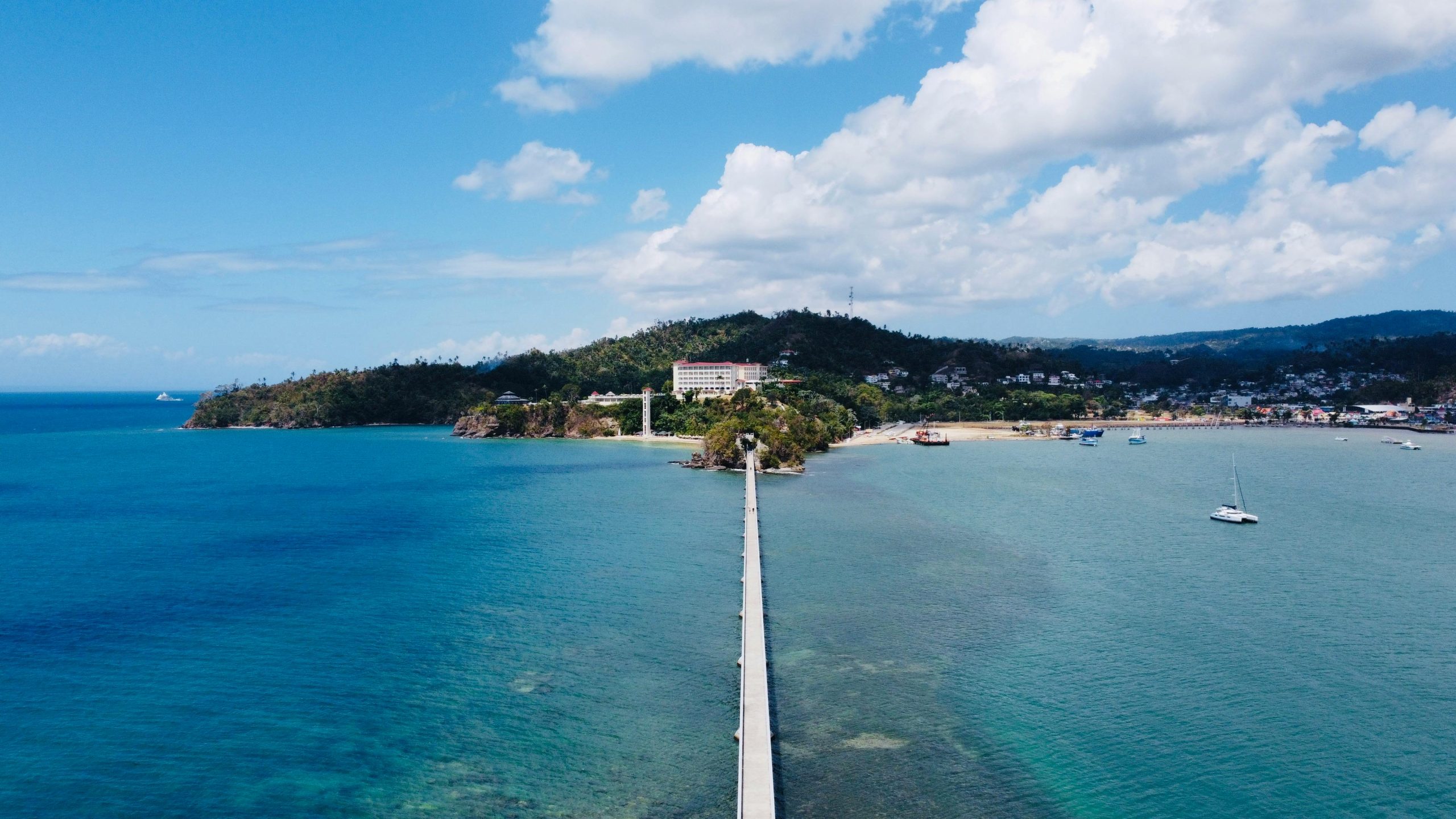
Government invests over RD$2 billion in Samaná tourism infrastructure
SANTO DOMINGO – The Dominican Republic is advancing an ambitious push to elevate one of its key coastal tourism hubs, with a multi-million dollar infrastructure overhaul and a refreshed destination branding strategy aimed at attracting more international visitors. Dominican Tourism Minister David Collado has formally unveiled a total investment package worth 2.047 billion Dominican pesos (RD$) dedicated to upgrading public and tourism-focused infrastructure across the Samaná province.
The scope of the transformation project covers a wide range of critical upgrades, from full paving of existing roadways and modernized drainage infrastructure to complete reconstruction of urban streets and enhancements to shared public spaces and core tourism facilities. A key component of the work is focused on preparing the Arroyo Barril cruise terminal for its official inauguration and the steady flow of cruise ship passengers that will follow. For this segment of the project, an additional 185 million RD$ has been allocated to resurface 29 streets stretching more than six kilometers in the immediate surrounding area of the terminal.
Alongside the infrastructure investments, the national tourism administration is rolling out a new dedicated tourism brand for Samaná, presented by Vice Minister Tammy Reynoso. The brand was developed through a collaborative process that incorporated expertise from global tourism consultants and input from key local industry stakeholders, including the Samaná Hotel and Tourism Association (AHETSA). Officials say the rebranding initiative is designed to reposition Samaná as a premium, world-class travel destination on the global tourism map, boosting visitor arrivals, extending average tourist stays, and driving long-term economic growth for the province and the wider Dominican tourism sector.
-

Environment Ministry enforces 60-meter beach buffer rule for Easter
As the Dominican Republic prepares for the annual Easter holiday rush that draws thousands of visitors to its sun-soaked coastal stretches, the nation’s Ministry of Environment and Natural Resources has announced enhanced enforcement of a critical coastal protection regulation. The updated ruling, codified as Resolution No. 026/2025 and officially signed by Environment Minister Paíno Henríquez, mandates that all vehicle parking on public beaches and coastal dunes must maintain a minimum 60-meter setback from the high tide line.
-
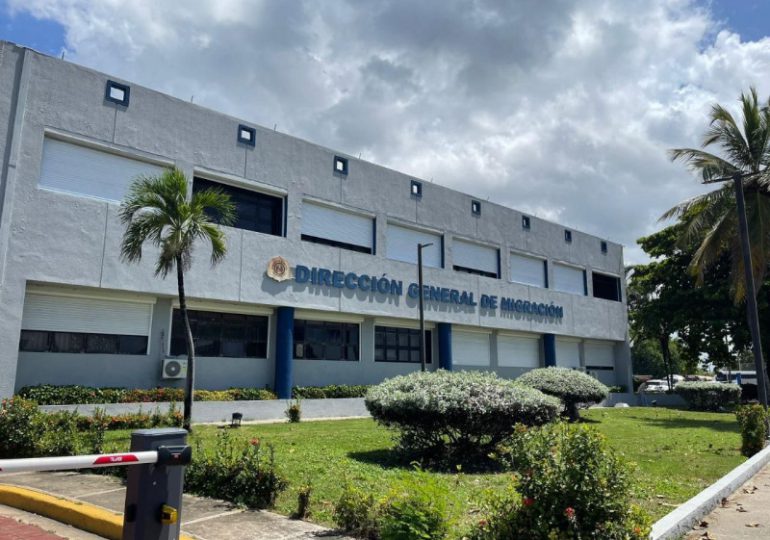
Migration authorities detain over 2,000 undocumented migrants in nationwide operations
In a major push to strengthen migration management across the Dominican Republic, the nation’s General Directorate of Migration (DGM) has released official figures documenting large-scale enforcement operations carried out over two days in late March and early April 2026.
Across coordinated operations conducted on March 31 and April 1, DGM officials confirmed that a total of 2,199 undocumented migrants were taken into custody. Of that group, 1,890 have already been processed and deported through official border crossings, according to the agency’s official statement.
Deportations were distributed across four key border entry points, with the DGM reported: 493 deportees exited through the Dajabón crossing, 983 through Elías Piña, 321 through Jimaní, and 163 through the Pedernales border point. Agency spokespersons emphasized that all detention and deportation procedures strictly followed established due process requirements and official human rights protection protocols throughout every stage of the operations.
The enforcement actions were a joint effort between multiple Dominican security bodies. Of all detainees, 1,345 were apprehended directly by DGM field agents, while the remaining 854 were arrested by joint security forces that included the Dominican Army, National Police, the Dominican Border Security Corps (CESFRONT), and the National Environmental Protection Service (SENPA).
Operations were not limited to border regions: enforcement actions stretched across multiple high-population and high-traffic areas of the country, including the Greater Santo Domingo metropolitan area, Santiago, La Altagracia, Samaná, Espaillat, and all key border provinces. The operation targeted undocumented migrants across both urban centers and rural communities, with additional checks concentrated along major travel routes, public transport hubs, and agricultural work sites where unauthorized migration is commonly reported.